From the Great Barrier Reef's coral labyrinths to the ancient red silence of the Outback — Australia is one of earth's great adventure playgrounds. This is the guide to doing it right in 2026.
Cooee Tours Adventure TeamAdventure Travel Specialists · 18 min read · Updated March 2026
Adventure tourism in Australia isn't a niche pursuit — it's the defining way to encounter a country that operates at a scale and intensity that ordinary sightseeing barely scratches. From the crystalline waters of the Great Barrier Reef to the raw, ochre silence of the Outback, Australia offers every kind of outdoor experience, at every skill level, underpinned by some of the world's strongest adventure tourism infrastructure. This is the guide to making the most of it.
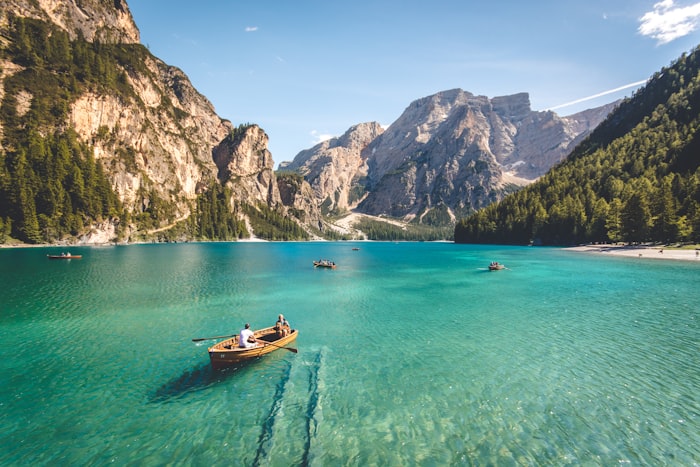
The Victorian Alps — year-round adventure terrain
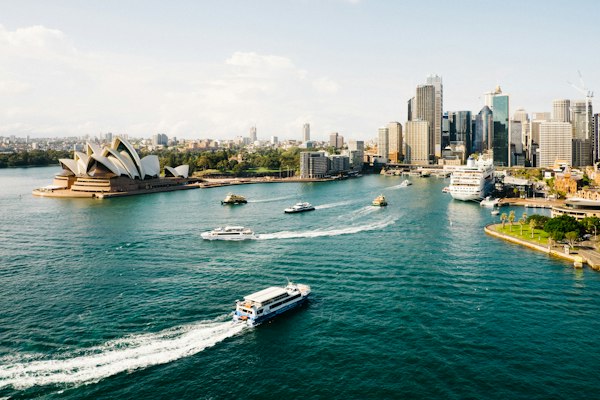
36,000km of coastline — every adventure possible
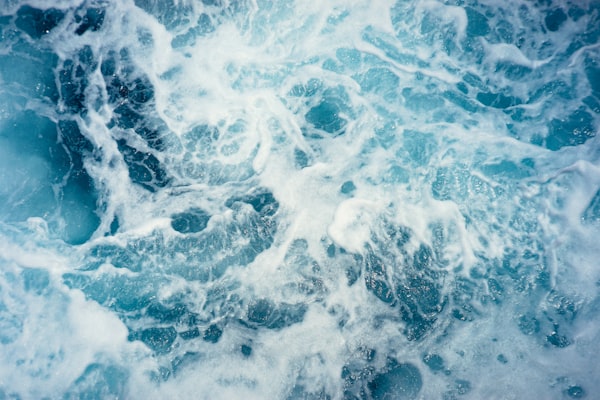
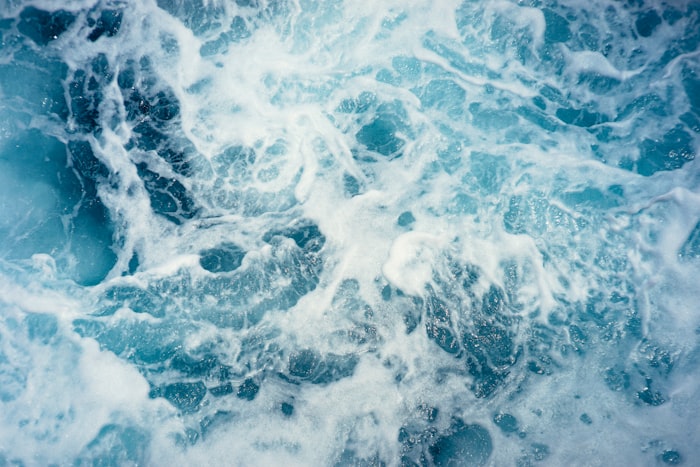
The world's largest living structure — the Great Barrier Reef
The Outback — 70% of the continent, almost entirely wild
Tasmania — half the island is protected wilderness
01
The Big Picture
Why Adventure Tourism is Experiencing Unprecedented Growth
The global adventure tourism market is projected to reach $1.6 trillion by 2028 — and Australia, with its unique ecosystems and world-class adventure infrastructure, has positioned itself at the front of this wave. But the numbers only tell part of the story. What's actually driving this shift is something deeper: a fundamental change in what travellers want from their time away.
Modern travellers are done with passive sightseeing. They want transformation — genuine encounters with nature and local cultures that leave them changed in some measurable way. When you're navigating white-water rapids on the Tully River or emerging from a snorkel dive on the outer reef at 6am, there is no filter between you and the experience. It's raw, physical, and profoundly memorable in ways that poolside cocktails never quite are.
Research finding: 73% of millennials prioritise experiences over material possessions, with active outdoor adventures consistently topping travel wish lists. Post-pandemic, this has accelerated — open-air, less-crowded, physically engaging experiences have become not just desirable but essential for many travellers' sense of genuine rest and recovery.
The wellness connection is significant and well-documented. Outdoor adventure activities reduce stress hormones measurably, improve cardiovascular health, boost mental clarity, and increase long-term life satisfaction. In an increasingly screen-saturated world, the act of using your body in a challenging natural environment is increasingly understood as a form of medicine — which partly explains why adventure tourism has grown even as disposable income has tightened for many demographics.
Australia's particular advantages in this market are structural: extraordinary biodiversity, dramatic landscape variety within a manageable geographic area, strong English-language tourism infrastructure, high safety standards, and a national culture that genuinely values outdoor life. Add a competitive exchange rate for many international visitors, and the case for Australia as an adventure destination becomes compelling across virtually every market segment.
02
Where to Go
Australia's Premier Adventure Destinations
Australia's geography encompasses virtually every adventure environment: tropical reef, ancient rainforest, alpine wilderness, desert outback, temperate coastline. These five regions represent the country's deepest adventure credentials.
Northern Territory · South Australia · WA
The Outback
Covering over 70% of the continent, the Australian Outback is one of Earth's last great wildernesses. Multi-day 4WD expeditions through the Kimberley, Simpson Desert, and Kakadu offer unmatched star-gazing, Indigenous cultural experiences, and wildlife encounters found nowhere else on earth. Activities include camel trekking, quad biking through ancient gorges, billion-year-old rock climbing, and bush tucker tours.
Best Season: Apr–Oct (Dry Season)
Queensland
Great Barrier Reef & Whitsundays
The world's largest living structure stretches 2,300km and hosts over 1,500 fish species. Scuba diving and snorkelling reveal an underwater universe of extraordinary richness, while the Whitsundays offer sailing expeditions, sea kayaking, stand-up paddleboarding, and scenic flights over the iconic Heart Reef. Liveaboard dive trips provide access to remote outer reef sites where manta rays, reef sharks, and seasonal humpback whales appear.
Best Season: Jun–Nov (Dry, Whale Season)
Queensland · Far North
Daintree Rainforest
The Daintree is over 180 million years old — the world's oldest surviving tropical rainforest, and home to adventures found nowhere else on earth. Zip-lining through the canopy, guided night walks revealing tree kangaroos and cassowaries, river cruises for crocodile spotting, and canyoning down pristine waterfalls. The rainforest is also a living classroom for Kuku Yalanji culture and their millennia-old relationship with this extraordinary landscape.
Best Season: May–Oct (Dry Season)
Tasmania
Tasmania
Nearly half the island is protected in national parks and World Heritage areas. The Overland Track — one of Australia's great multi-day hikes — traverses ancient rainforests, alpine meadows, and glacial landscapes. Beyond hiking: sea kayaking around a rugged coastline, world-class mountain biking, dolerite cliff climbing, limestone cave exploration, and winter skiing in the central highlands. White-water rafting on the Franklin River provides grade IV rapids for experienced paddlers.
Best Season: Year-round (season-dependent)
Victoria
Victorian Alps: Year-Round Adventure
Victoria's High Country transforms with every season. Winter brings world-class skiing and snowboarding at Falls Creek and Mount Hotham, cross-country skiing, snowshoeing, and dog sledding. Summer reveals a completely different landscape — Australia's highest mountain biking trails, trail running routes, technical rock climbing, and fly fishing in pristine alpine streams. The Alpine National Park is the largest in the country and rewards repeat visits with consistently new terrain.
Best Season: Year-round (ski Jul–Sept · trails Dec–Apr)
03
What to Do
The Adventure Activities Guide
On Land
All Skill Levels
Hiking & Multi-Day Trekking
From coastal cliff walks to 200km+ desert expeditions
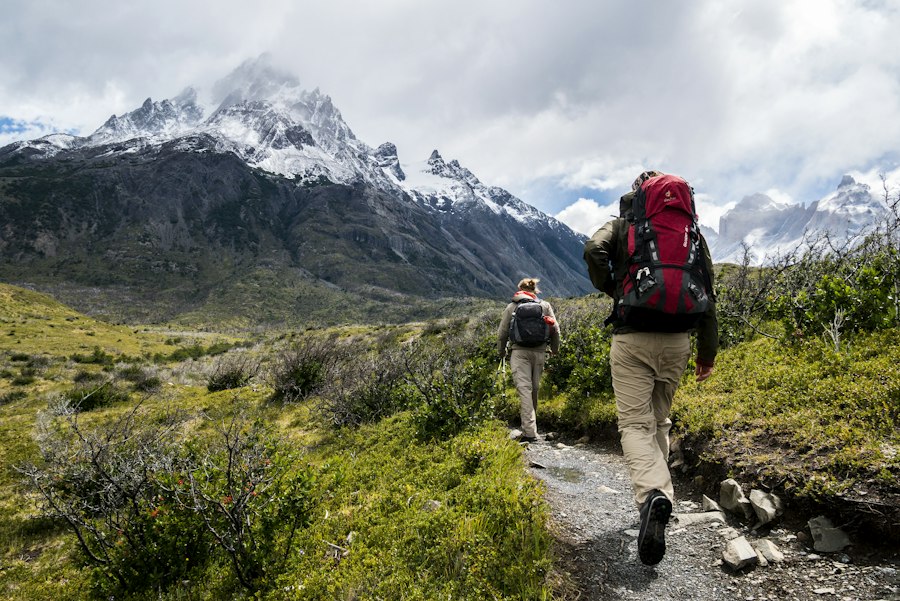
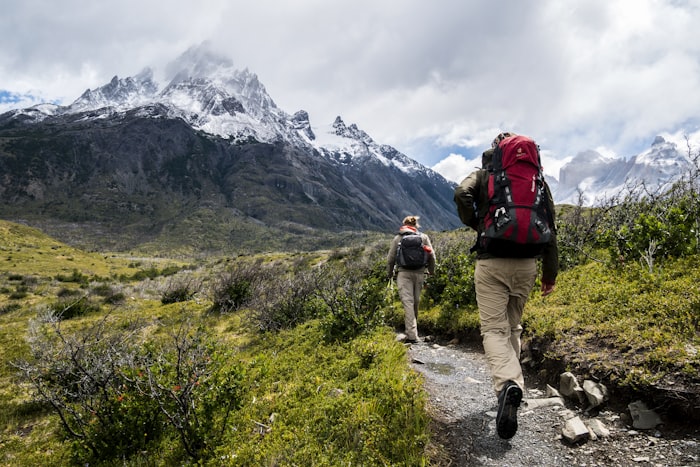
Australia's hiking landscape is extraordinarily diverse. The Larapinta Trail in the Northern Territory runs 223km through ancient desert ranges with sections for all fitness levels. The Overland Track in Tasmania is a 65km journey through World Heritage wilderness. Victoria's Great Ocean Walk traces 104km of dramatic coastal scenery. Queensland's Thorsborne Trail on Hinchinbrook Island offers 32km of remote tropical wilderness with crocodile-inhabited mangroves bookending the route.
Guided hinterland walks from Brisbane and the Gold Coast — including Lamington National Park's ancient Antarctic beech forest — can be reached within an hour and offer some of the most rewarding day hiking in the country without requiring remote area self-sufficiency.
Day WalksMulti-Day TreksDesert RoutesCoastal PathsRainforest Trails
Australia's 36,000km of coastline and extensive river systems create aquatic adventure opportunities of every type. Surfing culture is embedded deeply in the national identity, with breaks for beginners at Byron Bay and Bells Beach progressing to world-class waves at Margaret River and the Gold Coast for experienced surfers. Sea kayaking expeditions explore coastlines, sea caves, and marine wildlife — multi-day routes around Maria Island in Tasmania are among the most spectacular in the Southern Hemisphere.
White-water rafting ranges from family-friendly grade II rapids on the Murray to heart-pounding grade V descents. The Tully River in Queensland provides consistent rapids year-round, making it the most accessible white-water experience in the country. Reef snorkelling and scuba diving on the Great Barrier Reef are available at every level from complete beginner to advanced liveaboard expeditioner.
80% endemic species — nowhere else on earth offers this
Australia's unique fauna creates wildlife encounters impossible to replicate anywhere else. Cage diving with great white sharks off Port Lincoln is on thousands of bucket lists. Swimming with whale sharks at Ningaloo Reef (March–July) offers one of the world's most extraordinary marine experiences. Kangaroo Island lives up to its name with kangaroos, koalas, sea lions, and echidnas all readily visible without guide assistance.
On the east coast, Currumbin Wildlife Sanctuary's daily lorikeet feeding — when hundreds of wild rainbow lorikeets descend in a cacophonous, colourful wave — is one of the most accessible and genuinely spectacular wildlife experiences in Australia, 45 minutes from Brisbane. Ethical wildlife tourism maintains safe distances, avoids feeding, and supports conservation programs.
For travellers whose threshold requires more: Australia delivers. Skydiving over beaches, rainforests, or the Great Barrier Reef combines maximum adrenaline with spectacular scenery. Tandem jumps from 15,000 feet give 60 seconds of freefall — enough to recalibrate your definition of fast. Bungee jumping, paragliding, hang gliding, and hot air ballooning provide different varieties of vertigo across extraordinary Australian landscapes.
Rock climbing destinations include the Grampians in Victoria (one of the country's premier sport climbing areas), Mount Arapiles, and the sea cliffs of Tasmania. Motorized thrills include quad biking through sand dunes, off-road motorcycle tours through the Outback, and jet boating through narrow gorges. All are available through licensed operators who provide full safety equipment and instruction.
SkydivingRock ClimbingHot Air BallooningParaglidingQuad Biking
Adventure tourism inherently involves calculated risks — but Australia's adventure tourism industry is among the most regulated in the world. The key to safe adventure travel is choosing licensed, reputable operators and being honest about your fitness level and experience. With proper preparation, the vast majority of hazards are readily manageable.
☀️
Sun & Heat
Australian UV is extreme. Sunburn can occur in 10–15 minutes. Always carry SPF 50+ sunscreen, protective clothing, and hats. In the Outback, temperatures can exceed 45°C — carry significantly more water than you think you'll need.
🌊
Marine Hazards
Box jellyfish are lethal in tropical waters (Oct–May). Always swim at patrolled beaches between the flags, wear stinger suits in northern waters during jellyfish season, and avoid swimming at dawn or dusk when sharks are most active.
🐍
Wildlife Safety
Snakes are generally avoidant — wear boots when bushwalking, watch where you place hands and feet, and never handle wildlife. Crocodiles in northern Australia are apex predators. Obey all warning signs and never swim in waters where crocodiles may be present.
📡
Remote Area Prep
Carry a personal locator beacon (PLB) for remote travel — they're inexpensive and have saved hundreds of lives. Satellite communicators allow two-way messaging from anywhere. Download offline maps before entering areas with limited connectivity.
🎒
Essential Gear
Quality hiking boots broken in before multi-day treks. Layers for alpine areas where weather changes rapidly. Comprehensive first aid kit, navigation tools (GPS plus map and compass), and emergency shelter for any wilderness adventure.
🏃
Physical Preparation
Be honest about your fitness level and experience. Many activities reward preparation — start training weeks before challenging treks. Consider wilderness first aid and navigation courses. A well-prepared adventurer is a safer adventurer.
Choosing Operators: Always select operators with current licensing, proper insurance, and strong safety records. Legitimate operators transparently discuss risks, safety measures, and emergency protocols before booking. accreditation (the industry body for Australian travel) is a reliable baseline indicator of professional standards.
05
Culture & Connection
Cultural Immersion Through Adventure
The most meaningful adventure tourism experiences combine physical challenge with cultural depth. Australia's Indigenous peoples have inhabited this continent for over 65,000 years, developing one of the world's most sophisticated ecological knowledge systems — and the richest available layer of meaning for any wilderness experience.
Indigenous-guided tours offer insights impossible to gain through any other means. Learn to read the landscape, identify edible plants and medicinal herbs, understand Dreamtime stories that encode navigational and ecological knowledge accumulated over millennia, and appreciate the deep spiritual connection Aboriginal Australians maintain with Country. Walking tours led by Aboriginal guides in Kakadu, Uluru, and the Daintree transform hiking from exercise into education — and support communities economically while preserving traditional knowledge.
Adventure tourism also connects you with contemporary Australian culture in ways that standard tourism rarely does. Farm stays where you participate in daily operations, conservation volunteer projects with hands-on environmental restoration, and cattle station experiences in remote Queensland all create understanding that outlasts the trip itself.
Cultural adventure tip: The Daintree region's Aboriginal guides carry 65,000 years of knowledge about this specific landscape — which plants treat which conditions, which animals indicate what weather is coming, which paths the ancestors walked. This knowledge cannot be replicated by a guidebook or a Google search. It's one of the most compelling arguments for guided over independent adventure travel in Australia.
The adventure isn't just in the adrenaline. It's in the moment you stop, look around, and realise that the country you're standing in is 65,000 years deeper than anything you were prepared for.
— Cooee Tours Adventure Guides · Queensland, Australia
06
Travel Responsibly
Sustainable & Responsible Adventure Practices
Australia's adventure environments are among the world's most ecologically sensitive. The Great Barrier Reef is under documented stress from warming oceans and nutrient runoff. The Daintree's biodiversity depends on careful management of visitor pressure. The Outback's fragile desert soils take decades to recover from vehicle damage. Adventure tourism that ignores these realities doesn't just harm ecosystems — it erodes the very experiences it depends on.
The good news is that responsible adventure tourism, done well, actively supports conservation. Money flowing to ethical operators funds ranger programs, habitat restoration, and scientific research. Indigenous-led tours create economic pathways that make cultural custodianship financially viable. The act of falling in love with wild places in person creates advocates who support their protection long after returning home.
Principle 1
Leave No Trace
The internationally recognised framework for outdoor ethics covers seven core principles: plan and prepare, travel on durable surfaces, dispose of waste properly, leave what you find, minimise fire impacts, respect wildlife, and be considerate of other visitors. On popular trails and reef environments, even small individual impacts compound into significant ecosystem damage.
Apply on every adventure
Principle 2
Marine Environment Care
Standard chemical sunscreens contain oxybenzone and octinoxate — compounds that damage coral DNA, cause coral bleaching, and accumulate in marine food chains. Always use mineral (zinc oxide) reef-safe sunscreen near marine environments. Never touch, stand on, or collect coral. Choose operators who actively monitor reef health and follow marine park guidelines.
Especially in reef zones
Principle 3
Ethical Wildlife Engagement
Australia's wildlife tourism has a troubled history — from koala selfie operations that stress animals to whale-watching boats that violate approach distances. Minimum 30m from most species; 100m from whales. Never feed wild animals — it disrupts natural behaviour, creates dependency, and in some species causes injury or death. Support operators whose practices prioritise animal welfare over visitor convenience.
Wildlife first, photos second
Principle 4
Choose Certified Operators
accreditation and Ecotourism Australia certification are reliable baseline indicators of professional and environmental standards. Beyond certification, look for operators who: contribute financially to conservation programs, work in partnership with Indigenous communities, have genuine carbon reduction commitments, and can clearly explain their environmental management practices when asked.
Research before you book
Plastic-free adventure: Single-use plastics have no place in adventure tourism. Carry a high-quality reusable water bottle with a built-in filtration system (eliminating the need to buy plastic in remote areas), pack food in reusable containers, and bring all waste back out. Some of Australia's most pristine wilderness areas — particularly beaches and reef environments — are experiencing accelerating plastic pollution. Every adventurer's choice accumulates.
07
Kit & Tech
Gear & Technology for Modern Adventure Travel
The technology available to adventure travellers in 2026 has genuinely transformed the risk profile of remote travel — and expanded what's achievable. Personal locator beacons that once cost hundreds of dollars are now standard-issue items for under $200, and satellite communicators allow two-way messaging from the most remote corners of the continent. Knowing your safety net has expanded means you can explore further with confidence.
That said, technology fails. Batteries drain. Screens crack. The most experienced guides still carry paper maps and traditional compasses as backups — not as nostalgia, but because analogue navigation tools don't require a power source or a signal. The best approach to adventure technology is layered: primary digital tools backed by analogue redundancy, with the skill to use both.
📡
Satellite Communicators
Garmin inReach and SPOT devices allow two-way SMS and email messaging, live GPS tracking, and one-touch SOS from anywhere on earth. Essential for any remote travel. Monthly subscription plans make them accessible for occasional travellers.
🗺️
Navigation Apps
Gaia GPS, AllTrails, and Maps.me allow offline map downloads before entering low-connectivity areas. Always download maps before you leave phone reception. Supplement with a 1:25,000 topographic map and compass — Garmin and Silva make compact, reliable options.
☀️
Solar & Power
Lightweight foldable solar panels (Anker and Goal Zero lead the market) can trickle-charge devices during multi-day treks. High-capacity power banks as a primary source, solar as supplementary. In Australia's sunny climate, solar is particularly effective.
📸
Adventure Documentation
GoPro Hero series, DJI Osmo Action, and Sony RX100 series cover most adventure documentation needs. Always prioritise the experience over footage — never take risks for a shot, respect wildlife and other visitors, and follow all drone regulations in national parks (generally prohibited without permits).
💧
Water Purification
Sawyer Squeeze and LifeStraw filters remove bacteria and protozoa from natural water sources, eliminating the need to carry all water for multi-day treks. Combine with a UV purifier (SteriPen) for virus coverage in areas of higher contamination risk.
🎒
Pack Weight & Quality
The 10% rule: your loaded pack shouldn't exceed 10% of your body weight for multi-day treks. Lightweight titanium cookware, ultralight tents (Big Agnes, MSR), and merino wool base layers compress well and perform across Australia's variable conditions. Invest in boots — feet are your primary vehicle.
08
Plan Smart
Planning Your 2026 Adventure Journey
Australia's scale is the first thing most first-time visitors underestimate. The distance from Sydney to Perth is roughly equivalent to New York to Los Angeles. From Cairns to Melbourne is further than London to Istanbul. The mistake of trying to cover too much ground is almost universal among first-time visitors — and always results in either exhaustion or superficiality. The counter-intuitive advice from experienced guides: go smaller than you think, go deeper than you planned.
📅
Best Seasons by Region
Tropical North (QLD, NT): April–October. The Dry Season offers comfortable temperatures and no monsoon flooding. Wet season (Nov–Mar) brings dramatic storms but limited trail access. Southern States: December–February for beaches and alpine hiking. June–August for skiing. Shoulder seasons (March–May, Sept–Nov) suit most east coast adventures.
💰
Budgeting Realistically
Adventure activities range from free (self-guided coastal hikes) to $700+ (liveaboard reef expeditions). A realistic daily adventure budget for mid-range travellers on the east coast: $150–220/day including accommodation, one guided activity, food, and transport. Book popular experiences 4–8 weeks ahead — peak season slots sell out.
🏥
Travel Insurance
Standard travel insurance often excludes adventure activities. Get specific adventure sports coverage that includes emergency helicopter evacuation — in remote areas, a medical evacuation can cost $50,000–$150,000. Cover for activities like reef diving, rafting, and skiing requires explicit policy inclusions. Read the policy before you sign.
📋
Itinerary Discipline
Build in rest days — one in every four is a good ratio on active itineraries. The temptation to pack every day creates a paradox where you're too tired to be fully present in each experience. Allow buffer days around major activities for weather delays, which are common in coastal and alpine environments.
2026 Booking Note: Queensland's adventure tourism sector has experienced strong demand recovery post-pandemic. Great Barrier Reef liveaboard trips, Daintree guided experiences, and Gold Coast hinterland tours are booking 6–8 weeks ahead during peak season (July–September). Flexible booking policies have improved significantly — most operators now offer free rebooking with 48 hours notice for weather-related cancellations.
09
With Cooee Tours
Adventure Tours from Cooee
Cooee Tours operates adventure experiences across Queensland from our Brisbane and Gold Coast bases — guided by specialists who know this Country intimately. Small groups, expert guides, and a genuine focus on quality over volume.
Day Tour
All Skill Levels · From Brisbane & Gold Coast
Gold Coast Hinterland Adventures
Ancient rainforest, dramatic gorges, and Aboriginal heritage — one hour from the coast
Our hinterland day tours reach Lamington National Park's ancient Antarctic beech forest, Natural Bridge's glow-worm cave, and the rim walks of Springbrook Plateau — taking in waterfalls, panoramic views, and extraordinary biodiversity within 90 minutes of the Gold Coast. Indigenous guides share Dreamtime stories and ecological knowledge that transforms a hike into something genuinely memorable.
Suitable for all fitness levels — morning and full-day options available. Transport included from Gold Coast and Brisbane pickup points.
The world's oldest tropical rainforest — 180 million years of living adventure
Full-day expeditions into the Daintree with Kuku Yalanji cultural guides, crocodile river cruises, Cape Tribulation's famous beach where rainforest meets reef, and optional zip-line canopy experiences. This is one of the most biologically rich places on earth — and one of the most rewarding adventure days in Queensland.
Small groups of maximum 14, expert guides, meals included. Accessible from Cairns with hotel pickup.
Sailing, snorkelling, and sea kayaking through 74 island paradise
Two and three-day sailing expeditions through the Whitsundays — snorkelling at Whitehaven Beach and Hill Inlet, sea kayaking to secluded bays, reef snorkelling at the outer reef wall, and sunset evenings under genuinely spectacular skies. Introductory dive instruction available on board.
Suitable for complete beginners through to experienced snorkellers. All equipment, meals, and snorkelling gear included.
What is the best time of year for adventure tourism in Australia?+
The answer depends heavily on region. For Queensland's tropical north (including the Daintree, Great Barrier Reef, and Cairns): April through October during the Dry Season — comfortable temperatures (22–30°C), minimal rainfall, no wet-season flooding or cyclone risk. For the Outback: same Dry Season window, ideally May–September when daytime temperatures are manageable. For southern states including Victoria's Alps: December–February for summer hiking and coastal activities; June–September for skiing. The east coast shoulder seasons (March–May and September–November) are generally the most versatile for adventure travel — comfortable temperatures across all regions, smaller crowds, and competitive pricing.
Do I need experience for adventure tourism activities in Australia?+
No prior experience is required for the majority of guided adventure activities. Reputable operators provide comprehensive instruction and all necessary equipment for activities including reef snorkelling, tandem skydiving, guided rainforest hikes, introductory rock climbing, sea kayaking on calm coastal water, and white-water rafting on beginner-friendly rivers. For independent multi-day wilderness treks, scuba diving (which requires PADI Open Water certification for unsupervised diving), and technical activities like rock climbing or alpine skiing, some preparation is advisable. Australia's adventure tourism industry is highly regulated and operator safety briefings are thorough — the most important thing is being honest about your current fitness level and experience when booking.
Is adventure tourism in Australia safe?+
Australia's adventure tourism industry operates under some of the world's most comprehensive regulatory frameworks. Licensed operators must hold current insurance, maintain safety equipment to strict standards, and follow documented operational safety procedures. The primary safety variables are: choosing, licensed operators with documented safety records (read recent reviews); being completely honest about your fitness and experience level when booking; and taking the pre-activity safety briefing seriously rather than treating it as a formality. The main environmental hazards to prepare for are sun exposure (UV is extreme — SPF 50+ minimum), dehydration (especially in inland and tropical areas), and specific regional wildlife. All are manageable with preparation. The vast majority of adventure tourism incidents involve participants who overestimated their fitness or ignored safety briefings.
How can I do adventure tourism sustainably in Australia?+
The most impactful choices are: (1) select accredited operators with certified eco-tourism practices and genuine Indigenous community partnerships; (2) use mineral reef-safe sunscreen near marine environments — standard chemical sunscreens damage coral DNA; (3) carry a reusable water bottle with filtration rather than buying single-use plastic; (4) follow Leave No Trace principles rigorously on all trails; (5) maintain respectful distances from wildlife (30m minimum for most species) and never feed wild animals; (6) stay on designated trails to prevent erosion; (7) choose Indigenous-led experiences that benefit communities directly. The adventure tourism sector has improved considerably on sustainability over the past decade — genuine certification matters more than marketing language, so look for Ecotourism Australia certification badges alongside accreditation.
What adventure activities are available for complete beginners?+
Beginners have an exceptionally wide range: guided reef snorkelling (all equipment provided, no swimming proficiency required beyond basic comfort in water), tandem skydiving (instructor-attached, no experience needed), introductory rock climbing courses, sea kayaking on calm coastal or estuary water, guided rainforest and hinterland walks, whale watching cruises, hot air ballooning, and easy-to-moderate coastal hikes. The east coast of Queensland — from Brisbane north to Cairns — offers the greatest concentration of beginner-friendly adventure activities in Australia, most available as day trips without multi-day commitment. The Gold Coast's hinterland is particularly accessible for visitors based on the coast, with dramatic gorges, waterfalls, and ancient rainforest within 60–90 minutes of the city.
What travel insurance do I need for adventure activities?+
Standard travel insurance policies frequently exclude adventure and extreme sports activities. Before booking any adventure activity, verify your policy explicitly covers it — check the Product Disclosure Statement (PDS), not just the marketing material. Critically, ensure you have emergency evacuation cover that includes helicopter medical evacuation: in remote areas, this can cost $50,000–$150,000 without insurance. World Nomads and Cover-More both offer specialist adventure activity inclusions. If you plan to scuba dive, ensure diving coverage is included. If you're skiing, confirm coverage for ski patrol and mountain rescue. Read the PDS fully — the exclusions are in there, not the headline features.
Ready for Your Australian Adventure?
From Gold Coast hinterland day walks to multi-day reef expeditions — Cooee Tours specialises in Queensland adventure travel. Small groups, expert guides, 60+ years in the field.
The Adventure Awaits — and It's Wilder Than You Think
Australia's adventure tourism offering is wider, deeper, and more extraordinary than most first-time visitors realise — and it rewards preparation, curiosity, and a genuine willingness to go further than the brochure. The experiences that define these trips aren't usually the ones that were planned most carefully. They're the morning you wake up before everyone else and swim alone in a coral garden. The afternoon thunderstorm in the Outback that turns the entire sky orange. The moment a wallaby looks directly at you from five metres and keeps grazing.
None of that requires being an elite athlete. It requires showing up, being present, and choosing operators who take you to the right places with the right knowledge. The rest, Australia provides in abundance.