The 12 Things Every First-Time Visitor Needs to Know
Sort Your Visa Before You Fly
Most visitors need an Electronic Travel Authority (ETA, subclass 601) or an eVisitor visa (subclass 651). ETAs are available online for AUD $20 to citizens of 30+ countries including the US, Canada, Japan and South Korea. eVisitors are free for EU passport holders. New Zealanders have automatic entry rights. Apply through the Department of Home Affairs — not third-party websites that charge extra fees.
Australia Is Much, Much Larger Than You Think
Australia is roughly the size of the continental United States. Flying from Sydney to Perth takes 5 hours; Sydney to Cairns takes 3 hours. A common first-time mistake: planning to visit Sydney, Melbourne, the Great Barrier Reef, Uluru and Perth in 10 days. That's four separate return flights' worth of distance. Pick a region and explore it properly — you'll have a far better trip.
Driving Is on the Left
Australia drives on the left side of the road. Roundabouts go clockwise. Right-hand turns cross oncoming traffic. If you're from the US, Canada or continental Europe, allow at least a day to adjust before attempting highway driving. The Great Ocean Road, hinterland backroads and Outback routes are not ideal for first-day left-hand driving adjustment. Seriously consider a guided tour for your first regional day trip.
Tipping Is Optional (and Not Expected)
Unlike the USA, Australian hospitality workers receive minimum wage and tipping is genuinely optional — never expected or assumed. At restaurants, 10% for excellent service is appreciated. At cafes, bars and taxis, rounding up is common but not required. Don't feel social pressure: Australian staff will not be offended, embarrassed or financially disadvantaged if you don't tip.
The Sun Is Genuinely Dangerous
Australian UV levels are extreme — a result of southern-hemisphere ozone depletion, low atmospheric pollution and the Earth's slightly closer position to the sun in the southern summer. The UV index typically hits Category 11+ (Extreme) in summer. SPF 50+ sunscreen is not optional, even on cloudy days. Apply every 2 hours. Wear a wide-brim hat. UV damage can occur in as little as 11 minutes of unprotected exposure. The Cancer Council's "Slip, Slop, Slap, Seek, Slide" is serious public health advice, not a tourist slogan.
Always Swim Between the Flags
Patrolled Australian beaches have red and yellow flags marking the safe swimming zone — between the lifesavers, away from rips. Always swim between the flags. Australian beach rip currents are among the world's most powerful. If caught in a rip, float on your back, stay calm, and signal for help — do not fight the current. Rips are typically 20-30 metres wide and 100+ metres long; they exhaust swimmers who try to fight them.
Wildlife Is Extraordinary (and Sometimes Dangerous)
Australia has the world's most venomous snakes and spiders, box jellyfish in tropical waters, and saltwater crocodiles in northern rivers and coastal areas. In practice, the risk to tourists following basic precautions is extremely low. In the north (Queensland, NT, WA): never swim in rivers or estuaries without local advice, and obey all crocodile warning signs absolutely. Stinger suits are provided on all reef tours in jellyfish season. Don't put hands in rock crevices or under logs.
Australia Has Multiple Climates
Packing for "Australia" is like packing for "Europe." Southern cities (Melbourne, Hobart) have four seasons including cold winters. Queensland's tropical north has a wet and dry season. The Outback has extreme heat in summer. September-November and March-May are the best all-round periods for visiting multiple regions, but the country is genuinely beautiful in every season if you pack and plan appropriately.
Domestic Flights Are the Best Way to Cover Distance
For trips covering multiple cities, domestic flights are the most practical option. Qantas, Jetstar, Rex and Virgin Australia all fly between major centres. Book early for the best prices — last-minute domestic fares are expensive. Allow at least 90 minutes domestic transit time at major airports (Sydney and Melbourne are large). International transit through Sydney: allow 3 hours minimum.
Book Accommodation and Tours Well Ahead
Popular experiences sell out months in advance: Uluru sunrise tours (especially June-August), Great Barrier Reef liveaboards, MONA tickets, Kangaroo Island tours, and premium national park campsites (K'gari, Kakadu). For school holiday periods (January, April, July, September-October), book everything at least 3 months ahead. Key wildlife experiences — whale sharks at Ningaloo, humpback whale watching tours — are time and season-specific with very limited places.
Respect Indigenous Culture
Australia's Aboriginal and Torres Strait Islander peoples have the world's longest continuous culture — over 65,000 years. The Uluru climbing ban is permanent and non-negotiable. At many sites, certain areas are sacred and photography is restricted — obey all signs. The most rewarding cultural experiences are guided by Indigenous knowledge holders: Anangu at Uluru, Kuku Yalanji in the Daintree, Noongar guides in Perth. Ask, listen and approach with genuine respect.
Drink Tap Water Freely, Carry Cash Sometimes
Australian tap water is safe to drink everywhere — including most remote areas. Many regional cafes and smaller restaurants are cash-only or card-preferred. The Australian Dollar (AUD) is the currency — all major card networks are widely accepted in cities and tourist areas. In remote areas and smaller towns, having AUD $100-$200 cash as backup is wise. Tipping, as mentioned, is not factored into prices.
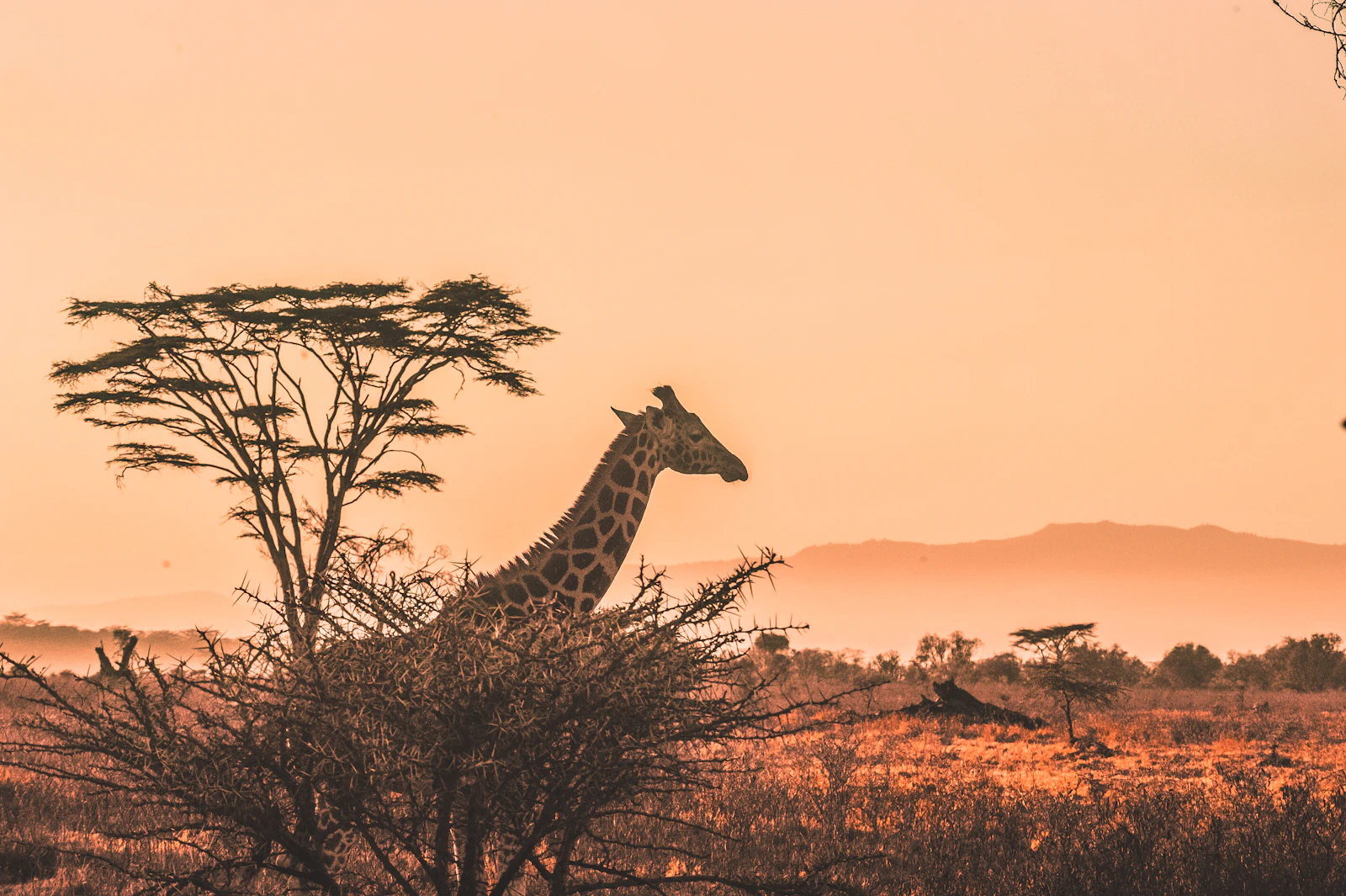
"Australia rewards travellers who slow down and pick a region."
How Far Is It Really? Key Australian Distances
| Route | Distance | Flight Time |
|---|---|---|
| Sydney → Melbourne | 877km | 1h 25m |
| Sydney → Cairns | 2,436km | 3h 00m |
| Sydney → Perth | 4,100km | 5h 10m |
| Melbourne → Uluru (Alice Springs) | 2,530km | 3h 20m |
| Brisbane → Great Barrier Reef (Cairns) | 1,700km | 2h 20m |
| Perth → Margaret River | 270km | 3h drive |
| Melbourne → Great Ocean Road (12 Apostles) | 275km | 3h 30m drive |
💡 The golden rule: in Australia, add 50% to however long you think something will take by road. The distances look manageable on a map; they're deceptive at scale. A Cairns-to-Perth road trip takes approximately 6 full days of driving non-stop — do not attempt it on a 2-week holiday.