Cultural etiquette, wildlife safety, reef protection, low-impact camping, carbon offsetting, and how to choose tours that genuinely give back — the complete guide to travelling Australia with real respect.
Cooee Tours Responsible Travel TeamBrisbane, QLD · Sustainable Tourism & Cultural Travel Specialists · Updated March 2026
17 min read
Australia is home to some of the world's most extraordinary natural and cultural heritage — ancient rainforests, living coral reefs, unique wildlife found nowhere else on Earth, and the world's oldest continuous cultures spanning more than 65,000 years. All of this is genuinely fragile. How you travel here matters — not as a moral burden, but as an opportunity to ensure that the experiences you value remain available for everyone who comes after you.
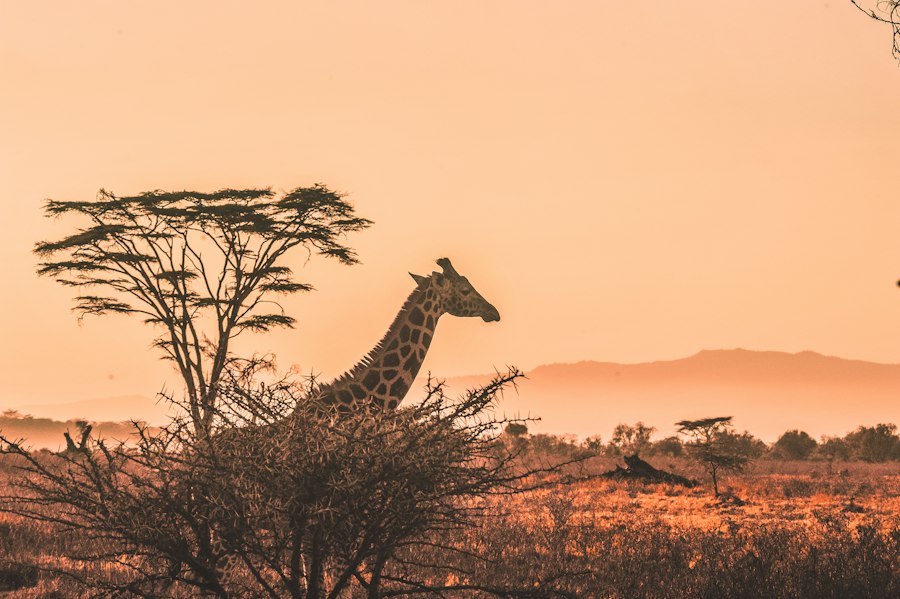
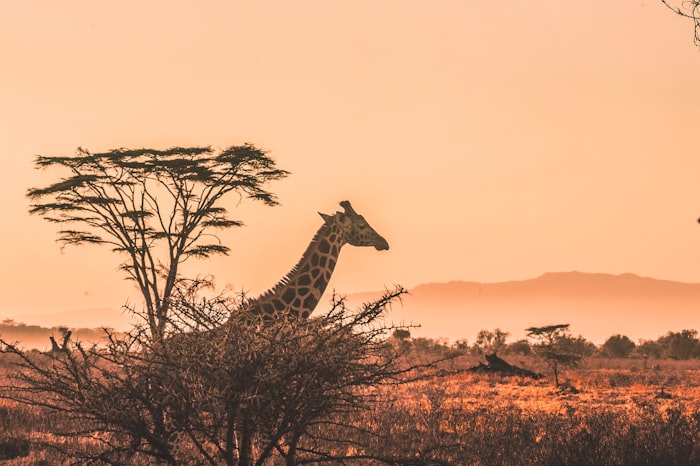
Responsible travel means experiencing Australia's landscapes with minimal footprint and maximum awareness
Indigenous-led cultural experiences — learn directly from the people whose connection to Country spans 65,000 years
Responsible marine tourism — certified operators maintain strict approach distances for the safety of wildlife and guests
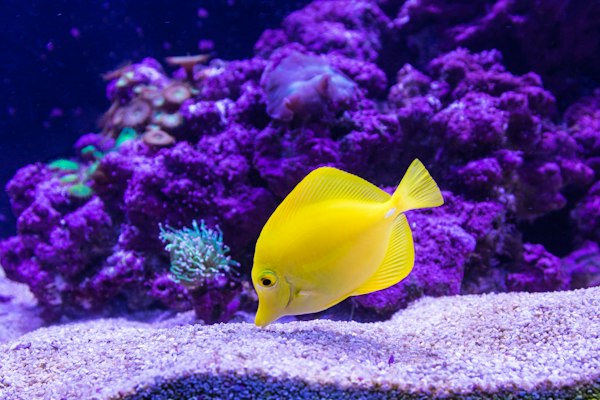
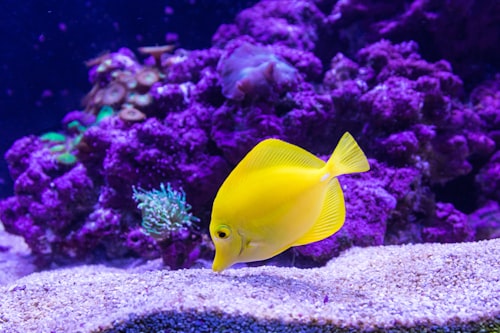
Reef-safe practices — mineral sunscreen, no-touch policy, and certified operators protect the world's largest coral ecosystem
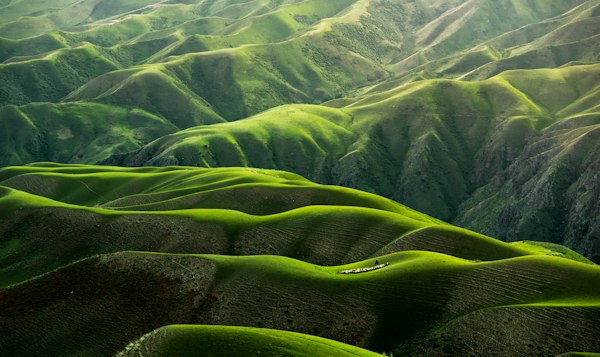
Stay on designated trails — fragile soils and vegetation in Australian ecosystems recover slowly from off-track disturbance
65,000
Years of Indigenous culture
2,300+
Protected area reserves
83%
Mammals unique to Australia
$10B+
Annual ecotourism contribution
The Foundation
🌏
1. Why Responsible Travel Matters in Australia
Australia's natural and cultural heritage is not simply scenic — it is genuinely irreplaceable and, in several critical areas, actively under pressure. The Great Barrier Reef has experienced multiple mass bleaching events in recent years. Over 500 animal and plant species are listed as threatened or endangered. Ancient Aboriginal sacred sites are vulnerable to inadvertent damage from uninformed visitors. Coastal ecosystems are affected by plastic pollution and disruption from high-volume tourism.
Responsible travel doesn't mean travelling less or sacrificing the quality of your experience — it means making choices that protect the very things that make Australia extraordinary. When visitors act thoughtfully, tour operators can continue offering authentic experiences, conservation projects receive the funding and cultural legitimacy they need, and Indigenous communities benefit economically from sharing their knowledge and Country on their own terms.
The principles in this guide are practical, not preachy. Most require minimal extra effort and many will actively improve your travel experience by connecting you more deeply with the places and people you encounter.
The most memorable Australian travel experiences almost always happen when visitors slow down, pay attention, and approach the landscape and its people with genuine curiosity and respect.
— Cooee Tours Responsible Travel Guide · 2026
First Nations Respect
🪃
2. Cultural Etiquette & Indigenous Tourism
Australia has over 500 distinct Aboriginal and Torres Strait Islander language groups, each with their own cultural protocols, sacred sites, seasonal knowledge, and relationship to Country. No single set of rules covers every situation — but the following principles apply broadly across Australia and represent a respectful baseline for all visitors.
Essential📸
Ask Before Photographing
Many communities have specific cultural protocols around images of people, ceremonies, and sacred sites. Always ask permission before taking photographs of people — particularly elders and children — and at cultural sites. A polite "May I photograph this?" takes seconds and shows genuine respect. If in doubt, put the camera away.
Essential🚫
Respect Site Closures
If a sign says "site closed", "sacred site", or "no entry for cultural reasons" — follow it completely. Access restrictions at Aboriginal cultural sites exist for important cultural and spiritual reasons that are not always explained to visitors. These restrictions are not bureaucratic formality; they represent ongoing cultural obligations that must be honoured by all visitors to Country.
Positive Impact💰
Buy Local & Indigenous
Choose Indigenous-owned tour operators, buy authentic art and products directly from Aboriginal artisans and cooperatives, and eat at locally owned restaurants and cafes. Every dollar spent with an Indigenous business supports the community's ability to maintain cultural programs, language preservation, and land management. Ask whether products are authentic and directly benefit the artist's community.
Cultural Respect🗣️
Learn Place Names & Acknowledgement
Australia's places all have Indigenous names that predate English names by thousands of years. Using Indigenous place names when they are offered — asking your guide "what is the Aboriginal name for this place?" — is a meaningful gesture of cultural respect. Acknowledging the Traditional Owners of the Country you are visiting at the start of your trip or experience is increasingly standard practice in Australia.
Experience🌿
Seek Indigenous-Led Experiences
An Indigenous-led cultural tour, bush tucker walk, or art experience delivers knowledge, context, and meaning that no non-Indigenous presentation can replicate. The depth of place-specific knowledge held by Traditional Owners is extraordinary — a 2-hour guided walk with a Traditional Owner will teach you more about a landscape than a week of independent exploration with a field guide. Choose these experiences actively and pay fair prices for them.
Awareness🎨
Authentic Art & Products
Australia has an unfortunately widespread problem with inauthentic "Aboriginal-style" products made overseas and sold at tourist shops. Authentic Aboriginal art is made by Aboriginal artists and benefits their communities — look for the "Indigenous Art Code" label, ask about the artist's community and language group, and buy from galleries and cooperatives that provide provenance documentation. Buying inauthentic products actively harms Indigenous artists' livelihoods.
Treading Lightly
🌱
3. Low-Impact Environmental Practices
Australia's ecosystems are among the most biologically unique on Earth — and many are under significant pressure from climate change, invasive species, habitat loss, and the cumulative effects of high-volume tourism. The following practices represent the most impactful things individual travellers can do to minimise their environmental footprint.
Stay on designated tracks and boardwalks. Fragile soils, root systems, and cryptogamic crusts (soil crusts formed by algae, fungi, and mosses that take decades to recover) are destroyed by even light off-track foot traffic. The track is there for a reason — even when it's tempting to cut a corner or get closer to a view.
Carry reusable water bottles, bags, and food containers. Single-use plastics frequently enter Australian waterways, coastal ecosystems, and ultimately the ocean. Many remote areas have limited waste facilities — carry everything in and everything out. Collapsible reusable containers add almost no pack weight.
Never feed wildlife. Human food disrupts the nutritional balance and natural foraging behaviour of native animals. Animals conditioned to human food can become dependent, aggressive, or unhealthy. This applies to all native species — kangaroos, wallabies, possums, birds, and marine life. "Just this once" at a popular site can multiply to thousands of feeding events by the end of a season.
Leave no trace. Pack out everything you bring in. If you encounter litter left by others, collecting a small amount is a meaningful contribution to the ecosystem. In coastal areas, plastic collected from beaches and rocks directly protects seabirds and marine animals.
Use reef-safe and biodegradable products. Conventional sunscreens, insect repellents, and soaps contain chemicals that are toxic to aquatic ecosystems even in very low concentrations. Use mineral-based, biodegradable alternatives, particularly near any water body.
Minimise noise near wildlife. Loud conversation, music, and sudden movement stresses animals and can disturb feeding, nesting, and sheltering behaviour. Keep noise to a conversational level on walks, and switch devices to silent mode in natural areas.
Don't collect natural materials. Removing shells, rocks, coral fragments, feathers, or plants from their natural environment — even a single specimen — disrupts the local ecosystem and is illegal in national parks and marine protected areas across Australia.
💡 Small actions, large collective impact: Australia receives approximately 9 million international visitors annually, plus over 100 million domestic visitor nights. If every visitor picks up three pieces of litter, stays on tracks, and avoids feeding wildlife, the aggregate positive impact on Australian ecosystems is genuinely enormous. Your individual choices matter at scale.
Fauna Protocols
🦘
4. Wildlife Safety & Viewing Protocols
Australia's wildlife is unique — and protected by law. All native species, including birds, reptiles, mammals, and marine animals, are protected under federal and state legislation. The penalties for harming, harassing, or illegally feeding native wildlife are significant. Beyond legal compliance, responsible wildlife viewing produces better experiences: animals encountered on their own terms, behaving naturally, are infinitely more rewarding than stressed animals behaving defensively or performing for food.
🐋
Whale & Dolphin Watching
Maintain strict approach distances — 100 metres for whales, 50 metres for dolphins on most Australian waters (check state-specific regulations). Never enter the water near whales. Keep boat speed below 10 knots within 300 metres of a whale. Cooee Tours operates whale watching with certified naturalists and full compliance with approach guidelines. If approached by a curious whale, the vessel stops — the animal makes the choice.
🦘
Kangaroos & Wallabies
Observe from at least 10 metres. Never feed them — human food causes dental disease and metabolic disorders in macropods. Approaching a resting kangaroo can cause dangerous stress, particularly during summer heat. On country roads, drive at the speed limit at dusk and dawn when kangaroos are most active and most frequently struck by vehicles — reduce speed proactively in known wildlife zones.
🐨
Koalas in the Wild
Keep a minimum 10-metre distance from wild koalas. Never chase or attempt to touch wild koalas — they are stressed by close human contact and can inflict serious scratches and bites. If you see a koala on the ground or moving erratically, it may be sick or injured — contact WIRES (1300 094 737) or local wildlife rescue rather than attempting to handle it yourself.
🐊
Crocodiles & Marine Hazards
In northern Australia (Queensland north of Rockhampton, NT, northern WA), saltwater crocodiles are present in coastal waterways, estuaries, and beaches. Follow all "Crocodile Warning" signage absolutely — these are genuine safety warnings, not tourist theatre. Never swim in unpatrolled waterways or near river mouths in the tropical north. In the ocean, respect surf patrol flags and box jellyfish warnings in northern waters from October to May.
🐦
Nesting Birds
Many Australian bird species, including shorebirds, seabirds, and ground-nesting species, are vulnerable during breeding season. If a bird is displaying distress behaviour (wing-dragging, calling loudly, dive-bombing), you are too close to a nest. Move away immediately and take a wider path. Shorebird breeding sites on beaches are often marked with temporary fencing during spring and summer — respect these boundaries completely.
🐠
Marine Wildlife Snorkelling
Never touch, stand on, or attempt to ride any marine creature — rays, turtles, sharks, or reef fish. Maintain neutral buoyancy so your fins do not contact coral. If you see a sea turtle, maintain at least 2 metres distance and do not block its path to the surface to breathe. Never chase or corner any marine animal. On glass-bottom boat or snorkel tours, follow your guide's instructions precisely — they exist to protect both you and the animals.
⚠️ Injured Wildlife: If you encounter injured native wildlife anywhere in Australia, the appropriate response is to call your state's wildlife rescue hotline rather than attempting to handle the animal yourself. WIRES (NSW): 1300 094 737 · Wildlife Victoria: 03 8400 7300 · RSPCA Queensland: 1300 264 625 · SA Wildlife: 1300 094 737 · Wildlife Rescue Helpline (national): 0488 222 098.
Marine Etiquette
🐠
5. Reef & Marine Etiquette
The Great Barrier Reef is the world's largest living structure — a 2,300-kilometre ecosystem supporting 1,500 species of fish, 4,000 types of mollusc, and 30 species of whale and dolphin. It is also under significant and well-documented pressure from climate change, agricultural runoff, and the cumulative effects of tourism. Individual visitor behaviour genuinely matters at the reef — not symbolically but measurably.
☀️
Use Reef-Safe Sunscreen Only
Oxybenzone and octinoxate — the active UV filters in most conventional sunscreens — are toxic to coral at concentrations as low as one drop per 4.3 million litres of water. They cause coral bleaching, disrupt coral reproduction, and damage larval development. Use mineral-based sunscreens containing only zinc oxide or titanium dioxide. Apply at least 20 minutes before entering the water. Many Queensland reef operators now provide reef-safe sunscreen and some require it as a condition of participation.
🚫
Never Touch or Stand on Coral
Living coral is an animal — a colony of tiny polyps that builds its calcium carbonate skeleton over years and decades. A single touch can kill the polyps in that section and open the wound to infection. Maintain neutral buoyancy while snorkelling so your fins and body do not contact the reef. If you see someone standing on coral, a respectful, non-confrontational reminder is appropriate. Check your buoyancy skills before entering the water if you are an inexperienced snorkeller.
🌊
Use Mooring Buoys, Not Anchors
When mooring near reef systems, always use designated mooring buoys rather than dropping anchor — anchor chains drag across and break coral on the seabed. All licensed reef operators use established moorings. If you are operating your own vessel, check Great Barrier Reef Marine Park Authority (GBRMPA) charts for approved mooring locations before entering reef areas. Anchoring in coral habitat is a fineable offence in the Marine Park.
🐟
Do Not Feed Fish or Marine Life
Feeding fish at the reef disrupts natural feeding behaviour and can cause aggression and dependency. It also attracts larger predators to areas frequented by snorkellers. Many species of reef fish have specific diets and the wrong food causes digestive problems and disease. The reef ecosystem is exquisitely balanced — each species plays a role in managing coral, algae, and water quality. Human food introduced into this system creates cascading imbalances that persist long after the visitor has left.
🛥️
Choose GBRMPA-Permitted Operators
All commercial operators in the Great Barrier Reef Marine Park are required to hold a permit from GBRMPA and comply with marine park zoning and conditions. Choosing a permitted, accredited operator ensures that your money supports conservation levies, that your guide is trained in reef ecology and responsible behaviour protocols, and that the marine park management system receives the funding it needs. Ask your operator to confirm their permit status before booking.
🚯
Zero Plastic in Marine Environments
Secure all rubbish, food packaging, and loose items before boarding reef vessels. In Australian waters, even small amounts of plastic — straws, bags, bottle caps — can be ingested by sea turtles, seabirds, and fish, often fatally. Cigarette butts are the most commonly littered marine pollutant globally. If you see floating plastic during your reef experience, collecting it is a meaningful act. Some reef operators provide collection bags for this purpose.
Outdoor Ethics
⛺
6. Camping & Outdoor Ethics
Australia offers some of the world's most extraordinary camping — national parks, remote wilderness, coastal headlands, and outback station stays. Camping responsibly in these environments requires awareness of fire risk, waste management, water systems, and the ecological sensitivity of sites that often appear more robust than they actually are.
The Seven Leave No Trace Principles — Applied to Australia
The internationally recognised Leave No Trace framework is directly applicable to Australian outdoor environments, with several adaptations for specific local conditions.
Plan ahead and prepare. Know your route, carry maps and emergency contacts, check fire danger ratings and park conditions before departing. Many remote Australian parks have no mobile coverage — bring a satellite communicator if heading off-road.
Travel and camp on durable surfaces. Use designated campsites. In areas without established sites, camp on rock, gravel, or dry grass rather than fragile soils and vegetation.
Dispose of waste properly. Pack out all rubbish. Use designated toilets. Where none exist, bury human waste 30cm deep and at least 60 metres from any water source, track, or campsite. Pack out all sanitary waste in sealed bags.
Leave what you find. Take photographs, not specimens. Leave cultural and historical artefacts in place — removing or disturbing Aboriginal artefacts is illegal under Australian Heritage laws and carries significant penalties.
Minimise campfire impacts. Check fire danger ratings and fire ban status before lighting any fire — in Australia's dry seasons, a Total Fire Ban means exactly that. Use a portable gas stove where possible. Where fires are permitted, use designated fire rings or existing fire scars.
Respect wildlife. Keep food secured from wildlife, keep dogs leashed in sensitive areas (and check park rules — dogs are banned from most national parks), and minimise noise near dawn and dusk.
Be considerate of others. Keep noise to a reasonable level, particularly after dark. Respect other campers' space. Yield to pedestrians and horses on multi-use trails.
🔥 Australian fire safety is not optional: Australia's fire seasons are lengthening and intensifying. Before any campfire or outdoor cooking, check your state's fire danger rating at emergency.vic.gov.au (VIC), rfs.nsw.gov.au (NSW), ruralfire.qld.gov.au (QLD), or cfs.sa.gov.au (SA). During a Total Fire Ban, all open fires — including campfires and BBQs — are prohibited. The penalty for breaching a fire ban and starting a fire can include up to 15 years imprisonment in some states.
Climate Responsibility
🌱
7. Carbon Footprint & Offsetting
Long-haul air travel is one of the largest single carbon contributions most individuals make. An economy return flight from London to Sydney produces approximately 3.3 tonnes of CO₂ per passenger — roughly equivalent to driving a small car for an entire year. Rather than treating this as a reason for guilt, it is worth approaching it as an invitation to make conscious choices that reduce, then offset, the impact of your travel.
✈️
Reduce Flying Where Possible
The single most impactful carbon reduction strategy is staying longer in fewer destinations rather than island-hopping via multiple short flights. A two-week stay in Queensland produces a fraction of the carbon footprint of the same duration divided across three or four flight legs. When travelling between Australian cities, long-distance train or coach travel produces roughly one-quarter the emissions of a domestic flight per passenger-kilometre.
🌳
Verified Carbon Offsetting
For flights you cannot avoid, use verified carbon offset programs. Australia-specific programs include Greenfleet (reforestation across southeast Australia), Carbon Neutral (planting native species in WA), and Gold Standard-certified international programs. Look for offsets that are independently verified, permanent, and additional — meaning the carbon sequestration would not have happened without the program. Avoid offset programs that cannot demonstrate verification against a recognised standard.
🚂
Opt for Overland Travel
Australia's passenger rail network — while limited compared to Europe — offers some genuinely spectacular routes with a fraction of the carbon footprint of flying. The Indian Pacific (Sydney–Perth), The Ghan (Adelaide–Darwin), and the Queensland rail network offer comfortable, low-emission alternatives to domestic flights for portions of longer trips. Hiring an electric or hybrid vehicle for road travel sections is increasingly practical as EV charging infrastructure expands across the eastern seaboard.
🏨
Choose Eco-Certified Accommodation
Hotels and resorts are significant energy and water consumers. Look for Ecotourism Australia's Nature Tourism or Ecotourism certification on accommodation, or Green Globe certification. Properties with these certifications have undergone independent audits of energy consumption, water use, waste management, and community contribution. In Queensland, many properties in rainforest and reef regions hold Rainforest Alliance or Eco-certified status — ask directly when booking.
🌏 Cooee's approach: Cooee Tours has operated carbon-conscious small-group tours for over 60 years. Our tours use fuel-efficient modern vehicles, partner with eco-certified accommodation, and support conservation programs in every region we operate. We encourage guests to offset their flights via Greenfleet before travelling — the cost is typically $20–40 per domestic flight, or $40–80 for international routes.
Making Good Choices
🔍
8. Choosing a Genuinely Responsible Tour Operator
The Australian tourism industry includes a wide spectrum — from operators who genuinely integrate environmental and cultural responsibility into everything they do, to those who use sustainability language as marketing without meaningful substance behind it. Knowing what to look for and what questions to ask makes it straightforward to distinguish the two.
Accreditation🏆
Ecotourism Australia Certification
Ecotourism Australia's EcoTourism or Advanced EcoTourism certification is the highest independent standard for responsible nature-based tourism in Australia. Certified operators undergo independent annual audits across environmental, cultural, educational, and community criteria. Look for the green ECO certification logo on operator websites and tour pages. This is the most reliable single indicator of genuine environmental commitment.
Essential📋
Accreditation
The Australian Federation of Travel Agents (AFTA) Travel Accreditation Scheme () is Australia's national travel industry accreditation standard. operators have demonstrated financial stability, professional competence, and compliance with consumer protection standards. While focuses on industry standards rather than environmental practice specifically, it is a reliable baseline indicator of professional legitimacy. Cooee Tours is .
Indigenous🪃
Indigenous Tourism Operators
Indigenous Tourism Australia certifies Aboriginal and Torres Strait Islander tourism products that are authentically Indigenous-owned and operated. Look for the Authentic Indigenous Experience certification on tour pages. This certification ensures that cultural content is genuine, community benefit flows directly to Traditional Owner communities, and cultural protocols are followed in the delivery of the experience. Choose certified Indigenous operators over non-Indigenous presentations of cultural content wherever possible.
Transparency📊
Ask These Specific Questions
Genuine operators answer these confidently: What is your maximum group size? What is your waste management approach on tour? Which conservation programs do you financially support? Do you use eco-certified accommodation? Do you partner with Aboriginal or Torres Strait Islander communities? How do you manage wildlife viewing to minimise disturbance? Vague or dismissive answers to these questions are informative in themselves.
Awareness⚠️
Red Flags to Avoid
Be cautious of operators with: no verifiable accreditation beyond generic business registration; very large group sizes for wildlife tours; accommodation in non-eco-certified properties presented as eco-friendly; cultural content delivered without Indigenous involvement; no published environmental or community policies; and heavy emphasis on sustainability claims without specific, measurable commitments. Greenwashing is common in the tourism sector.
Value💚
Responsible Pricing
Genuinely responsible tours frequently cost more than budget alternatives — for good reason. Smaller groups require more guide time per person. Eco-certified accommodation costs more to operate. Fair wages for Indigenous guides reflect the genuine value of cultural knowledge. Conservation levies and community contributions are real costs. If an "eco tour" is priced well below comparable products, it is worth investigating whether the savings come at an environmental or cultural cost.
These are the items that make the greatest practical difference to your environmental and cultural footprint while travelling in Australia. Most are low-cost, lightweight, and available before you leave home or at pharmacies and outdoor stores in any Australian city.
Reef-safe mineral sunscreen (zinc oxide or titanium dioxide base — no oxybenzone or octinoxate). Available at chemists across Australia.
Reusable water bottle (insulated stainless steel recommended for Australia's heat). Australia has excellent tap water quality in all major cities and most regional centres.
Reusable shopping bags (single-use plastic bags are banned in all states and territories — you'll be charged for any bag provided).
Biodegradable soap, shampoo, and insect repellent for any camping or waterway activities. Conventional products wash into freshwater and marine ecosystems.
Portable reusable cutlery and coffee cup for reducing single-use waste at cafes and food outlets.
Good walking shoes / hiking boots — staying on tracks is impossible if your footwear isn't up to it. Appropriate footwear is a practical prerequisite for responsible outdoor behaviour.
National parks annual pass (if visiting multiple parks) — the fees directly fund park management, conservation, and track maintenance. Queensland, NSW, Victoria, SA, WA, and NT all offer park passes at significant savings over individual entry fees.
Downloaded offline maps for regions with limited mobile coverage — reduces the temptation to leave designated areas when connectivity fails.
Wildlife rescue hotline numbers saved — WIRES (1300 094 737), Wildlife Victoria (03 8400 7300), and your state equivalent. Having these ready means you can act immediately if you encounter an injured animal.
Small note on cultural protocols for the specific regions you're visiting — ask Cooee Tours or your accommodation host about community-specific considerations before arrival.
🌿 Travel with Purpose
Explore Australia the Responsible Way
Cooee Tours has operated environmentally and culturally responsible tours across Queensland and Australia for over 60 years. Small groups, expert local guides, accreditation, and genuine partnerships with Indigenous communities and conservation programs — not as marketing, but as the core of how we operate.
Every tour we run contributes to habitat restoration, community programs, and the cultural visibility of Traditional Owners' knowledge. When you travel with Cooee Tours, your trip actively supports the places and people you come to experience.
Responsible travel in Australia means visiting in ways that minimise environmental impact, respect Indigenous cultural protocols, support local and First Nations economies, and contribute positively to the communities and ecosystems you visit. In practice this includes following wildlife viewing guidelines, using reef-safe products near coral reefs, staying on designated tracks, choosing accredited tour operators, seeking permission before photographing cultural sites, and offsetting the carbon footprint of your flights.
Choose Indigenous-owned and operated tours, experiences, and businesses wherever possible. Follow all cultural protocols provided by your guide or host community. Ask permission before photographing people, ceremonies, or cultural sites. Buy authentic products directly from Aboriginal and Torres Strait Islander artisans. Acknowledge the Traditional Owners of the land you are visiting. Listen and learn rather than treating cultural experiences as entertainment. The money you spend with Indigenous businesses directly supports communities and helps keep cultural traditions alive.
Use only reef-safe sunscreen — products that are free from oxybenzone and octinoxate. Look for mineral-based sunscreens containing zinc oxide or titanium dioxide, which sit on top of the skin and do not enter the water column in the same way as chemical UV filters. Apply at least 20 minutes before entering the water. Most Queensland outdoor retailers and chemists now stock good-quality reef-safe options. Some reef tour operators provide reef-safe sunscreen onboard and some require it as a condition of entry to the water.
Yes. Removing natural materials including shells, coral, rocks, and sand from national parks and marine protected areas is illegal in Australia and carries significant fines varying by state and territory. Even outside formally protected areas, removing natural materials disrupts the local ecosystem. The practical rule: photograph, don't collect. Leave everything where you find it. This is especially important with Aboriginal artefacts — removing or disturbing cultural artefacts is a serious criminal offence under federal heritage legislation.
Use designated campsites and fire pits. Check fire danger ratings and local fire bans before lighting any fire — this is critical and legally mandatory across Australia. Carry all rubbish out with you and leave your campsite cleaner than you found it. Use biodegradable soap and wash at least 50 metres from any waterway. Keep noise to a minimum, especially at dusk and dawn when wildlife is most active. If bushwalking, stay on designated trails. Bury human waste 30cm deep and at least 60 metres from water, tracks, and campsites where no facilities exist.
Look for operators with Ecotourism Australia accreditation (EcoTourism or Advanced EcoTourism), accreditation, and transparent environmental and community policies on their website. Ask specifically about group size limits, waste management practices, conservation partnerships, Indigenous community involvement, and wildlife viewing protocols. Genuine operators answer these questions confidently and in detail. If an operator deflects or gives vague answers, that is informative. Cooee Tours holds accreditation and partners with Indigenous communities and conservation programs across Queensland.
Dive deeper into Australia's Indigenous food culture — 65,000 years of food knowledge, what to eat, where to find it, and how to engage respectfully with Traditional Owners.
Where to see Australia's extraordinary native fauna — kangaroos, koalas, platypus, cassowaries, and marine life — with responsible viewing guidelines for every species.
The complete guide to responsible whale watching — best locations, seasons, certified operators, and the approach protocols that protect humpbacks, southern rights, and orcas.
Understanding the deep context behind responsible cultural travel — 65,000+ years of Aboriginal history, the impacts of colonisation, and the path of recognition and reconciliation.
📖 Further Reading & Official Resources
Ecotourism Australia:ecotourism.org.au — accreditation database and responsible tourism standards
Australian Institute of Aboriginal and Torres Strait Islander Studies:aiatsis.gov.au — authoritative resource on Indigenous Australia
Great Barrier Reef Marine Park Authority:gbrmpa.gov.au — reef visitor guidelines and permit information
Australian Government Environment Department:dcceew.gov.au — protected species lists, park information, and conservation programs
Leave No Trace Australia:lnt.org.au — outdoor ethics principles adapted for Australian environments