You want deep wilderness, culture & wildlife
You have 2–3+ days, want world-class Aboriginal rock art at Ubirr and Nourlangie, salt-water crocodile spotting on Yellow Water cruise, and genuine wilderness immersion in Australia’s largest national park. Essential for serious nature and cultural travellers.
Entry fee: $40 (7-day pass). 4WD required for best waterfalls (Jim Jim, Twin Falls, Maguk). Minimum 2 nights in park recommended.
You want accessible swimming & day-trip beauty
You have 1–2 days, are travelling with families or children, want multiple safe swimming holes (Florence Falls, Wangi Falls, Buley Rockhole), or are on a tight budget. All sealed roads, no entry fee, and 2WD accessible year-round.
Free entry. 2WD accessible throughout. Excellent for families. A circuit from Darwin is approximately 300km return.
🌿 Kakadu
🏊️ Litchfield
📊 Side-by-Side Comparison
| Feature | 🌿 Kakadu | 🏊️ Litchfield |
|---|---|---|
| Size | 19,804 km² — Australia’s largest | 1,458 km² — compact and navigable |
| Distance from Darwin | 250km (3–3.5 hours) | 115km (1.5 hours) Winner |
| Entry fee | $40 per adult (7-day pass); camping $6–$15/night extra | Free entry Winner |
| Road access | Sealed main roads; 4WD for best waterfalls | All sealed; 2WD year-round Winner |
| Swimming | Gunlom, Maguk (4WD, seasonal, remote) | Florence Falls, Wangi, Buley Rockhole (easy, year-round) Winner |
| Crocodile safety at swims | Rangers trap-clear sites; always check conditions | Designated croc-free zones clearly marked Winner |
| Rock art | World-class; 5,000+ sites; Ubirr & Nourlangie; 20,000+ years old Winner | Limited rock art |
| Wildlife viewing | Exceptional: 280+ birds, 8 kangaroo species, saltwater crocs Winner | Good: freshwater crocs, wallabies, birds |
| Cultural experiences | Warradjan Cultural Centre, Bowali Visitor Centre, Indigenous guides Winner | Limited Indigenous cultural infrastructure |
| Unique features | Yellow Water wetlands, Arnhem Land escarpment Winner | Magnetic termite mounds (unique in the world) |
| Accommodation in park | Jabiru township, Cooinda resort, multiple campgrounds Winner | Must stay in Darwin or Batchelor |
| Best for families | Possible but requires planning | Excellent — safe swims, short walks, good facilities Winner |
| Time required | Minimum 2 days; 3–5 days ideal | Day trip possible; 1–2 days ideal Winner |
| Wet season access | Sealed roads only; 4WD tracks closed | Generally accessible; minor closures only Winner |
| Walking tracks | 31 tracks (AllTrails); longer walks | 26 tracks; shorter, mostly ending at water Winner |
🌿 Kakadu National Park — The Wilderness Experience
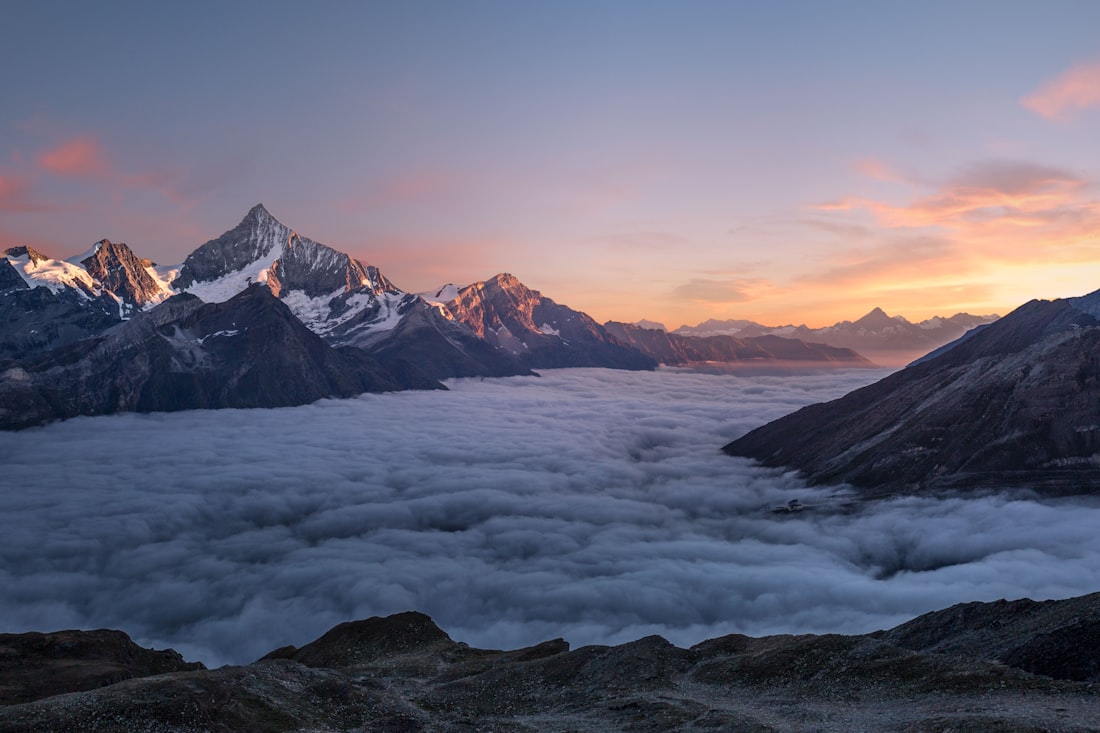
Kakadu National Park is one of the genuinely great wildernesses on Earth. At 19,804 km² — roughly the size of Slovenia — it is Australia’s largest terrestrial national park and one of only a handful of places in the world to hold dual UNESCO World Heritage listing for both natural and cultural values. This dual recognition is not just ceremonial: Kakadu genuinely deserves both designations, and understanding that helps set the right expectations before you go.
The park encompasses six distinct ecosystems: coastal and tidal flats, floodplains, lowlands, stone country (the Arnhem Land escarpment), hills and outliers, and a vast plateau. This ecological diversity is what produces its extraordinary biodiversity — over 280 bird species (one-third of Australia’s total), eight species of kangaroo, 117 reptile species, and the largest population of saltwater crocodiles in the world. During the dry season, as water sources contract, wildlife concentrates around permanent billabongs in numbers that genuinely rival the great African wildlife destinations.
But Kakadu’s most profound feature is its cultural landscape. The park contains over 5,000 recorded rock art sites — one of the world’s densest concentrations of ancient Aboriginal art — spanning more than 20,000 years of continuous occupation. Ubirr and Nourlangie (Nawurlandja) are the two most accessible galleries, featuring x-ray style paintings of fish, turtles, and kangaroos alongside creation figures, sorcery figures, and records of European contact. These are not museum exhibits. They are living cultural sites, still spiritually significant to the Bininj and Mungguy traditional owners who jointly manage the park with Parks Australia.
📌 Kakadu 2026 entry fees: $40 per adult for a 7-day Kakadu Park Pass. This is separate from the NT National Parks Pass (which covers Litchfield and other NT state parks but not Kakadu). Camping within Kakadu costs an additional $6–$15 per person per night depending on the campground. Buy your pass online at Parks Australia before arrival.
✅ Kakadu — Why to Go
- World Heritage dual listing for natural and cultural values — unique in Australia
- Ancient Aboriginal rock art at Ubirr and Nourlangie; 20,000+ years of human history
- Yellow Water wetland cruise: saltwater crocodiles, jabiru, magpie geese in concentrated numbers
- 280+ bird species including one-third of all Australian species
- Jim Jim Falls — a 200m sheer drop into a pristine plunge pool (dry season only)
- Warradjan Cultural Centre and Bowali Visitor Centre provide deep cultural context
- Genuine remoteness and vast landscape immersion
- Accommodation within the park (Jabiru township, Cooinda resort)
- Accessible to Arnhem Land via Cahill’s Crossing (permit required for Arnhem Land)
✗ Kakadu — Challenges to Know
- 3–3.5 hour drive from Darwin — minimum 2 nights needed to do it justice
- Entry fee $40/adult; camping $6–$15/night additional
- Best swimming (Jim Jim, Maguk) requires 4WD and only accessible dry season
- Significant driving between sites — Yellow Water to Ubirr is 150km
- Accommodation books out 3–6 months ahead for peak July–August
- Mosquitoes in campgrounds — bring DEET-based repellent
- Waterfalls diminish significantly by September–October
- 4WD tracks and remote areas close during wet season
🌿 Kakadu Highlights in Detail
🌫️ Yellow Water Cruise
Kakadu’s signature experience. Sunrise or sunset cruises glide through the Yellow Water Billabong past saltwater crocodiles (regularly 4–5m), jacana, jabiru, brolgas, and thousands of magpie geese. An exceptional wildlife encounter accessible from Cooinda Lodge.
💉 Ubirr Rock Art & Sunset
Ancient x-ray style paintings of barramundi, turtles, and creation figures on sheltered rock faces. Climb to the panoramic lookout for a 360° view over the Nadab floodplain at sunset — when the escarpment turns crimson and the wetlands mirror the sky. One of Australia’s most extraordinary moments.
🐞 Nourlangie Rock Art
The most accessible major rock art gallery in Kakadu — a 2.4km sealed loop walk past shelters with paintings spanning Pleistocene megafauna depictions to near-contemporary encounters with Europeans. The Anbangbang Billabong nearby is exceptional for waterbirds.
🌌 Jim Jim & Twin Falls
Dry season only (May–October) via 60km 4WD track and boulder walking. Jim Jim plunges 200m into a rock-walled plunge pool. Twin Falls threads through a narrow gorge into a shallow tropical pool. Worth every bit of the effort required.
◎️ Gunlom Falls
The spectacular “infinity pool” waterfall at the south of the park — a natural plunge pool perched atop the escarpment with panoramic views across the Kakadu landscape below. Accessible via sealed road (no 4WD needed) and a steep 1.5km climb.
🌴 Warradjan Cultural Centre
At Cooinda, this comprehensive cultural centre provides the deepest introduction to Bininj/Mungguy culture, Dreaming stories, and daily life available to visitors in Kakadu. Complemented by Bowali Visitor Centre in Jabiru. Allow 1–2 hours at each.
📌 En Route to Kakadu — Don’t Miss These Stops
🏊️ Litchfield National Park — The Accessible Paradise

Litchfield National Park has earned its reputation as Darwin’s favourite weekend escape through a simple formula: multiple spectacular swimming holes, excellent infrastructure, and everything within easy reach of a regular family car. While it cannot match Kakadu for scale, cultural depth, or wildlife variety, Litchfield delivers more pure swimming and immediate natural gratification per hour than almost anywhere in Australia.
The park’s 1,458 km² sits on the Tabletop Range — a sandstone plateau whose reliable spring-fed waterfalls and creeks flow year-round, unlike Kakadu’s more seasonal watercourses. This means visiting in the wet season, when Kakadu is partially inaccessible, still rewards with powerful flows at Florence and Wangi Falls, adding to Litchfield’s claim as the more consistent year-round option.
The magnetic termite mounds — unique to a small area of the Northern Territory — are Litchfield’s most distinctive feature. These 2-metre-tall grey structures are built by Amitermes meridionalis (meridian termites) and aligned precisely north-south to regulate internal temperature — a natural air-conditioning system built over decades. The field of these mounds creates an otherworldly landscape that has no equivalent elsewhere.
✅ Litchfield — Why to Go
- 1.5 hours from Darwin — perfect day trip or weekend escape
- Free entry — no park pass required
- All sealed roads; suitable for any vehicle year-round
- Florence Falls, Wangi Falls, Buley Rockhole — croc-free safe swimming
- Waterfalls flow year-round from spring-fed sources
- Magnetic termite mounds — found nowhere else in the world
- Perfect for families with children; excellent facilities
- Tjaynera Falls (Sandy Creek) — secluded, moderate walk, less crowded
- Tabletop Walk — 39km multi-day hike for fit adventurers
✗ Litchfield — Limitations to Know
- Popular sites (Wangi Falls) crowded weekends and peak dry season
- No accommodation within the park; stay Darwin or Batchelor
- Campsites fill quickly on weekends; book ahead
- Limited cultural and wildlife experiences vs Kakadu
- No significant rock art sites
- Smaller scale — can feel visited-out quickly
- Wangi Falls swimming area sometimes closed wet season (strong current)
- Less sense of true wilderness and remoteness
🏊️ Litchfield Highlights in Detail
🌌 Florence Falls
Twin waterfalls plunging into a large, deep swimming hole surrounded by monsoon rainforest. The 135-step descent to the pool is steep but manageable. Lookout platform for those who prefer not to descend. Best visited early morning before crowds arrive (go at 8am).
🌌 Wangi Falls
Litchfield’s most popular swimming spot — a wide, accessible waterfall and large pool with good facilities including a café. Sometimes closed in wet season due to strong current. Arrive before 9am or after 3pm to avoid peak crowds.
🏋️ Buley Rockhole
A series of connected cascading rock pools linked by small waterfalls — the park’s most family-friendly swimming area. Find your own private pool among the various levels. Short flat walk from car park. Perfect for children.
🐟 Magnetic Termite Mounds
The park’s most unique feature — grey, blade-shaped mounds up to 2m tall, precisely aligned north-south by Amitermes meridionalis termites to regulate temperature. A field of these mounds creates an entirely alien landscape. Interpretive signs explain the science.
🏌️ Tjaynera Falls (Sandy Creek)
A more secluded alternative — reached by a moderate 4km return walk through woodland. The sacred Aboriginal site of Tjaetaba Falls is respected by swimming only above the falls. Fewer crowds than the main sites; genuinely beautiful setting.
🚲 Tabletop Walk
A 39km multi-day hike across the Tabletop Range for fit and experienced walkers. Access the main track via link walks from Florence Falls, Walker Creek, Greenant Creek, or Wangi Falls. Requires advance planning and is best done May–August.
🔎 Deep Dive: Category by Category
Kakadu: Swimming requires more effort — and rewards it. Gunlom Falls has an elevated infinity pool with panoramic views accessible via sealed road and a steep 1.5km climb. Maguk (Barramundi Gorge) requires 4WD and a 1km walk through monsoon forest to a pristine gorge pool. Jim Jim and Twin Falls are dry-season-only epics via 4WD and boulder walking. Crocodile management at these sites is active — rangers set traps after the wet season — but always check conditions before swimming. Water temperatures are warmer than Litchfield.
Litchfield: Florence Falls, Wangi Falls, and Buley Rockhole provide croc-free swimming in crystal-clear water with short walks from car parks. The falls flow year-round from spring-fed sources. Designated swimming zones are clearly marked and regularly monitored. Wangi is sometimes closed during peak wet season (strong current); Florence and Buley are more consistently accessible. Tjaynera Falls offers a secluded alternative for those willing to walk 4km return.
Kakadu: Wildlife viewing in Kakadu is world-class and genuinely comparable to East African game reserves during the dry season. Yellow Water cruise delivers saltwater crocodiles at close range, often up to 5 metres. Magpie geese number in the tens of thousands on the wetlands. Eight kangaroo species, freshwater turtles, and 280+ bird species — one-third of all Australian birds — make it Australia’s premier wildlife destination. Bubba Wetlands in the Nourlangie region offers outstanding bird photography at dawn.
Litchfield: Freshwater crocodiles (smaller, harmless) inhabit some waterholes. Wallabies, flying foxes, and good birdlife including eagles, herons, honeyeaters, and lorikeets are regularly spotted. The biodiversity is genuine but cannot match Kakadu’s vast wetland systems and six distinct ecosystems.
Kakadu: One of the world’s most significant living cultural landscapes. Over 5,000 recorded rock art sites spanning 20,000+ years; Ubirr and Nourlangie provide accessible galleries of extraordinary depth. The Warradjan Cultural Centre at Cooinda (Aboriginal Cultural Centre) and Bowali Visitor Centre in Jabiru provide comprehensive cultural context. Many tours are led by Bininj or Mungguy traditional owners. 39% of Kakadu campground fees go directly to traditional owner lease payments. This is an active, jointly managed cultural landscape — not a preserved museum.
Litchfield: The park has cultural significance to local Aboriginal groups and some Indigenous interpretation is available, but Litchfield is primarily visited for natural rather than cultural features. There are no significant rock art sites and no dedicated cultural centre. Some guided tours include cultural elements.
Kakadu: Requires commitment. 250km from Darwin (3–3.5 hours). Park is vast — Yellow Water to Ubirr is 150km of driving within the park. Entry fee $40 adult (7-day pass). Main sealed roads are 2WD accessible; best waterfalls (Jim Jim, Maguk) require 4WD. Limited fuel available in park (Jabiru). Mobile coverage patchy. Accommodation must be booked months ahead for July–August.
Litchfield: Darwin’s backyard. 115km (1.5 hours). All attractions on sealed roads within easy range of each other — a circuit of the park is approximately 45 minutes of driving. Free entry. 2WD accessible throughout. Good mobile coverage at major sites. Day trip is perfectly achievable; no accommodation needed. Excellent for those who want to maximise time in the water rather than the car.
Kakadu: Can be excellent for families but demands planning. Yellow Water cruise delights children (crocodiles! birds!). Rock art sparks young imaginations. However, the long drives between sites test patience, best swimming requires 4WD, and heat can be intense. The park is better for families with older children (10+) who can handle longer drives and walks.
Litchfield: Near-perfect family design. Short drives between attractions, easy walks (mostly 200–400m from car parks), multiple safe designated swimming areas, good café facilities at Wangi Falls. Buley Rockhole is particularly beloved by children for its connected pools. No risk of crocodiles in designated zones. The magnetic termite mounds fascinate all ages.
Kakadu: A serious photographer’s dream destination. Ubirr sunset over the Nadab floodplain is one of the most iconic images in Australian photography. Yellow Water at sunrise provides extraordinary wildlife and wetland compositions. Jim Jim Falls offers dramatic cliff and waterfall imagery. The sheer landscape diversity — wetlands, escarpment, plateau, rock art — provides weeks of material. Wet season adds lightning storms and lush green transformations.
Litchfield: Beautiful waterfall photography with lush monsoon rainforest framing. Florence Falls is particularly photogenic from both lookout and pool level. The magnetic termite mounds create unusual compositions. Crowds at popular sites can intrude on compositions during peak times. The visual diversity is good but more limited than Kakadu’s six ecosystems.
Kakadu Dry Season (May–October): The recommended period for most visitors. All attractions accessible, comfortable temperatures, exceptional wildlife viewing as billabongs contract. June–August is peak season — book everything far in advance. May and September offer better value with lower crowds.
Kakadu Wet Season (November–April): Dramatically fewer tourists, spectacular waterfalls (helicopter flights are the best way to see Jim Jim in full flow), lush green landscape. Sealed road attractions (Ubirr, Nourlangie, Yellow Water) remain open. 4WD tracks and remote waterfalls close. Extreme heat and humidity. For adventurous and flexible visitors, the wet season experience is genuinely extraordinary.
Litchfield — Year Round: Litchfield’s spring-fed waterfalls flow year-round, making it consistently accessible. Dry season (May–October) is most comfortable with all areas open. Wet season brings more powerful falls and lush greens, with only minor temporary closures possible after heavy rain. Wangi Falls swimming area occasionally closes during peak wet season flows. Overall more consistent than Kakadu for year-round visitors.
✅ The Decision Guide
🌿 Choose Kakadu if you…
- Have 2–3+ days to explore properly
- Are interested in Aboriginal culture and ancient rock art
- Love wildlife viewing and bird watching
- Have a 4WD for accessing the best swimming and remote areas
- Want to take a wetland cruise and see saltwater crocodiles
- Seek genuine wilderness and a sense of remoteness
- Are visiting during dry season (May–October)
- Want a World Heritage experience unlike anywhere else on Earth
- Are a serious photographer seeking landscape diversity
🏊️ Choose Litchfield if you…
- Have only 1–2 days or want a day trip from Darwin
- Are travelling with young children or elderly family members
- Prioritise safe, accessible swimming in beautiful settings
- Have a 2WD vehicle or rental car
- Are on a budget (free entry)
- Want to swim at multiple locations in a single day
- Are visiting in wet season when Kakadu’s remote areas are closed
- Want minimal driving time between attractions
- Prefer ease and convenience over adventure
📅 Sample Itineraries
🏊️ Litchfield Day Trip from Darwin
🌿 Kakadu 3-Day Itinerary
🌎 Combined Top End Week — The Best of Both
📝 Practical Planning Tips
🌿 For Kakadu
- Book accommodation 3–6 months ahead for June–August
- Buy your $40 park pass online at Parks Australia before arrival
- Start Yellow Water cruise at sunrise for best wildlife and light
- Download offline maps — mobile coverage is patchy
- Fuel up in Jabiru or before entering (limited options)
- Bring plenty of water: 4L minimum per person per day
- DEET mosquito repellent is essential for campgrounds
- Guided tours strongly recommended for cultural context
🏊️ For Litchfield
- Arrive at Wangi Falls before 9am to beat crowds
- Visit on weekdays during peak season for quieter experience
- Bring reef-safe sunscreen — chemicals harm waterways
- Pack picnic supplies — limited food in park beyond Wangi café
- Swimming shoes helpful for Buley Rockhole’s rocky pools
- Allow 7–8 hours for a comprehensive day trip from Darwin
- Check road conditions at ntparks.gov.au before visiting
- Camp on weeknights; weekend campsites fill by midday
Explore Kakadu & Litchfield with Cooee Tours
Our Northern Territory specialists have explored every corner of both parks and can help you plan an itinerary that fits your time, interests, and travel style — whether it’s a Litchfield day trip or a comprehensive Kakadu wilderness experience.
NT Tours & Guides Talk to Our Team →