Guided coffee tours
Interested in joining other coffee lovers? Ask about any scheduled guided departures and what is included before making plans.
Enquire about departures →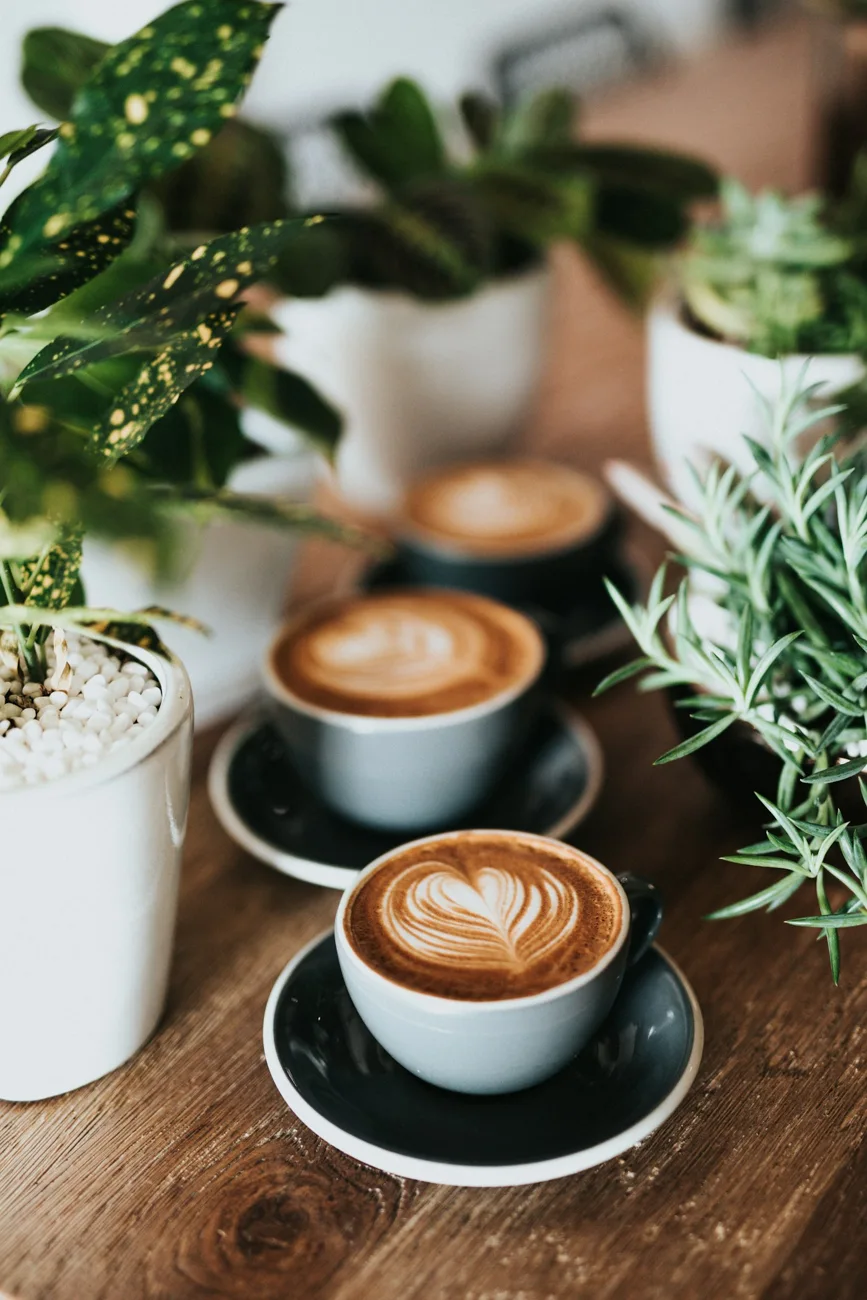
COOEE TOURS · BRISBANE & BEYOND
Explore Brisbane coffee tours, specialty cafés and local roasteries. Enquire about guided, private and corporate coffee experiences with Cooee Tours.
THE PRACTICAL DETAILS
Use this planning snapshot to request a current quote. Proposed timings and inclusions are confirmed before you book.
LOCAL KNOWLEDGE · PRACTICAL PLANNING
Plan the route around a few neighbourhood cafes rather than driving across the city for every cup. Allow time for seating, ordering and conversation with the group.
Ask whether the experience is a cafe visit, a tasting or a hosted roastery session. A cafe serving specialty coffee does not automatically provide a behind-the-scenes tour.
Share milk preferences, caffeine limits and dietary needs in advance. Include water and food breaks, and establish whether drinks are included or purchased separately.
Visitor references: Brisbane riverside cafes
Brisbane’s coffee scene has quietly matured into something genuinely worth exploring. Third-wave roasters, laneway cafés, direct-trade supply chains and a generation of baristas trained as much in craft as in chemistry — all set against a subtropical climate that encourages lingering. This is the 2026 traveller’s guide to the Brisbane café scene, structured around how the city’s coffee culture actually works neighbourhood by neighbourhood, plus the practical detail of a Cooee Tours guided café walk. Pair with our Gold Coast holiday guide if you’re combining Brisbane with a beach trip south.
Brisbane combines a laid-back subtropical pace with a growing community of third-wave cafés and innovative roasters. Unlike cities where coffee is everywhere but often homogenous, Brisbane features distinct neighbourhoods where roasters and baristas experiment openly with seasonal filter flights, direct-trade micro-lots and creative pairings with local bakers and chocolatiers.
Those who love coffee will notice the local hallmarks throughout the city’s café scene: precise extraction techniques, a genuine willingness to educate customers through cuppings and micro-classes, and a streetwise sense of discovery. The best cafés are tucked down CBD laneways, hidden in Fortitude Valley’s creative precinct, or nestled into renovated heritage buildings in West End and Paddington.
The climate plays a role too. Brisbane’s warm weather means outdoor seating, courtyard gardens, and a relaxed pace that encourages lingering over your pour-over while watching the city go by. This creates a coffee culture that’s as much about community and connection as it is about exceptional beans.
Each neighbourhood brings its own character to the coffee experience. Most curated walking tours hit two or three of these in a single morning.
The CBD’s hidden laneways host some of Brisbane’s most intimate and expertly-run cafés. Small-footprint venues focused on precision — single-origin espresso, batch brews, minimal seating that encourages conversation between barista and customer.
Perfect for the morning commute or a mid-afternoon pick-me-up between meetings. The CBD typically anchors the start of a Brisbane coffee walking tour.
The Valley’s creative energy extends to its coffee scene. Here you’ll find brew bars experimenting with anaerobic fermentation, cold-brew nitro taps, and rotating single-origins from lesser-known regions.
Many cafés double as galleries or music venues, creating a multisensory experience. This is where the genuine experimentation in Brisbane’s coffee culture happens.
West End’s bohemian vibe attracts roasters and cafés with a social conscience. Direct-trade relationships, sustainability initiatives, and community engagement are hallmarks here.
Expect spacious venues with courtyard seating, weekend markets nearby, and a genuinely welcoming atmosphere. The neighbourhood pairs especially well with food tours since the South Bank precinct is a short walk away.
Paddington’s Queenslander architecture provides beautiful settings for specialty coffee. Converted workers’ cottages now house sophisticated cafés where heritage interiors meet modern coffee equipment.
It’s a favourite for weekend brunches paired with exceptional coffee. The neighbourhood is reachable on foot from the CBD via Petrie Terrace and Caxton Street.
Specific venues rotate seasonally, but the typical Brisbane coffee tour hits four distinct categories of café experience. Each shows a different facet of the city’s coffee culture.
Small, intimate CBD cafés hidden in alleys. Where the tour often begins — perfect for people-watching, sharp espresso, and understanding how Brisbane’s coffee scene developed its character.
Converted historic buildings with architectural character and consistently excellent espresso. These venues tell the story of Brisbane’s evolution while serving cutting-edge coffee.
Warehouse-style operations where you meet the roaster, learn about origin stories and roast profiles, and witness beans fresh from the drum. This behind-the-scenes access is a tour highlight.
Venues pushing boundaries with single-origin filter flights, anaerobic naturals, alternative brewing methods, and unique preparation techniques that showcase coffee as cuisine.
Brisbane coffee tours introduce you to multiple brewing techniques, each highlighting different flavour profiles. The best baristas in the city are fluent in all of these and pick the method that suits the specific bean.
The foundation of café culture. You’ll taste the difference between commercial espresso and specialty single-origin shots, with attention to extraction time, temperature and crema quality.
Manual brewing methods that highlight clarity and specific tasting notes. Perfect for showcasing Ethiopian florals or Colombian fruit-forward profiles.
Consistent, crowd-pleasing filter coffee that’s ideal for comparing different roast levels throughout the day. The everyday workhorse of the third-wave café.
Smooth, low-acid coffee that showcases Brisbane’s roasters’ creativity with beans selected specifically for cold extraction. Essential during the humid summer months.
The theatrical brewing method that’s as much about presentation as flavour, creating a clean, tea-like cup. Only a handful of Brisbane cafés still run siphon stations.
A versatile method that roasters use to demonstrate their beans’ versatility across different pressure and temperature profiles. Common in roastery cuppings.
Standard walking tours run 3 to 4 hours and cover 4 to 5 carefully selected stops across the best coffee neighbourhoods. Here’s the structure.
Ask for a current itemised quote for your date and group.
Espresso, filter, cold brew or alternative methods — depending on the stops. Non-coffee alternatives available at every venue.
Behind-the-scenes access to a working Brisbane roastery, with a mini-cupping session led by the roaster or head barista.
Locally-sourced pastries from artisan bakers, chocolate from bean-to-bar makers, occasionally savoury options. Dietary requirements accommodated.
Trained baristas and coffee enthusiasts who share practical tips you can use at home — from dialling in a grinder to extraction ratios.
A curated list of Brisbane cafés to visit after the tour, organised by neighbourhood and tailored to what you enjoyed most.
Maximum 8 to 10 participants per public tour. The small size preserves the conversational atmosphere and lets everyone interact with baristas and roasters.
Understanding Brisbane’s coffee evolution helps appreciate what you’re tasting today. Coffee arrived as a practical commodity; what it became is more interesting.
Independent cafés and micro-roasters emerged in the early 2000s, inspired by Melbourne’s coffee scene but developing distinctly Brisbane characteristics. Local roasters began sourcing specialty lots directly from origin countries.
A new generation of baristas brought Melbourne-style precision and international brew methods to Queensland’s subtropical climate — adapting techniques for the heat and humidity that European-trained baristas typically don’t face.
Brisbane roasters pioneered direct relationships with farmers, visiting coffee-growing regions and building transparent supply chains. This focus on ethics and sustainability became a defining feature of Brisbane’s coffee identity.
Many roasters now offer full traceability from farm to cup, with origin maps, farmer profiles and harvest dates printed on bag labels. The transparency is the differentiator.
Today, Brisbane café culture blends innovation with accessibility. You’ll find experimental processing methods (anaerobic fermentation, carbonic maceration) alongside classic espresso bars, warehouse roasteries hosting weekend cuppings, and heritage cafés serving award-winning coffee in century-old Queenslanders.
The scene continues to evolve while maintaining its welcoming, educational approach — rare for a coffee culture that takes itself seriously without becoming exclusive.
The mechanics worth knowing before booking a tour or planning your own café crawl.
Morning tours (9-10 am start): Experience cafés during their prime morning rush, see baristas at peak performance.
Afternoon tours (2-3 pm start): More relaxed pace, longer conversations, better light for photography.
April-October (dry season): Perfect walking weather, mild temperatures (20-25°C), low humidity. Peak tourist season — book ahead.
November-March (wet season): Warm mornings before afternoon storms. Tours run rain or shine; less crowded cafés during the week.
Tours start at a central CBD meeting point accessible from Roma Street, Central, or Queen Street Mall stations. Walking covers 2-3 km at a relaxed pace.
For the Fortitude Valley and West End extensions, occasional short bus or rideshare hops are used to save walking time. Paid parking available in CBD.
Comfortable walking shoes — closed-toe recommended. Light layers (a café air-conditioning is set cold). Bring sunglasses, a hat, and sunscreen for summer tours.
A small backpack is useful for any beans you decide to take home from the roastery visits.
Brisbane’s specialty cafés excel at accommodations — vegan, gluten-free, dairy-free and other dietary requirements are routinely handled.
Let the tour team know at booking and the food pairing stops will be matched to your requirements. Lactose-free milks (oat, almond, soy) are available at every café.
Pricing is available on enquiry. Tell us your preferred date, group size and interests for a tailored quote. Scheduled departures are subject to confirmation.
Enquire early for preferred dates. Tour inclusions, accessibility, meeting points and cancellation conditions will be confirmed before booking.
Brisbane’s coffee tours include thoughtful food pairings that complement the coffee rather than overpower it. Expect locally-sourced pastries from artisan bakers, chocolate from Brisbane’s bean-to-bar makers, and occasionally savoury options like house-made sausage rolls or cheese selections.
Our guides explain pairing principles: how acidity in coffee pairs with buttery pastries, how chocolate can mirror or contrast coffee’s flavour notes, and which foods cleanse the palate between tastings. If you have dietary requirements (vegan, gluten-free, allergies), let us know when booking — Brisbane’s cafés are excellent at accommodations.
Come curious. Ask questions about anything — brewing, sourcing, equipment, flavour notes. Our guides and the baristas we visit love sharing knowledge.
Pace yourself. You’ll taste 4-5 coffees over 3-4 hours. It’s fine to take smaller sips, share drinks, or switch to decaf options later in the tour.
Take notes. Bring a small notepad or use your phone to record cafés, bean varieties, and brewing tips you want to remember.
Engage with baristas. The best conversations happen when you ask about their craft. Most are passionate about sharing their expertise.
Try something new. If you always order lattes, try a filter coffee. If you’re a black coffee purist, maybe taste a specialty milk drink. Tours are perfect for experimentation.
Weekday mornings before eight are the quietest and the best time to talk to whoever is on the machine. Weekend brunch from about nine to noon is the busiest stretch of the week, particularly in New Farm, Paddington and West End, where a wait for a table is normal rather than a sign of poor management.
Brisbane cafes are a morning business. Most open between six and seven and close by two or three in the afternoon — the evening cafe is not really a thing here, and a four o'clock coffee run needs planning.
The practical upshot for a visitor is that a coffee tour is not four stops at similar cafes. Single-origin filter at one, a milk-focused espresso bar at the next, and a roastery where the machine is in the room are genuinely different experiences.
What separates Brisbane's scene from a generic cafe culture is how much of it roasts locally. Several of the city's cafes roast on site or source from roasters within a few kilometres, which is why the coffee changes noticeably between neighbourhoods rather than tasting the same everywhere.
Milk alternatives are universal and rarely carry a surcharge. Sugar is on the table rather than in the cup.
A piccolo is a small milk coffee in a glass, a magic is a double ristretto with milk in a smaller cup, and a batch brew is filter coffee made in volume. Ordering a "regular coffee" will get you a question rather than a cup.
The vocabulary is local and worth knowing before you walk into a Brisbane cafe. A flat white is espresso with steamed milk and a thin layer of microfoam. A long black is espresso poured over hot water — stronger and more aromatic than an americano, which is made the other way round. A short black is a straight espresso.
Whole beans keep considerably better than ground, and every roaster will grind to your method if you ask. Coffee is permitted in checked and carry-on luggage on international flights, and sealed retail bags rarely raise questions at Australian biosecurity on the way out.
Most Brisbane roasters sell retail bags at the counter, and freshly roasted beans travel better than most food souvenirs. Ask for the roast date rather than a best-before — anything within two weeks is ideal, and beans are at their best from about four days after roasting.
Duration and walking distance depend on the itinerary and the experience you choose. When enquiring, tell us how much time you have and whether you prefer a relaxed walking route or a tailored private outing. We will confirm the proposed duration, meeting point and inclusions before booking.
A coffee-focused outing may still appeal to guests interested in Brisbane café culture. Alternative drinks and dietary options depend on participating venues; please raise any preferences when enquiring so availability can be checked.
Potential areas include Brisbane CBD, Fortitude Valley, West End and Paddington. Specific cafés, roasteries and behind-the-scenes access are not guaranteed and will be confirmed for each itinerary.
The meeting point depends on the itinerary and will be provided when arrangements are confirmed. If you have mobility or transport requirements, please include them in your enquiry.
Group capacity varies with the experience, venue availability and transport or walking arrangements. Please share your group size so we can recommend a suitable option.
Many Brisbane specialty cafés and roasteries sell beans, but shopping opportunities and any discounts depend on the venues included in your confirmed itinerary.
Weather arrangements depend on the confirmed experience and booking conditions. Ask about wet-weather plans and any applicable changes or cancellation terms before booking.
Use the enquiry link on this page or contact Cooee Tours to discuss your preferred date, group size and tour style. Availability, price, inclusions and booking conditions will be confirmed before you commit.
Pair the coffee tour with other Brisbane experiences, or extend the trip south to the Gold Coast hinterland.
Choose your coffee experience
Whether you are travelling solo, planning a catch-up or arranging a team experience, tell us what you have in mind. We can discuss suitable coffee-focused itineraries and available options.
Interested in joining other coffee lovers? Ask about any scheduled guided departures and what is included before making plans.
Enquire about departures →Plan a personalised Brisbane coffee experience for friends, visitors, families or a special occasion. Routes and inclusions can be discussed for your group.
Request a private tour →Explore a coffee-themed team outing, client experience or social event. Let us know your preferred date, group size and accessibility needs.
Plan a group experience →Tours, venue visits, tastings, departure dates and prices are subject to confirmation. Enquiries do not constitute a booking.
YOUR NEXT DAY OUT
Tell us your preferred date and group size. Your enquiry includes this tour’s name and page link so our team knows exactly which experience you mean.
Photography includes illustrative experience images where identified. Refer to the written itinerary for the actual venues and activities.
KEEP EXPLORING
Your next memorable journey starts with a little inspiration.