Why Adelaide Punches Above Its Weight
Adelaide should not be as good a food city as it is. It is Australia’s fifth-largest city with a population around 1.4 million. Yet it has an extraordinary concentration of excellent restaurants, a market that has been feeding the city for over 150 years, and access to produce — Coffin Bay oysters, Barossa smallgoods, Adelaide Hills cheese, Spencer Gulf seafood, Clare Valley Riesling — that chefs in Sydney and Melbourne would kill for. The 2013 small-bar liquor licence reforms, which allowed cheap licences for venues under 120 people, transformed the laneways and created a genuinely exciting dining scene. And everything is walkable. The CBD is compact enough to cover Peel Street, Leigh Street, and Gouger Street in the same evening on foot.
🛒 The Market
Adelaide Central Market since 1869 — Lucia’s coffee and focaccia since 1957. One of the largest covered markets in the Southern Hemisphere.
🌏 The Precincts
Gouger St (traditional, Asian, seafood) · Peel & Leigh Sts (creative, small bars) · East End (casual, cafes) · North Adelaide (neighbourhood)
🌾 The Produce
Coffin Bay oysters, Barossa smallgoods, Adelaide Hills cheese, Spencer Gulf seafood, native ingredients
🌿 The Value
Comparable meals are typically 20–30% cheaper than equivalent Sydney and Melbourne restaurants. SA wines are extraordinary value.
🏠 Adelaide Central Market — Start Here
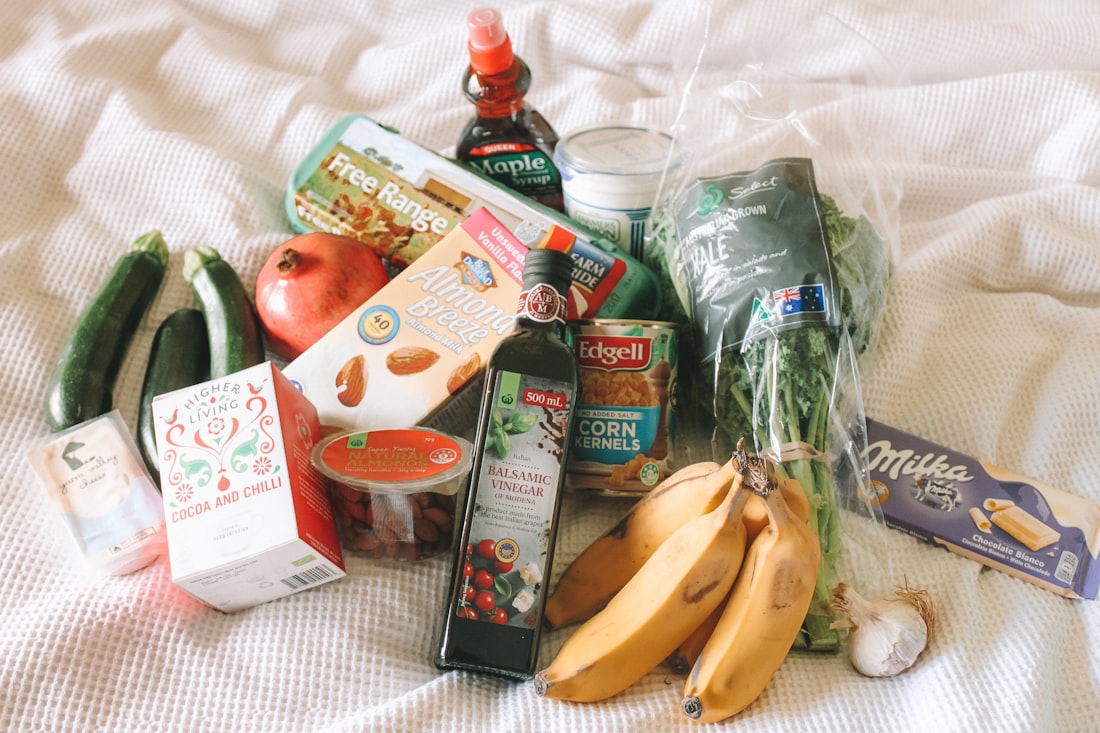
If you eat only one meal in Adelaide, eat it at the Central Market. Operating continuously since 1869 on Gouger Street, it is one of the largest undercover fresh produce markets in the Southern Hemisphere — over 70 traders under one enormous roof selling everything from wet fish and hand-rolled pasta to sourdough, artisan cheese, and imported European smallgoods. It operates with a lived-in energy that no food hall or artisan arcade can manufacture.
Arrive early on a Saturday when the stalls are fullest and the city’s chefs are doing their weekly shop alongside home cooks. Lucia’s Fine Foods has served coffee and focaccia at the market since 1957 — a proper Adelaide institution, not a tourist attraction. The Smelly Cheese Shop is the name of a serious cheese counter. Load up on biodynamic Hills vegetables, cured meats from the Italian and German-descended producers who’ve been here for decades, and Barossa smallgoods. Our full Central Market guide covers the traders and what to order in detail — see Adelaide Central Market Guide.
🌏 The Dining Precincts
🏹 Peel Street & Leigh Street
The most exciting dining addresses in Adelaide. Peel Street is a narrow CBD laneway whose transformation from nothing to one of Australia’s best food strips happened in under a decade. Peel St Restaurant’s blackboard menu (Asian and Middle Eastern influences, constantly changing) set the template. Shobōshō on Leigh Street does fire-focused Japanese cooking in a moody basement — the charcoal chicken skewers are the entry point. Africola (Leigh Street) is Duncan Welgemoed’s African-inflected fire cooking and one of Australia’s most distinctive restaurant personalities. Osteria Oggi is excellent Italian. Fugazzi is high-glam. Maybe Mae and Clever Little Tailor are the cocktail bar anchors.
Creative DiningSmall Bars🍣 Gouger Street
Adelaide’s traditional restaurant heartland — a dense strip running the full gamut from Chinese banquet halls to modern Australian bistros. The seafood is outstanding; order king prawns or a whole snapper when you see them on a specials board. Chinatown (off Moonta Street) has excellent, inexpensive Chinese, Vietnamese, and Malaysian. Ying Chow is a legendary cheap Chinese with devoted local following. La Louisiane, a French basement brasserie with live jazz nightly, is a newer arrival that has become immediately essential.
Traditional HeartlandAsian & Seafood🏡 The East End (Rundle Street)
A lively, casual precinct suited to lunch and early evening. Rundle Street has a range of independent restaurants, good Thai, Vietnamese, and contemporary Australian cafes. The East End is also where Adelaide’s densest café culture sits — Abbots and Kinney on Ebenezer Place is a benchmark for the city’s serious coffee programme. Golden Boy’s modern Thai is one of the best in the city.
Casual & Cafes🏠 North Adelaide
O’Connell Street and Melbourne Street are a 10-minute walk or tram from the CBD — a neighbourhood dining strip with a more relaxed feel than the CBD laneways. Good for a Sunday morning and the Norwood Parade (east of the CBD) is the quintessential Adelaide Sunday ritual: local cafes, pastries, independent bookshop browse, farmers’ market produce.
Neighbourhood🌾 South Australia’s Extraordinary Produce
Adelaide’s greatest advantage as a food city is the produce surrounding it. The best SA restaurants know this and build their menus around it — you can taste Coffin Bay oysters on Peel Street, Barossa smallgoods at the Central Market, Adelaide Hills truffles in autumn, and King George whiting on Gouger Street, all in the same 24-hour visit.
🦪 Coffin Bay Oysters
Among the finest in the world. Grown in pristine Southern Ocean waters. Served at the best restaurants and from the market. Intensely ocean-fresh flavour.
🥩 Barossa Smallgoods
German heritage sausages, salamis, and charcuterie from families who’ve been making them since the 1840s. Authentic smallgoods culture unlike anywhere else in Australia.
🍶 Adelaide Hills Cheese
Cool-climate dairy producing excellent artisan cheese — Udder Delights and several small producers make world-class fromage in the Hills. Available at the Central Market.
🐩 Spencer Gulf Seafood
King George whiting, southern rock lobster, garfish, snapper, and King prawns from the pristine Spencer Gulf waters. The best seafood restaurants on Gouger Street source these daily.
🌿 Native Ingredients
Quandong, wattle seed, finger lime, lemon myrtle, and bush tomato feature on the best contemporary menus in the city, often sourced from SA Aboriginal communities.
🍷 SA Wine at the Table
Adelaide’s wine lists are among the best-value in Australia — Barossa Shiraz, Clare Valley Riesling, McLaren Vale GSM, and natural wines from Basket Range all appear at prices that surprise visitors from the east coast.
☕ Coffee Culture
Adelaide takes its coffee with the same seriousness it brings to wine. The city has a competitive, dense café culture that has been an early adopter of filter coffee, cold brew, and single-origin roasting. Abbots and Kinney on Ebenezer Place has the kind of light-filled, thoughtfully designed space where you want to arrive early and stay until noon. Exchange Coffee and Mono are worth seeking out for their roasting credentials. The Central Market has several excellent coffee stalls for a market-morning espresso.
📅 A Perfect Eating Day in Adelaide
Adelaide Central Market (Saturday morning). Lucia’s focaccia and coffee. Browse the stalls when the chefs shop. Smelly Cheese Shop. Pick up Barossa smallgoods and Coffin Bay oysters if you have accommodation with a kitchen.
Abbots and Kinney on Ebenezer Place for a serious coffee. The East End café strip for a second breakfast or a browse.
Lunch on Peel Street or Leigh Street — Peel St Restaurant’s blackboard menu is the classic choice. Shobōshō for something fire-focused and moody. Or Gouger Street for Chinese banquet or a whole snapper at a seafood restaurant.
A wine bar mid-afternoon. Leigh Street small bars for South Australian natural wine. Several serve exceptional SA labels from small producers you won’t find elsewhere.
Pre-dinner drinks at Maybe Mae or Clever Little Tailor on Peel or Leigh Street — serious cocktail bars in a compact area.
Dinner — book ahead for the best options. Africola for fire-driven cooking with personality. Osteria Oggi for excellent Italian. La Louisiane for French brasserie with live jazz. Shobōshō for the broader menu after the afternoon tasting of skewers.
📌 Practical Tips
- Book AheadThe best Adelaide restaurants — Africola, Osteria Oggi, Shobōshō, La Louisiane — fill quickly and often operate waiting lists. Book several days ahead for weekend dinner, longer for special occasions.
- Walk Between PrecinctsThe “20-minute city” is real — the entire CBD dining precinct is walkable. Peel Street, Leigh Street, Gouger Street, and the Central Market are all within 15 minutes of each other on foot.
- Small Bars Walk-InMany small bars on Peel Street operate walk-in only, which rewards spontaneity. If you find yourself in the area mid-evening without a plan, you will find something excellent.
- Tuesday is QuietAdelaide restaurants are quieter on Tuesday and Wednesday than the weekend. If flexibility allows, these are the nights to get a table at your first choice.
- Festival SeasonAdelaide’s major festivals — Fringe, Adelaide Festival, and WOMADelaide (all February–March) — add a layer of street food, pop-up events, and energy to the food scene. Tasting Australia (April–May) is the dedicated food and wine festival.
Plan Your Adelaide Food Experience
The Central Market. Peel Street. Coffin Bay oysters and Barossa smallgoods. A wine list that rivals anywhere in Australia at half the price. Adelaide rewards every food-focused visitor.
Plan with Cooee Tours Central Market Guide →Frequently Asked Questions
The best concentration of quality dining is on and around Peel Street and Leigh Street in the CBD — a walkable cluster of excellent restaurants and small bars. Gouger Street is the traditional heartland, particularly for Asian, seafood, and Chinatown dining. All precincts are within the CBD or a short walk of each other.
Yes — Adelaide consistently surprises first-time visitors. The city benefits from extraordinary South Australian produce (Coffin Bay oysters, Barossa smallgoods, Adelaide Hills cheese, Spencer Gulf seafood), the 2013 small-bar reforms sparked a genuine dining renaissance, and comparable meals are typically 20–30% cheaper than Sydney or Melbourne equivalents.
Adelaide Central Market is one of the largest covered fresh produce markets in the Southern Hemisphere, operating continuously since 1869 on Gouger Street. Over 70 traders sell fresh produce, seafood, cheese, meat, artisan bread, coffee, and international food. Lucia’s Fine Foods has served coffee and focaccia there since 1957. Arriving on a Saturday morning when chefs do their weekly shop is the quintessential Adelaide food experience.
Peel Street is a narrow CBD laneway that has become one of the most concentrated stretches of good eating in Australia. The transformation was enabled by Adelaide’s 2013 small-bar liquor licence reforms. Key venues: Peel St Restaurant (blackboard menu, international influences), Shobōshō (fire-focused Japanese), Maybe Mae cocktail bar, and several excellent small bars. The entire street is walkable in 2 minutes but warrants a full evening.
South Australia is famous for Coffin Bay oysters, Barossa Valley smallgoods (German heritage sausages and charcuterie from the 1840s settlers), Adelaide Hills cheese, McLaren Vale olive oil and wine, Clare Valley Riesling, King George whiting and southern rock lobster from Spencer Gulf, Kangaroo Island honey, and native ingredients including quandong, wattle seed, and finger lime.