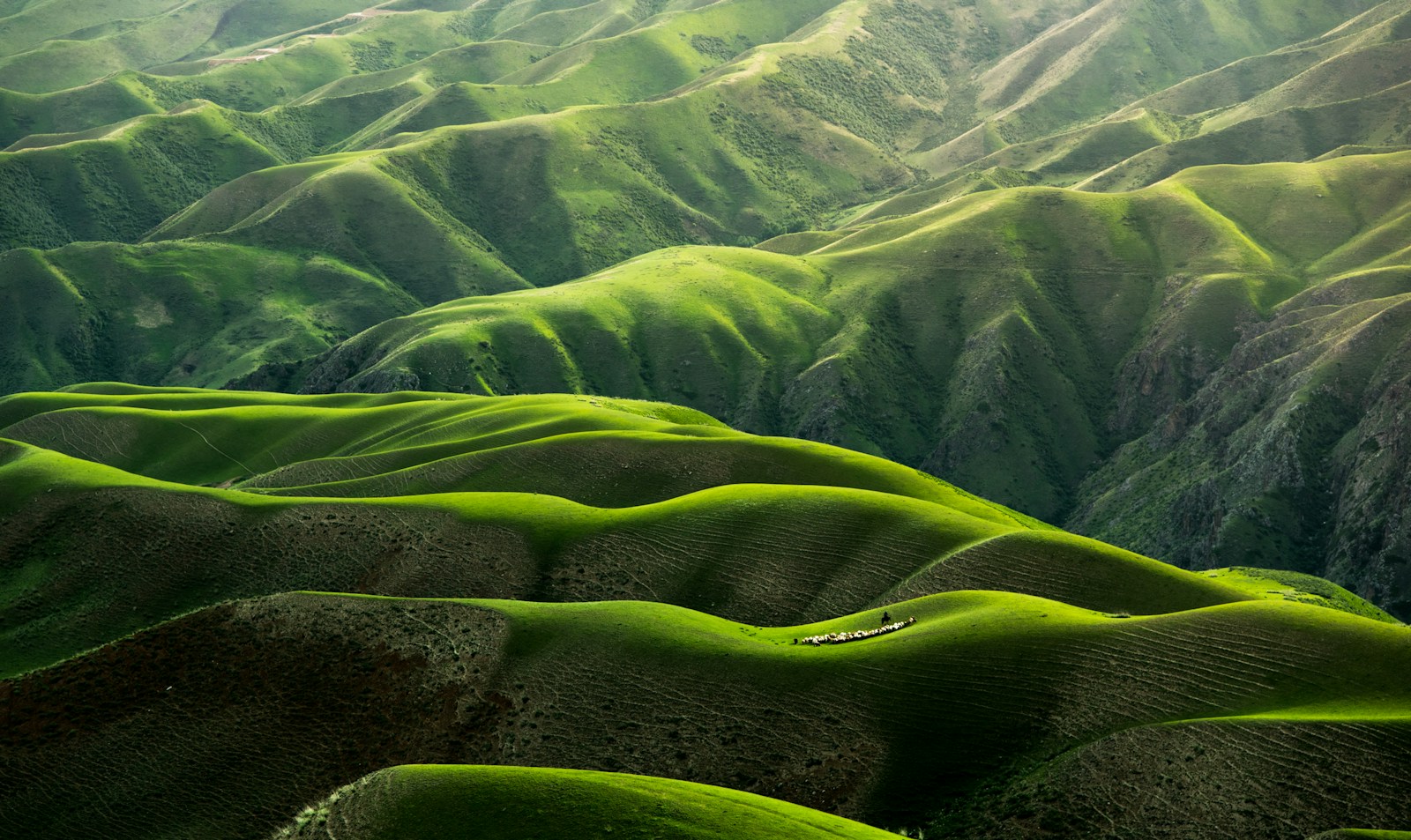
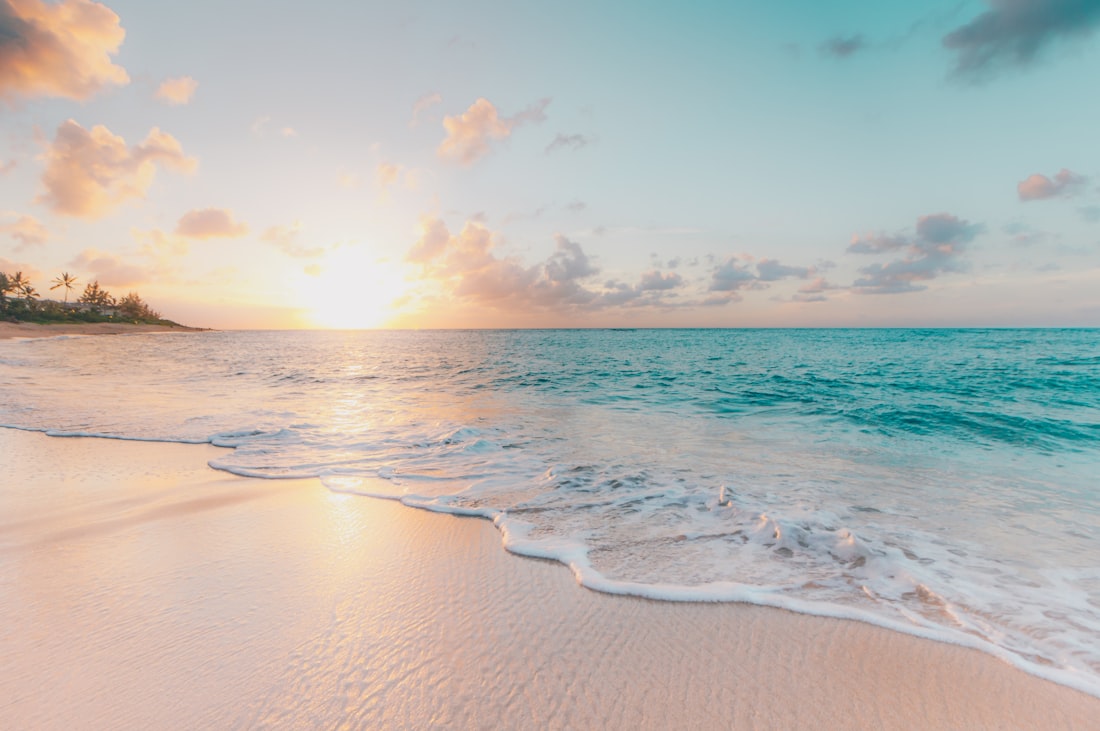
Australia's wildlife paradise and nature sanctuary — sea lions on the beach, koalas in every eucalyptus, and coastlines untouched for millennia.
🏆 Lonely Planet Top Region🌿 One-Third Conservation Parks
Updated August 202613 min read
4,405 km²
3rd largest Aus island
1/3
Protected as national parks
267+
Bird species
45 min
Ferry crossing
Why Kangaroo Island is a Must-Visit Destination
Kangaroo Island, located just off the coast of South Australia, is one of the world's great nature-based tourism destinations — the only Australian destination to make Lonely Planet's global Top Regions list. KI offers an extraordinary combination of pristine wilderness, abundant accessible wildlife, spectacular coastal scenery, world-class food experiences including the rarest honey on Earth, and some of the most dramatic geological formations in the Southern Hemisphere. And it's all within 90 minutes of Adelaide.
📍 Getting There
45-min SeaLink ferry from Cape Jervis, or a 30–40 min flight from Adelaide
📏 Size
4,405 km² — Australia's third-largest island, 155km east to west
👥 Population
~4,700 permanent residents
🌿 Conservation
Over one-third protected as national parks and reserves
🗺️ Where is Kangaroo Island?
Kangaroo Island sits off the coast of South Australia, south-west of Adelaide, separated from the mainland by the stretch of water known as Backstairs Passage. The closest mainland point is Cape Jervis at the tip of the Fleurieu Peninsula — about 110km from the Adelaide GPO, or roughly two hours’ drive — and that is where the vehicle ferry departs. Kingscote, the island’s main town, is a 45-minute drive from the ferry terminal at Penneshaw.
At 4,405 km² and about 155km from end to end, Kangaroo Island is Australia’s third-largest island after Tasmania and Melville Island. That scale surprises most first-time visitors: driving from Penneshaw in the east to Flinders Chase National Park in the west takes a little over two hours without stops, so plan your days around one end of the island at a time rather than criss-crossing it.
Orientation at a Glance
East — Penneshaw & Dudley PeninsulaFerry arrival point, little penguins, Dudley Wines, and the shortest transfers on the island.
Centre — Kingscote, American River & ParndanaMain town, hospital, supermarket, airport, and the quiet waterfront village of American River.
South Coast — Seal Bay, Vivonne Bay, Little SaharaThe beaches and the sea lion colony; roughly midway between the two ends.
West — Flinders Chase, Remarkable Rocks, Admirals ArchThe national park end, most remote, best reached with a full day set aside.
🐨 Incredible Wildlife Encounters
Kangaroo Island is renowned for its abundant, accessible wildlife. With no introduced foxes or rabbits, the island's ecosystems have remained exceptionally intact, providing sanctuary for numerous native species that are difficult or impossible to see elsewhere. Wildlife encounters here are not zoo experiences — they are genuine wild animal encounters in natural habitat.
🦘 Kangaroos & Wallabies
Found virtually everywhere across the island, particularly at dawn and dusk. The island's kangaroo and wallaby populations have recovered strongly since the 2020 bushfires — a genuine conservation success story.
🐨 Koalas
Spot koalas in eucalyptus trees throughout the island, especially at Hanson Bay Wildlife Sanctuary. KI koalas are disease-free — unlike most mainland populations — and are thriving in healthy numbers.
🦭 Australian Sea Lions
Seal Bay Conservation Park offers the only place in the world where you can walk among a wild sea lion colony on the beach with a guide. Around 800 animals rest, play, and nurse pups here daily.
🐧 Little Penguins
Watch the nightly penguin parade at Penneshaw or join a guided tour at Kingscote to see these birds returning from the sea after dark — one of the most charming experiences on the island.
🦅 Birds of Prey
Over 267 bird species recorded, including wedge-tailed eagles, ospreys, peregrine falcons, and the rare and endangered glossy black cockatoo — found only on KI and a few mainland locations.
🦔 Echidnas & More
Encounter echidnas, goannas, bandicoots, brush-tailed possums, and the critically endangered Kangaroo Island dunnart — a tiny marsupial found nowhere else on Earth.
🏖️ Top Attractions & Experiences
Natural Wonders
Remarkable RocksMassive granite boulders sculpted by wind, rain, and sea over 500 million years. Located in Flinders Chase National Park, these extraordinary formations glow vivid orange and red at sunrise and sunset — plan your visit around the light.
Admirals ArchA spectacular natural rock archway carved by the Southern Ocean, with a colony of New Zealand fur seals playing on the rocks below. Accessible via a well-maintained boardwalk in Flinders Chase National Park.
Seal Bay Conservation ParkWalk among wild Australian sea lions on guided beach tours. One of Australia's most significant sea lion colonies, with approximately 800 animals — the only such experience anywhere in the world.
Little SaharaVast white sand dunes rising up to 70 metres. Perfect for sandboarding, photography, and the extraordinary spectacle of white desert meeting green bushland. Children and adults love it equally.
Vivonne BayConsistently rated among Australia's most beautiful beaches, with crystal-clear turquoise water and white sand stretching for 5km without a footprint in sight.
Stokes BayA hidden gem where you walk through a natural rock tunnel to reach a perfectly sheltered beach. Superb for swimming and rock pool exploration — one of those places that stays with you.
Wildlife Parks & Sanctuaries
Hanson Bay Wildlife SanctuaryKoala spotting paradise with guided walks through eucalyptus woodland. Also home to kangaroos, wallabies, echidnas, and many of the island's birds. One of the most reliable spots for koala sightings.
Kangaroo Island Wildlife ParkAn interactive experience where you can hand-feed kangaroos, hold koalas (at designated times), and meet various native animals. Well-suited to families with children.
Raptor DomainAustralia's largest birds of prey display centre, featuring eagles, hawks, owls, and falcons in extraordinary free-flight demonstrations with expert commentary. A genuine highlight for visitors of all ages.
Food, Drink & Artisan Experiences
Kangaroo Island SpiritsAward-winning gin distillery creating botanicals from local KI plants. Their signature KIS Gin is distinctive and excellent. Tours and tastings available daily.
Clifford's Honey FarmPure Ligurian honey from the world's oldest and purest bee sanctuary. The island's Ligurian bee population has been isolated and protected since 1885 — the only pure-strain colony remaining on Earth.
Kangaroo Island Outdoor ActionOyster farm tours where you can shuck and taste fresh oysters directly from the water. One of those simple, perfect experiences that makes KI's food scene so special.
False Cape WinesBoutique winery with spectacular ocean views producing excellent Shiraz and Cabernet Sauvignon. One of the island's most scenic tasting experiences.
Island BeehiveHoney ice cream, mead, honey products, and the famous honey and macadamia combination. A stop that's impossible to regret.
🍯 Ligurian Bee Biosecurity: Kangaroo Island is home to the world's only pure-strain Ligurian bees, protected since 1885. The island has strict bee biosecurity — no bees or bee products may be brought onto the island. This protects a genetic line of extraordinary rarity. It's also why KI honey is among the most prized in the world.
📅 Sample Itineraries
Day 1 — Arrival & East Island
Morning
Arrive via ferry to Penneshaw or flight to Kingscote. Pick up rental car — essential for island exploration.
Midday
Explore Penneshaw town. Visit Clifford's Honey Farm and the Emu Ridge Eucalyptus Distillery.
Afternoon
Lunch at Dudley Wines with ocean views. Explore the east coast headlands and beaches.
Evening
Check into accommodation. After dark — guided Little Penguin tour at Penneshaw Penguin Centre to watch penguins return from the sea.
Day 2 — South Coast Wonders
9:00 am
Seal Bay Conservation Park — guided beach tour among Australian sea lions. Book the earliest session. This is the highlight for many visitors.
Midday
Lunch at Vivonne Bay Bistro. Swim at Vivonne Bay Beach — pristine, uncrowded, and genuinely spectacular.
Afternoon
Explore Little Sahara sand dunes — sandboarding, photography, or simply climbing for views across the island.
Evening
Dinner at accommodation or local restaurant. After dinner — stargazing. Kangaroo Island has minimal light pollution and extraordinary southern skies.
Day 3 — Flinders Chase & West Island
Morning
Drive to Flinders Chase National Park (western end, ~2 hours from Penneshaw). Remarkable Rocks at morning light — plan to be there by 9am for the best photography.
Midday
Admirals Arch boardwalk — New Zealand fur seals below. Picnic lunch at Cape du Couedic lookout.
Afternoon
Hanson Bay Wildlife Sanctuary for late afternoon koala spotting. Guided walk through eucalyptus woodland.
Evening
Kangaroo Island Spirits gin tasting. Dinner at their on-site restaurant — a fine way to close the Flinders Chase day.
💡 Allow Enough Time
Allow at least 3–4 days to properly explore Kangaroo Island. At 155km east to west, it's much larger than most visitors expect. Rushing in one day means missing the magic. Many experiences require advance booking — particularly Seal Bay guided tours, wildlife park time slots, and popular accommodation.
🚗 Getting There & Around
Kangaroo Island Ferry — SeaLink from Cape Jervis
The ferry to Kangaroo Island SA is operated by SeaLink, and it is the only vehicle ferry to the island. Two twin-hulled catamarans — the Sealion 2000 and the Spirit of Kangaroo Island — cross Backstairs Passage between Cape Jervis and Penneshaw in 45 minutes, running daily except Christmas Day and up to 12 return sailings a day in peak periods. It is a drive-on, drive-off service carrying cars, motorhomes, trailers, motorbikes and bicycles, each at its own fare.
Cape Jervis is about 110km from the Adelaide GPO. SeaLink advises allowing around two hours for the drive plus a further 30 minutes for check-in and boarding — the final stretch of coastal road is slower than it looks on a map. Crossings can be rough in a strong southerly, so check the forecast before you travel. Two larger vessels were scheduled to join the fleet during 2026, so confirm current timetables when you book.
Cost: around $54 one-way or $108 return per adult, with vehicles from roughly $99 each way in shoulder season rising to about $115 at peak; a temporary fuel surcharge has applied to new bookings. Vehicle spaces sell out first — peak crossings can go four to six weeks ahead, so book early for December–February, Easter and school holidays.
Flights — Adelaide to Kingscote
Regional Express (Rex) flies Adelaide to Kingscote Airport in roughly 30–40 minutes on a 34-seat Saab 340, with QantasLink also operating on the route. Rex departures use Adelaide’s regional terminal rather than the main domestic terminal, so allow extra time if you are connecting from an interstate flight. Kingscote Airport is about 14km from Kingscote town, and hire-car desks are on site.
Cost: commonly $130–$170 one-way and roughly $260–$340 return, depending on season and how far ahead you book. Flying suits solo travellers and couples without a vehicle; with a car, or a party of three or more, the ferry usually works out cheaper per person.
Car Rental — Essential
A car is absolutely non-negotiable on Kangaroo Island. Public transport is virtually non-existent. Rental cars are available at Kingscote Airport and the Penneshaw ferry terminal, but supply is genuinely limited — especially during peak season. Book your hire car at the same time as your ferry or flight, ideally months ahead.
Cost: $80–150/day. Note that some rental companies restrict driving on unsealed roads — confirm before booking if you plan to explore remote areas.
⚠️ Driving Advice
Roads are mostly sealed but often narrow and winding. Kangaroo strikes are extremely common at dawn and dusk — drive slowly and allow extra time. Fuel stations are limited to Penneshaw, Kingscote, and Parndana — fill up at every opportunity. Phone reception is patchy outside main towns; download offline maps before arrival.
💰 Budget Planning
Expense Category
Budget
Mid-Range
Luxury
Accommodation (per night)
$120–180
$180–300
$300–600+
Transport (ferry return + car)
$400–500
$500–600
$600–800
Food (per day)
$60–80
$100–150
$150–250+
Activities & Entry Fees
$150–250
$300–450
$500–800
3-Day Total (per person)
$1,000–1,400
$1,600–2,300
$2,500–4,000+
Money-Saving Tips
Book ferry and accommodation well aheadEarly booking often unlocks better ferry rates and secures accommodation that sells out months before peak season.
Self-cater some mealsGrocery stores in Kingscote and Penneshaw stock the basics. Prices are 20–30% higher than Adelaide — consider bringing non-perishables from the mainland.
Many highlights are freeRemarkable Rocks, Admirals Arch, Vivonne Bay, Stokes Bay, Little Sahara — spectacular and completely free once you pay park entry.
Travel in shoulder seasonApril–May or September–October offer lower prices, fewer crowds, excellent wildlife viewing, and more pleasant temperatures than peak summer.
Buy a National Parks PassAt $55 for a 2-month pass, this pays for itself quickly if visiting multiple parks.
🏨 Kangaroo Island Accommodation — Where to Stay
Kangaroo Island accommodation is concentrated in a handful of areas, and which one you choose matters more than it would on the mainland: distances are long, roads are dark at night, and backtracking across the island eats a large part of a day. Pick the base that matches what you most want to see.
Kingscote — Main TownBest choice for amenities, restaurants, and central location. The main grocery store, hospital, and most services are here. Good base for families or first-time visitors who want access to services.
PenneshawClosest to the ferry terminal. Excellent for penguin viewing and east coast beaches. More limited dining options than Kingscote but very convenient for arrival and departure days.
American RiverA quiet, beautiful waterfront village — the best-kept secret on the island. Ideal for fishing, kayaking, and complete relaxation. Centrally located for exploring the whole island.
Vivonne Bay / South CoastClose to the island's most beautiful beaches and Seal Bay. More remote, with stunning natural surroundings — perfect for those who want to be immersed in nature.
Flinders Chase / West EndPerfect for wildlife and national park access. Very remote — plan to bring your own food supplies as services are minimal.
🏡 Accommodation Types: Options range from camping and caravan parks ($30–50/night), budget motels ($120–180), self-contained cottages ($200–350), to luxury eco-lodges and beachfront villas ($400–800+). Book months ahead for peak season (December–February) and Easter — availability disappears very quickly.
📆 When to Visit
Summer — December to FebruaryWarm beach weather (25–35°C) and long daylight hours — perfect for swimming and coastal exploration. But this is peak season with the highest prices, biggest crowds, and accommodation and ferries booking out months ahead. Book early or visit another time.
Autumn — March to May ⭐ Best TimePerfect weather (18–25°C), significantly fewer crowds, better value, calm seas, and excellent conditions for hiking and wildlife viewing. Autumn light is extraordinary for photography. The best overall season for most visitors.
Winter — June to AugustLowest prices and a peaceful atmosphere. Dramatic coastal scenery in stormy weather, whale watching season (southern right and humpback whales), and cosy accommodation. Cooler (10–16°C), occasionally rough seas that can cancel ferries, and some attractions reduce hours.
Spring — September to NovemberWildflowers carpet the island, newborn wildlife abounds (including baby sea lion pups and joey kangaroos), pleasant weather (15–22°C), and good value. Variable conditions with wind, but an extraordinary time for wildlife photography.
⚠️ Important Travel Tips
🌱 Bushfire Recovery
Kangaroo Island experienced devastating bushfires in January 2020 that burned nearly half the island. Recovery has been remarkable — most attractions have fully reopened and the wildlife has bounced back with extraordinary resilience. Some areas of Flinders Chase National Park continue to regenerate, and the contrast between burnt and regenerating bush is itself compelling. Visiting KI now directly supports the island's ongoing economic recovery.
Book Everything EarlyAccommodation, car rentals, and popular tours (especially Seal Bay beach tours) fill months in advance during peak season. Don't assume you can arrange things on arrival — many visitors are disappointed having not booked ahead.
Limited Banking & ATMsATMs only in Kingscote and Penneshaw. Many smaller businesses don't accept cards or have unreliable EFTPOS connections. Bring cash.
Fuel Up at Every OpportunityOnly 4–5 petrol stations on the entire island. Prices are higher than on the mainland. Fill up whenever you pass a station.
Phone CoverageTelstra has the best coverage on Kangaroo Island. Other networks are patchy outside main towns. Download offline maps (Google Maps offline, Maps.me) before leaving the mainland.
GroceriesMain supermarket in Kingscote. Limited and expensive elsewhere — prices are 20–30% higher than Adelaide. Consider bringing non-perishables from the mainland.
Wildlife SafetyNever approach, touch, or feed wildlife — even seemingly docile kangaroos. Keep a minimum 5-metre distance from sea lions, which can move surprisingly fast and have a powerful bite. Watch for kangaroos on roads at dawn and dusk — they're a serious collision risk.
Beach SafetyMany beaches have no lifeguards. Check conditions before swimming. Strong rips and currents are common even at normally calm beaches. Never swim alone.
Bee BiosecurityStrict quarantine rules apply to Kangaroo Island's Ligurian bees. No honey, honeycomb, or live bees may be brought onto the island. This is enforced and the fines are significant.
🎬 The Kangaroo Island Movie
If a search for the island turned up a film, this is the one. Kangaroo Island is a 2025 Australian drama–comedy directed by Timothy David and written by Sally Gifford, set and shot on the island itself. It premiered at the Adelaide Film Festival in November 2024, opened in Australian cinemas on 21 August 2025, arrived on Netflix in Australia and New Zealand in January 2026, and screened in US cinemas from April 2026. Adelaide Clemens, Rebecca Breeds, Erik Thomson, Joel Jackson and Nicholas Hope lead the cast in a story about a struggling actor returning home to family she left behind.
For travellers, the interest is the landscape. The film was photographed across the island’s coastline, farmland and back roads rather than on sets, and reviewers have consistently singled out the scenery as a character in its own right. Nothing in it is off-limits to visitors — the cliffs, beaches and bush country on screen are the same ones on this page. An earlier South Australian Film Corporation documentary short of the same name, made back in 1974, covered the island’s wildlife and reserves; the feature was filmed on the same ground roughly fifty years later.
🎬 Watching Before You Go
It is worth a viewing before a trip — it gives a feel for the scale of the place and for island life outside the tourist season, which is difficult to get from a brochure. Check current streaming availability in your region before you plan a screening night.
🌱 Sustainable Tourism
Kangaroo Island's pristine environment is its greatest asset and the very reason to visit. Help preserve it by:
Stay on marked tracksOff-track walking damages sensitive vegetation, disturbs wildlife nesting, and causes erosion on fragile island soils.
Pack out all rubbishMany remote areas have no bins. What you bring in, you carry out — including food scraps that attract feral animals.
Support local businessesBuying local keeps money in the KI economy and directly supports the families and producers who are rebuilding after the 2020 fires.
Use reef-safe sunscreenConventional sunscreen contains chemicals harmful to marine ecosystems and coral. Reef-safe options are available at island stores.
Conserve waterThe island relies on limited freshwater catchment. Take shorter showers, reuse towels, and be water-conscious throughout your stay.
Follow all fire safety rulesNo campfires outside designated areas. In a landscape still recovering from devastating fires, fire risk is taken extremely seriously.
Ready for Your Kangaroo Island Adventure?
With its extraordinary wildlife encounters, dramatic coastal scenery, pure Ligurian honey, and some of Australia's most beautiful beaches, Kangaroo Island promises an unforgettable experience unlike anywhere else on Earth.
Kangaroo Island lies off the coast of South Australia, south-west of Adelaide and separated from the Fleurieu Peninsula by Backstairs Passage. The nearest mainland point is Cape Jervis, about 110km from the Adelaide GPO — roughly a two-hour drive. At 4,405 km² and about 155km end to end, it is Australia’s third-largest island after Tasmania and Melville Island.
Two options: the SeaLink ferry from Cape Jervis (90 minutes south of Adelaide) takes 45 minutes to Penneshaw and runs multiple times daily year-round. Regional Express (Rex) flights from Adelaide to Kingscote take 30 minutes. Book well ahead in peak season as both services fill quickly — especially vehicle spaces on the ferry.
Allow at least 3–4 days. At 155km from east to west, Kangaroo Island is much larger than most visitors expect. A 3-day itinerary covers the main highlights — Seal Bay, Remarkable Rocks, Admirals Arch, Vivonne Bay, Flinders Chase, and key wildlife sanctuaries. Longer stays allow a more relaxed, deeper exploration.
The Kangaroo Island ferry leaves from Cape Jervis at the tip of the Fleurieu Peninsula and arrives at Penneshaw on the island’s eastern end. SeaLink is the only operator, running two vehicle and passenger catamarans daily except Christmas Day, with up to 12 return sailings a day in peak periods. Allow about two hours to drive down from Adelaide, plus 30 minutes for check-in and boarding.
Yes — a car is absolutely essential. Public transport on Kangaroo Island is virtually non-existent. Rental cars are available at Kingscote Airport and the Penneshaw ferry terminal, but availability is very limited during peak season. Book your hire car at the same time as your ferry or flight — ideally months ahead for December–February and Easter visits.
The wildlife list is extraordinary: Australian sea lions at Seal Bay (the world's only wild sea lion beach walk experience), koalas throughout the island, kangaroos and wallabies everywhere, little penguins at Penneshaw, wedge-tailed eagles and rare glossy black cockatoos, echidnas, goannas, and the endangered KI dunnart found nowhere else on Earth. No introduced foxes or rabbits means the island's native ecosystems remain largely intact.
Autumn (March–May) is generally the best overall time — perfect temperatures, fewer crowds, good value, and excellent wildlife viewing. Spring (September–November) is wonderful for wildflowers and newborn wildlife. Summer (December–February) has beach weather but peak prices and booking congestion. Winter offers lowest prices and whale watching, but rougher seas and some reduced services.
Kingscote suits first-time visitors who want shops, services and restaurants. Penneshaw is best for arrival and departure days and for the little penguins. American River is quiet and central. The south coast around Vivonne Bay puts you near Seal Bay and the best beaches, and the west end near Flinders Chase suits national park access. Options run from campgrounds and caravan parks through self-contained cottages to luxury eco-lodges — peak season books out months ahead.
Yes. Kangaroo Island is a 2025 Australian drama–comedy directed by Timothy David and written by Sally Gifford, set and filmed on the island. It premiered at the Adelaide Film Festival in November 2024, opened in Australian cinemas in August 2025, reached Netflix in Australia and New Zealand in January 2026 and screened in US cinemas from April 2026. The coastline and back roads on screen are all places visitors can see for themselves.
Yes. Cooee Tours can help design customised South Australian itineraries combining Kangaroo Island with Adelaide, the Barossa Valley, the Flinders Ranges, or the Eyre Peninsula. Contact us for tailored advice on timing, ferry bookings, car rental, accommodation, and guided wildlife experiences.
Cooee Tours acknowledges the Ngarrindjeri, Kaurna and Narungga Nations as the Traditional Owners of Kangaroo Island — Karta Pintingga, the Kaurna Miyurna name for the island — and recognises the Ramindjeri and other Aboriginal groups who hold cultural and spiritual connection to its lands and waters. We also acknowledge the Aboriginal women taken to the island by sealers against their will, whose descendants live in the island community today. We pay our deepest respects to Elders past, present and emerging, and we encourage all visitors to approach this ancient Country with curiosity, humility and care.