Australia's Most Underrated Capital
Adelaide is consistently ranked one of the world's most liveable cities — and consistently underrated by Australian travellers who haven't been since school. The city combines grand Victorian sandstone architecture, one of the world's best food markets, world-class free museums, a thriving arts scene, and the most spectacular day-trip portfolio of any Australian capital. The wines of the Barossa, McLaren Vale, and Adelaide Hills are an hour away. Kangaroo Island is a ferry ride. And the city itself rewards every hour you invest in it.
✈️ Getting There
Direct flights from all Australian capitals. Adelaide Airport is 7km from the CBD — taxi ~$30, bus ~$4.
🚊 Getting Around
Free tram in CBD, free CityConnector buses 99A & 99C, Glenelg tram (30 min), Metro trains & buses
📅 Best Season
March (festivals), Autumn March–May, Spring September–November
💰 Budget Note
Multiple world-class attractions are completely free. Very walkable, compact city.
This page is the full picture of what Adelaide has to offer. If you have two or three days and want it already sequenced into a day-by-day plan, read the companion piece: Adelaide Weekend Guide — markets, galleries and beaches.
🏛️ North Terrace — The Cultural Mile

North Terrace is Adelaide's cultural spine — a grand boulevard of 19th-century sandstone institutions, most free to enter. From the State Library in the west to the National Wine Centre at the eastern end, this is where Adelaide's ambition is most visible. Plan at least a half-day here, more if you linger in the galleries.
Art Gallery of South Australia
One of Australia's finest art museums — outstanding collections of Australian and international works including the extraordinary Aboriginal and Torres Strait Islander gallery. Changing temporary exhibitions make it worth visiting on every trip.
Free EntrySouth Australian Museum
World-class natural history museum with Australia's largest collection of Aboriginal cultural objects, a remarkable Pacific collection, and engaging natural sciences galleries. The whale skeleton display is a dramatic centrepiece.
Free EntryMigration Museum
A thoughtful, beautifully curated museum in a converted 1840s Destitute Asylum, exploring the stories of South Australia's immigrants from every culture. One of Australia's most humane and overlooked institutions.
Free EntryState Library of South Australia
Grand 1884 building with fascinating historical collections. The Mortlock Wing — a three-storey cast-iron gallery lined with oak bookcases — is one of the most beautiful interiors in Australia. Don't miss it.
Free EntryAdelaide Oval
One of the world's most beautiful sports grounds — opened 1871, elegantly rebuilt 2014 with the River Torrens and Adelaide Hills as backdrop. The Roof Climb and stadium tour give extraordinary city views. Catch AFL or cricket when in season.
Tours from $30 · Roof Climb ~$85National Wine Centre of Australia
Adjacent to the Botanic Garden at the eastern end of North Terrace. Australia's largest self-guided wine tasting — 120+ wines from 55 regions on an interactive wine wall. The barrel-shaped building exterior is a landmark in itself.
Tastings from $25🌿 Adelaide Botanic Garden
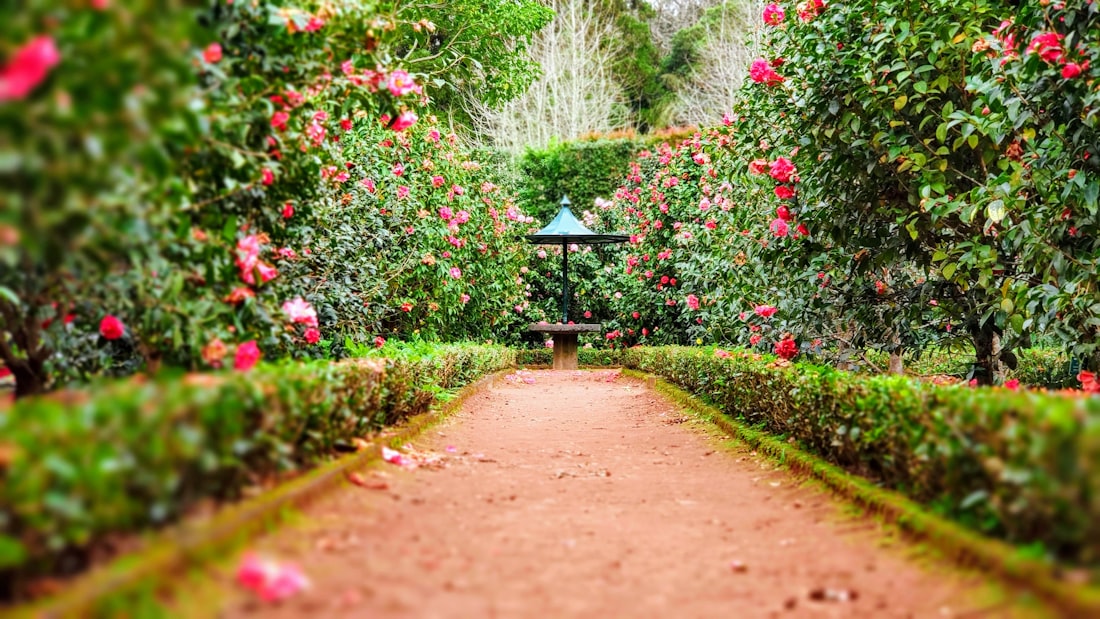
The Adelaide Botanic Garden is 50 hectares of immaculate parkland immediately east of North Terrace — free to enter and open from 7:15am every day. Free guided tours run daily at 10:30am from the main entrance. The Palm House (a beautifully restored 1875 Victorian glasshouse), the Amazon Waterlily Pavilion (home to the largest Victoria amazonica waterlilies in the Southern Hemisphere), and the Bicentennial Conservatory (housing northern Australian and Pacific rainforest) are the three must-sees. The avenue of Moreton Bay figs at the main entrance is one of the great tree walks in any Australian city.
🛍️ Rundle Mall, East End & Laneways
Rundle Mall is Adelaide's pedestrianised main shopping street — 700+ retailers, beloved public sculptures (the famous Mall's Balls, the bronze Pigs, and a giant pigeon), and Victorian building facades worth looking up to appreciate. Adelaide Arcade (1885) is one of the finest surviving Victorian shopping arcades in Australia. The City Council's free "Above the Canopy" audio tour explores the architecture for those who love heritage buildings.
The Haigh's Chocolates factory in nearby Parkside (est. 1919, fourth generation family) offers free 30-minute guided tours showing Australia's oldest family-owned chocolate maker at work. Book ahead — they're popular. East of the mall, Rundle Street and its surrounding laneways (Peel Street, Leigh Street, Topham Mall) form Adelaide's densest dining precinct. This is where locals eat, and the standard is consistently high.
🎭 Festival Season — March
- Adelaide Fringe — February to MarchThe world's second-largest arts festival after Edinburgh Fringe. Over 1,000 acts across hundreds of venues — comedy, cabaret, theatre, circus, visual art. Largely accessible with many shows under $30. The Garden of Unearthly Delights in Rundle Park is the social heart, with food, bars, and free entertainment nightly.
- Adelaide Festival — MarchPremium curated international program of theatre, dance, opera, and visual art. The opening spectacular in Elder Park is typically free and draws enormous crowds. High production values, world-class commissions.
- WOMADelaide — MarchOne of the world's finest world music and roots festivals — four days of international acts across multiple stages in Botanic Park. The food village is legendary. Tickets ~$80–120/day and often sell out. One of the great festival experiences in the Southern Hemisphere.
- Tasting Australia — MaySouth Australia's premier food and wine event — winemaker dinners, long lunches, cellar door events across city and wine regions. A perfect complement to a Barossa or McLaren Vale visit.
🎨 Street Art & Culture
Adelaide has developed a genuinely impressive street art scene. The city centre contains significant work by internationally recognised artists including Adnate (large-scale photorealistic portraiture on multi-storey walls), Jimmy C (whose Howling Owl near the Adelaide Central Market stops people in their tracks), and multiple international muralists. Several operators run guided street art tours. A second hub in Port Adelaide is equally strong. The Tandanya National Aboriginal Cultural Institute on Grenfell Street hosts changing exhibitions of Aboriginal and Torres Strait Islander art — one of the most important cultural institutions in South Australia.
💚 Free vs Paid
🆓 Always Free
- Art Gallery of South Australia
- South Australian Museum
- Migration Museum
- State Library (public areas)
- Adelaide Botanic Garden
- Botanic Garden guided tours daily
- Haigh's Chocolates factory tours
- All 29 CBD parklands
- Free CBD tram zone
- CityConnector buses 99A & 99C
- Tandanya Cultural Institute
- Street art (self-guided)
- River Torrens Linear Park walk
- Elder Park & Festival Centre grounds
🎟️ Worth Paying For
- Adelaide Oval Roof Climb (~$85)
- Adelaide Oval Stadium Tour (~$30)
- National Wine Centre tasting (~$25+)
- River Torrens heritage cruise (~$35)
- Adelaide Zoo (~$38 adult)
- Dolphin watch from Glenelg (~$90)
- Adelaide Fringe shows (March)
- WOMADelaide tickets (~$80–120/day)
- Haigh's Chocolates (book free, buy product)
📅 2-Day Adelaide Itinerary
Adelaide Botanic Garden opens — early morning walk before crowds. The Bicentennial Conservatory and Amazon Waterlily Pavilion first.
Adelaide Central Market for breakfast — fresh pastries, coffee, a wander through 80+ stalls to start the day right.
North Terrace: Art Gallery of South Australia and South Australian Museum. Free entry. Allow 1–1.5 hours each.
Lunch in the East End (Rundle Street / Peel Street laneways). Rest feet at a good independent cafe.
Adelaide Oval Roof Climb or stadium tour — book online ahead. Extraordinary views over the Torrens and Hills.
Walk back along the River Torrens Linear Park — one of the most pleasant urban walks in Australia.
Dinner in Gouger Street or the Peel Street laneways. Book ahead for weekend evenings.
Rundle Mall — Adelaide Arcade (1885), the Mall's Balls sculpture, bronze Pigs. Look up at the Victorian facades.
Haigh's Chocolate Factory tour in nearby Parkside (book ahead) — Australia's oldest family-run chocolate maker since 1919. Free.
Tandanya National Aboriginal Cultural Institute — current exhibition, cultural context for the whole trip.
Lunch, then jump on the Glenelg Tram from Victoria Square. 30 minutes to the beach.
Glenelg afternoon — beach swim, jetty walk, Moseley Square, optional dolphin cruise from the Marina (book ahead).
Sunset from the Glenelg Jetty — one of the best free experiences in South Australia. Legendary light over the Gulf St Vincent.
Dinner at Glenelg or tram back to Adelaide's East End laneways.
The free tram zone covers the whole city centre — use it freely between North Terrace, Central Market, Rundle Mall, and the Festival Centre. For Glenelg, buy a Metro single fare beyond the free zone. A Metro Day Pass (all-day unlimited on trains, trams, buses) is excellent value if you're making multiple trips or heading on a day trip to the suburbs.
🗺️ Best Day Trips from Adelaide
- Adelaide Hills & Hahndorf — 30 minutesMount Lofty Summit, Germany's oldest surviving settlement outside Germany, Cleland Wildlife Park, boutique wineries. See our Adelaide Hills day trip guide.
- Glenelg Beach — 30 minutes by tramAdelaide's most popular beach, Jetty Road dining, sunset views, dolphin watching, the Moseley Beach Club. See our Glenelg guide.
- McLaren Vale — 40 minutesAustralia's coastal wine region, d'Arenberg Cube, Italian varieties, old-vine Shiraz, beaches. See our McLaren Vale guide.
- Barossa Valley — 60 minutesWorld's oldest Shiraz vines, 150+ wineries, Penfolds, Henschke, Seppeltsfield. See our Barossa guide.
- Kangaroo Island — 2 hours (ferry from Cape Jervis)Sea lions, koalas, Remarkable Rocks, pure Ligurian honey. See our Kangaroo Island guide.
Plan Your Perfect Adelaide Weekend
World-class free museums, legendary markets, the best day trips in Australian, and a festival season that transforms the city every March. Let Cooee Tours help you plan South Australia.
Plan with Cooee Tours Glenelg Beach Guide →Frequently Asked Questions
Absolutely. Adelaide is one of the world's most liveable cities, with world-class free museums, a stunning Botanic Garden, an iconic food market, Adelaide Oval, a thriving arts scene, and the best day-trip portfolio of any Australian capital — Barossa, McLaren Vale, Adelaide Hills, and Kangaroo Island all within an hour.
Two to three days covers the city highlights — North Terrace institutions, Rundle Mall, the Botanic Garden, Adelaide Oval, Central Market, and Glenelg Beach. Add a fourth or fifth day for McLaren Vale, the Adelaide Hills, or the Barossa Valley.
The Art Gallery of South Australia, South Australian Museum, Migration Museum, State Library, Adelaide Botanic Garden (with free daily guided tours), Haigh's Chocolates factory tours, all 29 CBD parklands, the city's street art, and the entire free tram zone through the city centre are all free.
March is exceptional — Adelaide Festival, Adelaide Fringe (world's second-largest arts festival), and WOMADelaide run simultaneously. Autumn generally (March–May) has ideal weather (18–25°C) overlapping with wine harvest in nearby regions. Summer is lively but hot. Winter is mild, affordable, and underrated.
Yes — the free tram zone covers the whole city centre. Free CityConnector buses (99A and 99C) loop all CBD attractions. The recently upgraded Glenelg tram runs to the beach in 30 minutes. A Metro Visitor Pass covers unlimited travel on all trains, trams, and buses.