Why Russell is not what it looks like
Russell today is about as gentle a place as New Zealand offers: a curve of waterfront, a row of white weatherboard buildings under old pōhutukawa, a handful of good restaurants, and a passenger ferry that takes fifteen minutes from Paihia. It is the kind of town people describe as sleepy.
For most of the 1830s it was the busiest and most disorderly European settlement in the country, known to visiting sailors as the "hell hole of the Pacific". Whaling crews came ashore after months at sea into a beach town with no law, dozens of grog shops and an extensive trade in prostitution. Missionaries wrote about it in horrified detail. The disorder here was one of the practical arguments for British intervention — which is to say, Russell is part of why the Treaty was signed across the water four years later.
Almost none of that is visible now, which is exactly what makes the town interesting. What survived is a handful of the oldest buildings in New Zealand, standing in a place whose entire character has inverted.
- Getting there: passenger ferry from Paihia, about 15 minutes, running frequently through the day.
- Allow: a half day minimum. A full day if you walk Flagstaff Hill and eat lunch on the waterfront.
- Don't miss: Christ Church, Pompallier Mission, and the view from Maiki (Flagstaff) Hill.
- Note: the ferry is passenger-only; the vehicle ferry runs separately from Opua.
The confusing business of the name
Worth clearing up early, because it trips people up in the museum.
The town's Māori name is Kororāreka, and that is what it was called through the whaling era. The name is usually explained by a story in which a wounded chief, given a broth made from the little blue penguin, said "Ka reka te kōrora" — "how sweet is the penguin".
The name Russell originally belonged somewhere else. When New Zealand's first capital was established in 1840, it was at Okiato, a few kilometres south, and named Russell after the British Colonial Secretary. The capital moved to Auckland within about a year, Okiato faded, and the name transferred up the coast to Kororāreka — which is why the town has a name it did not earn and why "New Zealand's first capital" is a claim you will see attached to Russell with an asterisk. The first capital was technically at Okiato; the name is what moved.
What to see
Christ Church
Christ Church, built in 1836, is the oldest surviving church in New Zealand. It is small, weatherboarded, and sits in a graveyard that is worth as much time as the building. Charles Darwin, visiting on the Beagle, contributed to the building fund.
The detail everyone comes for is on the outside: musket ball holes in the weatherboards, from the fighting of 1845. They have never been repaired. The headstones in the churchyard record whalers, sailors, settlers and casualties of the Northern War, and reading them is the most direct account of the town's first two decades you will get anywhere.
Pompallier Mission
The Pompallier Mission on the waterfront was built in 1842 by the French Catholic mission as a printery, and it is the oldest surviving industrial building in the country. It was constructed in pisé de terre — rammed earth — which is why it looks unlike anything else in New Zealand.
Inside, the building still operates as a working printery and tannery, producing Māori-language texts using the original methods: the press, the type, the leather bookbinding. The guided tour takes you through the whole process. Of everything in Russell, this is the one visitors are most surprised by.
Flagstaff Hill (Maiki)
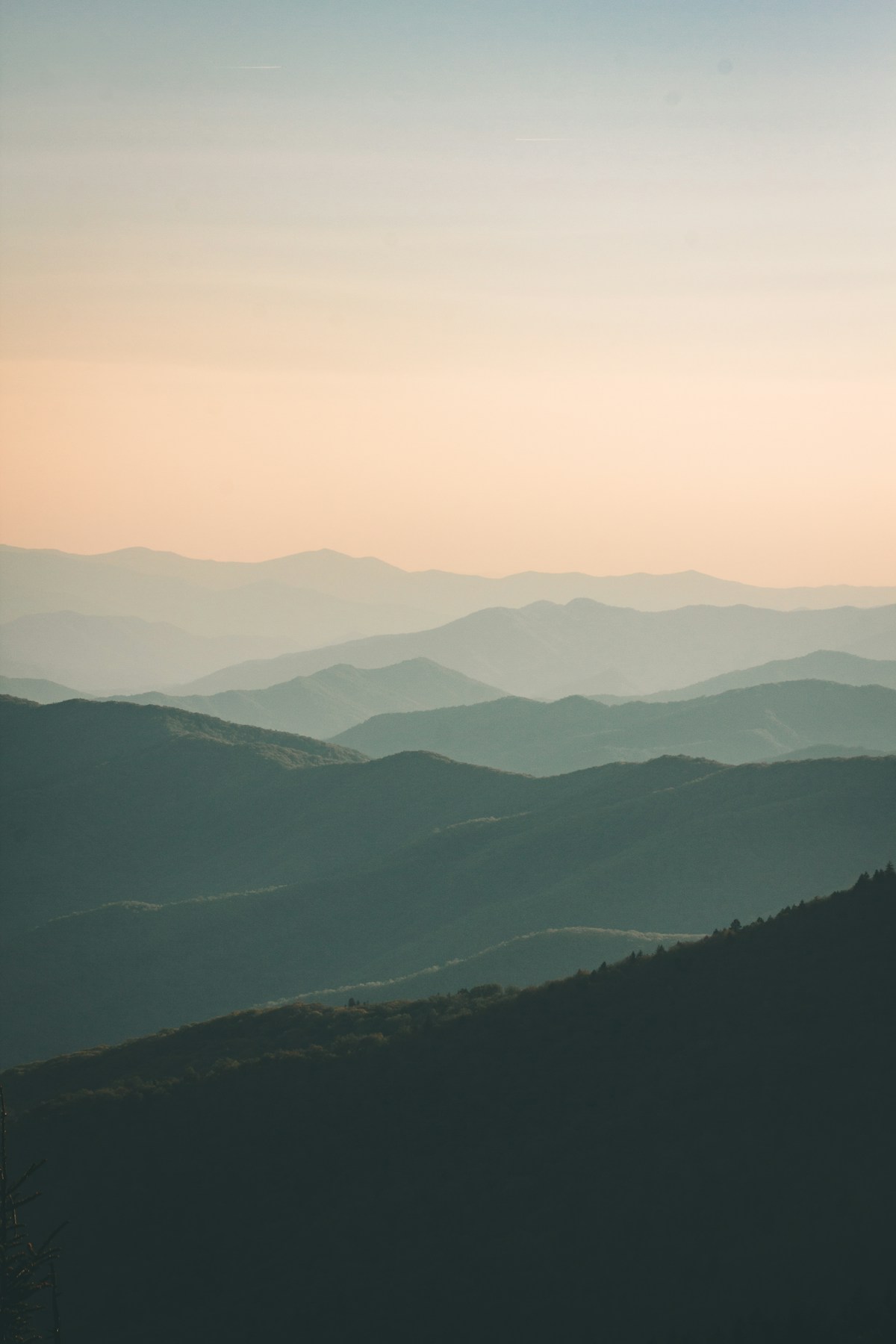
The hill above the town is where the most consequential thing in Russell's history happened, four times over. The British flagstaff erected on Maiki was cut down by Hōne Heke — the first rangatira to sign the Treaty at Waitangi — in July 1844, and again twice more, and a fourth time on 11 March 1845, on the morning that Kororāreka was sacked and burned.
The flagstaff was a symbol of British sovereignty, and Heke's repeated felling of it was a precise political statement about what he understood himself to have signed. The walk up takes about twenty to thirty minutes from the waterfront and the view over the bay is the best in the region.
The Duke of Marlborough
The hotel on the waterfront holds New Zealand's oldest licence, first granted in 1827 — to, as the hotel cheerfully advertises, "refresh the rascals and reprobates of Kororāreka". The current building is not the original; the first two burned. It is a good pub with a very good verandah.
The Russell Museum
Small, well-made, and holding a fifth-scale model of Cook's Endeavour along with whaling-era material and Māori taonga. Half an hour, and it fills in what the buildings do not explain — particularly the trade goods, which make the economics of the port concrete in a way the waterfront does not.
The waterfront itself
Do not treat the strand as the walk between the sights; it is one of them. The pōhutukawa along the front are old enough to have stood through most of what happened here, and they flower crimson through December and January, which is why the tree is called the New Zealand Christmas tree. The buildings behind them form a legible nineteenth-century streetscape of a kind that survives almost nowhere else in the country, because almost everywhere else rebuilt.
There is a boat ramp, the wharf where the passenger ferry berths, and a line of benches facing west — which means Russell gets the sunset over the water while Paihia, across the bay, gets it behind the hills. It is a small thing, and it is the reason to stay for the last ferry rather than the second to last.
What happened in 1845
The Northern War — the first of the New Zealand Wars — began here, and understanding it changes how the town reads.
Within a few years of the Treaty, the practical effects on Ngāpuhi were becoming clear. The capital had moved to Auckland, taking trade with it. Customs duties cut into the shipping business the bay had lived on. American whalers, a major source of income, largely stopped calling. Rangatira who had signed expecting a partnership found their authority and their revenue both diminished.
Hōne Heke's target was the flagstaff, not the settlers — a deliberately symbolic act against the assertion of sovereignty rather than an attack on the town. He felled it in July 1844 and twice again as the British re-erected it. On 11 March 1845, while Heke's force took the flagstaff a fourth time, a separate force under Kawiti engaged the troops in the town. In the fighting a magazine exploded, the settlement caught fire, and Kororāreka was largely destroyed. Most of the European population evacuated by ship.
The war continued through 1845 and into 1846 at Ohaeawai and Ruapekapeka, inland from the bay, where Māori-designed fortifications proved so effective against artillery that they influenced military engineering elsewhere. It ended without a decisive British victory and without Heke's defeat.
Russell never regained its position. The town you walk through is what was rebuilt afterwards, on a much smaller scale, by a much quieter population.
The whaling town, and what it ran on
To understand why Kororāreka became what it did, you have to understand what a whaling ship was.
American and British whalers worked the South Pacific from around 1800, on voyages that ran for two or three years. A ship arriving in the Bay of Islands had crew who had been at sea for months, a hold that needed provisioning, and a captain who needed repairs, water and firewood. The bay had deep sheltered anchorages, timber, and a Māori population willing to trade.
What grew up on the beach was a supply economy. Ngāpuhi supplied potatoes, pork, flax and timber; the ships paid in tools, cloth, cash and — decisively — muskets. The trade made Ngāpuhi the best-armed iwi in the country for a period in the 1820s, with consequences that ran the length of the North Island in the intertribal conflicts of that decade.
The European settlement itself was small, transient and unregulated. There was no British authority. James Busby, appointed Resident in 1833 and living at Waitangi across the water, had responsibility for order and no means of enforcing it — hence the description of him as "a man-of-war without guns".
By the mid-1830s something like thirty ships might be in the bay at once. The grog shops, the prostitution and the violence that gave the town its reputation were the by-product of a port with a rotating population of bored, cash-rich sailors and nobody empowered to police them. It was, in a real sense, the disorder that produced the Treaty.
The walks worth doing
Russell is small, but the peninsula it sits on is not, and the walking is one of the better reasons to give the town a full day.
Flagstaff Hill (Maiki) — 30 minutes each way
The standard walk, straight up from the north end of the waterfront on a formed track. Steep in sections. The summit gives you the bay, the Cape Brett peninsula and, on a clear day, the whole eastern approach. The flagstaff standing there now is a replacement, and the interpretive panels explain the four fellings.
Long Beach / Oneroa — 30 minutes each way
Over the saddle to the ocean side. Long Beach is a broad, safe swimming beach that is almost always quieter than anything on the Paihia side. You can continue north along the coast toward Donkey Bay if you want more.
Tapeka Point — about an hour return
North of the town, a headland with a pā site on it and views back across the bay. Less walked than Flagstaff Hill and, for many people, the better outlook.
The Cape Brett Track
Not a Russell walk but worth knowing about: a serious full-day tramp out along the peninsula to the lighthouse and the DOC hut, roughly eight hours each way, with a water-taxi option for one leg. This is a proper undertaking, needs booking, and crosses private land with an access fee. Most people see Cape Brett from a boat instead, which is the sensible choice.
How to spend the day
Russell is small enough to see thoroughly and pleasant enough to linger in, which is a good combination.
Morning
Take an early ferry to beat the day-trippers. Start with Christ Church and the graveyard while it is quiet, then walk the waterfront to Pompallier and take the printery tour — check the tour times when you arrive, because they set the shape of the rest of the day.
Middle of the day
Lunch on the waterfront. The Duke of Marlborough verandah is the obvious choice and deserves its reputation; there are quieter options a street back. Then the Russell Museum for half an hour out of the sun.
Afternoon
Walk up Flagstaff Hill — twenty to thirty minutes, steeper than it looks, and the payoff is the whole bay laid out. If you have the legs, continue on to Long Beach (Orōngo Bay) on the ocean side, about half an hour further, which is a proper swimming beach and almost always emptier than anything in Paihia.
Evening
Russell at dusk, once the day-trippers have gone, is the best it gets. If you can stay the night, do — the town's character is completely different after the last ferry. If not, the late ferries run well into the evening in summer.

Eating, drinking and staying
For a town of this size Russell eats unusually well, largely because it has been receiving visitors continuously for two hundred years.
The waterfront
The Duke of Marlborough verandah is the postcard and is genuinely good, particularly for lunch with the bay in front of you. It is also the busiest table in town in summer, so book or go early. There are quieter options a street back from the water that locals use, and the difference in price is noticeable.
Seafood
This is the reason to eat here rather than in Paihia. Northland waters produce excellent snapper, and the oysters from the Bay of Islands and nearby Orōngo Bay are among the best in the country. Anything landed locally and cooked simply is the right order.
Coffee and the morning
Several good cafes on and just off the waterfront, most of which open early enough for the first ferry crowd. Getting the earliest ferry across and having breakfast in Russell before the day-trippers arrive is one of the quiet pleasures of the Bay of Islands.
Staying the night
Russell's accommodation is small-scale and historic — restored villas, a handful of boutique hotels, and holiday houses up the hill. It books out well ahead over summer and it is not cheap. What you get for it is the town after the last ferry, when the day visitors have gone and the waterfront belongs to about eight hundred residents.
Practical notes
The two ferries
There are two, and confusing them costs people an hour. The passenger ferry runs directly between Paihia and Russell waterfronts, takes about fifteen minutes, and is the one you want if you are on foot. The vehicle ferry runs between Opua and Okiato, several kilometres south of both towns, and then you drive in. If you have a car and are only visiting for the day, leave it in Paihia and walk on.
Staying in Russell
It is a genuinely different proposition from staying in Paihia. Russell is quieter, prettier and more expensive, with a handful of historic guesthouses and small hotels. Paihia has more accommodation, more restaurants and the wharf for boat departures. If your trip is boat-heavy, stay in Paihia; if it is about the place itself, stay in Russell.
Getting around
On foot. The historic core is a few hundred metres end to end. Flagstaff Hill and Long Beach are both walks rather than drives.
When to go
Summer is busy in a small town. Shoulder season — March to May especially — gives you the same weather with a fraction of the day-trippers, and the sea is still warm enough to swim into April.
Accessibility
The waterfront, Pompallier and the museum are flat and manageable. Christ Church is a short walk on level ground. Flagstaff Hill is a steep track and is not accessible; the same view is not available by road, though driving to the top is possible via a longer route on the far side.
Reading the town properly
Russell rewards knowing what you are looking at, because so little of its actual history is legible on the surface.
The town presents as charming, and it is. But the charm is a nineteenth-century rebuild of a place that was destroyed in a war fought over what the Treaty meant — a war started by the man who signed it first. The musket holes in the church are the honest part of the town, and the graveyard is where the two decades that mattered are actually recorded.
This is also Ngāpuhi land, and Kororāreka was a substantial Māori settlement long before it was a whaling port. The pā sites around the bay and the names on the map are older than everything the town advertises.
Fitting Russell into the trip
Russell works as a half day, which makes it the natural partner to something on the water. Take the Hole in the Rock cruise in the morning, get dropped at Russell on the return leg, spend the afternoon in town and ferry back at dusk. That is the single best day in the Bay of Islands and it requires no driving at all.
The other pairing is historical: Waitangi in the morning and Russell in the afternoon. Waitangi is the document; Russell is what happened next. Doing them in that order, in one day, is the clearest way to understand the region — and the ferry between them takes fifteen minutes.
Russell: the town once called the hell hole of the Pacific: your questions
The passenger ferry, about 15 minutes, running frequently through the day from the Paihia wharf. There is also a vehicle ferry, but it runs Opua to Okiato, several kilometres south of both towns. If you are visiting for the day, leave the car in Paihia and walk on.
With an asterisk. The first capital was established in 1840 at Okiato, a few kilometres south, and named Russell. The capital moved to Auckland within about a year, Okiato faded, and the name transferred to Kororāreka — the town now called Russell. So the name was the capital; this town wasn't.
Through the 1830s it was the busiest European settlement in New Zealand and effectively lawless — whaling crews ashore after months at sea, dozens of grog shops, and an extensive trade in prostitution. Missionaries wrote about it in horrified detail, and the disorder was one of the practical arguments for British intervention.
Christ Church (1836, the oldest surviving church in New Zealand, with unrepaired musket holes), Pompallier Mission (1842, a rammed-earth printery still working with original methods), Flagstaff Hill, the Russell Museum, and the waterfront itself. A half day minimum.
The flagstaff was the symbol of British sovereignty, and Heke — the first rangatira to sign the Treaty at Waitangi — felled it four times between 1844 and 1845 as a precise political statement about what he understood himself to have signed. The fourth felling, on 11 March 1845, coincided with the sacking of Kororāreka.
A half day covers the church, Pompallier and the waterfront. A full day lets you add Flagstaff Hill, the museum and lunch, and possibly walk on to Long Beach. Staying the night is a different experience again — the town changes completely after the last ferry.
Twenty to thirty minutes from the waterfront and steeper than it looks, on a formed track. It is not accessible for wheelchairs or limited mobility, and there is no equivalent view from the flat. Driving to the top is possible via a longer route around the far side.
Damage from the fighting of March 1845, when Kororāreka was sacked and burned during the Northern War. They have never been repaired, which makes the church the most honest artefact in the town.
Paihia if your trip is boat-heavy — more accommodation, more restaurants, and the wharf for departures. Russell if the place itself is the point — quieter, prettier and generally more expensive, with historic guesthouses and small hotels.
A French Catholic mission printery built in 1842 from rammed earth, and the oldest surviving industrial building in New Zealand. It still operates as a working printery and tannery producing Māori-language texts by the original methods, and the guided tour walks you through the whole process.
Long Beach (Oneroa), about half an hour's walk over the hill on the ocean side, is a proper swimming beach and almost always quieter than anything in Paihia. The town waterfront itself is for looking at rather than swimming.
March to May. Summer weather holds into autumn in the Far North, the sea stays warm enough to swim into April, and the day-tripper crowds that fill a very small town in January have gone.