Local planning guide · Reviewed 12 November 2026
| Option | Best fit | Planning detail |
|---|---|---|
| Short return route | New or cautious riders | Choose an easy turnaround |
| Loop | Groups comfortable with the full ride | Check all terrain |
| One-way with shuttle | Scenic touring | Confirm pickup and support |
Choose the route before the bike
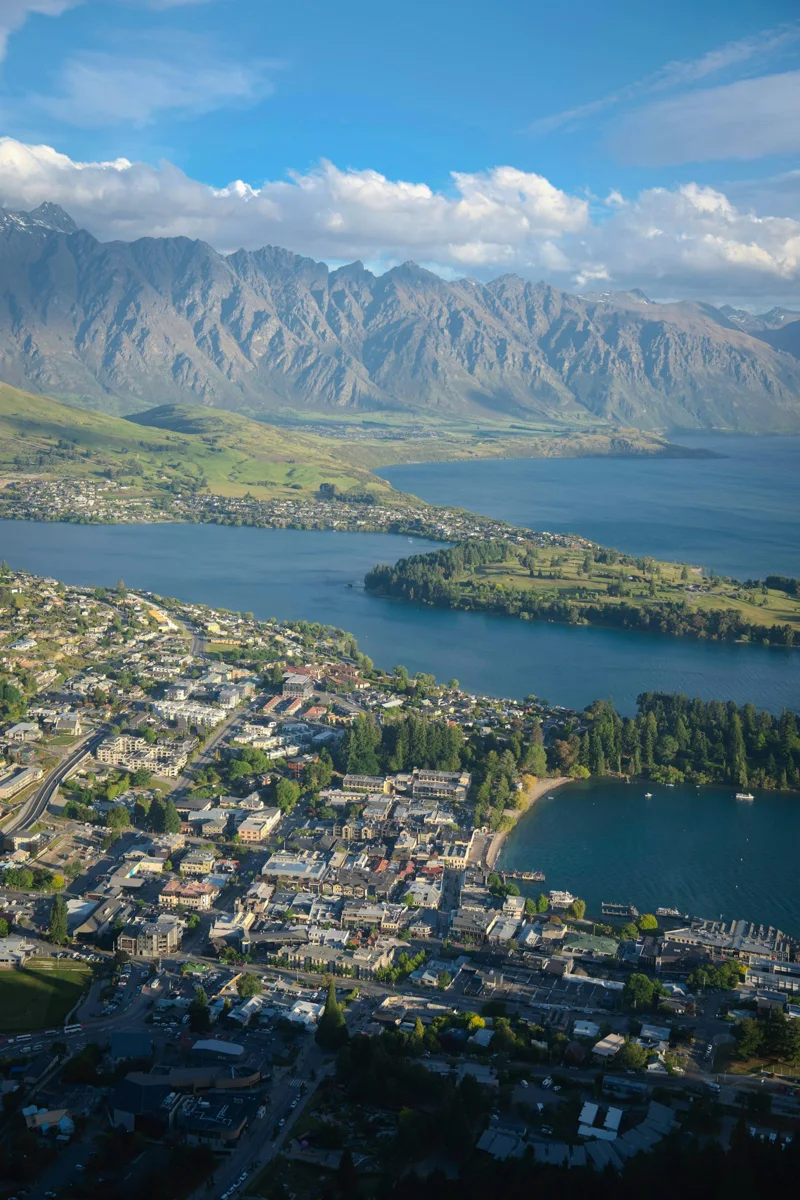
An e-bike assists pedalling but does not replace steering, braking or confidence on the surface. Plan for the least experienced rider. Compare gradients, trail grade, bridges, road sections and distance before booking. A lake loop can look gentle in a photograph while including sections unsuitable for a beginner. Ask the hire company to recommend a specific current route, not simply a popular destination.
Use live trail information
The Queenstown Trail network links several areas, including Queenstown, Arrowtown and Gibbston, with different grades and conditions. Do not assume every connection is open. During the November 2026 research for this guide, the official itinerary page displayed a closure on part of the Arrow River Bridges Trail. Check the live map and alerts for your travel date and obtain the operator’s advice before committing to a route.
Choose your route format
An out-and-back route lets you turn around when needed, although wind and fatigue can change the return. A loop returns to the start but may commit you to completing its full length. A shuttle-supported one-way ride can reduce distance if collection is clearly arranged. Ask what happens if someone wants to finish early and whether assistance is available on the chosen route.
Wine-country riding
Arrowtown and Gibbston can feature in a scenery-and-food outing, but check the available route and required ability. Wine tasting adds another decision: riding still needs judgement and control. Consider finishing the ride before tasting or arranging a transfer afterwards. Do not let a booked tasting push the group into riding faster than is comfortable. A non-riding wine tour may be a better fit for some visitors.
Equipment and briefing
Allow time for fitting and practice with starting, braking and assistance settings. Confirm helmets, battery range, repair support, water carrying and bike security at stops. Ask whether children’s bikes, trailers or seats suit the actual route. A heavier e-bike can take time to get used to. A hurried handover is a poor start for a rider who has not used one before.
Weather and pace
Consider wind and temperature as well as rain. Keep the first ride shorter than your theoretical maximum, take breaks and carry a layer. Stop for photographs clear of other users and follow trail etiquette. Confirm the hire return time without building a schedule that becomes a race. Give the operator your ages, experience and concerns, and compare the full package including transport rather than the hire rate alone.
Your questions answered
Does an e-bike make every trail easy?
No. Terrain, exposure and handling skills still matter.
Can I use a saved map?
Check current official alerts and the live route before riding.