Start with the route, then choose your room
A beautiful hotel can be the wrong booking if it leaves you several hours from an early departure. Place your must-do experiences on the map first: Milford Sound, an Aoraki walk, a glacier flight or a Kaikōura boat trip. Then choose the town you need to sleep in the night before. Two nights usually give you one full sightseeing day; a one-night stop is mainly a transfer day with an evening and morning attached. For a first visit, use three or four bases rather than changing rooms every night.
Christchurch: an easy arrival and departure base
Stay centrally if you want restaurants, the river, gardens and city walks without collecting a car immediately. An airport hotel suits a late arrival or early flight, but adds travel to a city sightseeing day. Families may prefer a motel or apartment with parking and laundry. Check whether parking is included, where the vehicle entrance is and whether reception will be open when your flight lands. Collecting a hire car after your city stay can save parking costs and reduce first-day fatigue.
Queenstown or Wānaka?
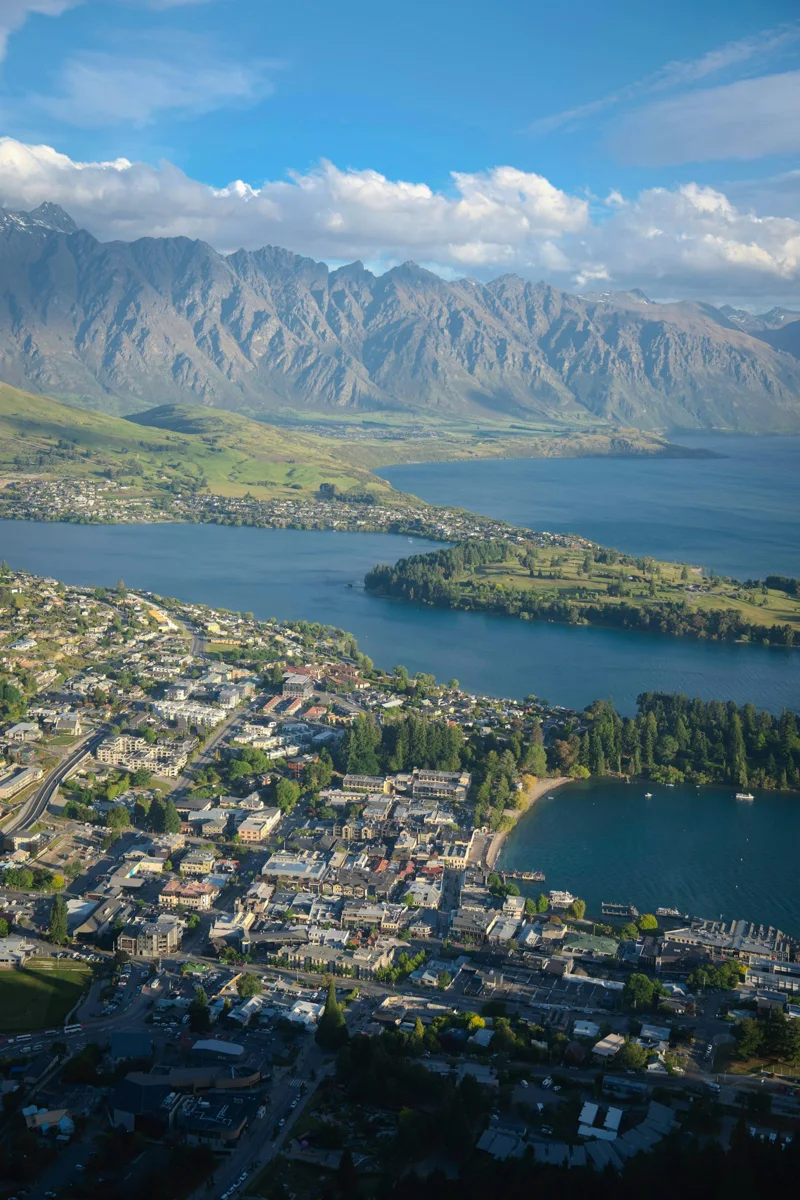
Queenstown suits visitors prioritising excursions, restaurants and activities. A central room is convenient without a car; hillside accommodation can involve a steep walk home. Frankton may suit airport access and drivers, but is a separate base from the compact town centre. Wānaka suits a slower lake holiday and days around Mount Aspiring. It is not a convenient overnight substitute for a Queenstown departure unless you have allowed the transfer. Choose two or three nights in one place instead of repeatedly moving between them.
Te Anau or Manapouri for Fiordland
Te Anau is a practical base for the Milford Road, local walks and a choice of places to eat. Manapouri suits travellers whose priority is a Doubtful Sound departure and a quieter lakeside stay. Spend the night before a long excursion nearby. For a two-night stay, plan arrival on the first day, a full excursion on the second, and departure on the third. Add another night if you want both fiords or a weather buffer. Milford accommodation is limited; do not assume you can arrive without a booking.
Tekapo, Twizel or Aoraki/Mount Cook Village
Tekapo works well for lakeside time and evening stargazing. Twizel offers another Mackenzie base with self-catering options. Aoraki/Mount Cook Village puts you closer to national park walks, although accommodation and dining choices are more limited. These towns are not interchangeable for an early activity: compare the actual drive to your meeting point. An overnight stay after stargazing avoids a tired late-night drive. If alpine walking is the main reason for visiting, leave a second opportunity in your schedule.
Coastal stays and longer circuits
Kaikōura is worth an overnight stay when a wildlife excursion is a priority; a second night gives more flexibility if sea conditions disrupt plans. Nelson or Motueka can support an Abel Tasman visit, but check your water-taxi departure point before choosing. Franz Josef and Fox Glacier are separate townships: select the village that matches your activity check-in. Dunedin suits heritage and peninsula wildlife; do not compress the Catlins into an incidental detour between distant overnight stops.
Before you confirm
Ask about stairs, lifts, accessible bathrooms, heating, luggage storage and the walking route to dinner. A map distance does not reveal a steep gradient. Compare the total cost including parking, cleaning charges, breakfast and cancellation conditions. For families, confirm actual bedding rather than relying on the maximum guest count. For a touring group, check coach access and luggage handling. See the accommodation guide for property types and the transport guide before locking in a sequence of non-refundable stays.