Compare South Korea’s months by travel style, outdoor comfort and seasonal priorities, with practical ways to choose dates without chasing a perfect forecast.
For a first visit centred on city walks, palace grounds and scenic outings, spring and autumn are useful seasons to investigate. They are not guarantees of ideal weather or quiet attractions. The best dates also depend on your tolerance for cold or humidity, your budget and what you most want to experience.
Use the month-by-month overview as a planning framework, not a forecast. Korea has regional and elevation differences, and a mountain outing can feel very different from the city you left that morning. Check local conditions and event dates again when your departure approaches.
January and February: plan around the cold
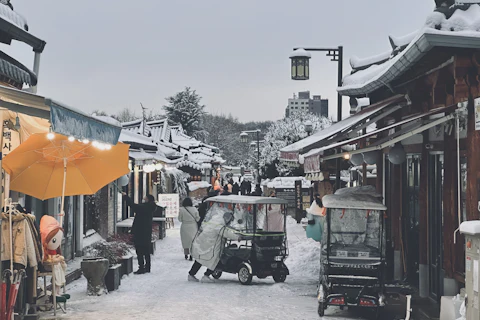
These months suit travellers prepared for winter clothing, short outdoor stretches and warm indoor stops. A city holiday can still include museums, markets and neighbourhood meals, but the route should not depend on spending every hour outside. Ice and wind can make a familiar-looking walk more demanding.
If snow activities are central to the trip, choose the resort and booking conditions first. Snow in a city is not guaranteed on your chosen dates. Check the timing of Seollal, the lunar new year holiday, because it can affect transport demand and business arrangements.
March: a transition rather than a promise of blossoms
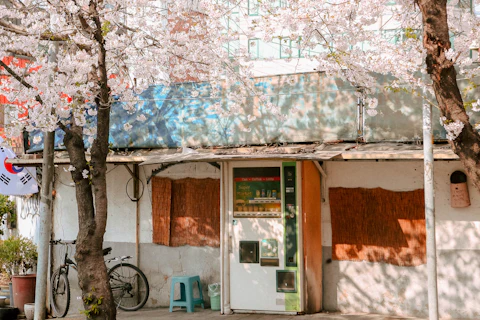
March can suit travellers happy with cooler conditions and a changing seasonal landscape. Do not assume that an early-spring arrival will coincide with peak cherry blossoms in Seoul. Instead, plan palace visits, cafés and cultural experiences that work whether or not the trees are flowering.
Pack layers and compare the forecast for each stop. If spring flowers are your priority, keep accommodation changes limited and wait for the season’s official updates before committing to a long-distance excursion solely for a bloom forecast.
April: spring interest, with flexible expectations
April is a popular month to consider for blossom-focused travel. That popularity can affect accommodation and crowds around well-known locations. A garden or lakeside walk is more enjoyable when you have time to pause than when it is squeezed between two transport connections.
Build at least one non-flower activity into each day. Rain, wind and warmer conditions can alter the appearance and duration of blossoms. A good April holiday should still work if a particular park is past its peak.
May: a strong option for a varied city trip
May can appeal to travellers who want outdoor sightseeing without making cherry blossoms the entire reason for visiting. Consider a balanced itinerary of urban districts, cultural sites and a scenic day outside the city. Check public holidays and local events before assuming ordinary weekday demand.
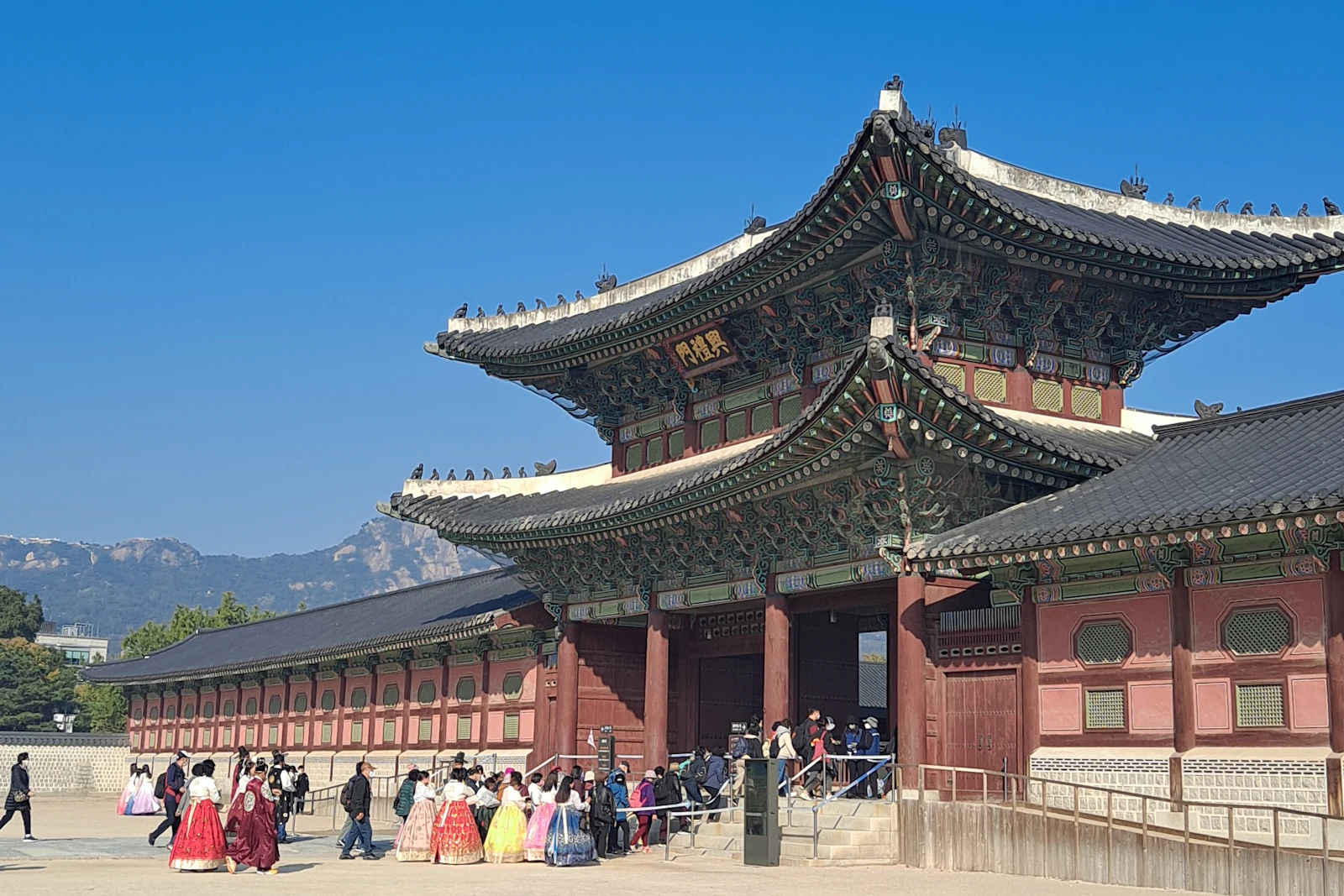
Longer sightseeing plans still need breaks. A comfortable seasonal label does not mean every person will enjoy the same amount of walking, and exposed palace grounds or hillside neighbourhoods can feel tiring even in pleasant conditions.
June, July and August: heat, rain and an adaptable route
Summer can suit coastal interests and travellers whose dates are fixed by school or work commitments. It also calls for a flexible approach to outdoor plans. Heat, humidity and heavy rain can change what feels comfortable and what is operating safely.
Plan a useful indoor alternative in each base. Keep hotel transfers manageable with luggage, and be willing to replace an exposed walk with a museum or a neighbourhood lunch. For beaches or island excursions, follow local conditions rather than treating the calendar as permission to swim or travel.
September: a useful shoulder, with details to check
September can offer a transition from summer into autumn, but warm or wet conditions remain possible. Check Chuseok dates for your travel year and investigate how they affect the specific journeys you intend to make. Do not assume a quieter international travel period means quieter domestic transport.
If you are combining cities with Jeju, consider how much flexibility you have around flights. A weather buffer before an international departure is more useful than an extra attraction booked into every available hour.
October: outdoor sightseeing and autumn interest
October is a popular choice for city walking and autumn scenery. Decide whether you want urban gardens or a mountain experience; they involve different travel times, effort and seasonal timing. A famous foliage destination may be busy even on a weekday during its peak period.
Make the landscape an enjoyable part of a varied trip. Museum time, food and neighbourhood exploration provide alternatives if conditions change. Check current foliage reports close to the visit rather than relying on dates from another year’s photographs.
November: cooler days and a changing landscape
November can work well for travellers comfortable with cooler mornings and shorter outdoor plans. Autumn colour may still feature in some areas, but it should not be promised everywhere throughout the month. Take the opportunity to combine a scenic walk with a longer lunch or cultural visit.
Look at the end of your trip as well as the beginning when packing. A multi-week holiday can cross a noticeable seasonal change. Clothing that is useful during the first afternoon may not be enough for an exposed evening near departure.
December: winter atmosphere without a snow guarantee
December suits a different rhythm: bright city evenings, warming food and indoor attractions between outdoor stops. Check opening arrangements around events and holidays, and leave more time for travel when weather affects conditions.
For couples or families, discuss what a successful winter day looks like before booking. If one traveller wants hours outside and another feels the cold quickly, choose a base that makes it easy to return to the hotel or split activities without complicated transport.
Choose dates using three questions
First, name the experience you would be most disappointed to miss. Second, decide which weather conditions you least enjoy. Third, compare real accommodation and transport availability for two possible date ranges. That combination is usually more useful than a generic claim that one month is always best.
Once booked, make the plan resilient. Save indoor alternatives, leave some flexible time and use current local guidance for outdoor activities. You can choose a suitable season; you cannot book a particular day’s weather.
Frequently asked questions
Which months suit a first sightseeing trip?
Spring and autumn are useful starting points for city walking. Compare your exact dates, interests and holiday periods rather than assuming every day in those seasons is mild or quiet.
Can I guarantee cherry blossoms in April?
No. Timing varies with region and weather. Use current forecasts close to the trip and include other activities that do not depend on flowering.
Is winter unsuitable for Korea?
Not necessarily. Winter can suit city culture and snow interests if you plan clothing, indoor breaks and realistic outdoor time.
Official information and further reading
Use the official links below to confirm current opening arrangements, access and travel requirements before booking. Routes are editorial suggestions; prices shown as examples are not offers.