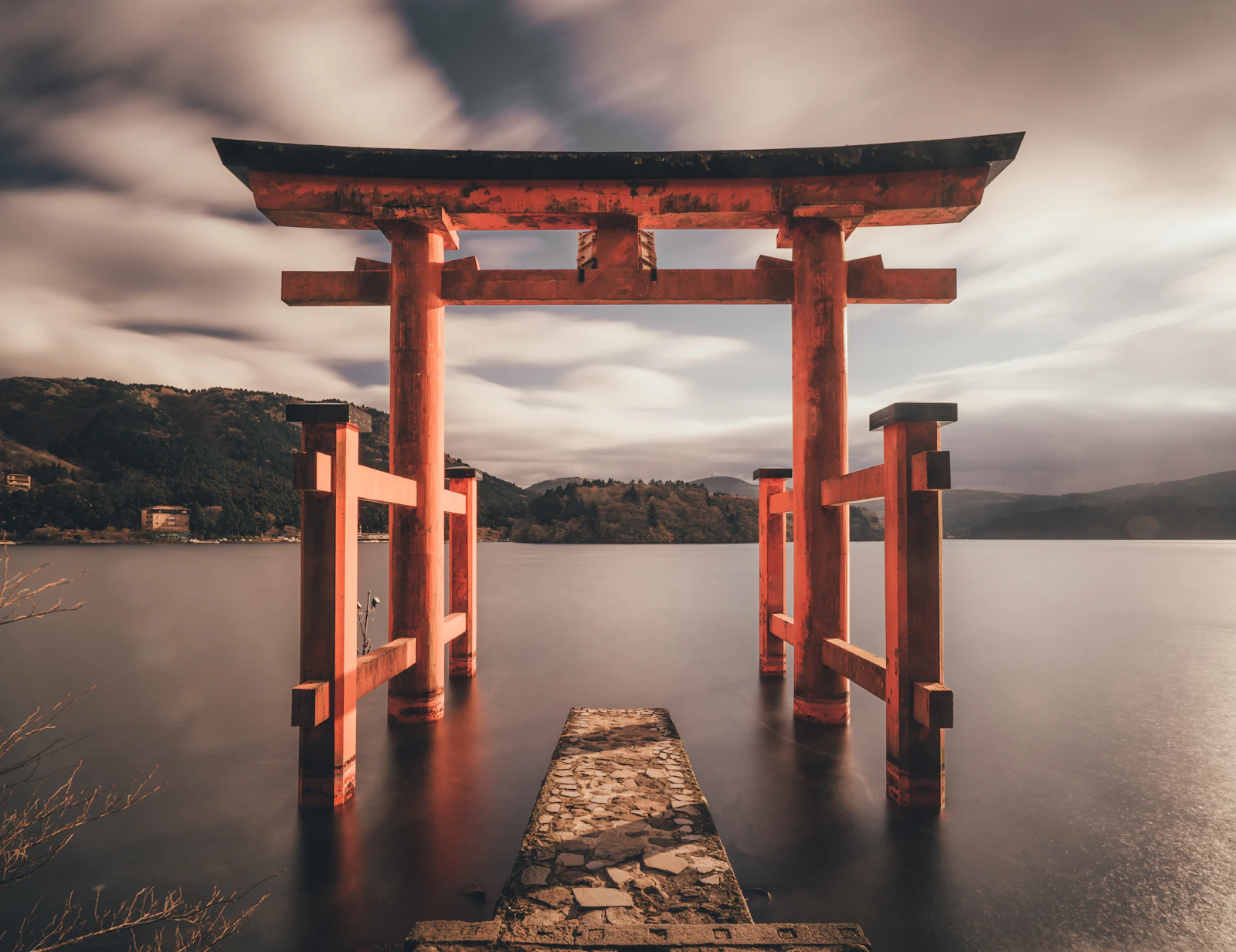
Angkor Wat temple at sunrise - Cambodia's ancient temple complex

Discover Asia

Ancient Civilizations, Spiritual Traditions & Modern Wonders

Explore Destinations

Things to Do in Asia

Asia is a continent of extraordinary contrasts and infinite discovery. Home to over 60% of the world's population, this vast landmass encompasses ancient civilizations, profound spiritual traditions, cutting-edge modern cities, and some of Earth's most diverse landscapes. From the snow-capped peaks of the Himalayas to tropical islands of Southeast Asia, from bustling megacities to remote mountain villages, Asia offers travel experiences that challenge assumptions, broaden perspectives, and create lasting memories.

Whether you're drawn to cultural immersion, culinary adventures, spiritual exploration, natural wonders, or historical discovery, this comprehensive guide covers the essential experiences and destinations that make Asia one of the world's most rewarding travel regions.

Top Asian Destinations

Asia's diversity means every country offers distinct experiences. These premier destinations represent the continent's most compelling cultural, natural, and historical attractions, each providing unique windows into Asian traditions and contemporary life.

Cambodia

Angkor Wat temple complex, Khmer heritage, French colonial Phnom Penh, riverside towns, and emerging culinary scene with traditional Khmer flavors.

Indonesia

Bali's temples and rice terraces, Java's Borobudur, Komodo dragons, diverse island cultures, volcanic landscapes, and traditional arts.

South Korea

Seoul's modern energy, ancient palaces, Buddhist temples, DMZ tours, K-culture experiences, mountain hiking, and innovative cuisine.

Nepal

Himalayan trekking, Kathmandu Valley temples, spiritual Lumbini, Chitwan wildlife, Sherpa culture, and mountain panoramas including Everest.

Sri Lanka

Ancient Sigiriya rock fortress, tea plantations, Buddhist heritage sites, wildlife safaris, coastal beaches, and Ceylon tea culture.

Myanmar

Bagan's temple plains, Inle Lake floating villages, Yangon's Shwedagon Pagoda, traditional culture, and emerging travel experiences.

Essential Asian Travel Experiences

Temple & Spiritual Sites

Asia's religious heritage manifests in extraordinary architectural and spiritual landmarks. Experience sunrise at Cambodia's Angkor Wat, witness Buddhist ceremonies in Thailand's mountain temples, explore Kyoto's zen gardens, walk among Indonesia's Borobudur stupas, or join pilgrimages at India's sacred Ganges River. These sites offer not just visual splendor but insights into living spiritual traditions that have shaped Asian cultures for millennia.

Culinary Adventures

Asian cuisine extends far beyond restaurant menus to encompass street food markets, regional specialties, and time-honored cooking techniques. Navigate Bangkok's night markets, master Japanese kaiseki dining etiquette, explore Vietnam's pho culture, sample regional curries across India, experience Sichuan's complex flavors, or join cooking classes learning traditional recipes passed through generations.

Natural Wonders

From towering Himalayan peaks to tropical coral reefs, Asia showcases Earth's environmental diversity. Trek through Nepal's mountain kingdoms, cruise Vietnam's Ha Long Bay limestone formations, explore Indonesia's volcanic landscapes, spot orangutans in Borneo's rainforests, witness Japan's seasonal transformations, or relax on Thailand's pristine islands.

Cultural Immersion

Meaningful travel in Asia involves engaging with living traditions. Stay in Japanese ryokan experiencing onsen culture, participate in Thai Buddhist meditation retreats, witness Balinese temple ceremonies, explore India's colorful festivals, learn traditional crafts from local artisans, or visit rural villages understanding agricultural traditions that sustain communities.

Understanding Asian Diversity

Regional Variations: Asia encompasses vastly different cultures, climates, religions, and development levels. What works in Japan's efficient infrastructure differs completely from backpacking through rural Southeast Asia. Research specific countries thoroughly rather than treating Asia as monolithic.

Respectful Engagement: Many Asian cultures emphasize modesty, indirect communication, and hierarchical respect. Learning basic cultural etiquette—appropriate dress at temples, removing shoes indoors, proper greeting customs—demonstrates respect and enriches interactions with local communities.

Pace and Planning: Asia rewards travelers who balance iconic highlights with slower-paced experiences. Rather than rushing through multiple countries, consider exploring regions deeply to appreciate nuances that superficial visits miss.

Cultural Highlights Across Asia

  • Ancient Architecture: Angkor Wat (Cambodia), Great Wall of China, Taj Mahal (India), Borobudur (Indonesia), Bagan temples (Myanmar), and Japanese castle networks
  • Living Traditions: Japanese tea ceremonies, Thai Buddhist practices, Indian classical dance, Indonesian gamelan music, Korean ancestral rituals, and regional festivals
  • Historical Heritage: Vietnam's war history sites, Hiroshima Peace Memorial, India's Mughal monuments, Khmer civilization remnants, colonial architecture in Southeast Asia
  • Spiritual Practices: Buddhist meditation retreats, Hindu pilgrimage routes, Shinto shrine culture, Islamic heritage in Malaysia and Indonesia, Sikh Golden Temple
  • Traditional Arts: Japanese calligraphy and ceramics, Thai silk weaving, Indian textile traditions, Balinese wood carving, Vietnamese lacquerware, Korean pottery
  • Festival Experiences: Holi and Diwali (India), Songkran (Thailand), Chinese New Year celebrations, Japan's cherry blossom hanami, Vesak across Buddhist Asia
  • Culinary Heritage: Regional cooking styles from Cantonese dim sum to South Indian thalis, street food culture, tea ceremonies, spice route influences, fermentation traditions
  • Modern Culture: K-pop and Korean wave, Japanese anime and manga, Bollywood cinema, Southeast Asian contemporary art, urban innovation in Singapore and Tokyo

Planning Your Asian Journey

Best Times to Visit

Southeast Asia (Thailand, Vietnam, Cambodia): November to March offers cooler, drier weather. Avoid monsoon seasons (typically May-October) which vary by country and region.

East Asia (Japan, Korea): Spring (March-May) brings cherry blossoms and mild temperatures. Autumn (September-November) offers comfortable weather and fall foliage. Summer can be hot and humid with typhoon risks.

South Asia (India, Nepal): October to March provides pleasant weather for most regions. Summer (April-June) brings intense heat. Monsoon (July-September) makes some areas inaccessible but creates lush landscapes.

Visa & Entry Requirements

Visa policies vary dramatically across Asia. Many Southeast Asian countries offer visa-free or visa-on-arrival options for short stays. Japan, Korea, and Singapore provide visa exemptions for many nationalities. India and China typically require advance visa applications. Research specific requirements well before departure as processing times vary.

Some countries require passports valid for six months beyond travel dates. Keep digital and physical copies of all travel documents.

Health & Safety

Consult travel health specialists regarding recommended vaccinations (hepatitis A/B, typhoid, Japanese encephalitis depending on destinations). Malaria prophylaxis may be necessary for certain rural areas. Water safety varies; bottled water is advisable in many countries.

Travel insurance covering medical evacuation is essential. Most Asian countries are generally safe for travelers, but exercise standard precautions with valuables and be aware of local scams targeting tourists.

Budget Considerations

Asia accommodates all budget levels. Southeast Asia, India, and Nepal offer exceptional value with quality accommodation and meals available at modest costs. Japan, Singapore, and Korea rank among more expensive destinations. Mid-range travel combining comfortable hotels with local experiences provides excellent value throughout most of Asia.

Street food and local restaurants offer authentic, affordable dining. Internal flights have become increasingly competitive, though trains and buses provide scenic, budget-friendly alternatives.

Regional Guide to Asian Travel

East Asia

Japan, South Korea, and Taiwan combine efficient modern infrastructure with preserved cultural traditions. Expect excellent public transportation, technological sophistication, language barriers outside major cities, distinct four-season climates, and generally higher costs than Southeast Asia. These destinations reward travelers interested in cultural depth, culinary excellence, and seamless logistics.

Southeast Asia

Thailand, Vietnam, Cambodia, Laos, Myanmar, Malaysia, Indonesia, and Philippines offer tropical climates, diverse cultural influences, developing infrastructure (varying by country), outstanding value, rich historical sites, and island-hopping opportunities. Popular for first-time Asia visitors due to accessibility, affordability, and tourism infrastructure. Monsoon patterns affect travel timing differently across the region.

South Asia

India, Nepal, Sri Lanka, Bhutan, and Bangladesh present intense cultural experiences, spiritual depth, dramatic landscapes from Himalayas to tropical coasts, variable infrastructure quality, and crowds in popular destinations. South Asia challenges and rewards travelers open to complexity, requiring patience with logistics but offering unmatched cultural richness and transformative experiences.

Central Asia

Uzbekistan, Kazakhstan, Kyrgyzstan, Tajikistan, and Turkmenistan showcase Silk Road heritage, Islamic architecture, mountain landscapes, emerging tourism sectors, and distinct cultures influenced by Persian, Turkic, and Russian traditions. Less visited than other Asian regions, Central Asia appeals to adventurous travelers seeking off-beaten-path experiences.

Multi-Country Itineraries

Asia's regional connectivity enables compelling multi-country journeys:

  • Southeast Asia Circuit: Combine Thailand's temples and islands with Vietnam's coast and Cambodia's Angkor for diverse cultural and natural experiences
  • Japan & South Korea: Explore East Asian contrasts from Tokyo's technology to Kyoto's temples, then Seoul's energy and Korean DMZ history
  • India & Nepal: Taj Mahal and Rajasthan palaces followed by Himalayan trekking and Kathmandu Valley temples
  • Indonesia Island Hopping: Bali's culture, Java's Borobudur, Komodo dragons, and diverse island traditions across the archipelago
  • Indochina Explorer: Vietnam, Laos, and Cambodia showcase French colonial influence, Buddhist heritage, and Mekong River cultures

Experience Asia Beyond the Obvious

At Cooee Tours, we design private Asian journeys that balance iconic highlights with meaningful local experiences. Our itineraries prioritize cultural respect, comfortable pacing, and authentic encounters with Asia's living traditions.

From navigating Japan's rail networks to finding the perfect Thai island balance, from selecting India's most compelling heritage sites to discovering Vietnam's hidden culinary gems, expert planning transforms complexity into confidence.

Asia rewards travelers who approach it with curiosity, cultural sensitivity, and proper preparation. Whether you're planning a first journey to discover ancient temples and modern cities, seeking spiritual experiences and natural wonders, or designing a comprehensive multi-country exploration, thoughtful itinerary design ensures each day contributes to a transformative travel experience.