About Japan
The Country That Rewards
Every Sense, Every Time
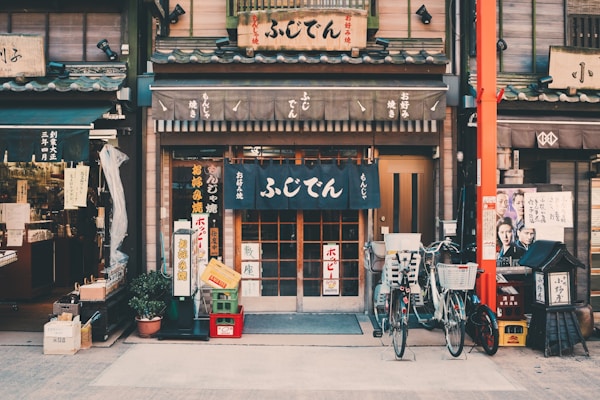
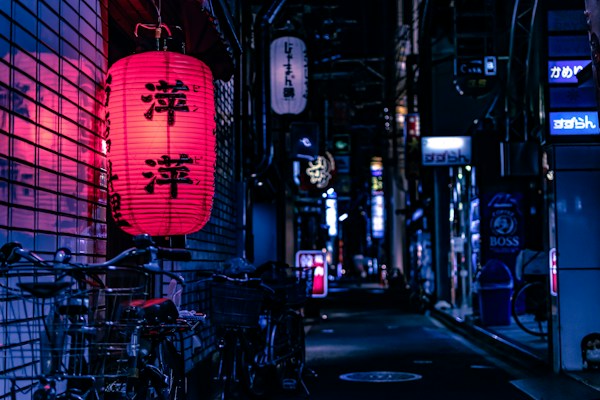
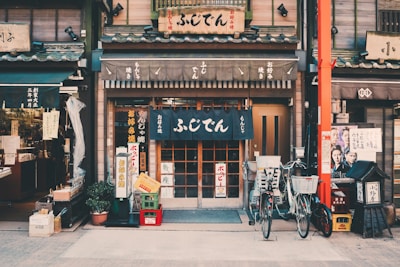
Japan occupies a unique position in the world of travel. No other country so consistently produces the response — from first-timers and seasoned travellers alike — that it surpassed every expectation. It is a place of extraordinary contrasts that somehow exist not in tension but in perfect harmony: the ultramodern and the ancient, the intensely crowded and the contemplatively still, the spectacularly complex and the breathtakingly simple.
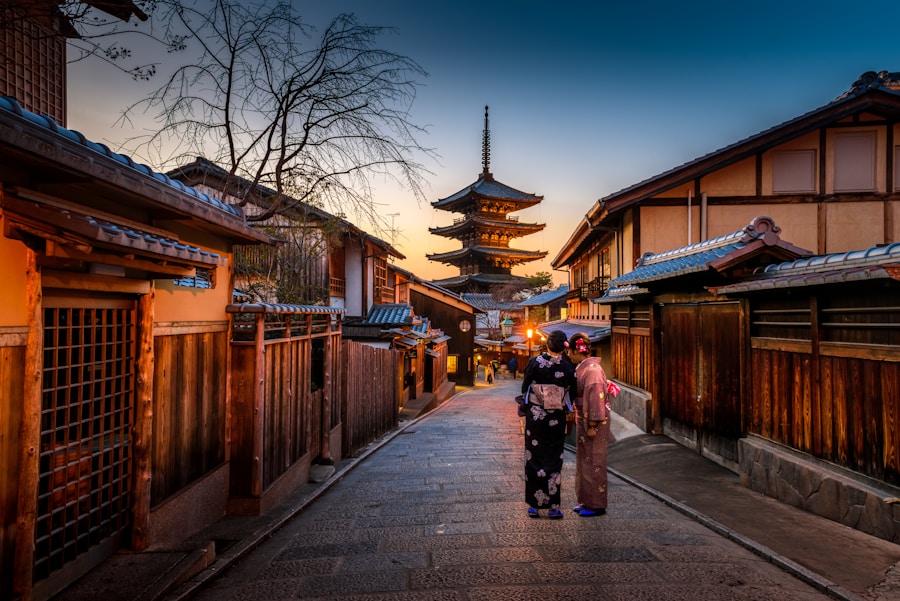
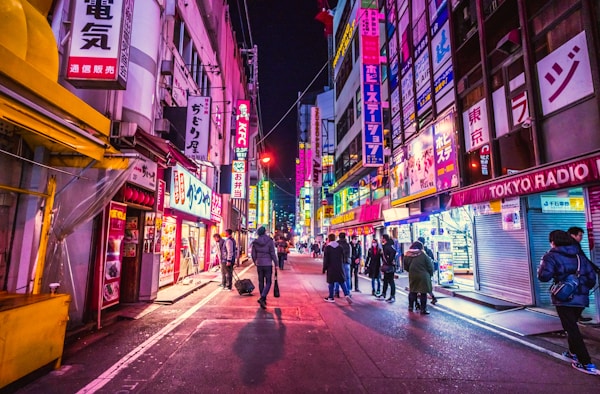
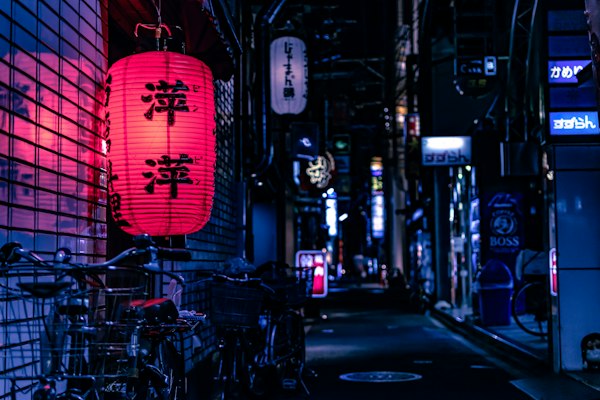
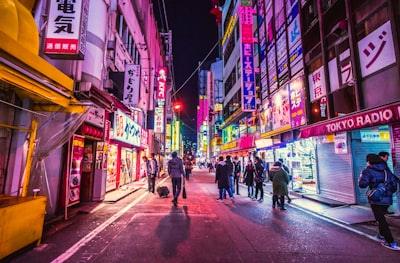
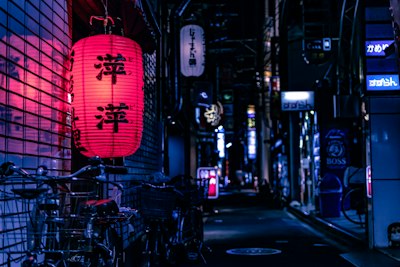
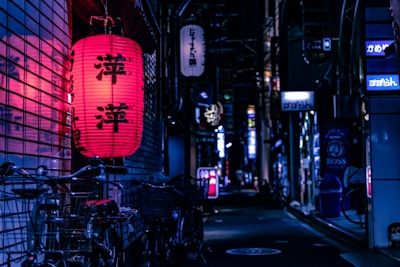
Tokyo is the world's most extraordinary city — 14 million people organised with a precision and consideration that makes every other metropolis feel improvised. The subway is never late. The convenience stores are genuinely better than most restaurants in other countries. The streets are immaculate. The food, at every price point from ¥500 ramen to ¥50,000 kaiseki, is among the finest on Earth. And yet a 25-minute train ride from central Tokyo deposits you in ancient temple districts where paper lanterns sway over moss-covered stone and the city's noise evaporates entirely.
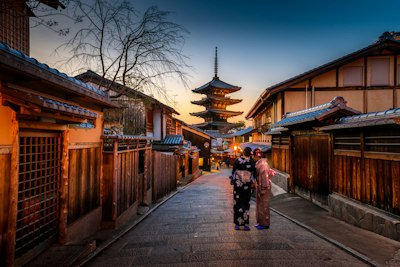
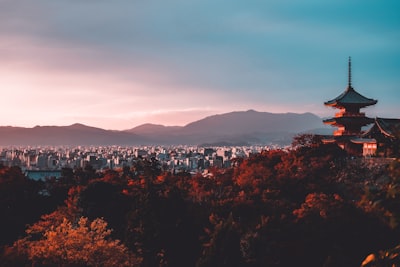
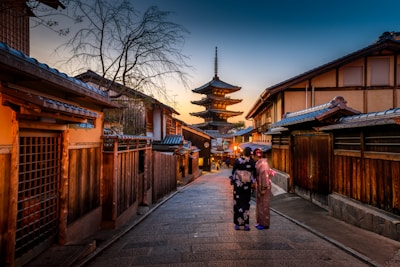
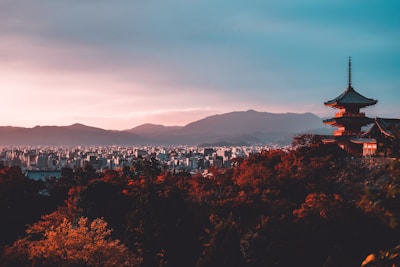
Kyoto is Japan's soul — 1,600 temples, 400 Shinto shrines, and the best-preserved traditional culture on the planet. Osaka is the antithesis: loud, funny, obsessed with food, and wearing its working-class energy with pride. Hiroshima, Nara, Hakone, Kanazawa, and the island of Miyajima each add chapters to a story so deep that most travellers return to Japan multiple times and still feel they have barely scratched the surface.
🏆 Japan's UNESCO World Heritage Sites (Selected)
- Historic Monuments of Ancient Kyoto — 17 components including Kinkaku-ji and Ryōan-ji
- Historic Monuments of Ancient Nara — Tōdai-ji, Kasuga Shrine
- Himeji Castle — the finest surviving feudal castle in Japan
- Hiroshima Peace Memorial (Genbaku Dome)
- Itsukushima Shinto Shrine — Miyajima Island's floating torii
- Fujisan (Mount Fuji) — Cultural Site
- Shirakawa-gō & Gokayama — traditional thatched farmhouse villages