🇹🇭 Thailand · Prathet Thai · Land of the Free

Gold Temples.
Vertical Limestone.
Ten Thousand Lanterns.

A palace complex of gold and mirror-mosaic so dense it defies description. A reclining Buddha so large the toes are taller than you. A lantern festival where ten thousand paper lights rise over a river simultaneously. A coastline of vertical limestone karst dropping into water the colour of the name they gave the sea. Thailand has been receiving visitors for sixty years and still manages, in the right places at the right times, to produce experiences that resist description.

46m
Wat Pho Reclining Buddha · Length · Bangkok
10,000+
Yi Peng Lanterns · Chiang Mai · November Full Moon
~9 hrs
Sydney to Bangkok · Direct Thai Airways
40,000+
Buddhist Temples (Wats) Across Thailand
Visa-free
Australians · 60 Days · No Stamp Required
🇹🇭 Thailand
Kingdom of Thailand · 513,120 km² · 72 Million People

Thailand — The Country
That Has Been Getting
This Right for Sixty Years

Thailand (Prathet Thai — the Kingdom of Thailand — 513,120 km² — 72 million people — bordered by Myanmar to the north and west, Laos to the northeast and east, Cambodia to the southeast, and Malaysia to the south — coastlines on the Gulf of Thailand and the Andaman Sea — the only country in mainland Southeast Asia that was never colonised by a European power — the name meaning “Land of the Free” — a constitutional monarchy with deep reverence for the royal family and the Buddhist institution that shapes almost every aspect of public life) is the most visited country in Southeast Asia and has been for most of the past thirty years — a fact that requires unpacking rather than assuming. The number of visitors is high because Thailand has spent sixty years building a visitor infrastructure that consistently delivers what it promises: the temples are genuinely extraordinary, the food is genuinely among the world’s best, the coast is genuinely as beautiful as the photographs suggest, the massage genuinely relieves the tension of a long flight, and the people genuinely smile because the culture has a specific warmth that is not a performance for visitors.

Thailand’s four anchor regions: Bangkok (the capital — the Grand Palace, Wat Pho, Wat Arun, the street food, the Chao Phraya river, the elevated train system over the traffic, the 24-hour city that generates more experiences per square kilometre than almost anywhere). Chiang Mai and the North (the mountain city — the 300+ temples of the old walled city, the ethical elephant sanctuaries, the night markets, the hill tribe trekking, the Yi Peng lantern festival, the day trip to Doi Suthep and Doi Inthanon). The Andaman Coast (Krabi, Railay Beach, the Phi Phi Islands, the Phang Nga Bay (James Bond Island), the Similan Islands — the vertical limestone karst coastline of the western shore). The Gulf Coast (Koh Samui, Koh Phangan, Koh Tao, the Full Moon Party, the Ang Thong Marine Park — the eastern shore).

✅ Thailand Practical Essentials
  • Visa: Australian passport holders are visa-exempt for Thailand — as of 2024 the visa exemption was extended to 60 days (previously 30 days) — no stamp, no fee, no application required. The passport is stamped on arrival at the airport for a 60-day stay. For visits longer than 60 days, a 30-day extension is available at any Thai immigration office (THB 1,900 — approximately AUD$80). The visa-exempt entry cannot be used for work in Thailand — volunteer work, teaching, or any commercial activity requires a specific visa category.
  • Getting there: Bangkok is one of the most connected airports in Southeast Asia. Suvarnabhumi Airport (BKK — the main international airport) receives direct services from Sydney (Thai Airways, Qantas, and Jetstar — approximately 9 hours direct), Melbourne (Thai Airways — approximately 9 hours), and other Australian cities via hub connections. Don Mueang Airport (DMK — the low-cost carrier terminal) handles AirAsia and other budget airlines primarily operating within Southeast Asia. The BTS Skytrain (the elevated rail network covering Bangkok’s central areas) connects to Suvarnabhumi via the Airport Rail Link (ARL — 30 minutes — THB 45 — the fastest and cheapest airport transfer). Chiang Mai (CNX) is served from Bangkok by multiple daily Thai Airways and AirAsia flights (1hr 20min), and from Australia via Bangkok. Phuket (HKT) and Krabi (KBV) are served from Bangkok by multiple daily flights (1hr 20min — 1hr 40min).
  • Currency: Thailand uses the Thai Baht (THB — approximately THB 22 = AUD$1 in 2026). Credit cards are widely accepted at hotels, department stores, and larger restaurants — cash is essential for street food, tuk-tuks, and markets. ATMs (SCB, Kasikorn, Bangkok Bank) dispense Baht and accept international cards with a per-transaction fee of THB 220 — the best approach is to withdraw larger amounts less frequently. Currency exchange booths (Super Rich Thailand is consistently the best rate in Bangkok — check the live rate at superrich.co.th before exchanging) offer better rates than airports or hotels.
  • Getting around Bangkok: the BTS Skytrain (the above-ground rail — the most efficient way to travel between the central districts — Silom, Sukhumvit, Siam — buy a Rabbit Card (reloadable — available at BTS stations) for the correct fare rather than the tourist single-journey rate), the MRT (the underground metro — extending into areas not reached by BTS), the Chao Phraya Express Boat (the river ferry — the Orange Flag service — THB 15 from Sathorn Pier to the Grand Palace area (Tha Chang Pier) — the fastest and cheapest way to see the river), and the tuk-tuk (the three-wheeled taxi — the correct Bangkok experience for short distances in areas not served by BTS — negotiate the fare before entering — the metered taxi is more reliable for longer distances).
  • Temple etiquette: Thailand has approximately 40,000 Buddhist temples (wats) and visitors are welcome at almost all of them. The dress requirements: covered shoulders and knees for entry to the temple buildings (not the grounds — the buildings — sarongs are available at the Grand Palace entrance for THB 50 deposit). Remove shoes before entering temple buildings. Do not touch Buddha images. Do not pose for photographs on or beside sacred objects. Women should not hand anything directly to a monk — place the item on the cloth the monk holds out, or on the table beside the monk. The wai (the hands pressed together at chest height with a slight bow — the Thai greeting) is welcomed as a gesture of respect — not required.
Seven Essential Destinations

Thailand from Bangkok to the Andaman

Thailand’s regions are distinct enough that different visitors return for different reasons — the culture traveller to the north, the food obsessive to Bangkok, the diver to Koh Tao, the beach purist to Krabi.
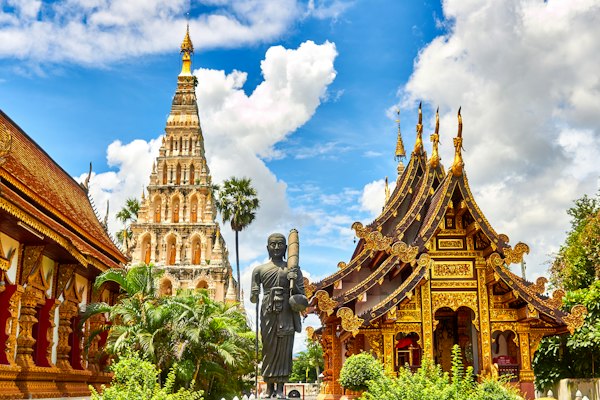
Bangkok Thailand Grand Palace Wat Phra Kaew gold temple spires
Bangkok
🏠 Grand Palace · Wat Pho · Chinatown · Street Food · Chao Phraya

Bangkok (Krung Thep Maha Nakhon — “the City of Angels” — the full ceremonial name of Bangkok is the longest place name in the world at 168 letters — the capital of Thailand since 1782 — population approximately 10–15 million in the greater metropolitan area — the largest city in Southeast Asia that was never a colonial capital — which is one explanation for the specific quality of a city that developed entirely on its own cultural logic) is the city that most visitors to Southeast Asia use as a gateway and most underestimate as a destination. The Grand Palace and Wat Phra Kaew (the Temple of the Emerald Buddha — the royal palace complex on the Chao Phraya bank — established 1782 — the Emerald Buddha (Phra Kaew Morakot — the 66cm seated Buddha figure carved from green jade (not emerald — the “emerald” is a translation of the colour description) — the most sacred object in Thailand — the King of Thailand personally changes the Buddha’s ceremonial costume three times a year (at the beginning of the cool, hot, and rainy seasons) — a tradition maintained since the 18th century)) is the single most visited site in Thailand and the correct introduction to the scale and density of Thai royal-Buddhist architecture (the buildings covered in mirror mosaic, gold leaf, and coloured tile — the guide allows 90 minutes minimum and notes that most visitors feel they could spend a full day). Wat Pho (the Temple of the Reclining Buddha — adjacent to the Grand Palace — the 46m-long and 15m-high gold-covered reclining Buddha (the toes alone are approximately 1.5m tall — the inlaid mother-of-pearl toes depicting the 108 auspicious characteristics of the Buddha) — the wat is also the official home of traditional Thai massage (the school within the temple grounds trains practitioners and offers massages — the most historically grounded place in Bangkok to experience a Thai massage) — the Chedis (the four large stupas in the compound — each 42m tall — each covered in ceramic tile in a different colour — the guide explains the symbolism)). Wat Arun (the Temple of the Dawn — on the west bank of the Chao Phraya — the 80m-high Khmer-style prangs (towers) covered in fragments of Chinese porcelain — the best view is from the east bank at sunset when the towers catch the last light — the Chao Phraya Express Boat from Tha Tien Pier to the Wat Arun ferry crossing takes 3 minutes and costs THB 5 — the guide’s favourite 3 minutes in Bangkok). Bangkok’s street food (the most consistently cited reason for return visits — addressed in the food section below). Chinatown (Yaowarat) (the gold shops, the street food, the noise, the neon — the guide walks the group through Yaowarat on a Sunday evening when it is at maximum density and simultaneously manages a group of 8 people without losing anyone — a skill the guide lists as his most transferable).

  • Grand Palace + Wat Phra Kaew · 1782 · Emerald Buddha · allow 90min minimum
  • Wat Pho · reclining Buddha 46m · mother-of-pearl toes · massage school
  • Wat Arun · sunset from east bank · Chinese porcelain prangs · THB 5 ferry
  • Chinatown Yaowarat · Sunday evening · gold shops + street food · maximum density
  • Chao Phraya Express Boat · Orange Flag · THB 15 · fastest Grand Palace access
Chiang Mai Thailand temple Doi Suthep night lanterns elephant sanctuary north
Chiang Mai & the North
🏔 Old City · Doi Suthep · Elephant Sanctuary · Yi Peng

Chiang Mai (the largest city in northern Thailand — population approximately 130,000 within the Old City moat, 1 million in the greater metropolitan area — the former capital of the Lanna Kingdom (1296–1775 CE) — the most concentrated collection of Buddhist temples in Thailand outside Bangkok — 300+ wats within the square-kilometre Old City — surrounded by moat and partially by wall) is the city that most visitors to Thailand describe as their favourite — the combination of temple culture, food, night markets, elephant sanctuaries, and mountain landscape in a city that moves at a significantly slower pace than Bangkok. The Old City temples: Wat Chedi Luang (the partially ruined 15th-century pagoda — the chedi originally 82m high — reduced to 60m by an earthquake in 1545 — the guide explains what 82m looked like against the city skyline in 1441 CE when it was the tallest structure in the Lanna Kingdom), Wat Phra Singh (the most revered temple in Chiang Mai — the Phra Singh Buddha image — the gilded viharn (the main assembly hall)), and Wat Chiang Man (the oldest temple in Chiang Mai — established 1296 CE by King Mangrai when he founded the city — the guide notes that this makes the temple older than most cathedrals in Australia’s parent countries). Doi Suthep (the mountain above Chiang Mai — 1,676m — the Wat Phra That Doi Suthep at the summit (306 steps or the funicular — the guide always takes the steps — the 20-minute climb through the Naga-serpent balustrade — the view of Chiang Mai and the plain visible from the chedi platform at 1,073m)) — accessed by songthaew (THB 80 per person from the Tha Phae Gate area). Doi Inthanon (the “Roof of Thailand” — 2,565m — Thailand’s highest mountain — 2 hours from Chiang Mai — the twin Royal Chedis (built in honour of King Bhumibol and Queen Sirikit — the mosaic work — the English garden (unexpected at 2,200m in tropical Thailand — the guide acknowledges this is strange and the strangeness is the point)), the Siriphum Waterfall, the misty cloud forest at the summit)). The Yi Peng Lantern Festival (addressed separately below).

  • Wat Chedi Luang · 15th c. · 82m original height · earthquake damage 1545
  • Doi Suthep · 1,676m · 306 steps · Naga balustrade · Chiang Mai panorama
  • Doi Inthanon · 2,565m · Thailand highest · twin Royal Chedis · cloud forest
  • Yi Peng lantern festival · November full moon · 10,000+ lanterns on the Ping River
  • Ethical elephant sanctuary · the correct choice · see dedicated section below
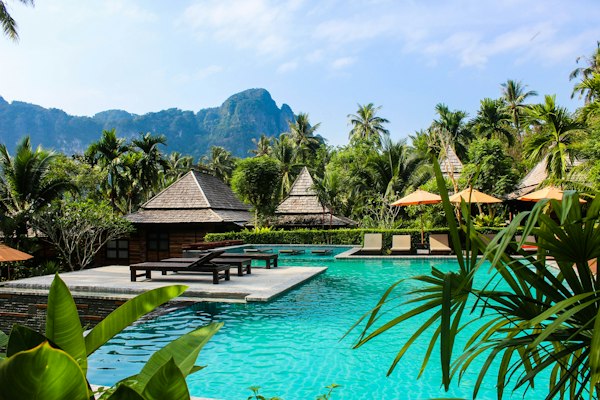
Krabi Thailand Railay Beach Andaman Sea limestone karst vertical cliffs turquoise
Krabi & the Andaman Coast
🌊 Railay · Phi Phi · Phang Nga Bay · James Bond Island

The Andaman Coast (the western shore of southern Thailand facing the Andaman Sea — from Ranong Province in the north to Satun Province on the Malaysian border — the coastline characterised by the vertical limestone karst formations that drop directly into the sea at Krabi, Phang Nga Bay, and the islands — the same geology as Ha Long Bay in Vietnam and the Laos karst country — here meeting the sea directly) is the coastal Thailand that most international visitors, and particularly Australian visitors, are specifically visiting the country to experience. Railay Beach (the peninsula accessible only by boat from Krabi town or Ao Nang (20 minutes — no road access — the limestone cliffs form an impenetrable land barrier) — the beach on the western side of the peninsula (Railay West) is the correct swimming beach — the beach on the eastern side (Railay East) is the mangrove landing beach — a distinction that confuses visitors who arrive on the east and walk directly to the west — the guide explains this on the boat). The rock climbing (Railay is one of the most celebrated sport climbing destinations in Asia — the vertical limestone routes above the beach — the multi-pitch routes to the summit of Phra Nang Cave area)). Phang Nga Bay and James Bond Island (Khao Phing Kan — the limestone island with the dramatic pillar of rock visible in the 1974 Bond film “The Man with the Golden Gun” — the island has been called “James Bond Island” since the film and the name has stuck permanently in the tourism infrastructure — accessible by longtail boat or sea kayak from Phuket or Krabi — the guide’s preference is the sea kayak through the hongs (the collapsed cave chambers visible only at low tide — the sea kayak glides through the cave entrance into the enclosed lagoon — the cliff walls 50–100m above — the only light from the opening in the roof)). The Phi Phi Islands (the Maya Bay situation addressed in the insider tip below). The Similan Islands (the dive destination — 11 granite and limestone islands in the Andaman Sea — 70km from the mainland — the visibility (25–40m — among the clearest in the region — the whale shark (Rhincodon typus — the world’s largest fish — seasonally present in the Similans from November to May) — accessible only by liveaboard or overnight boat from Khao Lak)).

  • Railay Beach · boat only (no road) · Railay West for swimming · climbing routes
  • Phang Nga Bay sea kayak · hongs (collapsed cave lagoons) · low tide entry
  • James Bond Island · The Man with the Golden Gun 1974 · Khao Phing Kan
  • Similan Islands diving · 25–40m visibility · whale shark Nov–May
  • Maya Bay · controlled access since 2022 · limited daily boats · book ahead
Koh Samui Koh Tao Thailand Gulf Coast island beach palm trees diving
Koh Samui & the Gulf Coast
🍂 Koh Tao · Koh Phangan · Full Moon · Ang Thong Marine Park

The Gulf of Thailand coast (the eastern shore of the Thai peninsula — the Gulf of Thailand islands accessed from Surat Thani (ferry) or Koh Samui (direct flight from Bangkok via Bangkok Airways — the only airline operating the Koh Samui airport — the airport is famously the most beautiful commercial airport in Asia — an open-air terminal in a coconut grove)) offers a seasonally different experience from the Andaman Coast (the Gulf is drier from January to September — the opposite of the Andaman monsoon pattern — making the Gulf islands viable when the Andaman is wet). The three principal islands: Koh Samui (the largest — 228 km² — the most developed — Chaweng Beach (the main tourist beach — the most lively — the beach that has the most infrastructure (beachside restaurants, sun loungers, watersports) and the most noise), Fisherman’s Village (the Friday night walking market — the best market on the island), the Big Buddha (Wat Phra Yai — the 12m seated Buddha on a small island connected to the northeast coast by a causeway — the correct place to watch the sunrise from Koh Samui), the Ang Thong Marine National Park (the 42-island archipelago northwest of Koh Samui — accessible by speedboat or sailing day trip — the emerald lagoon on Ko Mae Ko (the interior lagoon of the island accessible by a 15-minute trail from the beach — the turquoise water visible over the ridge — the kayak from the beach to the lagoon entrance — the guide allows the group to encounter this without prior description — a practice consistent across the series))). Koh Phangan (the Full Moon Party (the monthly beach party at Hat Rin beach — 20,000–30,000 attendees at peak — the guide’s honest position: the Full Moon Party is the most commercially successful beach party on Earth and the experience of being at it once is exactly what it promises and exactly once is usually sufficient — beyond the party, Koh Phangan has excellent diving, yoga retreats (Koh Phangan has developed into one of Asia’s most established wellness destinations), and beaches (Haad Yao, Haad Salad) that are significantly less visited than the southern Hat Rin area)). Koh Tao (the diving island — the most affordable Open Water PADI certification dive destination in the world — the dive schools on Koh Tao collectively produce more certified divers annually than any comparable location on Earth — the coral at Chumphon Pinnacle, the whale sharks at Shark Island (seasonal), the gentle slope diving at Aow Leuk Bay).

  • Ang Thong Marine Park · 42 islands · emerald lagoon Ko Mae Ko · kayak access
  • Koh Tao · PADI Open Water · most affordable cert in world · Chumphon Pinnacle
  • Full Moon Party · Hat Rin · Koh Phangan · 20–30,000 · once is usually sufficient
  • Koh Samui airport · most beautiful commercial airport in Asia · open-air coconut grove
  • Gulf Coast best: Jan–Sep · dry when Andaman is wet
Ayutthaya Thailand ancient ruins Buddhist temples headless statues UNESCO
Ayutthaya
🏛 1350 CE · UNESCO · Former Capital · 80km from Bangkok

Ayutthaya (the ancient city — 80km north of Bangkok — the capital of the Kingdom of Ayutthaya from 1350 CE to 1767 CE — at its peak in the 17th century one of the largest cities in the world with a population of approximately 1 million — the trading hub that received Persian, French, Chinese, Japanese, Dutch, Portuguese, and English merchant communities simultaneously — described by a 17th-century French envoy as “one of the greatest and most beautiful cities in the East” — destroyed by the Burmese Army in 1767 CE — the city burned and looted — the population scattered — the capital moved to Bangkok — the ruins never rebuilt but preserved (UNESCO World Heritage since 1991) — the experience of Ayutthaya in 2026 is of a city that was deliberately ended rather than gradually abandoned, which gives the ruins a specific quality of incompletion that Angkor Wat does not have) is the most important historical site accessible from Bangkok as a day trip — the journey by train (1hr 30min from Hua Lamphong Station — THB 20 — the cheapest train journey in Southeast Asia for the historical return on investment) being the correct approach. The key sites: Wat Mahathat (the ruined temple — the iconic Buddha head entwined in the roots of a strangler fig tree (the roots growing around the carved stone face over 200+ years — the head fell from a decapitated Buddha statue during the Burmese attack and was overtaken by the growing tree — the guide notes that visitors must kneel to photograph the head at the correct respectful level — not stand above it)). Wat Phra Si Sanphet (the royal temple — the three restored chedis in the characteristic Ayutthayan style — the most photographed image of Ayutthaya). Wat Chai Watthanaram (the 17th-century temple on the river — built by King Prasat Thong — the Khmer-inspired prangs — best visited at sunset when the golden light on the sandstone is the correct colour).

  • Wat Mahathat · Buddha head in strangler fig · kneel to photograph · 200+ year growth
  • Wat Phra Si Sanphet · three restored chedis · Ayutthayan style · the classic image
  • Wat Chai Watthanaram · sunset · riverside · Khmer-inspired prangs
  • Train from Bangkok · 1hr 30min · THB 20 · cheapest historical day trip in SE Asia
  • 1767 CE Burmese destruction · the ruins are incomplete rather than ancient
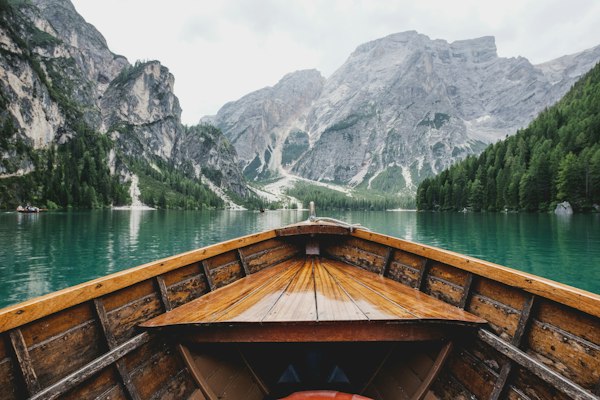
Kanchanaburi Thailand Bridge River Kwai Death Railway WWII memorial
Kanchanaburi
🏛 Death Railway · Bridge on the Kwai · WWII · 2hrs from Bangkok

Kanchanaburi (the town 2 hours west of Bangkok by bus or train — at the confluence of the Khwae Noi and Khwae Yai rivers — the site of the construction of the Thailand–Burma Railway (the “Death Railway” — the 415km railway built by the Imperial Japanese Army between 1942 and 1943 using the forced labour of approximately 180,000 Asian labourers (romusha — primarily from Java, Burma, Malaya, and Thailand — the number who died is disputed but estimated at 80,000–100,000) and 60,000 Allied prisoners of war (the estimates for POW deaths range from 12,000–16,000 — including approximately 2,800 Australians from the 8th Division AIF — Kanchanaburi has a specific significance for Australian visitors)) is the site most Australian visitors to Thailand with any awareness of their country’s WWII history specifically ask about and frequently approach without adequate preparation. The Bridge on the River Kwai (the iconic steel bridge — not the original bridge (the original wooden bridge was bombed by Allied aircraft in 1944 — the steel bridge visible today was brought from Java and spans the Khwae Yai river — the wooden spans replacing the sections bombed in 1945) — you can walk across the bridge — the train crosses it twice a day — the guide briefs on the engineering and the human cost before the crossing). The Kanchanaburi War Cemetery (the CWGC (Commonwealth War Graves Commission) cemetery in the centre of town — 6,982 Allied POW graves — the gardened lawns — the headstones — the guide reads several inscriptions aloud — silently after the first) and the JEATH War Museum (the recreation of the bamboo POW camps — the photographs and artefacts from the railway construction). Hellfire Pass (the Konyu Cutting — 80km north of Kanchanaburi — the section of the railway cut through solid rock at night by POWs working by torchlight — named for the appearance of the flames on the rock face — now an Australian government-managed memorial site (the Australian Government funds the Hellfire Pass Memorial Museum — the Australians constitute the largest national group of visitors — the correct extension of the Kanchanaburi visit)).

  • Bridge on River Kwai · WWII · the steel bridge is a replacement · original bombed 1944
  • Kanchanaburi War Cemetery · 6,982 Allied POW graves · 2,800 Australians
  • Hellfire Pass · Konyu Cutting · Australian Government memorial museum
  • JEATH Museum · bamboo POW camp reconstruction · photographs
  • 2hrs from Bangkok · combine with Ayutthaya for a full historical circuit
Sukhothai Thailand Historical Park sunrise ruins ancient kingdom temples Buddha
Sukhothai & Northern History
🏛 13th c. · UNESCO · First Thai Kingdom · Cycling Distance

Sukhothai (the historical park — UNESCO World Heritage — 5km from the modern town of Sukhothai in the lower northern region — the former capital of the first Thai kingdom (the Sukhothai Kingdom — founded 1238 CE — the period considered the golden age of Thai culture, art, and religion — the Sukhothai-era walking Buddha (the distinctively Thai artistic achievement — the standing Buddha with one foot raised and the elongated flame finial on the head — developed here and still considered the finest artistic expression of Theravada Buddhism in the region)) contains approximately 193 ruined temples across 70 km² — best explored by bicycle (the rental stalls at the park entrance — THB 30/day — the flat site accessible on bicycle in 3–4 hours) in the early morning when the light is on the ruins and the heat is manageable. The Wat Mahathat (the central temple — the lotus-bud chedi surrounded by a moat — the rows of columns with their Buddha images — the largest and most complete temple in the park — best at dawn when the mist is still over the moat). Wat Si Chum (the most distinctive image in Sukhothai — the colossal 15m seated Buddha visible through a narrow slit in the outer wall of the mandapa (the square shrine) — the fingers and the face framed by the stone aperture — the image known as Phra Atchana — the second-most photographed image in Sukhothai after the Wat Mahathat chedi). Sukhothai from Chiang Mai: the train south (5–6 hours to Phitsanulok — then songthaew to Sukhothai — the route through the mountains and rice paddies that the guide describes as “the correct Thailand pace at the correct Thai speed”). The alternative: the Chiang Mai–Sukhothai bus (4 hours directly) or the speedier option of flying Bangkok–Sukhothai (45 minutes on Bangkok Airways).

  • Walking Buddha · Sukhothai-era invention · finest Thai artistic achievement in bronze
  • Bicycle at dawn · THB 30/day · 70km² · moat mist before 9am
  • Wat Si Chum · 15m Buddha through stone slit · Phra Atchana
  • Wat Mahathat · lotus-bud chedi · moat · rows of columns
  • Best combined: Bangkok–Ayutthaya–Sukhothai–Chiang Mai (northbound circuit)
💡 INSIDER TIP — Maya Bay — The Controlled Access System and How It Now Works

Maya Bay (the bay on the island of Ko Phi Phi Leh in the Krabi Province — the filming location of the 2000 Danny Boyle film “The Beach” (based on Alex Garland’s 1996 novel — the film starring Leonardo DiCaprio — the bay’s international profile following the film’s release produced a 600–800% increase in visitor boats — coral damage, beach erosion, and the collapse of the black-tip reef shark (Carcharhinus melanopterus) population in the bay following)) was closed completely to tourists by the Royal Thai Government from June 2018 to January 2022 — a 3.5-year closure that allowed the bay’s coral to recover (the coral bleaching had reached approximately 80% at closure — the recovery at reopening was assessed at approximately 60% — a significant ecological achievement). The reopening in 2022 introduced a controlled access system: boats are prohibited from entering the bay (all access is by swimming from a defined approach zone — no boats can anchor in the bay) — the daily visitor limit is capped at approximately 375 people across three time slots — and swimming from boats is the only permitted approach. The beach itself has significantly recovered — the black-tip reef sharks have returned — and the experience, if booked ahead through the correct access channels, is now considerably better than the pre-closure experience of standing among hundreds of tourists in a degraded bay. Book the Maya Bay time slot through a licensed Krabi or Phi Phi operator well in advance — the available slots are limited and fill quickly in peak season.

The Ethical Elephant Question — What You Need to Know Before You Book

Elephant Sanctuaries in Thailand — The Difference Matters

Thailand’s elephants are the national symbol, a sacred animal in Buddhist tradition, and the subject of the most important responsible tourism decision most visitors will make. Here is how to make it correctly.

🐘
What an Ethical Sanctuary Actually Is
No riding · No performance · Observe · Feed · Sanctuary conditions

An ethical elephant sanctuary is one that does not offer elephant riding, does not stage elephant performances (painting, football, “dancing”), and does not use the ankus (the bull hook — the sharp metal instrument used to control elephants through pain (pain compliance training — the “crushing” (phajaan) breaking process that the Thai elephant entertainment industry traditionally used to make elephants compliant for riding and performance)). The correct visitor experience at an ethical sanctuary: observing the elephants in a semi-natural habitat (forested land — the elephants moving freely within the sanctuary), feeding the elephants (sugarcane, pineapple, bananas — the guide identifies the food and explains the dietary significance of each item), and walking alongside them (not on them). The elephants at an ethical sanctuary have typically been rescued from logging camps, street begging (urban elephant begging was common in Bangkok and Chiang Mai until approximately 2010 and still occurs in some areas), and elephant riding operations. The transition from working animal to sanctuary resident involves significant rehabilitation — the mahout (the traditional elephant handler — the mahout–elephant relationship — the guide explains the lifetime bond that forms between a mahout and their elephant in traditional Thai culture) plays an ongoing role in the sanctuary animal’s daily care. The sanctuaries Cooee Tours uses: Elephant Nature Park (Chiang Mai — the most established ethical sanctuary in Thailand — founded by Lek Chailert — the facility has been operating since 1996 — the guide describes Lek Chailert as “the person most responsible for changing how Thailand thinks about its elephants”), Elephant Jungle Sanctuary (multiple Chiang Mai locations — ethical standards verified), and Boon Lott’s Elephant Sanctuary (Sukhothai — the smaller, more remote sanctuary — for visitors willing to add Sukhothai to their northern circuit).

What to Avoid — and Why the Words Are Deceptive
“Sanctuary” is not a protected term — what to look for instead

The word “sanctuary” is not a legally protected term in Thailand — any elephant operation can call itself a sanctuary regardless of its practices. The word “ethical” is similarly unregulated. The practical checklist for assessing an elephant operation before booking: Does it offer elephant riding? (Yes = not ethical — the riding saddle requires a wooden frame strapped to the elephant’s back which causes long-term spinal damage — the weight of a rider on a saddle is significantly more damaging than the same weight bareback because the saddle’s rigid frame concentrates load on the spine). Does it offer elephant performances? (Yes = the animals have been trained through aversion conditioning). Are the elephants chained? (Short chains visible = not a sanctuary — the chaining of elephants except for brief veterinary procedures is inconsistent with sanctuary conditions). What is the mahout–to–elephant ratio? (Multiple elephants per mahout = the mahout cannot provide the individual care that sanctuary conditions require). Booking platforms: Viator, GetYourGuide, and the Chiang Mai night market touts will book visitors into any elephant operation that pays a commission regardless of ethical standards — the words “ethical” and “sanctuary” in these listings should be verified against the criteria above rather than accepted as accurate. Cooee Tours books exclusively into sanctuaries that meet all four of the above criteria and has visited each facility within the past 12 months.

🏰
The Mahout Tradition — Context for Visitors
2,000 years · Karen hill tribe mahouts · the lifetime bond

The mahout tradition (the mahout — from the Sanskrit mahāmātra — the elephant handler — in Thailand, particularly in the north, the mahout tradition is primarily associated with the Karen (Kariang) hill tribe communities who have maintained elephant handling skills for generations) is one of the most distinctive cultural traditions in northern Thailand and is worth understanding as more than a job description. The traditional mahout–elephant bond: a mahout receives an elephant as a young animal and maintains exclusive care of that specific elephant for the rest of their working life — typically 20–30 years. The elephant learns to recognise its mahout’s voice, respond to its specific commands, and anticipates its specific daily routines. The mahout reciprocally learns the specific personality, health indicators, and behavioural signals of their individual elephant in a relationship that the guides at Elephant Nature Park consistently describe as the closest animal–human bond they have observed outside domestic animals. The economic reality: the mahout tradition was economically sustained for centuries by the logging industry (Thai elephants were used for logging until 1989 when Thailand banned commercial logging). The ban removed the primary income source for mahout communities overnight. The elephant tourism industry — including the riding and performance operations that ethical sanctuaries oppose — developed partly in the economic vacuum created by the logging ban. The ethical sanctuary model (which pays mahouts a fair wage to provide sanctuary care rather than riding services) is the economically viable alternative that allows the tradition to continue without the animal welfare costs of the performance industry.

🌎
Beyond the Sanctuary — Wild Elephants in Thailand
3,000–3,500 wild elephants · Khao Yai NP · Kui Buri NP

Wild Asian elephants (Elephas maximus — the species native to the Indian subcontinent and Southeast Asia — smaller than the African elephant, with smaller ears and a more rounded back profile — the Asian elephant is endangered with an estimated 20,000–25,000 remaining in the wild globally, of which approximately 3,000–3,500 are in Thailand) are accessible to visitors at two national parks near Bangkok. Khao Yai National Park (UNESCO World Heritage — 220km from Bangkok — the park with the highest density of wild elephants accessible from Bangkok — the elephant population approximately 300–350 — visible on the road between the park headquarters and the lodge area (the night drive is the most effective viewing method — the guide identifies the specific sections of road where elephants regularly cross) — Khao Yai also contains hornbills, gibbons, and sambar deer in a landscape of evergreen and deciduous forest that is genuinely wild). Kui Buri National Park (320km from Bangkok — the best wild elephant viewing in Thailand — the park has established specific salt lick and water source viewing platforms where wild elephant families (10–40 individuals at a time) visit regularly in the late afternoon — the viewing experience (wild elephants 20–50 metres from the vehicle — the matriarch assessing the vehicle — the calves) is qualitatively different from any sanctuary experience and is the correct companion to the sanctuary visit for visitors who can extend their southern Thailand circuit west of Prachuap Khiri Khan).

What Thailand Is Doing That Is Harder Than It Looks

Thailand is the country that receives 38 million international visitors per year — more than twice the number that visited in 2003 — and still manages to have temples where you can sit for an hour in silence if you go at the right time, beaches where the water is the colour of the photographs, and a street food culture that has remained better than almost anything a restaurant can offer at five times the price. This is not accidental. The Thai approach to hospitality (sanuk — the cultural value of making things enjoyable — the guide describes sanuk as “the difference between Thai service and service that copies Thai service”) is a genuine cultural disposition that has survived sixty years of mass tourism better than almost any comparable destination.

“The Yi Peng lantern festival on the Ping River in Chiang Mai at the full moon in November. The lanterns are made from paper and wire and go up carrying a candle and no one promises where they land. They rise from the river banks and from the bridges and from the surrounding fields simultaneously and become indistinguishable from the stars within two minutes and the sky fills from the horizon upward and the effect is not described by any photograph you have seen of it.”

Thailand also contains, at the moment, the Kanchanaburi War Cemetery where approximately 6,982 Allied prisoners are buried 80km from one of the world’s most visited cities, visited by a fraction of the people who go to Ayutthaya. The country rewards visitors who allocate their time to both the extraordinary beauty it has preserved and the difficult history it has not obscured. Both are Thailand. The guide who walks you through the Grand Palace at dawn and the Kanchanaburi cemetery at noon has not changed — only the register.

Thai Food — One of the World’s Three Great Culinary Traditions

What to Eat in Thailand

Thai cuisine is one of the three culinary traditions most consistently cited by food scholars alongside French and Chinese — distinguished by the balance of the five flavours (sour, sweet, salty, bitter, and spicy) in every dish rather than the dominance of any one.

🍲
Pad Thai — The Invented Classic
🏩 1930s · nationalist programme · rice noodle · tamarind

Pad Thai (the wok-fried rice noodle dish — the most internationally known Thai dish — and the dish with the most interesting political origin story in Southeast Asian food) is a mid-20th century invention rather than an ancient Thai staple. The Prime Minister Plaek Phibunsongkhram (in power 1938–1944 and 1948–1957 — a nationalist and moderniser in the Thai political tradition who admired French and Italian nationalism) commissioned the development of a new Thai national dish in the late 1930s as part of a broader programme of building Thai cultural identity distinct from Chinese influence — the rice noodle dish was designed to reduce rice consumption (Thailand was in an economic downturn — rice noodles are cheaper than rice) and provide a standardised street food that could be distributed via government-subsidised mobile cart vendors throughout Bangkok. The dish (the rice noodle (sen lek), the egg, the bean sprouts, the spring onion, the dried shrimp, the tofu, the tamarind sauce, the peanuts) became genuinely beloved — the cart programme succeeded — and pad Thai is now authentically Thai despite its invented origins. The best pad Thai in Bangkok: Thip Samai (the restaurant on Mahachai Road — operating since 1966 — the pad Thai wrapped in a thin egg net — the queue at 7pm is approximately 30 minutes — the guide considers this acceptable — the eating takes 10 minutes — the ratio of wait-to-result is among the best in Bangkok street food).

🍢
Tom Yum Goong — The Signature Soup
🏩 Lemongrass · galangal · kaffir lime · prawn · chilli

Tom yum goong (the spiced prawn soup — the dish that most Thai food scholars cite as the most technically demanding of the signature Thai dishes and the one that most exposes the difference between a genuine Thai kitchen and an approximation of one) is a hot and sour soup (“tom” = boiling, “yum” = the mixing of flavours) made from a base of lemongrass, galangal, kaffir lime leaves, and fresh chillies in water or light broth, with river prawns (the Thai goong chae nam pla — fresh prawns marinated in fish sauce — the freshness of the prawn is the dish’s most critical variable — the prawn must be added to the simmering broth within 60 seconds of service to prevent overcooking — the texture at the correct moment is specifically between raw and fully cooked — a 30-second window). The finishing elements (the fish sauce for salt, the lime juice for acid, the palm sugar for sweetness, the fresh bird’s eye chilli (prik kii noo — “rat dropping chilli” — the smallest and hottest variety in the Thai kitchen — 50,000–100,000 Scoville units) for heat — all added in sequence and tasted to the correct balance — the cook tastes 5–8 times during the 90-second assembly process). The coconut cream version (tom kha goong — the galangal-coconut milk soup — milder, richer, associated with central and northern Thai cooking rather than the coast) is the correct gateway version for visitors who find raw tom yum too aggressive on first encounter.

🍣
Som Tam — The Papaya Salad
🏩 Isan origin · Lao origin (honest) · mortar · palm sugar · dried shrimp

Som tam (the green papaya salad — the dish that Laos correctly claims as its own (tam mak houng — the Lao version with padaek fermented fish paste) and Thailand has made internationally famous — the two versions representing the same dish at different points on the fermentation spectrum). The Thai som tam (the version at the Bangkok street carts): green papaya (shredded on a mandoline to 2mm julienne), cherry tomatoes, long beans (khao yot — the snakehead bean — different from Australian green beans — firmer and slightly bitter), dried shrimp, roasted peanuts, and the dressing (fish sauce, lime juice, palm sugar, fresh bird’s eye chilli, and garlic — pounded together in the clay mortar). The ordering system (the cart vendor asks for the spice level, the sweet level, and the type — som tam Thai (with dried shrimp), som tam pu (with preserved crab), or som tam Isan (with the fermented fish paste — closer to the Lao version) — the guide recommends the som tam pu from a specific cart in the Chatuchak market area and will not accept that another cart makes an equivalent version). The Isan connection: som tam is the dish of northeastern Thailand (the Isan region — the plateau northeast of Bangkok — the culturally Lao-influenced region that has contributed more to Bangkok’s street food culture than any other — the migration of Isan workers to Bangkok in the 1970s–1990s brought the dish to the capital where it became the city’s most popular street food).

🍶
Massaman Curry
🏩 Persian · Muslim south · cinnamon · cardamom · coconut milk

Massaman curry (from “Musulman” — the Muslim curry — the Thai curry with the most clearly non-Thai origin: the spice combination (cinnamon, cardamom, cloves, star anise, nutmeg — the warm spices of the Persian Gulf trade — combined with the Thai curry paste base of lemongrass, galangal, and kaffir lime) arrived in Ayutthaya’s royal court via the Persian and Muslim merchant communities that traded there in the 17th century) is the Thai curry that is simultaneously the mildest (the warm spices are not hot — the Scoville rating of massaman is minimal compared to Thai red or green curry) and the most historically complex. The preparation: the massaman paste (the pounded base — roasted dried spices ground together with the fresh Thai aromatics — the roasting is essential — the guide notes that the quality of a massaman curry is almost entirely determined by whether the spices were individually roasted before grinding or purchased pre-ground) is cooked in coconut cream until the oil separates (“cracking the coconut cream” — the point at which the coconut fat separates from the coconut water and the paste fries in the oil — visible in the wok as the cream collapses and the orange paste appears — a technique that takes 2–3 years to get consistently right in a professional kitchen), then the meat (typically beef, chicken, or lamb — a Muslim halal curry that uses no pork), the potatoes, and the onions are added with coconut milk. The flavour profile: sweet (palm sugar), slightly sour (tamarind), nutty (roasted peanuts), warm (the spices), and gently rich — the curry voted the world’s best food by CNN Travel in 2011 — the guide notes this with appropriate scepticism about the methodology and appropriate pride in the result.

🍂
Mango Sticky Rice
🏩 Khao niao mamuang · April–June · coconut milk · Nam Dok Mai mango

Khao niao mamuang (mango sticky rice — the dessert that most visitors to Thailand describe as the most unexpectedly affecting food experience of their trip — which they say with the specific tone of people who expected to be impressed by the curries and did not budget surprise for the dessert) is glutinous rice cooked in sweetened coconut milk (the rice steamed in the bamboo cylinder steamer — the coconut milk poured over and absorbed in the residual steam — the resulting rice sticky but distinct, sweet but not cloying, with the specific coconut fat coating each grain) served alongside fresh-cut Nam Dok Mai mango (the elongated Thai variety — the variety whose name translates as “nectar flower” — the flesh intensely sweet, slightly fibrous, and the colour of saffron — the correct mango for this dish — an Australian Kensington Pride mango (Bowen mango) is the closest approximation available in Australia — it is not the same). The warm coconut sauce (the thickened coconut cream — poured over the rice and the mango at service) and the mung bean topping (the crispy salted split mung beans — the textural counterpoint to the sticky rice and the soft mango). Seasonal note: khao niao mamuang is at its best from April through June when the Nam Dok Mai mango is at peak ripeness — outside this season, lesser varieties are used and the dish is notably inferior — the guide recommends ordering it in April–June and managing expectations outside the season.

🍽
The Street Food Geography of Bangkok
🏩 Chinatown · Ari · Or Tor Kor · Chatuchak · Thip Samai

Bangkok street food is not a uniform phenomenon — different districts produce different specialities and the correct guide knows which district to take the group to for each specific food. The guide’s Bangkok street food map: Yaowarat (Chinatown) (the Sunday evening market — the roasted duck (the whole duck hanging in the window — sliced to order over rice — the correct accompaniment is the Chinese broccoli (kana) fried in oyster sauce)), Thip Samai (the pad Thai — Mahachai Road — the egg-wrapped version — the queue — the wait)), Or Tor Kor Market (the upscale food market near Chatuchak — the highest-quality fresh ingredients in Bangkok — the mango sticky rice from the stall at the market entrance (April–June) — the sai krok Isan (the fermented Isan pork sausage — the charcoal grill — the cabbage and ginger alongside)), Ari neighbourhood (the northern Bangkok food neighbourhood — the boat noodle stalls on Ari Soi 1 (the boat noodle (kuay tiew reua — the small bowl of rice noodles in a rich dark broth of pork blood and spices — historically sold from boats on the canals (khlongs) — the guide orders six bowls per person — this is correct — the bowls are very small — the accumulation is the meal)).

9 Curated Experiences

Thailand Tours from Australia

From a 4-day Bangkok immersion to the full 14-day Thailand circuit — all bookable through Cooee Tours.

🏠 Bangkok · 4 Days
Bangkok City Immersion — 4 Days
⏱ 4 days / 3 nights★ 5.0(3,840 reviews)

Bangkok in 4 days — the temples, the river, the street food, and the two neighbourhoods that most visitors miss. Day 1: arrive · Airport Rail Link (THB 45 · 30 minutes) · hotel · Chinatown evening (Yaowarat · roasted duck · the guide navigates the Sunday crowd). Day 2: Grand Palace + Wat Phra Kaew (90min · mirror mosaic · Emerald Buddha · covered shoulders and knees required) · Wat Pho (reclining Buddha 46m · mother-of-pearl toes · temple massage) · Chao Phraya Express Boat (THB 5 ferry to Wat Arun · sunset from east bank). Day 3: Ayutthaya day trip (train THB 20 · 1hr 30min · Wat Mahathat Buddha head in tree roots (kneel to photograph) · Wat Phra Si Sanphet · Wat Chai Watthanaram at sunset). Day 4: Or Tor Kor Market (mango sticky rice if April–June) · Thip Samai pad Thai (queue · worth it) · Chatuchak Weekend Market (8,000 stalls · arrive 9am · the guide takes a different exit route each time · the map is available but not as useful as following the guide). Fly home or continue.

Includes
3 nights Bangkok hotelGrand Palace + Wat Pho guidedAyutthaya day trip (train)Chinatown food walkStreet food guide throughout
🏔 Chiang Mai · 4 Days
Chiang Mai Temples & Elephant Sanctuary
⏱ 4 days / 3 nights★ 5.0(2,640 reviews)

Chiang Mai — the northern capital — in 4 days: the ethical elephant sanctuary, the Old City temples, the mountain, and the correct evening market. Day 1: arrive · Old City temple walk (Wat Phra Singh · Wat Chedi Luang · Wat Chiang Man — the oldest — 1296 CE — the guide contextualises the age by noting it was founded the same year Marco Polo was leaving China on his return to Venice). Sunday Walking Street if Day 1 is Sunday (Wua Lai Road · the best market in Chiang Mai for local handcraft). Day 2: Ethical elephant sanctuary (full day · Elephant Nature Park or verified equivalent · feeding · observing · walking alongside · no riding · no performance · the guide spends 20 minutes before arrival explaining the criteria that made this sanctuary the choice). Day 3: Doi Suthep (the songthaew · 306 steps · Naga balustrade · the view of Chiang Mai · Wat Phra That Doi Suthep 1383 CE) · Doi Inthanon afternoon (2,565m · Royal Twin Chedis · cloud forest at the summit). Day 4: Thai cooking class (the guide selects the class · the correct criteria: market visit first to source ingredients, small group (max 8), charcoal-based cooking rather than gas). Fly home or continue.

Includes
3 nights Chiang Mai hotelElephant Nature Park (ethical · full day)Old City temple guided walkDoi Suthep + Doi Inthanon dayThai cooking class (market + kitchen)
🌊 Krabi · 5 Days
Krabi & Andaman Coast — 5 Days
⏱ 5 days / 4 nights★ 5.0(2,180 reviews)

The Andaman limestone karst coastline — the experience that most visitors list as their reason for coming to Thailand. Fly Bangkok–Krabi (1hr 20min). Day 1: arrive · Ao Nang base · longtail boat to Railay (20 minutes · arrive Railay East · walk to Railay West for the correct swimming beach · the guide reminds the group that the east and west beaches are different). Railay West afternoon (swimming · the Princess Cave (Phra Nang Cave) with the fertility shrine · the climb to the Railay viewpoint (30 minutes · worth the effort · the lagoon visible 120m below)). Day 2: Phang Nga Bay sea kayak (the hongs — the collapsed cave lagoons — James Bond Island (Khao Phing Kan) — the guide enters the hong at low tide when the ceiling clearance is 60cm — the group goes flat — the interior lagoon opens — the guide watches the group’s faces — this is the day he became a guide). Day 3: Four Islands boat trip (Koh Poda · Koh Gai · Koh Tub · Koh Mor — snorkelling at Koh Poda coral garden — sandbar walk at low tide between Koh Tub and Koh Mor). Day 4: Maya Bay (Phi Phi Leh · timed slot booked · swim in from the boat · the beach after the recovery · the black-tip reef sharks returning). Day 5: fly Krabi–home or Bangkok.

Includes
Bangkok–Krabi flights4 nights Ao Nang hotelPhang Nga Bay sea kayak (hongs)Maya Bay timed slot (pre-booked)Four Islands snorkel trip
🏛 Ayutthaya + Kanchanaburi
WWII & Ancient Kingdoms — 2-Day Historical Circuit
⏱ 2 days / 1 night · from Bangkok★ 5.0(1,480 reviews)

Thailand’s two most significant historical sites outside Bangkok — combined in a 2-day circuit that most Bangkok visitors do not know is possible. Day 1: train to Ayutthaya (1hr 30min · THB 20 · hire a tuk-tuk at Ayutthaya station for the ruins circuit — THB 200 for 2 hours — the guide negotiates). Wat Mahathat (the Buddha head in the strangler fig roots — the guide makes the group kneel before photographing — this is not optional). Wat Phra Si Sanphet (the three chedis — the royal temple — the original chedi scale explained). Wat Chai Watthanaram (sunset · the Khmer prangs in the last light · the river behind the temple · the correct photograph). Overnight Ayutthaya. Day 2: bus to Kanchanaburi (2hrs). The Bridge on the River Kwai (the steel bridge · the guide explains the wooden original — bombed 1944 · the steel bridge from Java · the two daily train crossings · the walk across). Kanchanaburi War Cemetery (6,982 graves · the guide reads inscriptions · the 2,800 Australians · the gardened quiet). Hellfire Pass (Konyu Cutting · the Australian Government memorial museum · the night-shift rock-cutting context). Return Bangkok by bus (2hrs).

Includes
Train Bangkok–Ayutthaya (THB 20)1 night Ayutthaya guesthouseAyutthaya tuk-tuk ruins circuitKanchanaburi War CemeteryHellfire Pass Australian Memorial
🏭 Yi Peng · November
Yi Peng Lantern Festival — Chiang Mai
⏱ 3 nights · November full moon★ 5.0(1,840 reviews)

The Yi Peng Lantern Festival (Loy Krathong in Chiang Mai — the festival of the full moon on the 12th month of the Thai lunar calendar — typically November — the festival of light) is the experience that most visitors to Thailand specifically schedule their trip around — and the experience that comes closest to what the word “transcendent” is trying to describe in travel writing. The Ping River bank in Chiang Mai on the night of the full moon: the sky lanterns (khom loi — the paper lanterns with a candle inside — rise simultaneously from the river banks, the bridges, the surrounding fields and rooftops — 10,000+ lanterns visible at once — the sky fills from the horizon upward over the course of approximately 30 minutes — the lanterns becoming indistinguishable from the stars). The floating lanterns (the krathong — the small banana-leaf boat with candle, incense, and flower — floated on the river — the Ping River surface covered in floating lights simultaneously). The correct position: the Nawarat Bridge — the bridge that gives the widest view of the river lanterns and the sky lanterns simultaneously — the guide arrives at 5pm for the 7pm peak — the position is non-negotiable. The tour includes 3 nights Chiang Mai (Old City temples · Doi Suthep · night market) and the full festival night with the guide positioned correctly.

Includes
3 nights Chiang Mai hotelYi Peng / Loy Krathong night guidedNawarat Bridge positioning (5pm)Own sky lantern to releaseOld City + Doi Suthep days
🌊 Koh Tao · Diving
Koh Tao Open Water Dive Certification
⏱ 4–5 days · Koh Tao★ 5.0(2,040 reviews)

Koh Tao — the island that produces more PADI Open Water certified divers annually than anywhere else on Earth — and at prices that make certification here approximately half the cost of the equivalent course in Australia. The PADI Open Water Diver course (the entry-level certification — 4 days — confined water dives (pool) + open water dives on the Koh Tao reef + academic component (now online via eLearning)) qualifies the graduate to dive independently to 18m with a certified dive buddy worldwide. The Koh Tao dive sites during the course: Chumphon Pinnacle (the pinnacle at 18–36m — the black tip reef shark habitat — the visibility 20–30m — the whale shark present November through May), HTMS Sattakut wreck (the deliberately sunk Royal Thai Navy vessel at 25m — the artificial reef — the lionfish and moray eels in the superstructure — accessible post-certification), Shark Island (the shallow site 5m–18m — the white-tip reef sharks resting on the sand — the guide explains that the sharks are resting not dead — this clarification is required approximately 40% of the time). Cooee Tours books exclusively through Scuba Junction and Crystal Dive — the two Koh Tao dive schools with the best safety records and instructor-to-student ratios (max 4 students per open water instructor in the water).

Includes
PADI Open Water course (4 days)4 nights Koh Tao accommodationAll dives + equipment rentalPADI eLearning (online pre-course)Chumphon Pinnacle dive included
🏛 Sukhothai · 2 Days
Sukhothai Historical Park — Bicycle at Dawn
⏱ 2 days / 1 night · Sukhothai★ 4.9(820 reviews)

Sukhothai — the first Thai kingdom — by bicycle at dawn — the correct way to experience one of the most under-visited UNESCO sites in Thailand. Fly Bangkok–Sukhothai (Bangkok Airways · 45min · the only airline · the small airport in the rice paddies). Day 1: arrive afternoon. Temple circuit (Wat Mahathat · the central lotus-bud chedi · the moat · the Buddha image rows · the guide explains the walking Buddha innovation — the elongated flame finial, the raised foot — the Sukhothai artistic invention). Wat Si Chum (the colossal Buddha through the stone slit · Phra Atchana · 15m · the guide positions the group for the correct frame · then steps back). Day 2: bicycle from 6am (the bike rental at the park entrance · THB 30 · the mist on the moat · the Wat Mahathat at dawn before the 8am opening bus groups · the guide cycling ahead to position the group at the lotus-bud chedi in the correct light). Satellite temple circuit (Wat Saphan Hin · the hilltop temple · the 200m approach through the forest · the standing Buddha on the ridge). Return Bangkok or continue to Chiang Mai (3hrs north by bus or train).

Includes
Bangkok–Sukhothai flight (Bangkok Airways)1 night Sukhothai hotel6am bicycle dawn circuitWat Si Chum (15m Buddha through slit)Wat Saphan Hin hilltop
🌌 Koh Samui · 5 Days
Koh Samui & Ang Thong Marine Park
⏱ 5 days / 4 nights★ 4.9(1,640 reviews)

Koh Samui — the Gulf coast island — and the Ang Thong Marine National Park. Fly Bangkok–Koh Samui (1hr 10min · Bangkok Airways · the most beautiful commercial airport approach in Asia — the runway terminates above the sea · the arrival is always unexpected). Day 1: Big Buddha (Wat Phra Yai · 12m seated · northeast coast · sunrise timing) · Fisherman’s Village (Friday night · the best market on the island · the guide schedules the visit around the market night if possible). Day 2: Ang Thong Marine National Park day trip (the 42-island archipelago · the speedboat from the Nathon Pier · Ko Mae Ko emerald lagoon (the interior lagoon · the 15-minute trail over the ridge · the guide allows the group to see the lagoon before describing it · this is a policy across the series)) · sea kayak through the mangrove channels · snorkel at the outer reef). Day 3: Koh Phangan day trip (the non-full-moon version · Haad Yao beach · the Sunset Point · the correct Koh Phangan for those not in Full Moon Party mode). Days 4–5: Chaweng Beach · watersports · Thai cooking class (the Samui version · the seafood focus · the coconut milk from fresh coconuts · the guide’s recommended Samui school cracks their own coconuts · this is the minimum standard).

Includes
Bangkok–Koh Samui flight (Bangkok Airways)4 nights Koh Samui hotelAng Thong Marine Park (Ko Mae Ko lagoon)Koh Phangan day tripThai cooking class (seafood)
🇹🇭 Thailand · 14-Day Grand
Thailand Grand Circuit — 14 Days
⏱ 14 days · Bangkok + Chiang Mai + Krabi + Gulf★ 5.0(1,080 reviews)

The complete Thailand in a fortnight — all four regions. Days 1–3: Bangkok (Grand Palace + Wat Pho + Wat Arun · Chinatown Sunday evening · Thip Samai pad Thai · Chao Phraya Express Boat). Day 4: Ayutthaya day trip (train THB 20 · Wat Mahathat Buddha head · Wat Chai Watthanaram sunset). Day 5: fly Bangkok–Chiang Mai. Days 5–8: Chiang Mai (Old City temples · Doi Suthep · Doi Inthanon · Elephant Nature Park ethical sanctuary (full day) · Thai cooking class · Yi Peng if November · Sunday Walking Street). Day 9: fly Chiang Mai–Krabi. Days 9–12: Krabi + Andaman (Railay Beach · Phang Nga Bay sea kayak hongs · James Bond Island · Maya Bay timed slot · Four Islands snorkel · Similan Islands day dive if Nov–Apr). Day 13: fly Krabi–Koh Samui (via Bangkok · or Surat Thani ferry). Ang Thong Marine Park day. Day 14: Koh Samui · fly home. All 13 nights · all domestic flights (4) · ethical elephant sanctuary · all guided days.

Includes
13 nights all accommodation4 domestic flightsElephant Nature Park (ethical)Maya Bay timed slot bookedPhang Nga Bay sea kayak (hongs)
When to Go

Thailand’s Seasons — and Why the Coasts Run on Opposite Schedules

The single most important seasonal fact in Thailand planning: the Andaman Coast and the Gulf Coast have opposite monsoon patterns — when one is dry, the other may be wet.

Cool Season — November to February
Nov – Feb · Best Overall · Both Coasts (mostly) · Festivals

November through February is Thailand’s peak season and the consensus best window for the country overall. The temperatures are the most comfortable of the year (Bangkok 25–32°C, Chiang Mai 15–28°C, the coast 28–33°C), both coasts are generally good (the Andaman fully dry, the Gulf entering its best window), and the two most spectacular festivals occur. Yi Peng (Loy Krathong) in Chiang Mai — November full moon — the sky lanterns rising from the Ping River — the single most visually extraordinary public event in Thailand. Book accommodation 6+ months ahead for Yi Peng — Chiang Mai fills to capacity. Songkran (Thai New Year — 13–15 April — technically late cool season transitioning to hot — the water festival — the country-wide water fight that makes every street in Thailand a water combat zone for 3 days — the guide’s position: Chiang Mai is the correct place to experience Songkran — the Old City moat becomes a water battle ground — the experience is different from anything similar and is the correct reason to be in Chiang Mai in April despite the heat).

☀️
Hot Season — March to May
Mar – May · Hot · Songkran April · Mango Season

March through May is Thailand’s hottest period — Bangkok reaches 35–40°C in April — and also the season of two specific reasons to go. Songkran (13–15 April — the Thai New Year water festival — the guide’s recommendation: Chiang Mai for the Old City moat experience, not Bangkok for the Khao San Road party version — the distinction is between a cultural festival and a tourist party). Mango season (April–June — the Nam Dok Mai mango at peak ripeness — the khao niao mamuang (mango sticky rice) at its best — the market stalls full of the elongated yellow variety — the guide allocates 20 minutes to this subject on Day 1). The Andaman Coast in March–May: still dry and excellent — the sea season ends in May when the southwest monsoon arrives. Chiang Mai burning season (February–April — the agricultural burning in the surrounding provinces — the haze affecting air quality in Chiang Mai — a significant and under-reported issue for visitors with respiratory sensitivities — the guide advises the group about this before arrival in March or April).

🌧
Andaman Monsoon — May to October
May – Oct · Andaman closed · Gulf coast open · Rain season

May through October is when the southwest monsoon brings rain to the Andaman Coast (Krabi, Phi Phi, Phuket) — the rough sea period — some boat services are cancelled or reduced, the diving visibility decreases, and some island accommodation closes. The Gulf Coast advantage: the Gulf of Thailand is sheltered from the southwest monsoon — Koh Samui, Koh Phangan, and Koh Tao are relatively dry from January through September — making the Gulf islands the correct destination when the Andaman is wet. The Koh Tao diving (PADI certification) is specifically good in May–September when the water temperature is at its warmest and the Andaman visitors who might otherwise dive at Similan come to Koh Tao instead (producing higher availability). Bangkok in the wet season: the monsoon brings afternoon showers (typically 1–3 hours — not all-day rain — the temple mornings are generally fine) but also the flooding risk in low-lying areas — the 2011 Bangkok flood (the most severe in 50 years — affecting 65 of Thailand’s 77 provinces) was an extreme event — more typical wet-season Bangkok flooding is localised and manageable. The Chiang Mai rainy season (June–October — the air quality improves dramatically — the burning season is over — the mountain landscape is green — the hill tribe trekking in the forested north is at its most lush — the Doi Inthanon waterfalls at full volume).

🌊
Gulf Coast Season — Year Context
Jan–Sep best · Oct–Dec: Gulf northeast monsoon

The Gulf of Thailand northeast monsoon (October–December — the northeast monsoon that brings rain and rough seas to the Gulf Coast — the opposite of the Andaman monsoon — Koh Samui’s worst month is October/November when the northeast monsoon hits — the period when the Andaman Coast is perfect and the Gulf is rough) is the seasonal counterpoint to the Andaman monsoon. The practical implication: there is no single month in which all of Thailand’s coasts are simultaneously in perfect condition — the cool season (November–February) is the closest to a universal window (the Andaman fully open, the Gulf coast generally fine except for a rough start to November) but even this requires checking the specific conditions for the year of travel. The guide’s approach: build an itinerary that uses the Bangkok and Chiang Mai sections as the flexible components and anchors the coast timing around whichever coast is in season. The 14-day grand circuit (Bangkok — Chiang Mai — Krabi — Koh Samui) is designed for November–April when the Andaman is at its best and the Gulf is entering its good season simultaneously — the rare window where both coasts are accessible.

Before You Go

Planning Your Thailand Trip

Getting to Thailand
Sydney or Melbourne direct to Bangkok Suvarnabhumi (BKK) on Thai Airways, Qantas (codeshare), or Jetstar — approximately 9 hours. Brisbane or Perth have direct services or one-stop connections. The Airport Rail Link (ARL) from Suvarnabhumi to Phaya Thai station (central Bangkok) takes 30 minutes and costs THB 45 — significantly faster and cheaper than a taxi (THB 300–500 plus expressway tolls) in standard traffic. Domestic connections from Bangkok to Chiang Mai, Krabi, Phuket, Koh Samui (Bangkok Airways only), and all Thai cities are frequent, cheap, and reliable. AirAsia, Thai Airways, Nok Air, and Bangkok Airways collectively offer 50+ domestic departures per day from Bangkok to Chiang Mai alone.
🏠
Temple Etiquette
Thailand has approximately 40,000 Buddhist temples and visits are welcomed at most. The essentials: covered shoulders and knees before entering temple buildings (not grounds — buildings — the Grand Palace is stricter than most — a sarong rental is available at the entrance for THB 50 deposit). Remove shoes before entering buildings (the shoe rack is always visible). Do not touch Buddha images or sit with feet pointing toward them. Women must not hand items directly to monks — place on the provided cloth or table. No flash photography during prayer sessions. The wai (hands pressed together, slight bow) is welcomed as a greeting to monks and at sacred sites — it is not required of visitors but is noted with appreciation. Arriving at major temples by 8am avoids both the tour groups and the midday heat.
💰
Money & Bangkok Transport
ATMs across Bangkok accept international cards — the per-transaction fee (THB 220 — approximately AUD$10) means withdrawing larger amounts less frequently is the best approach. Currency exchange: Super Rich Thailand (superrich.co.th — multiple branches — the consistently best rate in Bangkok — check the daily rate online before going). Bangkok transport: the BTS Skytrain Rabbit Card (reloadable — the correct fare — available at any BTS station) for the central districts. The Chao Phraya Express Boat (Orange Flag — THB 15 — the fastest and cheapest river access). Grab (the Southeast Asian equivalent of Uber — essential for areas not covered by BTS — the metered price displayed before confirming — no negotiation — no overcrowding). The tuk-tuk (for short distances — negotiate the fare before boarding — the correct fare for a 10-minute journey is THB 50–100).
🍏
Health & Thai Massage
Thailand is a low-risk destination for Australian visitors — food and water safety (bottled or filtered water — the ice in tourist area restaurants is typically safe — the guide advises on specific context), dengue fever (present but managed — DEET repellent for outdoor activities), and sun protection (the UV index in Thailand is extreme — the guide requires SPF 50 applied before any outdoor activity). Thai massage (nuad boran — the “ancient massage” — the correct experience: the Wat Pho massage school (the historic institution — THB 420 for 30 minutes — the practitioners trained to a certified standard) or the licensed massage parlours on the hotel street in any Thai city (THB 200–400/hr — tip 30–50 THB minimum — the guide identifies the correct (licensed) establishments from the “oil massage” establishments that are not).
Day by Day

Thailand Itineraries

Three structures — from the 7-day Bangkok and North focus to the full 14-day four-region circuit.

⌛ 7 Days · Bangkok + Chiang Mai
Temple Culture & Mountain North
Grand Palace · Ayutthaya · Elephant Sanctuary · Doi Suthep
Days 1–2
Bangkok. Grand Palace + Wat Phra Kaew (90min · mirror mosaic · Emerald Buddha) · Wat Pho (46m reclining Buddha · toes at eye level) · THB 5 ferry · Wat Arun sunset. Day 2: Chinatown Sunday evening (if Sunday) · Thip Samai pad Thai queue · Or Tor Kor Market mango sticky rice.
Day 3
Ayutthaya day trip. Train THB 20 · Wat Mahathat (Buddha head in tree roots · kneel) · Wat Phra Si Sanphet (three chedis) · Wat Chai Watthanaram at sunset. Return Bangkok · fly Chiang Mai morning Day 4.
Days 4–5
Chiang Mai. Day 4: Elephant Nature Park (full day · ethical · no riding · the guide’s 20-minute briefing before arrival). Day 5: Old City temples (Wat Chedi Luang · Wat Phra Singh · Wat Chiang Man 1296 CE).
Day 6
Doi Suthep + Doi Inthanon. Songthaew THB 80 · 306 steps · Naga balustrade · the view · Doi Inthanon 2,565m · Twin Royal Chedis · cloud forest · back to Chiang Mai for the Sunday Walking Street (Wua Lai Road · if Sunday).
Day 7
Thai cooking class + fly. The Chiang Mai market visit (the guide chooses the morning market · the kroeung paste ingredients identified · the galangal vs ginger lesson) · cooking session · the guide eats everything the group makes · fly home from Chiang Mai.
Book This Itinerary →
⌛ 10 Days · Bangkok + North + Andaman
Culture, Elephant & Andaman Coast
Temples · Sanctuary · Krabi · Phang Nga Hongs
Days 1–3
Bangkok + Ayutthaya. Grand Palace · Wat Pho · Wat Arun. Day 2: Chinatown + street food circuit (the guide’s map · 5 stops · 2 hours · 6 dishes). Day 3: Ayutthaya (train · Wat Mahathat · sunset at Wat Chai Watthanaram).
Days 4–6
Chiang Mai. Fly Bangkok–Chiang Mai. Day 4: Old City temples. Day 5: Elephant Nature Park (full ethical day). Day 6: Doi Suthep + Doi Inthanon + cooking class evening.
Days 7–10
Krabi + Andaman. Fly Chiang Mai–Krabi. Railay Beach (Day 7 · Railay West swimming · the Princess Cave). Phang Nga Bay sea kayak (Day 8 · hongs · James Bond Island · the guide flat on the kayak through the 60cm ceiling). Four Islands (Day 9 · snorkel · Koh Poda coral · sandbar walk). Maya Bay Day 10 (timed slot · swim in · the sharks returning). Fly Krabi–home.
Book This Itinerary →
⌛ 14 Days · Full Thailand
Bangkok + North + Andaman + Gulf
All Four Regions · Ethical Sanctuary · Two Coasts
Days 1–3
Bangkok. Grand Palace · Wat Pho · Wat Arun · Chinatown · Thip Samai · Kanchanaburi day (Day 3 · Bridge on Kwai · War Cemetery · Hellfire Pass).
Days 4–7
Chiang Mai. Fly. Old City temples. Elephant Nature Park (full day · ethical). Doi Suthep (306 steps) + Doi Inthanon (2,565m · cloud forest). Cooking class. Sunday Walking Street (if Day 7 is Sunday).
Days 8–11
Krabi + Andaman. Fly Chiang Mai–Krabi. Railay Beach. Phang Nga Bay sea kayak (hongs). Four Islands snorkel. Maya Bay timed slot. Similan Islands dive day (if Nov–Apr · the whale shark habitat).
Days 12–14
Koh Samui + Gulf. Fly (via Bangkok). Ang Thong Marine Park (Ko Mae Ko emerald lagoon · guide allows the lagoon to be seen before described). Koh Phangan day (Haad Yao · not Hat Rin · the guide is specific about this). Fly home Day 14.
Book This Itinerary →

The Grand Palace at dawn.
The lanterns on the Ping River.
The hong at low tide.

Our Thailand specialists know that the Grand Palace requires covered shoulders and knees (the guard at the gate is not negotiable), that Thip Samai on Mahachai Road is the correct pad Thai and the 30-minute queue is the correct price, that the Nawarat Bridge at 5pm is the correct Yi Peng position and that Chiang Mai fills to capacity for Yi Peng six months before the lunar date is set, that Maya Bay requires a booked time slot and that no one has ever regretted the swim-in, that the Andaman and Gulf coasts run on opposite monsoon schedules and that the 14-day circuit is designed to use both in the window where both are right, and that “sanctuary” is not a protected term in Thailand and that we only use sanctuaries we have visited in the past twelve months where no riding and no performance are the absolute criteria. Call us before you book — the seasonal timing alone is worth the conversation.

Plan My Thailand Trip → Call 0409 661 342

50,000+ Australian travellers · ATAS Accredited · 35+ Years