🇮🇳 Asia · Country Guide

A Billion Stories,
One Extraordinary Journey

The Taj Mahal at dawn. Rajasthan's rose-pink palaces. Kerala's backwater villages. Varanasi's ancient ghats at sunrise. India overwhelms every sense — and rewards every traveller who comes prepared to be changed by it.

42
UNESCO Sites
1.4B
Population
~13hrs
Brisbane to Delhi
22
Official Languages
$80
AUD/Day Budget Travel
About India

The Country That Will
Rewrite Your Idea of Travel

India is not a destination — it is an experience so total, so overwhelming, so deeply alive that most travellers return home changed in ways they struggle to articulate. It assaults every sense simultaneously: the smell of marigolds and sandalwood in the morning air; the sound of temple bells, train horns, and monsoon rain; the sight of a 17th-century Mughal palace reflected in still water at first light; the taste of a roadside chai so perfect it has no comparison. India is the world compressed into a single country.

With 42 UNESCO World Heritage Sites, 1.4 billion people, 22 official languages, and a history stretching back more than 5,000 years, India contains more variety within its borders than most continents. The snow-dusted Himalayan peaks of Ladakh and the palm-fringed backwaters of Kerala occupy the same nation. The medieval bazaars of Old Delhi and the glass towers of Bengaluru's tech district exist in the same century. India's genius is that all of this coexists, chaotically and magnificently, all at once.

For Australian travellers, India requires preparation — a visa, vaccinations, and an honest conversation with yourself about managing sensory intensity, food hygiene, and the logistics of a country with vast geographic scale. This guide gives you everything you need to plan with confidence and travel with joy.

🏆 India's UNESCO World Heritage Highlights
  • Taj Mahal — Agra, Uttar Pradesh
  • Qutb Minar & Monuments — Delhi
  • Red Fort Complex — Delhi
  • Ajanta & Ellora Caves — Maharashtra
  • Khajuraho Group of Temples — Madhya Pradesh
  • Hampi (Vijayanagara Empire) — Karnataka
  • Kaziranga National Park & Sundarbans — Northeast India
Where to Go

India's Must-Visit Destinations

From the imperious Mughal north to the tropical Keralan south, these are the destinations that define what it means to travel India.

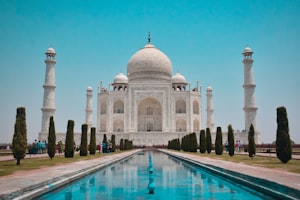
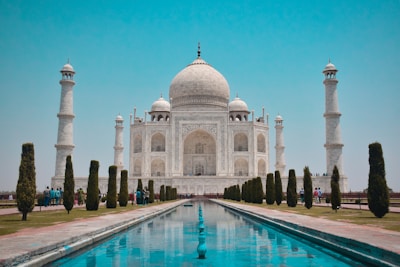
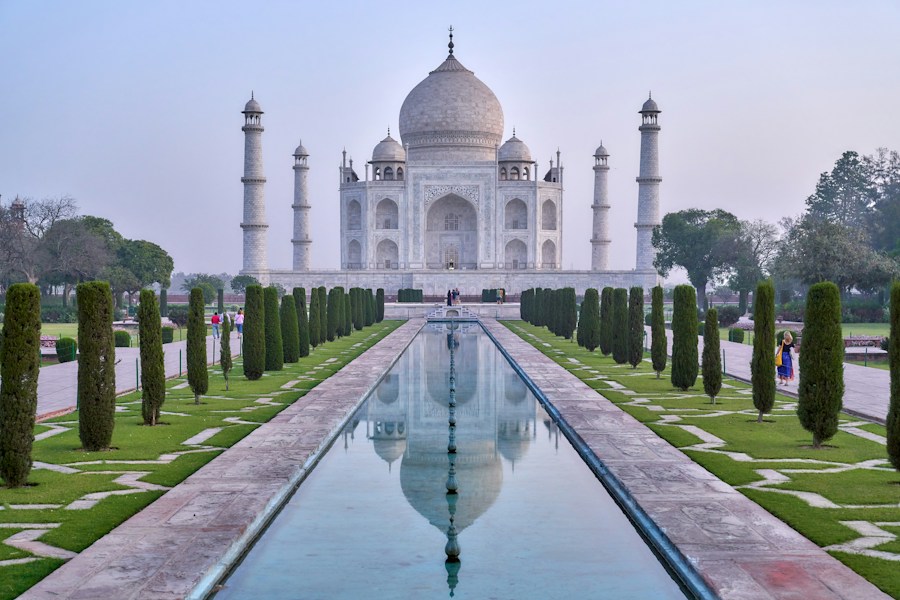
Taj Mahal marble mausoleum Agra sunrise mist reflection
🏆 Unmissable

Agra & the Taj Mahal

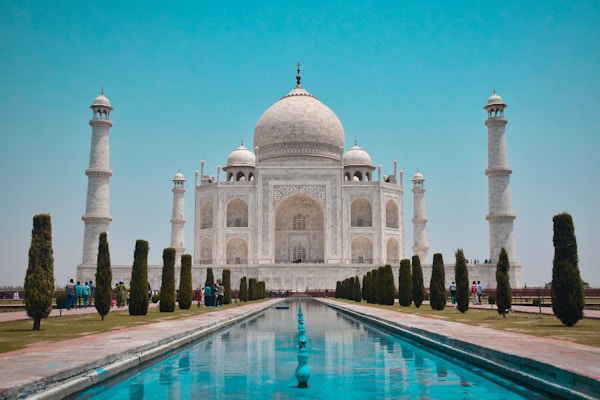
The world's most celebrated monument to love — built by Emperor Shah Jahan for his wife Mumtaz Mahal. Arrive before sunrise and stay for the first light. Nothing in travel prepares you for your first view.

Uttar Pradesh · 2hrs from Delhi by Shatabdi Express

★ 5.0
Jaipur Hawa Mahal Palace of Winds Rajasthan pink city
Royal Heritage

Jaipur

Rajasthan · The Pink City

★ 4.8
Kerala backwaters houseboat palm trees sunset
Southern Bliss

Kerala

South India · Backwaters & Beaches

★ 4.9
Varanasi ghats Ganges River sunrise boats pilgrims
Spiritual Heart

Varanasi

Uttar Pradesh · India's Soul

★ 4.9
Delhi Red Fort old bazaar Chandni Chowk street market
Capital City

Delhi

National Capital Territory

★ 4.7
Goa beach sunset palm trees Portuguese church
Beach & Heritage

Goa

West India · Portuguese Legacy

★ 4.7
Regional Guide

India's Four Great Travel Regions

India's geography shapes its culture as profoundly as its history. Understanding the regions unlocks far smarter trip planning.

Rajasthan desert palace fort camel
Northern India & Rajasthan
🏯 Forts & Palaces🐪 Desert🕌 Mughal

The Golden Triangle (Delhi–Agra–Jaipur) is where most Indian adventures begin — and for good reason. Three of India's greatest monuments within easy striking distance of each other. Rajasthan extends this vastly: Jodhpur's Blue City, Udaipur's Lake Palace, Jaisalmer's desert citadel, and Pushkar's sacred lake are among India's most photogenic and memorable places.

DelhiAgraJaipurJodhpurUdaipurJaisalmer
Kerala backwaters houseboat sunrise tropical
Southern India
🌴 Tropical🛕 Dravidian🍛 Food

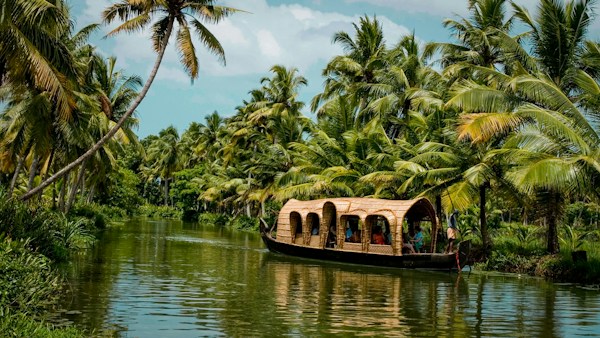
South India is a different country from the north in almost every way — the architecture, food, language, culture, and pace are all distinct. Kerala's backwater houseboat stays are one of travel's great slow experiences. Tamil Nadu's towering Dravidian temple gopurams, the ancient ruins of Hampi in Karnataka, and the beaches of Goa and Pondicherry are all unmissable.

KeralaGoaChennaiHampiMysorePondicherry
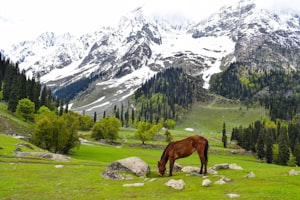
Himalaya mountains Ladakh Buddhist monastery India
The Himalayas & North India
🏔️ Mountains☸️ Buddhism🥾 Trekking

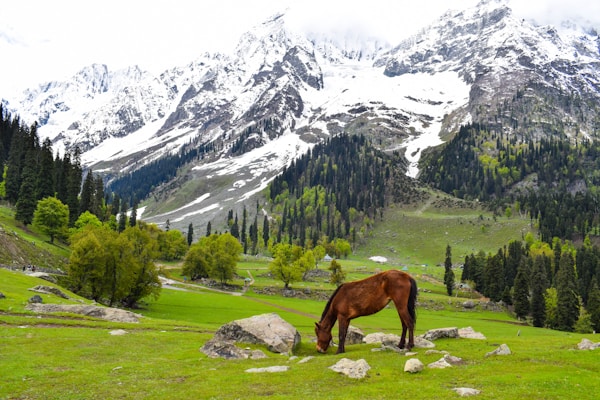
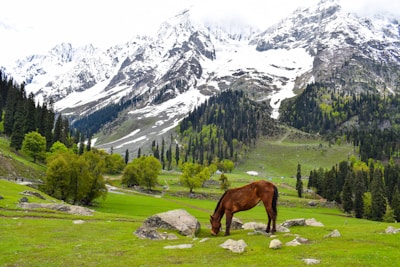
The Indian Himalayas encompass some of the most dramatic landscapes on Earth. Ladakh's high-altitude desert and Buddhist monasteries are unlike anywhere else in India. Himachal Pradesh offers the charming backpacker haven of McLeod Ganj (the Dalai Lama's home in exile), mountain villages, and world-class trekking. The Spiti Valley is one of Asia's last true wildernesses.

Leh-LadakhDharamsalaManaliShimlaSpiti Valley
Varanasi ghats Ganges sunrise prayer ritual
The Spiritual Heartland
🪔 Pilgrimage🕉️ Hinduism⛩️ Sacred

The Gangetic plain of Uttar Pradesh is where Hinduism's most sacred cities cluster. Varanasi is among the world's oldest continuously inhabited cities and one of its most spiritually intense. Bodh Gaya, where the Buddha attained enlightenment, draws Buddhist pilgrims from across Asia. Rishikesh and Haridwar on the Ganges are the birthplace of modern yoga culture.

VaranasiBodh GayaRishikeshHaridwarAllahabad
When to Travel

Best Time to Visit India

India's size means multiple climatic zones operate simultaneously. Timing varies significantly by region — get this right and your trip transforms.

☀️
Peak Season — North & Rajasthan
October – February

The golden window for the Golden Triangle and Rajasthan. Temperatures are mild (15–28°C), skies are crystal clear for Taj Mahal photography, and the desert nights are cool enough for outdoor dining. December–January brings mist over the Yamuna River at Agra — ethereal in dawn photos, but occasionally obscuring the Taj entirely. Book accommodation months ahead for Jaipur's Diwali festival (October/November).

🌴
Kerala & South India
November – March

Kerala's west coast and Goa peak from November through March — warm, dry, perfect for beach and backwater travel. The Kerala Kathakali dance season and elephant festivals peak in January and February. Monsoon (June–September) transforms Kerala's interior into lush green magnificence — worth considering for adventurous travellers who don't mind heavy rain.

🏔️
Himalayas & Ladakh
June – September

Summer is the only viable season for Ladakh — high-altitude roads open only from June as snow clears. July and August bring the dramatic landscape to full life. September is ideal — slightly fewer visitors, spectacular golden light. Himachal Pradesh (Manali, McLeod Ganj) is best May–October. The Himalayas are largely inaccessible in winter due to snowfall.

What to Do

India's Unmissable Experiences

India generates travel moments unlike anywhere else on Earth — experiences that are simultaneously ancient, chaotic, transcendent, and unforgettable.

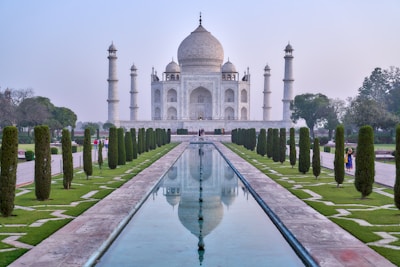
Taj Mahal Agra sunrise reflection first light
Taj Mahal at Sunrise

Arrive at the east gate 30 minutes before opening. In the first light, with the marble glowing pink and the reflection pool still, you'll understand why it's considered the world's most beautiful building.

Oct – Mar Best
Varanasi Ganga Aarti ceremony evening fire Ganges ghats
Varanasi Ganga Aarti

Watch the nightly Ganga Aarti fire ceremony from the ghats — priests swinging flaming lamps over the sacred Ganges, bells ringing, chanting rising. Take a dawn boat ride to witness cremations on the burning ghats.

Year-round
Kerala houseboat backwaters Alappuzha punting slow
Kerala Houseboat

Spend a night on a traditional kettuvallam houseboat drifting through Alleppey's network of canals, lagoons, and rice paddies. Fish jumping, kingfishers darting, and the quietest sunset you'll ever experience.

Nov – Mar Best
Rajasthan desert camel safari Jaisalmer dunes sunset
Rajasthan Desert Safari

Ride a camel into the Sam Sand Dunes outside Jaisalmer as the sun melts into the Thar Desert horizon. Sleep in a luxury desert camp under one of the world's most spectacular star-filled skies.

Oct – Feb Best
Indian tiger safari Ranthambore National Park wildlife
Tiger Safari

Ranthambore National Park near Jaipur is India's most rewarding tiger reserve. Dawn jeep safaris through ancient fort ruins where wild Bengal tigers patrol give India the world's best wildlife experience outside Africa.

Oct – Apr Best
Ladakh Pangong Lake Tibet border monastery altitude
Ladakh: Roof of the World

Drive the world's highest motorable passes, sleep in whitewashed Tibetan monasteries, and watch the unreal blue-shift of Pangong Lake change colours through the afternoon. Altitude 3,500–5,300m.

Jun – Sep
Jaipur Amber Fort elephant palace courtyard sunrise
Rajasthan Palace Circuit

Stay in former maharaja palaces — Udaipur's Lake Palace floating on Pichola Lake, Jodhpur's Mehrangarh Fort looming over the Blue City, and Jaisalmer's 12th-century citadel where people still live within the walls.

Oct – Feb Best
Indian food street market chai spices Delhi
Street Food & Culinary India

Old Delhi's Chandni Chowk is one of Asia's great street food neighbourhoods — parathas, chaat, lassi, biryani, and chhole bhature in century-old establishments. Do a guided food walk first, then go back alone.

Food Culture
Essential Knowledge

India Travel Essentials

India has a deserved reputation for rewarding prepared travellers and humbling unprepared ones. These are the things to know before you go.

🍽️
Food & Water Safety

Delhi belly is real. The golden rule: eat only cooked food served hot, avoid raw salads, unpeeled fruit, and anything left sitting at room temperature. Street food from busy, high-turnover stalls is generally safe — the oil is fresh and hot. Quiet, empty stalls are higher risk.

Never drink tap water anywhere in India. Carry a SteriPen or buy sealed bottled water (check the seal is intact). Avoid ice in drinks unless you're certain it's made from purified water. Skip the lassi from random street stalls — save that joy for a reputable restaurant.

Pack ORS (oral rehydration salts), Imodium, and a broad-spectrum antibiotic prescribed by your travel doctor. Even well-prepared travellers get an upset stomach. Having medication ready means 24 hours of discomfort rather than three days.
🚕
Getting Around — Tuk-Tuks, Apps & Trains

Ola and Uber both operate extensively in Indian cities and are far safer and less stressful than negotiating with auto-rickshaw drivers. Use apps wherever possible — you'll pay a fair price and have a record of the journey.

For city-to-city travel, India's railways are the way to go. Book through IRCTC.co.in or the Cleartrip app — you'll need a foreign payment method and a little patience. The Shatabdi Express (Delhi–Agra, Delhi–Jaipur) is fast, comfortable, and punctual. For overnight journeys, the 3AC (air-conditioned sleeper) class is excellent value and perfectly comfortable.

Always book train tickets at least 2–4 weeks ahead for popular routes. The "Foreign Tourist Quota" reserves a small number of seats specifically for international travellers — use it if regular tickets show sold out.
👗
What to Wear & Cultural Respect

India is a conservative country across most regions. Covering shoulders and knees is not optional at temples, mosques, and historic monuments — it's a condition of entry. Carry a light scarf at all times to drape over your shoulders as needed. In Rajasthan, women travelling alone will find that modest dress significantly reduces unwanted attention.

Remove shoes before entering any Hindu or Sikh temple and most traditional homes. When entering a mosque, women should cover their hair. Photography rules vary by site — always ask before photographing people, especially at religious ceremonies.

A salwar kameez (the traditional tunic and trousers) bought in any Indian market for $10–$20 AUD solves every modesty issue instantly, is comfortable in the heat, and is deeply appreciated by locals as a sign of respect.
💊
Health Preparation

India requires the most comprehensive pre-travel health preparation of any Asian destination. Book a travel medicine appointment 6–8 weeks before departure. Recommended vaccinations include Hepatitis A & B, Typhoid, Tetanus/Diphtheria, and Rabies (for longer stays or rural travel). Japanese Encephalitis for extended rural travel.

Malaria risk exists in some rural areas, particularly in Rajasthan (low risk), parts of rural Uttar Pradesh, and Northeast India. Major tourist cities (Delhi, Mumbai, Jaipur, Kerala's cities) are low risk. Discuss prophylactics with your doctor.

India has excellent pharmacies in all major cities — many Western medications are available at a fraction of Australian prices. However, quality varies; use pharmacy chains in large cities rather than small standalone shops.
💳
Money & Payments

India is more cash-based than most of Asia, though cities have seen rapid digital payment adoption (UPI/Google Pay). Always carry cash (INR) for markets, temples, small restaurants, and auto-rickshaws. ATMs are widely available in cities — use ATMs at reputable banks (HDFC, ICBC, Axis) and cover your PIN entry.

Tipping is expected but not mandatory — 10% at restaurants, ₹50–100 for guides and drivers per day, ₹20–50 for small services. Bargaining is normal and expected in markets and with independent rickshaw drivers — agree the price before you get in any vehicle.

Carry small notes (₹10, ₹20, ₹50) for chai, auto-rickshaws, and small purchases. ₹500 notes can be difficult to break at small establishments.
📱
Staying Connected

Indian mobile data is among the cheapest in the world. Buy an Airtel or Jio SIM card at any major airport — bring your passport as it's required. A 30-day data plan with generous data costs around ₹300–500 (~$6–10 AUD). Register immediately; activation takes a few hours.

WhatsApp works perfectly in India and is how most Indians communicate — hotels, guides, and tour operators all use it. Google Maps works well in cities but can be unreliable in rural Rajasthan. Download offline maps before leaving major cities. Google Translate's camera function is useful for reading menus in script-only restaurants.

Jio has the best rural coverage across Rajasthan and UP. Airtel has marginally better international roaming compatibility. Both are excellent — Jio edges it on value.
How Long Do You Have?

Suggested India Itineraries

India rewards extended time — but even a week, planned well, can be transformative. These itineraries are built around maximising depth over breadth.

⏱ 10 Days
The Golden Triangle Classic
  • 1–2
    Delhi — Old Delhi food walk, Qutb Minar, Red Fort, Humayun's Tomb
  • 3–4
    Agra — Taj Mahal at sunrise, Agra Fort, Fatehpur Sikri
  • 5–7
    Jaipur — Amber Fort, City Palace, Hawa Mahal, bazaars
  • 8–9
    Ranthambore — dawn tiger safari, fort ruins
  • 10
    Return Delhi for flight home
Book This Itinerary →
⏱ 14 Days
Rajasthan Royal Circuit
  • 1–2
    Delhi — arrival, orientation
  • 3–4
    Agra — Taj Mahal, Agra Fort
  • 5–6
    Jaipur — Amber Fort, Jantar Mantar, Pink City
  • 7–8
    Jodhpur — Mehrangarh Fort, Blue City walk
  • 9–10
    Jaisalmer — desert fort, camel safari, Sam Dunes overnight
  • 11–14
    Udaipur — Lake Palace, City Palace, sunset boat
Book This Itinerary →
⏱ 21 Days
North to South: India Immersion
  • 1–4
    Delhi & Agra — Taj Mahal, Old Delhi, Humayun's Tomb
  • 5–7
    Varanasi — Ganga Aarti, dawn boat, Sarnath
  • 8–10
    Rajasthan — Jaipur and Jodhpur
  • 11–14
    Mumbai — Gateway of India, Dharavi, street food
  • 15–18
    Goa — beaches, Portuguese churches, seafood
  • 19–21
    Kerala — Kochi, backwater houseboat, Munnar tea hills
Book This Itinerary →
Where to Stay

India's Palace Hotel Experience

India's heritage palace hotels — former residences of maharajas converted to extraordinary hotels — are one of travel's genuinely unique experiences. Nowhere else offers this combination of history, grandeur, and hospitality.

Taj Lake Palace Udaipur floating white marble
🏆 Iconic
Taj Lake Palace
Udaipur, Rajasthan

A white marble palace rising from Lake Pichola — accessible only by boat. Built in 1746 as a summer pleasure palace. Featured in the James Bond film Octopussy. Arguably the most romantic hotel on Earth.

From ~$700 AUD/night
Umaid Bhawan Palace Jodhpur heritage hotel suite
Grand Heritage
Umaid Bhawan Palace
Jodhpur, Rajasthan

One of the world's largest private residences — part palace museum, part hotel, part royal family home. Art Deco interiors, 26 acres of gardens, and a swimming pool that was the height of 1940s modernity.

From ~$550 AUD/night
Rambagh Palace Jaipur garden palace royal suite
Royal Jaipur
Rambagh Palace
Jaipur, Rajasthan

Once the residence of the Maharaja of Jaipur, converted to a hotel in 1957. 47 acres of Mughal gardens, polo grounds, and royal suites that were once the private apartments of Maharajahs and their families.

From ~$450 AUD/night
A Culinary Nation

India's Regional Cuisines

There is no single "Indian food" — there are at least a dozen distinct regional traditions, each as different as the nations of Europe. Eating through India's regions is a journey within the journey.

🫓
North Indian / Mughal

Rich, aromatic, cream and tomato-based curries — the origin of most "Indian" dishes known internationally. Mughal-era cuisine from the imperial courts uses slow-cooked gravies, fresh breads (naan, roti, paratha), and the tandoor clay oven. Delhi, Lucknow, and Amritsar are the heartlands.

Butter ChickenDal MakhaniNihariLucknawi BiryaniAmritsari Kulcha
🌶️
Rajasthani

Born from desert scarcity — this cuisine uses minimal water and preserved ingredients with extraordinary ingenuity. Lentil-based dals, dried vegetables, and ghee-rich flatbreads. The dal baati churma — baked wheat balls with lentil soup and sweetened crumble — is Rajasthan's iconic dish.

Dal Baati ChurmaLaal MaasGatte ki SabziKer Sangri
🥥
Keralan / South Indian

Coconut milk, tamarind, curry leaves, mustard seeds, and fresh fish define the south. Kerala's fish curry cooked in clay pots, the rice-and-lentil crepe dosa served with three chutneys, and the rice-flour appam with egg is breakfast perfection.

Dosa & IdliKerala Fish CurryAppamSadya Feast
🍬
Street Food Culture

India's greatest dining experience is conducted on plastic stools on the pavement. Chaat — sour, spicy, sweet, and crunchy snacks — is India's defining street food category. Pani puri, pav bhaji, vada pav (Mumbai's "burger"), and bhel puri are essential. Never skip the chai.

Pani PuriVada PavPav BhajiMasala ChaiKulfi
Before You Go

Visas & Practical Information

India's e-Visa system has made entry straightforward for Australian travellers. Apply online at least 4 days before travel — the process takes 10 minutes.

Visa TypeStatusCost & ValidityNotes
Tourist e-Visa (eTV) ✓ e-Visa ~$85 AUD · 365 days, double entry Apply at indianvisaonline.gov.in. Upload passport scan and photo. Approved within 72 hours usually. Permits stays of up to 90 days per visit. Download and print your approval — you'll need it at immigration.
Tourist e-Visa (30-day) ✓ e-Visa ~$25 AUD · 30 days single entry Cheaper option for short trips only. Single entry. Apply at the same portal. Not worth saving the money if there's any chance of wanting more time.
Himachal Pradesh / Ladakh ✓ No Extra Permit Covered by standard tourist visa Most of Himachal Pradesh and Ladakh is accessible on a standard tourist visa. Some restricted border areas (Nubra Valley, Pangong Lake) require an Inner Line Permit — easily obtained through your hotel or local agent for ~$15 AUD.
Visa Extension Apply In-Country Varies · Must apply before expiry Extension applications handled by the Foreigners Regional Registration Office (FRRO) in major cities. In practice, most travellers plan their itinerary within their initial visa duration. Extensions are possible but time-consuming.
✈️
Flights from Brisbane
  • Brisbane → Delhi: ~13–15 hrs via Singapore (Singapore Airlines, Qantas codeshare) or Dubai (Emirates, Qantas). No direct service yet
  • Brisbane → Mumbai: ~14–16 hrs via Singapore or Dubai. Air India now flies Sydney–Mumbai direct; watch for Brisbane routing
  • Best routing via Singapore: Singapore Airlines offers excellent connections via Changi — under 30 min transit with baggage through-checked. Often the most comfortable option
  • Best routing via Dubai: Emirates offers superb business class and frequent service to both Delhi and Mumbai from Brisbane via Dubai
  • Book 3–4 months ahead for October–February peak season. December school holiday flights sell out by September
🏥
Health & Safety
  • Essential vaccinations: Hepatitis A & B, Typhoid, Tetanus-Diphtheria-Pertussis. Discuss Rabies (rural areas, long stays) and Japanese Encephalitis with your travel doctor
  • Water: Never drink tap water. Bottled water only — check seal. Avoid ice unless certain it's purified
  • Delhi Belly: Very common. Pack ORS, Imodium, and a prescribed antibiotic. Most cases resolve within 24 hours with rest and hydration
  • Solo women travellers: India requires additional safety awareness, particularly in North India. Use Ola/Uber over unlicensed taxis, avoid travelling alone late at night, and stay at well-reviewed accommodation
  • Check Smartraveller.gov.au for current DFAT advisories before travel
💰
Budget Guide
  • Budget traveller: ~$80–$120 AUD/day. Clean guesthouses (₹800–1,500/night), local restaurants, trains, and occasional auto-rickshaw. India is exceptional value at this level
  • Mid-range: ~$150–$300 AUD/day. Heritage hotels, AC train travel, guided tours, quality restaurants, and private drivers in Rajasthan
  • Palace luxury: ~$400–$1,500+ AUD/day. India's palace hotels and Aman properties are among the world's great luxury hotel experiences — remarkably affordable by global standards
  • Domestic flights: IndiGo and Air India Express offer cheap connections (Delhi–Mumbai, Delhi–Kochi often under $80 AUD booked ahead)
  • Admission fees at major monuments (Taj Mahal ₹1,100 for foreigners, ~$25 AUD) add up — budget $200–400 AUD for entry fees over a two-week trip

Expert India Travel Tips

From our team who have spent months travelling India — the things they wish they'd known before their first trip.

01
Say Yes to the Detour

The best India moments are never in the guidebook. When your driver says "I know a chai place — it's only ten minutes" or your guesthouse owner invites you to their family's Diwali celebration, say yes. The itinerary can wait. India's human generosity and spontaneous warmth are what travellers remember longest.

02
Hire a Good Guide at Major Sites

The Taj Mahal, Amber Fort, Red Fort, and Fatehpur Sikri are monuments of extraordinary depth — the context transforms the experience. A knowledgeable guide at these sites reveals layers invisible to the naked eye. Book through your hotel or a reputable agency — official government-licensed guides carry ID cards.

03
Don't Cram Too Much

India is relentlessly intense. The sights, smells, sounds, heat, and sensory overload are extraordinary — and exhausting. Build in rest days. Don't try to cover the Golden Triangle, Rajasthan, Varanasi, and Kerala in 10 days. Pick two or three regions and absorb them. India rewards slow travel more than almost any country on Earth.

04
Book the Taj Mahal First

Timed-entry tickets for the Taj Mahal are capped daily. The sunrise slot (before 8am) offers dramatically better photography and fewer crowds — book this first via the official ASI website or Klook before finalising any other element of your itinerary. It cannot be bought at the gate during peak season.

Ready to Experience India?

Our India specialists have personal experience across Rajasthan, the Golden Triangle, Kerala, Varanasi, Ladakh, and beyond. We handle your e-Visa, train bookings, palace hotel stays, and curated itineraries — leaving you free to fall in love with this extraordinary country.

Start Planning My India Trip Call 0409 661 342

Trusted by 50,000+ Australian travellers · ATAS Accredited · 35+ Years Experience

Explore More

Related Travel Guides