Decide whether Gyeongju belongs in your South Korea itinerary, with a manageable overnight plan and advice on choosing the heritage sites that interest you.
Gyeongju is worth considering when history is part of the reason you want to visit South Korea. It offers a different focus from Seoul’s large-city energy or Busan’s coast: royal heritage, temple architecture and a landscape in which the past is visibly present.
It is not a compulsory stop for every first trip. If you have a short week and prefer food, shopping or time by the sea, another hotel change may not be worthwhile. Choose Gyeongju because you want time with its history, not simply because it sits on a familiar itinerary.
What makes Gyeongju distinctive
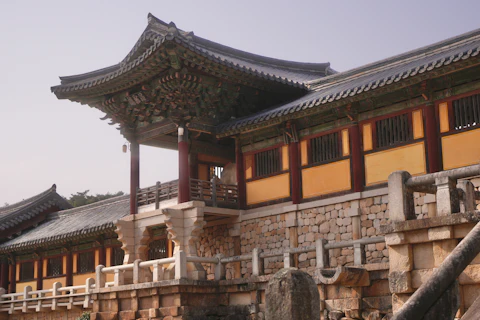
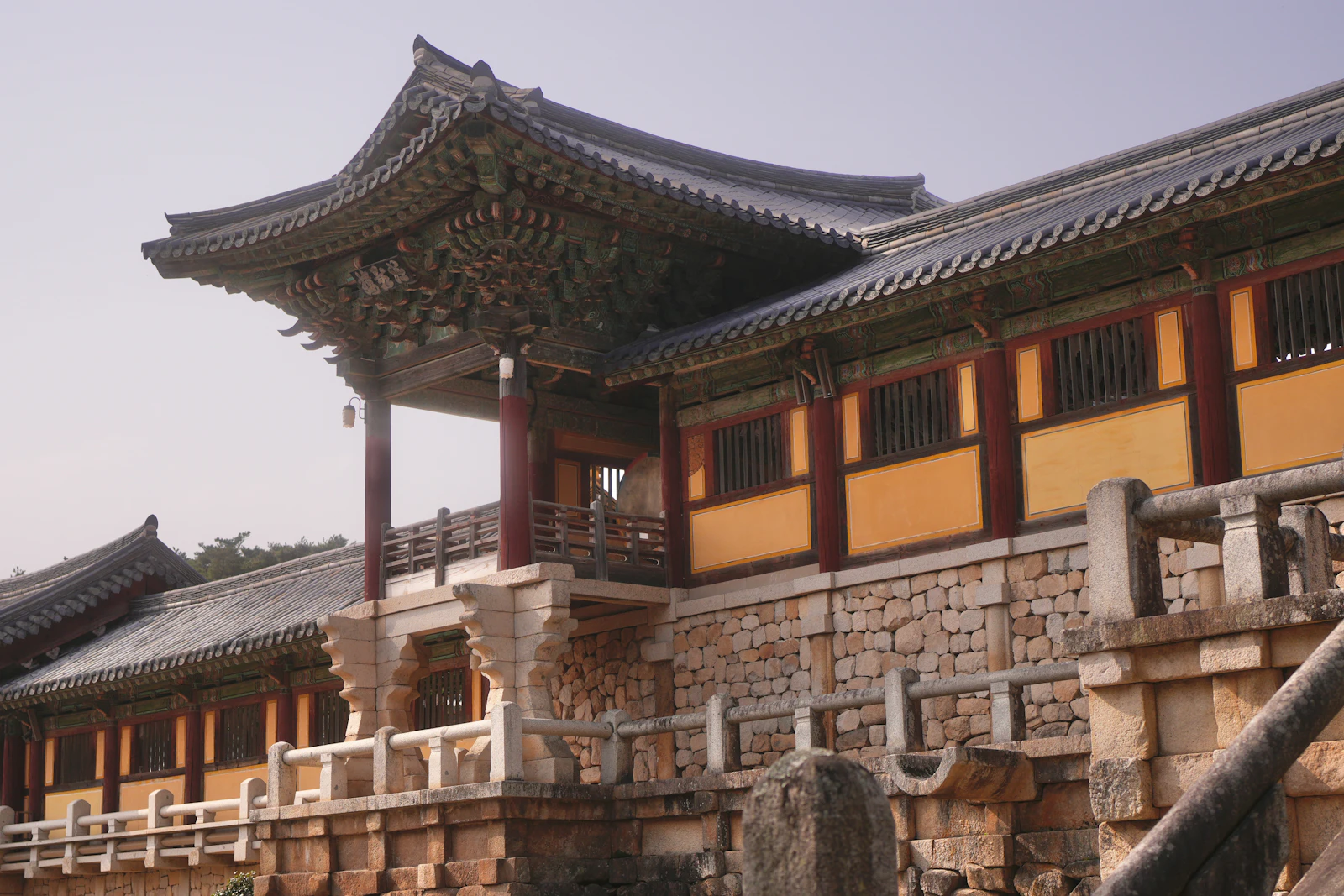
The city was the capital of the Silla kingdom. Daereungwon’s burial-mound landscape, Bulguksa Temple and the evening setting of Donggung Palace and Wolji Pond offer different ways to approach that heritage. They should not be treated as interchangeable photo stops.
Pick a small number of sites and understand what you are looking at. A museum visit or suitable guide can add context before you explore the landscape. You may remember two places visited thoughtfully more clearly than six places rushed between transport connections.
Day trip or overnight stay?
A day trip can work if you want a concise introduction and accept the time spent travelling. An overnight stay gives more flexibility for an evening visit, a relaxed meal and a second morning. It can also reduce the pressure to complete every stop before a return departure.
Compare the complete logistics. Include the transfer from the arrival station, luggage storage and the distance between your chosen attractions. A short main rail journey does not mean you step directly from the train into the historic centre.
Day 1: central heritage and an unhurried evening
Arrive with enough time to reach your accommodation or leave luggage. Choose a central heritage experience such as Daereungwon, then allow time for lunch and a walk through nearby streets. Keep the first afternoon manageable if you have travelled that morning.
Consider Donggung Palace and Wolji Pond for the evening, checking current access and hours before building the day around it. The attraction of staying overnight is that you do not have to squeeze dinner, transport and the evening visit into a narrow gap before the last train.
Day 2: a temple-focused morning or more city context
If Bulguksa is a priority, make it the main focus of the second morning. Plan the transport and allow time for the grounds rather than treating the visit as a quick addition before departure. Religious spaces deserve quiet behaviour and attention to access and photography instructions.
Alternatively, keep the morning central with a museum or a slower return to an area you enjoyed. This can be the better option if the weather is poor, steps are difficult or your onward journey leaves little margin. A flexible second morning is one of the benefits of an overnight stay.
Choose accommodation for the route, not only the style
A traditional-looking stay can be appealing, but ask about the room itself: bed or floor bedding, private bathroom, stairs, heating and luggage access. Check how you will reach dinner and the next day’s transport. A scenic location may be less practical if it requires repeated transfers.
If your visit is short, use one base. Avoid moving accommodation within Gyeongju unless there is a clear benefit. The time saved can be used for a longer visit to a site or a relaxed meal rather than another check-in process.
Walking, weather and the effort between attractions
Heritage grounds can involve exposed walking and uneven surfaces. A route that looks gentle in photographs may still be demanding in heat, rain or cold. Plan rest stops and ask about specific access if mobility is a concern.
Do not assume every attraction is clustered close together. Group central sights, then give outlying sites their own transport plan. This is especially important if you are travelling independently without a vehicle or trying to fit an excursion around a fixed train.
How Gyeongju fits a Seoul–Busan holiday
Compare placing Gyeongju between the two cities with visiting from a Busan base. The overnight option adds variety and an evening experience; the excursion option avoids another hotel. Neither is automatically better.
If you choose the overnight route, protect its purpose. Give the stay enough time for the history that attracted you instead of arriving late and leaving immediately after breakfast. If that is all your schedule allows, fewer bases may make a more satisfying holiday.
A simple decision rule
Choose Gyeongju when at least one or two heritage experiences genuinely interest you and the route leaves time to enjoy them. Skip it without regret when it only adds another tick to a list. A well-chosen stop should deepen the trip, not merely make the itinerary longer.
Frequently asked questions
Is one night in Gyeongju useful?
Yes, it can provide an evening and a second morning, provided arrival and departure times leave meaningful sightseeing time.
Can I see everything on a day trip?
No. Choose a small number of priorities and account for transport between the station and attractions.
Is Gyeongju only for history specialists?
No, but curiosity about heritage will make the visit more rewarding. A guide or museum can help provide context.
Official information and further reading
Use the official links below to confirm current opening arrangements, access and travel requirements before booking. Routes are editorial suggestions; prices shown as examples are not offers.