
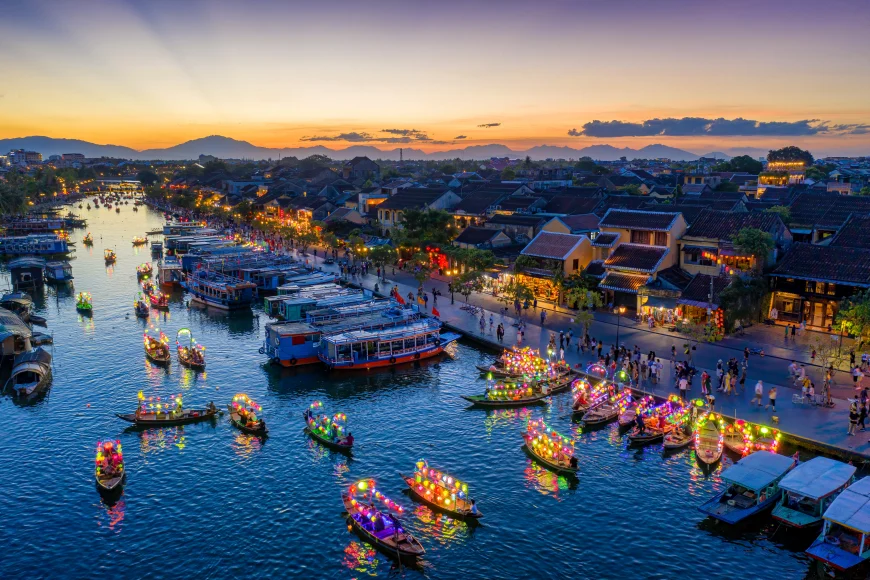
Find a comfortable way into Vietnamese dining, from Hanoi breakfasts and Hue specialities to Hoi An markets and Saigon evenings.
Eat by neighbourhood
Vietnam's food is one of the pleasures of travelling slowly. Plan meals near the area you are exploring rather than crossing a city for every famous address. A modest neighbourhood restaurant can fit the day better than a long queue at a place promoted repeatedly online.
Keep a mix of experiences: a market visit, a guided food walk if useful, a restaurant with comfortable seating and a simple meal near the hotel. Street food is an option, not a test of authenticity. Travellers can enjoy regional cooking without sitting on a low stool at every meal.
Hanoi
The Old Quarter and areas around Hoan Kiem Lake offer a useful introduction to pho, bun cha, coffee and small specialist eateries. Some businesses focus on one dish or one part of the day, so confirm hours before making a long detour. Breakfast can be a good time to observe the city beginning its routine.
A food guide can explain dishes, ordering and the layout of a neighbourhood. Tell the guide about allergies, vegetarian needs and seating requirements in advance. Ask what is included and how much walking the evening involves. Do not assume every stop can adapt its recipe on arrival.
Hue
Hue rewards attention to its distinctive dishes and smaller portions. Bun bo Hue and various rice-based cakes provide a different experience from the northern staples. A restaurant serving several local specialities can be a practical introduction before trying smaller vendors independently.
Build lunch into the sightseeing route: the citadel, pagodas and tombs are not all beside one convenient restaurant street. If a long transfer follows, choose a relaxed meal with time to spare. A guide or hotel can help identify options near the places you plan to visit, but request a clear menu and price before ordering for a group.
Hoi An and Da Nang
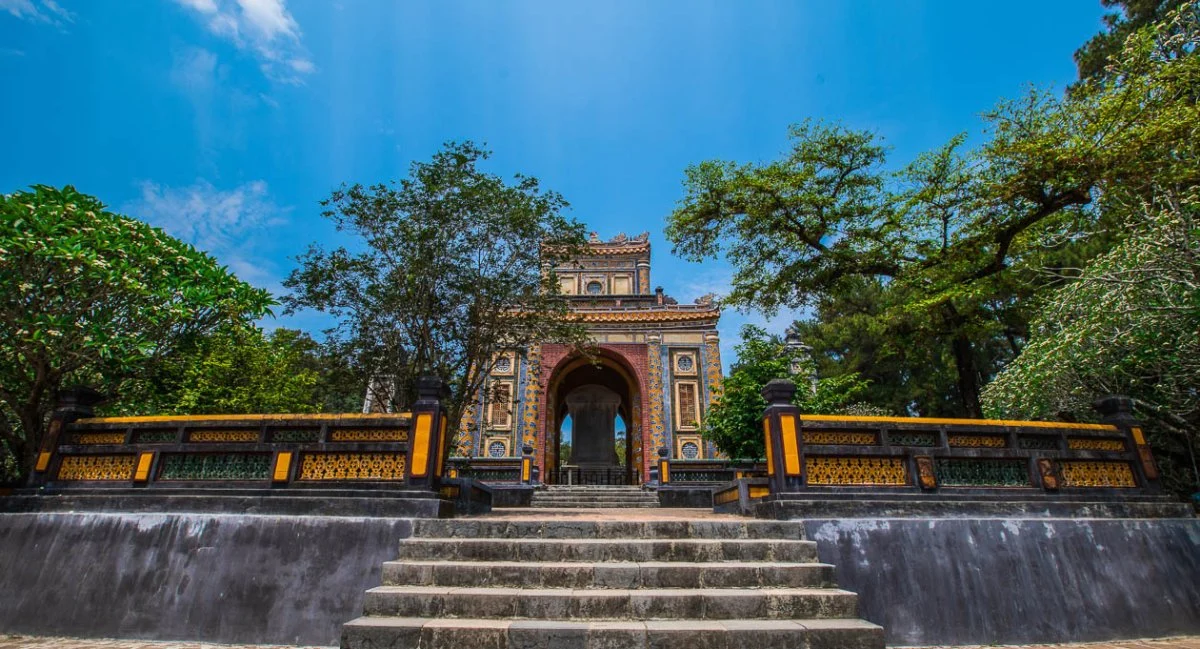
Hoi An is associated with cao lau, local dumplings, banh mi and market-based cooking experiences. The busiest riverside streets are atmospheric, but a meal a little farther away can be calmer. Visit the old town at different times instead of expecting one crowded evening to represent the whole place.
For a cooking class, check whether the programme includes market travel, boat activities or cycling as well as the kitchen session. Ask about allergens and whether each participant cooks or mainly watches. Da Nang offers a separate urban dining scene; allow time to enjoy it if staying there rather than commuting to Hoi An for every dinner.
Ho Chi Minh City and the delta
Ho Chi Minh City has a wide range of restaurants, markets and neighbourhood food traditions. Com tam, noodle dishes and coffee can anchor an easy day, while a guided evening walk provides another perspective. Motorcycle-based food tours are not the only option; request walking or car-based arrangements if more suitable.
In the Mekong Delta, accommodation may provide the main dinner. Confirm the meal plan and dietary requirements ahead, especially at a rural lodge. An early river outing should include a sensible breakfast arrangement rather than relying on a particular floating vendor appearing at the right time.
Ordering, prices and payment
Ask the price before ordering items sold by weight or size, especially seafood. Check whether drinks, service charges or other extras are included. Keep small notes for simple transactions and distinguish similar-looking denominations carefully. Card acceptance varies; do not assume every restaurant takes an overseas card.
If sharing dishes, explain the number of people and appetite to avoid ordering too much. At a busy small restaurant, follow the staff's seating and ordering process. Bargaining is not a normal substitute for paying a stated restaurant price, and a market negotiation should remain polite.
Dietary needs and food safety
Fish sauce, seafood, nuts and other ingredients can appear in sauces and stocks. A vegetarian-looking dish is not necessarily suitable for a particular diet, and removing a visible ingredient may not address an allergy. Carry a clear translation of the restriction and explain cross-contact concerns where relevant.
Choose food and drink carefully, paying attention to handling and storage as well as popularity. A busy stall does not guarantee safety. Discuss health preparation with a qualified clinician and consult current official travel advice. Keep a backup option near the hotel if your needs are difficult to accommodate, and do not let a prebooked food tour override your judgement about a particular dish.
Make meals part of the pace
Plan one special food experience at a time, with ordinary meals around it. Leave space after a long museum visit or travel day for somewhere comfortable and uncomplicated. Families may want familiar breakfast choices, while older travellers may prefer chairs and accessible toilets over a low-stool setting.
Use the food article for regional dishes and the accommodation guide for meal-plan questions. Good dining planning gives you confidence to explore, while leaving room for the café, bakery or neighbourhood restaurant you discover along the way.
Planning sources & updates
Reviewed 11 November 2026. Check Smartraveller Vietnam advice, the official Vietnam e-visa portal and Vietnam Tourism before travel. Confirm opening hours, transport, weather and booking terms for your dates. Photography: Vietnam Tourism.