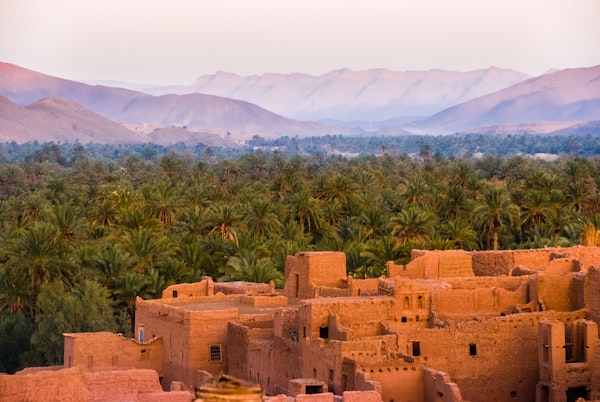
A city carved from rose-red sandstone and entered through a gorge that narrows to two metres. A desert valley where 800-metre monoliths turn from charcoal to orange in the first minutes of sunrise. The lowest point on Earth, where the water is so dense with salt that you cannot sink regardless of how you try. Jordan is compact, safe, and extraordinary — and it is under 14 hours from Sydney.
Jordan (the Hashemite Kingdom of Jordan — 89,342 km² — 10 million people — bordered by Israel and the West Bank to the west, Syria to the north, Iraq to the northeast, and Saudi Arabia to the east and south — a constitutional monarchy under King Abdullah II bin Al-Hussein — an overwhelmingly Muslim country with a long tradition of welcoming visitors of all backgrounds and faiths) is the country that experienced Middle East travellers most consistently recommend as the starting point for exploring the Arab world. The reasons are structural: Jordan is geographically compact (the entire country is smaller than the state of Victoria), extremely safe by any regional and most international comparisons (the Global Peace Index consistently ranks Jordan among the safest countries in the Middle East), and has developed one of the most visitor-friendly tourism infrastructures in the region — the Jordan Pass alone (the single online purchase that covers the entry visa, Petra access, and 40+ other sites) is the most visitor-considerate entry system of any country in the region.
Jordan’s four defining anchors: Petra (the rose-red Nabataean city — carved from sandstone cliffs in the 4th century BCE — the Treasury, the Royal Tombs, the Monastery — a UNESCO World Heritage site and one of the New Seven Wonders of the World (voted 2007)). Wadi Rum (the Protected Area — 74,000 hectares of red sand desert and sandstone monoliths — where Lawrence of Arabia crossed during the Arab Revolt — Bedouin camps and the darkest accessible night sky in the Middle East). The Dead Sea (430m below sea level — the lowest point on Earth’s surface — 33% salinity — the mineral-rich water that makes human bodies positively buoyant). Jerash (the best-preserved Roman provincial city outside Italy — the oval forum, the colonnaded cardo maximus, Hadrian’s Arch — 2,000 years of layered urban history visible in a single afternoon).
In one of the Middle East’s most compact countries, you can cover all six anchor destinations in 8–10 days without a single repetitive drive.
Petra (the ancient Nabataean capital — the name from the Greek πέτρα (petra) meaning “rock” — known to the Nabataeans as Raqmu — established as the Nabataean capital in the 4th century BCE — at its peak in the 1st century CE one of the most important trade hubs in the ancient world, connecting the Arabian Peninsula, Egypt, the Mediterranean, and Mesopotamia — the city declined after the Roman annexation of the Nabataean kingdom in 106 CE and was effectively lost to the Western world until the Swiss explorer Johann Ludwig Burckhardt rediscovered it in 1812, disguised as a Muslim pilgrim) is entered exclusively through the Siq (the 1.2km natural gorge — the canyon formed by a geological fault (not carved by water — the Siq walls are solid — the gorge opened along a fault line in the sandstone and was subsequently widened by the winter flood waters — the Nabataeans channelled the floodwaters away from the Siq through a 204m tunnel to protect the gorge from the flash floods that can still, in severe rain events, rush through the gorge as a 3–4m wall of water — the tunnel is visible at the Siq entrance) — the walls narrowing from 8–12m to a minimum of 2–3m in the final 100m before the Treasury — the canyon walls 80–180m high). The Treasury (Al-Khazneh — the most photographed monument in Jordan — 43m high, 30m wide — carved directly into the rose-red sandstone cliff face — built in the 1st century BCE as the mausoleum of King Aretas IV (the Nabataean king who ruled 9 BCE–40 CE and was probably the father-in-law of King Herod Antipas) — the name “Treasury” given by Bedouin who believed the funerary urn at the facade’s peak contained the pharaoh’s treasure — bullet marks from attempts to open the urn are visible — the urn is solid carved stone — the interior: a single rectangular chamber with three burial niches — no treasure). The Monastery (Ad Deir — the second great carved monument of Petra — larger than the Treasury at 47m wide and 48.3m tall — reached by a 2km trail ascending 800 carved steps from the Petra Basin — a 45–60 minute strenuous climb — visited by fewer than 30% of Petra visitors despite being arguably more impressive than the Treasury — built in the 3rd century CE — the steps are Nabataean, worn by 1,700 years of footfall — the view from the plateau at the summit extends to Wadi Rum in clear conditions). The Royal Tombs (the Urn Tomb, the Silk Tomb, the Corinthian Tomb, and the Palace Tomb — the four monumental façade-carved tombs on the east cliff — the Urn Tomb (the largest, converted into a Byzantine church in 446 CE — the cruciform marks of the Christian baptismal font still visible on the floor)) and the Colonnaded Street, the Qasr al-Bint Temple, and the Great Temple are the site’s other major structures.
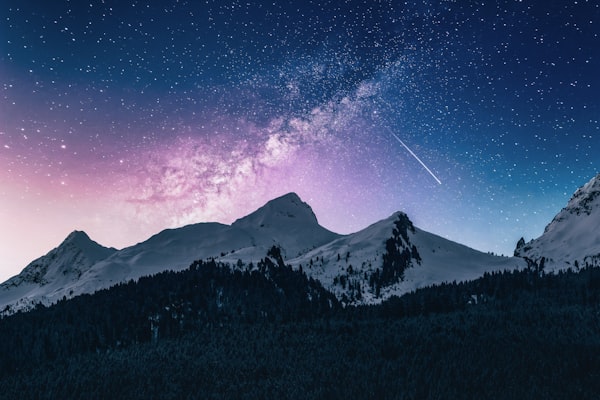
Wadi Rum (Wadi Rum Protected Area — UNESCO World Heritage site since 2011 — 74,000 hectares in the Aqaba Governorate — the valley of red and orange desert floor between sandstone and granite rock formations rising 800m from the valley floor — the landscape formed by millions of years of wind and water erosion of the Hisma desert plateau) is the destination that produces the most consistent superlatives from Jordan visitors and is the site that most changes the internal vocabulary available for describing what a desert is. The specific experience: the Bedouin 4WD safari (the licensed Bedouin guides who drive open-top trucks across the valley, stopping at the natural arches (Um Fruth Rock Bridge — the natural sandstone arch — the guide offers an arm over the 15m climb to the arch summit — both the view from the arch and the view from below are worth doing), the red sand dunes (the sunset from the top of the dune closest to the camp — the footprints already erased by the time you return the following morning — the sand temperature holding warmth from the day for 2–3 hours after sunset), the Seven Pillars of Wisdom rock formation (named by T.E. Lawrence — “Lawrence of Arabia” — who described the Wadi Rum landscape in his 1926 memoir “Seven Pillars of Wisdom”, giving his account of the Arab Revolt of 1917–1918 (the Hashemite revolt against Ottoman rule — the Hejaz campaign — the British Army liaison role that Lawrence held — the film Lawrence of Arabia (1962) shot partly in Wadi Rum)), the Khazali Canyon (the narrow slot canyon with Thamudic and Nabataean petroglyphs — the hunting scenes, the camel trains, the human handprints — some dating to 4,000 BCE)). The Bedouin camp overnight: the most important component of the Wadi Rum experience is not the safari but the night. The Wadi Rum Protected Area has a Bortle scale rating of 1–2 — the darkest classification on the light pollution scale — the night sky at Bortle 1 (visible within the camp at 9pm when the camp lights are turned low) shows the Milky Way as a structural band across the sky, the Andromeda galaxy as a naked-eye object 2.5 million light-years distant, and a star density that requires several minutes of visual adjustment to process. The guide names constellations and galaxies. The camp mattresses are moved outside the tent by most guests at approximately 10pm.
The Dead Sea (Yam HaMelah in Hebrew — the Sea of Salt — Bahr Lut in Arabic — the Sea of Lot (named for the Biblical figure of Lot — the nephew of Abraham — whose wife was said to have turned to a pillar of salt near its shores)) is shared between Jordan (the eastern shore) and Israel and the Palestinian Authority (the western shore). The Jordan side provides the cleanest and most accessible entry to the Dead Sea for Australians combining Jordan with Petra and Wadi Rum — the Amman Beach public access point and the private resort hotels along the Jordanian shore (the Kempinski, the Marriott, the Mövenpick) provide facilities for day visitors and guests. The scientific parameters: the Dead Sea sits at 430.5m below the mean ocean surface — the lowest permanently accessible point on Earth’s land surface. The salinity is approximately 340 grams of dissolved salt per litre — approximately 10 times saltier than ocean water — which makes the water denser than the human body at any realistic body composition percentage, making floating effortless and sinking effectively impossible. The experience: enter the water slowly (the high salinity makes cuts sting acutely — any open wound or razor cut on the face is especially sensitive — this is the warning that most visitors receive too late) — lean back — the water supports the full weight of the body with the upper torso and legs both above the water surface — reading a newspaper or book while floating is not a joke — it is physically straightforward — the joke is keeping the paper dry while the salt water tries to wick up from the hands. The mineral mud (the black mineral-rich mud from the Dead Sea floor — available at the shoreline or in provided containers — applied as a face and body mask — dried in the sun — rinsed in the Dead Sea and then in fresh water — the skin after the mud treatment is specifically smooth — the mineral content of Dead Sea mud (magnesium, calcium, sodium, potassium) is the basis of the extensive cosmetics industry that has developed around the lake).
Jerash (the ancient city of Gerasa — in the Jerash Governorate 48km north of Amman — one of the Decapolis cities (the league of ten semi-autonomous Greco-Roman cities in the region of modern Jordan, Syria, and Israel — under Roman provincial administration but maintaining Greek cultural character — the Decapolis cities were centres of Hellenistic urban culture on the eastern frontier of the Roman Empire)) is the best-preserved Roman provincial city in the world outside Italy — a claim supported by the extent and condition of the standing architecture rather than by the absence of comparable sites. The Hadrian’s Arch (the triumphal arch built in 129–130 CE to honour the visit of Emperor Hadrian — 21m tall in its current form — originally intended to be the south gate of an expanded city planned for Hadrian’s visit that was never built — standing at the edge of the ancient city with the full colonnaded street visible through the arch’s three openings). The Oval Forum (the unique oval-shaped plaza — one of the few oval forums in the Roman world — surrounded by 56 Ionic columns — the specific shape may have been designed to visually transition between the misaligned axes of the colonnaded street and the Temple of Zeus — the marble paving still intact beneath the soil in sections visible through excavation windows — the forum was the civic centre of Gerasa for 700 years). The Cardo Maximus (the colonnaded main street — 800m long — the original basalt stone paving with the wagon wheel ruts worn into it over 700 years of commercial traffic — the column bases still displaying the pivot holes for the wooden market stall shutters). The South Theatre (the 3,000-seat theatre carved into the hillside — acoustically functional — the Jerash Festival (an annual arts and cultural festival — July — the performances held in the theatre — international acts alongside traditional Arab music and dance)). The North Theatre (smaller, better preserved, the JARF Roman Army and Chariot Experience (RACE) demonstrations held in the area between).
Amman (the capital — population 4.4 million in greater Amman — built on seven hills (jebels) — the city that most visitors underestimate before arriving and spend more time in than planned once there — a genuinely modern Arab capital with a vibrant café culture, excellent restaurants, and a historical centre (the Citadel and the Rainbow Street district) that rewards a full day of exploration). The Citadel (Jabal al-Qala’a — the hilltop archaeological site with continuous occupation from the Neolithic period — the Temple of Hercules (2nd century CE — the Roman temple visible from across the city — the giant stone hand of the Hercules statue (3m) discovered during excavation — the hand displayed at the temple site as one of the most quietly impactful archaeological exhibits in Jordan: a 3m stone hand on the floor of the world, all that survives of a colossal figure from 1,900 years ago)), the Umayyad Palace (the 8th century Umayyad governorate palace — the audience hall, the colonnaded square, and the Byzantine church beneath it — the layering of Roman, Byzantine, and Islamic occupation visible in a single excavation site), and the Jordan Archaeological Museum. The Roman Theatre (the 6,000-seat theatre cut into the northern slope of Jebel Jawfeh — 2nd century CE — still used for performances — the acoustics tested by the guide from the orchestra pit while the group stands at the top tier). Amman’s food scene: Rainbow Street (the dining and café district — the Palestinian and Levantine food — the Hashem Restaurant (the open-air hummus and falafel institution operating since 1952 — the standard meal order: hummus, falafel, foul (fava beans), warm flatbread — approximately JOD 3 per person — the queue at 11am — the guide has been eating here for 15 years and knows which table to request)).
Aqaba (the Hashemite Kingdom’s only coastal city — on the Gulf of Aqaba — the northeastern arm of the Red Sea — bordered by Israel to the northwest (Eilat — visible across the water) and Saudi Arabia to the southeast — a city of 148,000 people — the economic free zone status producing lower prices for goods and food than elsewhere in Jordan) is the destination that most Petra-focused itineraries shortchange — spending an afternoon transit rather than the 2 nights that allow the marine park and the evening food culture to be experienced properly. The Aqaba Marine Park (the 7km protected coral reef system in the Gulf of Aqaba — one of the most accessible and biologically rich reef systems in the world — accessible by a 10-minute boat from the Aqaba shore — the visibility in the Gulf of Aqaba typically 25–40m (the enclosed gulf’s water is clearer than open Red Sea sections — the lack of major riverine outflow into the gulf maintains the water clarity year-round) — the reef contains more than 1,000 species of fish and 320 species of coral — the glass-bottom boat for non-divers provides a meaningful introduction to the reef without entering the water). The WWII tank wreck (the M42 Duster anti-aircraft tank deliberately sunk in 2009 at 28m depth as an artificial reef — now encrusted with coral and inhabited by lionfish (Pterois miles — the venomous reef scorpionfish — do not touch — the guide is specific about this) and glass sweepers — a genuinely striking dive combining military history and reef biology). The Mamluk Fort (the Jordan Archaeological Museum in the Fort of Aqaba — the Mamluk castle built in the early 16th century on the shore of the gulf — the site where Lawrence of Arabia’s forces took Aqaba from the Ottomans in July 1918 — the original red flag of the Arab Revolt raised here — the historical context made available at the fort) and the evening seafood (the fresh fish restaurants along the Aqaba Corniche — the hammour (grouper), the Sultan Ibrahim (red mullet), and the local shrimp — the correct dinner).
The Monastery (Ad Deir) at Petra is visited by fewer than 30% of visitors to the site — not because it is a lesser monument (it is arguably more impressive than the Treasury, being 47m wide and 48.3m tall compared to the Treasury’s 43m height) but because reaching it requires climbing 800 Nabataean-carved steps from the Petra Basin floor (approximately 45–60 minutes of strenuous ascent). The majority of visitors who allocate only 1 day to Petra spend it at the Treasury, the Colonnaded Street, and the Royal Tombs — and do not reach the Monastery. The consequence: the most dramatic single monument in Petra is seen by approximately one-third of the people who paid to enter. The Dana tier Jordan Pass (3-day access — JOD 80) provides the time to reach it without the feeling that you are sacrificing other sections. The second day at Petra also allows the “back routes” (the High Place of Sacrifice (the Zibb Attuf — the flat-topped mountain above the Siq — the altar where Nabataean sacrificial rituals were conducted — reached by a separate 45-minute staircase from the main processional route — the view from the altar is the highest accessible viewpoint in the main Petra site) and the Long Siq — the extended Siq walk beyond the main tourist area — the point at which most guided tour groups turn back) to be explored properly.
Petra is not a monument. It is a city — 264 km² of archaeological remains with the central carved monuments representing only a fraction of what exists. Here is the structure of the experience.
Petra opens at 6am. The Treasury at 6am has 10–20 people — the photographers with tripods, the guides briefing their groups for the day, and the early-rising independent travellers who read the same information you are reading now. By 8am, the first tour groups arrive from Aqaba (a 2-hour drive — buses depart at 5:30am). By 9am, the Treasury plaza has 300–500 people. By 10am, multiple cruise ship groups have arrived via Aqaba port. The 6am arrival at the Siq entrance (a 5-minute drive from the Petra Visitor Centre — taxis run from the Wadi Musa hotels from 5:30am) produces a categorically different experience from the 9am arrival. The Siq in the first light is dim — the rock walls still in shadow — the sound of your own footsteps the loudest thing — the Treasury visible through the final narrowing of the gorge in the pink morning light with no crowd between you and the facade. This experience — which requires only an early start and no additional cost — is the most widely cited “most beautiful thing I have ever seen” in all of Middle East travel. The guide meets at the Petra Visitor Centre at 5:45am. This is not early for Jordan. It is Petra logic.
Petra by Night (the evening experience — operated Monday, Wednesday, and Thursday — departing at 8:30pm from the Petra Visitor Centre — approximately 2 hours — JOD 17 adult) is the 2km walk through the Siq lit by 1,500 paper bag candles placed along the gorge floor and walls, arriving at the Treasury illuminated by hundreds of candles arranged in front of the facade. The experience is theatrical — the candlelit Siq (the canyon walls visible only to head height in the candle light — the stars in the strip of sky above — the footsteps amplified by the canyon acoustics — the guide deliberately silent for the final 200m before the Treasury), the Treasury in candle light (the facade lit differently from daylight — the warm yellow light on the rose-red sandstone — a colour photograph produces something that does not exist in daylight), and the Bedouin musical performance and Jordanian tea in the Treasury plaza. Petra by Night is categorically different from the daylight visit and rewards visiting on a separate evening — it is not a substitute for the morning. The Jordan Pass (all tiers) includes a Petra by Night discount — but the full entry is a separate purchase. Book through your hotel or the Petra Visitor Centre.
The Nabataeans (the ancient Arab people whose kingdom — Nabataea — centred on Petra from approximately the 4th century BCE until the Roman annexation in 106 CE) are most famous for their carved architecture but were in practice primarily remarkable as traders and water engineers. The Nabataean trade network (at its peak in the 1st century CE) controlled the incense route — the overland camel caravan trade linking southern Arabia (the frankincense and myrrh producing regions — modern Yemen and Oman) with the Mediterranean ports of Gaza and Alexandria — and is estimated to have handled a significant fraction of the entire Roman Empire’s luxury goods trade. The wealth generated funded Petra’s extraordinary rock-carved architecture. The Nabataean water system: Petra sits in a naturally water-scarce desert valley. The Nabataeans engineered a network of cisterns (the rock-cut water tanks visible throughout the site), terracotta pipe systems (the pipes channelling spring water from the Wadi Musa spring to Petra — the pipes still visible in the Siq walls), and the flood diversion tunnel (the 204m tunnel cutting off the Siq from the seasonal flash floods that could and occasionally did kill visitors — the tunnel visible at the Siq entrance) that allowed Petra to support an estimated population of 20,000–30,000 people in a location where this would otherwise be impossible. The Nabataean script (the Nabataean Aramaic alphabet from which both Arabic and Hebrew script ultimately derive — the inscriptions visible throughout the site — the guide reads the simpler ones).
Footwear: the most important practical decision at Petra. The Treasury is 2.5km from the entrance — the Monastery an additional 4km of walking and 800 steps. The total walking distance for a full day including the Monastery is 12–15km. Closed-toe shoes with adequate sole support are the non-negotiable requirement — sandals produce blisters at Petra by 10am and are visible on approximately 20% of visitors who appear at the Petra First Aid station before noon. Water: carry at least 3 litres per person. Petra has no reliable water refill points beyond the Basin restaurant and the Petra Kitchen. The temperature in Petra’s valley can reach 35–38°C in July and August — the sandstone walls retain and radiate heat — the canyon sections of the route have very little shade. The horse: a horse ride is included in the Petra entry (a horse from the entrance gate to the Siq entrance — approximately 700m — not to the Treasury — a common misunderstanding). The horses are not mandatory. The horse handlers (the Bedouin families who have operated the horses for generations) will request tips beyond the included ride — this is normal and appropriate. Camels, donkeys, and horse-drawn carriages are available within the site for hire. The carriages operate within the Siq and to the Treasury — the narrow sections of the Siq require pedestrians to step aside — be aware. The horse handlers at the Treasury are persistent — a firm but polite “la shukran” (no thank you) is the correct response and is accepted without offence.
Jordan is the country that most consistently produces the specific statement from Australian visitors: “I did not expect it to be like this.” The expectation is a destination in a complex region — fascinating but requiring preparation, caution, and managed expectations. The reality is a country of striking warmth, extraordinary food, and a visitor infrastructure that has been refined by decades of welcoming the travellers who come specifically for Petra, specifically for Wadi Rum, and often end up talking about the family that invited them to dinner in Wadi Musa as the thing they think about most.
The Nabataean engineering that kept 30,000 people alive in a desert, the Lawrence of Arabia tracks through the Wadi Rum sands, the Dead Sea that has been receding for 60 years and will not be at this size for much longer, the Roman oval forum that held a market for 700 continuous years — Jordan is a country where the density of what has happened in the landscape is matched only by the warmth of the people who live in it now. It is the correct first country for anyone visiting the Arab world for the first time, and it is the country that most makes experienced travellers revise their general assumptions about the region.
Jordanian cuisine is the broader Levantine food tradition — one of the world’s great culinary systems — expressed through the specific ingredients and cultural emphases of the Hashemite Kingdom.
Mansaf (the national dish of Jordan — from the Arabic manasif meaning “large tray”) is the dish served at every significant communal gathering in Jordan: weddings, funerals, formal negotiations between tribes, and the welcoming of important guests. The preparation: large pieces of lamb (the Bedouin tradition requires a whole lamb — restaurants serve portions) cooked in jameed (the dried, fermented goat or sheep milk yoghurt — the specific Bedouin preserved dairy product — reconstituted with water and heated into a tangy, rich cooking liquid) served over a vast tray of rice and flatbread (the rice cooked in the jameed broth — the bread placed flat on the tray and the rice mounded on top — the lamb pieces arranged on the rice). The eating tradition: the mansaf is eaten standing around the tray (the communal aspect is literal — people stand on multiple sides of a tray that can be 1.5m in diameter), using the right hand to form small balls of rice, lamb, and bread (the left hand is traditionally not used for food in Arab culture). The hospitality protocol: offering mansaf is one of the most significant gestures of welcome in Jordanian culture — the host’s honor is bound to the quality and generosity of the mansaf. The guide arranges a mansaf lunch with a local family in the Wadi Musa area on request — the most culturally immersive meal available in Jordan.
The Levantine meze (the shared small dishes — the Jordanian version of the broader Eastern Mediterranean meze tradition) is the daily food culture of Jordan and the food most visitors eat best in the country. The essential items: hummus (the chickpea and tahini paste — the Jordanian version distinguished by a higher tahini ratio than Lebanese versions and served warm in most traditional restaurants, topped with olive oil and ful (fava beans) — the quality of hummus in Jordan is the benchmark against which the visitor will subsequently judge every hummus they encounter for the rest of their lives), falafel (the herb-dense chickpea fritter — the Jordanian version slightly greener than Egyptian versions due to a higher fresh herb content — eaten in flatbread with tomato, pickle, and tahini sauce — the breakfast food of Jordan — available from street stalls from 7am), ful medames (the slow-cooked fava beans — the protein backbone of the Jordanian morning — served with olive oil, lemon, and cumin), fattoush (the salad of tomato, cucumber, radish, and crispy fried flatbread pieces dressed with sumac and pomegranate molasses — the sourness of the sumac is the defining flavour of Levantine cuisine), and musakhan (the caramelised onion and sumac chicken dish on flatbread — a Palestinian and Jordanian dish that is rarely available in restaurants outside the region and should be ordered whenever encountered).
Arabic coffee (qahwa — the Bedouin and Arab world’s coffee — made from lightly roasted green coffee beans ground with cardamom and sometimes saffron — the colour a pale golden yellow rather than the dark brown of espresso — served in small handleless cups (the demitasse — the finjan) — refilled without being asked until the guest shakes the cup gently side-to-side to signal that they have had enough — this signal is important to learn before the first cup, as the host will continue pouring until it is given). Accepting qahwa (and tea) is the non-verbal acceptance of Jordanian hospitality — the offer will be made at every carpet shop, at the Wadi Rum camp, at any private home you are invited to, and by guides at rest stops. Refusing is not offensive — accepting builds the social connection that Jordan’s hospitality culture is built around. Sage tea (maramiya — the wild sage tea — dried sage steeped in boiling water with sugar — the most common herbal tea in Jordan — served at the Bedouin camps with the evening meal — the specific herbal quality of maramiya grown in the Jordanian highlands is distinct from any sage tea available in Australia). Mint tea (nana — fresh mint steeped in green tea with sugar — the Moroccan-influenced sweet mint tea — not indigenous to Jordan but widely available and drunk socially in the same hospitality contexts as qahwa).
Zarb (the Bedouin underground barbecue — the traditional cooking method of the desert communities — the specific experience available at Wadi Rum camps) is the signature dinner of the Wadi Rum overnight stay. The preparation: a metal rack loaded with seasoned lamb, chicken, and vegetables is placed into a hole in the ground lined with hot coals (the hole prepared 3–4 hours before the meal — the burning wood reduced to coals before the rack is placed — the hole covered with a heavy metal lid and sealed with sand to prevent heat loss). The meat slow-cooks in the residual heat for 3 hours — producing a tender, smoky result specific to the underground cooking environment (the moisture from the meat and vegetables cannot escape, producing an effectively steam-roasted product with the external surface contact with the coals producing a light char). The zarb is revealed dramatically at dinner (the digging up of the lid — the steam releasing — the smell arriving before the dish — the camp staff presenting the rack to the guests) and served with rice, salads, and flatbread on a communal central mat. The guide described the zarb as “the desert’s answer to the question of how to cook lamb without a kitchen in 40-degree heat — and the answer turns out to be better than any kitchen.”
Knafeh (the hot cheese dessert — the sweet that is simultaneously one of the most debated and most universally loved desserts in the Arab world — the specific origin contested between Nablus (in the West Bank — the most consistently claimed origin), Jerusalem, and several other Levantine cities — the Nablus-style version (Nabulsieh) recognised as a Protected Geographical Indication in Jordan as well as Palestine). The preparation: a 1cm layer of fresh white Nabulsi cheese (the salty, rubbery cheese specific to the Nablus region — partially desalted before use) sandwiched between two layers of shredded kadayif (the thin wheat noodle-like pastry — the “angel hair” pastry) — cooked on a large round copper tray over direct flame until the bottom layer is golden and the cheese is molten — soaked in sugar syrup (the syrup flavoured with rose water or orange blossom water) — topped with crushed pistachio — served immediately. The correct way to eat knafeh: it must be eaten within 5 minutes of being cut from the tray — the cheese solidifies quickly and the pastry absorbs the syrup — the specific molten-inside, crisp-outside, sweet-and-salty texture is a 10-minute window between preparation and service. Amman’s knafeh: the Habibah Sweets shop (Al-Rawnaq Street — the queue at lunchtime — the tray visible being cooked through the shop window from the street — JOD 1.50 per portion).
The Jordanian breakfast is a Levantine spread — not the elaborate 40-dish Turkish kahvaltı but a specific and equally satisfying combination: labaneh (the strained yoghurt — thicker than Greek yoghurt — formed into balls and preserved in olive oil with za’atar (the dried thyme, sumac, and sesame seed blend — the specific flavour of the Levant) — spread on flatbread and eaten with black olives and fresh tomato), eggs shakshuka-style (the poached eggs in tomato and pepper sauce — the specific Levantine version lighter on spice than the Tunisian original), ful medames (the fava beans — the protein component — dressed with cumin and lemon), and hummus with warm olive oil pooling in the centre. All eaten with freshly baked ka’ak (the sesame-encrusted round bread — the Jordanian equivalent of the Turkish simit — available from bakeries throughout Wadi Musa from 6am) or the large fluffy Jordanian flatbread. The Wadi Rum camp breakfast is served at 7am — after the dawn 4WD excursion — in the Bedouin tent. The sage tea arrives first. Then the bread. Then everything else.
From a Petra and Wadi Rum focus to the full 10-day Jordan circuit — all bookable through Cooee Tours with Jordan Pass pre-purchased.
Petra structured for the full experience — two full days, the Jordan Pass Dana tier (3-day access), and the correct sequence. Day 1: arrive Wadi Musa (the town above Petra — the guide briefs on the 6am protocol at dinner). 6am Day 2: Siq in the first light — Treasury with fewer than 20 people — Royal Tombs — Colonnaded Street — Qasr al-Bint Temple — Basin lunch — afternoon High Place of Sacrifice (the Zibb Attuf — the 45-minute ascent — the altar and the city view — the separate descent route through the Lion Fountain and the Garden Tomb). Day 2 Evening: Petra by Night (if Monday, Wednesday, or Thursday — the guide schedules around the available nights). 6am Day 3: The Monastery (the Basin to Ad Deir — 800 steps — 45 minutes — the 47m-wide facade — the plateau view to Wadi Rum — tea from the cave tea house behind the Monastery — the correct place to absorb what you have just climbed to see).
Two nights in Wadi Rum — because 1 night provides either the sunset or the dawn, and 2 nights provides both plus the midday light on the monoliths that most visitors photograph only from moving vehicles. Day 1 afternoon: Bedouin 4WD safari (3–4 hours — the Um Fruth arch climb, the red sand dune sunset, the Lawrence’s Spring, the Khazali Canyon petroglyphs (4,000 BCE inscriptions — the guide reads the camel and human hunting scenes)). Camp zarb dinner (the underground barbecue — lamb, chicken, vegetables — revealed dramatically at 7pm — eaten under the stars). Night sky session (10pm — the Milky Way structural, the Andromeda naked eye, the guide names 15–20 constellations — the mattresses moved outside by most guests). Day 2 dawn: 5am camel ride for the sunrise (the monoliths in sequence from charcoal to gold to orange — the 18-minute transformation — the camel standing still for it). Second night: the camp to yourself (most day-trip groups have departed — the quiet of the Wadi Rum at 11pm with the camp lights fully dimmed).
The Dead Sea float — the world’s lowest point — the water density that makes sinking impossible — the mineral mud that makes the skin afterwards specifically smooth. The structured day: arrive Kempinski or Marriott Dead Sea resort (private beach access included for day visitors — the resort facilities (showers, towels, lounge chairs) essential after the mineral water). The float briefing (enter slowly — any cuts sting acutely — keep hands away from face — do not attempt to swim face-down — the salinity makes front-crawl impossible without goggles rated for saltwater — most visitors float on their back for 20–30 minutes before the salt begins to feel abrasive on exposed skin). The mineral mud application (the shoreline mud — applied to face and body — dried in the sun for 10 minutes — rinsed in the Dead Sea water — then rinsed in fresh water — the skin 2 hours after the treatment is specifically different from before). The science debrief (the guide explains why the Dead Sea is receding 1m per year — the water diversion from the Jordan River — the alternative canal proposals — and what the lake will look like in 2050 at current rates). Lunch at the resort. Return Amman 4pm.
Jerash — 48km north of Amman — the best-preserved Roman provincial city outside Italy — guided by an expert in Roman provincial archaeology. The approach: arrive at 8:30am before the tour buses (Jerash receives large tour groups from cruise ships and from Amman — the 8:30am arrival gives 90 minutes before the first group arrives). Hadrian’s Arch (the guide explains the planned expansion of Jerash that never happened — the arch built for a city gate that was never built — the political context of Hadrian’s 129 CE visit to the eastern provinces). Oval Forum (the guide explains the alignment geometry — why the oval shape resolved the architectural problem of misaligned axes — the original marble paving visible in the excavation windows). Cardo Maximus (the wagon wheel ruts — the guide’s explanation of the commercial traffic volume that produced them over 700 years). South Theatre (the guide tests the acoustics from the stage — the group at the top tier listens — the acoustic design of Roman theatres explained through direct demonstration). Temple of Artemis (the 2nd century CE temple to Artemis — one pillar still standing — the wind through the columns producing a specific resonant hum). Jordan Pass includes entry.
Amman as a destination — not a transit city. Morning: the Citadel (Jabal al-Qala’a — the Temple of Hercules with the 3m stone hand, the Umayyad Palace (the guide explains the three layers of Roman, Byzantine, and Islamic occupation visible in the excavation at a single location — the most instructive example of the Levant’s layered history in Jordan), the Archaeological Museum). Roman Theatre (the acoustics test — the guide from the stage — the group at the top tier). Hashem Restaurant lunch (the hummus, the falafel, the ful — standing at the outdoor tables — JOD 3 per person — the meal that most visitors describe as the best hummus they have ever eaten). Afternoon: Rainbow Street (the café district — the Levantine bookshops, the Palestinian embroidery shops, the bakeries). Habibah Sweets for knafeh (the copper tray visible from the street — JOD 1.50 — eaten immediately). Evening optional: the Arabic coffee lesson (the guide brews qahwa at a local café — the cardamom ratio, the cup-shaking signal, the hospitality protocol).
Petra by Night — the 2km Siq walk in candle light arriving at the illuminated Treasury — a categorically different experience from the daylight visit and best done on a separate evening from the dawn visit. Depart Petra Visitor Centre 8:30pm (Monday, Wednesday, or Thursday — the only evenings the experience operates — the guide schedules the Petra stay around the available night). The Siq in candlelight (1,500 paper bag candles placed along the gorge — the walls visible only to head height in the warm light — the final 200m walked in intentional silence by the guide — the Treasury appearing through the last narrowing — hundreds of candles arranged in front of the facade). At the Treasury plaza: Bedouin music (the rababa — the traditional single-string Bedouin fiddle — the haunting melodic form that the Treasury acoustic amplifies — the guide translates the themes of the songs — usually a combination of pastoral description and longing that does not translate directly into English but whose emotional tone does), Jordanian tea served from a thermos, and 45 minutes to absorb the Treasury in a light that does not exist at any other time. Return 10:30pm. Jordan Pass (all tiers) provides a JOD 5 discount — the entry is JOD 17 standard and requires a separate ticket.
Aqaba — the only piece of Jordanian coast — and the most accessible Red Sea reef from Australia without the Egyptian itinerary. Day 1: drive Petra to Aqaba (1.5hrs on the Wadi Rum Desert Highway). Afternoon: introductory dive or snorkel at the Aqaba Marine Park (the 7km reef system — 25–40m visibility — 1,000+ fish species — Moorish idols, Picasso triggerfish, clownfish (Amphiprion bicinctus — the Red Sea clownfish — a different species from the Indo-Pacific clownfish but behaviourally identical), reef sharks at depth). The WWII tank wreck dive for certified divers (28m — the M42 Duster sunk 2009 — lionfish colony). Day 2 morning: the Mamluk Fort (the Arab Revolt history — July 1918 — the Lawrence of Arabia connection — the flag). Hammour lunch on the Corniche (the grouper — the guide orders for the table — the mezze preceding the fish — the correct ending of a Jordan circuit). Fly Aqaba (AQJ) to Amman (45 min) and onward home.
The King’s Highway (one of the world’s oldest continuously used roads — mentioned in the Book of Numbers (Numbers 20:17 — the Israelites requesting permission from the Edomite king to travel the King’s Highway on their journey from Egypt to Canaan) — the road that has connected Amman to Aqaba along the mountain ridge since at least the Bronze Age) is the scenic alternative to the Desert Highway between Amman and Petra — adding 2–3 hours but covering sites that the Desert Highway bypasses completely. Stops: Madaba (the Byzantine mosaic city — the St George’s Church floor mosaic map of the Holy Land (6th century CE — the oldest surviving cartographic depiction of the Middle East — Jerusalem visible at the map’s centre — the Jordan River, the Dead Sea, and the Nile delta all mapped with remarkable accuracy)). Mount Nebo (the peak from which Moses is said to have seen the Promised Land before his death (Deuteronomy 34:1–4) — the panoramic view of the Dead Sea, the Jordan Valley, and on clear days Jerusalem in the distance). Kerak Castle (the 12th-century Crusader castle — one of the largest in the Levant — besieged by Saladin in 1183 and 1184 — the story of the Crusader lord Raynald of Châtillon who hosted his daughter’s wedding in the castle during one of Saladin’s sieges — a story the guide tells with the castle walls around you). Arrive Petra evening.
Jordan in its entirety — every anchor destination — in 10 days. Days 1–2: Amman (Citadel · Hercules hand · Roman Theatre · Hashem Restaurant · Rainbow Street · knafeh). Day 3: King’s Highway (Madaba mosaic map · Mount Nebo · Kerak Castle — arrive Wadi Musa evening). Days 4–6: Petra (Day 4: 6am Treasury · Royal Tombs · Colonnaded Street. Day 5: Monastery — 800 steps — the plateau view — the cave tea house. Day 5 evening: Petra by Night (if Wed or Thu). Day 6: High Place of Sacrifice · Little Petra (Siq al-Barid — the smaller Nabataean settlement 8km north of Petra — a fraction of the visitors — the frescoes in the carved dining room still visible)). Days 7–8: Wadi Rum (2 nights · 4WD safari · zarb dinner · Bortle 1–2 night sky · sunrise camel). Day 9: Dead Sea (the float · mud mask · recession science · resort facilities). Day 10: Jerash (8:30am · oval forum · cardo · theatre acoustics) · Amman · fly home. Jordan Pass Dana tier purchased before departure.
Three structures — from the 5-day Petra and Wadi Rum focus to the full 10-day Jordan circuit.