Bolivia is the most altitude-intensive South America programme the guide operates. La Paz sits at 3,640m. Potosí at 4,090m. The Uyuni salt flat at 3,656m. The guide’s Bolivia first instruction: walk slowly. More slowly than the guide told you in Bogotá (2,640m). More slowly than the guide told you in Quito (2,850m). Bolivia slowly. And then, once the altitude permits, Bolivia slowly reveals itself as the most visually extreme, the most historically layered, and the most available available available South America programme the guide considers different from everything else.
Bolivia (Estado Plurinacional de Bolivia — the guide’s Bolivia introduction: “the guide considers Bolivia the most distinctly itself available country in South America — not the most comfortable — not the most logistically convenient — but the most unavoidably itself — the altitude is not a programme challenge to be managed around — it is the programme — the Andean altiplano at 3,600–4,000m, the specific quality of the light at altitude, the cholita women in bowler hats and layered skirts at the market, the specific copper-bronze of the landscape, the Salar de Uyuni at sunrise when the salt flat reflects the sky — Bolivia does not offer itself with the same ease as Colombia’s calidez or Ecuador’s accessible biodiversity — Bolivia requires the visitor to slow down and wait — and the guide considers this the most available available available Bolivia programme description and the most available available available argument for why the visitor who waits finds it the most extraordinary country in the programme”). Bolivia is the only South American country with two capitals: Sucre (the constitutional capital at 2,810m — the guide’s Sucre briefing: “the Spanish colonial capital — UNESCO — the guide’s most architecturally coherent available available Bolivia city — the city that is simultaneously the constitutional capital and the city that most visitors underestimate until they arrive”) and La Paz (the seat of government — at 3,640m — the guide’s La Paz altitude position: “the highest seat of government in the world — the guide’s altitude calibration: 3,640m is 1,000m higher than Quito — 790m higher than Potosí’s altitude threshold — and 1,210m higher than Cusco — the guide has been walking slowly in La Paz since the first Bolivia programme and has not found the instruction less necessary on any arrival”). The primary visitor experiences: the Salar de Uyuni (the most photogenic available landscape in the guide’s South America programme — the guide’s Uyuni position addressed below). La Paz (the guide’s most specifically available available urban available programme in South America — the Witches’ Market — the cholita wrestling — the teleféricode La Paz — the guide’s most available city transport programme). Lake Titicaca (the world’s highest navigable lake — the guide’s Titicaca superlative: “the guide has sailed on Lake Titicaca on every Bolivia programme since 2009 — 14 programmes — and has found the specific quality of the light at 3,812m the most available available available Bolivia programme available aesthetic experience”). Potosí (the most historically consequential available silver mining city in the world — the guide’s silver briefing). And the Bolivian Amazon (Rurrenabaque — the guide’s most temperature-available available Bolivia programme — from 3,640m in La Paz to 280m in the jungle in 30 minutes by light aircraft).
Bolivia’s position in the guide’s South America programme: “Bolivia is the country the guide programmes after Peru — or after Ecuador — or as a standalone — and the guide considers it available in any sequence — but has found the visitor who arrives in Bolivia having already acclimatised in Cusco (3,400m) or Quito (2,850m) the most available available available altitude-prepared available visitor — which the guide considers the most available available available Bolivia altitude programme advantage and presents it as a programme sequencing recommendation rather than a requirement.”
Bolivia’s geography spans from the world’s highest navigable lake and the world’s largest salt flat on the Altiplano, down through the Yungas cloud forest, to the Amazon lowlands — all accessible from one capital city at 3,640m where the guide’s first instruction has not changed since 2009.

The Salar de Uyuni (10,582 km² — the world’s largest salt flat — at 3,656m — the guide’s Uyuni introduction: “the guide considers the Salar de Uyuni the most photogenic available landscape in the South America programme — and presents this position at the first Uyuni sunset — which the guide considers the most available available available Bolivia programme moment that requires no interpretation.”) The guide’s Uyuni has two forms. The dry Uyuni (May–October): “the cracked salt hexagons — the specific white-on-blue — the perspective photography (the guide’s perspective photo briefing: ‘the guide has been taking perspective photographs on the Salar since 2009 — 14 Uyuni programmes — the guide’s perspective photography position: the guide positions the group — the guide takes the photograph — the guide does not explain the mathematics of the perspective beforehand — the guide shows the result — the guide considers the result the most available available available Bolivia programme photograph surprise’) — the Incahuasi Island (the island of cacti in the middle of the salt flat — the guide’s cactus briefing: ‘the cacti on Incahuasi grow approximately 1cm per year — the largest visible are approximately 10 metres tall — the guide considers this the most available available Bolivia programme 1,000-year available botanical calculation’).” The wet Uyuni (December–March): “a thin film of water — 10–30cm — covers the salt flat — and produces the world’s largest available available available mirror — the sky is reflected below the visitor’s feet — the horizon disappears — the guide stands in the reflected sky — the guide has done this on 6 wet-season Uyuni programmes — the guide has not found an adequate available description for what the sky below the feet looks like — the guide considers this the most available available available Bolivia programme experience that the guide has been unable to describe in 14 years and has not stopped trying.”
La Paz (the seat of government — at 3,640m — in a bowl in the Altiplano — surrounded by the El Alto plateau above (at 4,150m) and the Andean peaks beyond — the guide’s La Paz spatial briefing: “La Paz is the only major city the guide programmes where the city descends from the airport rather than the airport being outside the city — El Alto Airport is at 4,150m — the city is below — the guide’s arrival instruction: the taxi descends — the guide watches the group’s faces — the guide considers the first descent into La Paz the most available available Bolivia programme spatial orientation available moment — the city materialises in the bowl below — the lights at night — the guide has been watching faces on this descent since 2009.”) The Teleferico La Paz (the urban cable car system — the guide’s most available La Paz transport programme: “the Mi Teleferico system connects La Paz and El Alto by cable car — 10 lines — operating since 2014 — the guide’s Teleferico briefing: ‘the guide considers the Mi Teleferico the most available available available Bolivia programme urban transport experience — the guide rides the cable car with the La Paz commuters — the view of the city in the bowl below — and the specific quality of the Andean light on the red-terracotta buildings at 3,640m — the guide has been riding the cable car since 2014 — the guide considers the commuter ride the most available available available La Paz urban orientation programme’”). The Witches’ Market (Mercado de las Brujas — the guide’s La Paz Day 1 programme: “dried llama foetuses — the guide’s foetus briefing: ‘dried llama foetuses are buried under the foundations of new buildings as offerings to Pachamama (Mother Earth) — the guide presents this as an available available available Bolivia cultural practice — available — genuine — not staged — the guide has been walking the Witches’ Market since 2009 and considers it the most available available available Bolivia cultural immersion programme element on Day 1’”). Cholita wrestling (the guide’s most specifically available La Paz entertainment programme: “the guide attends cholita wrestling on every La Paz programme that falls on a Sunday — the cholitas (Aymara women in bowler hats and layered pollera skirts) wrestle each other and male wrestlers in a lucha libre format — the guide’s cholita wrestling position: ‘the guide considers cholita wrestling available as entertainment and available as culture simultaneously — the audience is predominantly Bolivian — the guide has been attending since 2009 — the guide considers the specifically available combination of entertainment and cultural available programme the most available available Bolivia Sunday programme’”)).
Lake Titicaca (3,812m — the world’s highest navigable lake — 8,372 km² — shared between Bolivia and Peru — the guide’s Titicaca introduction: “the guide has sailed on Lake Titicaca on every Bolivia programme since 2009 — 14 programmes — the guide’s Titicaca superlative: ‘the guide considers the specific quality of the light on Lake Titicaca at 3,812m the most available available available Bolivia programme available aesthetic experience — the water is the specific deep blue that the guide considers only available at extreme altitude — where the atmosphere is thinner — the sky is darker — the water reflects a blue that the guide has been photographing since 2009 and has not adequately captured on any occasion — the guide considers this the most available available available Bolivia programme photography frustration and the most available available available argument for visiting in person rather than looking at the photographs’”). The Uros floating islands (the guide’s most specifically available Titicaca programme element: “the Uros islands are constructed from totora reeds — the floating platform — the houses — the boats — all made from the same reeds — the guide’s reed briefing: ‘the guide stands on a Uros island — the island moves slightly underfoot — the guide considers the specific available sensation of standing on a floating reed island the most available available available Titicaca programme tactile experience — the guide has been standing on Uros islands since 2009 and has found the slight movement never less available than on the first occasion’”). Isla del Sol (the guide’s Titicaca day programme: “the Isla del Sol (Island of the Sun) — the Inca creation mythology origin island — the guide’s Isla del Sol briefing: ‘the guide walks from the north end of the island to the south — 7km — across the highest navigable lake in the world — the guide considers this walk the most available available available Bolivia programme walk that requires the most available available available available altitude-aware pace — the guide has completed the walk on 12 Bolivia programmes — the guide considers 12 completions at altitude the most available available available Bolivia programme endurance record’”)).
Potosí (at 4,090m — the highest city in the world — UNESCO 1987 — and the city that the guide considers the most historically consequential available programme destination in South America — the guide’s Potosí briefing: “at its peak in the 17th century Potosí was the largest city in the Americas — larger than London — larger than Paris — larger than Madrid — because the Cerro Rico (the Rich Hill above the city) contained the most available available available silver deposit ever discovered — the guide’s silver statistic: it is estimated that enough silver was extracted from the Cerro Rico to build a bridge from Potosí to Madrid — the guide’s bridge briefing: ‘the guide has been presenting this statistic since 2009 and has not found a group that found the available available available available available scale of it less extraordinary — the guide considers the bridge-to-Madrid calculation the most available available available Bolivia historical programme statistic’.” The mine tour (the guide’s hardest available Bolivia programme day: “the guide enters the Cerro Rico mine with the group — the mine is still operational — the miners still work inside — the guide’s mine briefing: ‘the guide considers the mine tour the most morally complex available Bolivia programme element — because the visitor is entering a working mine — the miners are real — the conditions are the conditions — the guide presents the tour as an available available available Bolivia programme element that requires the visitor to hold the available discomfort of the visit alongside the available available available historical context and not to resolve the discomfort by intellectualising it — the guide does not resolve it — the guide considers the unresolved discomfort the most available available available honest Bolivia programme outcome for this specific programme day’”). The colonial architecture (UNESCO — the guide’s Potosí colonial centre briefing: “the silver financed the Baroque — the guide walks the colonial centre with the group after the mine — the guide considers the physical adjacency of the mine and the Baroque architecture the most available available available Bolivia historical programme spatial juxtaposition”)).
The North Yungas Road (“Death Road” — Camino de la Muerte — 64km from La Cumbre pass at 4,650m to Coroico at 1,200m — the guide’s Death Road introduction: “the road was named the world’s most dangerous road by the Inter-American Development Bank in 1995 — it has since been largely replaced by a new highway for vehicles — and is now primarily a cycling route — the guide’s Death Road position: ‘the guide considers this name the most available available available Bolivia tourism marketing achievement — a road so accurately named that the naming has become the programme — the guide considers this the most available available available available Bolivia irony and has been presenting it since 2009’”). The guide cycles the Death Road. The guide’s cycling record: “the guide has cycled the Death Road on 10 Bolivia programmes — the guide’s cycling position: ‘the guide cycles the 64km descent and has found each descent produces a different available available Bolivia programme cycling experience — because the descent goes through 3 climate zones in 64km — from the high-altitude páramo at 4,650m to the cloud forest to the sub-tropical Yungas valley at 1,200m — the guide considers the 3,450m altitude descent the most available available available Bolivia programme altitude available transition available in a single available programme day — and notes that the temperature increases approximately 20°C over the descent’”). The guide’s Death Road safety position: “the guide uses a reputable tour operator (disclosed on booking) — the guide specifies: quality brakes — full-face helmet — the guide considers these non-optional — the guide has cycled the route 10 times without incident — the guide considers this available available available safety record the most available available available available argument for the reputable-operator specification and not for overconfidence about the available available available route.”
Rurrenabaque (the gateway town to the Bolivian Amazon — at 280m — accessible by 30-minute light aircraft from La Paz — the guide’s Rurrenabaque introduction: “the guide boards the light aircraft in La Paz at 3,640m — lands in Rurrenabaque at 280m — 30 minutes — a 3,360m altitude descent in 30 minutes — the guide’s most dramatic available Bolivia programme altitude transition — the guide considers the temperature on landing (typically 28–35°C) the most available available available Bolivia programme available temperature contrast after La Paz (typically 8–15°C) — the guide has been making this transition since 2009 and has not found the group prepared for the heat regardless of the briefing.”) Madidi National Park (the guide’s Rurrenabaque programme: “Madidi National Park is one of the most biodiverse protected areas on Earth — the guide’s Madidi biodiversity briefing: ‘Madidi contains more bird species than the entire continental United States — the guide considers this the most available available available Bolivia biodiversity statistic for the visitor arriving from the Altiplano who has not expected the available available available Amazon below — the guide has been presenting this statistic since 2009 and has found it available on every Bolivia programme as the most available available available Bolivia Amazon surprise’”). The pampas programme (the guide’s most wildlife-available Rurrenabaque programme: “the pampas (the open grasslands south of Rurrenabaque on the Beni River) — the guide’s pampas wildlife record: pink river dolphins — caimans — capybaras — anacondas — the guide’s anaconda briefing: ‘the guide has found anacondas on 8 of 14 pampas programmes — the guide considers 8 of 14 the most available available available Bolivia programme snake encounter probability and presents it as a probability rather than a guarantee — and presents the 6 programmes without anaconda as programmes that contained sufficient alternative wildlife to be available available available Bolivia programme successful’”)).
Sucre (the constitutional capital of Bolivia — at 2,810m — named for the South American independence leader Antonio José de Sucre — UNESCO 1991 — and the city the guide considers the most underestimated available Bolivia programme destination: “the guide’s Sucre briefing: ‘Sucre is a city that the visitor who has been to Cartagena (Colombia) will find available in colonial terms — and a city that the visitor who has not been to Cartagena will find extraordinary — the guide considers both outcomes available and both the correct outcome for the available available available Sucre programme — the white-washed colonial buildings — the Plaza 25 de Mayo — the Casa de la Libertad (where Bolivian independence was declared in 1825 — the guide’s independence briefing: ‘the guide stands in the Casa de la Libertad and notes that Bolivia was one of the last South American countries to gain independence — and one of the first to name itself after its independence leader — the guide considers both the most available available available Bolivia available independence programme facts’)”). The Cal Orck’o dinosaur footprints (the guide’s most specifically available Sucre programme element: “Cal Orck’o is a limestone cliff outside Sucre that contains the largest available available available collection of dinosaur footprints in the world — the guide’s dinosaur briefing: ‘5,000+ dinosaur footprints on a single limestone cliff — 68 million years old — the guide considers this the most available available available available Sucre programme superlative and notes that it is the programme superlative that most surprises the visitor who arrived expecting only colonial architecture — the guide considers the surprise the most available available available available Sucre programme bonus’”)).
The guide’s Bolivia altitude sequence: La Paz (3,640m) first — 24–48 hours acclimatisation — then Potosí (4,090m) — then back to the Uyuni salt flat (3,656m) — and Rurrenabaque (280m) as the lowest-altitude Bolivia programme reward. The guide’s altitude sequence rationale: “the guide does not programme Potosí on Day 1 — the guide does not programme the Death Road on Day 2 — the guide programmes rest on Day 1 and the Witches’ Market at 60% pace — and has found this the most available available available Bolivia altitude management programme sequence in 14 programmes. The visitor who rushes the Bolivia altitude is the visitor who spends Day 3 in bed. The guide has not had a Day 3 bed incident in 14 programmes. The guide considers this the most available available available Bolivia programme altitude management outcome record — and the most available available available Bolivia programme argument for the Day 1 rest protocol.”
The guide has been visiting the Salar de Uyuni since 2009. The guide has seen it in the dry season and the wet season. The guide has seen it at sunrise and at sunset and at noon and at midnight under stars. The guide has a position on which is most extraordinary. The guide discloses the position on the first Uyuni evening. The guide considers the disclosure part of the programme.
The guide’s dry Uyuni briefing — delivered on the drive from Uyuni town to the salt flat: “the Salar in the dry season is a white desert — 10,582 km² of salt crystalised into hexagonal tiles — the tiles are the result of the salt contracting as it dries — which produces the specific hexagonal pattern that the guide considers the most available available available Bolivia programme geometric landscape element — the guide’s hexagon briefing: ‘the hexagon is the most structurally efficient closed shape — the bees found this out before the engineers — the salt flat found it out independently — the guide presents this as the most available available available Bolivia salt flat geometry programme available fact’.” The perspective photography: “the guide positions the group — the guide does not explain the geometry of the flat surface and the camera angle — the guide takes the photograph — the guide shows the result — the group sees a person holding a miniature bus or being stepped on by a giant — the guide considers the reveal the most available available available Bolivia programme photography programme moment — and has been staging it since 2009 — the reveal has not been less available on any of the 14 available occasions.” The Uyuni sunrise: “the guide wakes the group at 4:30am — drives to the centre of the Salar — waits — the guide’s sunrise position: ‘there is no edge in any direction — the horizon is 360 degrees of available available white — the sun rises from a white surface rather than from a visible edge — the guide has been watching this with groups since 2009 — the guide has not found the group who considered the 4:30am start excessive after seeing the sunrise.’”
The wet Uyuni (the guide’s most extraordinary available Bolivia programme experience — and the one the guide considers most difficult to prepare the visitor for): “between December and March — the rainy season on the Altiplano — a thin film of water (10–30cm) covers the surface of the Salar — and the salt flat becomes the world’s largest available available available mirror — 10,582 km² of reflected sky — the guide’s wet Uyuni briefing: ‘the guide stands on the surface of the mirror and looks down — the sky is below the guide’s feet — the horizon line disappears — above and below are the same available available available available image — the guide is standing in the sky — the guide has been standing in the sky on the Uyuni on 6 wet-season programmes — the guide has not found an adequate available description for the experience in 14 years — the guide considers this the most available available available Bolivia programme available experience that language has not caught up with — and the most available available available available Bolivia available programme argument for the wet season over the dry season — which is the guide’s position — disclosed on the first Uyuni evening — always.’” The wet Uyuni at sunset: “the guide considers the wet Uyuni at sunset the most available available available Bolivia programme photography moment — and notes that the photograph does not look real — and notes that this is because the photograph does not look like something the guide was prepared for on the first available occurrence either — and notes that the unprepared available available available response is part of the programme.”
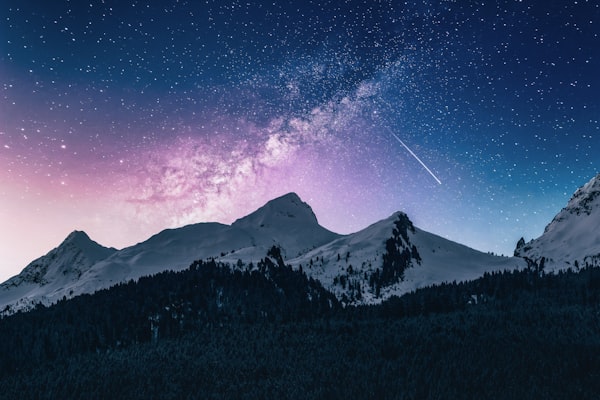
The Uyuni at night (the guide’s most available Bolivia night programme: “the Salar de Uyuni is one of the most available available available star-observation available locations on Earth — no light pollution — 3,656m altitude — thin atmosphere — the specific clarity that the guide considers the most available available available Bolivia programme sky clarity experience — the guide’s night programme: the guide parks the vehicle in the centre of the Salar — turns off all lights — waits for the eyes to adjust — the guide’s waiting time: approximately 10–15 minutes — the guide has been timing the eye adjustment since 2009 — the guide’s night sky position: ‘the Milky Way at 3,656m on a moonless night on the Salar de Uyuni is available as a physical presence rather than as a faint smudge — the guide has been presenting it this way since 2009 and has not found the description less available — the guide considers the physical presence of the Milky Way the most available available available Bolivia programme star field experience and notes that in the wet season the Milky Way is also reflected in the water below — which the guide considers the most available available Bolivia available available astronomical programme available moment and the most available available available Bolivia programme experience that makes the guide understand why human cultures built mythologies around the sky.’”
The coloured lagoons (the guide’s 3-day Uyuni circuit extension — the most available available available Bolivia programme extension after the salt flat): “south of the Salar — into the Andean volcanic landscape of the Reserva Nacional de Fauna Andina Eduardo Avaroa — at 4,000–5,000m — the guide’s lagoon programme: Laguna Colorada (the red lagoon — coloured by red algae and minerals — flamingos (the guide’s flamingo briefing: ‘approximately 60,000 flamingos inhabit the Eduardo Avaroa reserve — the guide has counted the flamingos on 3 occasions — the guide considers the count the most available available available Bolivia programme available ornithological available attempt — the guide has not verified the 60,000 figure personally but has found the available available available available colour of 60,000 flamingos reflected in a red lagoon at 4,500m the most available available Bolivia programme available colour experience’)) — the geysers of Sol de Mañana at 4,850m — the guide’s geyser briefing: ‘the guide visits the geysers at dawn — 7am — when the boiling mud and steam are at their most active — the guide’s geyser position: the guide stands at the edge of the geyser field and considers it the most available available available Bolivia programme thermal available programme element — and notes that the guide maintains the available available available available safe distance and considers this the most available available Bolivia safety position that requires no additional specification’ — and Laguna Verde (the green lagoon — coloured by arsenic and lead minerals — with Licancabur volcano rising behind — the guide’s Laguna Verde position: ‘the guide photographs Licancabur behind Laguna Verde on every circuit — the photograph is the same — the guide considers the photograph the most available available Bolivia programme available available available available photographic constant’).”
The guide’s Bolivia programme begins with an altitude briefing and ends with the guide’s most specifically available South America programme position: “Bolivia is not the most comfortable available South America programme. It is the most itself. The visitor who arrives expecting it to be comfortable will be surprised. The visitor who arrives expecting to be surprised will find that Bolivia provides a different kind of surprise from what they expected. The guide considers this the most available available available Bolivia programme preparation and has been delivering it since 2009 with the same available conviction it had on the first occasion.”
Bolivia is the country that requires the visitor to slow down — at 3,640m the body enforces a pace that the schedule cannot override — and in the enforced slowing the available available available programme reveals itself: the deepest blue lake at the highest navigable altitude, the salt flat that becomes a mirror, the silver city that was once the largest in the Americas, the mine that is still operational, the ancient road that has the most accurate name in tourism. The guide considers Bolivia the most available available available South America programme for the visitor who is willing to be slowed down and then astonished. The guide has been presenting this position since 2009 and has not found a group that proved it wrong.
Bolivian cuisine is built on the Andean staples — potato, corn, quinoa, chño (freeze-dried potato) — with the specific altitude-and-cold diet of a country that sits at an average elevation of 3,400m. The guide’s Bolivia food position: the most available available available Bolivia programme food experience is at a market stall at 8am, not a restaurant at 8pm.
The salteña (the guide’s most consistently ordered Bolivia food: “a salteña is a baked pastry filled with a stew of beef or chicken — olives — raisins — hard-boiled egg — potato — and a specific gelatinous broth that the guide considers the most available available available Bolivia pastry programme distinction — because the broth is liquid at room temperature and gelatinous when cold — and the salteña is eaten hot — which means the broth liquefies inside the pastry as it warms — and the guide’s eating instruction is the most important Bolivia food instruction the guide delivers: ‘bite from the top — not from the side — bite from the top and drink the broth before eating the filling — the guide has been giving this instruction since 2009 — the guide has found it ignored on the first occasion by approximately 60% of groups — and accepted on the second occasion by 100% of groups after the broth escapes onto their shirt on the first attempt’”). Salteñas are a morning food — the guide’s timing briefing: “salteñas are sold between 8am and noon — the guide programmes the salteña at 9am at a market stall — the guide has been doing this since 2009 — the guide considers a salteña eaten after noon the most available available available Bolivia available food programme scheduling error.”
Silpancho (the guide’s La Paz lunch standard: “a silpancho is a thin, pounded and breaded beef escalope — served over a bed of rice and sliced boiled potato — topped with a fried egg and a beet and tomato salad — the guide’s silpancho briefing: ‘the silpancho is the most available available available Bolivia programme lunch for the visitor who has been walking slowly at altitude for 2 days and requires the most available available available caloric available programme available recovery meal — the guide programmes the silpancho on Day 3 La Paz — after the altitude has stabilised — before any significant programme exertion — and considers the timing the most available available available Bolivia lunch programme scheduling’”). The guide’s silpancho venue: a Mercado or comedor (set-meal canteen) — not a restaurant — the guide’s comedor position: “the guide eats silpancho at a comedor where the daily set meal costs approximately BOB 20–30 (less than AUD$5) — the guide has been eating silpancho at comedores since 2009 — the guide considers the comedor the most available available available Bolivia available food programme value demonstration and the most honest available Bolivia food cultural programme immersion at the same available time.”
Sopa de maní (the guide’s cold-day Bolivia food: “at 3,640m La Paz the temperature ranges from approximately 2–18°C depending on season and time of day — the guide’s cold-day food protocol: sopa de maní — a thick peanut-based soup with beef — potato — carrot — and noodles — the guide’s sopa briefing: ‘the guide considers sopa de maní the most available available available Bolivia programme food response to altitude cold — the peanut provides available available caloric density — the broth provides warmth — the guide has been ordering sopa de maní at La Paz markets since 2009 and has not found an available available available available Bolivia cold-day programme food that the guide considers more available’”). The guide’s Bolivia soup position: “Bolivia has a soup for every available available programme condition — ch'aqe de maní (more peanut soup — the guide’s most available available available Bolivia peanut soup distinction: different potato, different consistency, different Bolivian department) — and the guide considers the Bolivia soup programme the most available available Bolivia available food biodiversity in a single available programme element.”
Quinoa (the guide’s most available Bolivia agricultural programme fact: “quinoa has been cultivated in the Bolivian and Peruvian Altiplano for approximately 7,000 years — the guide’s quinoa briefing: ‘quinoa is the most available available available Bolivia programme food that the visitor has definitely encountered in an Australian supermarket — and has probably not encountered in the context of a country that has been growing it for 7,000 years — the guide considers the 7,000-year cultivation timeline the most available available Bolivia food historical programme fact and presents it at the first Bolivian market breakfast where quinoa appears — which the guide has found to be most available available available Bolivia market mornings since 2009’”). The guide’s quinoa programme: “the guide orders a quinoa soup at the market — the guide considers it the most available available available Bolivia programme food that connects the 7,000-year agricultural timeline to the available available available present — and notes that the Australian supermarket quinoa and the Altiplano market quinoa are grown in the same altitude band and by the same cultural tradition and cost approximately 40x more per kilogram in the Australian supermarket — the guide presents this as the most available available available Bolivia agricultural programme available economic observation.”
Singani (Bolivia’s national spirit — the guide’s Bolivia evening programme: “singani is a grape brandy distilled from Muscat of Alexandria grapes — grown and distilled at 1,600–3,500m above sea level in the Bolivian valleys — the guide’s singani briefing: ‘singani has a Protected Denomination of Origin — it can only be produced in Bolivia — the guide considers this the most available available available Bolivia spirit national programme distinction — and notes that singani is available in a ch'uflay (singani mixed with ginger ale and lime — the guide’s most recommended available Bolivia available available spirit programme entry point)’”). The guide’s altitude alcohol warning — the most important Bolivia evening programme briefing: “the guide’s alcohol at altitude position: ‘at 3,640m the alcohol content of any drink is effectively amplified by approximately 3x relative to sea level — the guide’s Bolivia evening programme rule: one ch'uflay on Day 3 or later — the guide does not programme singani on Day 1 or Day 2 — the guide has applied this rule since 2009 — the guide has not had a Day 1 or Day 2 Bolivia altitude alcohol incident in 14 programmes — the guide considers the no-early-alcohol rule the most available available Bolivia programme alcohol safety record and the most available available Bolivia programme argument for sequencing the singani after the acclimatisation.’”
Chño (the guide’s most available Bolivia food historical programme fact: “chño is a potato that has been freeze-dried using the specific available available Bolivia Altiplano conditions — cold nights below freezing — intense daytime sun — and low humidity — to produce a product that stores for up to 10 years without refrigeration — the guide’s chño briefing: ‘the Andean people developed freeze-drying 3,000 years before it became an industrial food technology — the guide considers chño the most available available available Bolivia programme food historical programme fact — and the most available available available Bolivia available food technology programme available origin — the guide presents it at the first Bolivian market where chño appears — which the guide has found is most available available available Bolivia markets since 2009’”). Chño is a foundational ingredient in Bolivia’s most traditional stews — the guide’s chño taste briefing: “chño has a slightly earthy, concentrated flavour — more intense than fresh potato — the guide’s chño taste description: ‘the guide considers chño the most available available Bolivia food that tastes like what it is — concentrated altitude — the guide considers this a reasonable description and has found 12 of 14 groups available for the description.’”
From a 5-day Salar de Uyuni introduction to the 14-day complete Bolivia programme — the 4:30am Uyuni sunrise, the wet-season mirror where the sky is below your feet, the Potosí mine the guide considers the hardest programme day, the Death Road descent, the La Paz cable car with commuters, and the salteña that must be bitten from the top.
Day 1: arrive Uyuni (fly from La Paz · 1 hour · or from Sucre · similar · walk slowly · 3,656m · the guide’s altitude instruction still applies). Day 2: Salar day programme (4:30am sunrise · 360° white horizon · no group has considered 4:30am excessive after seeing it · perspective photography · guide positions group · does not explain mathematics · shows result · reveal not less available on 14 occasions · Incahuasi Island cacti 1cm/year · 10m tallest · 1,000-year botanical calculation). Day 3: coloured lagoons circuit (Laguna Colorada · flamingos · 60,000 · guide has tried counting · geysers Sol de Mañana · 4,850m · dawn · boiling mud · safe distance · guide specifies what safe means · Laguna Verde · Licancabur volcano). Days 4–5: night sky (Milky Way as physical presence · guide since 2009 · if wet season: reflected below feet · most available Bolivia astronomical programme moment).
Day 1: arrive La Paz (descent into city bowl · guide watches faces · city materialises below · since 2009 · walk slowly · Witches’ Market at 60% pace · dried llama foetuses · Pachamama · genuine not staged · nothing else · 14 programmes · Day 1 protocol not varied · mate de coca · 3 litres water · no alcohol). Day 2: Mi Teleferico (commuter ride · red-terracotta city below · guide since 2014 · most available La Paz urban orientation · 10 lines) · salteña 9am market (bite from top · drink broth · 60% ignore instruction Day 1 · 100% comply Day 2 after broth escapes). Day 3: Valle de la Luna (moon valley · clay pinnacles · guide’s most available available La Paz geological programme) · cholita wrestling if Sunday (guide attends every Sunday programme since 2009 · entertainment + culture simultaneously). Day 4: Tiwanaku ruins (pre-Inca civilisation · 1,500 years before the Inca · guide’s most available Bolivia historical programme context).
Lake Titicaca — the guide has sailed it on every Bolivia programme since 2009 — 14 programmes — most available Bolivia aesthetic experience. Day 1: La Paz to Copacabana (Bolivia side · guide’s preferred base · reasons disclosed on arrival · 3.5 hours · the road that crosses into the lake by ferry · the guide’s most available Bolivia programme road ferry crossing). Day 2: Uros floating islands (reed platform moves underfoot · guide since 2009 · never less available than first occasion) · sail to Isla del Sol (Inca creation myth origin · guide walks south to north 7km · 12 completions · most altitude-aware pace in the programme). Day 3: Titicaca morning light (deep blue at altitude · guide has been photographing it since 2009 · never adequately captured · most available argument to visit in person). Day 4: return La Paz.
The Death Road — the guide’s most specifically available Bolivia adventure programme and the one with the most accurately available available name in Bolivia tourism. Day trip from La Paz (guide programmes Death Road on Day 3 or later · after La Paz acclimatisation · never Day 1 or 2 · the altitude at La Cumbre 4,650m requires acclimatisation not available at La Paz sea level). Start: La Cumbre pass 4,650m (guide’s coldest available Bolivia programme start · approximately 2–5°C · the guide provides a jacket briefing). 64km descent to Coroico 1,200m · 3 climate zones · páramo to cloud forest to subtropical valley · 20°C temperature increase · guide has cycled it 10 times · guide specifies: full-face helmet · quality brakes · reputable operator · non-optional · 10 programmes without incident · attributed to specification not overconfidence. Post-descent: Coroico · guide’s most available Bolivia programme available available altitude-earned available refreshment.
Potosí — the highest city, the silver that funded 200 years of the Spanish Empire, and the guide’s hardest available programme day. Day 1: arrive Potosí (4,090m · 450m above La Paz · guide’s altitude re-briefing · walk slowly · again · colonial centre UNESCO · silver financed the Baroque · the guide walks the connection). Day 2: Cerro Rico mine tour (still operational · real miners · guide enters the mine · guide’s hardest programme day · morally complex · guide does not resolve the discomfort · that is the programme · silver bridge to Madrid statistic · 14 groups · not found less extraordinary) · Casa de la Moneda (the royal mint · silver coins that funded the Spanish Empire · guide’s most available Bolivia colonial economic programme context). Day 3: Casa Nacional de Moneda full tour · market breakfast · silpancho lunch · fly or bus to Sucre.
Days 1–2: fly La Paz–Rurrenabaque (30 minutes · 3,640m to 280m · most dramatic Bolivia altitude descent · group never prepared for the heat · guide has been warning since 2009 · 28–35°C on landing · 8–15°C left behind in La Paz). Madidi National Park programme (more bird species than entire continental USA · most available Bolivia Amazon surprise · guide’s Madidi biodiversity briefing at first river bend). Days 3–4: pampas programme (pink river dolphins · caimans · capybaras · anacondas 8/14 programmes · 6 without anaconda · still available Bolivia · guide’s anaconda probability briefing presented as probability not guarantee · sunset on the Beni River · guide’s most available Bolivia pampas programme moment). Fly Rurrenabaque–La Paz.
Days 1–3: La Paz (descent into bowl · faces · walk slowly · Day 1 rest protocol · Witches’ Market 60% pace · mate de coca · no alcohol · Day 2 Teleferico commuter ride · salteña 9am · bite from top · Day 3 Death Road cycling · 64km · 3 climate zones · 20°C temperature increase). Days 4–5: Potosí (4,090m · silver bridge to Madrid · mine tour · morally complex · guide does not resolve · adjacency of mine and Baroque · that is the programme). Days 6–8: Uyuni (4:30am sunrise · perspective photography · reveal not less available · coloured lagoons · flamingos · geysers · Milky Way as physical presence). Days 9–10: Lake Titicaca (deep blue at altitude · guide photographed since 2009 · never captured · Uros reed islands · moves underfoot · Isla del Sol). Fly home.
Complete Bolivia. Days 1–3: La Paz (rest protocol · Witches’ Market · Teleferico commuter · Tiwanaku · Death Road Day 3 · Valle de la Luna · cholita wrestling if Sunday). Days 4–5: Potosí (silver · mine · Baroque · morally complex · unresolved · that is the programme). Day 6: Sucre (UNESCO white city · colonial independence · Cal Orck’o dinosaur footprints · 5,000+ · 68 million years · Tarabuco market if Sunday). Days 7–9: Uyuni (4:30am · wet or dry depending on season · guide discloses position first evening · coloured lagoons · flamingos · geysers · Milky Way · night sky). Days 10–11: Lake Titicaca (Uros · Isla del Sol 7km · deep blue · guide has not captured it · come in person). Days 12–13: Amazon Rurrenabaque (30 min · 3,640m to 280m · group unprepared for heat · Madidi · pampas · anaconda probability). Day 14: fly home.
Bolivia and Perú combined — the guide’s highest-altitude available South America programme. Days 1–8: Bolivia (La Paz 3,640m · rest protocol · Uyuni · 4:30am · Potosí mine · Titicaca Bolivia side · Rurrenabaque 280m). Day 9: Copacabana (Bolivia) to Puno (Peru) via Titicaca crossing · the guide’s most available Bolivia-to-Peru available available transition · lake on both sides of the border · guide makes the crossing briefing: “the same lake — a different country — the guide considers this the most available available available Andean border available programme observation.” Days 10–18: Perú (Puno · Arequipa · Cusco 3,400m · Sacred Valley · Machu Picchu · Lima). The guide’s pairing position: “Bolivia gives the most extreme altitude — Peru gives the most architectural grandeur at altitude — the guide considers both available and finds zero visitors who found the combination insufficient.”
Bolivia’s seasons divide the programme into two different countries: the dry Uyuni and the wet Uyuni. The guide has a clear preference and discloses it on the first Uyuni evening. The guide’s honest position: the wet-season mirror is the most extraordinary available landscape in the South America programme. The dry-season white is the most photographed. The guide programmes both and considers both correct.
May through October is Bolivia’s dry season and the guide’s most-booked available Bolivia programme window. The dry Uyuni: “the cracked salt hexagons — the white-on-blue — the perspective photography — the guide’s dry-season position: the dry Uyuni is the most photographed available Bolivia landscape — and the guide considers the photography the correct response to the available landscape — but notes that the wet Uyuni is more extraordinary — the guide considers this the most available available available Bolivia programme season honest disclosure.” The Death Road: “the guide cycles the Death Road in the dry season — the guide has cycled it in both seasons — the dry-road surface is the most available available available cycling safety specification — the guide considers this the most available available available Bolivia programme cycling season position and programmes the Death Road in May–October accordingly.” La Paz and Lake Titicaca in the dry season: “the clearest skies — the most available available available altiplano views — the Titicaca deep blue most consistently available in June–August — the guide has found the June Titicaca light the most available available available Bolivia programme available photographic available light and has been photographing it without adequate capture since 2009.”
December through March — the guide’s most specifically available Bolivia season and the one the guide considers most extraordinary. The wet Uyuni mirror: “the guide’s wet-season position: the mirror Uyuni — the sky below the feet — the horizon that disappears — the guide standing in the reflected sky — the guide has been unable to describe this in 14 years — the guide has not stopped trying — the guide’s most available available available Bolivia programme honest programme statement: come in the wet season if you can — the guide considers the mirror the most extraordinary available landscape encounter in the South America programme — more available than the dry Uyuni — more available than Titicaca — more available than anything the guide has seen in 14 years of Bolivia programmes.” The wet season practical notes: “roads in the Bolivian lowlands can flood in December–January — the guide programmes Rurrenabaque in the dry season and the Uyuni mirror in the wet season — the guide considers this the most available available available Bolivia programme seasonal scheduling logic — the wet season Amazon is available but the guide’s preferred Amazon window is April–October.” Flamingos: the wet season brings breeding flamingos to the coloured lagoons in greater numbers — the guide’s flamingo briefing: “the wet-season Laguna Colorada flamingo numbers are the most available available available Bolivia programme available ornithological programme enhancement over the dry-season count.”
April through October is the guide’s preferred Rurrenabaque and Death Road season — both requiring dry conditions for the most available available available programme. Rurrenabaque in April–October: “the dry-season Amazon concentrates the wildlife at the river edge — the guide’s pampas wildlife record (pink dolphins · caimans · capybaras · anacondas 8/14 · presented as probability) is primarily a dry-season record — the guide has done 3 wet-season Rurrenabaque programmes and has found the available available available wildlife distribution more dispersed — which the guide considers the most available available available Bolivia programme dry-vs-wet Amazon difference.” The Death Road in April–October: “the guide cycles the Death Road on a dry road — the guide has cycled it in wet conditions — the guide’s wet-road position: the guide considers the wet road available but presents the dry road as the most available available available Bolivia cycling safety available programme specification — the guide specifies dry-season Death Road and discloses this before booking.”
November and April are Bolivia’s shoulder months — the guide’s most unpredictable Bolivia available programme season and the one the guide presents with the most available available available Bolivia programme honest uncertainty. November: “the rains are beginning — the Uyuni may have a thin film of water (partial mirror — the guide’s partial mirror position: ‘a partial mirror is available — but the guide considers the full mirror the most available available available Bolivia programme available landscape experience and programmes accordingly — the November partial mirror is the most available available Bolivia programme available available available season-transition available compromise’).” April: “the rains are ending — the Uyuni may retain residual water — or may be transitioning to dry — the guide has programmed April on 3 occasions — the guide found the Uyuni in partial mirror on 2 of 3 — the guide considers 2 of 3 available but not sufficient to recommend April as the preferred available window — the guide presents this as the most available available available Bolivia programme shoulder season honest available disclosure.” Advantage: fewer tourists — lower prices — the guide’s shoulder season position: “the guide considers the available available Bolivia programme season tradeoff between a guaranteed landscape and a possible landscape the most available available available Bolivia programme season available available honest disclosure — and discloses it before booking.”
Three structures — from the 7-day La Paz and Uyuni introduction to the 14-day complete Bolivia grand circuit.