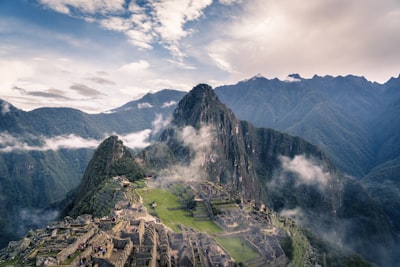
Inca · Machu Picchu · Amazon
🌿 Continent Guide · 12 Countries
The world’s largest rainforest and its driest desert on the same landmass. The longest mountain range on earth — the Andes, 7,000km from Colombia to Patagonia. Stone cities built at 4,000 metres. Glaciers calving into Patagonian fjords at the bottom of the world. South America is the planet’s most geographically extreme continent.
South America at a Glance
Twelve countries, six landscape regions, and a catalogue of natural and cultural superlatives matched by no other continent on earth.
About South America
South America contains the world’s most dramatic catalogue of natural superlatives in a single landmass. The Amazon basin — the largest tropical rainforest on earth at 5.5 million km², home to roughly 10% of all known species — occupies the entire northern interior. The Andes run its western spine for 7,000km, forming the longest continental mountain range on earth; at their northern end, Bogotá sits at 2,600m and Quito at 2,850m; at their southern end, the Torres del Paine towers and the Southern Patagonian Ice Field produce some of the most spectacular trekking landscapes on the planet. The Atacama Desert in northern Chile receives less than 1mm of rain annually in its driest zones. The Iguaçú Falls, straddling the Argentina–Brazil border, are wider than any other waterfall on earth. Antarctica’s nearest neighbour, Tierra del Fuego, is accessible from Ushuaia at latitude 55°S.
Layered over this physical drama is one of the world’s most complex human stories. The Inca Empire — which built Machu Picchu, the Sacred Valley, Ollantaytambo, and 40,000km of royal roads through the Andes without wheeled transport or iron tools — was the largest empire in pre-Columbian history. Its stone citadels, terraced hillsides, and ceremonial centres remain the most compelling archaeological landscape accessible to travellers anywhere in the Americas. The Spanish and Portuguese colonial architecture of Cartagena, Quito (a UNESCO city since 1978), and Buenos Aires forms a second civilisational layer; the African, European, and indigenous cultural synthesis that followed produced cultures of extraordinary vitality: Argentine tango, Brazilian Carnival, Peruvian ceviche, Colombian cumbia.
For Australians, South America is a revelation of value and accessibility. Most countries allow 90 days visa-free. Argentina’s informal exchange rate effectively doubles purchasing power for foreign visitors. Sydney to Santiago is around 14 hours direct on LATAM and Qantas — comparable to a Europe flight via the Gulf. Lima, Santiago, and Buenos Aires are natural gateways with onward connections covering the entire continent.
Cooee Tours Country Guides
In-depth country guides written for Australian travellers — covering visas, flights, best time, essential experiences, and itineraries refined over 35 years of sending Australians to South America.
Inca · Machu Picchu · Amazon
Patagonia · Tango · Wine
Rio · Amazon · Iguaçú
Patagonia · Atacama · Wine

Cartagena · Coffee · Andes
Salt Flats · Titicaca · Altiplano
Galápagos · Quito · Amazon
Punta del Este · Colonia · Wine
Six Distinct Landscapes
South America defies generalisation. The Andean highlands, the Amazon basin, Patagonia, the Atlantic coast, the Atacama Pacific fringe, and the Río de la Plata region are each a fundamentally different travel experience separated by geography as dramatic as any on earth.
⛰ The Andean Highlands
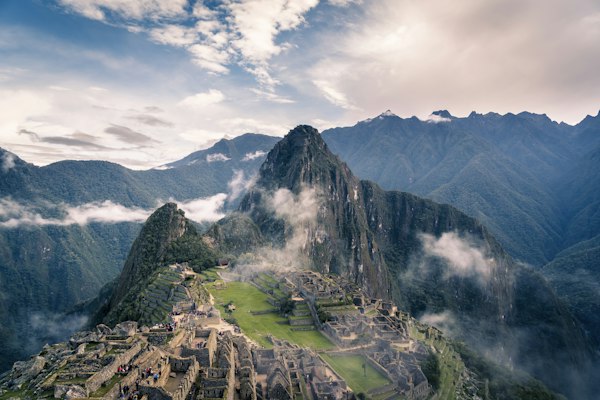
The Andes spine from Colombia to Patagonia is the most archaeologically and culturally significant landscape in the Americas. Peru’s Sacred Valley and Machu Picchu, Bolivia’s Lake Titicaca (3,812m) and Salar de Uyuni (world’s largest salt flat), Ecuador’s Avenue of Volcanoes and UNESCO-listed Quito, and Colombia’s coffee region sit along this 7,000km arc. High altitude is a real constraint — Cusco (3,400m), La Paz (3,600m), and the Uyuni salt flat (3,656m) each require acclimatisation days before any strenuous activity.
Arrive in Cusco at least 2 full nights before any strenuous activity. Altitude sickness (soroche) is real and non-negotiable — no amount of fitness prevents it. Drink coca tea, hydrate, and ascend gradually from the Sacred Valley rather than flying direct from Lima to the citadel.
🌳 The Amazon Basin
The Amazon is the largest tropical rainforest and river system on earth — 5.5 million km² across nine countries, home to 40,000+ plant species, 1,300 bird species, and 3,000 freshwater fish. Brazil’s Manaus is the main gateway, with river lodges along the Rio Negro and Solimões. Peru’s Madre de Dios region (from Puerto Maldonado, accessible from Cusco) and Ecuador’s Napo River lodge circuit offer intimate jungle access. Bolivia’s Pampas near Rurrenabaque is exceptional for wildlife: capybara, caiman, pink river dolphins, anaconda in the wet season.
A minimum 3 nights at a remote jungle lodge delivers genuine wildlife density. Day trips from Manaus rarely do. June–September (dry season) concentrates wildlife around water sources; November–April (wet season) offers the mirror-world flooded forest.
🧪 Patagonia
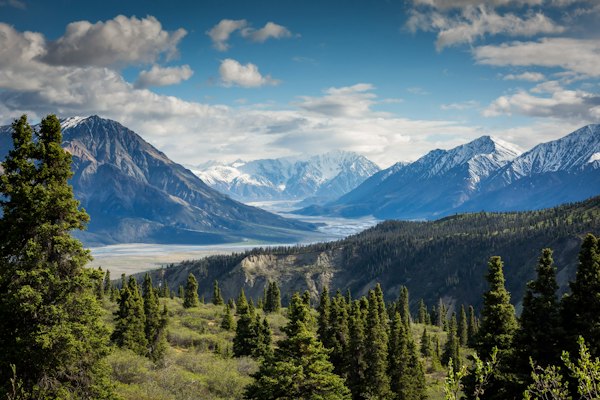
Patagonia — shared between Chile and Argentina — is the southernmost inhabited region on earth and the world’s most dramatic trekking landscape: the granite towers of Torres del Paine, the Perito Moreno glacier calving into Lago Argentino, the Fitz Roy massif above El Chaltén, the 1,460km Navimag ferry through Chilean fjords. The W-Trek in Torres del Paine is South America’s most celebrated multi-day hike. Ushuaia at 55°S is the gateway to Antarctica. Accessible for serious trekking November–March only.
November and March are Patagonia’s sweet spots: fewer hikers, bookable huts, weather only marginally less stable than peak January. December–February Torres del Paine huts sell out 6–8 months ahead — book through Vertice Patagonia and Las Torres the day each booking window opens.
🌊 The Atlantic Coast
Brazil’s 7,500km Atlantic coast contains the continent’s most famous city — Rio de Janeiro (Sugarloaf, Cristo Redentor, Copacabana, Ipanema, Carnival) — plus the colonial UNESCO city of Salvador, the beach capital Florianópolis, and the extraordinary Iguaçú Falls on the Argentine border. São Paulo — South America’s largest city — has a restaurant and arts scene that rivals any globally. Uruguay’s coast, anchored by Montevideo and Punta del Este, adds a quieter counterpoint.
Rio Carnival (late February / early March) is one of the world’s great cultural events — but accommodation books out 8–12 months ahead at triple prices. The free neighbourhood street blocos are often more memorable than the Sambódromo grandstands.
🥩 The Pampas & Río de la Plata
The Pampas — the vast, fertile grasslands of central Argentina and Uruguay — produced the wealth that built Buenos Aires, one of the world’s most culturally dense cities. Recoleta, Palermo, San Telmo; tango milongas; Mendoza’s Malbec region in the Andean foothills; estancias (working cattle ranches, most open for tourist stays). Uruguay’s Montevideo, three hours by ferry across the Río de la Plata, is one of South America’s most liveable and undervisited cities — compact, safe, and with excellent wine and food culture.
Argentina’s informal dollar exchange (the “blue dollar”) effectively gives Australian travellers significantly more purchasing power than the official rate. Carry crisp USD or use Wise to transfer AUD→USD, then exchange at a reputable casa de cambio on arrival. This single tip transforms the budget calculus of the entire trip.
🐢 The Pacific Islands & Atacama
Ecuador’s Galápagos Islands — Darwin’s living laboratory, with extraordinary levels of endemism, animals with no fear of humans — remain the world’s most significant wildlife destination. Giant tortoises, marine iguanas, blue-footed boobies, and Galápagos penguins are reliably encountered on walks and snorkel tours. On the mainland, Chile’s Atacama Desert (base: San Pedro de Atacama) offers active geysers, flamingo-dotted mineral lakes, lunar lava landscapes, and some of the world’s finest stargazing — at altitude, in zero humidity, with no light pollution in any direction.
Galápagos visitor numbers are strictly controlled. All visitors must travel with a licensed naturalist guide; certain islands have daily caps. Pre-book a licensed multi-day boat circuit through a certified operator (Metropolitan Touring, Ecoventura, Silversea Expeditions) 3–4 months ahead.
The Iconic Inca Experience
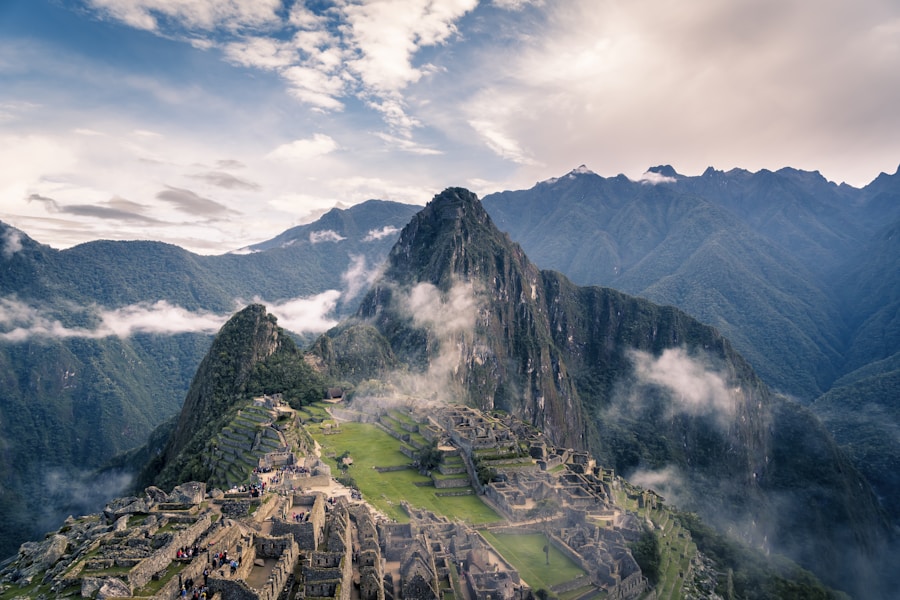
Machu Picchu is the most visited archaeological site in the Americas — a stone citadel built at 2,430m in the 15th century, abandoned, and lost to the outside world until 1911. This is everything you need to do it properly.
🏢 Gateway City · Acclimatisation
Cusco — the former capital of the Inca Empire, Qusqu (“navel of the world”) — is one of South America’s most compelling cities in its own right. The UNESCO-listed centre layers Inca stone foundations (the massive polygonal masonry of Coricancha Temple, the Sacsayhuamán fortress complex) beneath Spanish colonial churches. The Plaza de Armas, San Blas artisan quarter, and San Pedro Market are essential. The primary purpose of 2–3 nights before Machu Picchu is altitude acclimatisation — arriving at 3,400m and attempting the Inca Trail the following morning will produce incapacitating altitude sickness for most people regardless of fitness.
Drink coca tea from arrival — universally available in Cusco hotels and genuinely aids altitude adjustment. Avoid alcohol for the first 24 hours. Eat light. The altitude is serious: Cusco receives medical evacuations annually from tourists who underestimate it.
🏛 Sacred Valley · Lower Altitude Base
The Sacred Valley of the Urubamba River contains some of the Inca Empire’s finest surviving sites and makes an excellent base before Machu Picchu — at 2,800m, lower and more comfortable than Cusco. Ollantaytambo — the only Inca town still lived in by descendants of original inhabitants — has a Sun Temple begun by Pachacuti and the finest surviving Inca military terracing outside Machu Picchu. The circular terraces at Moray (a probable agricultural experiment station where the concentric rings create temperature differentials from rim to base) and the Maras salt evaporation pans (3,000+ individual pools in use since pre-Inca times) are extraordinary combined in a single afternoon.
Stay one night in Ollantaytambo rather than returning to Cusco — it is the departure point for the Vistadome train to Aguas Calientes and has a magical quality at night after day-trippers leave.
🚉 Train Journey · Gateway Village
Aguas Calientes (Machu Picchu Pueblo) is accessible only by train or the Inca Trail on foot — there are no roads. The town sits at the bottom of a steep jungle canyon; its purpose is to be your base for the citadel visit. The Machu Picchu shuttle bus runs from the plaza starting at 5:30am (first departure). Staying overnight allows you to arrive at the gate before the train-day-trippers arrive at 10am — a transformation of the experience so significant that it cannot be overstated. The hot springs pools (from which the name derives) are a welcome warm soak after a day at altitude.
🌏 The Citadel · Dawn Entry
Machu Picchu was built c.1450 AD by Inca emperor Pachacuti as a royal estate and religious centre, abandoned without Spanish knowledge, and its existence unknown to the outside world until Hiram Bingham III’s 1911 expedition. The citadel contains 150+ structures: the Temple of the Sun (finest Inca stonework), the Intihuatana stone (ritual sundial / astronomical calendar), the Temple of the Three Windows. The morning light on the citadel — mist burning off surrounding peaks, stone structures emerging from grey shadow into gold — is one of the world’s truly cinematic natural moments. Arrive on the first bus at 5:30am to experience it before the full crowds at 10am.
Machu Picchu entry is strictly timed and capped. Book through machupicchu.gob.pe at least 2–3 months ahead (5–6 months for July–August peak). Choose the earliest entry slot. Hire a licensed guide at the gate. Bring a poncho — afternoon rain is common even in dry season.
🧎 The Alternative Approach · 4-Day Trek
The Classic Inca Trail is the most sought-after multi-day trek in the Americas — four days on original Inca stone road through cloud forest and alpine tundra, passing four additional Inca archaeological sites before the final dawn arrival at the Sun Gate (Inti Punku) with Machu Picchu spread below in the mist. Physically demanding: Day 2 (“the Big Pass”, Dead Woman’s Pass at 4,215m) gains and loses around 1,200m at altitude. Permits: only 500 people total per day (including guides and porters), sold only through licensed operators, typically selling out for July–August in January–February of the same year.
If the Classic Trail is booked out: the Salkantay Trek (5 days, beneath the Salkantay glacier at 4,600m, no permit cap, equally dramatic) and the Lares Trek (3–4 days through traditional Andean villages, ends with a train to Aguas Calientes) are the two best alternatives.
The End of the World
Patagonia is the world’s most dramatic trekking destination — a shared landscape of granite towers, blue glaciers, howling winds, and southern ocean fjords that has drawn explorers and travellers since Bruce Chatwin published In Patagonia in 1977.
🇨🇱 Chile · The Crown Jewel
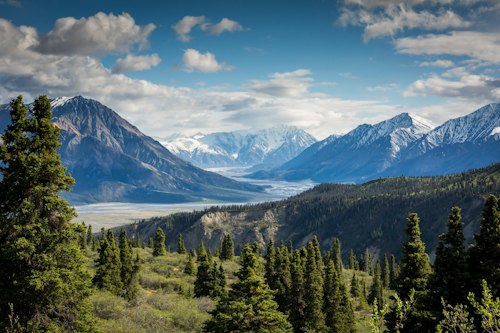
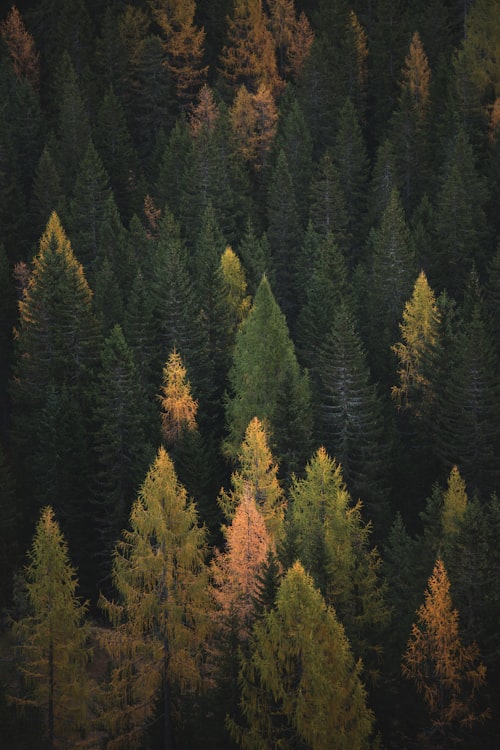
Patagonia’s centrepiece — a national park containing the Paine Massif, culminating in the three Torres (granite towers) rising approximately 2,500m above the Patagonian steppe. The W-Trek (4–5 days, ~80km) passes the Grey Glacier, Valle del Francés, and the Mirador Las Torres at dawn. The full O-Circuit (8–9 days) adds the remote eastern side with far fewer hikers. The park is accessible November–March for trekking; peak season (January) requires hut booking 6–8 months in advance through Vertice Patagonia and Las Torres reserve systems.
Season
Nov – March
W-Trek
4–5 days, ~80km
Gateway
Puerto Natales
Hut booking
6–8 months ahead
Book W-Trek huts through Vertice Patagonia and Las Torres reserve systems the moment each operator’s booking window opens (typically 6–8 months before peak season) — popular January dates fill within hours.
🇦🇷 Argentina · The Climbers’ Town
El Chaltén is Argentina’s trekking capital — a small village in Los Glaciares National Park built around access to the Fitz Roy massif. For non-climbers, the free day-hikes to Mirador Fitz Roy (Laguna de los Tres) and Laguna Torre (no park entry fee, no booking required) are among the finest mountain walks in the world. The Fitz Roy circuit (~20km, 1,000m+ ascent) delivers iconic spire views at zero cost. The town has excellent food and gear shops; it is South America’s finest-value adventure base. Combines naturally with Perito Moreno Glacier (3hrs south) and an El Calafate airport flight.
Season
Nov – April
Day hikes
Free · No booking
Gateway
El Calafate (3hrs)
Difficulty
Moderate
Start the Mirador Fitz Roy hike by 7am to reach the viewpoint before mid-morning clouds settle around the summit. The mountain is fully clear on only a fraction of days even in summer — plan multiple mornings if possible.
🇦🇷 Argentina · The Stable Glacier
The Perito Moreno Glacier is one of South America’s genuinely extraordinary natural spectacles. A 250km² tongue of blue-white ice calving continuously into Lago Argentino, with a constant low thunder and periodic cannon-crack explosions as house-sized ice blocks collapse into turquoise water. Unusually for major glaciers globally, Perito Moreno has been broadly stable rather than retreating significantly — it advances and calves at a roughly matching rate. Accessible from El Calafate (~80km, 1hr drive), with multi-level boardwalks along the ice face and boat tours within a safe distance of the calving face. Periodically, ice bridges form and spectacularly rupture.
Season
Year-round
Gateway
El Calafate (1hr)
Ice trek
Available (2hrs)
Calving
Year-round
Allow a full day — arrive at 8am (boardwalks open) for soft morning light and empty walkways, spend 2–3 hours watching and listening, then join the afternoon ice-trekking tour (Big Ice or Mini Trekking) directly onto the glacier surface. Pre-book ice trekking for January–February.
🇨🇱 Chile · The Southern Crossing
The Navimag ferry is one of South America’s great journey experiences — a working cargo-passenger vessel travelling around 1,460km through Chilean fjords from Puerto Montt to Puerto Natales over 3–4 nights, passing uninhabited channels and waterfalls before the open Pacific crossing to the south. Meals included; a bar; spectacular scenery the entire way. It is the most logical way to travel north–south Patagonia without flying, and the finest way to experience the Chilean fjord system’s true scale from sea level.
Duration
3–4 nights
Route
Puerto Montt → Natales
Season
Year-round (weekly)
Cabin from
~USD 350
Book private-bathroom cabin classes 2 months ahead in peak season — worth the upgrade over dormitory for a 3-night crossing. Bring seasickness medication: the Golfo de Penas can be rough in any season.
🇦🇷 Argentina · The World’s End
Ushuaia at latitude 54°48’S is widely described as the world’s southernmost city — the end of the Pan-American Highway and the principal departure point for Antarctic expedition cruises. The Tierra del Fuego National Park (accessible by bus or the End of the World Train) has beech forest hikes and Beagle Channel shore walks with Magellanic penguins. The Beagle Channel cruise to the Les Éclaireurs lighthouse sea lion colony is the main activity from the waterfront. Fly from Buenos Aires in roughly 3.5 hours.
Latitude
54°48’S
Antarctica departs
Nov – March
Fly from
Buenos Aires (3.5hrs)
Nov avg temp
~9°C
🧪 The Ultimate Extension
Expedition cruises depart Ushuaia for the Antarctic Peninsula November–March (austral summer), crossing the Drake Passage in around 2 days to reach the world’s last true wilderness: penguin colonies, humpback whales, zodiac landings on volcanic black beaches flanked by glaciers, and 24-hour December daylight. Expedition cruise prices range A$12,000–35,000+ per person for a 10–12 day voyage. For travellers with the Galápagos, Patagonia, and Machu Picchu already on the list, Antarctica is the logical completion of a South American grand tour.
Season
Nov – March
Duration
10–12 days
Departs
Ushuaia, Argentina
Price from
~A$12,000 pp
Book Antarctica expeditions 12–18 months ahead for best cabin selection. Major operators: HX (formerly Hurtigruten Expeditions), Quark Expeditions, Aurora Expeditions, Ponant. Last-minute deals exist but rarely on the departure dates or cabin grades you want.
Multi-Country Itineraries
South America’s distances are enormous — Brazil alone is larger than continental Europe. These itineraries focus on geographic coherence, pairing the continent’s greatest highlights in circuits that minimise backtracking and maximise contrast.
⌛ 14 Days · The Andean Classic
Lima, Peru — Arrive, Miraflores cliff walk, Central (world-ranked restaurant), Larco Museum, Barranco. Fly Cusco.
Cusco & Sacred Valley — Acclimatise, Coricancha, Sacsayhuamán, Sacred Valley, Moray & Maras. Overnight Ollantaytambo. Train to Aguas Calientes.
Machu Picchu — First bus 5:30am, guided citadel tour, Huayna Picchu or Sun Gate hike. Return Cusco, fly Puno/Juliaca.
Lake Titicaca — Uros floating reed islands, Taquile Island overnight homestay. Bus Copacabana, Bolivia. Onward to La Paz.
Uyuni, Bolivia — Internal flight to Uyuni. 2-day salt flat jeep circuit: sunrise reflections, Isla Incahuasi, flamingo lagoons, geysers at 5am. Fly Buenos Aires.
Buenos Aires — Recoleta, San Telmo, La Boca, tango milonga, asado dinner. Optional Tigre Delta or Mendoza wine day trip. Fly home.
⌛ 14 Days · The Southern Circuit
Buenos Aires — Arrive, city orientation, tango show. Fly El Calafate.
Perito Moreno Glacier — Full day at the glacier: boardwalk circuit, calving viewing, afternoon ice-trekking tour. El Calafate base.
El Chaltén — Bus 3hrs. Laguna Torre hike (Day 1), Mirador Fitz Roy early start (Day 2). Cabin or hostel base.
Torres del Paine W-Trek — Transfer Puerto Natales, shuttle to park. Grey Glacier → Valle del Francés → Mirador Torres at dawn. Refugio huts (pre-booked).
Puerto Natales & Recovery — Rest day, local estancia visit, seafood dinner. Onward north toward Puerto Montt.
Lake District & Santiago — Osorno Volcano, Lago Llanquihue, Frutillar lakeside. Fly Santiago, fly home.
⌛ 21 Days · The Grand Tour
Rio de Janeiro — Sugarloaf, Cristo Redentor, Ipanema, Lapa samba, Ilha Grande overnight ferry.
Iguaçú Falls — Fly Foz do Iguaçu: Brazilian side overview, Argentine side walkways, Devil’s Throat boat approach. Fly Lima.
Lima, Cusco & Sacred Valley — Lima 1 night (Miraflores, ceviche at La Mar). Fly Cusco: 2 nights acclimatisation, Sacred Valley, Ollantaytambo.
Machu Picchu — Train Ollantaytambo, overnight Aguas Calientes, dawn citadel visit. Return Cusco, fly La Paz.
Bolivia — La Paz & Uyuni — La Paz altitude city tour (Valle de la Luna, Witches’ Market). Flight to Uyuni. 2-day salt flat jeep circuit.
Buenos Aires — Fly from La Paz. Recoleta, Palermo Soho, tango milonga. Optional Mendoza wine day trip.
Patagonia — Fly El Calafate. Perito Moreno full day. El Chaltén Fitz Roy hike. Fly Santiago, fly home.
What to Do
A continent of extremes. These are the experiences that define it.
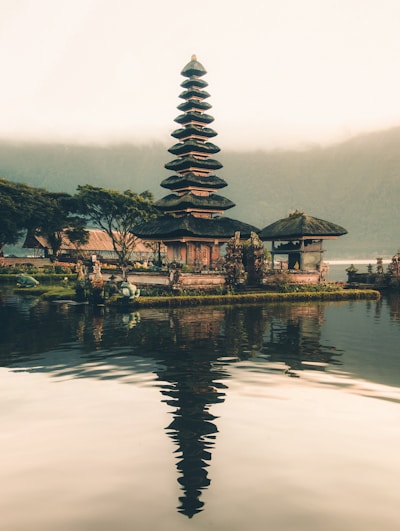
The world’s largest annual festival — the Sambódromo parade (samba schools of 3,000–4,000 performers) and hundreds of free street blocos. Late February or early March; accommodation books 8–12 months ahead at triple prices.
Feb–March · Book 8–12 months ahead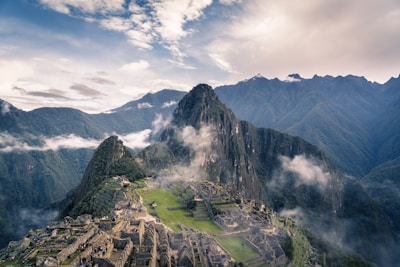
Arriving at the gate on the first bus at 5:30am, before the day-trippers arrive at 10am, is one of the truly cinematic travel experiences on earth. The mist burning off surrounding peaks, stone structures emerging into golden light, silence and scale.
Year-round · Pre-book mandatory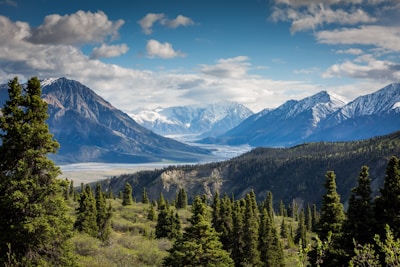
Four to five days passing the Grey Glacier, Valle del Francés with hanging glaciers and soaring condors, and the final dawn climb to Mirador Las Torres above a glacial lake — the finest combination of challenge, beauty, and remoteness on a marked trail anywhere on earth.
Nov–March · Book huts 6–8 months ahead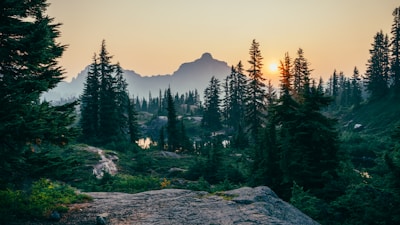
Three nights at a remote Amazon lodge — dawn canoe excursions, canopy walkways 30m above the forest floor, guided night walks for caimans and tarantulas. The Amazon’s wildlife requires going in deep, slowly, with a guide who knows where to look. Minimum 3 nights for genuine density.
Year-round · Dry season (Jun–Sep) best
10,582 km² of pure white salt crust at 3,656m. In the wet season (Nov–April) it transforms into a perfect mirror reflecting the sky — walking on clouds. The dry season delivers vivid hexagonal salt patterns. The circuit adds flamingo lakes, geysers at 5am, and multicoloured mineral lagoons.
Year-round · Nov–April for mirror
18 major islands where extraordinary endemism means species exist nowhere else on earth, and animals evolved with no human predators have no fear of you. Giant tortoises, marine iguanas, blue-footed boobies, Galápagos penguins past your snorkel mask.
Year-round · Licensed guide mandatory
Tango was born in late 19th-century Buenos Aires — a synthesis of Argentine, European immigrant, and African threads now UNESCO Intangible Heritage. A milonga in San Telmo is where tango’s soul lives. Take an afternoon beginner lesson, go to a milonga in the evening.
Year-round · Buenos Aires
One of the finest colonial cities in the Americas — a UNESCO walled city on the Caribbean coast, cobblestone streets, bougainvillea balconies, and the Castillo San Felipe de Barajas fortress extraordinarily preserved. The natural Colombia gateway, connecting to Medellín and the Coffee Region.
Year-round · Dec–April driestWhen to Travel
South America spans from the equator to 55°S — seasons are inverted from Australia’s, highly regionalised, and in some zones determined by wet/dry rather than hot/cold.
November – March
The only window for serious Patagonia trekking. All trails open, refugio huts staffed, ferries operational. November and March are sweet spots — fewer hikers, slightly lower prices. Antarctica expeditions from Ushuaia depart this window only.
May – October
Peru’s highlands have two seasons: dry (May–October) and wet (November–April). The dry season is optimal for Machu Picchu and the Inca Trail. June–August is peak. May and September are the finest months — dry season with slightly fewer visitors. Inca Trail closes February for maintenance.
December – March
Hot, humid, afternoon thunderstorms — but also Carnival and Rio beach culture peak. The Amazon is in high-water wet season (flooded forest canoe experiences, lower wildlife density). June–September is the drier, cooler season for Rio and São Paulo, and the best Amazon wildlife window.
Two distinct seasons
Extraordinary in both seasons for completely different reasons. Wet (Nov–April): the salt flat floods to a thin film of water, mirroring the sky. Dry (May–October): hexagonal salt crust patterns, brilliant blue sky, peak flamingo concentrations on surrounding lagoons.
Region by Month
Quick lookup of when each major region works best. Best conditions shown in green; possible (with trade-offs) in amber; avoid in red.
| Region | Dec–Feb | Mar–May | Jun–Aug | Sep–Nov |
|---|---|---|---|---|
| Patagonia (Torres del Paine, Fitz Roy) | Best · Peak | Mar good | Avoid · Closed | Nov good |
| Machu Picchu & Cusco | Wet, possible | Apr–May good | Best · Dry | Sep–Oct best |
| Amazon (Brazil, Peru, Ecuador) | High water | Possible | Best · Wildlife | Sep–Oct best |
| Salar de Uyuni | Mirror · Wet | Possible | Hexagons | Possible |
| Rio & Brazilian coast | Best · Carnival | Quieter | Dry, cooler | Possible |
| Buenos Aires | Hot | Best · Mild | Cool, dry | Best · Spring |
| Atacama Desert (Chile) | Year-round | Year-round | Cold nights | Year-round |
| Galápagos Islands | Warm wet | Mar–Apr peak | Cool dry, mist | Cool, marine |
| Cartagena & Caribbean Colombia | Best · Dry | Apr wet | Wet, warm | Wet |
From Australian Travellers
A small selection from the more than 50,000 Australian travellers we’ve helped. Full reviews on Google, TripAdvisor, and Product Review.
Cooee booked the first-bus Machu Picchu entry, the Inca Trail permits ten months ahead, and a quiet Sacred Valley hotel for acclimatisation. Standing at the Sun Gate at sunrise on day four of the Trail was the single most powerful travel moment of my life.
14-day Andean Classic. Cusco acclimatisation was non-negotiable and we were grateful for two nights before the Sacred Valley. Uyuni at sunrise on the wet salt flat was unreal. Cooee organised the connecting internal flights perfectly.
Patagonia in November was the right call — significantly fewer hikers than peak January. Mirador Las Torres above the glacial lake at first light made every step of the previous four days worth it.
Common Questions
The questions we’re asked most often by Australians planning their first South America trip.
Minimum 14 days, ideally 21. Distances are enormous — Brazil alone is larger than continental Europe. 14 days covers one major region (Andean Classic Lima–Buenos Aires, or Patagonia deep south). 21 days lets you combine Rio, Machu Picchu, and Patagonia coherently.
Mostly no — but check current requirements before booking. Australian passport holders typically receive 90 days visa-free for tourism in Argentina, Brazil, Chile, Peru, Bolivia, Colombia, Ecuador, and Uruguay. Some countries (notably Bolivia historically) have introduced and removed visa requirements multiple times. Always confirm with the relevant embassy or DFAT’s Smartraveller (smartraveller.gov.au) within 30 days of departure.
Inca Trail: 5–6 months ahead minimum; Machu Picchu citadel: 3–4 months. Inca Trail permits are capped at 500 total people per day (including guides and porters) and sell out for July–August in January–February of the same year. Machu Picchu citadel entry is timed and capped — the earliest slots disappear first.
Acclimatise gradually — fitness has nothing to do with it. Spend 2 full nights in Cusco (3,400m) before any strenuous activity, or spend 1–2 nights in the Sacred Valley (2,800m) first. Coca tea, hydration, no alcohol for 24 hours. Diamox (acetazolamide) is widely used as a pharmacological aid — consult your GP before departure.
Helpful but not essential. English coverage in tourist areas (Cusco, Buenos Aires city centre, Rio, Santiago, Cartagena) is generally adequate. Brazil is Portuguese-only — Spanish helps you read signs but won’t be understood spoken. Google Translate (offline language packs downloaded before departure) handles most situations adequately.
Generally yes, with country-specific awareness. Tourist zones in Peru, Argentina, Chile, Uruguay, Colombia (Cartagena, Medellín, Bogotá), and Brazil’s major cities are safe with normal urban precautions. Petty theft is the most common issue — never display valuables, use hotel safes, take registered taxis. Review smartraveller.gov.au for current country-specific guidance.
For a 14-day mid-range trip, expect AUD $7,000–12,000 per person. Roughly: return flights $1,800–2,800, accommodation $180–320/night, internal flights $800–1,500, meals $80–130/day, tours $1,500–2,500. Argentina’s blue-dollar rate can reduce in-country costs significantly. Antarctica adds A$12,000+. Galápagos adds A$3,500+.
For wildlife enthusiasts, yes — nowhere else compares. A 5–7 night licensed boat circuit (Metropolitan Touring, Ecoventura, Silversea) is the optimal way — visiting outer islands inaccessible from land bases. Land-based tours from Santa Cruz are cheaper but cover far less.
If budget allows and Patagonia is already on the list, yes. Expedition cruises depart Ushuaia November–March only. The 10–12 day voyage costs A$12,000–35,000+. Book 12–18 months ahead through HX (formerly Hurtigruten Expeditions), Quark, Aurora, or Ponant.