Squeezed between Argentina and Brazil, Uruguay is the small, prosperous, deeply civilised country that South America’s neighbours undersell. UNESCO Colonia, world-class beach culture at Punta del Este, the Atlantic wildness of Cabo Polonio, Tannat wine country, gaucho estancias on the pampas, and the world’s longest carnival — all in a country smaller than Victoria.
UNESCO colonial cobblestones, Atlantic surf, Tannat vineyards, gaucho ranches, and one of the world’s great beach resorts — all in a country small enough to drive across in a day.
Colonia del SacramentoUNESCO · Founded 1680La Mano, Punta del EsteIconic Beach SculptureCasapueblo, Punta BallenaCarlos Páez VilaróMontevideo Rambla22km Urban WaterfrontGaucho EstanciasPampas Ranch CultureTannat Wine CountryBodegas Bouza, Garzón & Carmelo
About Uruguay
The Country South America’s Neighbours Quietly Envy
Uruguay is the smallest Spanish-speaking country in South America — around 3.5 million people in a temperate, gently rolling landmass smaller than the state of Victoria. It is also, by most measures that matter, the most stable, prosperous, and liveable. Uruguay consistently tops Latin American rankings for press freedom, democratic strength, peace, and quality of life. It legalised same-sex marriage and abortion in 2012–13, regulated cannabis nationally in 2013, and has run on close to 100% renewable electricity since 2017. The historical nickname “the Switzerland of South America” is overstated, but the underlying observation isn’t wrong.
The country sits where the Río de la Plata meets the Atlantic, and that geography defines it. The west is the litoral — flat, river-fed, and home to the UNESCO colonial city of Colonia del Sacramento (founded by the Portuguese in 1680, the oldest town in Uruguay) and the wine villages of Carmelo. The south is dominated by Montevideo, the capital, with its 22km Rambla waterfront, the elegant Ciudad Vieja, and the Mercado del Puerto where parrilla wood-fired beef is the daily ritual. The east is the famous beach coast: glamorous Punta del Este with its iconic La Mano sculpture (Mario Irarrázabal, 1982), the architectural fantasy of Casapueblo, exclusive José Ignacio, then a wilder Atlantic frontier through Punta del Diablo to remote Cabo Polonio, accessible only by 4WD across dunes and home to the country’s largest sea lion colony. The interior is gaucho country — working estancias, thermal springs at Salto and Daymán, and the heritage town of Tacuarembó.
For Australians, Uruguay pairs naturally with Argentina or as a small, easy standalone trip. The Buquebus ferry from Buenos Aires reaches Colonia in around an hour and Montevideo in 2.5–3 hours — one of the most scenic country-hop ferry journeys in the world. The country is safe, the food is exceptional (especially beef and Tannat wine), and the scale is forgiving: 5 days covers the headline highlights and 10 days covers the country comfortably.
From the Litoral to the Atlantic
Uruguay by Region
Six distinct regions across a small country — the cobblestones of the Litoral, the capital city around the Plata estuary, the famous beaches of the southeast, the wild Atlantic of Rocha, the wine country of Canelones, and the gaucho interior.
🏙 Region 1 of 6
Montevideo & Metropolitan
The capital and home to roughly half of all Uruguayans — a low-slung, walkable, deeply liveable city built around the 22km Rambla waterfront promenade. Ciudad Vieja (the old town) wraps around Plaza Independencia and the Solis Theatre; the Mercado del Puerto is the daily ritual for parrilla and chivito; Estadio Centenario in Parque Batlle is a working football pilgrimage (host of the first World Cup, 1930). Pocitos and Punta Carretas are leafy modern neighbourhoods along the river.
Ciudad Vieja
Mercado del Puerto
Rambla
Centenario
Walk the Rambla at sunset from Pocitos to Punta Carretas — locals come out to drink mate, jog, and watch the Plata turn copper. It is the quintessential Montevideo experience and free.
🏚 Region 2 of 6
Colonia & the Litoral
The western Río de la Plata coast: cobblestone Colonia del Sacramento (UNESCO since 1995, founded 1680 by the Portuguese, the oldest town in Uruguay) is the obvious anchor — an entire historic quarter of bougainvillea-draped lanes, the lighthouse, the Plaza Mayor and Calle de los Suspiros. Carmelo, an hour’s drive north, is wine country and the gateway to Bodega Narbona and Bodegas Bouza. Mercedes and the Río Negro extend the litoral inland.
Colonia del Sacramento
Carmelo
Mercedes
Bouza
Stay one night in Colonia rather than day-tripping from Buenos Aires — the old town empties of ferry crowds after 6pm and the cobblestones at sunset, with the lighthouse beam sweeping the river, are why people fall in love with Uruguay.
🌪 Region 3 of 6
Maldonado & Punta del Este
The famous beach coast and Uruguay’s glamorous summer capital. The Punta del Este peninsula divides Playa Mansa (calmer Río de la Plata side) from Playa Brava (rougher Atlantic side, where Mario Irarrázabal’s 1982 sculpture La Mano emerges from the sand). Around the headland: Punta Ballena and Carlos Páez Vilaró’s extraordinary white-sculpted Casapueblo (sunset is non-negotiable). Twenty minutes east is José Ignacio — a smaller, more discreet, more expensive beach village beloved by Argentine and Brazilian celebrities and the resident lighthouse.
Punta del Este
Casapueblo
José Ignacio
La Mano
High season is December–February — this is when half of Argentina arrives and prices peak. Late November or March deliver the same beaches with bookable restaurants, lower prices, and pleasant water temperatures.
🌊 Region 4 of 6
Rocha & the Atlantic Coast
East of Punta del Este the coast turns wilder and stranger. La Paloma and La Pedrera are quieter beach towns; Punta del Diablo is bohemian-rustic with shipwreck wood architecture and surf; Santa Teresa National Park has a restored 18th-century Portuguese-Spanish fortress in beachfront forest. Cabo Polonio is the unmissable: a tiny off-grid village inside a national park, accessible only by special 4WD vehicles across rolling dunes, no electricity grid, sea lion colonies barking from the rocks beneath the lighthouse.
Cabo Polonio
Punta del Diablo
Santa Teresa
La Pedrera
Cabo Polonio is officially accessible only by the licensed 4WD vehicles that depart from the highway entrance car park. There is no road in. Pack an overnight bag and stay one night — the Milky Way without grid electricity is one of those things you do once and remember always.
🍷 Region 5 of 6
Canelones Wine Country
Wine country starts almost the moment you leave Montevideo. Canelones, the department immediately north of the capital, holds the bulk of Uruguay’s wineries — Bodegas Bouza is the famous one (boutique production, on-site restaurant, 30 minutes from downtown). Tannat is the signature varietal: deeply tannic, robust, thick-skinned — originally a Madiran grape from southwest France that found ideal expression in Uruguayan soils. Bodegas Garzón (closer to Punta del Este, in Maldonado) is the modern showpiece — world-ranked, with restaurant and accommodation.
Bouza
Garzón
Tannat
Canelones
Bouza’s long lunch with paired flight is the single best half-day in the wine country — book ahead. Garzón is the more cinematic estate but a longer trip; pair it with a Punta del Este stay rather than as a Montevideo day trip.
🥩 Region 6 of 6
The Interior — Gaucho Country
Inland Uruguay is rolling pampas, working cattle ranches, and the most genuine gaucho culture in South America. Tacuarembó is the heritage capital with its Carnaval del Norte and the gaucho festival every March. Salto and the Daymán thermal springs (a string of natural hot pools popular with Uruguayan families) sit on the Argentine border in the northwest. Estancia stays — working ranches that take overnight guests — are the most genuine cultural experience in the country: horse rides, parrilla dinners, and complete silence at night.
Tacuarembó
Salto / Daymán
Paysandú
Estancias
A working estancia near Tacuarembó or in central Uruguay (Cerro Largo, Florida, Lavalleja) is the tour Australians most consistently rate as their favourite single Uruguay experience — and it’s rarely on first-trip itineraries.
Curated by Cooee Tours
16 Uruguay Tours & Experiences
Sixteen experiences covering the cultural, culinary, and landscape essentials of Uruguay — from UNESCO Colonia at sunset to a working estancia in the interior, with sea lions, Tannat, and the world’s longest carnival in between.
UNESCO
Colonia del Sacramento UNESCO Day Tour
The historic Portuguese-Spanish quarter on foot — Calle de los Suspiros, Plaza Mayor, the lighthouse, the Bastion del Carmen. UNESCO since 1995. Stay overnight if at all possible; the cobblestones empty after the ferry crowds leave.
Colonia
City Walk
Montevideo Old City Walking Tour
Ciudad Vieja on foot: Plaza Independencia, the Salvo Palace, the Solis Theatre (1856), and the Plaza Constitucion. Ends at the Mercado del Puerto for parrilla. The most efficient introduction to Uruguay’s capital.
Montevideo
Food & Wine
Mercado del Puerto Asado & Tannat Lunch
Uruguay’s daily ritual: lunch at one of the wood-fired parrilla counters inside the 1868 iron-and-glass Mercado del Puerto, paired with a glass of Tannat. Standing-counter or stool-seating; the smoke is part of the experience.
Montevideo
Football
Estadio Centenario & Football Heritage
The stadium that hosted the first FIFA World Cup final in 1930 — Uruguay 4, Argentina 2 — with on-site Football Museum. For Australians, the cultural weight of the Maracanazo (Uruguay’s 1950 World Cup defeat of Brazil at the Maracanã) is genuinely instructive.
Montevideo
Sunset
Casapueblo Sunset (Carlos Páez Vilaró)
The white-sculpted Mediterranean fantasy that Uruguayan artist Carlos Páez Vilaró built into a Punta Ballena cliff over decades. Sunset terrace ceremony with the artist’s recorded poem — daily, year-round, completely unmissable. Allow time for the on-site museum.
Punta Ballena
Beach
Punta del Este Beaches & La Mano
The peninsula on foot: La Mano (Mario Irarrázabal, 1982), Playa Brava’s Atlantic surf, Playa Mansa’s calmer Río de la Plata side, the lighthouse at Punta del Este, and the marina. Lunch at a beach club included.
Punta del Este
Luxury Beach
José Ignacio Luxury Beach & Lighthouse
The smaller, chicer beach village 20 minutes east of Punta del Este — whitewashed houses, the working lighthouse, La Huella beach club, and a long unspoiled Atlantic beach. Substantially quieter and more expensive than Punta del Este.
José Ignacio
Wild Coast
Cabo Polonio 4WD & Sea Lions
The only way in is by licensed 4WD truck across rolling sand dunes inside Cabo Polonio National Park. The village runs without grid electricity, the sea lion colony is one of the largest on the South American Atlantic, and the lighthouse-from-above view is a country signature.
Rocha
Coast
Punta del Diablo & Santa Teresa Fortress
The bohemian Atlantic surf village paired with the restored Santa Teresa fortress — an 18th-century Portuguese-Spanish fortification (now a national park) commanding a beachfront forest. Pair with Cabo Polonio for a complete Rocha day or overnight.
Rocha
Premium Wine
Bodegas Garzón Premium Wine Tour
Uruguay’s most acclaimed modern winery — an architectural showpiece in Maldonado department, with award-winning Tannat and Albariño, on-site restaurant by Argentine chef Francis Mallmann, and the country’s most ambitious wine experience. A natural pairing with a Punta del Este stay.
Maldonado
Wine Country
Carmelo Wine Country (Bouza & Narbona)
The other anchor of Uruguay’s wine scene: Bodegas Bouza (boutique, 30 min from Montevideo, on-site restaurant) and Bodega Narbona near Carmelo (historic estate, cheese, olive oil, Tannat). Ideal half-day from either Montevideo or paired with a Colonia overnight.
Canelones / Carmelo
Estancia
Estancia Working Ranch & Gaucho Stay
An overnight stay on a working cattle estancia in the Uruguayan interior — horse riding with the resident gauchos, an authentic asado dinner around the open fire, and complete pampas silence at night. Consistently the highest-rated single Uruguay experience among Cooee travellers.
Interior
Gaucho Heritage
Tacuarembó Gaucho Heritage Day
The northern town that styles itself the gaucho capital of Uruguay — and is, in spirit and in fact. The Patria Gaucha festival in March is one of the most genuine cultural events in South America. Combine with the Valle Eden museum and a working estancia overnight.
Tacuarembó
Thermal
Salto / Daymán Thermal Baths
A string of natural hot springs in the country’s northwest, on the Argentine border — Termas del Daymán, Termas del Arapey, Termas de Salto Grande. Family-popular with Uruguayans, low-key Australian rarity, perfect cool-season add-on. Combines logically with Tacuarembó on an interior loop.
Salto
Carnaval
Las Llamadas Carnaval Parade (February)
Carnaval Uruguayo runs around 40 days — widely cited as the world’s longest. The Las Llamadas parade in Montevideo’s Sur and Palermo neighbourhoods (early February) features candombe drumming groups (UNESCO Intangible Heritage 2009) on a route of 20+ blocks. The most authentically African-Uruguayan cultural event in the country.
Montevideo
Ferry
Buquebus Ferry from Buenos Aires
The most scenic country-hop in South America — high-speed Buquebus catamaran from Buenos Aires to Colonia (around 1hr) or directly to Montevideo (around 2hr 15min on the fastest service). Combines naturally with an Argentina trip to add 3–5 days in Uruguay.
Buenos Aires → Colonia
Suggested Itineraries
Three Uruguay Itineraries
From a long-weekend ferry hop out of Buenos Aires to a complete country circuit, three itineraries refined over 35 years of Cooee Tours sending Australians to South America.
⌛ 5 Days · Classic Uruguay
Montevideo, Colonia & Punta del Este
The country’s greatest hits, fast.
Day 1
Arrive Montevideo — Ciudad Vieja walking tour, Mercado del Puerto parrilla lunch, Rambla sunset stroll Pocitos to Punta Carretas.
Day 2
Bouza & Estadio Centenario — morning Bodegas Bouza wine tour and lunch, afternoon football heritage tour at Estadio Centenario.
Day 3
Drive to Colonia — 2.5hrs west. Afternoon UNESCO old town walk, lighthouse at sunset. Overnight Colonia.
Day 4
Colonia → Punta del Este — 4.5hr scenic coastal drive. Afternoon La Mano, Casapueblo sunset.
Day 5
Punta del Este beaches & depart — Playa Brava and Playa Mansa morning, lunch at La Huella, fly Montevideo or Buenos Aires.
Small country, surprisingly distinct culture. These are the threads that make Uruguay feel like itself rather than a quieter version of Argentina or southern Brazil.
🧉
National Obsession
Mate
Uruguayans drink more mate per capita than any other country on earth — Argentinians included. The thermos under the arm, the gourd in the hand, and the casual sharing of the same metal straw (bombilla) is the daily punctuation of social life. You will see it on the Rambla, in offices, at the beach, on long-distance buses. Trying it is mandatory; the etiquette is straightforward.
🥩
Beef Culture
Asado & Parrilla
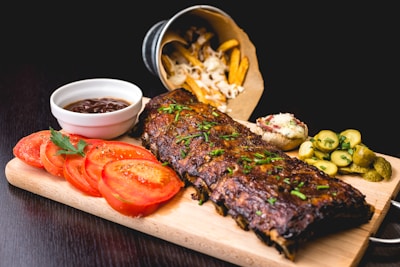
Uruguay produces some of the world’s best grass-fed beef and consumes more of it per capita than almost anyone. The Sunday asado — a long, slow, wood-fired family lunch — is a national institution. The Mercado del Puerto in Montevideo runs the experience daily for locals and visitors alike, with parrilla counters along its 1868 iron-and-glass interior.
🥁
UNESCO Intangible Heritage
Candombe
Candombe is the African-Uruguayan drumming and dance tradition that emerged in 19th-century Montevideo from enslaved African communities — recognised by UNESCO as Intangible Cultural Heritage in 2009. The three-drum ensemble (chico, repique, piano) is the soundtrack of Las Llamadas during Carnaval and of Sunday-afternoon street parades in Sur and Palermo year-round.
⚽
National Religion
Football
Uruguay won the first ever FIFA World Cup in 1930 (hosted at Estadio Centenario in Montevideo, beating Argentina 4–2). They won again in 1950 — the “Maracanazo”, in which a Uruguayan side defeated host Brazil 2–1 in front of approximately 200,000 fans at the Maracanã. For a country of 3.5 million, the football lineage is staggering. Estadio Centenario is a working pilgrimage.
🍷
Signature Wine
Tannat
Tannat is Uruguay’s national grape — a deeply tannic, robust, thick-skinned red varietal originally from the Madiran region of southwest France that found its true home in Uruguayan soils. Bouza and Garzón are the two showpiece bodegas; Carmelo and Canelones are the two main wine regions. A glass with grilled beef is the country in miniature.
🎉
Longest in the World
Carnaval Uruguayo
Around 40 days through late January and February — widely cited as the world’s longest carnival. The Las Llamadas parade through the Sur and Palermo neighbourhoods of Montevideo is the headline cultural event. The murga theatre tradition (singing and satirical political theatre on tablado neighbourhood stages) is the other half — quieter, more linguistic, more local than the parades.
When to Travel
Uruguay Climate Reference
Uruguay has four distinct temperate seasons inverted from Australia’s. Summer is beach season and peak prices; winter is mild but quieter. Best conditions in green; possible (with trade-offs) in amber.
Uruguay region-by-month recommendations for Australian travellers
Region
Dec–Feb Aussie summer
Mar–May Aussie autumn
Jun–Aug Aussie winter
Sep–Nov Aussie spring
Montevideo & Metro
Best · Hot, Carnaval Feb
Best · Mild, quieter
Possible · Cool, dry
Best · Spring
Punta del Este & Beach Coast
Peak · Crowded, expensive
Best · Warm, quiet, swim
Avoid · Closed restaurants
Possible · Sep–Nov warming
Cabo Polonio & Rocha
Best · Sea lions, warm
Good · Mar still warm
Avoid · Wet, cold, off-grid
Possible · Nov warming
Colonia & Litoral
Best · Hot, lively
Best · Mild, cobblestone walks
Possible · Cool, atmospheric
Best · Spring
Wine Country (Canelones, Carmelo)
Possible · Hot
Best · Harvest, vines
Cellar visits, rugs
Best · Bud break
Interior & Gaucho Country
Hot, possible
Best · Mild, festivals
Cool, thermal springs
Best · Spring riding
From Australian Travellers
What Our Travellers Say
A small selection from the Australian travellers Cooee Tours has helped plan Uruguay trips for — alongside our wider South America practice.
★★★★★
We added 5 days in Uruguay onto a Buenos Aires trip on Cooee’s suggestion and it was the unexpected highlight. The Buquebus to Colonia, an overnight in the old town with the lighthouse beam through the bedroom window, then onto Punta del Este — we’ve told everyone since.
★★★★★
Cabo Polonio at night with no electricity and the entire Milky Way overhead, then sea lions barking under the lighthouse at dawn. Cooee booked the 4WD entry, the local guesthouse, and the estancia we did afterwards. Genuine ten-out-of-ten travel.
★★★★★
Bouza for lunch, Garzón for dinner, asado at the Mercado del Puerto in between. Tannat with everything. Two nights at a working estancia in the interior with horses and an open-fire dinner. Uruguay is unfairly underrated.
Common Questions
Uruguay Travel FAQs
The questions Cooee Tours is asked most often about Uruguay by Australian travellers planning their first South America trip.
Do Australians need a visa for Uruguay?
No, but always confirm before departure. Australian passport holders typically receive 90 days visa-free for tourism on arrival in Uruguay. Confirm current requirements with the Embassy of Uruguay or DFAT’s Smartraveller (smartraveller.gov.au) within 30 days of departure — visa policies can change.
How do I get to Uruguay from Australia?
Two main routes. Direct: fly Sydney–Santiago (LATAM/Qantas, around 14hr) or Sydney–Auckland–Buenos Aires (Air New Zealand/Aerolíneas), then connect to Montevideo (around 1hr). Most efficient: combine with Argentina — the Buquebus high-speed ferry from Buenos Aires reaches Colonia in around 1hr or Montevideo in around 2hr 15min on the fastest service.
How long do I need in Uruguay?
Minimum 5 days, ideally 7–10. 5 days covers Montevideo, Colonia, and Punta del Este as the headline trio. 7 days adds Bodegas Garzón and José Ignacio. 10 days adds wild Rocha (Cabo Polonio, Punta del Diablo) and a working estancia in the interior — the most rewarding configuration.
When is the best time to visit Uruguay?
March or November are the sweet spots. December–February (austral summer) is peak beach season — warm and lively but Punta del Este is crowded and expensive. March is still warm enough to swim, the beaches are quiet, and prices fall sharply. November is mild and dry. Carnaval (late January / early February) is a draw in itself.
Is Uruguay safe for Australian travellers?
Yes — among the safest countries in South America. Uruguay consistently ranks at or near the top of Latin American safety, peace, and stability indices. Tourist areas (Montevideo, Colonia, Punta del Este, Rocha coast, Carmelo) are safe with normal urban precautions. Petty theft is the most common issue in Montevideo. Always check smartraveller.gov.au for current advice.
Can I get by with English?
Yes in tourist areas; less so elsewhere. English is reasonably common in Punta del Este, Colonia, and Montevideo’s tourist precincts. In the interior and on the Atlantic coast east of Punta del Este, Spanish is essential. Uruguayan Spanish is closer to Argentine (Rioplatense) Spanish than to Spanish elsewhere — the “sh” sound for double-l (llamar) and the vos conjugation. Google Translate offline language packs handle most situations.
What does a Uruguay trip cost from Australia?
For a 7-day mid-range trip, expect AUD $4,500–7,500 per person plus international flights. Roughly: accommodation $200–380/night, meals $80–130/day, internal transfers $400–800, tours and tastings $700–1,500. Punta del Este in peak January costs significantly more; March or November are 30–40% lower. Adding to a Buenos Aires trip via Buquebus is the most cost-effective approach.
Should I rent a car or use transfers?
Either works — depends on the itinerary. The Montevideo–Colonia–Punta del Este corridor is well-served by buses (COT, Turil, Copsa) and private transfers. For Cabo Polonio, the gaucho interior, and the Atlantic coast east of Punta del Este, a hire car or Cooee-arranged private transfer is significantly more flexible. Roads are generally good; signage is in Spanish.
What should I pack?
Layers and beach gear. December–February: beach clothes, sunscreen (Australian-strength), light evening layers. March–May: medium layers, light jacket. June–August: warm layers, rainproof jacket, no swim gear needed. September–November: similar to March–May. Comfortable walking shoes for Colonia’s cobblestones at all times. Insect repellent for Cabo Polonio.
Ready to Plan?
Talk to a Uruguay specialist at Cooee Tours
Cobblestone Colonia, sea lions at Cabo Polonio, sunset at Casapueblo, an estancia overnight in the interior — we’ll match you to the right combination, lock in the bookings, and handle every transfer.
Speak with a Cooee Tours Uruguay specialist. We’ll match you with the right itinerary, lock in Bodegas Garzón and Bouza bookings, arrange Cabo Polonio 4WD access and an estancia stay, and handle every transfer.