🇧🇷 Brazil · República Federativa do Brasil · South America’s Colossus

The Rainforest.
The Waterfalls. The Christ.
The Carnival.

The largest rainforest on Earth, producing 20% of the world’s oxygen, covering 5.5 million km² of the Amazon Basin — where the guide identifies a species of bird by call before it is visible, where the river dolphin surfaces within 3 metres of the boat at dawn, and where darkness is not quiet but the loudest silence available to any urban visitor who has ever slept in a city. Brazil is the country where the superlatives are a threshold, not a ceiling.

5.5M km²
Amazon Rainforest · 20% of Earth’s Oxygen · 10% of All Species on Earth
2.7km
Iguaçu Falls Width · 275 Cascades · 4× Wider Than Niagara · UNESCO
8,515km²
World’s Largest Tropical Wetland · Pantanal · Highest Jaguar Density on Earth
~17 hrs
Sydney to São Paulo · via Auckland or Dubai or Los Angeles
Visa Free
Australians · 90 Days · Since May 2024 · No Application Required
🇧🇷 Brazil
Federative Republic of Brazil · 8.51 Million km² · 215 Million People · 5th Largest Country on Earth

Brazil — The Country Where Scale
Stops Being a Concept
and Becomes a Physical Experience

Brazil (República Federativa do Brasil — the Federative Republic of Brazil — 8.51 million km² — the fifth-largest country on Earth by area — the largest country in both South America and the southern hemisphere — 215 million people — the sixth-largest population on Earth — 26 states and the Federal District — the country that encompasses the entire Amazon Basin (5.5 million km² of tropical rainforest — approximately the size of the entire continent of Australia), the world’s largest tropical wetland (the Pantanal — 150,000 to 195,000 km² of seasonally flooded grassland and forest in the centre-west of the country — the single best jaguar-viewing habitat on Earth), the largest waterfall system in the world by volume (Iguaçu — shared with Argentina), one of the world’s most iconic cities (Rio de Janeiro — the Christ the Redeemer statue — Copacabana — the sugarloaf — the samba), and one of the most Afro-Brazilian cultural cities in the world (Salvador da Bahia — the first capital of colonial Brazil — the city whose street food, music, martial arts, and religious tradition constitute the most African city outside Africa)) is the country where the guide most consistently observes visitors recalibrating not just their sense of scale but their entire conceptual model of what “a country” can contain.

Brazil’s five primary visitor regions: Rio de Janeiro (the city — Christ the Redeemer — Copacabana and Ipanema beaches — the Sugarloaf — the bossa nova and the samba — the feijoada — Carnival). The Amazon (the rainforest — the river system — the jungle lodges above Manaus — the pink river dolphins — the piranha fishing — the caiman night spotting — the birdlife (the 1,300 bird species of the Brazilian Amazon alone — the guide can identify 400 of them by call from the boat on the river)). Iguaçu Falls (the Brazilian side — the panoramic walkway — the full scale of the horseshoe visible at once from the Brazilian perspective — the helicopter flight — the guide’s comparison with the Argentine side). The Pantanal (the world’s largest tropical wetland — accessible from Cuiabá in Mato Grosso state — the greatest concentration of wildlife accessible to non-specialist visitors in South America — the jaguar, the giant river otter, the anaconda, the hyacinth macaw, the capybara, the giant anteater, the marsh deer, and the caiman). The Northeast (Salvador da Bahia — the Lençóis Maranhenses (the vast dune field with turquoise lagoons) — Fernando de Noronha (the archipelago marine sanctuary — considered the most beautiful beach environment in the Atlantic Ocean) — Fortaleza — Recife and Olinda).

✅ Brazil Practical Essentials
  • Visa: Australian passport holders do NOT require a visa for Brazil as of May 2024. Brazil introduced reciprocal visa-free access for Australians (90 days per 180-day period) as part of a bilateral agreement signed in 2023 and implemented in May 2024. Australian citizens present their passport at immigration in São Paulo Guarulhos (GRU), Rio de Janeiro Galeão (GIG), or any major Brazilian airport and the stamp is issued on arrival. The guide confirms the current visa status in the pre-departure briefing — this policy is subject to change and the guide recommends checking Smartraveller.gov.au close to departure.
  • Getting there: Sydney to São Paulo Guarulhos (GRU) via Auckland (LATAM Airlines — approximately 3 hours Sydney to Auckland, approximately 14 hours Auckland to São Paulo — total approximately 18–20 hours). Also via Dubai (Emirates — approximately 14 hours Sydney to Dubai, approximately 14 hours Dubai to São Paulo — total approximately 28+ hours but useful for visitors combining Brazil with Europe or the Middle East) or via Los Angeles (American Airlines / LATAM — approximately 15 hours Sydney to LA, approximately 10 hours LA to São Paulo). Rio de Janeiro Galeão (GIG) is the alternative international arrival airport (approximately 40km from central Rio — the guide recommends the pre-arranged transfer rather than the Rio taxi queue). Internal flights within Brazil: LATAM, GOL, and Azul manage the Brazilian domestic network — the guide books all internal flights as part of the Cooee Tours programme (São Paulo to Manaus — 3 hours; São Paulo to Foz do Iguaçu — 1.5 hours; São Paulo to Cuiabá — 2 hours; Rio to Salvador — 1.5 hours; São Paulo to São Luís for Lençóis Maranhenses — 2.5 hours).
  • Currency: Brazil uses the Brazilian Real (BRL — approximately BRL 3.10 = AUD$1 in 2026). The Real is a relatively stable emerging-market currency — the guide’s money briefing: “Brazil has a functioning credit card economy in all major cities and tourist sites — Visa and Mastercard are both accepted — carry BRL cash for smaller towns, street food, local bus tickets, and tips — the guide recommends exchanging AUD to BRL at the airport on arrival (the airport exchange rate is not the best rate but it is the most convenient for the first day) and supplementing with ATM withdrawals (Bradesco, Itaú, and Banco do Brasil ATMs are the most internationally compatible)”.
  • Health: Brazil requires no specific vaccines for the Australian visitor for most of the country. The exception: Yellow Fever vaccination is recommended (and in some cases required — the guide confirms the current requirement in the pre-departure briefing) for visitors entering the Amazon Basin and the Pantanal. The yellow fever vaccination is available at Australian travel medicine clinics — the guide recommends obtaining it at least 10 days before departure for full effectiveness. Malaria prophylaxis is recommended for Amazon jungle lodge programmes (the guide carries prophylaxis recommendations and recommends the Australian visitor discuss antimalarial options with their GP before departure). The coastal cities (Rio de Janeiro, Salvador, Fortaleza, Recife) do not require yellow fever or malaria precautions for the standard visitor.
  • Safety: Brazil has a complex safety profile that varies significantly by city, neighbourhood, and context. The guide’s briefing applies the same framework used for Buenos Aires — the principal risk is opportunistic street crime (phone theft, bag snatching) in tourist areas — Rio de Janeiro specifically requires awareness in the areas beyond the tourist zones (the guide does not take the group beyond the established areas and manages the transport logistics to avoid the risk). The Amazon lodge programme and the Pantanal programme are low-risk environments. Register on Smartraveller.gov.au.
Seven Essential Brazil Destinations

From the Amazon to the Atlantic

Brazil contains more biodiversity, more ecosystems, more coastline, and more cultural layering than any other single country on Earth. The guide’s instruction for first-time visitors: choose two anchor regions and do them with the depth they require.
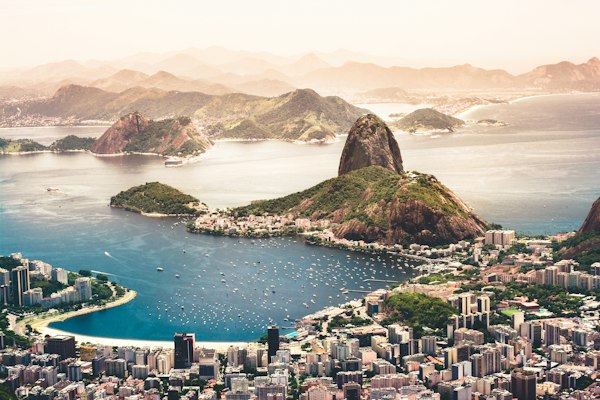
Rio de Janeiro Brazil Christ the Redeemer Corcovado mountain Sugarloaf Guanabara Bay
Rio de Janeiro
🏈 Cristo Redentor · Copacabana · Ipanema · Sugarloaf · Samba

Rio de Janeiro (Cidade Maravilhosa — the Marvellous City — the former capital of Brazil (from 1763 until Brasília was inaugurated as the capital in 1960) — the city of 6.7 million people built between the Atlantic Ocean to the south and the Tijuca Atlantic rainforest to the north — the city whose geography — the granite peaks erupting from the urban fabric, the beaches at the foot of the mountains, the Guanabara Bay that the Portuguese mistook for a river mouth and named accordingly (Rio de Janeiro — River of January — because they arrived in January 1502 and the bay looked like a river)) is the most visually described city in South America and the one that most consistently delivers on the description. The Cristo Redentor (Christ the Redeemer — the 30-metre reinforced concrete statue of Christ with arms extended — designed by the French sculptor Paul Landowski — built 1922–1931 — standing on the 710-metre summit of Corcovado (the “Hunchback” — the granite peak above the Tijuca Forest — the world’s largest urban forest) — designated one of the New Seven Wonders of the World in 2007 — the guide’s Cristo briefing: “the view from the base of the Christ statue is not of the statue — the view from the base of the Christ statue is 360 degrees of Rio de Janeiro from the summit of the most recognisable mountain in the city — the statue is the reason you are standing at the top of the mountain — the mountain is the best reason to be there”). The Sugarloaf (Pão de Açúcar — the 396-metre granite monadnock at the entrance to Guanabara Bay — accessible by cable car in two stages (the first stage to the 220m Morro da Urca — the second stage to the summit) — the guide’s Sugarloaf timing: the late afternoon cable car — the 4pm departure catching the Carioca sunset (the Carioca — the Rio native — the guide’s description of the Carioca: “the specific ease of a person who lives between the ocean and the jungle — a disposition the guide has been studying for 14 years and considers the most naturally correct human relationship to urban geography available anywhere”) from the summit at approximately 6pm — the city below, the bay behind, the beaches to the south, and the Christ statue on the Corcovado peak in the middle distance). The beaches (Copacabana — the 4km crescent — the guide’s morning programme (the beach at 7am — the volleyball — the caipirinha vendor at 9am (the guide’s position on the 9am caipirinha: “the guide neither endorses nor discourages — the guide notes that the Carioca considers this a contextually appropriate decision and the guide defers to local expertise”)) — and Ipanema (the quieter beach — the more design-conscious neighbourhood — the inspiration for “The Girl from Ipanema” (composed by Antônio Carlos Jobim and Vinicius de Moraes at the Veloso bar in 1962 — the bar still exists — the guide drinks a beer there on every Rio programme and considers this the most historically justified beverage available in the neighbourhood)).

  • Cristo Redentor · “the statue is the reason you’re there — the mountain is the best reason to be there”
  • Sugarloaf cable car · 4pm departure · the Carioca sunset from 396m · city below + bay + Christ
  • Copacabana 7am · volleyball · the 9am caipirinha vendor · guide defers to local expertise
  • Ipanema · the Veloso bar · “The Girl from Ipanema” · Jobim and Moraes 1962 · guide drinks a beer there every programme
  • Tijuca Forest · world’s largest urban forest · accessible above the city by jeep and trail
Amazon rainforest Brazil river canopy aerial green Manaus jungle lodge sunset
The Amazon — The World’s Lung
🌳 5.5M km² · Manaus · Pink Dolphins · 1,300 Bird Species · Night Safari

The Amazon (the Amazônia — the 5.5 million km² tropical rainforest of the Amazon Basin — the largest rainforest on Earth — producing approximately 20% of the world’s oxygen — containing approximately 10% of all species on Earth — 1,300 species of bird, approximately 3,000 species of fish (more fish species than the entire Atlantic Ocean), 370 species of reptile, 427 species of mammal, and an estimated 40,000 species of plant — the guide’s Amazon introduction: “the Amazon does not reveal its species to you — the Amazon requires you to learn to see in a different way — the forest that looks empty on arrival is not empty — it is presenting its occupants at the specific reveal rate of the species that live here rather than the attention span of the visitor who arrived from a city — the guide’s first instruction in the Amazon is not ‘look at this’ — it is ‘sit still for 10 minutes’”)) is accessed from Manaus (the city of 2.2 million people in the middle of the Amazon Basin — the rubber boom capital (the Teatro Amazonas opera house — the pink and gold domed theatre built in 1896 at the height of the rubber boom by a rubber baron who hired Italian marble, French ironwork, and English iron for the construction of a European opera house in the middle of the jungle — the guide’s Teatro Amazonas briefing: “the rubber boom lasted 30 years — Manaus was the wealthiest city per capita in South America during those 30 years — the Teatro Amazonas is what happens when a very large amount of money arrives very quickly in a place that has no prior tradition of spending it — the result is simultaneously impressive and instructive about the relationship between wealth and architecture”)). The jungle lodges (the guide’s preferred Amazon accommodation: the floating lodges on the Negro River tributaries 50–200km upstream from Manaus — accessible only by boat — the boat journey from Manaus upstream (the guide names the sounds and the species visible from the boat before arrival) — the lodge structure (the stilted wooden platforms above the floodplain — the walkways between the individual sleeping modules — the dining platform above the river — the guide’s morning routine at the lodge: “4:30am — the guide is on the river before the group wakes — the pre-dawn on the Amazon is the specific window when the nocturnal species are still active and the diurnal species have just begun — the overlap is 45 minutes — the guide has been timing this overlap for 14 years and considers it the most species-dense 45 minutes available in Brazil”)). The pink river dolphin (the boto cor-de-rosa — Inia geoffrensis — the Amazon river dolphin — the largest freshwater dolphin on Earth — up to 2.5m in length — the pink colouration (the blushing — the blood vessels near the skin surface producing the pink — a pink that deepens with exercise and excitement — the guide’s description: “the boto is pink in the way that a person is pink when they are embarrassed — the boto is not embarrassed — the boto surfaces next to the boat at dawn with the specific confidence of an animal that has no natural predator in the river it lives in”) — visible from the lodge boat on the majority of mornings on the Negro River).

  • 5.5M km² · 20% Earth’s oxygen · 10% of all species · 1,300 bird species in Brazilian Amazon alone
  • 4:30am on the river · 45-minute nocturnal-diurnal overlap · guide has been timing this 14 years
  • Pink river dolphin (boto) · largest freshwater dolphin · surfaces at dawn with “specific confidence”
  • Teatro Amazonas · 1896 rubber boom opera house · Italian marble · French ironwork · middle of the jungle
  • Guide’s first Amazon instruction: “sit still for 10 minutes” · the forest is not empty

Iguaçu Falls Brazil side panoramic walkway waterfalls UNESCO rainforest Argentina border
Iguaçu Falls — Brazilian Side
🌊 275 Cascades · Panoramic Walkway · Helicopter · Cataratas do Iguaçu UNESCO

Iguaçu Falls (Cataratas do Iguaçu — the waterfall system on the Brazilian–Argentine border — the Iguaçu River dropping 60–82 metres over a 2.7km horseshoe escarpment — 275 individual cascades — UNESCO World Heritage on both sides (Brazil 1986, Argentina 1984) — the most visited natural site in South America) are experienced differently from each national side — and the guide’s position has not changed in 14 years of visits. The Brazilian side perspective (the guide’s comparison, delivered before the park entrance: “the Argentine side puts you inside the falls — the spray is on your face — the sound is total — you are in the falls. The Brazilian side puts you opposite the falls — the panoramic view — the full 2.7km horseshoe visible at once from the walkway — you see the scale that the Argentine side’s closeness prevents. The correct visit does both. The guide recommends the Argentine side first — disorientation before panorama — then the Brazilian view for the scale comprehension”). The panoramic walkway (the 1.2km elevated walkway along the Brazilian rim of the falls — the walkway descends from the park entrance to the Garganta del Diablo (Devil’s Throat) viewing platform at water level — the guide’s walkway position: at the top, the full horseshoe is visible — each step of the descent brings the visitor closer to the sound — at the lowest platform the sound is total and the spray saturates everything (the guide’s note: “do not arrive at the bottom platform with a camera that is not waterproof — the guide has a dry bag — the group uses the dry bag — the guide has one camera casualty in 14 years — it was a GoPro — the visitor had attached it to their hat — the guide had specifically briefed against hat-mounted equipment on waterproof grounds — the guide’s position: the briefing was correct, the attachment was not)). The helicopter over the falls (the 10-minute helicopter flight above the falls system — the guide’s position on the helicopter: “the helicopter provides the only view that reveals the full basin structure — the Iguaçu River system above the falls — the jungle canopy surrounding the falls — and the Argentine and Brazilian walkway systems simultaneously — the guide recommends the helicopter for visitors who have already seen the falls from both sides — if a visitor is pressed for time, the guide recommends both walkways over the helicopter — the helicopter is the additional view, not the alternative one”)). The birds of Iguaçu (the Atlantic Forest within the Iguaçu National Park (the park surrounding the falls — the UNESCO World Heritage extension beyond the falls themselves) — the guide identifies the great dusky swift (Cypseloides senex — the swifts that nest behind the falls cascades — one of the few bird species in the world that nests within the spray zone of a major waterfall — the guide’s great dusky swift briefing: “the swift nests inside the waterfall — behind the water — the guide considers this the most resolute avian real estate decision available in Brazil”)).

  • Brazilian side · panoramic view · full 2.7km horseshoe visible at once · Argentine side first
  • Panoramic walkway · 1.2km descending to the spray · dry bag essential · hat-mounted cameras: briefing exists
  • Helicopter · the additional view · not the alternative · guide recommends after both walkways
  • Great dusky swift · nests behind the waterfall · “most resolute avian real estate decision in Brazil”
  • UNESCO Brazil 1986 · combined with Argentine side UNESCO 1984 · correct visit: both countries
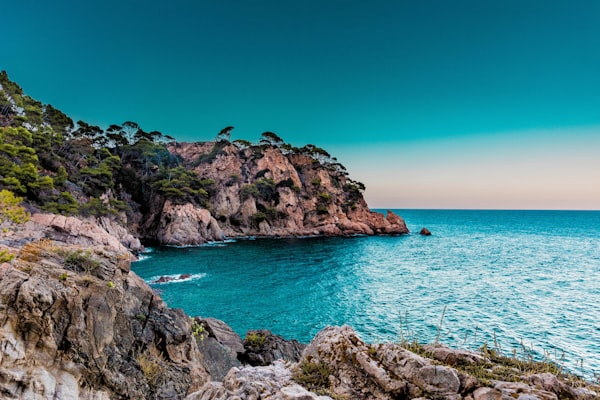
Pantanal Brazil jaguar wildlife capybara giant river otter wetland Mato Grosso
The Pantanal — The Jaguar’s Kingdom
🐄 World’s Largest Wetland · Highest Jaguar Density · Giant Otter · Hyacinth Macaw

The Pantanal (Portuguese: “pantanal” — “swamp” or “marshland” — the world’s largest tropical wetland — between 150,000 and 195,000 km² of seasonally flooded grassland, forest, and savanna in the central-western states of Mato Grosso and Mato Grosso do Sul — accessible from the city of Cuiabá by the Transpantaneira (the 145km unpaved road south from Poconé that functions as the primary land access route — with 122 wooden bridges, none of which the guide has found unremarkable — accessible from Campo Grande by the southern route)) is the destination that the guide considers the finest wildlife-viewing habitat available to the non-specialist visitor anywhere in South America — and possibly on Earth outside the Serengeti–Masai Mara ecosystem. The jaguar (Panthera onca) (the largest cat in the Americas — the third-largest cat on Earth after the lion and the tiger — the Pantanal holds the highest density of jaguars anywhere in their range — estimated 4,000 jaguars in the Pantanal out of a total wild population of approximately 173,000 (the estimate varies — the guide presents the range) — the Cuiabá River and the Three Brothers River (the Três Irmãos — the confluence of the Cuiabá, São Lourenço, and Piquiri rivers — the guide’s preferred jaguar viewing sector — the jaguars here are habituated to the presence of tourist boats and can be approached by motorised boat to within 20–30m — the guide’s jaguar viewing record: 14 individual jaguars in 3 days in August 2023 — the guide presents this not as a guarantee but as a calibration of what is possible). The giant river otter (Pteronura brasiliensis) (the giant otter — the world’s largest otter — up to 1.7m long — extinct or functionally extinct across most of its historical range by the 1970s due to hunting for the fur trade — recovering in the Pantanal and the Amazon Basin — the guide’s giant otter briefing: “the giant otter eats approximately 4kg of fish per day — it hunts cooperatively in family groups of 2–8 animals — it is the loudest mammal in the Pantanal per unit of body mass — the guide has encountered a family group at close range on the Cuiabá River and considers it the loudest wildlife experience available in Brazil — louder than the howler monkey, which the guide previously considered the benchmark”). The hyacinth macaw (Anodorhynchus hyacinthinus) (the world’s largest flying parrot — 1m long — cobalt blue — yellow eye ring — endemic to the Pantanal and adjacent areas — the guide’s hyacinth macaw note: “the hyacinth macaw is the bird that people who do not normally care about birds stop to watch — the guide has 14 years of data on this phenomenon and considers it reliable”) — and the capybara (Hydrochoerus hydrochaeris — the world’s largest rodent — up to 80kg — present in the Pantanal in extraordinary density — the guide’s position: “the capybara has the specific social ease of an animal that has decided the main response to a predator-rich environment is to be in a group of 40”)).

  • World’s largest tropical wetland · highest jaguar density on Earth · 4,000 jaguars estimated
  • Jaguar viewing from boat · 20–30m approach · guide’s record: 14 individuals in 3 days August 2023
  • Giant river otter · 1.7m · loudest mammal in Pantanal · louder than the howler monkey
  • Hyacinth macaw · 1m long · cobalt blue · “the bird non-birders stop to watch” · 14 years of data
  • Capybara · world’s largest rodent · 80kg · “decided the response to predators is to be in a group of 40”
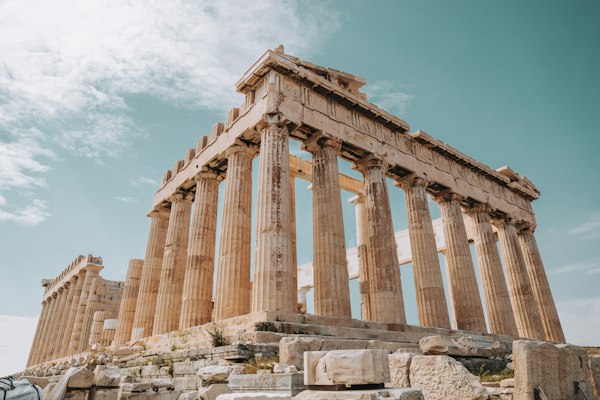
Salvador da Bahia Brazil Pelourinho colonial architecture colourful Afro-Brazilian
Salvador da Bahia
🎸 Pelourinho · Candomblé · Acarajé · Capoeira · Afro-Brazilian Culture

Salvador (Salvador da Bahia — the city of Salvador in the state of Bahia — the first capital of colonial Brazil (from 1549 until the capital moved to Rio de Janeiro in 1763) — the city where more than 80% of the population identifies as Afro-Brazilian — the city that received approximately 1.5 million enslaved Africans between the 16th and 19th centuries — more than any other city in the Americas — and that has retained the most intact African cultural tradition of any city outside Africa) is the destination within the Brazil circuit that most consistently challenges the visitor’s prior understanding of what Brazilian culture is. The Pelourinho (the historic city centre — the UNESCO World Heritage colonial neighbourhood (designated 1985) — the colourful baroque church facades (the Igreja do Nosso Senhor do Bonfim — the Igreja de São Francisco with its interior of 300 kilograms of baroque gold leaf — the guide’s gold briefing: “the São Francisco church was decorated during the Minas Gerais gold rush of the 18th century — the gold was mined by enslaved Africans — the guide presents this provenance before the gold is admired and considers both facts simultaneously correct”) — the azulejos (the Portuguese blue tile panels) on the building facades — the guide walks the Pelourinho streets in the evening when the music escapes from the bars). The candomblé (the Afro-Brazilian religion — the syncretic tradition brought from West Africa (primarily from the Yoruba, Fon, and Bantu peoples) that survived the colonial era by adopting Catholic saint names for the orixás (the divine forces of nature — Oxalá (peace and creation), Iemanjá (the sea), Xangô (thunder), Oxum (rivers and love) — each with specific colours, offerings, and musical traditions) — the guide’s candomblé briefing: “candomblé is the most significant religious survival of the African diaspora — it is still practised in Salvador’s terreiros (sacred houses) by practitioners whose lineage connects directly to the original enslaved priests — the guide has attended terreiro ceremonies with group members who were specifically invited — the guide does not arrange tourist candomblé visits — the guide arranges appropriate introductions”)). The capoeira (the Afro-Brazilian martial art — originated among enslaved Africans in Brazil — disguised as a dance to avoid suppression by colonial authorities — the guide’s capoeira briefing: “capoeira was outlawed in Brazil until 1932 — the disguise worked — the colonial authorities saw dancing — the practitioners were training for something else — the guide finds this one of the most elegant cultural survival strategies in human history”)).

  • Most African city outside Africa · 1.5M enslaved Africans received · more than any other city in the Americas
  • Pelourinho · UNESCO 1985 · São Francisco church · 300kg gold leaf · guide presents the provenance before the gold
  • Candomblé · Afro-Brazilian religion · guide arranges appropriate introductions · not tourist visits
  • Capoeira · disguised as dance · colonial authorities saw dancing · “most elegant cultural survival in history”
  • Acarajé · black-eyed pea fritter · fried in dendê palm oil · street food of Salvador
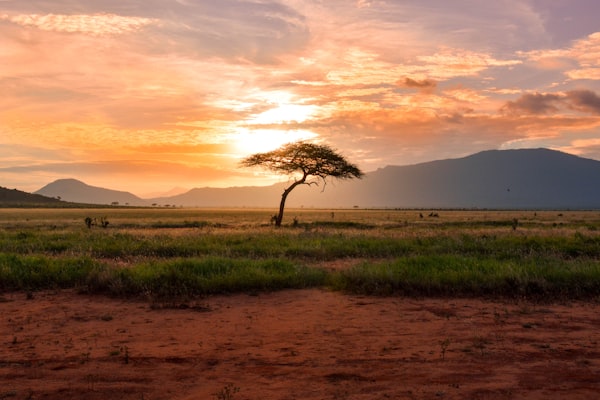
Lençóis Maranhenses Brazil white sand dunes turquoise lagoons northeast
Lençóis Maranhenses
🏖 White Dunes · Turquoise Lagoons · UNESCO · Maranhão · July Best

The Lençóis Maranhenses (the “bedsheets of Maranhão” — the 155,000-hectare national park in the northeastern state of Maranhão — designated a national park in 1981 — the vast white sand dune field (the dunes — up to 40 metres high — brilliant white quartz sand — extending to the horizon in all directions — the guide’s description: “the dunes of the Lençóis Maranhenses are white in the specific way that is not described by the word ‘white’ — they are the colour of bleached linen in direct tropical sun — they hurt the eyes at noon — the guide provides sunglasses as a practical rather than aesthetic instruction”) interspersed with — and this is the specific geological character of the Lençóis Maranhenses that distinguishes it from any other dune system on Earth — turquoise freshwater lagoons (the lagoons (lagoas) — filled by the April–June rainy season — sitting in the interdune valleys — visible as turquoise pools against the white dune fields — the specific colour produced by the white quartz sand below the water (the sand visible through the clean freshwater — the white sand below + the tropical sky above + the water depth — producing a turquoise that the guide’s photographs have never accurately reproduced — the guide’s photography note: “the lagoons in photographs look like a screen saver — they do not look like photographs of a real thing — the guide advises the group to put the camera down and simply be there for at least 5 minutes — the camera has 5 minutes to spare”) — warmest between July and September — the guide’s preferred season)) — accessible from São Luís (the Maranhão state capital — 3 hours by 4WD — or by small plane to Barreirinhas (the gateway town — the guide’s base for the Lençóis programme) — the 4WD drive from Barreirinhas to the dune entry point (the guide’s position: “the drive through the Maranhão backlands before the dunes appear is part of the specific context — the flat, arid, scrub landscape of the cerrado-caatinga transition zone does not prepare the visitor for the dunes — the guide considers this the correct preparation”)).

  • 155,000ha · white quartz dunes to 40m · turquoise freshwater lagoons in the interdune valleys
  • “Photographs look like a screensaver — not like a real thing” · guide: put camera down for 5 minutes first
  • Best Jul–Sep · lagoons warmest after Jun rainy season fills them · accessible from São Luís by 4WD
  • Lagoon colour · white sand below + tropical sky + water depth = turquoise guide cannot photograph accurately
  • The scrubland approach · does not prepare the visitor · guide considers this the correct preparation
Rio Carnival Brazil samba school costumes feathers parade Sambadrome celebration
Carnival — Rio and Beyond
🏁 February · Sambadrome · Blocos · Salvador Carnival · Recife Frevo

Carnival (Carnaval — the Brazilian national celebration — the 4–5 days before Ash Wednesday — celebrated across every Brazilian city from the mega-events of Rio de Janeiro and Salvador to the smallest inland town — 500 years of history in the current form (the European Catholic Lenten tradition meeting the African Yoruba celebration tradition and producing something that neither tradition would have produced alone)) is the event that most compresses Brazil’s cultural identity into a single visible phenomenon — the music, the dance, the African-derived rhythm tradition, the Brazilian relationship to the body and to public space, and the specific national capacity to organise a cultural event at a scale that has no equivalent elsewhere on Earth. Rio Carnival at the Sambadrome (the Sambódromo Marquês de Sapucaí — the 700-metre parade boulevard designed by Oscar Niemeyer and inaugurated in 1984 — the venue for the Special Group samba school parade (the 12 top-ranked samba schools competing over 2 nights — each school bringing 3,000–5,000 performers — each performance lasting 65–80 minutes — each performance containing a theme (the enredo), a percussion section (the bateria — up to 300 drummers), a samba melody specific to the year, and the spectacular floats and costumes) — the guide’s Sambadrome briefing: “the samba school parade is the most technically complex large-scale cultural performance in the world — 5,000 performers coordinated across 700 metres — competing against 11 other 5,000-performer presentations — judged by 40 judges on 9 criteria (the guide lists the criteria before the parade begins — harmony, percussion, the samba song, the theme development, the master of ceremonies, the floats, the costumes, the wing groups, and the opening commission) — the guide has attended the Sambadrome parade every year since 2010 with the exception of 2020 and 2021 — the guide has a preferred viewing sector (Sector 7 — the midpoint — the full float visible and the percussion audible at its peak) and does not yield the position”)). The street carnival (blocos) (the street parties that begin 2–3 weeks before the official Carnival — over 500 blocos (street carnival groups) in Rio de Janeiro alone — ranging from 200-person neighbourhood parties to the Bloco da Favorita and Cordão da Bola Preta (the largest Rio bloco — up to 2 million participants) — the guide’s bloco recommendation: “the blocos are the Carnival that Cariocas actually celebrate — the Sambadrome is the Carnival that the world photographs — the guide recommends both and recommends the blocos first because they are where the music begins before it becomes spectacular”)).

  • Sambadrome · 5,000 performers per school · 65–80 minutes · 9 judging criteria · guide has attended since 2010
  • Guide’s Sector 7 position · midpoint · full float visible + peak percussion · does not yield the position
  • 500+ street blocos in Rio · up to 2M participants per bloco · guide: blocos first, then Sambadrome
  • Salvador Carnival · trio elétrico (the giant sound truck) · 1M people per day · most African Carnival in Brazil
  • 500 years · European Catholic Lenten tradition + African Yoruba celebration · produced neither tradition alone
💡 INSIDER TIP — Amazon Night Safari — The 9pm Caiman Spotlight

The Amazon programme’s most consistently extraordinary experience is not the wildlife visible during the day. The guide’s 9pm boat departure from the jungle lodge is the night safari — the flat-bottomed canoe on the river, the guide’s spotlight scanning the riverbank — and the specific red-orange reflection of caiman eyes from the riverbank vegetation (the spectacled caiman — Caiman crocodilius — the 1.5–2m crocodilian — virtually invisible in the dark water until the spotlight catches the eye-shine — the guide identifies the caiman species by eye-shine colour and distance from the waterline before the boat is close enough for visual identification — the guide has been doing this for 14 years and considers it one of the guide’s two most reliable Amazon skills (the other being the bird call identification)). The group’s first experience of the caiman eye-shine is described by the guide afterwards as “the specific moment when the group understands that the river surface they have been looking at for 3 days is not the surface of a quiet habitat — it is the ceiling of a habitat — and the caiman is looking up at them the same way they are looking at it”. Other night species visible from the boat on the majority of nights: the potoo (Nyctibius griseus — the nocturnal bird — visible as a vertical silhouette on a dead branch, indistinguishable from the branch until the guide shines the torch), the giant fishing bat (Noctilio leporinus — the bat that drags its feet in the river surface at speed to catch fish — the guide has watched this technique at close range at 3m altitude for 14 years and is still, as of this writing, astonished by it), and the tarantula (in the riverside vegetation — the guide’s tarantula briefing is delivered in the boat before departure — not in the riverbank vegetation where the tarantula is located).

The Amazon — What the Forest Teaches

Understanding the Amazon — Scale, Sound, Darkness, and the 4:30am River

The Amazon is not a backdrop. The guide’s programme is built around a single principle: teach the visitor to see the forest on the forest’s terms rather than a visitor’s.

🌍
The Scale of the Amazon
5.5M km² · 1.1M km² in Brazil alone · the numbers do nothing

The guide’s position on Amazon statistics: “the numbers — 5.5 million square kilometres — 20% of the world’s oxygen — 10% of all species — do not produce the understanding that standing on the riverbank at 5am in the Amazon Basin produces — the numbers describe scale in a way that the mind stores alongside other numbers — the experience provides scale in a way the body stores alongside the sensation of being in a place that is not centred on a human being — the guide considers the 5am river departure the most effective single Amazon education moment available”. The river system: the Amazon River (the largest river by discharge in the world — discharging approximately 209,000 cubic metres of water per second into the Atlantic Ocean — approximately 20% of all the freshwater flowing into the world’s oceans from all rivers combined — the guide’s river statistic for the group: “the Amazon discharges more water into the ocean in a single day than the Thames discharges in a year — the guide is not certain this is appreciated until the group is on the river and the guide points to the far bank and says that is Brazil as well”). The Negro River (the primary tributary accessed from Manaus — the black-water river — the tannins from the decomposing vegetation producing the dark coffee-coloured water — the guide’s Negro River briefing: “the dark water of the Negro River has the specific advantage for the visitor of suppressing mosquito breeding — mosquitoes require still, sunlit, clear water to breed — the Negro River is dark, moving, and shadowed — the guide has spent more time on the Negro River than on any other waterway in Brazil and considers the combination of the dark water, the density of the forest margin, and the frequency of wildlife visible from the boat the finest river experience available in the Brazilian Amazon”)). The meeting of the waters (the confluence of the Negro and the Solimões rivers near Manaus — the black water of the Negro meets the café-au-lait water of the Solimões and the two rivers run side by side for approximately 10km before mixing — the guide’s briefing: “the two rivers are at different temperatures and different densities and therefore do not mix immediately — the demarcation line is visible from the boat — the guide crosses the line slowly — the group’s hand, dipped on one side, comes up dark — dipped on the other side, comes up tan — the group consistently considers this the most dramatic river demonstration of physics available outside a laboratory”).

🐙
The Amazon’s Wildlife — How to See It
Stillness · the 4:30am departure · ear before eye · the species list

The guide’s Amazon wildlife methodology: the single most important instruction the guide gives in the Amazon is not directional. It is not “look at that”. It is “stop moving and listen”. The Amazon’s wildlife reveals itself to stillness, not to movement. The visitor who moves through the forest quickly will see less than the visitor who sits on the riverbank for 30 minutes and allows the forest to resume its activity around them. The bird species: the guide can identify approximately 400 Amazon bird species by call — the guide’s standard morning river programme begins at 4:30am — the boat is on the river before dawn — the guide narrates the species visible and audible as the dawn develops — the species list on a typical Negro River morning (4:30am — 8am): hoatzin (Opisthocomus hoazin — the ancient-lineage bird — chick with wing claws — described in the guide’s pre-departure briefing as “the bird that is a direct evolutionary connection to the dinosaurs — and smells like one”), toucan (multiple species — the guide identifies the toco toucan (Ramphastos toco) vs the channel-billed toucan by bill profile at distance), the yellow-headed caracara, the black-collared hawk, multiple species of kingfisher (the guide’s six-kingfisher morning briefing — all six Amazon kingfisher species seen in sequence on a single morning programme — the guide has achieved this 23 times in 14 years), the harpy eagle (Harpia harpyja — the world’s most powerful raptor — female up to 9kg — wingspan up to 2m — the guide has seen the harpy eagle on 8 Amazon programmes — the group’s response on each occasion was uniform — the guide describes the response as “appropriate”). The mammals: the pink river dolphin (boto cor-de-rosa — the morning sighting — the guide positions the boat at the river bend where the boto historically surface) — the three-toed sloth (visible in the canopy — the guide identifies the sloth by the specific stillness that is different from the general stillness of the forest — “the sloth is the only thing in the Amazon that is more still than the Amazon”) — and the squirrel monkey (the troop of 40–80 individuals moving through the canopy in the late morning — audible before visible — the guide positions the boat ahead of the troop’s direction of travel and the group watches the canopy fill from one side and empty to the other).

🌅
Amazon Lodge Selection — The Guide’s Programme
Negro River lodges · the guide’s specific picks · distance from Manaus

The guide’s Amazon lodge principle: “the further from Manaus, the more intact the forest and the higher the species density — the trade-off is the boat journey time — the guide’s preferred lodges are 2–4 hours from Manaus by fast boat — far enough to be in primary forest — close enough to manage a full programme within the available days”. The Anavilhanas National Park (the largest river archipelago in the world — over 400 islands in the Negro River 60km upstream from Manaus — the park protecting the flooded forest (igapó) — the guide’s Anavilhanas navigation: the boat through the island channels at dawn — the forest flooded to canopy level in the wet season (December–May) — the boat moving through the treetops — the guide’s description: “the wet-season Anavilhanas is the only environment the guide knows where you can look down into a forest from above while sitting at water level — the disorientation is productive”)). The lodge programme structure: the Cooee Tours Amazon programme uses lodges that are owned and operated in partnership with local Amazonian communities — the guide’s briefing on the community partnership: “the local community guides are the most specific Amazon knowledge available — the guide from Manaus knows the forest in general — the guide from the river community knows this river, these trees, these animals, this season’s flood level — the guide does not attempt to be the most specific knowledge available — the guide coordinates the most specific knowledge available”. The piranha fishing (the guide’s afternoon programme — the hand-line fishing from the canoe — raw meat on a hook — the black piranha (Serrasalmus rhombeus) — the guide’s piranha briefing: “the piranha is not what the films described — the piranha is a fish with a very specific dental structure and a very specific ecological role (the removal of sick and injured fish and the cleaning of carcasses) — the piranha does not attack healthy human swimmers in the dry season in clear water — the guide swims in the Negro River — the guide is healthy — the guide invites the group to draw their own conclusions”)).

📋
The Amazon’s Dark — What the Night Teaches
Caiman spotlight · potoo · giant fishing bat · the silence that isn’t

The Amazon night is the guide’s second most important programme element after the 4:30am river departure — and the element that most consistently reorders visitors’ assumptions about what “dark” and “quiet” mean. The guide’s pre-night-safari briefing: “the Amazon at night is not quiet — the Amazon at night is louder than the Amazon during the day — the daytime noise is horizontal (birds moving through the forest) — the night noise is everywhere and at no specific point — the frogs (approximately 1,000 species in the Amazon — the guide can identify 30 by call — the guide makes this limitation clear) begin at sunset and the volume builds for approximately 2 hours — at peak volume the call density is such that individual species cannot be isolated — the guide describes this as the Amazon’s ‘full volume’ and notes that urban visitors consistently misidentify it as loud and rural visitors consistently identify it as comfortable — the guide does not adjudicate between these responses”. The caiman spotlight (the guide’s night river programme — the flat canoe — the headlamp scanning — the red-orange eye-shine — the guide approaching the caiman to within 5m by slow paddle — the group’s response — the guide’s note: “the caiman eye-shine from 5m on a dark river is the experience that most consistently causes the group to revise their assessment of what ‘close to wildlife’ means — the guide is consistent about approaching slowly and has not had an adverse caiman encounter in 14 years — the guide considers this an adequate sample size for the current methodology”). The bioluminescence (the Amazon fungi — the bioluminescent Mycena chlorophos and related species — visible on fallen logs in the forest at night — the guide’s bioluminescence programme: “the guide locates the bioluminescent logs during the daylight hours (identified by the specific fungal fruiting bodies — visible in daylight but not distinguished from non-luminescent fungi without experience) and marks their position — the night visit to the marked logs in complete darkness — the specific green glow — the guide is aware that ‘glowing green fungus in the Amazon jungle at night’ sounds contrived — the guide is not contriving”).

What Brazil Does to Proportion

Brazil is the country where the guide most consistently stops using the word “large”. Large is a relative description. The Amazon is not large in the way that a city is large or a national park is large — it is large in the way that a continent is large, which is to say it is the primary scale and everything else is measured against it. The guide has been explaining this for 14 years and has not found a more effective description than the one the forest provides when the boat is on the river at 5am and the far bank is not visible.

“The guide cut the motor at 4:45am. The boat stopped moving. The river was dark in both directions. There was no city anywhere. There was no road anywhere. There was only the forest — both banks — and the sound of everything that lives in it, which is more than I had a category for. The guide sat in the back of the boat and did not speak. He had his eyes closed. I realised he was listening. I closed my eyes and started listening too. That was the beginning of the education.”

The Pantanal in August: fourteen jaguars in three days. The guide’s record. The guide did not celebrate this. The guide noted it with the same attention given to the first jaguar, because each jaguar is the first jaguar, and any guide who has been in the Pantanal long enough to find jaguars predictable has been there too long or is looking at them in the wrong way. Brazil is the country where the guide is most likely to stop speaking — not from a lack of information but from the specific knowledge of when silence is more accurate than explanation.

Brazilian Food — The African Kitchen, the Portuguese Pantry, and the Indigenous Garden

What to Eat in Brazil

Brazilian cuisine is the most layered in South America — the indigenous food tradition (manioc, guaraná, açaí, peach palm), the African kitchen brought by the enslaved (dendê palm oil, black-eyed peas, okra, dende), and the Portuguese pantry (the salt cod, the olive oil, the wine, the custard) producing a cuisine that is not a fusion — it is a superposition.

🍻
Feijoada — The National Dish
🏩 Black beans · pork · sausage · Saturday ritual · Rio de Janeiro

Feijoada (the black bean and pork stew — the Brazilian national dish — served every Saturday in Rio de Janeiro, São Paulo, and most of Brazil as the traditional midday meal — made from black beans (feijão preto) slow-cooked for hours with multiple pork products (the carne seca — the dried salted beef, the linguiça — the smoked pork sausage, the chouriço — the blood sausage, the paio — the smoked pork leg sausage, the toucinho — the smoked pork belly, and the pé, orelha, and rabo — the pig’s foot, ear, and tail — the guide presents the full ingredient list before the group tastes and considers this the correct sequence) — served with white rice, couve refogada (the stir-fried collard greens — the guide’s couve instruction: “the couve is not optional — the couve is the bitterness that makes the feijoada correct — the group that skips the couve is missing a structural element of the dish”), farofa (the toasted manioc flour — sprinkled over the beans — absorbing the broth — the guide’s farofa note: “the texture contrast between the wet beans and the dry farofa is the most important detail in the feijoada — the dish without the farofa is unfinished”), laranja (the orange slices — served alongside — the vitamin C from the orange aids the absorption of the iron from the beans — the guide presents this as the most elegant nutritional design in Brazilian cooking, entirely intentional, and notes that the nutritional advice arrived before the nutritional science to explain it). The Friday rule: the guide books the group’s first Rio Saturday lunch at a traditional feijoada restaurant — the guide orders the whole pot — the group eats — the guide drinks a cold Brahma beer — the post-feijoada Saturday nap is a cultural institution and the guide does not apologise for the programme’s Saturday afternoon flexibility.

🐀
Acarajé — The Food of Salvador
🏩 Bahia · Afro-Brazilian · black-eyed peas · dendê oil · Candomblé offering

Acarajé (the fried black-eyed pea fritter — the street food of Salvador da Bahia — made from peeled, ground black-eyed peas (feijão fradinho) seasoned with dried shrimp and onion, formed into a ball, and fried in dendê (red palm oil — the specific African ingredient that is the flavour signature of the Bahian kitchen — the orange-red palm oil with its specific depth that is neither coconut oil nor olive oil — the guide’s dendê briefing: “dendê is West African cooking fat transplanted to Brazil — it is the fat of the Yoruba kitchen — it has been used in Bahia for 400 years — the guide considers it the most historically loaded cooking ingredient available in the Americas”) — split open and filled with vatapá (a paste of bread, dried shrimp, groundnuts, coconut milk, and dendê — the paste that is simultaneously the sauce and the filling) and caruru (the okra stew — again West African in origin — the guide notes that the combination of black-eyed peas, okra, and groundnuts in the acarajé filling is a West African food tradition arriving intact in Brazil) — the whole assembly hot from the oil — the guide’s acarajé position: “the acarajé is the most specific available concentration of Afro-Brazilian food history in a single edible object — the guide has eaten acarajé in the Pelourinho every Salvador visit for 14 years — the guide purchases the acarajé from the Baianas de acarajé (the women in the traditional white Candomblé dress who make and sell the acarajé from the street stands) — the guide notes that the acarajé is both street food and a ritual food of the Candomblé religion (the acarajé is an offering to the orixá Iansã (the goddess of wind and tempest) — the street sale is the secular version of the sacred offering — the guide presents both facts simultaneously).

🍍
Açaí — The Amazon Berry
🏩 Amazon · Euterpe oleracea · the indigenous staple · now global

Açaí (the berry of the açaí palm (Euterpe oleracea) — native to the Amazon Basin — the small, dark purple berry harvested from the palm fronds and consumed for centuries as a staple food by the indigenous peoples of the Amazon (the guide’s indigenous açaí briefing: “the ribeirinho (the river communities of the Amazon) have consumed açaí as a daily food for generations — it is not a superfood discovery — it is the same food eaten in the same way for the same reasons by the same communities — the global market discovered it approximately in 2005 and the communities discovered the global market approximately the same time”)) is presented in Brazil in its correct form rather than the form available in Australian supermarkets. The Amazon açaí (the lodge açaí — the fresh-made bowl at the jungle lodge (the riverine community harvests the açaí from the adjacent palm stands — the berries are brought in by boat — mashed to a thick purple paste — served in a bowl with tapioca granules (no granola, no honey, no banana) — the guide’s açaí note: “the Amazonian açaí bowl served at the jungle lodge is the same dish that the ribeirinho communities eat every day — it is dark purple, very thick, slightly fermented, mildly sour, and completely different from the sweet-fruity version sold in Australian health food stores — the guide recommends experiencing both in sequence — beginning with the lodge version — the comparison is instructive”)). The Belém açaí: Belém (the city at the mouth of the Amazon — the “city of açaí” — the Ver-o-Peso market — the guide’s position: “the Ver-o-Peso market in Belém at 6am is the finest food market in South America — the guide holds this position and does not yield it to Buenos Aires or Lima or anywhere else”)).

🥐
Churrasco — The Brazilian Grill
🏩 Gaúcho tradition · Rio Grande do Sul · rodízio · espeto corrido

Churrasco (the Brazilian grilled meat tradition — specifically the gaúcho tradition of the Rio Grande do Sul (the southernmost Brazilian state — the cattle ranching state — the cultural border with Uruguay and Argentina — the region where the large-scale cattle grill tradition developed in the 18th–19th centuries among the gaúcho cowboys of the Pampas)) is the cooking tradition that has produced the Brazilian rodízio restaurant (the rodízio — the “rotation” — the all-you-can-eat format in which the passadores (the grill waiters) carry large skewers of grilled meats from table to table — each skewer presenting a different cut — the guide’s rodízio instruction: “the picanha — the top sirloin cap — the Brazilian prime cut — is the cut the guide waits for — it arrives on the skewer approximately every 20 minutes — the guide accepts it every time — there is no correct reason to decline the picanha”)). The picanha (the rump cap — the fat cap still attached — the specific cut that Brazilian butchery has perfected and that has no exact analogue in the Australian butchery tradition — the guide’s picanha briefing: “the picanha has a thick layer of fat attached to one surface — the fat is the flavour — the guide eats the fat — the group makes its own decision — the guide notes that the group members who eat the fat consistently express satisfaction with the decision and the group members who do not eat the fat consistently look at the other group members”). The caipirinha (the national cocktail — cachaça (the Brazilian sugarcane spirit — the guide’s cachaça briefing: “cachaça is not rum — rum is made from molasses (a byproduct of sugar production) — cachaça is made from fresh-pressed sugarcane juice — the flavour is grassier, more direct, with more of the specific sugarcane character that the molasses process removes — the guide recommends artisanal cachaça rather than the large-brand cachaça for the first tasting”)) + lime + sugar + ice.

🍆
Moqueca — The Bahian Fish Stew
🏩 Bahia · dendê oil · coconut milk · seafood · African + indigenous fusion

Moqueca (the fish stew — specifically the Bahian moqueca (the version from Bahia — as opposed to the Espírito Santo moqueca which uses no dendê or coconut milk and which the guide describes as “a correct fish stew that is related to the Bahian moqueca the way a first draft is related to the published work”) — made from fresh white fish (traditionally robalo — the snook — or garoupa — the grouper) cooked in dendê palm oil and coconut milk with onions, garlic, and tomatoes and topped with fresh coriander and chilli — served in the clay cooking pot (the caçarola — the pot that the stew is cooked in — brought to the table bubbling — the guide’s moqueca serving instruction: “the moqueca is served with white rice and pirão (the manioc flour gravy — the cooking broth mixed with manioc flour — the specific starch sauce that thickens the fish broth and provides the textural contrast the moqueca requires — the guide eats the pirão with the moqueca and considers it non-optional”) — the shrimp moqueca (moqueca de camarão — the version with large fresh prawns instead of fish — the guide’s preference in Salvador — the guide notes that the Bahian prawns from the Todos os Santos Bay adjacent to Salvador are among the finest available in Brazil and orders accordingly — a position the guide has held for 14 years and updated once when a specific fishing village near Morro de São Paulo was identified as having superior prawns — the update was documented and the position revised). Where to eat it: the guide’s Salvador moqueca programme takes the group to a specific restaurant in the Mercado Modelo neighbourhood that the guide has used since 2012 — the guide does not name the restaurant in this guide because the restaurant does not need the additional custom and the guide prefers the current level of crowding on a Friday evening.

🍷
Caipirinha & the Brazilian Cocktail Tradition
🏩 Cachaça · lime · sugar · Brazil’s national cocktail · origins disputed

The caipirinha (Brazil’s national cocktail — the name derives from “caipira” (the rural, country person — the interior — the countryside) — the guide’s caipirinha origin briefing: “the caipirinha’s origin story involves the 1918 Spanish flu pandemic — a home remedy of cachaça, lime, honey, and garlic was used to treat flu symptoms in São Paulo state — the honey and garlic were eventually removed for the non-medical social version — the guide presents this as a hypothesis rather than a fact but considers it the most medically interesting cocktail origin story available in South America”) — made correctly: fresh lime (quartered — not juiced — the lime is muddled in the glass with the sugar so the essential oils from the lime skin are released into the drink — this is the step most international versions skip and the guide considers the step non-negotiable), coarse sugar (demerara — the guide’s preference — the coarser crystals abrade the lime skin more effectively), cachaça (the guide specifies the brand at each Rio and Salvador bar — the guide uses the artisanal single-estate cachaças for the group’s first caipirinha and the commercial brands for the subsequent ones on the grounds that the first impression is the most educationally important), and cracked ice (not crushed — the guide notes that crushed ice waters the drink — cracked ice chills it — the distinction is available to anyone with access to a tea towel and a countertop). The caipiroska (vodka substituted for cachaça — the guide’s position: “the caipiroska is acceptable — it is not a caipirinha — the guide makes the group’s first Brazilian cocktail correctly and subsequently respects the group’s informed choice”).

9 Curated Brazil Experiences

Brazil Tours from Australia

From a 5-day Amazon jungle lodge programme to the full 14-day Brazil grand circuit — the guide’s 4:30am river departure, the Pantanal jaguar season, the Sambadrome Sector 7 position, and the Saturday feijoada.

🏈 Rio · 5 Days
Rio de Janeiro City Immersion — 5 Days
⏱ 5 days / 4 nights · Rio de Janeiro★ 5.0(3,280 reviews)

Rio in 5 days — the Marvellous City. Day 1: arrive · Copacabana 7am (volleyball · the beach culture · the 9am caipirinha vendor · guide defers to local expertise). Day 2: Cristo Redentor (the guide’s briefing: “the mountain is the best reason to be there” · the 360-degree Rio view) · Tijuca Forest jeep (world’s largest urban forest · the guide identifies the Atlantic Forest species). Day 3: Sugarloaf (4pm cable car · the Carioca sunset from 396m · the guide’s sunset timing · the city below + the Christ in the middle distance). Day 4: Ipanema (the Veloso bar · the guide’s beer · the 1962 composition · Leblon market). Day 5: Saturday feijoada (the guide’s restaurant · the full pot · couve non-optional · farofa structural · post-feijoada Saturday afternoon flexibility noted).

Includes
4 nights Rio hotel (Ipanema)Cristo + Sugarloaf guidedTijuca Forest jeep tourSaturday feijoada lunch (full pot)Caipirinha masterclass
🌳 Amazon · 5 Days
Amazon Jungle Lodge — 5 Days
⏱ 5 days / 4 nights · Negro River lodges★ 5.0(2,640 reviews)

Amazon jungle lodge programme — 5 days on the Negro River. Day 1: fly São Paulo to Manaus · Teatro Amazonas (the rubber boom · Italian marble · “what happens when a very large amount of money arrives very quickly”) · boat to lodge (the guide narrates species before they are visible · the journey is part of the programme). Day 2: 4:30am river departure (the 45-minute nocturnal-diurnal overlap · the guide times it · 14 years of data · the boto surfaces) · forest walk (still for 10 minutes first) · piranha fishing (the guide swims · the group draws conclusions). Day 3: Anavilhanas National Park (the flooded forest · the boat through the treetops · the disorientation) · caiman spotlight night safari (the eye-shine · 5m approach · the guide’s 14-year methodology). Day 4: community visit · the ribeirinho guide · açaí fresh from the lodge palms · alligator gar fishing · hammock time (the guide considers this a programme element). Day 5: meeting of the waters (the Negro–Solimões confluence · the hand in both rivers · dark and tan · physics) · return Manaus · fly.

Includes
4 nights Negro River jungle lodge4:30am river programme (daily)Night caiman safariAnavilhanas NP guidedMeeting of the Waters boatCommunity visit + ribeirinho guide
🐄 Pantanal · 5 Days
Pantanal Jaguar Safari — 5 Days
⏱ 5 days / 4 nights · Cuiabá River★ 5.0(1,840 reviews)

Pantanal jaguar safari — the best jaguar-viewing habitat on Earth. Day 1: fly São Paulo to Cuiabá · Transpantaneira drive (145km · 122 wooden bridges · the guide counts them · none unremarkable) · arrive Porto Jofre (the jaguar camp · the Cuiabá River · the guide’s river reading). Day 2–3: jaguar river programme (4am–7am · 3pm–6pm · the motorised boat on the Cuiabá and Três Irmãos rivers · jaguar approach to 20–30m · hyacinth macaw (the guide’s data: the bird non-birders stop to watch) · giant river otter (louder than the howler monkey) · capybara in groups of 40 · giant anteater at sunset). Day 4: South Pantanal (the different ecosystem · marsh deer · tapir · capped heron · the guide’s piranha note (this is the Pantanal — different piranha context — the guide does not swim here)). Day 5: return Cuiabá · fly São Paulo.

Includes
4 nights Porto Jofre jaguar campDaily jaguar river safarisTranspantaneira drive (122 bridges)Hyacinth macaw + giant otter + capybaraInternal flight São Paulo–Cuiabá
🌊 Iguaçu · 3 Days Both Sides
Iguaçu Falls — Brazil & Argentina · 3 Days
⏱ 3 days · Foz do Iguaçu + Puerto Iguazú★ 5.0(3,180 reviews)

Iguaçu Falls — both countries — the correct visit. Day 1: fly São Paulo to Foz do Iguaçu (1.5 hours) · Argentine side (disorientation before panorama · the guide’s sequencing · lower circuit — upper circuit — Garganta del Diablo · the silence the guide has been timing for 14 years · the coatis · hold your bag). Day 2: Brazilian side (the panoramic walkway · the full horseshoe visible · the 1.2km descent to the spray · the dry bag · hat-mounted cameras · the briefing exists · the helicopter (additional view · not the alternative view) · the great dusky swift (nests behind the waterfall · most resolute real estate decision in Brazil)). Day 3: Itaipu Dam (the second-largest hydroelectric dam in the world by generating capacity · shared Brazil–Paraguay · the guide’s dam briefing · “the largest concrete structure built in the 20th century — built by the same government that regulated the Transpantaneira — Brazilians are comfortable at scale”) · fly return.

Includes
2 nights Foz do Iguaçu hotelArgentine side circuit guidedBrazilian panoramic walkwayHelicopter over the fallsInternal flight São Paulo–Foz
🎸 Salvador da Bahia · 4 Days
Salvador da Bahia Culture — 4 Days
⏱ 4 days / 3 nights · Salvador★ 5.0(1,940 reviews)

Salvador da Bahia — the most African city outside Africa — in 4 days. Day 1: arrive Salvador · Pelourinho (UNESCO 1985 · São Francisco church · 300kg gold leaf · the guide presents the provenance before the gold · the azulejos · the evening street music). Day 2: capoeira workshop (the guide’s capoeira briefing: “outlawed until 1932 — the disguise worked — colonial authorities saw dancing — the practitioners were training for something else”) · acarajé from the Baiana de acarajé (the white dress · the dendê oil · vatapá filling · the sacred and the street simultaneously) · moqueca dinner (the guide’s specific restaurant · not named · not an accident). Day 3: Candomblé introduction (appropriate introduction · not tourist visit · the guide’s 14 years of relationship · the group understands the difference). Day 4: Morro de São Paulo excursion (the island · the Todos os Santos Bay · the prawns · no vehicles on the island · the guide considers this a feature).

Includes
3 nights Salvador hotel (Pelourinho)Pelourinho guided walkCapoeira workshopCandomblé appropriate introductionMorro de São Paulo day trip
🏖 Lençóis · 3 Days
Lençóis Maranhenses — 3 Days
⏱ 3 days · Maranhão · Barreirinhas★ 5.0(1,280 reviews)

Lençóis Maranhenses in 3 days — the white dunes and the turquoise lagoons. Day 1: fly São Paulo to São Luís (2.5 hours) · 4WD to Barreirinhas (the gateway · the guide’s approach note: “the scrubland does not prepare you — this is the correct preparation”) · first dune entry at sunset (the guide’s timing · the dune crest · the lagoons below turning orange). Day 2: full day in the dunes (the Lagoa Azul · the Lagoa Bonita · 5 minutes without camera first · “photographs look like a screensaver — not like a real thing” · the guide’s photography note · the colour the guide cannot reproduce accurately · swimming in the lagoons · the guide swims every time). Day 3: Lagoa Tropical (the furthest accessible lagoon · the guide positions the group at the lagoon edge at midday · the colour at noon direct sun · the guide’s 15 years of lagoon colour assessment: “this is the correct hour”) · return São Luís · fly.

Includes
2 nights Barreirinhas pousadaFull Lençóis guided programmeLagoa Azul + Bonita + Tropical4WD transport throughoutInternal flight São Paulo–São Luís
🏁 Carnival · Rio Sambadrome
Rio Carnival at the Sambadrome — 6 Days
⏱ 6 days · Rio Carnival · February only★ 5.0(880 reviews)

Rio Carnival in 6 days — Sambadrome + street blocos + the guide’s Sector 7 position. Days 1–2: Rio pre-Carnival (the blocos start 2–3 weeks before Carnival · the guide’s bloco selection · “the blocos are the Carnival Cariocas actually celebrate — the Sambadrome is the Carnival the world photographs — guide recommends blocos first” · the specific bloco the guide selects for scale comprehension · Cristo from the cable car · Ipanema beach). Days 3–4: Sambadrome (the 2 main parade nights · the guide’s Sector 7 · the guide does not yield the position · the pre-parade briefing: 9 judging criteria · the bateria of 300 drummers · the scale of 5,000 performers over 700m · the guide has attended every year since 2010 except 2020–2021 · the guide’s favourite school is not disclosed because it creates bias in the judging analysis). Day 5: Sunday Champions Parade (the winning school re-runs at reduced density · more relaxed · the guide’s assessment of the champion · presented at the post-parade breakfast). Day 6: recovery · feijoada.

Includes
5 nights Rio hotel (Carnival week)Sambadrome tickets (2 nights · Sector 7)Sunday Champions Parade accessStreet bloco programme (guided)Saturday feijoada (recovery meal)
🌳 Amazon + Pantanal · 8 Days
Amazon & Pantanal Combined — 8 Days
⏱ 8 days · Amazon + Pantanal★ 5.0(940 reviews)

Amazon and Pantanal combined — Brazil’s two greatest wildlife ecosystems in 8 days. Days 1–4: Amazon (Manaus · Teatro Amazonas · boat to Negro River lodge · 4:30am departure (the guide times the 45-minute overlap) · pink dolphin · caiman night safari (eye-shine · 5m approach) · meeting of the waters). Days 5–8: Pantanal (fly Manaus–Cuiabá · Transpantaneira drive (122 bridges · none unremarkable) · jaguar river programme (the Cuiabá River · 20–30m approach) · hyacinth macaw · giant river otter (louder than the howler monkey · the guide considers this the benchmark loudness available) · giant anteater at sunset · capybara · caiman again (different context — the Pantanal caiman is daylight-visible — the guide does not tell the group to close their eyes for the approach)).

Includes
3 nights Negro River lodge (Amazon)4 nights Porto Jofre (Pantanal)All internal flights4:30am Amazon river programmeJaguar river safaris (Pantanal)
🇧🇷 Brazil Grand · 14 Days
Brazil Grand Circuit — 14 Days
⏱ 14 days · Full Brazil★ 5.0(480 reviews)

Complete Brazil in 14 days. Days 1–3: Rio (Cristo · the mountain is the reason · Sugarloaf 4pm · the Carioca sunset · the Veloso bar beer · Saturday feijoada · couve non-optional · farofa structural). Days 4–7: Amazon (Manaus · Teatro Amazonas · lodge · 4:30am daily · pink dolphin · night caiman (5m · eye-shine · the group revises their category) · meeting of the waters (hand in both rivers · dark and tan)). Days 8–10: Pantanal (Transpantaneira · jaguar river programme · the hyacinth macaw · the loud otter · the guide stops speaking at the correct moments). Days 11–12: Salvador da Bahia (Pelourinho · the provenance before the gold · capoeira · acarajé (the dendê · the vatapá · the Baiana in white)). Days 13–14: Iguaçu (Argentine side first · then Brazilian panoramic · the dry bag · helicopter if time allows).

Includes
13 nights all hotels + lodgesAll internal flightsAmazon + Pantanal full programmesIguaçu both sidesSalvador Pelourinho + capoeira
When to Go — Brazil’s Regions Have Different Windows

Brazil’s Seasons — The Pantanal Requires July; Carnival Requires February

Brazil’s size means the optimal window differs by region. The guide’s single best window for the complete Brazil grand circuit (Rio, Amazon, Pantanal, Salvador, Iguaçu) is July–August — the dry season, the Pantanal jaguar season, and the most consistent weather across all destinations.

🏁
Carnival Season — January to February
Jan – Feb · Carnival · Summer · Peak crowds · Peak heat

January and February is Brazilian summer — the hottest and wettest season in most of Brazil (Rio de Janeiro at 35–40°C in January — the guide’s Rio heat note: “Rio in January is a city where the beach is not a recreational choice but a survival strategy — the guide distributes water before Christ the Redeemer and does not schedule afternoon activities that require walking in direct sun”). Carnival falls in February (the exact dates move annually — the guide’s Carnival dates briefing: “Carnival is always the 4–5 days before Ash Wednesday — Ash Wednesday is 46 days before Easter Sunday — Easter Sunday is the first Sunday after the first full moon after the spring equinox — the guide has explained this calculation every year since 2010 and notes that the Easter calculation is the most consequential ecclesiastical astronomical formula in the Brazilian tourism calendar”). The Pantanal in January–February: the wet season — the Transpantaneira is flooded and passable only by 4WD — the jaguar sightings are lower (the jaguars are dispersed into the forest by the high water) — the guide does not run the Pantanal jaguar programme in January–February. Iguaçu in January–February: the most powerful water flows (the rainy season upstream fills the Iguaçu River and the falls are at maximum volume — the guide’s note: “the falls in February are the loudest available — the coati is also at peak boldness in this season for reasons the guide finds unrelated but the visitor finds the coati and the waterfall simultaneously”).

Dry Season — June to September (Best for Pantanal & Wildlife)
Jun – Sep · guide’s preferred window · jaguar season · Amazon dry

June through September is the dry season across most of Brazil — the guide’s preferred window for the complete Brazil circuit and the only window the guide recommends for the Pantanal jaguar programme. The Pantanal July–August: the dry season concentrates the wildlife around the remaining water bodies — the jaguars (most active and visible on the Cuiabá River banks as the water level drops) — the capybara, caimans, and marsh deer similarly visible at maximum density — the hyacinth macaw foraging in the seasonally fruiting palms. The guide’s July–August jaguar record was set in August 2023 (14 individuals in 3 days). The Amazon dry season (July–September): the river level is lower, the beaches and sandbanks are exposed (the boto sunbathe on the sandbanks in the dry season — the guide’s note: “the pink dolphin on a sandbar in the morning sun is the most visually specific Amazon experience available in the dry season”), and the wildlife is more concentrated around the river rather than dispersed through the flooded forest. Rio de Janeiro in July: 22–25°C — clear, cool, the best weather for Christ the Redeemer and Sugarloaf — the Andes’ equivalent of winter clarity. The guide’s July programme in Rio: “the queue for the Cristo cable car in July is shorter — the view is longer — the guide considers this the most verifiable June–September advantage available in Rio”.

🌳
Amazon Wet Season — December to May
Dec – May · flooded forest · boat through treetops · high water

December through May is the Amazon wet season — the flooded forest season — the season the guide considers a different Amazon programme rather than an inferior one. The flooded forest (igapó): the Amazon Basin’s rivers rise 10–15 metres during the wet season — the forest is inundated to canopy height — the Anavilhanas National Park’s islands are partially or fully submerged — the guide’s wet-season boat programme navigates through the flooded forest at canopy level (the boat moving through what, in the dry season, is the forest floor — the guide’s description: “in the dry season the canopy is above the boat at 30m — in the wet season the canopy is beside the boat at water level — the forest is the same forest — the perspective is the different thing”)). The wet-season wildlife: the river dolphins are more active at the flooded forest margins (the boto feed in the flooded forest during the high water — the guide navigates the boat into the flooded forest and cuts the motor — the boto surface around the boat in the enclosed forest space — the guide considers this the finest boto encounter available in either season). The wet season practical: the Pantanal is not accessible for jaguar programmes in the wet season — the Transpantaneira is flooded — the guide schedules the Amazon wet-season programme as a standalone and does not combine it with the Pantanal jaguar programme.

🐄
Northeast Brazil — Lençóis July–September Best
Jul – Sep · Lençóis lagoons full · Salvador year-round · dry + warm

The Brazilian northeast (Bahia, Maranhão, Ceará, Pernambuco — the coastal states of the northeast) has a different seasonal pattern from the Amazon and Pantanal. Salvador da Bahia is a year-round destination (28–35°C throughout the year — the guide considers the Salvador heat part of the cultural context — “Salvador has been this temperature for 500 years and the culture that developed here developed in this temperature — the food, the music, the pace — the guide acclimatises to it within 48 hours and considers resistance to it a form of missing the point”). Lençóis Maranhenses July–September: the optimal window for the dune lagoons — the April–June rainy season fills the interdune lagoons — by July the rains have stopped, the water is at maximum depth (the guide’s preferred lagoon depth — 1–2m — warm — clear — the guide swims every visit) — the dunes are dry and white (the rains compress the dune surface — the dry season dunes have the maximum whiteness and the most dramatic gradient between the white sand and the blue sky). The Fernando de Noronha (the marine sanctuary archipelago — accessible from Recife — August–September is the clearest water period — the guide’s Fernando de Noronha programme: 30 species of marine fish visible from the beach snorkel — spinner dolphins in the Baía dos Golfinhos daily — the guide’s position on Fernando de Noronha: “the most beautiful beach environment in the Atlantic Ocean — the guide holds this position and has not visited a beach in the Atlantic that changes it”)).

Before You Go

Planning Your Brazil Tour

Getting to Brazil
Sydney to São Paulo Guarulhos (GRU) via Auckland (LATAM Airlines — approximately 18–20 hours total — the most direct Australia–Brazil routing) or via Dubai (Emirates — longer overall but well-suited for Europe combiners) or via Los Angeles (American/LATAM). No visa required for Australian passport holders as of May 2024 — confirm current status on Smartraveller.gov.au before departure. The guide meets the group at São Paulo Guarulhos or Rio Galeão according to the programme. Brazil’s domestic airline network (LATAM, GOL, Azul) is comprehensive — the guide manages all internal flight bookings as part of the programme. The São Paulo–Manaus route (3 hours) and the São Paulo–Cuiabá route (2 hours) are the Amazon and Pantanal gateways.
💉
Health — Yellow Fever & Amazon
Yellow Fever vaccination is recommended (and may be required) for visitors entering the Amazon Basin and the Pantanal — obtain the vaccination at an Australian travel medicine clinic at least 10 days before departure. Malaria prophylaxis is recommended for jungle lodge programmes on the Amazon (discuss antimalarial options with your GP before departure — the guide’s general recommendation: a standard antimalarial prescribed by an Australian GP familiar with the Amazon context — the guide carries specific recommendations and can advise on the programme dates). The coastal cities (Rio, Salvador, Fortaleza, Recife) and the Lençóis Maranhenses do not require yellow fever or malaria precautions for the standard visitor — confirm current requirements on the Smartraveller.gov.au health section and the WHO travel health recommendations close to departure.
🐄
Pantanal Jaguar Season
The Pantanal jaguar programme is seasonal — the guide’s programme runs exclusively July through September (the dry season). Outside this window, the Transpantaneira is flooded, the jaguars are dispersed into the flooded forest, and the boat-based river programme on the Cuiabá River is not viable. The guide’s record (14 jaguars in 3 days — August 2023) is not a guarantee but is a calibration of what the dry-season Pantanal consistently offers. The Pantanal jaguar camps at Porto Jofre fill to capacity in August — the guide recommends booking the Pantanal programme 6 months in advance for peak August. All Cooee Tours Pantanal programmes are booked through community-partnered lodges that the guide has vetted over 14 years.
🏁
Carnival — Rio vs Salvador vs Other
Carnival is celebrated across Brazil — the guide’s comparative briefing: Rio de Janeiro Carnival (the Sambadrome parade — the most technically spectacular — the most internationally visited — the guide’s Sector 7 position — also the most expensive), Salvador Carnival (the trio elétrico — the giant sound truck — the most African Carnival in Brazil — 1 million people per day in the streets — the guide considers it the most culturally specific Carnival experience available) and Recife/Olinda Carnival (the frevo music tradition — the maracatu — the guide’s personal favourite Carnival experience for cultural specificity at a manageable scale — the guide attends Recife–Olinda Carnival every third year personally). All Carnival programmes require booking 10–12 months in advance — the Sambadrome tickets in Sector 7 are the first to sell.
Day by Day

Brazil Itineraries

Three structures — from the 7-day Amazon and Rio focus to the full 14-day Brazil grand circuit.

⌛ 7 Days · Rio + Amazon
Brazil’s Two Worlds
City · Rainforest · Dolphins · Night Safari
Days 1–3
Rio de Janeiro. Cristo (the mountain is the reason) · Sugarloaf 4pm (the Carioca sunset) · Ipanema (the Veloso bar · the guide’s beer) · Saturday feijoada (couve non-optional · farofa structural · the orange slices · the iron and the vitamin C).
Days 4–7
Amazon. Manaus · Teatro Amazonas (the rubber boom · the money · the architecture). Boat to lodge · 4:30am daily (the 45-minute overlap · the guide times it) · pink dolphin at the river bend · night caiman (eye-shine · 5m · the group revises their category) · meeting of the waters (dark + tan · hand in both rivers) · fly home.
Book This Itinerary →
⌛ 10 Days · Rio + Pantanal + Iguaçu
Brazil Wildlife & Wonder
City · Jaguar · Waterfalls · Giant Otter
Days 1–2
Rio. Cristo · Sugarloaf sunset · Saturday feijoada · the caipirinha at the Veloso bar.
Days 3–6
Pantanal. Fly São Paulo–Cuiabá · Transpantaneira (122 bridges) · jaguar river programme (20–30m approach · the guide’s 14-year methodology) · hyacinth macaw (the bird non-birders stop to watch) · giant otter (louder than the howler monkey) · capybara in groups of 40 · giant anteater at sunset.
Days 7–8
Iguaçu. Argentine side first (disorientation before panorama) · Brazilian panoramic walkway · the dry bag · the great dusky swift (nests behind the waterfall · most resolute real estate decision).
Days 9–10
Salvador da Bahia. Pelourinho (provenance before the gold) · acarajé from the Baiana · moqueca dinner · fly home.
Book This Itinerary →
⌛ 14 Days · Grand Circuit
Complete Brazil
All Regions · Jaguar · Amazon · Carnival · Falls
Days 1–3
Rio. Cristo (mountain reason) · Sugarloaf 4pm (Carioca sunset) · Veloso bar (the guide’s beer · 14 years · unchanged) · feijoada (the full pot · the couve · the farofa).
Days 4–7
Amazon. Teatro Amazonas (the money · the architecture) · 4:30am (the overlap · the guide times it · 14 years of data) · pink dolphin · night caiman · meeting of waters · açaí from the lodge palms.
Days 8–10
Pantanal. Transpantaneira · jaguar river (the approach · the guide stops speaking at the correct moments) · hyacinth macaw · loud otter · anteater at sunset.
Days 11–12
Salvador da Bahia. Pelourinho (the gold · the provenance · both facts correct simultaneously) · capoeira (outlawed until 1932 · the disguise worked) · acarajé (dendê · vatapá · the Baiana in white).
Days 13–14
Iguaçu. Argentine side first · Brazilian panoramic · the dry bag · the coati (hold your bag) · the swift nests behind the waterfall · fly home.
Book This Itinerary →

The 4:30am river.
The caiman eye-shine at 5m.
The jaguar at 20 metres from the boat.

Our Brazil specialists know that the guide’s first Amazon instruction is “sit still for 10 minutes”, that the 45-minute nocturnal-diurnal overlap is timed to the minute and the 4:30am departure is what earns it, that the caiman eye-shine produces in the group a specific revision of their category for “close to wildlife”, that the feijoada’s couve is non-optional and the farofa is structural, that the great dusky swift nests behind the waterfall which is the most resolute avian real estate decision available in Brazil, that the capybara has decided the correct response to a predator-rich environment is to be in a group of 40, that the hyacinth macaw is the bird that people who don’t normally care about birds stop to watch and the guide has 14 years of data on this, that the Pantanal jaguar programme runs exclusively in July–September and the guide’s August 2023 record of 14 individuals in 3 days is a calibration and not a promise, that the Lençóis Maranhenses lagoons look like a screensaver which is why the guide says “put the camera down for 5 minutes first”, that the Sambadrome Sector 7 is the position and the guide does not yield it, and that the Saturday feijoada’s afternoon flexibility is a programme element and not an oversight. Call us. The forest is waiting.

Plan My Brazil Tour → Call 0409 661 342

50,000+ Australian travellers · ATAS Accredited · 35+ Years