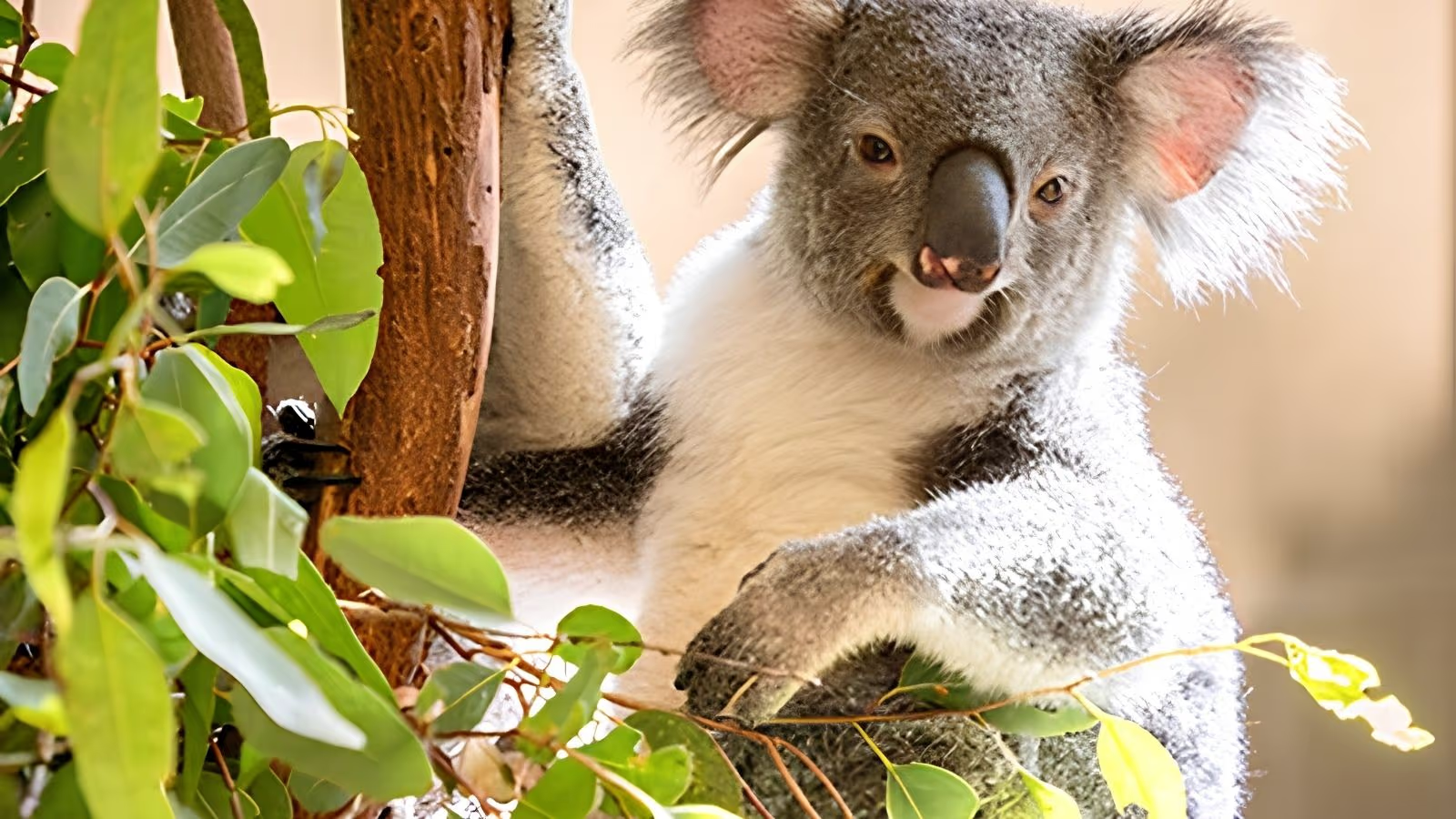
Experience ethical, unforgettable encounters with koalas, kangaroos, Tasmanian devils, wombats & more at Australia's premier wildlife sanctuaries
Go to the practical trip planner
Australia is home to some of Earth's most extraordinary wildlife found nowhere else on the planet. From the iconic koala and bounding kangaroo to the fierce Tasmanian devil and adorable wombat, these remarkable creatures captivate visitors from around the world. Our carefully selected wildlife sanctuaries offer safe, ethical encounters that prioritize animal welfare, support conservation efforts, and provide educational experiences that create lasting memories and meaningful connections with nature.
All sanctuaries are ZAA-accredited with strict animal welfare standards
Supporting breeding programs and wildlife rehabilitation
Safe, educational experiences suitable for all ages
Professional wildlife photography packages available
Unique encounters with Australia's most beloved animals
Where: Queensland & South Australia only (holding permitted). NSW, VIC, TAS, WA: photos beside koalas.
Cost: $25-40 AUD photo package
Best Time: Mornings before 11am when koalas are most active
Fun Fact: Koalas sleep 18-22 hours per day and have fingerprints remarkably similar to humans!
Where: Available at most sanctuaries nationwide
Experience: Walk freely among kangaroos and wallabies in open enclosures. Hand-feed special nutritionist-approved pellets.
Cost: Usually included in entry, feed $2-5
Species: Eastern Grey, Red Kangaroo, Wallaroos, Wallabies
Where: Select sanctuaries, especially Tasmania
Experience: Meet these powerful, chunky marsupials. Some sanctuaries offer supervised petting of rescue wombats.
Fun Fact: Wombats are the only animals that produce cube-shaped poop! They can run up to 40 km/h.
Where: Tasmania sanctuaries + select mainland facilities
Experience: Watch dramatic feeding demonstrations. Learn about Save the Tasmanian Devil conservation programs.
Status: Endangered species - breeding programs critical for survival
Did You Know: Their bite is the strongest of any living mammal relative to body size
Birds: Wedge-tailed Eagles, Kookaburras, Cockatoos, Galahs, Rainbow Lorikeets, Native Parrots
Experience: Free-flight demonstrations, photo opportunities, educational presentations
Shows: Typically 2-3 scheduled times daily
Animals: Saltwater & Freshwater Crocodiles, Pythons, Blue-tongue Lizards, Frilled-neck Lizards, Tree Frogs
Experience: Supervised handling sessions, crocodile feeding shows, educational talks
Safety: All interactions supervised by expert herpetologists
Where: Lone Pine (Brisbane), Healesville (Victoria)
Experience: Rare opportunity to see these elusive, egg-laying mammals in specially designed aquatic habitats
Note: Extremely rare in captivity. Wild platypus are nocturnal and difficult to spot.
Experience: Visit orphaned joey nurseries. Watch bottle feeding. Learn about rehabilitation and release programs.
Age: See joeys from newborn (jellybean-sized!) to juvenile
Note: Touching restrictions apply to protect vulnerable babies
Australia's premier ethical wildlife destinations
World's Largest
Brisbane, Queensland
Established 1927 as world's first koala sanctuary. Home to 130+ koalas plus kangaroos, wombats, Tasmanian devils, and Australia's largest platypus exhibit. Set in 18 hectares of natural bushland along Brisbane River.
Entry: $49 AUD adults | $29 children (3-13) | $134 family (2+2)
Koala Photo Package: +$30 AUD
Annual Pass: $90 AUD (unlimited visits)
⏰ Hours: Daily 9am-5pm (last entry 4pm)
🚗 Transport: Free parking | Rivercat ferry from city
Enquire about a Lone Pine Visit
Harbour Icon
Sydney Harbour, New South Wales
Spectacular harbourside zoo with Opera House and Harbour Bridge views. Over 4,000 animals representing 350 species. Award-winning conservation programs. Sky Safari cable car included with entry provides stunning harbour vistas.
Entry: $59 AUD adults | $39 children | $159 family
Ferry + Zoo Package: $63 AUD adults
Wild Ropes Course: +$25 AUD
⏰ Hours: Daily 9:30am-4:30pm (May-Aug) | 9:30am-5pm (Sep-Apr)
🚗 Transport: Ferry recommended | Limited parking $25/day
Enquire about a Taronga Visit
Gold Coast
Currumbin, Gold Coast, Queensland
Historic sanctuary established 1947, famous for rainbow lorikeet feeding experience. On-site wildlife hospital treats 8,000+ injured animals annually. 27 hectares of natural rainforest and wetlands. National Trust heritage listing.
Entry: $54.95 AUD adults | $39.95 children | $149 family
Koala Photo: +$29 AUD
Wild Island Zone: +$20 AUD
⏰ Hours: Daily 8am-5pm
🚗 Transport: 15 min from Surfers Paradise | Free parking
Enquire about a Currumbin VisitBrighton, Hobart, Tasmania
Ethical not-for-profit sanctuary dedicated to rescuing and rehabilitating Tasmanian wildlife. All proceeds support conservation. Home to Tasmanian devils, wombats, and endangered species breeding programs. Guided tours with passionate keepers.
Entry: $36 AUD adults | $18 children | $92 family
VIP Tour with koala encounter: $110 AUD
Night Tour: $85 AUD (seasonal)
⏰ Hours: Daily 9am-5pm
🚗 Transport: Car recommended | Free parking
Enquire about a Bonorong VisitDoonside, Western Sydney, NSW
Compact award-winning park specializing in Australian animals with more hands-on interaction than larger zoos. Over 2,000 native animals. Consistently rated Sydney's best wildlife park. Easy access from Sydney CBD and Blue Mountains.
Entry: $39 AUD adults | $21 children | $99 family
VIP Breakfast with koalas: $115 AUD
Annual Pass: $85 AUD
⏰ Hours: Daily 9am-5pm (last entry 4pm)
🚗 Transport: Train to Doonside then 10 min walk | Free parking
Enquire about a Featherdale VisitKangaroo Island, South Australia
Interactive sanctuary on Australia's wildlife paradise island. South Australia permits koala holding! Island is home to wild kangaroos, wallabies, seals, sea lions, penguins, and unique subspecies found nowhere else. Combine with pristine beaches.
Entry: $20 AUD adults | $10 children | $50 family
Koala Cuddle Package: +$18 AUD
Seal Bay Tour: $39 AUD (separate, nearby)
⏰ Hours: Daily 10am-5pm
🚗 Transport: Ferry from Adelaide | Car essential on island
Enquire about a KI Wildlife Visit
Victoria
Healesville, Yarra Valley, Victoria
Bushland sanctuary in stunning Yarra Valley wine region. Specializes in Australian wildlife conservation and breeding endangered species. Home to one of world's best platypus exhibits. Set in 70 acres of natural eucalyptus forest. 1 hour from Melbourne.
Entry: $45 AUD adults | $23 children | $115 family
Wild Encounters (keeper tour): $79 AUD
Annual Pass: $79 AUD
⏰ Hours: Daily 9am-5pm
🚗 Transport: 1 hour from Melbourne | Free parking
Enquire about a Healesville VisitBeerwah, Sunshine Coast, Queensland
Steve Irwin's world-famous zoo, now run by his family. Australia's largest zoo with 110+ acres and 1,200+ animals. Spectacular shows, interactive experiences, and passionate conservation message. Continue the Crocodile Hunter legacy.
Entry: $69 AUD adults | $49 children | $199 family
Koala Photo: +$29 AUD
VIP Tour: $299 AUD
⏰ Hours: Daily 9am-5pm
🚗 Transport: Car recommended | Free parking for 1,000+ cars
Enquire about a Australia Zoo VisitEssential information for the perfect wildlife encounter
Ideal weather, baby animals, wildflowers blooming. Most popular season. Book ahead.
Warm weather, school holidays. Visit early morning. Higher crowds, longer hours.
Perfect weather, fewer crowds. Animals more active. Best photography light.
Quietest season, good deals. Mild in QLD/NSW. Layer clothing in VIC/TAS.
Early Morning (9-11am): Animals most active, smaller crowds, better photos, koalas awake.
Midday: Many animals rest in shade. Good for lunch and indoor exhibits.
Afternoon (3-5pm): Animals become active again. Final feeding times. Golden hour photography.
Small sanctuaries: 2-3 hours (Bonorong, Featherdale, KI Wildlife Park)
Medium sanctuaries: 3-4 hours (Lone Pine, Healesville)
Large zoos: 4-6+ hours (Taronga, Australia Zoo, Currumbin)
Tip: Plan around show times - they're highlights you don't want to miss!
Clothing: Comfortable walking shoes, hat, sunglasses, layers for weather changes
Sun protection: Sunscreen (30+ SPF), seek shade during peak UV
Other: Water bottle, camera, hand sanitizer, small backpack
Not needed: Food for animals (available for purchase), flash photography
Wheelchair access: All major sanctuaries have paved pathways. Some bushland areas may be challenging.
Strollers: Allowed and recommended for young children. Rentals available at larger venues.
Assistance animals: Guide dogs permitted. Contact sanctuary in advance.
Quiet hours: Some sanctuaries offer sensory-friendly mornings - inquire ahead.
Online booking: Save $5-10 per ticket vs gate prices
Family passes: Better value than individual tickets
Annual passes: Pay for itself in 2-3 visits
Combo packages: Wildlife + attractions bundles available
Weekday discounts: Some venues offer cheaper weekday entry
No flash: Disturbs animals - use natural light
Best light: Morning or late afternoon (golden hour)
Be patient: Wait for animals to look at camera
Professional photos: Koala photo packages include high-res digital + prints
Video: Allowed for personal use, no drones
Respect boundaries: Don't chase or corner animals
Quiet voices: Loud noises stress wildlife
Follow keeper instructions: They know animals' comfort levels
Feeding rules: Only sanctuary-provided food
Hand sanitizer: Use before and after animal contact
Cafés: All major sanctuaries have on-site dining. Expect $15-25 per person.
Picnics: Most allow BYO food in designated areas. Check policy.
Water: Free drinking fountains available. Refill bottles to reduce plastic.
Lockers: Available at larger venues for storing bags during shows/experiences.
"Lone Pine was absolutely magical! Cuddling a koala was on my bucket list for years. They're so soft and their little hands grip your arm! The kangaroos were incredibly friendly - we spent an hour just sitting with them. Staff were so knowledgeable and passionate. This is what makes a trip to Australia truly special. Worth every dollar and then some!"
"Taronga Zoo exceeded all expectations. The ferry ride across Sydney Harbour with Opera House views set the perfect tone. Our kids (ages 5 and 8) were mesmerized by the seal show and loved hand-feeding the kangaroos. The Sky Safari gave us incredible photo opportunities. We arrived at 9:30am and didn't leave until closing. Easily the best zoo we've visited in 15 countries. An absolute must-do in Sydney."
"Bonorong's Tasmanian devil feeding was phenomenal - so much more powerful and intense than I imagined! The keepers' passion for conservation really shines through. We learned about the facial tumor disease threatening devils and how breeding programs are saving the species. The wombats were adorably chunky. As a not-for-profit, every dollar supports actual wildlife rescue. Felt good spending money here knowing it helps animals."
"Australia Zoo is absolutely massive! We spent 6 hours and still didn't see everything. The crocodile show in the Crocoseum was jaw-dropping - literally! You can feel Steve Irwin's legacy everywhere. The Irwin family's commitment to conservation is inspiring. Our 12-year-old daughter wants to be a wildlife vet now. Expensive entry but incredible value for a full day out."
"Currumbin's lorikeet feeding is pure joy! Hundreds of wild rainbow lorikeets land on you for nectar. I had 8 birds on me at once - on my arms, shoulders, even my head! My Instagram went crazy. The koala cuddle photo is now my most treasured souvenir. We also loved the Aboriginal cultural show. Beautiful sanctuary supporting wildlife rescue. Highly recommend arriving at opening time."
"Featherdale is perfect for young kids - compact, easy to navigate, and SO hands-on. Our toddler fed kangaroos for the first time and wouldn't stop giggling. The penguin feeding at 2:30pm was adorable. We saw wombats, koalas, dingoes, and dozens of bird species in just 3 hours. Much better value and less overwhelming than the big zoos. Train access from Sydney makes it super convenient. Will definitely return."
No - koala holding is only legal in Queensland and South Australia. In NSW, Victoria, Tasmania, Western Australia, and Northern Territory, you can take photos beside koalas but cannot hold them.
This regulation protects koala welfare. Koalas sleep 18-22 hours per day, and excessive handling causes stress. Even in QLD and SA, sanctuaries limit handling time and rotate koalas to ensure their wellbeing.
Where to cuddle koalas: Lone Pine (Brisbane), Currumbin (Gold Coast), Australia Zoo (Sunshine Coast), Kangaroo Island Wildlife Park (SA)
Early morning (9-11am) is best. Animals are most active after their night's rest. Koalas are more likely to be awake, kangaroos are feeding, and shows typically start mid-morning.
Early arrival also means smaller crowds, easier parking, and better photography lighting. Many animals seek shade during midday heat, especially in summer.
Pro tip: Plan your visit around scheduled shows and feeding times - check sanctuary websites for daily schedules.
Reputable Australian sanctuaries listed here maintain high ethical standards. Look for these indicators of ethical operations:
• ZAA (Zoos Aquariums Association) accreditation
• Large, naturalistic enclosures with enrichment
• Veterinary care and animal health programs
• Conservation and breeding initiatives
• Rescue and rehabilitation services
• Educational programs about wildlife protection
• Transparent animal welfare policies
All sanctuaries featured on this page meet these criteria. Avoid facilities with cramped enclosures, allow unlimited animal handling, or prioritize profit over animal welfare.
Best for toddlers and preschoolers:
• Featherdale Wildlife Park - Compact, easy to navigate, very hands-on, 2-3 hour duration perfect for short attention spans
• Lone Pine Koala Sanctuary - Interactive kangaroo area, koala cuddles, not too overwhelming in size
• Currumbin Wildlife Sanctuary - Lorikeet feeding is magical for kids, playground areas, family-focused
All have stroller access, changing facilities, cafés, and shaded areas. Visit in morning when kids are fresh. Bring snacks and sunscreen.
Recommended visit durations:
2-3 hours: Bonorong, Featherdale, KI Wildlife Park (smaller, focused sanctuaries)
3-4 hours: Lone Pine, Healesville (medium-sized with multiple exhibits)
4-6+ hours: Taronga Zoo, Australia Zoo, Currumbin (large facilities with extensive exhibits and shows)
Arrive at opening time (usually 9-9:30am) to maximize your visit. Check show schedules in advance - they're must-see highlights. Allow extra time if doing special experiences like koala photos or keeper talks.
Platypuses are extremely difficult to see in the wild - they're nocturnal, shy, and live in murky water. Your best chance is in sanctuaries:
• Lone Pine Koala Sanctuary (Brisbane) - Australia's largest platypus exhibit with underwater viewing
• Healesville Sanctuary (Victoria) - Excellent platypus habitat with viewing windows
Both facilities have specially designed aquatic environments where you can watch platypuses swimming, diving, and hunting. They're fascinating to observe - egg-laying mammals with duck bills and venomous spurs!
Typical koala photo packages ($25-40 AUD) include:
• Professional photo session with koala (2-3 minutes)
• High-resolution digital image (emailed/downloadable)
• Printed 6x4" or 8x10" photo
• Educational talk about koalas from keeper
• Certificate of experience (at some sanctuaries)
In QLD/SA: You'll hold the koala for photos
In other states: Koala sits on branch beside you
Photos are taken by sanctuary staff using their camera. Additional prints and frames usually available for purchase. Digital images allow easy social media sharing!
Yes, most sanctuaries are open on public holidays including Christmas Day, though hours may vary. Public holidays are often their busiest days.
Expect:
• Larger crowds, especially during school holidays
• Longer wait times for experiences
• Full car parks (arrive early)
• Higher demand for shows (arrive 15 min early for seating)
Booking ahead: Highly recommended for public holidays. Some sanctuaries limit daily visitor numbers. Online bookings often cheaper than gate prices.
Check specific sanctuary websites for holiday hours and special event schedules.
Most sanctuaries allow BYO food and drinks for human consumption in designated picnic areas. However, policies vary:
Usually allowed: Water bottles, snacks, picnic lunches in outdoor areas
Not allowed: Food for animals (safety/nutrition reasons), alcohol (at most venues), glass containers
On-site options: All major sanctuaries have cafés serving hot food, coffee, snacks. Expect to pay $15-25 per person for a meal.
Check individual sanctuary websites for specific policies. During hot days, bring refillable water bottles - free drinking fountains available.
Sanctuaries operate in all weather conditions (except extreme events). Animals must be cared for regardless of weather!
Light rain: Most outdoor areas accessible. Animals often more active in cooler weather. Bring umbrellas and waterproof jackets.
Heavy rain: Some outdoor shows may be cancelled/rescheduled. Indoor exhibits remain open. Reduced crowds can mean better viewing!
Tickets: Generally non-refundable for weather. Check individual sanctuary policies. Annual passes give flexibility to return on better days.
Best strategy: Check weather forecast. Visit during breaks in rain. Australian weather often clears quickly!
Yes, most sanctuaries offer various guided tour options:
Keeper talks: Free with entry, scheduled throughout day, 15-30 min educational sessions about specific animals
Guided tours: $50-150 per person, 1-2 hours, small groups, behind-scenes access, expert commentary
VIP experiences: $150-300+ per person, exclusive animal encounters, private keeper sessions, breakfast with koalas
School groups: Discounted educational programs with curriculum-aligned content
Guided tours must be pre-booked. They offer deeper insights, photo opportunities, and support conservation through premium pricing. Check sanctuary websites for specific offerings.
Book your unforgettable wildlife sanctuary experience today. Create memories that last a lifetime while supporting conservation efforts.
Decide whether you want to learn about wildlife in its habitat, spend time with an ecologist or local guide, or view animals at a reputable visitor facility. Each involves different expectations. In habitat, sightings depend on conditions, season, location and the animal's behaviour. A good tour can still teach you to recognise signs, understand the landscape and see a variety of animals without promising a particular encounter.
Before booking, check how the operator describes wildlife welfare and where visitors are allowed to go. Give wild animals room, avoid feeding them and follow signs and the guide's instructions. For a facility, read its access and welfare policies and check what the advertised ticket includes. If children are joining, verify age and equipment rules and choose a shorter alternative for anyone likely to need shade or rest.
For a mixed group, use one fixed experience and a quieter part of the day around it. An early walk can work for keen observers while a later meeting or café visit engages others. Take binoculars if appropriate, keep control of children and belongings near water and look at where a group will sit or wait between activities. If going to see a marine species, choose a permitted operator and follow the relevant marine park's guidance.
Compare reef trips in the Great Barrier Reef guide or a tropical rainforest visit in the Daintree guide. For outdoor areas, check the appropriate parks agency's current advice and track conditions. For a group trip, ask the provider whether the choice being offered is a sighting opportunity, an interpretation activity or a ticket to a facility.