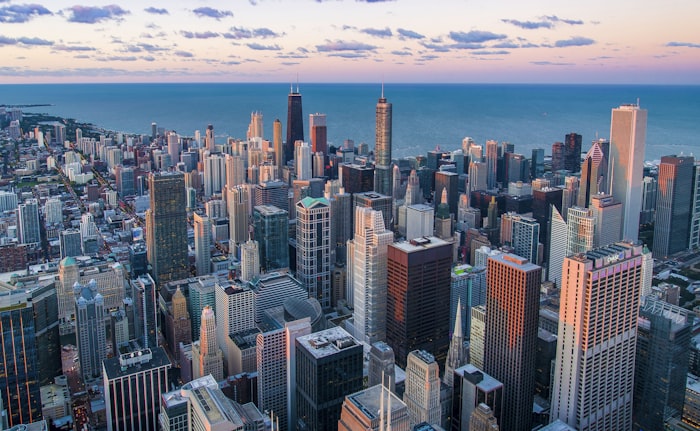

The road trip from Brisbane to Melbourne is one of Australia's most celebrated journeys — roughly 1,700 kilometres of coastline, hinterland, ocean pools, oyster shacks, world-class cities, and national parks that stretch from subtropical Queensland all the way to cool-climate Victoria. There is no better way to understand the scale and diversity of Australia's eastern seaboard than to drive it, stop it, and eat your way through it over ten slow, unhurried days.
This guide covers everything you need to plan the trip properly: two routes compared side by side, a full 10-day coastal itinerary with daily photos and insider tips for every stop, a realistic budget breakdown, a packing list built for Australian conditions, safety advice, and the regional food highlights that make each stretch of road worth savouring. If you'd rather hand the planning to experts, Cooee Tours runs a fully guided Brisbane to Melbourne tour with accommodation, transport, and all the best stops taken care of — details are at the bottom.
Coastal vs Inland: Which Route is Right for You?
Two distinct routes connect Brisbane to Melbourne — here's how they compare.
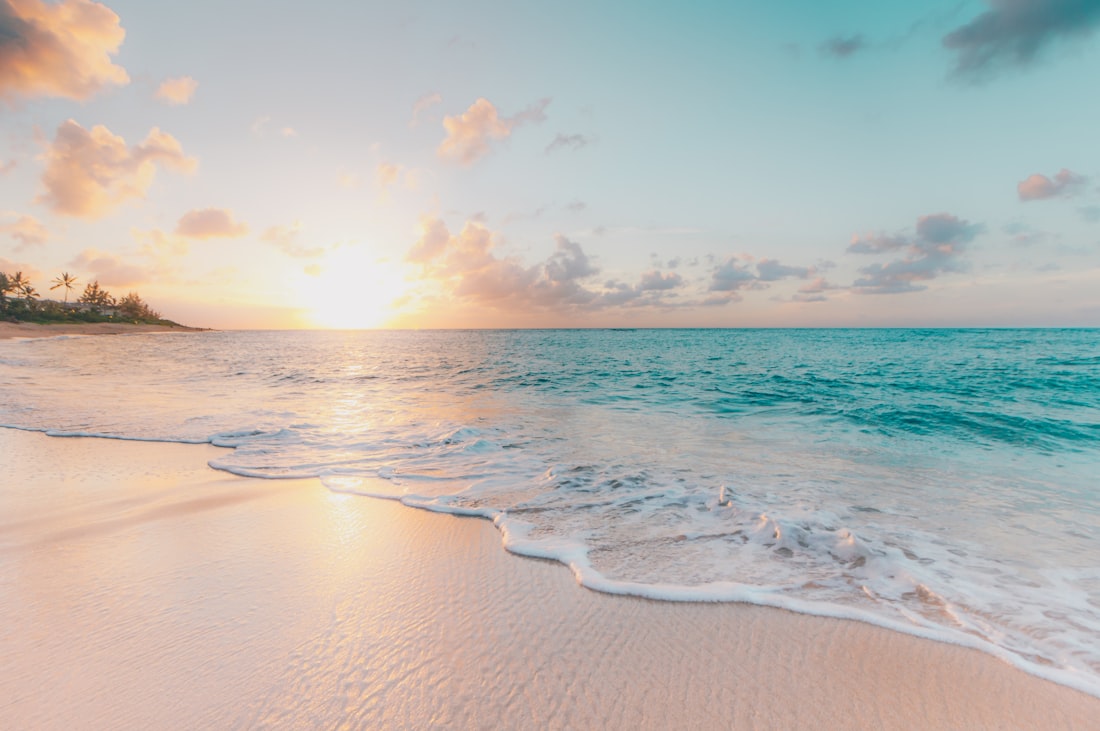
The coastal route is the one most travellers choose, and for good reason. Heading south from Brisbane along the Pacific Motorway, it hugs Australia's east coast through Byron Bay, Coffs Harbour, Port Macquarie, Newcastle, and Sydney, before continuing south along the Princes Highway via Jervis Bay, the Sapphire Coast, Lakes Entrance, and Wilsons Promontory into Melbourne. The scenery is extraordinary: subtropical rainforest in the north transitions through dramatic sea cliffs and white-sand beaches in New South Wales to the rich dairy country and rugged coastal national parks of Victoria's Gippsland.
This is the route this guide follows in full. It is slightly longer than the inland alternative, but every extra kilometre is justified by what you'll see and experience along the way.
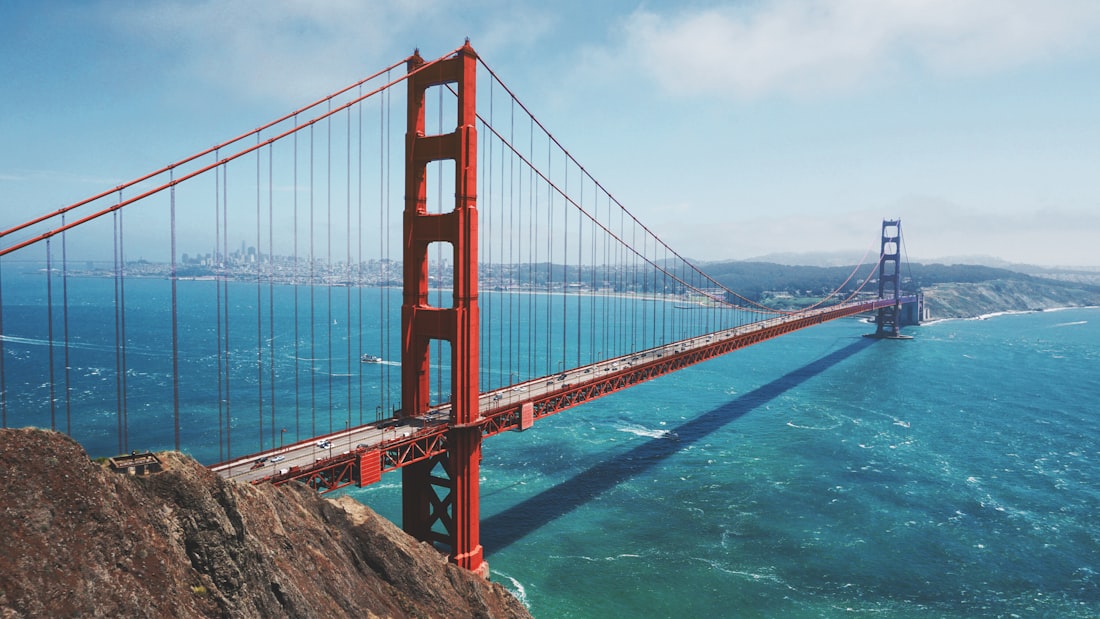
The inland route via the New England Highway and Hume Highway is about 30 kilometres shorter and several hours faster than the coastal option. It passes through Toowoomba, the New England Tablelands, Armidale, and then Canberra before reaching Albury-Wodonga and continuing on to Melbourne via Beechworth and the Victorian wine country. This route offers a compelling glimpse into rural and regional Australia — historic goldrush towns, sweeping pastoral landscapes, and the Great Dividing Range — but misses the coast entirely.
The inland route is best suited to those short on time, those who have already done the coastal drive and want a different experience, or those travelling in summer who want to avoid the peak-season crowds at coastal towns.
Spring (September–November) and autumn (March–May) offer the most comfortable driving weather across the whole route and the best prices. Summer (December–February) is peak season — warmer and great for beaches but more expensive and crowded. Winter (June–August) has cooler southern temperatures but rewards travellers with cheaper accommodation, clear days, and humpback whale migration along the NSW coast (June–November).
The Perfect 10-Day Coastal Itinerary
This itinerary balances driving time with exploration — no day exceeds 4 hours behind the wheel, leaving ample time for beaches, walks, and food.
Begin with a gentle start — just 200 kilometres and two and a half hours of easy driving, giving you the whole afternoon to settle into Byron Bay's famously unhurried rhythm. Head south on the Pacific Motorway and pull off at Burleigh Heads on the Gold Coast for breakfast at one of the cafés along the beachfront park. This is as good as morning coffee gets anywhere in Australia, and worth the 20-minute stop even if you're eager to push on.
Byron Bay rewards exploration on foot. Check in early if you can and walk the Cape Byron Lighthouse trail — a 3.7 km circuit that takes you around Australia's most easterly point with views of the Pacific stretching to the horizon. Come evening, Byron's dining scene is excellent across all price points, from casual beach fish and chips to genuinely impressive farm-to-table restaurants.
- MorningDepart Brisbane. Stop at Burleigh Heads for breakfast with Gold Coast beach views.
- AfternoonArrive Byron Bay. Check in, explore the beach and main street, Cape Byron walk.
- SunsetCape Byron Lighthouse lookout — Australia's most easterly point at golden hour.
- EveningDinner at one of Byron's restaurants. Try The Farm at Three Blue Ducks for something special.
Arrive at the Cape Byron Lighthouse carpark before 5:30am (free before 8am) for the walk to the most easterly point of mainland Australia. Dolphins are regularly spotted below the cliffs in the morning, and the sunrise light is extraordinary. It's one of those moments that makes the whole trip worthwhile from Day 1.

Today's drive is the longest of the itinerary at 320 kilometres, but the two stops en route break it up nicely and one of them — the Angourie Blue Pool — is genuinely one of the most memorable swimming spots on the whole route. The road south passes through Ballina, the Macleay Valley, and the coastal town of Yamba, a relaxed fishing village with some of the freshest fish and chips in New South Wales and a beach walk that's well worth stretching your legs.
Port Macquarie is a solid overnight base with genuine appeal. The Koala Hospital — a working wildlife rehabilitation centre just north of the CBD — is worth an afternoon visit (free entry, with guided walks at 3pm daily). The koalas there are recovering from injury and illness, and the setting and scale of the operation is genuinely moving. Town Beach at sunset rounds off the day perfectly.
- MorningBrowse Byron Bay markets if it's Thursday–Sunday, then depart south.
- MiddayYamba: lunch by the beach, optional swim at Angourie Blue Pool (5 min from town).
- AfternoonArrive Port Macquarie, 3pm guided walk at the Koala Hospital.
- EveningSunset walk along Town Beach, dinner in the CBD.
Five minutes south of Yamba, this volcanic rock pool formed in a disused quarry is one of the east coast's best-kept secrets. The water is extraordinary — crystal clear, deep, and vivid blue-green — and the pool connects to the ocean through underwater channels. Arrive before 11am for calm conditions and minimal crowds.

Newcastle is one of the great underrated cities on the east coast, and this stop consistently surprises travellers who write it off as a steel-and-coal industrial city and nothing more. The waterfront has been transformed over the past decade, and the 4-kilometre coastal walk from Nobbys Beach south through Newcastle Beach and Bar Beach to Merewether is one of the finest urban coastal walks in Australia — a succession of ocean pools, headland views, and surf beaches that feels nothing like a city.
The food and coffee scene in Newcastle is exceptional, particularly in the streets around Darby Street and Hunter Street, where independent cafés, wine bars, and restaurants have taken over heritage buildings in the former CBD. Dinner here could easily be the best meal of the whole trip if you choose well.
- MorningOptional early surf lesson at Lighthouse Beach, Port Macquarie, before departing.
- AfternoonArrive Newcastle. Walk the coastal path from Nobbys to Merewether (4 km, 1 hour).
- Late PMStop at Bogey Hole — a convict-carved ocean pool at the base of King Edward Park.
- EveningDinner in Darby Street or Hunter Street for Newcastle's best restaurants.
Hewn from the sandstone cliff base by convicts in the 1820s at the direction of Governor Macquarie, Bogey Hole is one of Australia's oldest ocean baths and also one of its most dramatic. Waves break over the outer wall, the rock is golden in afternoon light, and the pool is deep enough to swim proper laps. It's one of those places that doesn't look like much in photos but is remarkable in person.
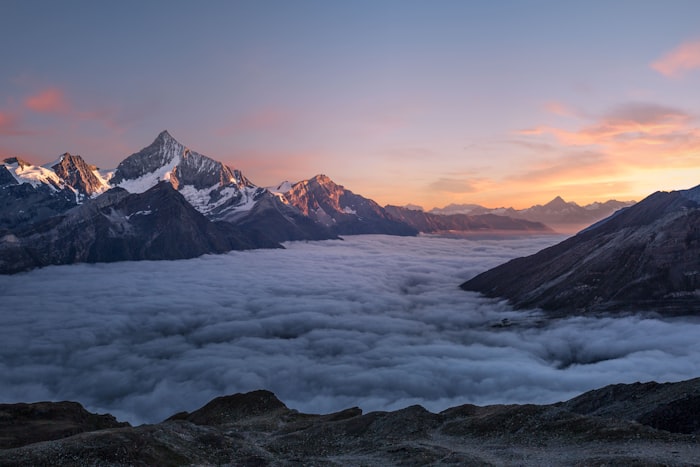
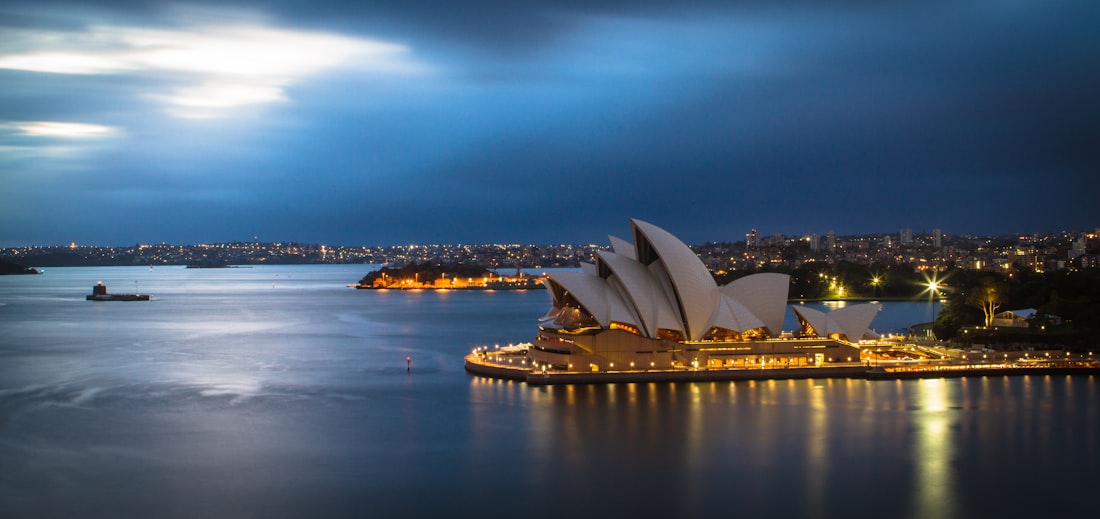
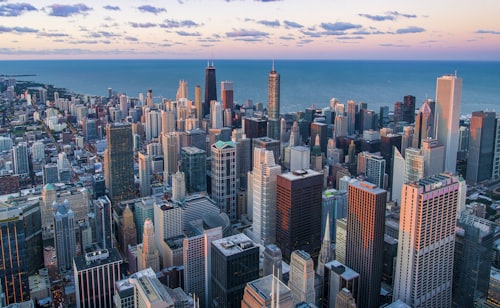
Sydney is the centrepiece of the trip and deserves two full days at a minimum. The drive from Newcastle is just 165 kilometres and two hours, so you'll arrive with a full afternoon ahead of you. Aim to check in and get down to Circular Quay before the afternoon light fades — the walk between the Opera House and the Harbour Bridge, with the harbour glittering below, is one of those scenes that makes you feel like you've arrived somewhere genuinely significant.
Day 4 is best spent on the city's iconic harbour precincts: the Opera House, The Rocks, Circular Quay, and a walk up to the Sydney Harbour Bridge for views. Day 5 belongs to the coastal walk — the Bondi to Coogee track (6 km, 2 hours) is one of the finest urban coastal walks in the world, connecting a succession of beaches, ocean pools, and headland lookouts along the Eastern Suburbs cliffs. Finish with lunch in Coogee or Bronte. If you have a third day, the Blue Mountains or Hunter Valley wineries make excellent day trips.
- Day 4Sydney Opera House, Harbour Bridge, The Rocks. Evening: dinner in Surry Hills or Darlinghurst.
- Day 5 AMBondi Beach — swim, coffee, and start the coastal walk south to Coogee (6 km, 2 hrs).
- Day 5 PMCoogee or Bronte lunch. Optional: Sydney Fish Market for late afternoon oysters.
- OptionalDay trip to Blue Mountains (Echo Point, Three Sisters) or Hunter Valley wineries.
Sydney can be expensive to sleep in, but the best it offers costs nothing. The Bondi to Coogee walk, Royal Botanic Gardens, Manly Beach via ferry, Mrs Macquarie's Chair at sunset, and the Coogee and Bronte ocean pools are all free. Budget accommodation is available in Newtown, Glebe, and Surry Hills — inner suburbs well served by buses — if you want to avoid CBD hotel prices.
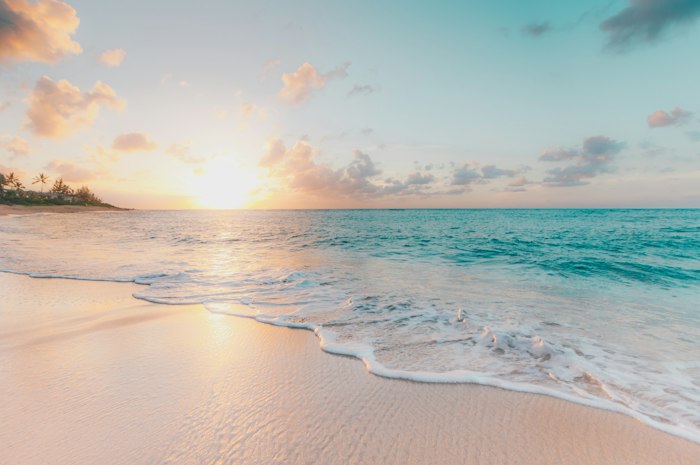
Trading the city for pristine wilderness, today's drive south passes through Royal National Park — one of the world's oldest national parks, established 1879 — before descending to the coast via the Princes Highway. Jervis Bay is one of the most beautiful natural harbours in Australia: a sheltered inlet fringed with white sand beaches so brilliant they hurt to look at, and water so clear that dolphins, rays, and schools of fish are visible from shore.
Hyams Beach, on the western shore of the bay, holds the Guinness World Record for the world's whitest sand — the quartz content is so high that the sand squeaks underfoot. Arrive in the afternoon when the water is warmest and the light is best. Book a dolphin or whale watching cruise (seasonal — whales June to November) through one of the operators at Huskisson for the most memorable way to experience the bay.
- MorningDepart Sydney via Royal National Park — walk the Coast Track segment if time allows.
- AfternoonArrive Jervis Bay. Visit Hyams Beach — swim in the extraordinary turquoise water.
- Late PMHuskisson foreshore walk and dolphin watching cruise if pre-booked.
- EveningDinner in Huskisson. Stay at one of the holiday park cabins or Jervis Bay accommodation.
Jervis Bay has several resident pods of bottlenose dolphins that can often be spotted from the beach or the headlands. For a guaranteed sighting, book a morning cruise with Dolphin Watch Cruises from Huskisson — they operate year-round and maintain a high sighting rate. Between June and November, the same operators run whale watching tours as humpbacks migrate past the bay.
The Sapphire Coast is what people mean when they describe the NSW South Coast — a succession of dramatic headlands, sheltered inlets, and deep-blue beaches that feel genuinely remote despite being just a few hours from Sydney. Today's drive follows the Princes Highway south through Ulladulla and Bateman's Bay before arriving at Narooma, a small coastal town perched on a narrow entrance between the ocean and a large coastal lagoon.
Batemans Bay is the mandatory lunch stop on this stretch: the town's oyster leases are some of the most productive on the NSW coast, and you can eat freshly shucked Sydney Rock and Pacific oysters at waterfront cafés for a few dollars each. These are the oysters that end up in Sydney restaurants — here you're getting them the same day they come out of the water. In Narooma, the rock formation known as Australia Rock — a hole eroded through the cliff face that perfectly frames a small headland — is worth the short walk for the photo alone.
- MorningBooderee National Park walk or beach swim in Jervis Bay before departing.
- MiddayBatemans Bay — fresh Sydney Rock oysters at a waterfront café on the Clyde River.
- AfternoonArrive Narooma, walk to Australia Rock and Bar Beach.
- EveningDinner in Narooma. Fresh local seafood is the obvious choice.
The estuaries between Batemans Bay and Narooma are some of the most productive oyster-farming waters in Australia, protected from open-ocean pollution and fed by clean rivers from the Southern Tablelands. The Sydney Rock oyster grown here has a distinctive mineral-briny flavour that's quite different from the Pacific variety. Most waterfront cafés in Batemans Bay and Narooma will shuck them to order — a dozen for around $18–24 is the going rate at the source.
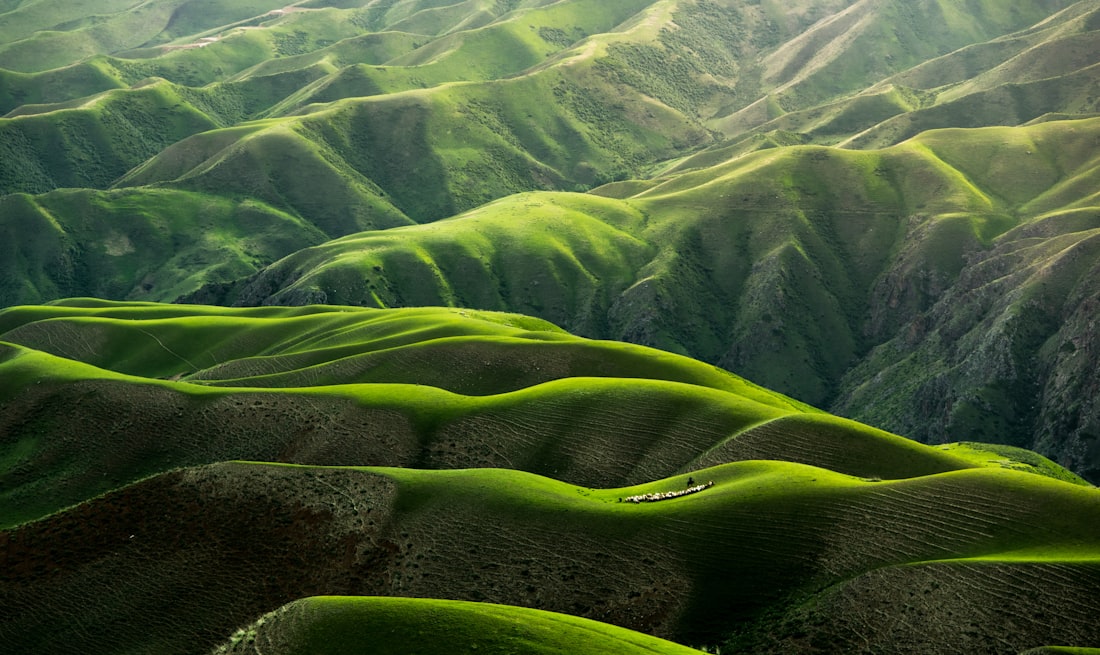
Today you cross into Victoria, and the crossing feels significant — the landscape shifts subtly but noticeably as you move from the brown-gold tones of coastal New South Wales into the deeper greens of Gippsland. The drive passes through Eden, a fishing town on the southern NSW coast with a small but interesting whaling museum, before crossing the state border near Genoa and continuing west to Lakes Entrance.
Lakes Entrance sits at the narrow sea channel that connects the vast Gippsland Lakes — Australia's largest inland waterway network, covering 400 square kilometres — to Bass Strait. The lakes are shallow, warm in summer, and lined with national park and state forest. A lake cruise is the best way to appreciate the scale of the system; kayak hire is also widely available for a slower, quieter experience among the waterbirds and pelicans.
- MorningOptional detour to Ben Boyd National Park south of Eden for the short Red Rocks walk.
- MiddayEden — lunch and a visit to the Killer Whale Museum (small, but fascinating).
- AfternoonCross into Victoria. Arrive Lakes Entrance, lake cruise or kayak hire.
- EveningFresh seafood dinner overlooking the Gippsland Lakes at sunset.
The Gippsland Lakes are home to a remarkable variety of birdlife including white-bellied sea eagles, pelicans, royal spoonbills, and numerous wading species. Hiring a kayak for a few hours from one of the Lakes Entrance operators lets you paddle through channels lined with paperbark tea-trees into quieter sections of the lake system where the only sounds are wind and waterbirds. Early morning is the best time — the water is glassy and the light is extraordinary.

Wilsons Promontory — "The Prom" to Victorians — is one of the best national parks in Australia and the southernmost point of the Australian mainland. The landscape is unlike anything else on the route: ancient granite domes rise directly from the sea, beaches of course sand squeak underfoot (hence Squeaky Beach), wombats and eastern grey kangaroos graze by the roadsides at dusk, and the sense of wilderness is immediate despite the park being just a few hours from Melbourne. Book your accommodation well in advance — Tidal River's camping and cabin accommodation fills months ahead in summer and on public holidays.
The Mount Oberon summit walk (7 km return, 3 hours) is the definitive Prom experience: a steady climb through coastal scrub to an exposed granite summit with arguably the best coastal views in Victoria, looking south over the granite headlands and out to the Bass Strait islands. Start before 9am to avoid the afternoon heat and the park's busiest crowds.
- MorningDepart Lakes Entrance early. Drive through Gippsland to Wilsons Promontory.
- AfternoonMount Oberon summit walk (7 km return, 3 hrs) — start by 2pm at latest for safe return.
- Late PMSqueaky Beach — the quartz sand really does squeak. Swim if the weather allows.
- DuskTidal River area — wombats and kangaroos are active as the light fades. Bring a camera.
Wombats, eastern grey kangaroos, and wallabies are active throughout the Tidal River camping area from late afternoon until after dark. They're habituated to people and will graze within metres of your campsite or cabin. The wombats in particular — stocky, purposeful, entirely indifferent to tourists — are one of the best wildlife experiences of the whole trip. Keep food secured and don't feed them, but do sit quietly and watch.

The final stretch. Wilsons Promontory to Melbourne is 230 kilometres and about three hours of driving — a gentle enough distance to allow for one more stop before arriving in the city. Phillip Island, famous for its Little Penguin colony, is a worthwhile detour if your timing works: the nightly penguin parade (between October and April, starting at dusk) sees hundreds of the world's smallest penguins waddle up the beach to their burrows and is one of the most charming wildlife spectacles in Victoria. Book online in advance as it sells out regularly.
Melbourne itself rewards at least two nights if you haven't factored them in — the city's lane culture, food scene, and cultural institutions are world-class. But even a single afternoon's arrival gives you time to walk along the Yarra River to Federation Square, explore Hosier Lane and the CBD laneways, and raise a glass to a journey well-driven. You've earned it.
- MorningFinal walk at The Prom before departing. Squeaky Beach at sunrise if you're up early.
- MiddayOptional Phillip Island detour — penguin parade at dusk requires overnight if you include it.
- AfternoonArrive Melbourne. Walk Southbank and Federation Square along the Yarra.
- EveningDinner in Melbourne's laneways — Degraves Street, Centre Place, or the CBD's restaurant clusters.
Aim to arrive in central Melbourne before 3pm to avoid peak-hour traffic on the Monash Freeway (worst from 4–6:30pm). If staying in the CBD, consider parking at your accommodation and not moving the car again — Melbourne's tram network and walking distances make it entirely unnecessary. Celebrate 1,700 km of road with dinner at the restaurant end of Flinders Lane or in the Gertrude Street precinct in Fitzroy.
Budget Planning: What to Expect
A realistic cost breakdown for the full 10-day coastal route in 2026 dollars.
Fuel prices vary significantly along the route — typically cheapest in larger towns (Byron Bay, Port Macquarie, Newcastle, Sydney suburbs) and most expensive at isolated service stations near national parks. Budget $280–360 total for fuel in a standard 2.0L car averaging 8L/100km. Add $50–80 for Sydney tolls (you'll encounter them on the M1 and M5 — most rental cars have e-toll transponders; confirm with your rental company before departure).
Essential Packing List
The route spans subtropical Queensland to cool-climate Victoria — pack for the full range.
- 🩱 Swimwear × 2–3 sets
- 🧢 Wide-brim sun hat (essential)
- 😎 Quality sunglasses (UV400)
- 🧥 Light fleece or jacket (for Victoria)
- ☔ Packable rain jacket
- 👟 Comfortable hiking shoes
- 🩴 Thongs / flip-flops
- 👗 Casual evening wear (1–2 smart outfits)
- 🧴 SPF 50+ sunscreen — buy in bulk
- 🦟 DEET insect repellent (for national parks)
- 💊 First aid kit with ibuprofen & blister pads
- 🔌 Car charger + phone mount for navigation
- 🧊 Portable cooler (worth every dollar)
- 💧 Reusable water bottles × 2
- 📷 Camera + charging equipment
- 🗺 Offline maps (Maps.me or Google offline areas)
- 🔩 Spare tyre + jack (verify condition before departure)
- 📱 Roadside assistance membership (RACQ / NRMA)
- 📋 Vehicle logbook & insurance docs
- 🔦 Torch / headlamp for camping nights
- 🧹 Rubbish bags (keep the car clean)
- ✅ Valid driver's licence
- ✅ Vehicle roadworthy check + tyre pressure
- ✅ Travel insurance (comprehensive)
- ✅ Key accommodation booked in advance
- ✅ Emergency contact list saved offline
- ✅ Sydney e-toll confirmed (rental car)
Important Safety Considerations
Kangaroos and wallabies are most active between dusk and dawn — this is when the vast majority of wildlife strikes occur. If you must drive during these times, reduce your speed significantly, use high beams when no oncoming traffic, and brake for animals rather than swerving. A collision with a large kangaroo at 100 km/h is a life-threatening accident. If you can, avoid driving in rural areas between 6pm and 8am.
Fatigue is a factor in approximately 20% of fatal crashes on Australian roads. This itinerary is designed so that no day exceeds 4 hours of driving, but the cumulative tiredness of multi-day travel is real. Take a break every 2 hours — even a short stop, a stretch, and a coffee makes a measurable difference. If you feel sleepy while driving, stop immediately. "Powernaps" of 15–20 minutes are the most effective short-term fatigue countermeasure. Don't push through it.
Always swim at patrolled beaches between the red and yellow flags, particularly in New South Wales where rip currents are common. If caught in a rip, don't panic and don't fight it — float and signal for help or swim parallel to the shore until clear. Check surf conditions at the beach before entering. The ocean pools at Newcastle, Coogee, and Bronte are a safer swimming alternative when surf is heavy.
Australia's UV index regularly reaches 10–11 (Extreme) across this entire route, particularly in Queensland and NSW. Apply SPF 50+ sunscreen 20 minutes before sun exposure and reapply every 2 hours — including on overcast days when up to 90% of UV penetrates cloud cover. The time between 10am and 3pm is when UV is most intense: seek shade during this window on beach days. Hat, sunglasses, and long sleeves provide the most reliable protection.
Regional Food Highlights by Stop
Each stretch of the route has its own distinct culinary identity — here's what to order where.
Frequently Asked Questions

James has driven every major road trip route in Australia at least twice and the Brisbane to Melbourne coastal route four times — in different seasons, different vehicles, and with different companions. He has worked with Cooee Tours since 2019, developing guided itineraries and writing destination content based on personal experience rather than press trips. His advice is practical, his food tips are reliable, and his photo stops are worth the detour.
More articles by James →