Planning a Mission Beach visit
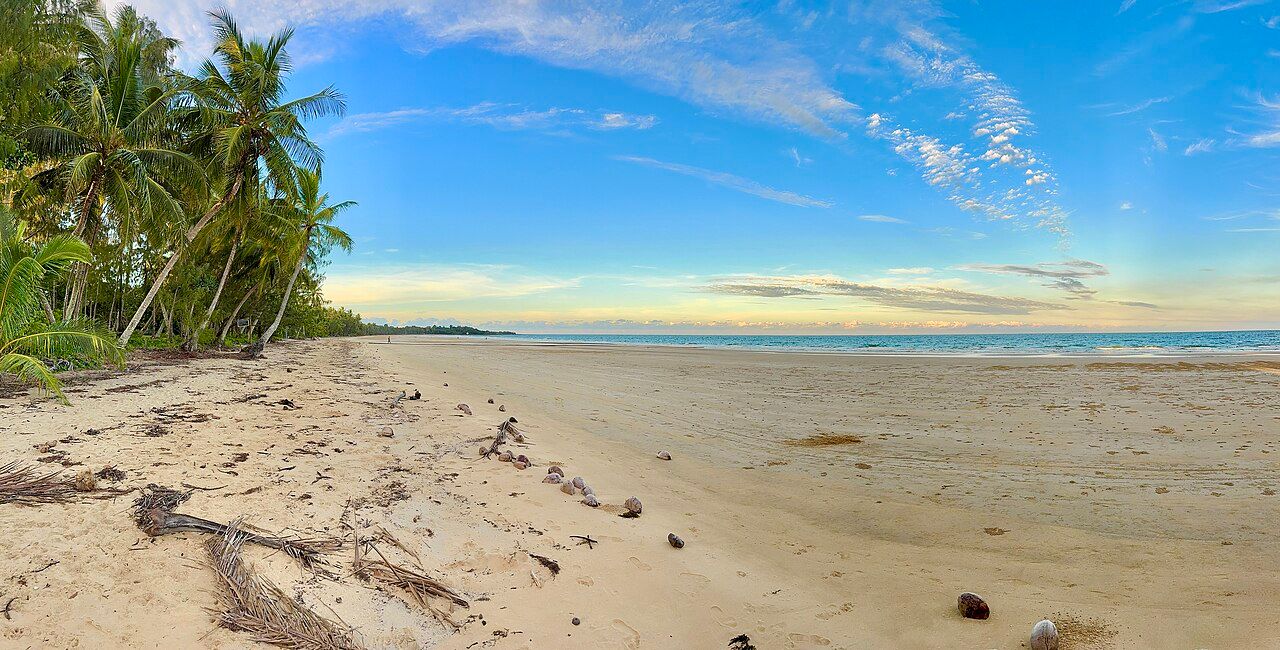
Mission Beach is a string of four coastal villages on Queensland's Cassowary Coast. Bingil Bay is at the northern end, followed by North Mission Beach, Wongaling Beach and South Mission Beach. Each gives you a different relationship to the water, village services and the roads into the rainforest. A good first visit includes time on the mainland and at least one flexible block for a wildlife walk, a guided activity or an island trip when conditions suit.
Two nights give a self-drive traveller a full day between arrivals and departures. Three nights work better if reaching Dunk Island is important or you want to try a guided activity with weather constraints. A longer stay leaves space for Tully or another Cassowary Coast stop and makes it easier to spend unhurried time in several villages. The smallest itinerary can still deliver a genuine rainforest-and-coast experience.
Choose a village based on what you need nearby
North Mission Beach for cafés and an easy first look
North Mission Beach is the natural first stop for visitors who want a stroll and a meal without planning a long sequence of drives. Look at the actual distance from your accommodation to the village centre and the foreshore. Two bookings can both say Mission Beach and have very different walking routes. Before booking, ask where you can get breakfast on your travel days and which beach access is closest to your room.
This is a useful area for an arrival afternoon. Leave your bags at the accommodation if check-in is later, then look for a place to sit near the water and get your bearings. The orientation is especially helpful for groups. Once you know where the cafe, toilets and pickup point are, you can give everyone useful free time without making them navigate an unfamiliar street alone.
Wongaling Beach for supplies and a central base
Wongaling Beach works well if you plan to use several villages in one stay or need to buy groceries between activities. A self-catered apartment can be practical for early departures and dietary needs. Check whether your accommodation has a full kitchen, fridge space, washing facilities and shaded outdoor seating if those matter. Look at the route to the shops and beach separately, since the closest landmark on a map may be in the opposite direction from the one you will use each day.
Sort your picnic and water before setting off to a national park or a marine departure. If a member of your party needs a reliably accessible bathroom or air conditioning at midday, identify a specific stop. Being based centrally makes it easier to return to your room on hot or stormy days.
Bingil Bay for a slower northern end of the coast
Choose Bingil Bay if the appeal is a quiet morning near the water and convenient access to the northern headland. Clump Mountain National Park's Bicton Hill track is nearby. Treat the steeper walk as a separate outing and check Queensland Parks for its current conditions. A person who prefers a short, level outing can enjoy the foreshore or join the same group for a later meal.
The extra space between stops matters in the evening. If everyone wants to have dinner together, agree how you will get there and return. A short car trip is straightforward when you have a driver, while an unplanned walk after dark on an unfamiliar road can be a poor choice. Plan vehicle movement as part of the accommodation decision.
South Mission Beach for a quieter end to the visit
South Mission Beach suits travellers who have time for an unhurried base and can arrange transport for other villages. Start your research with the specific address and check how the driveway, parking and beach access are laid out. If you plan to explore Kennedy Walking Track in this area, verify local track status before leaving and choose a turn-around point you would enjoy even if only a short section is open.
The southern end can fit well into an itinerary heading towards Tully or Townsville. Pack and check out before spending time at the foreshore, and have an indoor or covered option if the weather turns. With a group, coordinate luggage loading and a departure headcount before offering optional free time.
Plan rainforest walks around the people on the trip
Djiru National Park protects tropical lowland rainforest near the villages. Queensland Parks lists a mix of shorter walks and longer routes. Musgravea track is a shared-use track for walkers and mountain bikers. Review the start and finish points carefully. A route that is convenient for one vehicle can be complex for a party that expects to meet a driver at a different exit. Use the official map to decide where everyone will start and whether to walk an out-and-back segment.
For a limited window, choose a short route and give yourself permission to stop and look. Lowland rainforest rewards the slower pace. Time to hear bird calls or look at the understory is often more memorable than another kilometre. Take water and wear shoes with grip. If surfaces are wet or a member of the group tires quickly, turn around at a planned point and retain time for the foreshore afterwards.
Bicton Hill in Clump Mountain National Park is a different choice. It is a climb with places to look towards the coast and islands. The surface, gradient and heat can feel much more demanding than the distance suggests. Prioritise it for a cooler part of the day and leave room to change plans if the track is closed. A group can split into a climbing party and a gentler outing, provided the vehicle, guide and rendezvous arrangements are understood beforehand.
The Djiru people are Traditional Owners of Clump Mountain National Park. Follow local guidance, keep to marked areas and read the information at the site. Give cassowaries space if you are fortunate enough to see one. Follow park signs, keep food secured and avoid feeding or approaching wildlife. Moving on quietly is more rewarding than trying to extend an encounter.
Book island time only after checking the whole crossing
Dunk Island is part of the Family Islands off Mission Beach. Queensland Parks identifies Clump Point as one commercial access point. Other departures and the exact service depend on operators and conditions. Read the confirmation carefully and note which mainland wharf the booking actually uses, where to park, when check-in closes and which return is included. These details can matter more to a day trip than the advertised time on the water.
If you want time on the island, book a transfer or day trip that explicitly includes landing and names the relevant island. Some marine days focus on an offshore reef site or spend most of the trip on the boat. Ask how much independent time ashore is expected, whether the tide affects transfers and what footwear is needed for boarding. Confirm public access and facilities with Queensland Parks before packing for the island.
Plan to carry what you need. Ask about toilets, drinking water, lunch, shade, wet landings and places to wait for a return vessel. Check whether somebody can stay on the boat or sit on shore if the rest of the party chooses a walk. It is also worth asking which expenses are already paid and whether a operator cancellation means a different day, a substitute route or a refund under the booking terms.
A shore day makes an excellent fallback. Move a rainforest walk or a village lunch into the freed time and keep the next morning open where possible. A carefully chosen weather alternative saves a group from arguing about six unplanned options in a car park. The day can remain a mix of water views and rainforest even if you stay on the mainland.
Put together one, two or three days
One day when you are driving the Cassowary Coast
Choose a mainland itinerary. Make a morning stop at a national park or a short forest walk with known access. Then drive to the village where your preferred lunch venue or picnic facilities are located. Finish with a foreshore walk and an afternoon view towards the islands. If the party has arrived from Cairns, leave a realistic margin around the onward drive rather than setting a hard evening commitment in another town.
The main decision is how much to commit before you arrive. A guided activity may occupy the whole available block once check-in, transfers and changing time are included. Reserve it if it is the trip's priority and remove something from the mainland list. Keep the day flexible if you mainly want to see the landscape and may have to work around weather or limited walking comfort.
Two nights for a first stay
Use the first afternoon for North Mission Beach or Wongaling and preparation. Buy supplies, locate the next day's meeting point and confirm the forecast. Use the full middle day for either an island trip, a suitable reef trip or a rainforest-and-coast combination. On departure morning, add a modest stop with no strict check-in requirement. A picnic spot or short walk is an easier fit than squeezing in another guided tour with a fixed finish.
Place the longer outdoor outing earlier in the trip if two departure choices are available. That gives you some room to rearrange things if a supplier changes its schedule. If you need to be back at a mainland airport on time, keep your last morning independent of ferries and include travel and car return in your timing.
Three nights for an island day and a mainland day
Choose one day for an island or marine trip and one day for the forest and villages. A self-drive party can easily reverse the days if the boat operator and conditions allow. Build one deliberately low-effort block for a long lunch, a foreshore rest or photography. It is useful after a beach or rainforest day, especially if the party includes children or passengers whose tolerance of heat differs.
Tully can work as an inland stop on arrival, departure or a spare day. Keep its attraction hours and any guided activity separate from estimates of coast travel. If you want a rafting adventure, select an operator and ask about eligibility, duration and transport. It is a different day from a family walk and deserves its own planning block.
Check water safety, weather and road conditions
The tropical coastline changes with rain, tides and seasons. Before swimming, follow local signs and current lifeguard advice and use a patrolled area when open. Crocodiles can be present in North Queensland waters. Marine stingers are a separate risk. Ask locally what is appropriate for today's conditions and treat closures as decisive. A stinger net, a pretty stretch of sand or footprints leading to water are inadequate substitutes for current advice. A beach is still a good place for a walk, a view or an outing outside the water.
Late autumn through the drier months tends to suit travellers who want less tropical rain. The wet season can bring significant rain and interruptions to access or marine plans. Rain can fall at any time. The people running your excursion and the agencies managing tracks or roads will know more about a particular departure than a general month-by-month chart. Check the latest travel notices again on departure morning.
When driving between towns, check Queensland road conditions for the day, especially after heavy rain. Schedule stops for comfort and fuel and download the route and booking details while you have reception. Tell your accommodation if your arrival time changes significantly. If you are travelling by coach, identify a backup meeting point and confirm it through one group contact so the same information reaches everybody.
Plan a visit that works for every passenger
Ask accommodation and operators about the actual steps, surfaces and distances involved. Describe the mobility device, ask if the passenger must transfer to a seat and confirm how equipment is stored. For boats, ask specifically about crossing the ramp at current tide, use of handrails, on-board toilet access and options when a person prefers to stay ashore. Ask the provider to confirm arrangements in writing so all guests receive the same information.
A good family plan values easy meals, clothes changes and shade as much as an attractive activity. Choose a foreshore meeting point with an obvious landmark. Carry spare dry clothing and leave about as much free time as you think you need for a snack, a rest or returning to the car. A group that includes older passengers can make the same itinerary gentler by offering short walking loops and a confirmed seated alternative with a view.
For an organised trip, share your dates, number of passengers, accommodation or pickup towns and the main reason for the visit. Specify whether you want touring, point-to-point transport, an island transfer booked separately or an itinerary with a guide. Ask which entrances and meeting points are realistic for a vehicle of your size. If a local provider runs a water or adventure activity, make clear which supplier will confirm it and what its booking conditions are.
Useful places to confirm your plans
Read the Mission Beach destination overview for the four-village layout. Use Djiru walking information, Clump Mountain National Park and Family Islands visitor advice to plan the forest and island parts of your stay. Check Queensland Traffic for your inland and coastal route on the day.
See the Cassowary Coast destination and tour options for related planning. Compare a dedicated Great Barrier Reef day if a particular reef experience is central to the holiday. Heading south, use our Townsville and Magnetic Island guide to decide how to split your remaining time.
Leave room for a short Cassowary Coast stop
If you are approaching from the north, Paronella Park near Mena Creek or a stop in the wider Innisfail area can fit the drive on a different day from a boat booking. Check opening and last-entry times with the venue and keep a late arrival at your accommodation in view. Driving south, a stop at Tully makes more sense if you have enough time to leave the highway and park. Treat a short town visit and an organised river activity as different decisions.
For a group transfer, mark a rest stop on each side of the trip and ensure it has legal space for the vehicle. Ask whether the driver can unload passengers close to the facility and which people might prefer to stay with the vehicle. On a self-drive visit, use the same principle and choose the one inland stop that most interests you. You will have more time for the villages after checking in.