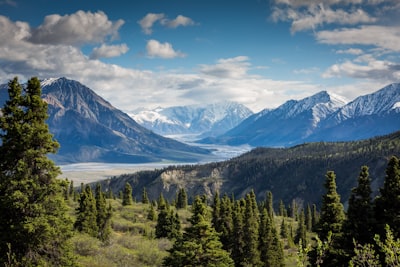
In a world that rewards constant availability, choosing to be unavailable has become a radical act. JOMO — the Joy of Missing Out — is 2026's defining wellness counter-movement to FOMO: the intentional decision to step away from notifications, social feeds, and the compulsion to be everywhere at once. Recent Expedia research found 62% of travellers say JOMO travel reduces stress and anxiety, and nearly half believe it helps deepen relationships. Australia, with its vast distances and naturally quiet landscapes, is uniquely suited to this kind of restorative travel.
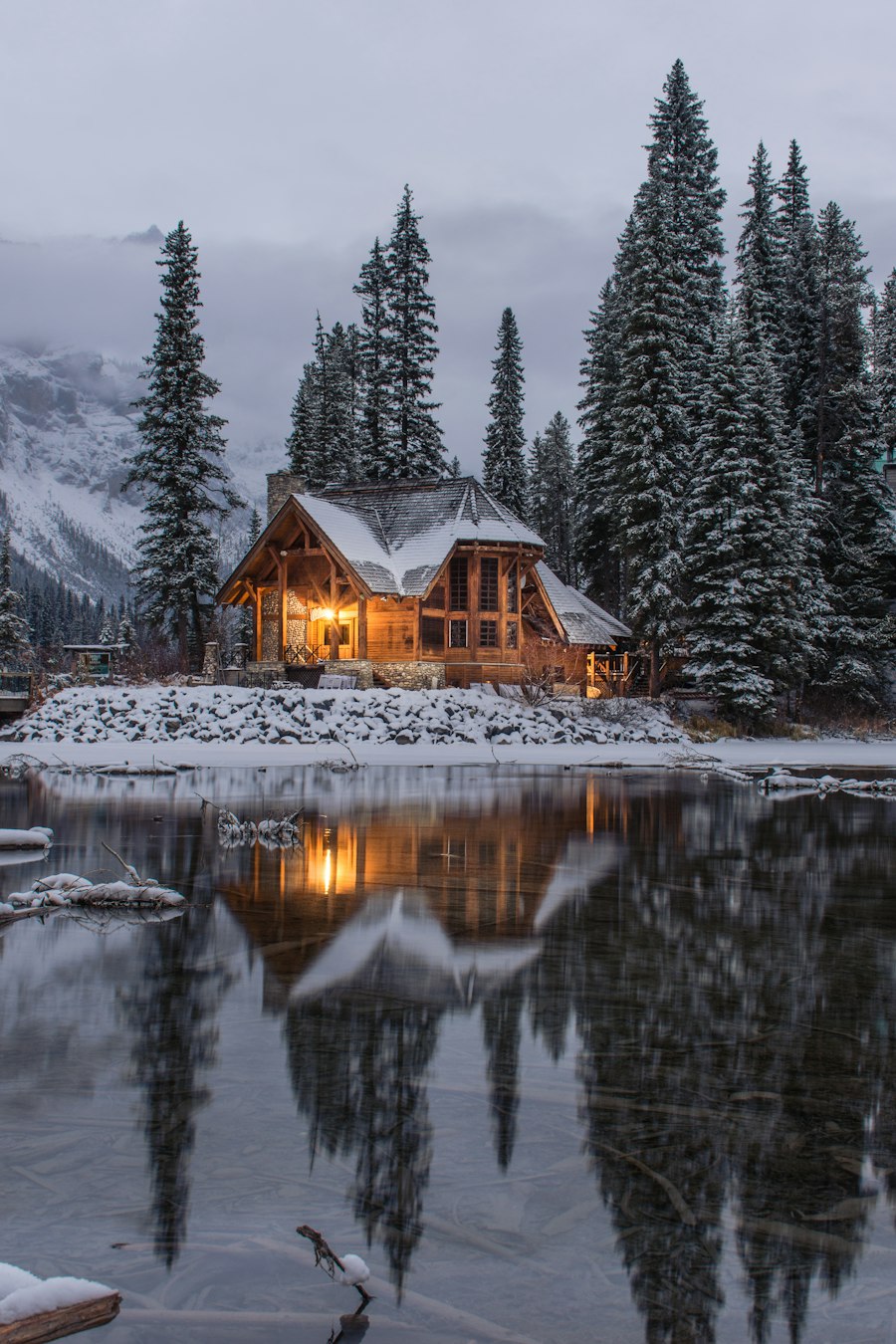
The Rise of JOMO Travel in 2026
TrendJOMO first gained traction as a social-media response — permission to opt out of the highlight reel. By 2026 it has become something more meaningful: a recognised lifestyle-medicine concept and the year's most measurable wellness trend. The Global Wellness Summit 2026 Report named it the central pillar of modern health, calling our current state a "Digital Saturation Point" where the joy of missing out has shifted from niche to clinical necessity for a population suffering chronic nervous-system exhaustion.
The numbers explain why. Recent clinical research credits JOMO practice with a 32% reduction in cortisol levels and a 45-minute increase in nightly REM sleep. Accenture's Life Trends survey found 37.9% of respondents now actively enjoy missing out on technology, and Hilton's 2025 Trends Report shows 27% of adults plan to reduce social media use on their next holiday. The industry has responded fast — booking platforms now report surging demand for off-grid accommodation, "no Wi-Fi" stays, and properties that actively market silence as an amenity.
JOMO travel isn't about deprivation — it's about substitution. Instead of scrolling, you're reading by a fire. Instead of photographing, you're watching. Instead of planning the next thing, you're sitting with the present one. It appeals to a wide range of travellers: burned-out professionals seeking genuine rest, families who want screen-free time together, couples looking for intimacy that constant connectivity erodes, and solo travellers who want space to think without the noise of daily life.
Australia is unusually well suited to this movement. Its vast, sparsely populated landscapes offer the kind of deep quiet that's increasingly rare globally. Many of the country's best eco-lodges and retreats were already built around solitude, nature immersion, and low-impact design — JOMO travel has simply given a name to what they've always offered. The country's matured Right to Disconnect laws (more on that below) have made it culturally easier to actually unplug while away.
Australia's Right to Disconnect — Why It Matters for Travel
2026 ContextAustralia leads the world in the "Human-First" wellness movement thanks to the strict enforcement of its Right to Disconnect legislation, which reached full national saturation in 2026. The law gives employees a statutory right to ignore after-hours work contact — meaning travellers no longer face the cultural pressure of being "always on" while away. The legal backing has accelerated the JOMO travel trend domestically and made Australia a destination for international travellers escaping less-protected workplace cultures.
The practical implication for your trip: you have permission to genuinely switch off. Auto-reply set, work phone left at home, calendar blocked — not as a guilty indulgence but as your protected right. JOMO retreats across the country are increasingly designed around this expectation, with operators offering "device lock-up" services, no-Wi-Fi guarantees, and silence policies as core amenities rather than quirky extras.
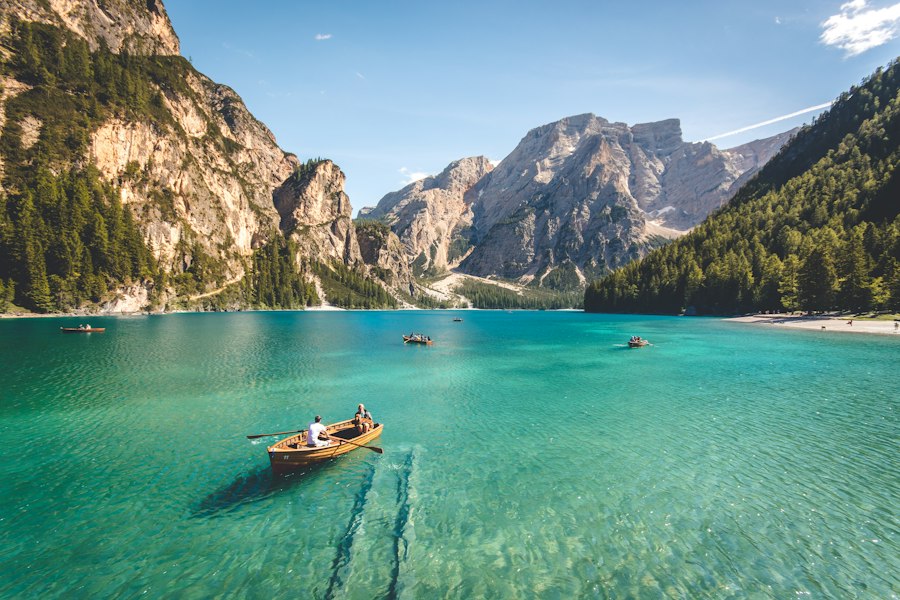
Why More Travellers Want to Unplug
InsightAfter years of hyper-connectivity, many people are discovering that what they actually need from a holiday is the one thing they never allow themselves at home: genuine offline time. No notifications, no emails arriving at 6am, no compulsion to document every meal. Just stillness — and the surprising amount of mental space that opens up when the noise stops.
The research supports the instinct. Studies consistently show that time in natural, low-stimulus environments improves sleep quality, reduces cortisol, and restores the kind of sustained attention that constant screen use erodes. The 2026 trend extends well beyond traditional digital detox — "soft travel" (slower, simpler, more spontaneous) and "sleep tourism" (trips designed primarily around rest and recovery) are both growing offshoots of the same JOMO impulse. Hilton's 2025 Trends Report found over 20% of travellers now embrace soft travel as their preferred style.
Travellers who've done digital-detox stays frequently describe a shift that happens around day two or three — the restlessness fades, the pace slows, and the senses sharpen. You start hearing birdsong you'd have missed. You notice the light changing through the afternoon. You sleep deeper than you have in months. This isn't a rejection of technology — it's a recognition that rest requires its absence. And increasingly, travellers are willing to pay for environments that make that absence easy: remote locations with no reception, properties that don't offer Wi-Fi, and itineraries that deliberately leave space for nothing to happen.
Five Secluded JOMO Escapes Across Australia
DestinationsEach of these regions offers a different flavour of solitude — from subtropical rainforest to alpine stillness — but all share the essential ingredients: genuine quiet, natural beauty, and accommodation designed for people who want to slow down. We've ordered them roughly by accessibility from major capitals.
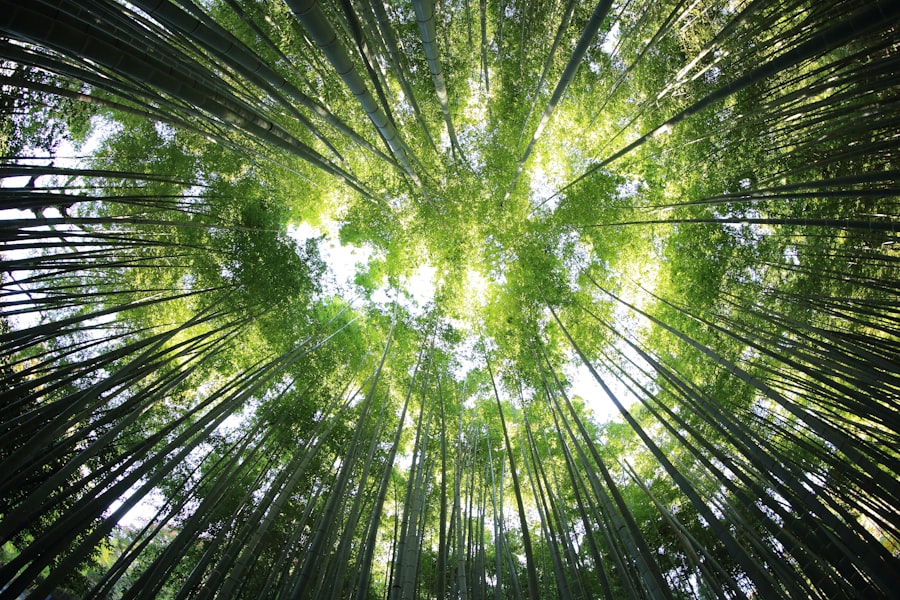
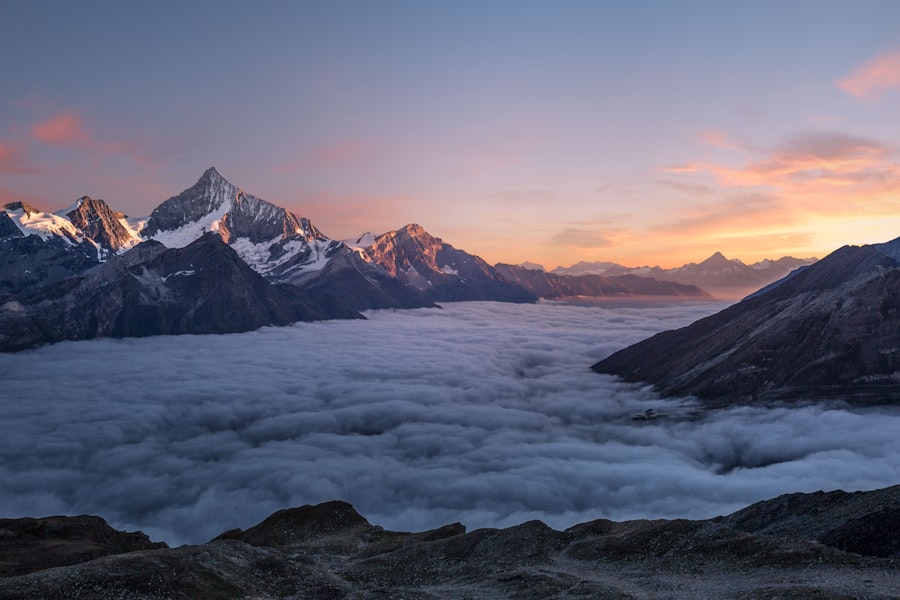
The Scenic Rim
Volcanic ranges, ancient Gondwana rainforest, and some of Australia's best eco-retreats — many offering fully off-grid stays with no Wi-Fi and no reception. The Spicers Scenic Rim Trail is a multi-day guided walk through private conservation land, sleeping in luxury wilderness camps. For a shorter reset, boutique tiny homes and eco-cabins dot the valleys around Boonah and Kalbar, offering open-fire evenings, sunrise lookouts, and bushwalking from the front door. Quick access from Brisbane makes this the easiest JOMO escape for east-coast Australians.
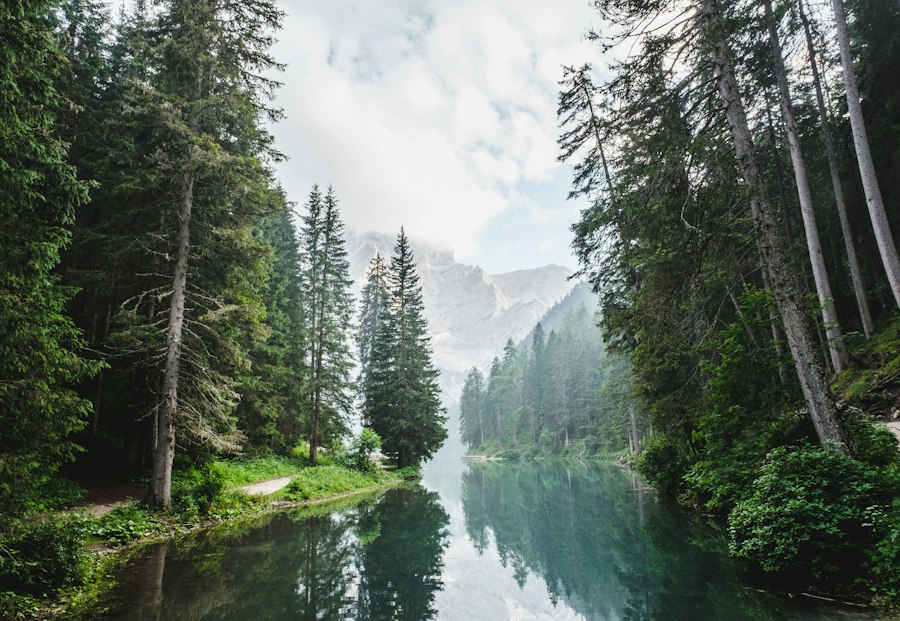
Tasmania's East Coast
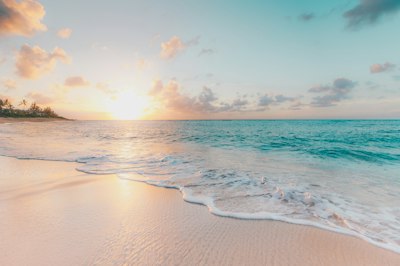
Tasmania does quiet luxury better than almost anywhere in Australia. The east coast — from Coles Bay and Freycinet through to the Bay of Fires — offers secluded oceanfront hideaways, slow mornings with local produce, wildlife encounters on empty beaches, and dark, star-filled nights. Properties like Saffire Freycinet combine world-class comfort with complete immersion in the landscape. Simpler options like coastal shacks and nature retreats offer the same solitude at a gentler price. The state's certified dark-sky reserves make winter stargazing exceptional.
Western Australia's South West
The karri forests of the south west — particularly around Boranup, Pemberton, and the Gloucester Tree region — create a cathedral-like stillness that immediately quiets the mind. Coastal national parks from Margaret River to Walpole offer deserted beaches, whale-watching from shore, and trails that wind through ancient forest. Boutique eco-cabins are scattered throughout, many with wood-fired hot tubs, no television, and only the sounds of birds and wind. The Karri Valley region in particular has emerged as a JOMO travel hotspot.
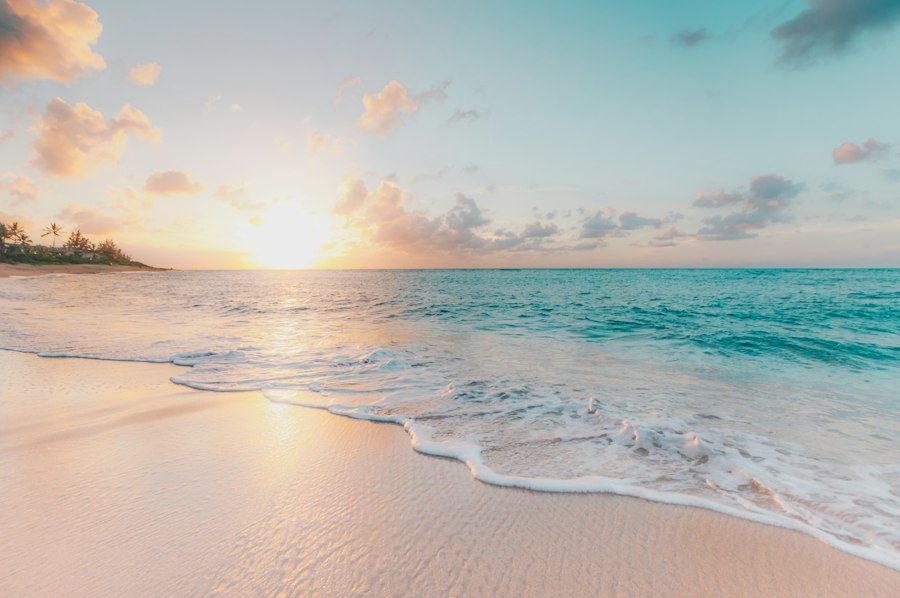
Kangaroo Island
Huge coastlines, minimal traffic, and vast natural reserves make Kangaroo Island one of Australia's most naturally quiet places. The island's western end is particularly remote — Flinders Chase National Park offers dramatic landscapes with almost no one else around. Accommodation ranges from clifftop luxury lodges to simple farm stays where you'll fall asleep to silence and wake to wallabies grazing outside. The post-bushfire regeneration has also created a powerful story of landscape resilience, with restoration-focused stays now an option for travellers wanting their JOMO trip to leave a positive impact.
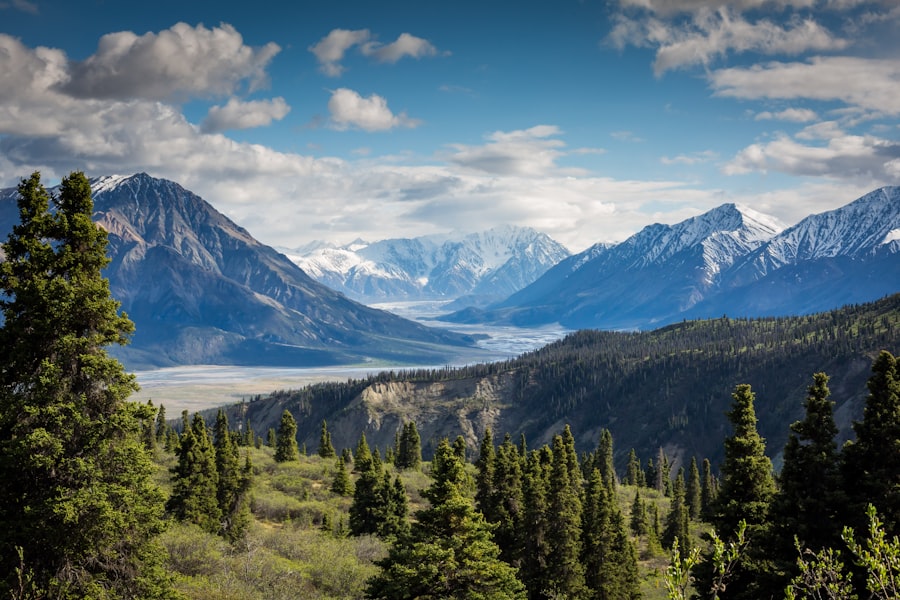
The Snowy Mountains
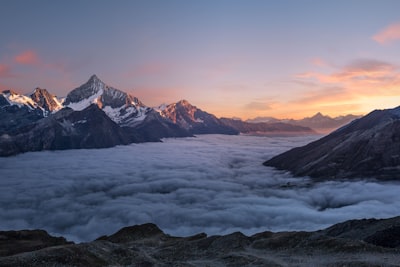
Outside ski season (roughly November through April), the Snowies transform into one of Australia's most peaceful alpine retreats. Cool breezes, mirror-like lakes, wildflower meadows, and meditative walking trails replace the winter crowds. The Main Range walk — a full-day circuit past Australia's highest peaks — offers solitude that's hard to find in more accessible ranges. Accommodation in Jindabyne and Thredbo village is quieter and significantly cheaper off-season, and the high-country dark skies make summer stargazing genuinely spectacular.

What JOMO Travellers Seek
MindsetJOMO travel isn't defined by a destination — it's defined by a set of conditions. Understanding what creates that feeling of genuine disconnection helps you choose the right escape, whether it's a three-night weekend or a week-long immersion.
Space without crowds. The experience depends on solitude being real, not simulated. JOMO destinations have low visitor density by nature — not because of a velvet rope, but because they're remote, small-capacity, or simply unknown to mass tourism.
Natural soundscapes. Wind, water, birdsong, fire — these are the sounds that signal safety to the nervous system. The absence of traffic, construction, and human noise is a core part of the reset. Some retreats are beginning to market "sound profiles" alongside their amenities.
Digital absence by design. The most effective JOMO stays remove the decision from you — there's simply no reception to resist. Properties that offer Wi-Fi but encourage you to "choose" to disconnect are less effective than those where the landscape makes the choice for you.
Slow-living rhythms. Fireside evenings, long walks with no destination, meals made from local ingredients, early nights under dark skies — the activities are gentle and unhurried. The itinerary, if one exists at all, leaves generous space for nothing.
Time affluence over time scarcity. A new 2026 wellness concept describing the luxury of having unscheduled, unmonetised time. The best JOMO retreats deliberately produce time affluence by removing decisions and stripping back stimuli.
Best Activities for an Unplugged Itinerary
Do LessJOMO activities share a common quality: they're absorbing enough to hold your attention but slow enough to quiet your mind. They don't require equipment, instruction, or effort — just presence.
Forest bathing & mindfulness walks
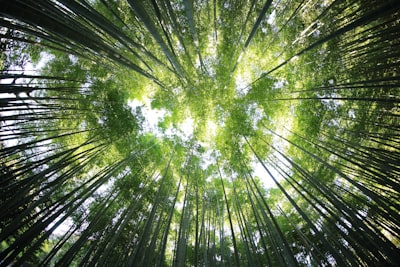
The Japanese practice of shinrin-yoku — slowly walking through forest with deliberate attention to sensory input — has been shown to lower blood pressure, reduce cortisol, and improve mood. Australia's eucalyptus forests, rainforests, and coastal scrublands are perfect settings, and several retreats now offer guided sessions. The Scenic Rim's Gondwana rainforest and WA's karri forests are particularly suited.
Stargazing in certified dark-sky zones
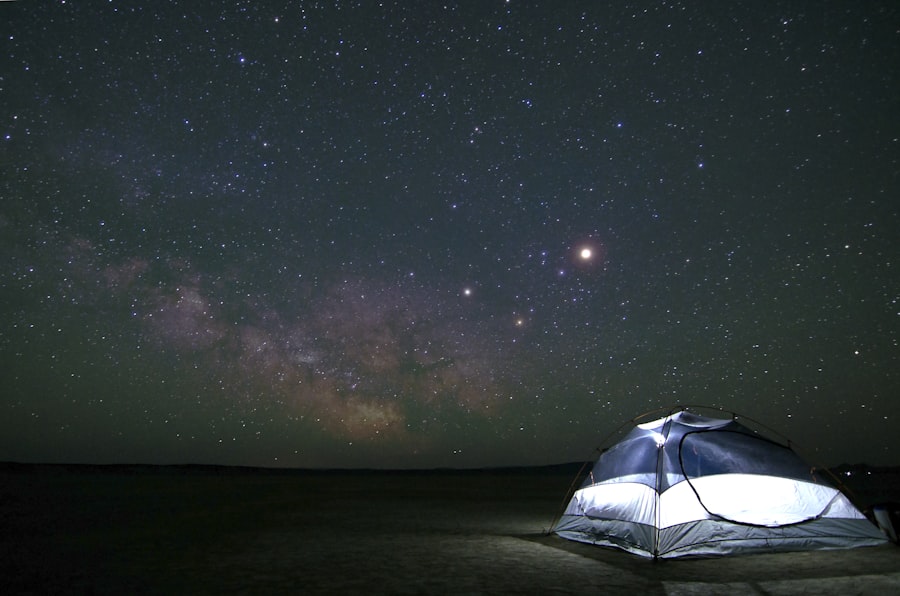
Many JOMO destinations sit in or near certified dark-sky reserves. Without light pollution, the night sky becomes a nightly spectacle that requires nothing from you except looking up. Bring binoculars if you have them; otherwise, the naked eye is more than enough. Australia has world-class dark-sky areas across Tasmania, Kangaroo Island, the Flinders Ranges and the high country.
Paddling on quiet water
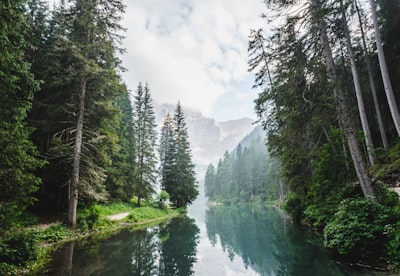
Kayaking or canoeing on a still lake or river is one of the most meditative physical activities available. The rhythm of paddling, the sound of water, and the shifting reflections create a state of calm that's hard to replicate anywhere else.
Sunrise lookouts & slow walking
There's a reason every retreat guide mentions sunrise: the act of getting up early, walking in cool air, and sitting quietly while the sky changes colour is one of the simplest and most restorative rituals in travel. No camera required.
Sleep tourism & afternoon napping
The fastest-growing wellness sub-trend of 2026, sleep tourism makes rest itself the primary activity. Many JOMO retreats now offer black-out rooms, weighted blankets, evening teas, and zero-screen bedrooms designed to maximise deep sleep. If you've been sleep-debt accumulating, this alone is a valid trip purpose.
Cooking slowly
If your accommodation has a kitchen and a local farm shop nearby, slow cooking — from ingredient sourcing to the meal itself — fills an afternoon with purpose and pleasure. No recipe app necessary.
What to Pack for a JOMO Escape
PracticalThe packing list for a JOMO trip is shorter than you'd expect — and that's the point. The goal is to remove decisions, not multiply them. Here's what travellers consistently find useful.
Analogue Essentials
- A real paperback book (or two)
- Journal & reliable pen
- Paper map of the region
- Sketchbook & pencils if you draw
- Deck of cards
- Watch (so the phone stays off)
Comfort & Warmth
- Layered clothing for cool mornings
- Wool socks & slippers
- Reliable rain jacket
- Sturdy walking shoes
- Eye mask & ear plugs for deep sleep
- Reusable insulated mug
Optional Tech (Minimal)
- Kindle if you read a lot — no notifications
- Compact binoculars for stargazing & wildlife
- Headlamp for night walks
- Power bank (for emergencies only)
- Phone in a drawer — bring it, lock it away
Don't Bother Packing
- Laptop or work device
- Multiple charging cables
- Smartwatch (defeats the purpose)
- Camera if your phone is enough
- Anything you'd feel guilty not using