Welcome to Wellington
Wellington is New Zealand's capital and, for its size, the most concentrated city in the country. It sits at the bottom of the North Island on a drowned river valley, wrapped around a deep natural harbour with hills rising straight off the water on three sides. That geography is the whole story: it forces the city into a compact grid you can cross on foot in twenty minutes, and it puts a harbour view at the end of most streets.
The compactness is why Wellington rewards a short stay more than almost anywhere else in New Zealand. Te Papa, the waterfront, Cuba Street, the cable car and the Botanic Garden are all within walking distance of each other. The film industry that grew up around Wētā Workshop sits fifteen minutes away in Miramar. Zealandia, a fenced sanctuary with birdlife you will not see in most New Zealand cities, is a ten-minute drive from Parliament. And an hour over the Rimutaka Hill Road puts you in Martinborough wine country.
It is also the windiest city in New Zealand by a clear margin, sitting in the funnel of Cook Strait. Locals treat this as a personality trait rather than a problem. Pack a layer, and plan the harbour walk for the calm morning rather than the blustery afternoon.
- Minimum stay: two days for the city core; three to four to add Zealandia, Miramar and a Wairarapa day trip.
- Getting there: Wellington Airport (WLG) has direct flights from Sydney, Melbourne and Brisbane, and domestic connections nationwide. The Interislander and Bluebridge ferries cross Cook Strait to Picton.
- Getting around: the central city is walkable end to end. Buses, the cable car and the Johnsonville rail line cover the rest.
- The one booking to make early: Wētā Workshop tours, which sell out well ahead in summer.
Te Papa, Wētā & the cable car
Three things anchor a first visit, and they sit at three corners of the same compact city.
Te Papa Tongarewa
Te Papa — the name means "the container of treasures" — is New Zealand's national museum, on the waterfront, and free to enter. That last point catches visitors out: they budget for it and then find the general collection costs nothing, with charges only on major touring exhibitions. Allow three hours minimum. The Māori collections and the marae on level four are the heart of it; the natural history floor holds the colossal squid specimen that is the largest of its kind on public display anywhere. Read our Te Papa and the museums guide before you go — there is a sensible order to walk the floors in.
Wētā Workshop and the film industry
Wellington's film industry grew out of Miramar, a suburb fifteen minutes from the centre, and it is genuinely a working industry rather than a themed attraction. Wētā Workshop runs guided tours through prop, armour and creature-making, led by people who do the work. The tours are small, they book out well ahead in summer, and they are the single most common thing visitors tell us they wish they had reserved earlier. Our Wētā and film locations guide covers the tour options and the shooting locations around the region that you can visit independently.
The cable car and the Botanic Garden
The Wellington Cable Car has run from Lambton Quay up to Kelburn since 1902. It is short — about five minutes — and the reason to take it is what is at the top: the lookout over the harbour, the Cable Car Museum, the Space Place observatory, and the top entrance to the Wellington Botanic Garden. The garden is the smart move. Ride up, then walk down through the roses and native bush to the city, which takes about forty-five minutes and is downhill the whole way. See cable car, Botanic Garden and Zealandia.
The creative capital
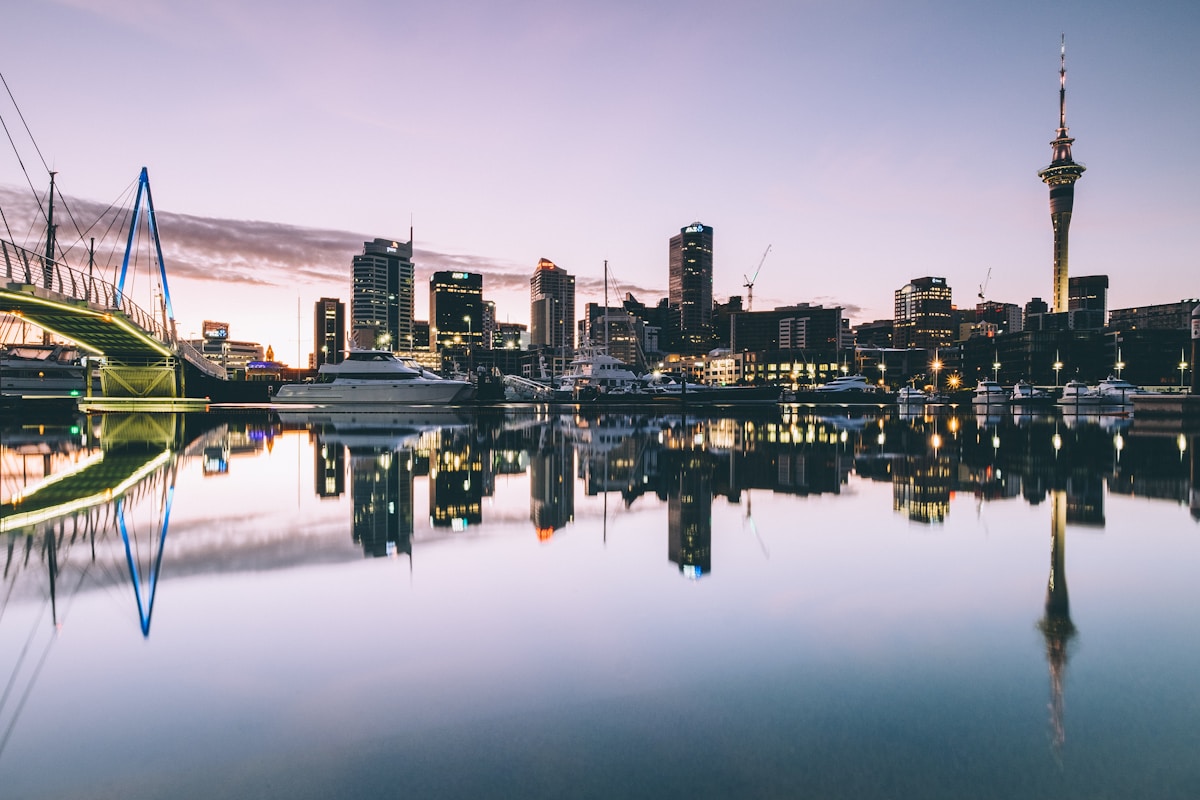
Wellington's reputation for coffee is not marketing. The city was central to New Zealand's espresso culture from the late 1980s, several long-standing roasters still operate here, and the density of independent cafes in the central city is unusual for a place of this size. Order a flat white and you will get a properly made one almost anywhere.

The craft beer scene runs on the same lines — a cluster of small breweries and taprooms, many within walking distance of each other, concentrated around the Hannahs Laneway area and out toward the eastern suburbs. Cuba Street is the spine of the city's independent character: second-hand shops, live music, the Bucket Fountain, and the place most visitors end up eating.
The city also carries an unusually heavy arts calendar for its size, anchored by the biennial New Zealand Festival of the Arts, the New Zealand Symphony Orchestra and Royal New Zealand Ballet, both based here, and a strong independent theatre scene. Check what is on before you fix your dates — a festival week changes both the atmosphere and the accommodation availability. Our food, coffee and craft beer guide has the neighbourhood breakdown.
- Cuba Street and around: independent, informal, late. The default for a first night.
- The waterfront and Queens Wharf: harbour views, better for lunch than dinner.
- Hannahs Laneway: the small-producer cluster — chocolate, coffee roasting, beer.
- Newtown and Aro Valley: where people who live here actually eat.
Zealandia, the coast & Martinborough
Zealandia
Zealandia is a fully fenced urban ecosanctuary in the hills ten minutes from Parliament, built around a 500-year restoration vision. The predator-proof fence — the first of its kind — encloses a valley where introduced mammals have been removed, which is why you can hear and see birds here that have vanished from most of mainland New Zealand: kākā, tū B;, hihi, takahē and, at night, kiwi pukupuku (little spotted kiwi). The night tour is the one worth booking — kiwi are nocturnal, and this is one of the few places near a New Zealand city where you have a realistic chance of encountering one in the wild.
The sanctuary is also the reason Wellington's suburbs are noisy with birdsong. Species have spilled over the fence and re-established across the city, which is why you will hear tū B; in the Botanic Garden and see kākā over the rooftops in Kelburn.
The south coast and the harbour
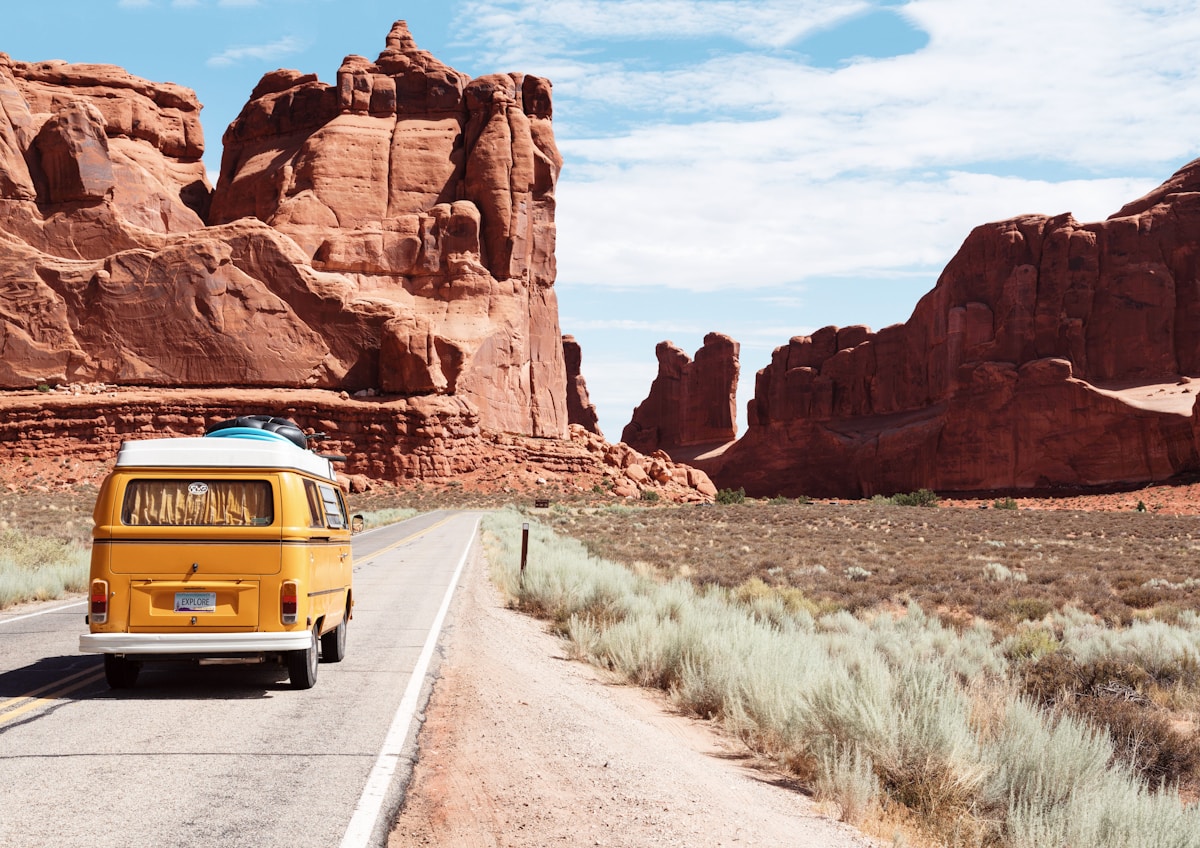
Wellington's south coast faces Cook Strait, and on a clear day the South Island's Kaikōura Ranges are visible across the water. The coast road out to Owhiro Bay and Red Rocks is exposed, dramatic and completely different in character from the sheltered harbour side. There is a New Zealand fur seal colony at Red Rocks, best visited between roughly May and October when the males haul out; the walk in is along a rough coastal track and takes about two hours return.
On the harbour side, the waterfront promenade from Te Papa around to Oriental Bay is the city's front garden — flat, sheltered, and lined with places to stop. Oriental Bay itself has an imported golden-sand beach that fills the moment the sun comes out.
Martinborough and the Wairarapa
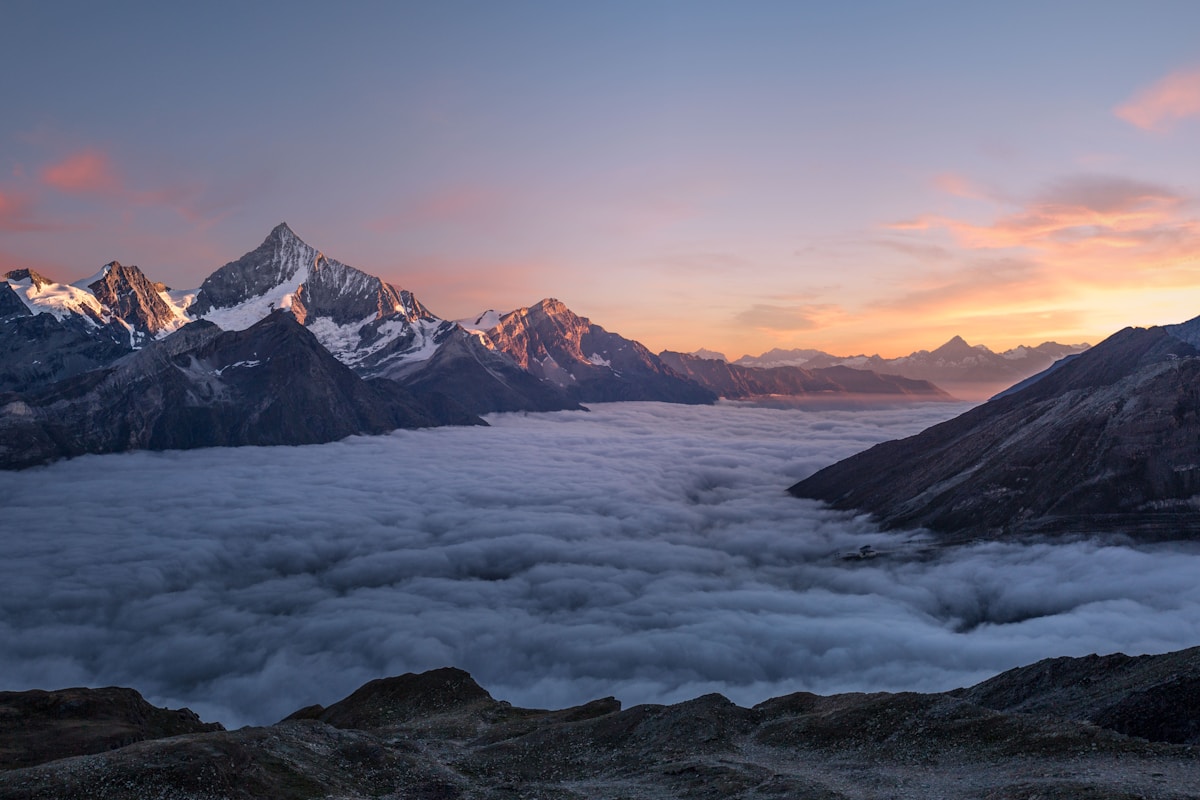
An hour and a bit over the Remutaka Hill Road, or on the Wairarapa train line, Martinborough sits at the centre of a compact wine region built on Pinot Noir. The town is laid out on a grid around a square, and most cellar doors are within cycling distance of it — which is why hiring a bike for the day is the standard way to do it. The wider Wairarapa adds Greytown's Victorian main street, Cape Palliser's lighthouse and seal colony, and the Putangirua Pinnacles. See Martinborough and the Wairarapa and our day trips guide.
Kāpiti Island
North up the coast, Kāpiti Island is one of New Zealand's oldest and most important nature reserves. Predators were eradicated and the island now holds significant populations of birds that are rare or absent on the mainland. Access is by permitted operator only and numbers are capped daily, so it needs booking well ahead — but for anyone with a serious interest in New Zealand birdlife it is the best day out in the lower North Island.
Wellington's neighbourhoods
The centre is small enough that "neighbourhood" means a few blocks rather than a district, but the character changes sharply between them and knowing which is which saves time.
Lambton Quay and Thorndon form the government and business end — Parliament, the Beehive, the old wooden Government Buildings, and the bottom station of the cable car. It is busy on weekdays and quiet at weekends, which is worth knowing when you choose where to eat.
Te Aro and Cuba Street are the city's independent heart: the second-hand shops, live music venues, most of the good cheap eating, and the Bucket Fountain that has been splashing pedestrians since 1969. If you want one address to stay near, this is it.
The waterfront runs from Te Papa around Queens Wharf to Oriental Bay — flat, sheltered from the worst of the wind by the city itself, and the best walking in Wellington. Oriental Bay at the far end has the imported golden-sand beach and the best harbour outlook in the city.
Kelburn sits above the centre at the top of the cable car, home to Victoria University, the Botanic Garden and Zealandia's approach. Newtown, south of the centre, is the most diverse part of the city and where locals eat; the zoo is here too. Miramar, out toward the airport, is the film district — Wētā Workshop and the studios — and otherwise a quiet suburb.
Wellington itineraries
Wellington rewards planning less than most cities, because the distances are so short that a change of mind costs you fifteen minutes rather than half a day. These are the shapes that work, built around the two things that genuinely need booking — Wētā Workshop and the Zealandia night tour — and around the wind, which is usually gentler in the morning.
One day: the city core
Start at Te Papa when it opens, while you are fresh, and give it a solid two to three hours; the Māori collections and level four are the part not to rush. Walk the waterfront north for lunch, then cut inland to Cuba Street for an hour of browsing and a proper coffee. Mid-afternoon, take the cable car up from Lambton Quay, look out over the harbour, and walk back down through the Botanic Garden — about forty-five minutes, downhill, and the best free thing in the city. Finish along the waterfront to Oriental Bay for the last of the light. That is a full day on foot with no transport beyond one cable car fare.
Two days: add Miramar and the coast
Day one as above. On day two, head out to Miramar in the morning for your booked Wētā Workshop tour, which runs around ninety minutes. Come back via the Mount Victoria lookout for the panorama that puts the whole harbour and the airport runway in one frame. Spend the afternoon on the south coast — the drive out to Owhiro Bay and, if the weather is kind and you have the legs, the two-hour return walk to the Red Rocks fur seal colony. Evening on Cuba Street or in the Hannahs Laneway cluster.
Three days: add Zealandia
Keep days one and two, then give day three to wildlife and the hills. Zealandia in the morning for the fenced sanctuary and the bird species you will not meet elsewhere on the mainland, or book the night tour instead and swap the morning for the Wellington Museum and the City Gallery. If the day is clear, add the walk up to the wind turbine at Brooklyn for the view south across Cook Strait. This is also the day to fit in Parliament, whose guided tours are free and take about an hour.
Four days: add the Wairarapa
With a fourth day, cross the Remutaka Hill Road to Martinborough. Hire a bike at the square and work through the cellar doors, most of which sit within a few flat kilometres; the region is built on Pinot Noir and the scale is small enough that you will meet the people who made what you are drinking. Come back through Greytown for the Victorian main street and an early dinner. If wine is not the draw, the same day works as Kāpiti Island instead — but that one needs booking well ahead, because daily numbers are capped by permit.
- Book first, plan second: Wētā Workshop and the Zealandia night tour set the shape of the trip. Fix those, then arrange the rest around them.
- Mornings for the exposed things: the south coast, the harbour walk and any ferry crossing are all better before the afternoon wind.
- Keep one indoor day loose: if a southerly arrives, move the museums up the order rather than losing a day.
- Don't hire a car for the city: it is walkable and parking is scarce and steep. Hire one for the Wairarapa day only.
Wellington essentials
Getting there
Wellington Airport sits close to the city — about eight kilometres, twenty minutes by road — on a famously short runway between two bays. Direct trans-Tasman flights operate from the eastern Australian capitals, and domestic connections run nationwide. The alternative arrival is by sea: the Interislander and Bluebridge ferries cross Cook Strait from Picton, taking roughly three and a half hours, and the run through the Marlborough Sounds at the southern end is one of the better ferry journeys anywhere. See getting to Wellington.
Getting around
The central city is genuinely walkable — the waterfront, Te Papa, Cuba Street, Lambton Quay and Parliament sit inside about a two-kilometre square. Beyond that, Metlink buses cover the suburbs, four commuter rail lines run out to the Hutt Valley, Porirua and the Kāpiti Coast, and the cable car handles the climb to Kelburn. A rental car is only worth it if you are heading to the Wairarapa or the coast; parking in the centre is limited and hilly. Full detail in getting around Wellington.
The wind, and what it actually means
Wellington sits in the Cook Strait funnel and is the windiest major city in New Zealand. Practically: mornings are usually calmer than afternoons, so schedule the harbour walk, the coast and any ferry crossing early where you can. A windproof layer matters more than a heavy coat. Flights in and out are occasionally disrupted in a strong southerly — if you have a tight onward connection, build in margin. And the fur seal walk on the south coast is miserable in a gale and excellent on a still day, so keep it flexible.
When to visit
Summer, December to February, brings the warmest and most settled weather and the busiest calendar. Autumn, March to May, is the local pick — the wind typically eases, the light is good and the Wairarapa is in harvest. Winter is cool rather than cold, rarely snowing at sea level, and it is the best time for museums, theatre and the indoor half of the city. Spring is changeable and windy. Our best time to visit guide breaks it down month by month.
Where to stay
Staying in the central city is the right default, because the walkability is the whole advantage — anywhere between Lambton Quay, Te Aro and the waterfront puts you within walking distance of most of what you came for. Oriental Bay trades a slightly longer walk for the best harbour outlook. The Hutt Valley and Porirua are cheaper and connected by rail, but you lose the evenings. See where to stay.
Parliament and the free things
Wellington has an unusually high proportion of good free attractions. Parliament runs free guided tours of the debating chamber and the Beehive. Te Papa's general collection is free. The Botanic Garden is free, as is the walk down through it. So are the waterfront, Cuba Street, the Mount Victoria lookout and the south coast. A well-planned Wellington day costs very little beyond food and the cable car fare.
Planning Wellington: your questions
The questions Australian travellers ask us most about the capital.
Two days covers the city core; three to four is better. Two days handles Te Papa, the cable car and Botanic Garden, the waterfront and Cuba Street. A third day adds Zealandia and Wētā Workshop in Miramar. A fourth lets you take the Wairarapa or Kāpiti Coast as a day trip without rushing.
Yes. Entry to the general collection at New Zealand's national museum costs nothing. Major touring exhibitions are ticketed separately, and guided tours carry a fee, but you can spend a full morning there without paying anything. Allow three hours minimum.
Yes, and earlier than you think. The tours are small-group and sell out well ahead over summer and school holidays. It is the most common thing visitors tell us they wish they had reserved sooner. Book before you fix the rest of the itinerary, then build the day around it.
Yes — it is the windiest major city in New Zealand, sitting in the Cook Strait funnel. It is rarely a reason to change plans, but mornings are usually calmer than afternoons, a windproof layer beats a heavy coat, and it is worth leaving margin around a tight flight connection in a strong southerly.
The airport is about eight kilometres from the centre, roughly twenty minutes by road. Airport bus services, taxis and rideshare all run the route; there is no rail link to the terminal. If you are staying centrally you will not need a car at all after that.
Yes, at Zealandia, on the night tour. The fenced sanctuary holds kiwi pukupuku (little spotted kiwi), and because they are nocturnal the evening tour is the one that gives you a realistic chance. It is one of very few places near a New Zealand city where that is possible in the wild.
It is, precisely because it is compact. A single good day runs: Te Papa in the morning, lunch on Cuba Street, the cable car up and the walk down through the Botanic Garden, then the waterfront to Oriental Bay at golden hour. You will miss Miramar and Zealandia, but you will have seen the city properly.
By ferry across Cook Strait to Picton — Interislander or Bluebridge, roughly three and a half hours, and vehicles can be carried. The Marlborough Sounds section at the southern end is the scenic part. Flying to Christchurch, Nelson or Blenheim is faster if you are not taking a car.
Yes. It is a little over an hour by road over the Remutaka Hill Road, or reachable on the Wairarapa train line. The cellar doors cluster within cycling distance of the town square, which is why hiring a bike is the standard way to spend the day. Add Greytown on the way back.
Layers and a genuine windproof outer, in any season. Comfortable shoes — the city is walkable but hilly, and the Botanic Garden descent is on paths. A compact umbrella is close to useless in the wind; a hood is better. Sunscreen year-round, because New Zealand's UV is stronger than most Australians expect.
Very. Te Papa is free and built with children in mind, the cable car is a short ride with a big payoff, Zealandia works well for anyone interested in wildlife, and the waterfront has open space and playgrounds. The compactness helps most of all — short distances mean fewer transitions with tired children.
More than most New Zealand cities. Te Papa alone absorbs half a day, the City Gallery and the Cable Car Museum are indoors, Wētā Workshop is under cover, and the coffee and craft beer that Wellington is known for are indoor pursuits by definition. Wet weather is the reason to move the museum day up the order rather than a reason to lose one.