Explore Seoul at a comfortable pace with four neighbourhood-based days, flexible alternatives and practical advice for your first visit.
Seoul rewards a little organisation. A palace, a market and a lively evening district can make a wonderful day, but putting them on opposite sides of the city can turn it into a transport exercise. This four-day plan groups experiences by area and leaves room for meals, discoveries and a slower afternoon.
Treat these as four full sightseeing days. If your flight arrives in the afternoon, make that an arrival day rather than trying to squeeze the first route into the evening. The order is flexible: check opening days and weather, then move the palace day or outdoor walks accordingly.
Before you start: choose a practical base
Myeongdong, Jongno and Insadong are useful areas to investigate for a first sightseeing visit. Hongdae may appeal if cafés and evening activity matter more to you. The right hotel is not simply the one nearest a station on a map: check the walking route from the entrance, steps, lift access and the final approach with luggage.
Save the hotel address in Korean and English. Identify an easy first-night meal nearby and work out the airport transfer before leaving Australia. A straightforward arrival is worth more than an ambitious plan that depends on everything running perfectly.
Day 1: palace grounds and traditional streets
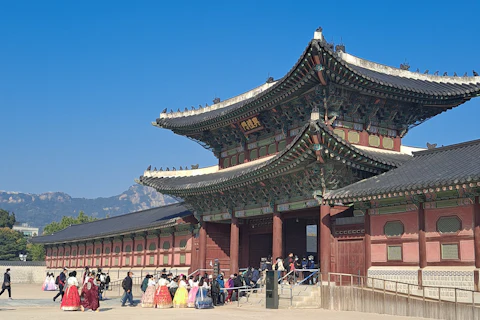
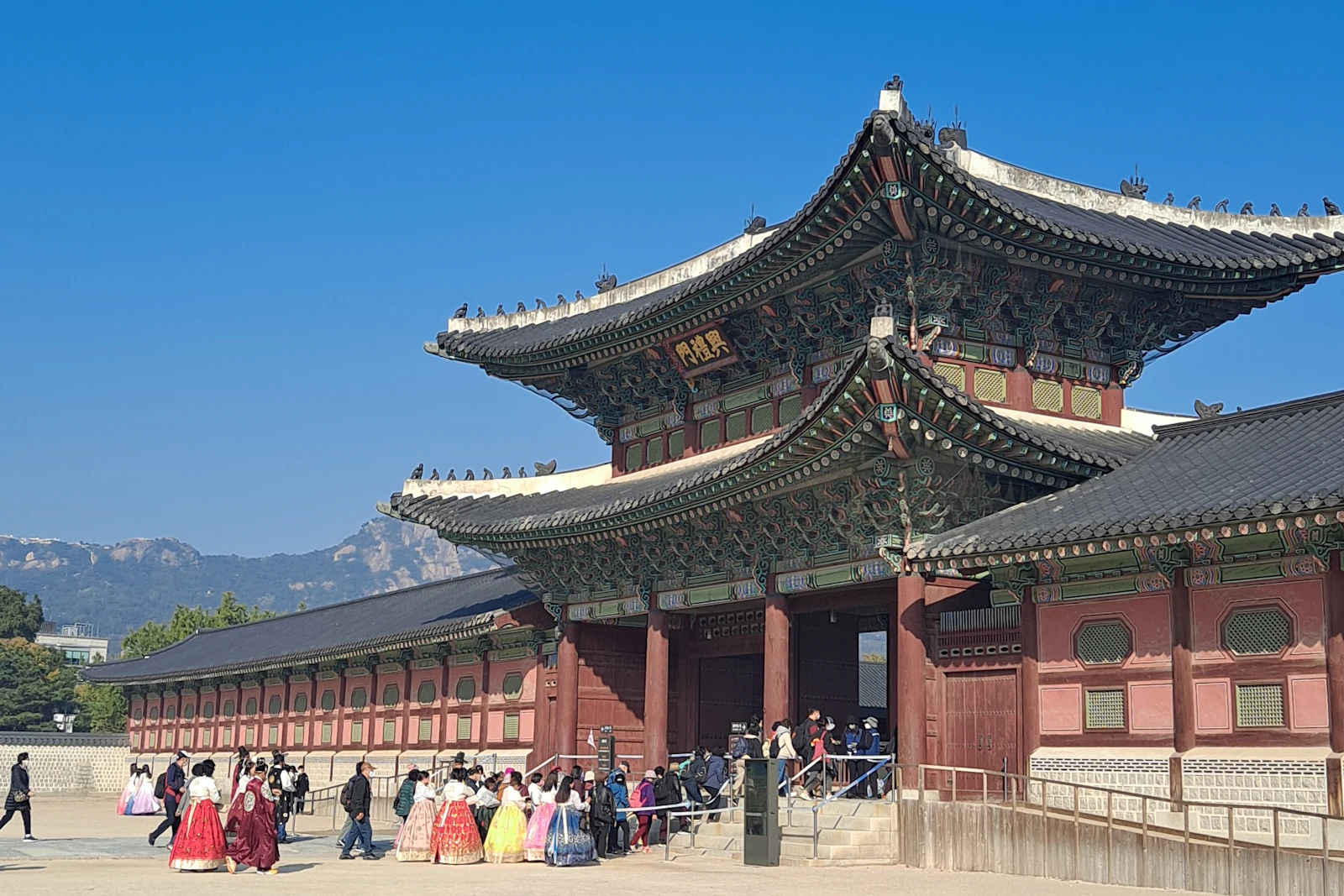
Make Gyeongbokgung the main experience of the morning. Allow enough time to appreciate the courtyards and architecture instead of treating the palace as a photograph stop. Check the official calendar before choosing this day, especially if a guided tour or ceremony is important to you; schedules and access can change.
After lunch, explore the surrounding traditional districts at an unhurried pace. Bukchon is a residential neighbourhood, not an open-air film set. Visitor restrictions apply in designated areas, so follow the current signs and official guidance. Stay quiet, avoid blocking entrances and do not photograph residents through doors or windows.
Finish around Insadong with tea, craft shops or dinner. If the morning has involved more walking than expected, skip another attraction and enjoy the neighbourhood. You do not need to visit two major palaces on the same day to understand Seoul’s historic character.
Day 2: markets, the city centre and an evening meal
Use the second day for the texture of everyday city life. A market visit works best when you have time to look before ordering. Check prices, portions and ingredients, and choose two or three things to share rather than committing immediately to a large meal.
Gwangjang Market is one possible starting point. Afterwards, a section of Cheonggyecheon can provide a change of pace, subject to weather and access. Do not assume the entire route must be walked. Pick a manageable section and identify where you will leave it.
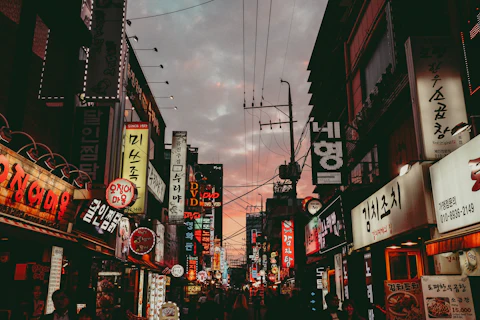
Make Myeongdong an optional late-afternoon or evening stop for shopping and food. If you already stay there, use the time for a rest before dinner. Set a shopping budget beforehand and compare products carefully instead of buying simply because a street feels busy or a promotion appears urgent.
Day 3: contemporary Seoul, chosen around your interests
Choose one main contemporary district rather than trying to cover Hongdae, Gangnam, Seongsu and Jamsil in a single day. Hongdae suits a café-and-neighbourhood approach; Gangnam may fit shopping or appointments south of the river. Seongsu can suit travellers interested in contemporary shops and creative spaces.
Start with a late breakfast or coffee, explore a small area and give yourself time to sit down. This day is deliberately less programmed. It is a chance to follow a personal interest, whether that is design, music, fashion, photography or simply noticing how the city works.
If a concert, exhibition or attraction is your reason for visiting, book through its official channel and build the rest of the day around the confirmed location and entry time. Do not schedule an event after a distant outing with a tight return journey.
Day 4: your choice of another city day or an excursion
A final day in Seoul is often more valuable than an extra destination. Return to a favourite district, explore a museum or keep time for something you missed because of rain. This is especially useful if your first three days have been energetic.
Alternatively, select one day trip that genuinely matches your interests. A heritage outing, a garden visit and a DMZ excursion are very different experiences. Compare total time away from the hotel, walking demands, inclusions and cancellation terms before choosing.
Keep your last evening simple if you depart the next morning. Pack before dinner, confirm the airport terminal and allow a buffer. A final late-night adventure is less appealing when it makes departure stressful.
Adjust the plan for weather and walking comfort
In hot or wet weather, alternate outdoor sections with museums, cafés or shopping centres. In winter, shorten exposed walks and choose indoor stops close together. Do not assume a dry forecast means comfortable conditions throughout the day.
Travellers who prefer less walking can reduce each day to one major attraction and a nearby meal. Ask venues about specific entrances and routes if stairs are difficult. An occasional taxi can be a practical way to preserve energy, but it does not remove walking inside a large palace or station.
What to book, and what to leave flexible
Book accommodation, date-specific events and any excursion that matters to you. Leave ordinary neighbourhood walks and most shopping time flexible. Check restaurant arrangements where allergies, group size or a special occasion make certainty useful.
Before paying for an activity, compare the meeting point, return location and language of the experience. A tour advertised as starting in Seoul may require a separate journey across the city before the advertised departure time. Put that journey into your day plan as well.
Frequently asked questions
Are four days enough for Seoul?
Four full sightseeing days give a useful first introduction. They will not cover every district, so choose a few priorities and leave some experiences for another visit.
Should I change hotels during four days in Seoul?
Usually one well-located base is simpler. Change only if there is a specific reason that outweighs packing, luggage storage and check-in time.
Can I include a DMZ tour?
Yes, as an optional replacement for the fourth city day, subject to the operator’s confirmed access and requirements. Avoid adding it on top of an already full itinerary.
Official information and further reading
Use the official links below to confirm current opening arrangements, access and travel requirements before booking. Routes are editorial suggestions; prices shown as examples are not offers.