Compare Seoul neighbourhoods by sightseeing priorities, evening atmosphere and transport, then choose a hotel that works for your own itinerary.
The best Seoul neighbourhood is the one that makes your daily plans easier. A famous district or a hotel described as central may still be inconvenient for your interests. Start by marking your main activities, then compare the journeys from two or three possible bases.
For most short first visits, one hotel is simpler than moving between districts. Seoul’s neighbourhoods offer different atmospheres, but a hotel change adds packing, luggage storage and check-in time. Explore other districts during the day unless there is a specific reason to relocate.
Myeongdong: investigate for a first sightseeing stay
Myeongdong is worth comparing if you want shopping, food options and a familiar visitor base. It can make sense for a trip that mixes central sightseeing with evenings close to the hotel. The practical details still vary from property to property.
Check whether your room faces a busy street, how far the hotel is from the useful transport stop and whether the approach includes a slope. Do not assume every hotel using the neighbourhood name occupies the same convenient location.
Jongno and Insadong: put historic Seoul closer
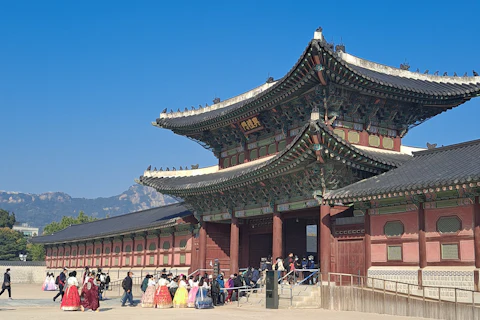
These areas are useful to investigate when palace visits, traditional streets and cultural interests shape the trip. A base here can make it easier to give historic districts more than one hurried morning and to enjoy a quieter meal between visits.
Compare access to your arrival transport and the exact route to the station. If choosing a traditional-style stay, ask about bedding, bathrooms, steps, sound insulation and luggage storage. Atmosphere is important, but comfort should be checked rather than inferred from photographs.
Hongdae: consider your evening priorities
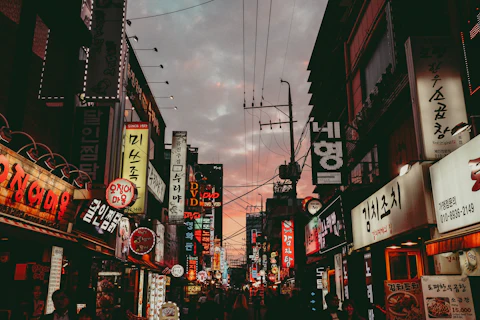
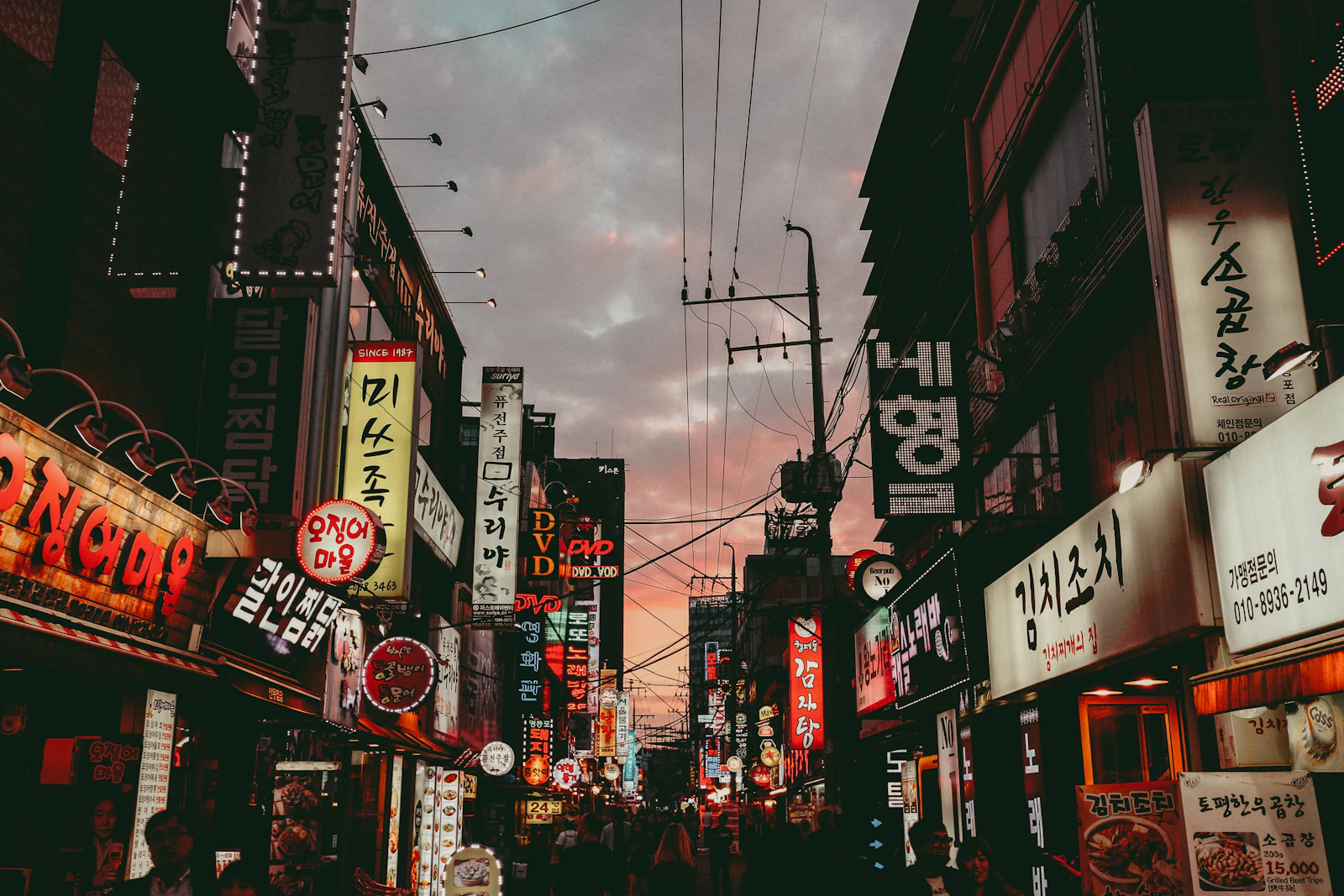
Hongdae may appeal if cafés, music-related interests, shopping and an active evening neighbourhood are part of the holiday. It can suit travellers who want the area around the hotel to be an experience in itself rather than simply a place to sleep.
Choose the particular street carefully. A lively neighbourhood does not mean every room is noisy, but travellers who sleep early should ask about location and sound. Check the airport journey for the exact service and exit you intend to use, including the walk with luggage.
Gangnam: useful when your plans are south of the river
Gangnam can be a sensible base when appointments, shopping or activities in that part of the city dominate the itinerary. It may be less convenient if most of your days are centred on historic sights farther north.
Calculate a sample day from the hotel to your two most important destinations. If it repeatedly involves a long cross-city journey, compare another base before booking. A stylish hotel cannot give back the hours spent travelling unnecessarily.
Seoul Station, Jamsil and other alternatives
A station-area stay can be practical when rail or airport connections are a major consideration. Check the actual surroundings and entrance route; being near a transport hub does not automatically create the neighbourhood atmosphere you want after sightseeing.
Jamsil or another district may be appropriate for a specific attraction, family interest or event. Treat these as targeted choices rather than universal recommendations. A well-matched base can be excellent for one traveller and awkward for another.
A comparison that starts with your priorities
<table><thead><tr><th>Priority</th><th>Areas to investigate</th><th>What to check</th></tr></thead><tbody><tr><td>Historic districts</td><td>Jongno / Insadong</td><td>Walking routes, bedding and access</td></tr><tr><td>First-visit shopping and sightseeing</td><td>Myeongdong</td><td>Exact hotel location and airport link</td></tr><tr><td>Cafés and evening activity</td><td>Hongdae</td><td>Noise and the final station walk</td></tr><tr><td>Plans south of the river</td><td>Gangnam / Jamsil as relevant</td><td>Journey to your booked activities</td></tr><tr><td>Frequent rail connections</td><td>Seoul Station area</td><td>Street access and evening amenities</td></tr></tbody></table>
Check the room as carefully as the district
Compare room size, bed configuration, occupancy, bathroom layout and space for luggage. Families should confirm whether children are included in the quoted occupancy and whether the beds shown match the room being sold. Solo travellers should compare the price of an actual room, not a shared-per-person example.
Read cancellation terms and payment timing. Confirm breakfast, check-in and luggage-storage arrangements if they influence the itinerary. If accessibility is important, ask specific questions about entrance steps, lifts, shower access and the route from transport rather than relying on a general label.
Test the location before paying
Map three journeys: airport to hotel, hotel to your main sightseeing day and hotel back after an evening activity. Then identify a nearby meal option and a practical place to buy essentials. A hotel that performs reasonably well on all three journeys is often better than one that excels on only one.
Use the official accommodation directory as a starting point, then verify the chosen property’s current details directly. This guide compares areas, not inspected or endorsed hotels; the final decision should rest on the room and location you will actually book.
Frequently asked questions
Which area is best for a first visit?
Myeongdong and Jongno/Insadong are useful starting points to compare, but your sightseeing and arrival arrangements should decide the final choice.
Should I stay in two Seoul neighbourhoods?
Usually not for a short visit. One practical base avoids an extra packing and check-in day.
Does being close to a station guarantee easy access?
No. Large stations have multiple entrances, and the useful lift or platform may be farther away. Check the actual walking route.
Official information and further reading
Use the official links below to confirm current opening arrangements, access and travel requirements before booking. Routes are editorial suggestions; prices shown as examples are not offers.