The Moment That’s Been Building for a Decade
South Korea’s tourism boom in 2026 is not accidental. It is the culmination of a decade of cultural exports — K-pop, Korean drama, Korean film (Parasite won Best Picture; Squid Game became the most-watched Netflix show in history), K-beauty, and Korean food — that have made South Korean culture part of the everyday experience of Australians who had never been to the country. They knew the music, they’d watched the dramas, they’d eaten the BBQ, they’d bought the skincare. Going to South Korea became an extension of something already familiar.
The result: 4.76 million foreign tourists in the first quarter of 2026 alone — a record high, up 23% year on year. South Korea received more visitors in three months than many comparable countries see in a year. And Australian travel searches for South Korea have climbed steadily, confirmed as a trending destination for Australians as early as 2025. The question is no longer whether South Korea deserves attention. It’s why it took this long.
📌 Entry Facts for Australians
✅ Visa-Free 90 Days
Australian passport holders enter South Korea visa-free for up to 90 days for tourism. No application, no fee. Confirmed by Smartraveller and the Korean Embassy in Canberra.
📄 K-ETA Exemption 2026
The K-ETA (Korea Electronic Travel Authorization) is temporarily suspended for Australians until 31 December 2026. You do not need to apply. Verify before travel as this exemption has a fixed end date.
📱 e-Arrival Card
Free digital arrival form at e-arrivalcard.go.kr — complete within 3 days before arrival. Mandatory from 2026. Replaces the paper arrival form. Takes about 5 minutes.
🛡️ Passport
Must be valid for at least 6 months from your scheduled return date. This is stricter than Japan's rule — check your expiry before booking.
🛣️ Safety
Smartraveller: Exercise Normal Safety Precautions — the lowest advisory level. South Korea is one of Asia's safest countries. Petty theft awareness in crowded tourist districts is the main practical note. Australian Embassy Seoul: +82 2 2003 0100.
✈️ Flights
Direct from Sydney, Melbourne, and Brisbane to Seoul Incheon (ICN) — approximately 10–11 hours. Korean Air, Asiana Airlines, and Qantas all operate direct Australia–Korea routes.
🇰🇷 K-ETA Note — April 2026
The K-ETA exemption for Australians is confirmed until 31 December 2026 by the Korean Ministry of Foreign Affairs and Smartraveller. After this date, Australians may need to apply for a K-ETA before travel (approximately ₩10,000 / ~A$11, valid 3 years, online in minutes). This is not yet required as of April 2026. Always verify the current status at smartraveller.gov.au before booking — and beware of third-party websites charging inflated fees for K-ETA applications.
🎉 The K-Culture Effect — Why Australians Are Going
The most distinctive thing about South Korea’s 2026 tourism boom is that many of the people arriving have already been immersed in Korean culture for years. They know the music. They’ve watched the dramas. They understand what bibimbap and samgyeopsal are. They’ve been buying Korean skincare since before their friends knew what niacinamide was. South Korea has become culturally pre-loaded for a generation of Australians — and when they finally visit, the country delivers on every expectation and then considerably more.
🇰🇷 What K-Culture Covers
K-Pop
BTS (2026 comeback), BLACKPINK, NewJeans, aespa — South Korean popular music is genuinely global. Fan-driven “hallyu tourism” to entertainment districts, music studios, and idol-related locations in Seoul is a significant and growing travel category.
K-Drama & Film
Squid Game (Netflix’s most-watched series), Parasite (Best Picture), Crash Landing on You, The Glory, My Mister — Korean drama and film has become mainstream viewing for Australians. Filming locations across Seoul and Jeju draw visitors who want to see the real settings.
K-Beauty
South Korea is the global centre of skincare innovation — 10-step routines, snail serums, sheet masks, and brands like COSRX, LANEIGE, and Innisfree. Myeongdong in Seoul is the world’s largest concentration of skincare and cosmetics retail.
K-Food
Korean BBQ, tteokbokki (rice cakes in gochujang), Korean fried chicken, bingsu (shaved ice), japchae, jjajangmyeon — Korean cuisine has exploded internationally. Visiting Korea means eating the originals at prices Australians find extraordinary.
🇰🇷 6 Reasons South Korea Belongs on Your List
The Food is World-Class and Astonishingly Good Value
Korean cuisine is one of Asia’s great underappreciated food cultures at the destination level — and it is extraordinary value. Street food from carts and pojangmacha (outdoor stalls) runs ₩3,000–8,000 (~A$3.30–8.90). A generous set meal at a local sikdang (Korean diner) is ₩8,000–15,000 (~A$8.90–16.70). Korean BBQ (samgyeopsal, galbi) at a proper restaurant — tableside charcoal grilling of pork belly or short ribs wrapped in perilla leaves with garlic, kimchi, and ssamjang — runs A$20–40 per person including side dishes and rice. Gwangjang Market in Seoul is one of Asia’s great food market experiences: bindaetteok (mung bean pancakes), mayak gimbap (sesame rice rolls), and raw skate fish in gochujang at stalls that have operated for generations.
Seoul is One of the World’s Great Cities
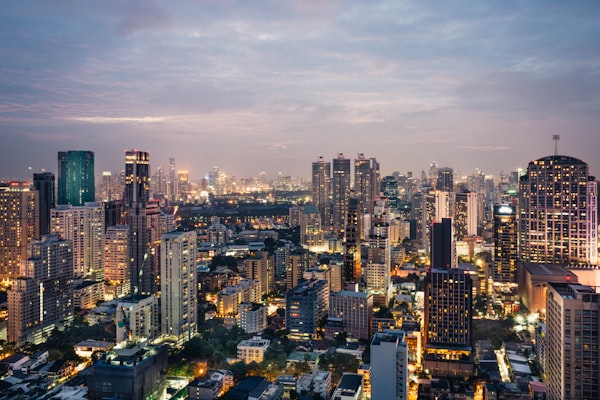
Seoul is a city of 10 million people that somehow manages to be genuinely navigable, remarkably safe, and endlessly interesting. It operates at every register simultaneously: 14th-century Joseon Dynasty palaces (Gyeongbokgung, Changdeokgung) surrounded by skyscrapers; the Bukchon Hanok Village of traditional courtyard houses within walking distance of the Gangnam entertainment district; the lantern-lit alleys of Insadong next to the neon energy of Hongdae, where street performers, independent coffee shops, and clubs operate at full capacity at 2am. Seoul does not sleep, does not simplify, and does not tire. Allow a minimum of 4 days — a week is better.
Cherry Blossoms That Rival Japan at Half the Price
South Korea’s cherry blossom season — typically late March to mid-April — is genuinely spectacular, and far less crowded and expensive than the equivalent Japanese experience. Seoul’s Yeouido Spring Flower Festival, the tree-lined walking path along the Cheonggyecheon stream, and the riverside parks of Namsan Mountain all bloom simultaneously. In Gyeongju, cherry blossoms fall across ancient Silla royal tomb mounds and temple grounds. In Jinhae, a small naval city in the south, the cherry blossom festival is so concentrated that the town becomes almost overwhelmingly pink for two weeks. Budget accommodation for cherry blossom season well in advance — it is the peak period — but the experience is extraordinary.
The Best Urban Transport System in the World
Seoul’s metro is, by multiple independent assessments, the world’s best urban public transport system. It is clean, air-conditioned, punctual to the minute, fully English-signposted, and cheap — a single ride is approximately ₩1,350 (~A$1.50). The T-money card (purchased at any convenience store for ₩2,500 / ~A$2.80) works across the Seoul metro, buses, and some intercity transport. Seoul’s subway covers 22 lines and over 300 stations — virtually every destination a tourist would want to reach is accessible directly. No taxis, no navigation stress, no language barrier at the station. Between cities, the KTX high-speed rail connects Seoul to Busan in 2.5 hours for approximately A$67–89.
A Country That Is 70% Mountains
South Korea’s popular image centres on Seoul’s urban energy, but the country is overwhelmingly mountainous — and the mountains are extraordinary. Bukhansan National Park sits within Seoul’s city limits and offers serious ridge hiking with granite peaks above the urban skyline. Seoraksan National Park in the northeast — two hours from Seoul — is one of Asia’s most dramatic mountain landscapes, with sheer granite faces, Buddhist hermitage temples on cliff ledges, and autumn foliage (late October) that is genuinely world-class. Hallasan on Jeju Island is South Korea’s highest peak and a UNESCO World Heritage volcano. Entry fees to national parks are ₩3,500–5,000 (~A$3.90–5.55) — essentially free.
5,000 Years of History Alongside 21st-Century Innovation
South Korea has compressed an extraordinary amount of historical and contemporary experience into a relatively small peninsula. Gyeongju — the former capital of the Silla Kingdom that ruled for nearly a millennium — is an open-air UNESCO heritage city where royal tomb burial mounds sit in urban parks, and where the 8th-century Bulguksa Temple and Seokguram Grotto Shrine are among Asia’s finest Buddhist heritage sites. The DMZ (Korean Demilitarized Zone) — accessible as a day trip from Seoul — provides a sobering encounter with the world’s most militarised border and a tangible sense of Korea’s modern history. And Jeju Island — a UNESCO triple-crowned natural heritage island — offers volcanic landscapes, lava tubes, and haenyeo (female divers) who have worked the same waters for centuries.
🏛️ Where to Go
Seoul
South Korea’s 10-million-person capital and the natural entry point for most Australian visitors. Start at Gyeongbokgung Palace — the main Joseon Dynasty palace, with the changing of the guard ceremony at 10am and 2pm. Walk to Bukchon Hanok Village for the most photographed alleyways in Korea. Insadong for traditional craft and tea houses. Myeongdong for K-beauty shopping and street food density. Hongdae for nightlife and street performance that runs until dawn. Gangnam for the gloss of modern Seoul. And Gwangjang Market — open since 1905 — for the best market food experience in the city. Allow 4–7 days.
Busan
South Korea’s second city and — for many travellers — their favourite. A port city with a completely different character to Seoul: warmer, saltier, more relaxed. Gamcheon Culture Village (the “Korean Santorini” — brightly painted hillside houses with art installations and narrow lanes) is the most-photographed site. Haedong Yonggungsa Temple, built directly on coastal rocks with waves breaking below the prayer halls, is one of Korea’s most dramatic religious sites. Haeundae Beach and Gwangalli Beach — both urban beaches with excellent night views of the Gwangan Bridge. And Jagalchi Fish Market — Korea’s largest seafood market, where fresh hoe (sashimi) and haemul pajeon (seafood pancake) are eaten at dawn. 2.5 hours from Seoul by KTX.
Jeju Island
The “Hawaii of Korea” — South Korea’s largest island, a UNESCO triple World Heritage site (natural landscape, lava tubes, and the Jeju haenyeo free-diving women’s culture). Hallasan — a dormant shield volcano and South Korea’s highest peak — anchors the island. Manjanggul Lava Tube (one of the world’s longest at 13.4km) is accessible and extraordinary. Coastal cycling routes circle the island past black lava rock shorelines, tea plantations, and tangerine orchards. Domestic flight from Seoul Gimpo is approximately A$42–55 one-way and takes about an hour. Allow 3–4 days.

Gyeongju
The former capital of the Silla Kingdom (57 BC – 935 AD) — a city where royal burial mounds sit in urban parks and where the 8th-century Bulguksa Temple and Seokguram Grotto Shrine (UNESCO) are among the finest Buddhist heritage sites in Asia. Gyeongju is often called “the museum without walls” — ancient artefacts and tomb mounds appear throughout the city’s residential streets. During cherry blossom and autumn foliage seasons, Gyeongju is arguably the most beautiful city in South Korea. 30 minutes from Busan by KTX. A natural add-on to a Seoul–Busan itinerary.
Jeonju
South Korea’s unofficial food capital and the birthplace of bibimbap (the UNESCO-listed mixed rice dish that has become a global symbol of Korean cuisine). Jeonju Hanok Village — 735 traditional Korean houses preserved in the city centre — is the largest intact hanok village in the country and genuinely lived-in rather than themed for tourists. Street food here — makgeolli (rice wine), jeon (savoury pancakes), bean sprout soup — draws Korean food tourists from across the country. A 2-hour KTX ride from Seoul. Best as an overnight stay, not a day trip.

The DMZ
The 4km-wide Korean Demilitarized Zone — one of the most heavily militarised borders on earth — is accessible as a half-day or full-day guided tour from Seoul. The experience is genuinely striking: the Joint Security Area at Panmunjom (where North and South Korean soldiers stand metres apart), the infiltration tunnels dug by North Korea and discovered in the 1970s, the Dora Observatory with binocular views into the North, and Dorasan Station — a fully built train station waiting for a future that hasn’t arrived. Tours run daily from Seoul; budget approximately A$55–95 for a guided group tour including transport.
🍽️ What to Eat
Korean cuisine is built on fermentation, fire, and communal sharing. Every meal comes with banchan — a collection of small side dishes (kimchi, pickled radish, seasoned spinach, bean sprouts) served free and refilled on request. Understanding banchan is understanding Korean food culture: generosity is embedded in the meal structure itself.
Korean BBQ
Samgyeopsal (pork belly) or galbi (short ribs) grilled at your table on charcoal. Wrap in perilla or lettuce with garlic and ssamjang. A$20–40/person at a quality restaurant including banchan.
Bibimbap
Dolsot bibimbap — mixed rice with vegetables, a fried egg, gochujang and sesame oil in a sizzling stone bowl — is one of Korea’s most iconic dishes. Best in Jeonju, its birthplace. ₩9,000–15,000 (~A$10–17).
Tteokbokki
Chewy rice cakes in a fiery, slightly sweet gochujang sauce — the definitive Korean street food. Found at every pojangmacha and market stall. ₩3,000–5,000 (~A$3.30–5.55). Addictive.
Korean Fried Chicken
Double-fried for maximum crispness, glazed in soy-garlic or spicy-sweet sauce, and served with pickled radish and beer. One of the world’s great chicken experiences. A$15–25 for a half-portion.
Bingsu
Finely shaved milk ice topped with red bean paste, fruit, condensed milk, or mochi — Korea’s great summer dessert. The injeolmi (roasted soybean powder) bingsu at Cafe Bora in Insadong is legendary. ₩10,000–18,000 (~A$11–20).
Makgeolli
Traditional lightly fizzy rice wine — cloudy, slightly sweet, about 6% alcohol. Served in a bowl with a ladle. Pairs perfectly with jeon (savoury pancakes) on a rainy day. ₩3,000–8,000 (~A$3.30–8.90) at a traditional makgeolli bar.
Kimchi
Fermented spiced cabbage or radish — South Korea’s national dish and a UNESCO Intangible Cultural Heritage. Present at every meal as banchan. The kimchi jjigae (kimchi stew) is the country’s most comforting bowl. ₩8,000–12,000 (~A$8.90–13.30).
Gwangjang Market
Seoul’s oldest covered market — open since 1905 — is an essential food experience. Bindaetteok (mung bean pancakes), mayak gimbap (sesame rice rolls), and ojingeo (squid) from stalls that have operated for generations. Budget ₩15,000–25,000 (~A$17–28) for a full market lunch.
💵 What South Korea Costs: An Honest Budget
All figures approximate Australian dollar equivalents. ₩900 ≈ A$1 (April 2026).
| Item | Cost in KRW | Cost in AUD |
|---|---|---|
| Street food / pojangmacha snack | ₩3,000–8,000 | A$3.30–8.90 |
| Local sikdang (Korean diner) meal | ₩8,000–15,000 | A$8.90–16.70 |
| Korean BBQ per person (with sides) | ₩18,000–36,000 | A$20–40 |
| Korean fried chicken + beer | ₩18,000–25,000 | A$20–27.80 |
| Seoul Metro single ride | ₩1,350 | A$1.50 |
| KTX Seoul–Busan (2.5hrs) | ₩60,000–80,000 | A$67–89 |
| Domestic flight Seoul–Jeju | ₩38,000–55,000 | A$42–61 |
| Hostel/budget guesthouse per night | ₩25,000–45,000 | A$28–50 |
| Mid-range hotel per night (Seoul) | ₩90,000–180,000 | A$100–200 |
| National park entry | ₩3,500–5,000 | A$3.90–5.55 |
| Budget daily total (all-in) | ₩47,000–95,000 | A$52–105 |
| Mid-range daily total (all-in) | ₩120,000–200,000 | A$133–222 |
🌞 Best Time to Visit from Australia
Spring — Cherry blossom season (late March–May): South Korea’s most popular travel period and genuinely worth the crowds. Cherry blossoms bloom across Seoul, Gyeongju, and Jinhae in late March to mid-April. Temperatures 10–20°C, excellent for walking. Book accommodation several months ahead — this is peak season and prices reflect it.
Autumn (September–November): Arguably the best overall season. September is warm and dry. October brings spectacular mountain foliage — Seoraksan, Naejangsan, and Bukhansan turn amber and red in one of Asia’s finest natural displays. November is cooling but clear. Fewer crowds than spring at most sites, and the light is extraordinary for photography.
Summer (June–August): Hot and very humid, with monsoon rains from late June through July. The coast and beaches (Busan’s Haeundae, Jeju’s Hamdeok) are at their most popular. Good for Jeju’s ocean activities and beach culture. Less comfortable for city walking. Peak domestic travel season.
Winter (December–February): Cold and dry — temperatures regularly below 0°C in Seoul. Excellent for ski resorts (Yongpyong, Vivaldi Park — about 2 hours from Seoul) and for exploring major sites with minimal crowds. Traditional hanok guesthouses with ondol (underfloor heating) are at their most atmospheric in winter. Jeju is milder. Significant savings on accommodation.
Plan Your South Korea Trip with Cooee Tours
Seoul, Busan, Jeju, Gyeongju — or a combined Korea–Japan or Korea–Taiwan itinerary. Our team can help you build a trip that goes well beyond the surface.
Talk to Our Team More Asia Guides →Frequently Asked Questions
No. As of April 2026, Australian passport holders enter South Korea visa-free for up to 90 days for tourism. The K-ETA has been suspended for Australians until 31 December 2026. You do need to complete the free e-Arrival Card online within 3 days before travelling at e-arrivalcard.go.kr. Your passport must be valid for at least 6 months from your scheduled return date. Always verify at smartraveller.gov.au before travel.
Direct flights from Sydney, Melbourne, and Brisbane to Seoul Incheon International Airport (ICN) take approximately 10 to 11 hours. Korean Air, Asiana Airlines, and Qantas all operate direct Australia–Korea routes. South Korea is significantly closer than Europe and roughly comparable to Japan in flight time.
South Korea is excellent value. Street food runs A$3.30–8.90 per dish. A local restaurant meal is A$8.90–16.70. Korean BBQ at a quality restaurant runs A$20–40 per person with all side dishes included. Budget travellers can manage comfortably on A$52–105 per day all-inclusive. Mid-range is A$133–222. The KTX Seoul–Busan high-speed rail (2.5 hours) costs A$67–89. Seoul’s metro rides cost A$1.50.
Spring (late March to May, cherry blossom season) and autumn (September to November, foliage season) are the best times. Spring sees cherry blossoms across Seoul, Gyeongju, and the south — book accommodation well ahead. Autumn offers spectacular mountain foliage in October with fewer crowds than spring. Winter is cold (below 0°C in Seoul) but excellent for ski resorts and quiet sightseeing. Summer is hot, humid, and monsoon season — good for beaches and Jeju, less comfortable for cities.
K-culture is South Korea’s global cultural influence through K-pop (BTS, BLACKPINK), Korean drama and film (Squid Game, Parasite, The Glory), K-beauty skincare, Korean cuisine, and Korean fashion. South Korea received 4.76 million foreign tourists in Q1 2026 — a record high, up 23% year on year — driven substantially by travellers already immersed in Korean culture before visiting. For Australian travellers, K-culture has made South Korea feel familiar and compelling before they even land.