
Explore regional dishes with practical advice for ordering, food walks, cooking classes and dietary needs.
Follow the food through the regions
Vietnamese food varies between regions, households and individual cooks. A north-to-south trip offers the chance to notice those differences without turning meals into a competition for the most authentic version. Ask hosts what they enjoy locally and leave room for dishes you have not heard of.
Spread tastings across the holiday. Ordering every famous dish on the first evening can leave little appetite for the next day's discoveries. A simple breakfast, a market snack and a relaxed dinner often provide a better introduction than an overloaded restaurant crawl.
Hanoi and the north
Pho and bun cha are useful starting points in Hanoi, alongside other noodle dishes and street snacks. Watch how condiments are offered and ask how the dish is usually eaten. A guide can explain ingredients and ordering conventions while helping you choose a manageable amount.
Coffee provides another way to pause and observe city life. Egg coffee is rich, while other preparations suit different tastes. Choose a comfortable stop and take time over it. If caffeine or particular ingredients are a concern, ask before ordering rather than relying on the English menu name alone.
Hue and central Vietnam
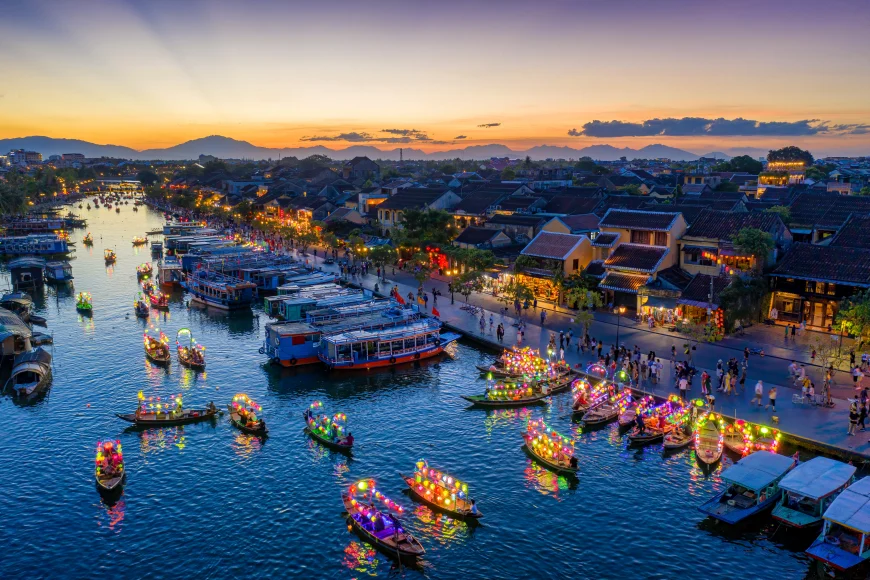
Hue offers bun bo Hue and a range of smaller dishes that can be sampled across a meal. Hoi An is associated with cao lau and other regional specialities. Menus vary, so ask what is made locally and what portions are suitable for your group.
A cooking class can deepen the experience if it gives participants real preparation time and explains ingredients. Compare kitchen time with transport and additional attractions. A market tour, garden visit and boat activity may be enjoyable, but they should not obscure what you want to learn in the kitchen.
Ho Chi Minh City and the south
Com tam, noodle soups, bánh mì and many other dishes can shape a city stay. The point is to explore different places and times of day rather than claim that one dish represents the entire south. A neighbourhood meal can be as memorable as a famous restaurant.
In the Mekong Delta, ask about locally available produce and the way meals are prepared. River trips and rural stays may include set menus, so clarify dietary needs before departure. Do not assume a remote kitchen can make a safe substitution without notice.
Order with your needs in mind
Tell a guide, restaurant or cooking school about allergies clearly and in advance. Stocks, fish sauce, shellfish, peanuts and shared preparation areas may matter even when the main ingredient looks suitable. A translated allergy card can help communication, but it does not guarantee that cross-contact can be avoided.
Vegetarian and vegan travellers should ask about broth and sauces as well as visible ingredients. Families can plan a mixture of unfamiliar and familiar meals, with snacks available when timing changes. If a venue cannot confidently meet an essential dietary requirement, choose another option.
Choose food experiences thoughtfully
For a food walk, ask about walking distance, stops, portion sizes, drinks and the return point. Smaller groups may allow more discussion, but the guide's approach matters as much as the number of people. Clarify whether transport involves walking, cars or motorcycles before booking.
For street food, observe preparation, storage and turnover and choose food served freshly cooked where appropriate. Popularity is not a safety guarantee. Use your own medical advice for any particular vulnerability and keep hydration in mind during hot sightseeing days.
Respect the setting
Markets and small stalls are workplaces. Ask before photographing people closely, keep paths clear and do not occupy a table for a long photo session during a busy service. Check prices before ordering when they are not displayed, and carry practical cash denominations.
Bring home memories and recipes, but check Australian biosecurity rules before packing food or plant products. The most useful souvenir may be knowing how to order a new favourite dish and understanding a little more about the people who prepare it.
Planning sources & updates
Reviewed 11 November 2026. Check Smartraveller Vietnam advice, the official Vietnam e-visa portal and Vietnam Tourism before travel. Confirm opening hours, transport, weather and booking terms for your dates. Photography: Vietnam Tourism.