🇺🇸 50 States · 63 National Parks · 14–20 Hours from Brisbane

50 States.
63 National Parks.
One Country.

A canyon a mile deep carved over 5–6 million years by the Colorado River. The world’s most recognised skyline rising from a thin island of schist. Volcanoes actively building new land as lava meets the Pacific Ocean. A city where jazz was invented and the food has never apologised for anything it does to butter. The United States of America.

63
National Parks
1,857m
Grand Canyon Depth (1 mile)
6,500km
Pacific Coast Highway Length
14–20 hrs
Direct Flight from Brisbane
1803
Louisiana Purchase — Origins of New Orleans
🇺🇸 USA Guide
50 States, One Country

The USA — The Country
That Invented Itself and
Never Stopped

The United States of America (population 335 million — the third most populous country in the world — 9.83 million km² — the third or fourth largest country by area depending on the measurement method — 50 states ranging from tropical Hawaii at 19°N to Arctic Alaska at 71°N — spanning six time zones and every climate from equatorial rainforest to polar desert) is both the most over-documented and most genuinely surprising destination in the world for Australian travellers. Over-documented because every film, TV show, advertisement, and news broadcast of the last century has been American, creating a false sense of familiarity. Genuinely surprising because the actual physical scale and diversity of the country — the Grand Canyon’s mile-deep silence, the Hawaiian lava fields still growing, the vast emptiness of Monument Valley’s Navajo Nation land — lands differently in person than any screen representation prepares you for.

The USA’s defining travel experiences divide clearly into five categories. The megacities (New York — the most vertically dramatic city ever built, Manhattan’s schist bedrock the geological accident that allowed the skyscrapers — Los Angeles — the city that runs on freeway and optimism — San Francisco — the city on hills above a bay whose engineering history is as extraordinary as its scenery). The National Parks (63 parks containing the most diverse concentrated wilderness on Earth — the Grand Canyon, Yellowstone’s geothermal landscape, Yosemite’s vertical granite, Zion’s slot canyons, the Great Smoky Mountains’ biodiversity). The music and food cities (New Orleans — the birthplace of jazz and the most unapologetically indulgent food culture in North America — Nashville — country music’s living city — Memphis — Elvis, blues, and the best barbecue argument in America). The natural wonders (Hawaii’s active volcanoes, Monument Valley’s sandstone mittens, the California redwoods, the Florida Everglades). The road (the Pacific Coast Highway — Highway 1 — from Los Angeles to San Francisco, the finest coastal road in the world — Route 66 — the original American road trip mythology).

✅ USA Practical Essentials
  • Visa / ESTA: Australian passport holders do not require a full visa for the USA if visiting for 90 days or less for tourism. You must obtain an ESTA (Electronic System for Travel Authorisation) before departure at esta.cbp.dhs.gov — USD$21, instant in most cases, valid 2 years. The ESTA is checked electronically at check-in. You will be denied boarding without it. Stays beyond 90 days or involving any work require a B-1/B-2 visa from a US consulate.
  • Currency: US Dollar (USD) — approximately USD$1 = AUD$1.55 (the USA is moderately expensive for Australians; New York and San Francisco are the most expensive cities — roughly comparable to Sydney or Melbourne at current exchange rates; the South and rural America are significantly cheaper). Credit cards accepted everywhere. Tipping: 18–20% at sit-down restaurants is the standard minimum — in New York and LA, 22–25% is common. Tipping is built into the server’s expected income — not tipping is understood as a complaint, not a cultural position.
  • Driving: Americans drive on the right. An Australian driving licence is accepted in most states but an International Driving Permit (IDP) is recommended. Left turns against oncoming traffic — the primary Australian adjustment. Right turns on red lights are permitted in most states unless signed — this allows vehicles to turn right at a red light after stopping, giving way to cross traffic. Freeways in Los Angeles operate at 100–110km/h; tailgating is endemic and lane-changing without signalling is standard.
  • Size: The continental USA is 4,500km east to west. Driving from New York to Los Angeles takes 45 hours of driving time (4–5 days minimum realistically). Domestic flights are the correct solution for covering distances — United, Delta, Southwest, and American Airlines connect all major cities, with fares typically USD$50–200 for most domestic routes. Google Flights provides the best overview of domestic pricing.
  • National Park reservations: The USA’s National Parks now require entry reservations at several of the most popular sites during peak season. Yosemite Valley (timed entry, April–October — required even with an Annual Pass), Arches National Park (timed entry, peak season), Glacier National Park (vehicle reservation required). Check recreation.gov before your visit. The America the Beautiful Annual Pass (USD$80 — covers entry to all 63 National Parks and 419 federal recreation sites for 12 months — breaks even at 2 National Park visits) is the single most cost-effective purchase for any USA national park trip.
Nine Regions

America from Coast to Coast

The USA rewards the traveller who picks a circuit and follows it with commitment — each region is a distinct country with its own food, music, weather, and landscape logic.
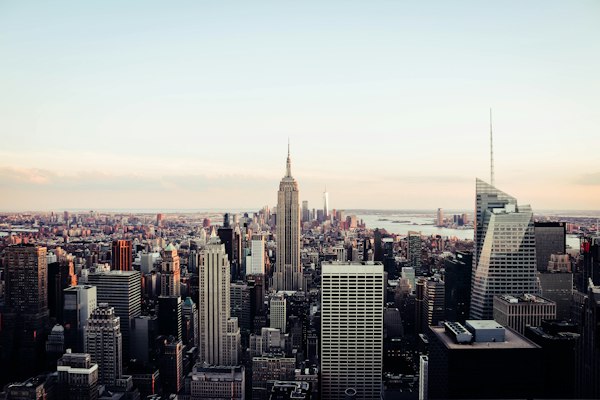
New York City Manhattan skyline Empire State Building night
New York City
🏛 Manhattan · The Five Boroughs · Never Sleeps

New York (population 8.3 million city, 20 million metro — on the Hudson River estuary at the geographic nexus of the US Northeast — the world’s most recognisable urban skyline, built on a narrow island of Precambrian schist — the bedrock that is 2 billion years old and strong enough to anchor the foundations of the Empire State Building and the World Trade Center) is the most vertically dramatic city ever built, and the most permanently energised. Manhattan’s 13.4km length contains more cultural, culinary, and architectural density per square kilometre than any other urban area on Earth. The High Line (the 2.3km elevated park built on a decommissioned 1930s freight railway line above the West Side — the most innovative urban park created in any American city in the 21st century — the native plantings, the Hudson River views, the art installations, and the specific vantage point above the street grid that changes the city’s perspective entirely). Central Park (843 acres of Frederick Law Olmsted and Calvert Vaux’s 1858 design — the Ramble woodland, the Bethesda Terrace, the 6-mile loop reservoir run — the park’s north end at 110th Street is the most beautiful and least visited section). The Metropolitan Museum of Art (the largest art museum in the Americas — 5,000 years of human civilisation on 200,000 m² of floor space — the Egyptian Temple of Dendur (a 1st-century BCE Nubian temple dismantled and gifted to the US in 1965, reassembled inside a purpose-built glass wing — the most improbable interior in any art museum in the world) and the 19th-century American Wing are the two most rewarding stops). The city has its own Cooee guide at the link below.

  • → Read the full New York City guide
  • High Line — 2.3km elevated park, decommissioned freight railway
  • Metropolitan Museum of Art — Egyptian Temple of Dendur inside
  • Brooklyn Bridge walk — best skyline view in New York, any time of day
  • West Village and Chelsea — the neighbourhoods that reward slow walking
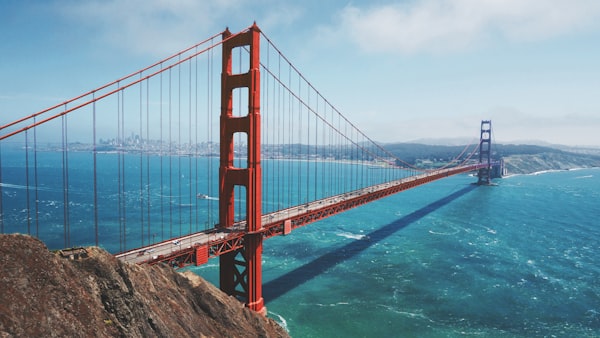
Grand Canyon sunrise Arizona Colorado River national park
The Grand Canyon & Southwest
🥠 Arizona · Utah · Nevada · Canyon Country

The American Southwest — Arizona, Utah, Nevada, and New Mexico — contains the greatest concentration of geological spectacle per square kilometre available to a visitor anywhere on Earth: the Grand Canyon, Zion, Bryce Canyon, Arches, Canyonlands, Monument Valley, Antelope Canyon, Horseshoe Bend, and the Petrified Forest — each a distinct and overwhelming landscape, all within a 600km radius of Las Vegas. The Grand Canyon (1,857 metres deep — 446km long — 16km wide at its widest — carved over 5–6 million years by the Colorado River through 2 billion years of exposed rock layers — the South Rim accessible year-round, the North Rim open May–October — the canyon’s colour changes throughout the day from pre-dawn silver to ochre and red at sunrise, bleached white at midday, and deep amber-red at sunset — the correct viewing time is sunrise (Yavapai Point, 15-minute walk from the South Rim Visitor Centre) and sunset (Hopi Point, 2km west on the Rim Trail)). Antelope Canyon (the slot canyon on Navajo land near Page, Arizona — the beam of light that enters the Upper Canyon at noon from April to October, the orange and red Navajo sandstone walls 60 metres high and 1 metre wide at the base — Navajo-guided tours required, book weeks ahead at summer peak). Monument Valley (the Navajo Nation tribal park — the three Mittens and Merrick Butte — the landscape of every American Western ever filmed and the most iconic non-Grand Canyon landscape in the Southwest — the 27km Valley Drive self-guided tour, 2 hours, 4WD recommended).

  • Grand Canyon South Rim — sunrise Yavapai Point, sunset Hopi Point
  • Antelope Canyon — Navajo-guided, book weeks ahead in summer
  • Monument Valley — 27km Valley Drive · 4WD recommended
  • Zion Narrows — wading up the Virgin River through 600m slot canyon walls
  • Horseshoe Bend — Colorado River horseshoe curve, 1km walk from Page AZ

Pacific Coast Highway California Big Sur ocean cliffs
California & the Pacific Coast
🏘 LA · San Francisco · Highway 1

California (population 39 million — the most populous US state and the world’s 5th-largest economy if it were independent — 1,350km of Pacific coastline from the Oregon border to Tijuana) is the USA’s most diverse single state and the destination that most Australian visitors combine into a Los Angeles–Highway 1–San Francisco driving circuit. The Pacific Coast Highway (Highway 1 — the 6,500km US Route 1 with the most photographed section running 900km from Los Angeles to San Francisco — the specific Big Sur section (145km between San Luis Obispo and Monterey — the Santa Lucia Range rising directly from the Pacific, the Bixby Bridge (the 218-metre span at 79 metres above the creek — the most photographed bridge on Highway 1 — built 1932), the Pfeiffer Big Sur State Park redwoods (the southernmost grove of coast redwood trees — Sequoia sempervirens — the tallest living organisms on Earth — 90–115 metres in this grove), and the McWay Falls (the 24-metre waterfall that falls directly onto a beach cove surrounded by 100-metre cliffs — accessible only from above, on the 0.5km Waterfall Trail from the parking area)). Los Angeles has its own Cooee city guide. San Francisco has its own Cooee city guide. Yosemite National Park (310km east of San Francisco via Highway 120 — the 7-mile valley floor encircled by 1,000-metre granite walls — El Capitan (the 900-metre sheer granite face — the largest exposed granite monolith in the world) — Half Dome — Bridalveil Fall — the timed entry permit required April–October from recreation.gov). The Napa Valley (90km north of San Francisco — the USA’s most internationally celebrated wine appellation — the Cabernet Sauvignon from the Stags Leap and Oakville districts that defeated the French in the 1976 Paris Tasting and permanently disrupted the narrative of European wine supremacy).

New Orleans French Quarter jazz night food Louisiana
New Orleans & the Deep South
🍴 Louisiana · Jazz · Food · Tennessee

New Orleans (population 390,000 — at the mouth of the Mississippi River — the most culturally distinct city in the United States, a product of French, Spanish, African, Haitian, and Creole influences that were never fully subsumed into the broader American culture — the city that invented jazz (the musical style that emerged from the intersection of African rhythmic traditions, European harmonic structures, and the specific social geography of New Orleans’ Congo Square, where enslaved people were permitted to gather and play music on Sundays)) has the most concentrated and most unapologetic food culture in North America. The French Quarter (the Vieux Carré — the 13-block-by-7-block original French colonial settlement of 1718, preserved in its Creole townhouse form — the cast-iron balconies, the courtyard gardens behind pastel plaster facades, the Bourbon Street bars and the Frenchmen Street jazz clubs (Frenchmen Street — 3 blocks of live jazz venues operating from 9pm to 2am nightly — Spotted Cat, Snug Harbor, the Maison — the authentic alternative to the tourist-oriented Bourbon Street)). The food: Commander’s Palace (the Victorian Garden District restaurant — the turtle soup, the bread pudding soufflé, the 25-cent martinis at Saturday jazz brunch — the single most celebrated restaurant experience in New Orleans), the char-broiled oysters at Drago’s (the Hilton Riverside location — the oysters in the shell, grilled over charcoal, finished with butter, garlic, Parmesan, and Romano — the most specific New Orleans dish that does not exist in the same form anywhere else), the beignets at Café Du Monde (the 24-hour open-air café in the French Market — the chicory coffee café au lait and the square beignets showered in powdered sugar — open since 1862 — the queue is always long — worth every minute). Nashville (460km north — the country music capital, the honky-tonks on Broadway, the Grand Ole Opry, the Ryman Auditorium, the hot chicken (the Nashville specialty — cayenne-marinated and fried chicken — Prince’s Hot Chicken Shack inventing the dish in 1945)).

  • Frenchmen Street — live jazz nightly, 9pm–2am · Spotted Cat, Snug Harbor
  • Commander’s Palace — Saturday jazz brunch · 25-cent martinis
  • Café Du Monde — beignets & chicory café au lait · open since 1862
  • Drago’s char-broiled oysters — butter, garlic, Parmesan over charcoal
  • Nashville Broadway honky-tonks — Grand Ole Opry, hot chicken at Prince’s
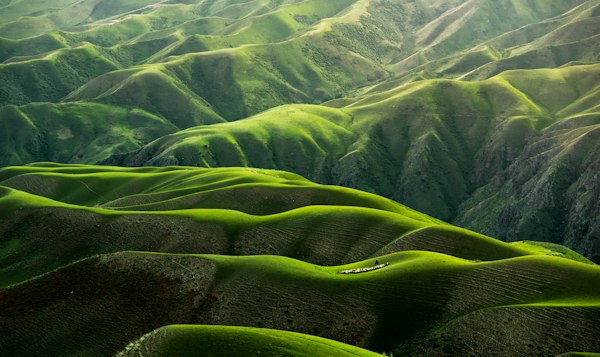
Hawaii Big Island volcanic lava flow ocean Kilauea
Hawaii
🏜 Pacific Islands · Active Volcanoes · Reefs

Hawaii (the only US state not in North America — an archipelago of 8 main islands in the central Pacific, 3,750km from the US mainland — accessible by 9-hour flight from Los Angeles — the most geologically active state in the USA, with Kīlauea on the Big Island of Hawaiʻi being the world’s most continuously active volcano) is the American destination that delivers the most complete surprise to first-time visitors expecting a beach resort and finding instead an active geological laboratory surrounded by coral reefs. The Big Island (Hawaiʻi) — the largest and most geologically diverse of the islands (the only island with all five of the world’s major climate zones on a single landmass — tropical rainforest, alpine desert at Mauna Kea’s 4,207m summit, black sand beaches from recent lava flows — the Big Island has grown by 875 acres of new land since 1983 from lava entering the ocean). Hawaiʻi Volcanoes National Park (the Kīlauea caldera — the Thurston Lava Tube (a 500-year-old lava tube 130 metres wide accessible on foot) — the Chain of Craters Road (19km descending 1,200 metres from the caldera to the ocean, passing through lava fields from eruptions ranging from 1969 to 2018 — the road ends at the coast where the 1990 lava flow buried the town of Kalapana under 15 metres of basalt)). Maui’s Road to Hana (the 83km Hana Highway — 620 curves, 59 bridges, the most densely planted stretch of roadside tropical vegetation in Hawaii — the Waiʻānapanapa Black Sand Beach, the Seven Sacred Pools at ʻOheʻo Gulch — allow 10–12 hours return). Oʻahu’s North Shore (the world’s most famous surf breaks — Banzai Pipeline, Sunset Beach — the Eddie Aikau Big Wave Invitational triggered only when waves exceed 20 feet — and the World War II memorial at Pearl Harbor).

  • Big Island — Kīlauea active volcano · 875 acres of new land since 1983
  • Hawaiʻi Volcanoes National Park — lava tube, Chain of Craters Road
  • Maui Road to Hana — 83km, 620 curves, black sand beaches
  • North Shore Oʻahu — Banzai Pipeline surf · Pearl Harbor memorial
  • Mauna Kea summit — 4,207m · world’s best astronomical viewing site
Yellowstone National Park geysers hot springs Wyoming
Yellowstone & the Northern Rockies
⛰ Wyoming · Montana · Idaho · Geothermal

Yellowstone National Park (established 1872 — the world’s first national park — 8,983 km² across Wyoming, Montana, and Idaho — sitting atop the Yellowstone Caldera, one of the world’s three large supervolcano systems, the last major eruption 640,000 years ago) contains the world’s most concentrated geothermal landscape: more than half of all the world’s geothermal features (geysers, hot springs, fumaroles, mud pots) are in Yellowstone. Old Faithful (the geyser that has erupted every 44–125 minutes since 1870 — average interval 94 minutes, predicted to within 10 minutes — 14,000–32,000 litres of boiling water per eruption, reaching 32–56 metres — the Rangers predict each eruption from the duration of the previous one — the prediction board at the Visitor Centre is updated after each eruption) is the most reliable natural spectacle in the USA. The Grand Prismatic Spring (the largest hot spring in the USA and the third largest in the world — 91 metres across, 49 metres deep — the rainbow of colour (deep blue centre from water too hot for life, yellow and orange edges from thermophile bacteria (Archaea) living at the temperature margins, the green from algal photosynthesis) is most visible from the Fairy Falls Trail overlook — a 3km round trip from the Midway Geyser Basin). The Lamar Valley (the “Serengeti of North America” — the valley in the park’s northeast corner where wolf reintroduction began in 1995 — the Druid Peak Pack (the most studied wolf pack in North America) — bison, elk, bear, wolf, pronghorn, and eagles all visible in the valley from the roadside at dawn).

  • Old Faithful — erupts every 44–125 min · Rangers predict within 10 min
  • Grand Prismatic Spring — 91m across · best viewed from Fairy Falls Trail
  • Lamar Valley — wolf, bison, bear at dawn · 1995 wolf reintroduction site
  • Grand Teton National Park — 30 miles south · most dramatic mountain silhouette
  • Glacier National Park (Montana) — Going-to-the-Sun Road · grizzly bears
💡 INSIDER TIP — The America the Beautiful Annual Pass

The America the Beautiful Interagency Annual Pass (USD$80 — currently approximately AUD$124 — purchased at any National Park entrance station or online at store.usgs.gov/recreational-passes) covers entry fees for all 63 National Parks and over 400 federal recreation sites for 12 months from the date of purchase. It covers the driver and all passengers in a single vehicle (or, for walking/cycling entries, the pass holder and up to 3 adults). The pass breaks even at two National Park visits — Grand Canyon alone is USD$35 per vehicle. On a Southwest road trip covering Grand Canyon, Zion, Bryce Canyon, and Arches, the pass saves USD$105. Buy it at the first park you visit (no online booking required — the ranger at the entry booth sells it in 60 seconds) and carry it for every subsequent park entry.

63 National Parks

Eight Parks Every Australian Should See

The USA’s National Parks are among the greatest public land decisions any government has ever made. Here are eight that exceed all photographs of them.

🥠
Grand Canyon
Arizona · South Rim year-round

1,857 metres deep, 446km long, 2 billion years of rock exposed. Sunrise at Yavapai Point. The Bright Angel Trail descends 1.4km to the Colorado River — allow 4–6 hours return. Mule trips to Phantom Ranch (book 13 months ahead — the waitlist is real). The canyon looks exactly like every photograph of it and then, when you are at the rim, looks nothing like any photograph. No photograph has captured the silence.

🏠
Yosemite
California · Timed entry Apr–Oct

The 7-mile valley floor enclosed by 900-metre granite walls. El Capitan, the world’s largest exposed granite monolith. Half Dome (cable-assisted day hike, permit required via recreation.gov — lottery opens March). Tunnel View — the single most reproduced landscape photograph in American history, the valley opening through a tunnel portal with El Capitan and Bridalveil Fall visible simultaneously.

Zion
Utah · Year-round

The Narrows — wading upstream through the Virgin River between 600-metre Navajo sandstone walls that narrow to 6 metres — the most unique hiking experience in the USA. Angels Landing — the 488-metre mesa with chains on the final section, permit required, the view worth every frightening step. Shuttle buses run the main canyon road March–November — no private vehicles.

🌗
Bryce Canyon
Utah · Best at sunrise

The hoodoos — the tall spindly rock formations of orange and white Claron limestone — Bryce Amphitheatre contains the world’s largest concentration of hoodoos. Sunrise Point and Sunset Point provide the finest rim views. The Navajo Loop Trail (2.2km, Grade 3 — descends into the amphitheatre among the hoodoos — the experience of being surrounded by 60-metre orange spires is unlike anything else in the Southwest).

🥐
Arches
Utah · Timed entry peak season

Over 2,000 natural sandstone arches in a single park — the highest concentration on Earth. Delicate Arch (the free-standing arch on the cover of every Utah licence plate — 3.2km return walk, the arch itself visible only from a dramatic bowl rim — the scale is not apparent from photographs; it is 16 metres tall). Landscape Arch (the longest natural arch in the world — 88 metres — a slab of Entrada sandstone only 1.8 metres thick at its thinnest point).

Yellowstone
Wyoming · Year-round

Old Faithful, Grand Prismatic Spring, the Lamar Valley wildlife, the Norris Geyser Basin (the hottest and most dynamic thermal area in the park, Steamboat Geyser — the world’s tallest active geyser at up to 90 metres). Drive slowly. Bison have the right of way and will assert it. Wolves in Lamar Valley require pre-dawn positioning at the Confluence Pullout with a spotting scope.

🌞
Hawaiʻi Volcanoes
Big Island, Hawaii · Year-round

The only National Park where you can watch the Earth being built. Kīlauea eruption activity is tracked at the USGS Hawaiian Volcano Observatory (volcanoes.usgs.gov) — check before visiting for current lava viewing access. The Crater Rim Drive, the Thurston Lava Tube, and the Chain of Craters Road descending to the coast are the three essential experiences. The Halemaʻumaʻu Crater glow at night (when active) is one of the most dramatic visible natural phenomena in the USA.

🎄
Great Smoky Mountains
Tennessee & North Carolina

The most visited National Park in the USA (12 million visitors annually — no entry fee — the only major National Park without a vehicle entrance fee). The Appalachian Mountains covered in temperate rainforest, the highest biodiversity of any temperate ecosystem in North America. The synchronised firefly event (mid-June — Photinus carolinus, the only firefly species in North America that synchronises its light pulses — lottery required for the viewing shuttle from Elkmont).

The American Experience — Bigger Than the Screen

Every Australian has been to America before they go to America. The movies, the TV shows, the music, the news — American culture has been the background radiation of Australian life for 80 years. This creates a specific arrival problem: you think you know what New York looks like. You think you know the Grand Canyon. You think you know the French Quarter at night.

“Standing at the rim of the Grand Canyon for the first time, every Australian visitor has exactly the same thought: no photograph has captured the silence. The scale. The fact that there is nothing between you and the bottom of the Precambrian.”

The USA’s greatest gift to the traveller who arrives prepared to be surprised is the consistent discovery that the real thing is larger, louder, emptier, and more affecting than its representation. New York is physically larger than you imagined and moves faster than anything you’ve been told. The Grand Canyon’s silence is the most unexpected thing about it — the photographs never include the absence of sound. The jazz in New Orleans’ Frenchmen Street at 11pm on a Tuesday is better than it has any right to be, in a city that has no obligation to try this hard. America rewards the traveller who comes without a fixed version of it already loaded.

9 Curated Experiences

USA Tours from Brisbane

From the Grand Canyon at sunrise to the Frenchmen Street jazz clubs at midnight — all bookable through Cooee Tours.

🏛 New York City
New York City Essential Week
⏱ 7 days★ 5.0(3,120 reviews)

Seven days in New York — the minimum to do the city justice across its five boroughs. The package includes accommodation in Midtown Manhattan (walking distance to Central Park, the High Line, and the Museum Mile), guided neighbourhood walks through the West Village, Brooklyn, and the Lower East Side, the Metropolitan Museum of Art (3-hour guided tour covering the Egyptian Wing, the American Wing, and the Impressionist collection), the Brooklyn Bridge walk and DUMBO waterfront, the 9/11 Memorial (the reflecting pools in the footprints of the Twin Towers — the names of the 2,977 victims around the pools’ edges), and a Broadway show (coordinator-selected based on current season — the guide advises on the TKTS discount booth in Times Square for same-day discounts up to 50% on unsold seats). The Staten Island Ferry (free — the best view of the Manhattan skyline and the Statue of Liberty from the water at no cost — the guide times the ferry for the golden hour crossing) and the High Line walking tour (the decommissioned freight railway elevated park above the Meatpacking District — the specific vantage point at the 10th Avenue Square looking north at the Empire State Building is the best Manhattan skyline framing available from below the 40th floor). The full Cooee New York City guide is available at the link above.

Includes
7 nights Midtown accommodationMet Museum guided tourBroadway show coordinatorHigh Line & neighbourhood walksAirport transfers
⛰ Southwest · National Parks
Grand Canyon, Zion & Bryce Canyon Road Trip
⏱ 8 days from Las Vegas★ 5.0(2,780 reviews)

The Southwest National Parks road trip from Las Vegas (the correct gateway city — LAS airport is the closest major airport to the Grand Canyon, Zion, and Bryce Canyon, all within a 5-hour driving radius) is the most concentrated single road trip circuit in the USA for natural landscape variety: desert, canyon, slot canyon, pink-rock amphitheatre, and sandstone arch in eight days. Day 1: Las Vegas arrival and orientation (the Strip, which is theatrical in exactly the way it intends to be). Days 2–3: Grand Canyon South Rim (4-hour drive from Las Vegas — sunrise at Yavapai Point pre-booked shuttle — the Bright Angel Trail partial descent — America the Beautiful Pass purchased at entry — the Desert View Watchtower). Day 4: Antelope Canyon and Horseshoe Bend (Page, Arizona — the Upper Antelope Canyon Navajo-guided tour, the light beam at noon from April to October — Horseshoe Bend 1km walk from the parking area). Days 5–6: Zion National Park (the Narrows wading excursion — canyoneering-grade waterproof boots hired at Zion Outfitter — the water is cold (10–16°C year-round), the walls are 600 metres above the river, the walk is 3–4 hours upstream — the most unusual hiking experience in the USA — Angel’s Landing permit hike if permit obtained). Day 7: Bryce Canyon (sunrise at Bryce Point — the Navajo Loop Trail among the hoodoos — the Queens Garden Trail connection for a 5.6km loop). Day 8: return Las Vegas via Valley of Fire State Park (the Aztec sandstone formations in red and orange, 50km from Las Vegas — 1 hour, free entry).

Includes
Las Vegas hotel 2 nightsGrand Canyon hotel 2 nightsZion lodge 2 nightsBryce Canyon area 1 nightAmerica the Beautiful PassAntelope Canyon Navajo tour
⛰ California · Coast Drive
Pacific Coast Highway — LA to San Francisco
⏱ 8 days★ 4.9(2,340 reviews)

The Pacific Coast Highway drive from Los Angeles to San Francisco (900km, Highway 1 / US Route 1 — 7–10 days at the correct pace) is the finest coastal road journey in the USA and one of the great drives of the world. The tour departs LAX (or from the Santa Monica Pier — the western terminus of Route 66 and the city’s most photographed landmark) and drives north: Santa Barbara (the Spanish Mission, the Funk Zone wine bars, the morning farmers’ market on Cota Street — 90 minutes from LA), San Luis Obispo and the Hearst Castle (William Randolph Hearst’s 56-bedroom hilltop castle above the Pacific — the Neptune Pool, the indoor Roman Pool, the 900-acre terraced garden — the most extravagant private residence ever built in California — open for tours, book at hearstcastle.org), Big Sur (the 145km section between San Luis Obispo and Monterey — Bixby Bridge, the McWay Falls overlook, the Pfeiffer Big Sur redwood walk — the Ventana Big Sur resort for the most appropriately located accommodation on the PCH — the restaurant on the ridge above the Pacific), Carmel-by-the-Sea (the village that passed an ordinance against chain stores and high heels in 1976 — the result is the most architecturally cohesive small town in California — Point Lobos State Reserve adjacent, the best sea otter watching in California), Monterey Bay Aquarium (the finest aquarium in North America, the Seafood Watch program that created the sustainable seafood concept), and San Francisco arrival via the Half Moon Bay artichoke farms and Devil’s Slide. The full Cooee San Francisco guide is available for the arrival city.

Includes
Hire car LA–SFO one-way7 nights accommodation along routeHearst Castle tour ticketsBig Sur accommodationPre-departure route brief
🍴 New Orleans · Food & Jazz
New Orleans Immersion — Food, Jazz & History
⏱ 5 days★ 5.0(1,780 reviews)

New Orleans requires 5 days minimum — the city’s complexity (historical, cultural, culinary, musical) is not accessible in a weekend visit. The package covers the French Quarter circuit (the Vieux Carré walking tour — the cast-iron balconies, the Creole townhouses, St Louis Cathedral (1794 — the oldest continuously active Catholic cathedral in the USA — Jackson Square facing it is the geographic and social centrepiece of the French Quarter)), the Frenchmen Street jazz evening (the guide selects venues based on the night’s best lineups — the Spotted Cat for intimate jazz, Snug Harbor for the formal concert experience, the Maison for the dance floor — the correct sequence is to eat first on Frenchmen Street’s restaurant row (Adolfo’s, Bacchanal Wine), then walk the three-block jazz strip from 9pm), the Garden District walking tour (the antebellum mansions of the American sector — the Louisville & Nashville tracks, the Commander’s Palace reservation for Saturday jazz brunch), the swamp tour (the Atchafalaya Basin, 90km west — the largest river swamp in the USA — cypress trees draped in Spanish moss, American alligators, roseate spoonbills, and herons from a flat-bottom boat at 10km/h — the guide spots alligators from 100m away by eye), and the food circuit (Café Du Monde at 7am, the Central Grocery for a muffuletta (the Italian-Creole round-loaf sandwich with olive salad, Genoa salami, mortadella, and provolone — invented in 1906), Drago’s char-broiled oysters, the po’boy at Parkway Bakery (the Debris — the roast beef dripping in its own gravy)). The Mardi Gras timing (February–March — the precise dates vary by the Easter calendar — book 6–12 months ahead if your dates align — the city’s accommodation triples in price and the experience is incomparable).

Includes
4 nights French Quarter hotelFrench Quarter guided walkGarden District tourFrenchmen Street jazz eveningAtchafalaya swamp boatCommander’s Palace jazz brunch
🏜 Hawaii · Big Island
Hawaii Big Island Volcanoes & Ocean Tour
⏱ 7 days★ 4.9(1,560 reviews)

The Big Island of Hawaiʻi — the newest, largest, and most geologically active of the Hawaiian Islands — is the correct Hawaii for visitors who want something more than a beach resort. The island contains five volcanoes (two active: Kīlauea and Mauna Loa), all five of Earth’s major climate zones on a single landmass, and both the world’s most continuously erupting volcano and the world’s best astronomical observation site on the same mountain range. The tour divides the island’s distinct zones: Hawaiʻi Volcanoes National Park (the Kīlauea Caldera — the Halemaʻumaʻu Crater, currently (2026) in an eruption phase — check volcanoesUSGS.gov for current activity — the Chain of Craters Road descending from the caldera rim to the Pacific coast through lava fields from 1969 to 2018 — the Thurston Lava Tube — the Puna district black sand beaches where sea turtles haul out). Mauna Kea summit tour (4,207m — the visitor centre at 2,800m for altitude acclimatisation, then summit for sunset and stargazing — the 13 telescope observatories on the summit represent the finest astronomical site on Earth outside space — the summit is on Maunakea (the mountain’s traditional spelling and Kanaka Maoli name) which is considered sacred by Native Hawaiian people — visitors are asked to respect the summit protocols). Snorkelling with manta rays (the night dive / snorkel at Garden Eel Cove — 20–30 oceanic manta rays (Manta birostris) drawn by the plankton attracted to dive lights — the mantas feeding in barrel rolls 1–2 metres below the snorkellers — the most reliably close wild manta encounter in the world outside Churchill’s Manta Point (which is not in the world at all in terms of scale — this is the correct comparison)). Kealakekua Bay kayaking (the marine sanctuary where Captain Cook died in 1779 — the best snorkelling in Hawaii in a National Historical Landmark).

Includes
6 nights Big Island accommodationHawaiʻi Volcanoes NP guidedMauna Kea summit & stargazingManta ray night snorkelKealakekua Bay kayak
⛰ Yellowstone · National Parks
Yellowstone & Grand Teton National Parks
⏱ 7 days from Jackson Hole★ 4.9(1,340 reviews)

Yellowstone and the Grand Teton — two National Parks sharing a border 60km south of Jackson Hole, Wyoming, and jointly representing the most complete combination of geothermal spectacle and wildlife available in a single USA trip. Jackson Hole (the town of Jackson, Wyoming — the elk-antler arches at Town Square, the National Elk Refuge —10,000 elk overwinter in the refuge, sleigh rides through the herd in January–March), Grand Teton National Park (the 12 peaks of the Teton Range rising 2,000 metres directly from the valley floor — no foothills, no gradual approach, the most dramatic mountain silhouette in the USA — the Snake River Overlook (Ansel Adams’ most celebrated photograph, taken 1942 — still available from the same pullout on the US-89)). Yellowstone (the 3-day Yellowstone circuit — the Geysers Basin loop (Old Faithful — the Castle, Beehive, Grand, and Riverside geysers in the Upper Geyser Basin — all predictable — all erupting within 200 metres of each other), the Grand Prismatic Spring (best viewed from the Fairy Falls overlook 1.5km from the Midway Geyser Basin parking area — not from the boardwalk below), the Norris Geyser Basin (the hottest thermal area in the park), the Lamar Valley at dawn (wolf-spotting with the guide’s spotting scope — the Druid Pack territory), the Grand Canyon of the Yellowstone (the 100-metre Lower Falls visible from Artist Point — the most dramatic waterfall in the park)). Wildlife: bear, bison, pronghorn, wolf, moose, and eagle are all regularly seen in and around the Lamar Valley.

Includes
Jackson Hole 2 nightsGrand Teton guided dayYellowstone 4 nightsLamar Valley wolf tour (dawn)America the Beautiful Pass
🎵 Nashville & Memphis
Nashville, Memphis & the Music Cities
⏱ 6 days★ 4.8(1,120 reviews)

Nashville and Memphis — 345km apart on Interstate 40 — represent the two most musically significant American cities that are not New Orleans: Nashville the living city of country music (the Grand Ole Opry (the longest-running live radio broadcast in history, operating continuously since 1925 — the Ryman Auditorium, the “Mother Church of Country Music,” the original Opry home 1943–1974 — the acoustic glass-panelled auditorium on 5th Avenue North, the finest historic music venue interior in the USA — attend a show, not just a tour), the honky-tonks of Lower Broadway (Tootsie’s Orchid Lounge, Robert’s Western World, Printer’s Alley — the bars are free entry, the music is live from noon, the beer is cheap, and the musicians are often of extraordinary quality — the Nashville system of live music as a constant background to commercial life is the most culturally specific thing about the city), the Nashville hot chicken at Prince’s Hot Chicken Shack (the original location — 123 Ewing Drive — the Legend level for the initiated, the Medium level for anyone who has not experienced Tennessee pepper heat before — eaten on white bread with pickles in a parking lot situation that is entirely intentional)); Memphis the city of blues and barbecue (Beale Street (the 3-block pedestrian entertainment district where W.C. Handy composed the first published blues song in 1912 — the neon, the music venues, B.B. King’s Blues Club on the corner), Graceland (Elvis Presley’s 14-room Colonial Revival home — the Jungle Room, the TV Room with three televisions, the racquetball building, the private planes — the most visited private home in the USA after the White House), and the Central BBQ for the Memphis dry-rub ribs (the specific technique of dry-rub Memphis barbecue — no sauce, the rub applied before smoking, the meat left to develop its bark — fundamentally different from Kansas City’s sauce-based or Texas’s brisket tradition)).

Includes
Nashville hotel 3 nightsRyman Auditorium show ticketsMemphis hotel 2 nightsGraceland tourBeale Street blues evening
🏛 East Coast · Circuit
East Coast — New York, D.C. & Boston
⏱ 10 days★ 4.9(1,890 reviews)

The East Coast urban circuit — New York, Washington D.C., and Boston, connected by Amtrak’s Acela Express (the fastest train in the USA, 150mph on the Northeast Corridor — New York Penn Station to Washington Union Station in 2hrs 45min, New York to Boston in 3hrs 30min — the most scenic train route in the US East, the coast visible for sections of the Boston run). New York (4 nights — the full Cooee NYC guide applies). Washington D.C. (3 nights — the National Mall (the 3km grassed avenue connecting the Lincoln Memorial (the 5.8-metre seated Lincoln, the 36 columns representing the states of the Union at the time of his death), the Washington Monument (the 169-metre obelisk — the view from the observation deck looking down the Mall to the Capitol is the most recognisable institutional panorama in American democracy), and the US Capitol itself) — the Smithsonian Institution (19 free museums on and around the Mall — the National Air and Space Museum (the Wright Brothers’ Flyer, Lindbergh’s Spirit of St Louis, John Glenn’s Friendship 7 capsule, and the Apollo 11 command module Columbia — all in the same building — the single most concentrated museum of human achievement in any country), the National Museum of African American History and Culture (opened 2016 — the most emotionally demanding museum in Washington and the most important — allow a full day), the National Gallery of Art (the East Building’s modern art collection — Rothko, de Kooning, Calder’s mobile in the atrium))). Boston (2 nights — the Freedom Trail, Harvard and MIT, the North End’s Italian restaurants).

Includes
New York 4 nightsWashington D.C. 3 nightsBoston 2 nightsAcela Express NYC–D.C.–BostonSmithsonian & National Mall guided
🇺🇸 USA · 14-Day Package
Essential USA 14-Day East to West
⏱ 14 days / 13 nights★ 5.0(680 reviews)

The Essential USA 14-Day package — the minimum viable East-to-West circuit for a first-time American visitor — covering New York and the Southwest National Parks, the two USA experiences that most dramatically exceed all prior representation. The package runs New York (JFK entry) to Los Angeles (LAX exit): 4 nights New York (Manhattan accommodation, Metropolitan Museum, High Line, Brooklyn Bridge, Broadway), fly New York–Las Vegas (Qantas codeshare, approximately USD$150–250), 7 nights Southwest National Parks road trip (self-drive hire car from LAS — Grand Canyon, Antelope Canyon, Monument Valley, Zion, Bryce Canyon — America the Beautiful Pass included), fly Las Vegas–Los Angeles (Southwest Airlines, 1 hour, USD$50–80), 2 nights Los Angeles (the full Cooee LA guide applies — Griffith Observatory, Venice Beach, Getty Center). Internal flights, accommodation, and the America the Beautiful pass are all included. The New Orleans add-on (3 nights — fly to MSY from NYC or LAS before the Southwest circuit — the most compelling optional extension) and Hawaii add-on (5 nights — fly Honolulu from LA as the final stop before Brisbane — Qantas operates Honolulu–Brisbane directly, 9.5 hours) are available at additional cost.

Includes
13 nights accommodationNYC–LAS & LAS–LAX flightsHire car Las Vegas 7 daysAmerica the Beautiful PassAntelope Canyon Navajo tour
Before You Go

Planning Your USA Trip

Getting to the USA
Direct flights from Sydney and Melbourne to Los Angeles (LAX) are operated by Qantas and United (approximately 14 hours). Brisbane connects to LAX via Sydney or via Auckland (Air New Zealand–United codeshare). For New York (JFK/EWR), allow 19–20 hours via LAX. For East Coast trips, entering via New York is more efficient. For Southwest National Parks, entering via Los Angeles (and picking up a hire car) or Las Vegas (LAS — 45 minutes from the Strip to the hire car) is optimal. The ESTA must be obtained before check-in at esta.cbp.dhs.gov — USD$21, instant approval.
🚗
Driving the USA
Americans drive on the right. The primary adjustments for Australians: left turns against traffic (equivalent to right turns in Australia), right turns on red lights (permitted after a full stop in most states — check the sign), and the 4-way stop (all vehicles stop and proceed in order of arrival — the convention is absolute and enforced socially rather than legally). Freeways in LA and New York are contested territory — lane changes without signalling, tailgating, and variable speed are standard. Hire cars are the correct approach for all National Parks and California trips. Gas (petrol) costs approximately USD$1.05–1.30 per litre (significantly cheaper than Australia).
🏛
Cities vs Nature
The USA’s best experiences divide clearly between its megacities (New York, New Orleans, Nashville, San Francisco — walkable, public transport viable, no hire car needed) and its nature destinations (National Parks, Pacific Coast Highway, Hawaii — hire car essential, distances large, planning critical). The most common planning error is attempting to combine city and nature in the same week without accounting for the driving distances between them. Las Vegas is 5 hours from the Grand Canyon. Los Angeles is 6 hours from Yosemite. Build in the driving time as a travel day.
💵
Tipping & Money
The USA’s tipping culture is the most persistent practical adjustment for Australian visitors. Restaurant tipping (18–22%) is the standard minimum — the server’s USD$2.13 federal tipped minimum wage means tips are salary, not a bonus. Hotel housekeeping (USD$2–5 per night, left on the pillow daily), taxi and Uber (10–15%), and tour guides (USD$10–20 per day per person) are the other standard tipping contexts. The credit card tip line on all receipts is the correct mechanism. Travelling with a debit card that waives international transaction fees (Wise, 28 Degrees) eliminates the 2–3% fee on every USD transaction.
Day by Day

USA Itineraries

Three circuits — the East Coast cities, the Southwest National Parks loop, and the California coast.

⌛ 7 Days · Southwest
National Parks Road Trip — Las Vegas Base
Grand Canyon · Zion · Antelope · Bryce
Day 1
Arrive Las Vegas (LAS). Pick up hire car (SUV recommended — the Grand Canyon rim road is unsealed in sections). Drive to the Strip (20 min from airport). Evening: walk the Strip (it is theatrical in exactly the way it intends to be — it takes 2 hours to walk from the Wynn to the Luxor and back, and 2 hours is the correct allocation). Buy the America the Beautiful Pass at the first park gate.
Days 2–3
Grand Canyon South Rim. 4-hour drive via US-93 and AZ-64. Day 2: arrive early afternoon, Mather Point (the most immediately accessible rim viewpoint — the first view stops everyone — allow 20 minutes to simply stand at it). Yavapai Point sunset. Day 3: Yavapai Point at sunrise (the canyon’s most dramatic single moment — pre-dawn drive 10 minutes from Tusayan). Bright Angel Trail partial descent (1.5 miles to Indian Garden — 3–4 hours return — carry 2L of water). Desert View Watchtower afternoon. Drive to Page for night.
Day 4
Antelope Canyon + Horseshoe Bend. Upper Antelope Canyon Navajo-guided tour (pre-booked — the midday light beam April–October — 90 minutes). Horseshoe Bend (1km walk from the parking area — the Colorado River 300 metres below in a perfect horseshoe — 30 minutes). Drive to Zion (3.5 hours via US-89 — the most scenically varied hour of driving in the Southwest).
Days 5–6
Zion National Park. Day 5: the Narrows (hire waterproof boots at Zion Outfitter, USD$20 — walk upstream from the Temple of Sinawava — 3–4 hours, thigh-deep wading — the water 10–16°C, the walls 600m above). Day 6: Bryce Canyon (45 min north — sunrise at Bryce Point, the Navajo Loop Trail among the hoodoos — 2.2km, Grade 3 — 1.5 hours). Drive return Las Vegas (3.5 hours via I-15).
Day 7
Depart Las Vegas. Valley of Fire State Park (50km east — the red Aztec sandstone formations — 2 hours, free entry with America the Beautiful Pass). Return hire car LAS. Depart. The drive home to Brisbane is approximately 20 hours.
Book This Itinerary →
⌛ 8 Days · Pacific Coast
California Coast — LA to San Francisco
Big Sur · Carmel · Napa · PCH
Days 1–2
Los Angeles. Day 1: Arrive LAX, pick up one-way hire car (return in San Francisco — one-way rentals are standard on this route). Griffith Observatory (the view of the Hollywood sign and the LA basin — free, open Tue–Sun from noon). Venice Beach and Abbot Kinney Blvd evening. Day 2: The Getty Center (the Richard Meier building on the Santa Monica Mountains — free entry, the garden and architecture as rewarding as the collection — the view of the LA basin from the terrace), Santa Monica Pier afternoon. Depart north on Highway 1.
Day 3
Santa Barbara. The Mission Santa Barbara (1786 — the “Queen of the Missions”, the twin-towered Greco-Roman facade — the most architecturally complete of California’s 21 missions). State Street and the Funk Zone wine bars (the industrial district converted to wine tasting rooms — the Santa Barbara Maritime Museum on the wharf). Overnight Santa Barbara.
Day 4
Hearst Castle + Big Sur. Hearst Castle tour (San Simeon — book at hearstcastle.org — the Neptune Pool, the indoor Roman pool — 2 hours). Drive the Big Sur section (the Bixby Bridge — stop at the first pullout north of the bridge for the photograph — McWay Falls (0.5km walk — the waterfall onto the beach cove)). Overnight Big Sur area (Ventana Inn or Pfeiffer Canyon Bridge area campground).
Day 5
Carmel + Monterey. Carmel-by-the-Sea (the most architecturally cohesive small town in California — no Starbucks, no chain stores — Point Lobos for sea otters from the rocks). Monterey Bay Aquarium (the kelp forest tank, the sea otter rescue exhibit — 3 hours, buy tickets online). Overnight Monterey or Pacific Grove.
Days 6–8
Napa Valley + San Francisco. Day 6: Napa Valley (the Silverado Trail cellar doors — Stag’s Leap, Duckhorn, Pine Ridge — the 1976 Paris Tasting context explained at the CIA at Copia in downtown Napa). Overnight Napa. Days 7–8: San Francisco (the full Cooee SF guide applies — Golden Gate Bridge, Alcatraz, Ferry Building, North Beach). Return hire car SFO. Depart.
Book This Itinerary →
⌛ 10 Days · East Coast Cities
New York, D.C. & New Orleans
Manhattan · The Mall · Jazz · Frenchmen St
Days 1–4
New York City (4 nights). Day 1: Arrive JFK, SkyTrain to Jamaica then subway to Midtown (USD$9 total — the correct introduction to New York transit). Day 2: Metropolitan Museum of Art (Egyptian Temple of Dendur, American Wing) — afternoon Central Park (Bethesda Terrace, the Ramble). Day 3: Brooklyn Bridge walk from Manhattan at 8am (the best view of the skyline in flat morning light) — DUMBO and Brooklyn Heights Promenade. High Line afternoon. Day 4: The 9/11 Memorial (the reflecting pools, the names — allow 1.5 hours) — Statue of Liberty ferry (book at libertyellisfoundation.org — access to the pedestal or crown requires advance booking).
Days 5–7
Washington D.C. (3 nights) via Acela. Amtrak Acela Express NYC Penn Station → D.C. Union Station (2hrs 45min, USD$80–150 — book ahead for best prices). Day 5: arrive afternoon, walk the National Mall (Lincoln Memorial to Capitol — 3.4km, 1.5 hours, all free). Day 6: Smithsonian National Air and Space Museum (the Wright Flyer, Lindbergh’s Spirit of St Louis, Apollo 11 capsule — allow 3 hours), National Museum of African American History and Culture (pre-timed entry required at si.edu — allow 4–5 hours). Day 7: National Gallery of Art (East Building — Calder mobile, Rothko — free). Georgetown evening (the waterfront restaurant row).
Days 8–10
New Orleans (3 nights) via flight. Fly D.C. Reagan National (DCA) → New Orleans Louis Armstrong (MSY) — 2 hours, USD$80–150. Day 8: French Quarter walk (Café Du Monde beignets 7am, Jackson Square, St Louis Cathedral, the Cabildo museum of Louisiana history). Frenchmen Street jazz evening (9pm — Spotted Cat first). Day 9: Garden District walk (the antebellum mansions, Commander’s Palace Saturday jazz brunch if dates align). Swamp tour afternoon (Atchafalaya Basin, 90 min from city). Day 10: Drago’s char-broiled oysters lunch. Depart MSY or extend to Nashville (1 hour by air).
Book This Itinerary →

Standing at the South Rim
at sunrise. The canyon
below you for a mile.

Our USA specialists have the Antelope Canyon Navajo-guided tour pre-booked for the midday light beam, the Yosemite timed-entry permit secured before the recreation.gov window opens, and the Frenchmen Street jazz evening timed for the night the Spotted Cat has a quartet worth staying for. They know which Bryce Canyon viewpoint has no queue at 6:30am, which New Orleans restaurant has the finest char-broiled oysters without the one-hour wait, and why the first view of Manhattan from the Brooklyn Bridge at 8am on a Tuesday morning — before the tour groups arrive and while the light is still low — is the finest urban photography moment in America. Fly in. Let us build the country for you.

Plan My USA Trip → Call 0409 661 342

50,000+ Australian travellers · ATAS Accredited · 35+ Years