🇺🇸 USA · California · City Guide

Fog, Hills, and
the Bay at
the Edge of the World

San Francisco sits at the tip of a peninsula between the Pacific and the Bay — a city of impossible hills, Victorian terraces, fog that moves like a living thing through the Golden Gate, and a cultural density that has no geographic logic. Forty-nine square miles. The most dramatic urban setting in North America. Consistently, stubbornly extraordinary.

49mi²
City Area
~15hrs
Brisbane to SFO
ESTA
Required · USD $21
1.4mi
Golden Gate Bridge Span
3–5
Nights Recommended
🛂
Entry
ESTA Requiredesta.cbp.dhs.gov
💲
Currency
USDTip 18–22%
Airport
SFO · OAK · SJCSFO most direct flights
🚒
Getting Around
BART · Muni · WalkCable car for fun
🌧
Climate
Cool & FoggyLayer up year-round
Time Zone
UTC−8 (PST)18hrs behind AEST
About San Francisco

The City That Has Always
Done Things Its Own Way

San Francisco is 49 square miles of extraordinary density — a city that has historically attracted the unconventional, the ambitious, and the idealistic, and that has absorbed each wave of arrivals without losing its essential character. The Gold Rush of 1849 built the first version; the earthquake and fire of 1906 destroyed it and it rebuilt; the Beats arrived in North Beach in the 1950s (City Lights Bookshop on Columbus Avenue, still operating, still relevant); the Summer of Love filled the Haight in 1967; the LGBTQ+ liberation movement transformed the Castro in the 1970s; the first dot-com wave arrived in the 1990s and the second tech wave transformed it again from the 2010s. San Francisco has been remade completely multiple times and remains recognisably itself.

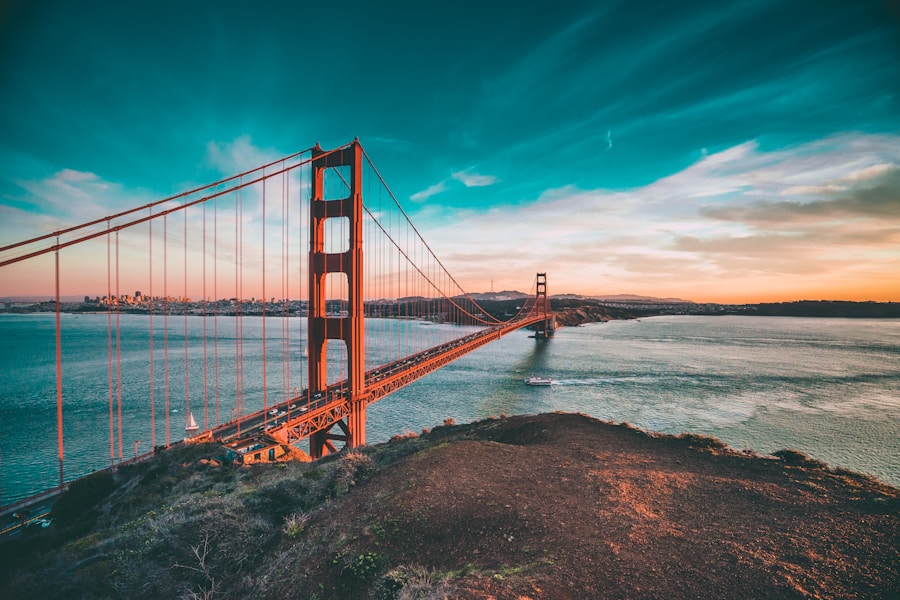
The physical setting is the city's permanent infrastructure. The hills (the famous 7 hills expand to 43 depending on definition) create constantly changing views — every intersection on Nob Hill, Russian Hill, and Telegraph Hill opens onto a vista of the Bay, the Bridge, or the Pacific. The fog — which pours through the Golden Gate gap in the late afternoon, filling the Bay and the valleys between the hills — is the city's most distinctive atmospheric feature. Locals call it Karl. Karl moves at a speed and with a precision that defies weather logic; on a clear morning, the Gate glows orange; by 4pm it has disappeared entirely into white cloud.

San Francisco is dramatically more walkable than Los Angeles — the city grid (modified by the hills) makes neighbourhood-to-neighbourhood walking genuinely pleasurable, and the BART (Bay Area Rapid Transit) system connects the city to Berkeley and Oakland efficiently. A hire car is useful for day trips to Muir Woods, the Marin Headlands, and the Pacific Coast Highway south — but within the city itself, the cable cars, Muni streetcars, BART, and walking are the correct modes.

🇯🇷 San Francisco at a Glance
  • City area: 49 square miles (127 km²) — compact by US city standards, entirely walkable within neighbourhoods
  • Population: 870,000 city; 4.7 million Bay Area metro (including Oakland and San Jose)
  • Golden Gate Bridge: 2.7km span, 227m above the water at midpoint, completed 1937 — the most photographed bridge on earth
  • BART: 50 stations, connects SFO airport to downtown in 30 minutes for USD $10.05
  • Climate: 14–19°C year-round — the most stable temperature range of any major US city. The fog is the main weather event, not heat or cold
  • Alcatraz: 1.5 miles offshore in the Bay; ferry departs Pier 33, 15 minutes; book 2–4 weeks ahead through alcatrazcruises.com
  • Napa Valley: 90 minutes northeast; Sonoma: 60 minutes north; both day trips from SF
  • SFO direct from Brisbane: Qantas codeshare via various carriers; total journey approximately 15–17hrs
Must-See

San Francisco’s Essential Attractions

Forty-nine square miles of concentrated experience. These are the attractions that define the city — with the timing, approach, and angles that transform them from checklist items to genuine memories.

Golden Gate Bridge San Francisco International Orange fog bay headlands
🏆 The World’s Most Iconic Bridge

Golden Gate Bridge

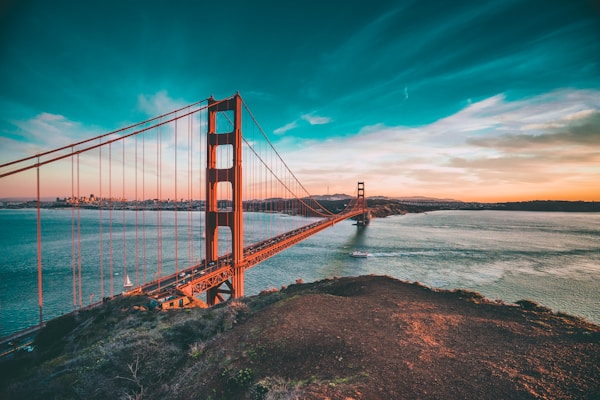
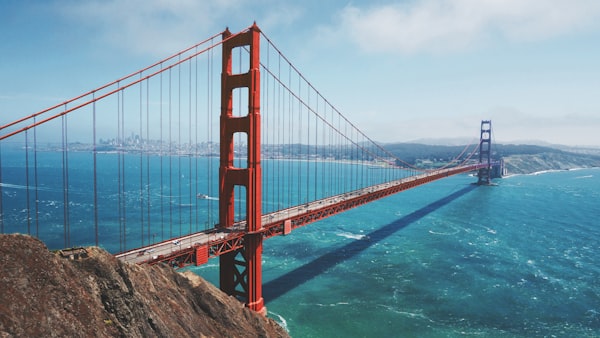
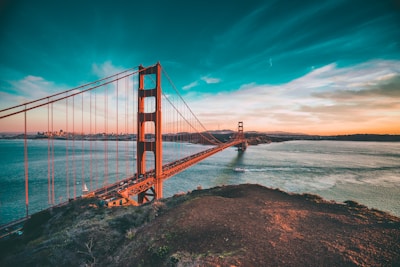
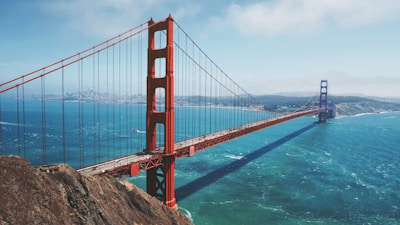
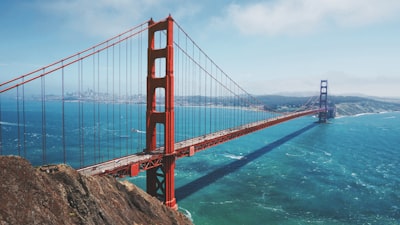
The Golden Gate Bridge — 2.7km of International Orange steel across the mouth of the Bay, completed in 1937 — is the most photographed bridge on earth and still the most dramatic single piece of infrastructure in North America. Walking or cycling across is free and one of the finest urban experiences available on the continent: the Bay on one side, the Pacific on the other, the city behind you, the Marin Headlands ahead. The best viewpoints: Battery Spencer in the Marin Headlands (north side, 15 minutes from the bridge toll plaza by car or rideshare — the bridge and SF skyline together), Baker Beach (south side, sandy beach at the foot of the bridge — often foggy but extraordinary when clear), and the Welcome Center viewpoint on the south side plaza. Allow 2–3 hours for the bridge walk and viewpoints.
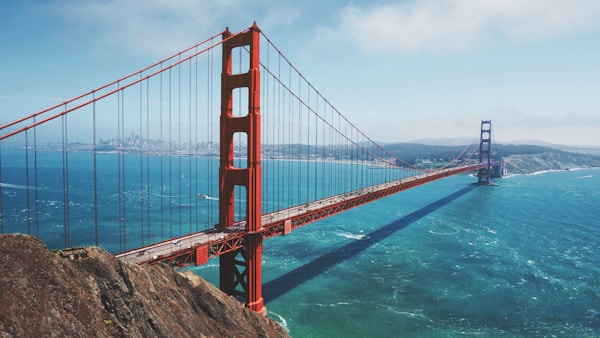
Golden Gate · Walk/cycle free · Best dawn & dusk · Parking limited
★ 5.0
Alcatraz Island San Francisco Bay prison tour National Park
Book 2–4 Weeks Ahead

Alcatraz Island

San Francisco Bay · Ferry from Pier 33 · 2.5hrs total
★ 4.9
Muir Woods National Monument redwood forest giant trees Marin
Day Trip · Shuttle Required

Muir Woods

Marin County · 45min from SF · Shuttle from Sausalito
★ 4.9
Palace of Fine Arts San Francisco rotunda lagoon reflection
Free · Most Beautiful Building

Palace of Fine Arts

Marina District · Lyon & Beach · Free always
★ 4.7
Twin Peaks San Francisco panoramic view city Bay hills
Free · Best City Panorama

Twin Peaks

Castro · Free · Drive or hike 15min from Castro St
★ 4.8
Ferry Building San Francisco waterfront Embarcadero farmers market
Food Hall · Saturday Market

Ferry Building Marketplace

Embarcadero · Saturday Farmers’ Market 8am–2pm
★ 4.8
One City, Many Villages

San Francisco Neighbourhood by Neighbourhood

San Francisco’s neighbourhoods are among the most distinct of any American city — each geographically bounded by hills or water, each with its own identity, architecture, food scene, and history. This is how to navigate them.

North Beach San Francisco Italian neighbourhood Columbus Avenue City Lights
🍕 Italian · Beats · Best Espresso
North Beach

North Beach is San Francisco's Italian neighbourhood and its literary heart — the two identities coexisting in extraordinary proximity on Columbus Avenue. City Lights Booksellers (261 Columbus — the bookshop Lawrence Ferlinghetti opened in 1953 that became the Beat Generation's publisher and spiritual home; Allen Ginsberg's Howl was published here in 1956) is the most culturally significant independent bookshop in America. Caffe Trieste (601 Vallejo — opened 1956, the first espresso shop on the West Coast, where Coppola wrote the Godfather screenplay) and Vesuvio Cafe (255 Columbus — the bar across the alley from City Lights, the Beat writers drank here) are the essential stops. Washington Square Park (the neighbourhood's central piazza, bocce courts, Victorian terraces around it) is the finest small park in the city.

City Lights BooksCaffe TriesteWashington Square ParkVesuvio Cafe
City Lights is open daily until midnight — the beatnik atmosphere is at its most concentrated on a weekday evening when the tourists are gone and the locals who actually live in the neighbourhood are browsing the poetry section. The basement poetry room is the most emotionally charged room in San Francisco.
Mission District San Francisco murals Dolores Park Mexican food taquerias
🏭 Murals · Mexican Food · Sunshine
The Mission

The Mission District — San Francisco's historically Latino neighbourhood, centred on Mission and Valencia Streets — gets more sunshine than any other part of the city (the hills to the west block the fog; the Mission is consistently 5–10°F warmer than the rest of SF) and has the best food scene per block of any neighbourhood. The taquerias (La Taqueria at 2889 Mission Street — the carne asada burrito here is the city's most acclaimed; El Farolito at 2779 Mission — open 24 hours; Tartine Bakery at 600 Guerrero — the finest sourdough in California, queue begins at 4pm). Dolores Park (16th and Dolores — the city's most social park, packed on warm weekends, extraordinary views of the skyline from the top of the hill). Balmy Alley (between 24th and 25th, Treat and Harrison — the most concentrated mural art in SF, political and extraordinarily vivid).

La TaqueriaTartine BakeryDolores ParkBalmy Alley murals
Tartine Bakery queue strategy: arrive between 4–4:30pm when the afternoon bread comes out of the oven. The country bread (Chad Robertson’s sourdough — the loaf that changed American bread baking) is available from 5pm and sells out by 6pm. Worth the wait; nothing else is quite like it.
Castro San Francisco rainbow flags LGBTQ neighbourhood Victorian homes
🌈 LGBTQ+ History · Victorian Homes
The Castro

The Castro is the spiritual home of the American LGBTQ+ rights movement — the neighbourhood that Harvey Milk made his base before his assassination in 1978, that led the city's response to the AIDS crisis in the 1980s, and that has maintained its identity and community function through every wave of gentrification. Castro Street itself (particularly between 17th and Market) is the neighbourhood's commercial spine: the Castro Theatre (1922 movie palace with the Mighty Wurlitzer organ, programmed art house and classic films, the best single cinema experience in SF), the GLBT Historical Society Museum (free, small, essential), and the intersection of 18th and Castro — the neighbourhood's symbolic heart. Harvey Milk's camera shop (now the Human Rights Campaign Action Center) is at 575 Castro. Twin Peaks Tavern at the corner of Castro and Market is the world's first gay bar with street-visible windows — a deliberate statement when it opened in 1972.

Harvey Milk legacyCastro TheatreGLBT History MuseumTwin Peaks Tavern
The Castro Theatre shows classic films and art house cinema with the Mighty Wurlitzer organ playing before evening screenings — check the schedule at castrotheatre.com. Sitting in a 1922 movie palace with a pipe organ playing and a full house is one of the most distinctive cultural experiences in San Francisco.
Haight-Ashbury San Francisco Victorian painted ladies 60s counterculture
☠ 1960s · Counterculture · Victorians
Haight-Ashbury

Haight-Ashbury — the intersection that gave its name to the Summer of Love — remains the most visually intact counterculture neighbourhood in America: the Grateful Dead house (710 Ashbury Street — a private residence, but the exterior is a pilgrimage site), the Jimi Hendrix house (1524 Haight), the Janis Joplin residence (122 Lyon). The neighbourhood today is a mix of vintage clothing shops, independent record stores (Amoeba Music on Haight — the largest independent record shop in the USA, 20,000 square feet of vinyl and CDs), and excellent restaurants. Buena Vista Park (above the Upper Haight — the oldest park in SF, woodland paths through old-growth eucalyptus, panoramic Bay views) is the neighbourhood’s quiet escape.

Grateful Dead houseAmoeba MusicPainted LadiesBuena Vista Park
Amoeba Music (1855 Haight Street) is the finest independent record shop in America — 20,000 square feet of new and used vinyl, CDs, and film. Budget more time than you intend; leave with more than you planned to buy. Open daily 11am–8pm.
Chinatown San Francisco Grant Avenue lanterns oldest US Chinatown
🏭 Oldest US Chinatown · Dim Sum
Chinatown & Nob Hill

San Francisco’s Chinatown — established in 1848, the oldest in North America — is a 24-block community of extraordinary density: 15,000 residents in 0.25 square miles, the highest residential density in the USA outside of Manhattan. Grant Avenue (the tourist-facing main street, red lanterns, gift shops) and Stockton Street (the real working street — live seafood tanks, vegetable markets, the best dim sum in the USA outside of New York’s Flushing) are the two parallel worlds. The Dragon’s Gate at Bush and Grant marks the entrance; the Fortune Cookie Factory (56 Ross Alley — watch fortunes being folded by hand, free, small donation appreciated) is the most genuine small experience in the city. Nob Hill (immediately to the south — the Grace Cathedral, the Fairmont Hotel’s lobby, the cable cars) is the city’s most imposing residential quarter.

Stockton St dim sumDragon’s GateFortune Cookie FactoryGrace Cathedral
The best dim sum in SF Chinatown: Great Eastern (649 Jackson Street — the dim sum trolley service, affordable, excellent pork buns and har gow) or the more modern City View Restaurant (662 Commercial — no trolleys but the best quality in the neighbourhood, book ahead for Saturday brunch).
SoMa South of Market San Francisco SFMOMA museums warehouses contemporary
🎨 SFMOMA · Contemporary Culture
SoMa (South of Market)

SoMa — South of Market Street, the city’s warehousing and industrial district until the 1990s — is now the city’s most culturally programmed neighbourhood. The San Francisco Museum of Modern Art (151 Third Street — the West Coast’s finest modern art museum, USD $25 adult, free Thursdays 1–8pm — the collection includes the largest Matisse in a public collection, Frida Kahlo, Cindy Sherman, Richard Serra) anchors the neighbourhood. The Yerba Buena Center for the Arts (across from SFMOMA — free outdoor garden, Yerba Buena Ice Skating Center below ground, children’s museum) and the Contemporary Jewish Museum and Museum of the African Diaspora on Yerba Buena Lane form a museum row of genuine ambition. The Salesforce Transit Center’s rooftop garden (free, open daily, 1.5km elevated park above First Street) is SoMa’s version of the High Line.

SFMOMAYerba Buena CenterFree Thursdays 1–8pmSalesforce Park rooftop
SFMOMA free Thursday afternoons (1–8pm) are among the finest free museum hours in California — arrive at 1pm to beat the post-work crowd that arrives at 5pm. The permanent collection galleries on floors 2–7 are extraordinary; the Richard Serra “Sequence” sculpture in the ground floor gallery is the most physically immersive sculpture in any US museum.
Marina District San Francisco Palace Fine Arts Crissy Field bay views
🌊 Palace · Crissy Field · Waterfront
Marina District & Cow Hollow

The Marina District — built on fill land after the 1906 earthquake — is the most photogenic waterfront neighbourhood in SF. The Palace of Fine Arts (a Beaux-Arts rotunda and colonnaded arcade reflected in a lagoon, built for the 1915 Panama-Pacific Exposition — the most beautiful building in San Francisco, free, always open) and Crissy Field (the restored wetland along the Bay waterfront between the Palace and Fort Point — the finest Golden Gate Bridge walk-up, the bridge towers visible across the marsh, the Bay to your right) are the neighbourhood’s two great public spaces. Chestnut Street (Marina’s main commercial street) has exceptional cafes, wine bars, and restaurants that serve a wealthy, young professional local population.

Palace of Fine ArtsCrissy FieldFort PointChestnut St dining
Fort Point (under the southern anchorage of the Golden Gate Bridge — a Civil War-era fort, free National Park site, open Fri–Sun) has the most dramatic bridge view in the city: the full span of the bridge directly overhead, the Bay and Marin behind, the Pacific to the west. Visit at dusk for the bridge lights coming on.
Embarcadero San Francisco Ferry Building waterfront bay bridge
🍽 Farmers’ Market · Waterfront Dining
The Embarcadero & Ferry Building

The Embarcadero — the city’s waterfront boulevard along the Bay from AT&T Park in the south to Fisherman’s Wharf in the north — is the most continuously enjoyable walk in SF. The Ferry Building (1898 Beaux-Arts ferry terminal, now a premium food hall) is the city’s best food destination: Hog Island Oyster Co. (bar at the back, oysters fresh from Tomales Bay, USD $3–5 each), Acme Bread Company, Blue Bottle Coffee’s original location, and the Saturday Farmers’ Market (8am–2pm, spring through autumn — Alice Waters’ Chez Panisse buys here; the best produce market in the Bay Area). The Bay Bridge (lit nightly with the Bay Lights LED installation) is the Embarcadero’s eastern backdrop.

Hog Island OystersBlue Bottle CoffeeSaturday MarketBay Bridge Lights
The Ferry Building Saturday Farmers’ Market (8am–2pm, year-round) is the finest farmers’ market in California — 30–50 vendors, the best seasonal Bay Area produce, artisan cheese, bread, wine, and prepared food. Arrive before 9:30am for the Hog Island Oyster queue and full vendor selection.
Richmond Sunset District San Francisco avenues fog Golden Gate Park
🌳 Locals’ SF · Best Asian Food
The Richmond & Sunset Districts

The Richmond and Sunset — the long avenues running from the park to the Pacific in the city’s western half — are where San Francisco actually lives. Clement Street in the Inner Richmond (between 2nd and 10th Avenues — often called San Francisco’s second Chinatown) has the best Chinese and Southeast Asian restaurants in the city outside of Chinatown itself: Good Luck Dim Sum (736 Clement — takeaway only, the finest dim sum per dollar in SF), Burma Superstar (309 Clement — Burmese cuisine, the restaurant that put Burmese food on the Bay Area map, queue from 5pm). Golden Gate Park runs through the centre of both districts — 1,017 acres including the de Young Museum, the California Academy of Sciences, and the Japanese Tea Garden.

Clement Street foodBurma SuperstarGolden Gate Parkde Young Museum
Golden Gate Park’s de Young Museum (750 Hagiwara Tea Garden Drive — USD $20 adult; free first Tuesday each month) houses the finest American art collection on the West Coast. The tower observation level (free with museum admission) has the best 360° city panorama of any museum in SF.
90 Minutes from SF

Napa & Sonoma Wine Country — Complete Guide

Napa Valley and Sonoma County are the two finest wine regions in North America — and both are day-trip distance from San Francisco. This is everything you need to choose between them and plan the visit properly.

🍷
🍁 Napa Valley
The World-Famous Valley — How to Do It Right

Napa Valley is 48km long and 8km wide at its widest — a narrow strip of valley floor between the Mayacamas and Vaca Mountains, with the Napa River running through it and the appellation name recognised globally. The most important sub-appellations: Stags Leap District (east side, produces the Cabernet Sauvignon that won the 1976 Judgment of Paris blind tasting against Bordeaux), Rutherford (Inglenook, Beaulieu Vineyard, Opus One), Oakville (Robert Mondavi Winery — the winery that created the template for Napa), Calistoga (northernmost, more rustic, spa culture). The Silverado Trail (the east-side road parallel to Highway 29) has significantly fewer crowds and comparable wineries to the main highway. The standard warning: Napa is extremely expensive — tasting fees of USD $50–150 per person per winery are standard in 2026, and the volume of visitors (4.5 million annually) means queues at the most famous estates. Book tasting appointments 2–4 weeks ahead in summer.

The Silverado Trail approach to Napa: drive up Highway 29 in the morning (visiting Calistoga first, then working south), then return via Silverado Trail (quieter, more vineyard views, better tasting room experiences at Stag’s Leap Wine Cellars and Chimney Rock). Avoid the three most crowded wineries on Highway 29 in July–August.
🍁
🍁 Sonoma County
The Alternative That Often Exceeds the Original

Sonoma County is Napa’s quieter, more varied, more affordable neighbour — 60 minutes north of SF (versus 90 for Napa) and producing wine across 18 different AVAs (American Viticultural Areas) from the Pacific coast (Pinot Noir and Chardonnay in the cool Sonoma Coast AVA) to the warmer inland valleys (Zinfandel and Cabernet in the Dry Creek Valley and Alexander Valley). The town of Sonoma itself (historic plaza, General Vallejo’s home, Mission San Francisco Solano — the northernmost California mission) is more characterful than Napa town. Healdsburg (45 minutes north of Sonoma) is the region’s finest dining and tasting town: a perfect town square with Singlethread restaurant (three Michelin stars), Dry Creek General Store, and excellent independent wine bars.

Sonoma vs Napa decision rule: if your priority is the “most famous wine region name,” go to Napa. If your priority is the most enjoyable day — fewer people, lower tasting fees (typically USD $20–40 vs Napa’s USD $50–150), better food towns, and equal or better wine — go to Sonoma. Most wine professionals, given a free Saturday, choose Sonoma.
🍳
🌅 Wineries Worth the Visit
Specific Recommendations by Budget

Napa — Classic: Inglenook (1300 Lodi Lane, Rutherford — the historic Niebaum estate, beautiful 1887 chateau, appointment required, USD $75–150 tastings). Robert Mondavi Winery (7801 St Helena Hwy — the architectural and historical heart of modern Napa). Frog’s Leap (8815 Conn Creek, Rutherford — organic, solar-powered, one of the friendliest experiences in the valley, USD $40). Sonoma — Best Value: Mauritson Family Winery (2859 Dry Creek Rd, Healdsburg — sixth-generation Dry Creek Zinfandel specialists, USD $20 tasting, no appointment needed). Scribe Winery (2100 Denmark St, Sonoma — beautiful restored hacienda, exceptional Pinot Noir, popular with younger wine lovers, reserve ahead). Ridge Vineyards Monte Bello (17100 Monte Bello Rd, Cupertino — 45 minutes south of SF, not technically Napa/Sonoma but produces the most acclaimed Cabernet in California, USD $30 tasting).

Frog’s Leap in Rutherford is the Napa winery that most consistently delivers genuine hospitality at a fair price — the staff are knowledgeable without being condescending, the wines are excellent, and the USD $40 tasting fee is among the most reasonable in the valley. Book 2–3 weeks ahead for weekend visits.
🚘
🚉 Logistics
Getting There & Staying Safe

Both Napa and Sonoma are most flexibly accessed by hire car from SF — the valley floor roads are straightforward to drive and the wineries are spread out enough that a car is essential. The critical point: wine country and driving do not mix. The correct approach is a designated driver system (one person abstains completely, sipping and spitting at each winery), a hire car with a non-drinking driver, or a guided tour. Wine Country Shuttles and Beau Wine Tours both run full-day tours from SF with a driver (USD $100–200/person). Alternatively, Uber and Lyft operate throughout Napa and Sonoma and a day of ridesharing between 3–4 wineries costs USD $80–120 — significantly less than a DUI, which costs USD $10,000+. VINE Transit runs a bus from the Vallejo Ferry Terminal (accessible by ferry from SF’s Ferry Building) to Napa town — an excellent car-free option that begins the visit with a 1-hour Bay crossing.

The Vallejo Ferry from the San Francisco Ferry Building (departures every 1–2 hours, 60 minutes, USD $18.50) + VINE Transit bus to Napa town is the most enjoyable and most responsible way to visit Napa — the ferry crosses the Bay with the bridge visible, you arrive in Napa without driving, and a pre-arranged private driver takes you between wineries for the day.
🍷 Wine Country — Essential Facts
📅Best season: Harvest (September–October) is the most exciting — grapes being picked, crush underway, wineries animated. Summer (June–August) is busiest and hottest (Napa can reach 38°C). Spring (April–May) has wildflowers and mustard blooms between the vines.
Timing: Tasting rooms typically open 10am–5pm. Start by 10:30am to fit 2–3 wineries comfortably. Lunch at a winery restaurant (Auberge du Soleil in Napa, Barndiva in Healdsburg) is the standard mid-day pause.
💰Napa tasting fees: USD $50–150 per person per winery (2026 rates). Often credited toward a bottle purchase. Budget USD $200–400 for a full day in Napa including lunch.
💰Sonoma tasting fees: USD $20–50 per person. Better value and often credited toward purchase. Budget USD $100–200 for a full Sonoma day including lunch.
🚘Driving warning: California’s DUI limit is 0.08% BAC — two glasses of wine can exceed this. Designated driver, pre-booked car service, or guided tour. Non-negotiable.
🔖Book ahead: Most Napa wineries require tasting appointments in summer and October. Book 2–4 weeks ahead. Sonoma is more walk-in friendly but appointments guarantee you access to the best rooms and hosts.
🌟 Napa vs Sonoma — At a Glance
Napa: More famous. More expensive. More visitors. Predominantly Cabernet Sauvignon. 90min from SF.
Sonoma: More diverse (18 AVAs). Better value. Quieter. Pinot Noir, Chardonnay, Zinfandel. 60min from SF.
Best single day: Sonoma County — start in Healdsburg, Dry Creek Valley, finish in Sonoma town.
Most iconic: Napa Valley — Rutherford Bench, Silverado Trail, Robert Mondavi Winery.
Best for foodies: Healdsburg (Sonoma) — the town with the most Michelin stars per capita in California.
What to Do

San Francisco’s Unmissable Experiences

A city of 49 square miles that has generated more cultural, political, and culinary influence per square foot than almost anywhere on earth. These are the experiences that explain why.

Golden Gate Bridge walk cycling Marin Headlands view
Walk or Cycle the Golden Gate Bridge

Walking the Golden Gate Bridge — across the 2.7km span from the Welcome Center on the south side to Vista Point on the north — is free and takes 30–40 minutes one way. The pedestrian path is on the east side (Bay-facing); the view ahead opens onto the Marin Headlands and Richardson Bay. From Vista Point at the north end, the view back to the bridge and the SF skyline is the best ground-level Golden Gate view available. Cyclists use the west path (ocean-facing); hire a bike at Sports Basement or Bay City Bike in the Fisherman’s Wharf area and cycle across, down to Sausalito (a charming waterfront town), and return by ferry to the Ferry Building. Total time: 3–4 hours. Ferry is USD $13.50. Absolutely the finest half-day in SF.

Free walk · Cycle + ferry USD $13.50 · Half day
Alcatraz Island San Francisco Bay night tour prison historic
Alcatraz Island — Day or Night Tour

Alcatraz Island — 1.5 miles offshore, a federal penitentiary from 1934 to 1963 (Al Capone was Prisoner #85, Robert Stroud the “Birdman” was here for 6 years) — is the Bay Area’s most compelling historical site. The Cellhouse Audio Tour (included with ferry ticket, narrated by former guards and inmates) is the best audio guide of any US national park site. Day tours (USD $45 adult) and evening tours (USD $49 — limited capacity, more atmospheric, lower cell block lit only partially) depart from Pier 33. Book through alcatrazcruises.com 2–4 weeks ahead in summer — evening tours sell out weeks ahead. The ferry crossing itself, with views of the bridge, the bay, and the city skyline, is worth the ticket.

USD $45 day / $49 night · Book 2–4 weeks ahead
Muir Woods National Monument ancient redwood trees walk forest
Muir Woods Redwood Forest

Muir Woods National Monument — 12 miles north of the Golden Gate Bridge in the Marin Headlands — contains ancient coast redwood trees up to 800 years old and 78 metres tall in a cathedral forest that has shaded the ground since before European contact in North America. The main Cathedral Grove loop (1.5km, flat, paved — accessible for all fitness levels) takes 45–60 minutes; the more elevated Dipsea Trail connections add 2–4 hours of forest and coastal hillside hiking. Private vehicle access is prohibited — the Muir Woods Shuttle from Sausalito Ferry Terminal (USD $5 each way) or a pre-booked tour from SF is mandatory. Book timed entry at recreation.gov (USD $15 per adult, required in all seasons) 2–3 weeks ahead in summer.

USD $15 entry · Shuttle mandatory · Book timed entry
Cable car San Francisco Powell Hyde California Street hill iconic
Cable Car — Powell–Hyde Line

San Francisco’s cable cars — the last manually operated cable car system in the world, a National Historic Landmark — run on three lines. The Powell–Hyde line (from Powell & Market to Victorian Park at Aquatic Park near Fisherman’s Wharf) is the most scenic: it crosses the steepest block on any transit line in North America on Russian Hill (25% grade on Filbert Street — the car crests the hill and the Bay appears in front of you suddenly), passes within half a block of Lombard Street, and arrives at the Bay. USD $9 per ride (Clipper card or cash, exact change preferred). The queue at Powell & Market can be 30–60 minutes on weekends; board midway along the line to avoid it, or use the California Street line instead (no tourist queue).

USD $9 · Powell–Hyde for the views · Queue at Powell St
Lands End San Francisco Pacific ocean coastal trail ruins Sutro Baths
Lands End Trail & Sutro Baths

Lands End — the rugged coastal headland at the northwest corner of the city where the Pacific meets the Bay entrance — is San Francisco’s finest free natural experience. The Lands End Trail (2.5km, undulating coastal path above the ocean, ruins of three shipwrecks visible at low tide, the most dramatic coastal scenery within city limits) ends at the ruins of Sutro Baths — the vast public bathhouse (the world’s largest indoor swimming pool complex when it opened in 1896) that burned in 1966 and now sits as a skeletal concrete ruin at the edge of the Pacific. Free; always open. The best way to visit is combined with the Legion of Honor art museum (immediately above — European paintings from the 12th–20th centuries, USD $20 adult).

Free · Sutro Baths ruins · Pacific coastal views
SFMOMA San Francisco Museum Modern Art Richard Serra sculpture
SFMOMA Free Thursday Afternoon

The San Francisco Museum of Modern Art (SFMOMA, 151 Third Street, SoMa) is the finest modern art museum on the West Coast — 33,000 works including the largest Matisse in any public collection, Cindy Sherman, Richard Serra’s monumental “Sequence” sculpture (a 58-foot curved weathered steel work that you walk through — the most physically immersive sculpture in any US museum), Frida Kahlo, and Warhol. Entry USD $25 adult; free Thursday 1–8pm (first-come, first-served). The Haas Family Terrace (5th floor, free access, panoramic SoMa rooftop views) is accessible independently of the museum galleries. USD $25 · Free Thu 1–8pm · SoMa

Japanese Tea Garden Golden Gate Park San Francisco cherry blossom
Golden Gate Park — A Full Day

Golden Gate Park — 1,017 acres from Haight Street to the Pacific Ocean — is the finest urban park on the West Coast and larger than Central Park in New York. Essential stops: the Japanese Tea Garden (USD $12 adult, the oldest public Japanese garden in the USA, cherry blossoms in March–April), the de Young Museum (American art, USD $20, free first Tuesday), the California Academy of Sciences (natural history museum, living rainforest dome, planetarium — USD $40 but extraordinary value), and Stow Lake (rowing boats for hire, USD $24/hr). The Conservatory of Flowers (Victorian glasshouse, 1878 — the oldest existing wood-and-glass conservatory in North America) is the park’s most beautiful single structure.

Free park entry · Museums USD $12–40 · Full day
Mission District San Francisco murals taquerias Dolores Park food
Mission District — Eat, Walk, Murals

A Mission District morning: walk Balmy Alley (the mural-covered alley between 24th and 25th Streets — the most concentrated political and artistic street art in SF, always accessible, always free), buy a burrito at La Taqueria (2889 Mission Street — no beans in the burrito is the correct order, the carne asada is outstanding, USD $14–17), pick up sourdough at Tartine (queue from 4pm for afternoon bread), and end at Dolores Park (16th and Dolores — city skyline views, the most socially diverse park in SF, always animated on a warm afternoon). The Mission in a single day is the best condensed introduction to San Francisco’s cultural DNA.

Free murals · USD $15–20 all-in for excellent food
When to Visit

San Francisco Through the Seasons

San Francisco’s climate is uniquely stable — 14–19°C year-round with no extremes. But the fog patterns, the wine harvest calendar, and the crowd levels make season choice still consequential.

🌸
Spring — The Finest Season
March – May

Spring is the clearest season in SF — the winter rains end in March, the fog has not yet settled into its summer routine, and the days between rain and fog are extraordinarily clear: the Golden Gate Bridge perfectly visible, the Bay sparkling, the Marin Headlands green. Cherry blossoms in the Japanese Tea Garden peak mid-March to early April. The Napa mustard bloom (yellow flowers between the dormant vines, January–March) is the valley at its most beautiful. Hotel rates are below summer peak. May is the single best month: clear, dry, warm enough for Dolores Park afternoons, and before the summer fog arrives in earnest.

🌧
Summer — Foggy & Busy
June – August

“The coldest winter I ever spent was a summer in San Francisco” — the Mark Twain misattribution perfectly describes the June–August experience. The thermal inversion that creates the Bay Area’s fog is at its most intense in summer: mornings in the city are often foggy and 14–16°C while Napa Valley (east of the Mayacamas range) is 35–38°C under full sun. The Golden Gate Bridge disappears into fog by 2pm on most summer days. This is not a reason to avoid summer — it is the city’s defining atmospheric character — but pack layers and plan Golden Gate views for the morning. Outside events (Outside Lands music festival in Golden Gate Park — August, three days, major artists) and Pride Month (June — the SF Pride Parade is the largest in North America) make summer compelling despite the fog.

🍂
Autumn — The Best Overall
September – November

September and October are San Francisco’s secret best months: Indian Summer arrives, the fog retreats, temperatures reach 20–24°C (the warmest of the year), and the wine harvest is underway in Napa and Sonoma (the most exciting time to visit wine country — bins of grapes at every winery, the cellar smelling of fermenting juice, the vineyards at peak colour). The summer tourist crowds have departed; hotel rates drop 15–25%. The light in October in SF — low, golden, atmospheric — is the city at its most photographically extraordinary. Napa Harvest Festival typically runs September–October. November brings the first rains but remains largely pleasant through Thanksgiving.

🌧
Winter — Quiet & Authentic
December – February

San Francisco’s winter is mild by any standard — temperatures of 10–15°C, rain on and off through January and February, but genuinely mild compared to any other Northern Hemisphere city at the same latitude. The city is quieter, the museums uncrowded, hotel rates at annual lows, and the restaurants fully operational. The winter rains clear to extraordinary clarity — the post-rain days in December and January have the best visibility of the year for Golden Gate views. The Japanese Tea Garden’s winter plum blossoms (January–February) are beautiful and unknown to most visitors. The whale watching season (humpback and gray whales pass through the Bay entrance, December–April) is a worthwhile boat tour addition.

Expert Tips for San Francisco

From our team who has cycled across the bridge to Sausalito, queued for Tartine at 4:15pm on a Thursday, and learned to bring a jacket in August.

01
Always Bring a Layer — Even in August

San Francisco’s most common visitor mistake is packing for California summer heat — and arriving to 14°C fog and a 15-knot Bay wind. The city’s average July temperature is 17°C; the average high is 19°C. Tourists shivering at the Golden Gate Bridge in shorts in July are a permanent fixture. The correct packing formula: a light packable down jacket (the fog is damp cold, not dry cold), a long-sleeved layer, and walking shoes. The micro-climate variation within the city is also extreme — the Mission District is often 8–10°F warmer than the Sunset or the Marina on the same day. Dress in layers you can add and remove as you move between neighbourhoods.

02
Time the Golden Gate View for Morning

The Golden Gate Bridge fog pattern runs on a predictable schedule in summer: clear in the morning (6–11am), fog beginning to pour through the Gate in the early afternoon (12–2pm), full fog cover by 3–4pm. Plan your Golden Gate viewpoints — the Welcome Center south plaza, Battery Spencer in the Marin Headlands, Baker Beach — for 7–10am. The bridge at dawn, with the city and bay lit in early golden light and the towers clear above the marine layer, is one of the finest photographic moments available in any city. By 4pm in July or August, you may be looking at nothing but cloud. In autumn (September–October), the fog retreats and afternoon views are reliable again.

03
Book Alcatraz Before You Book Flights

Alcatraz is consistently among the most sold-out attractions in the US National Park system — evening tours sell out 3–4 weeks ahead in summer, and day tours 2–3 weeks ahead. Book through the only official seller, alcatrazcruises.com, the moment your SF dates are confirmed. The evening tour (USD $49) is worth the premium: the prison at last light, the cells partially lit, the audio tour narrators including actual former inmates and guards (the production quality is the best of any NPS audio tour) — the experience is significantly more atmospheric than the midday day tour. If you arrive without a booking, check the website daily for last-minute cancellations — they appear, particularly midweek in shoulder season.

04
Cycle to Sausalito via the Bridge

The Golden Gate Bridge cycle and ferry return is the finest half-day in the Bay Area — and more straightforward than it sounds. Hire a bike from Bay City Bike (near Fisherman’s Wharf, USD $40–55 all day) or Sports Basement (Stanford, near Caltrain). Cycle north through the Presidio (30 minutes), cross the bridge on the west path (cyclists’ side, 30 minutes), descend to Sausalito (a beautiful waterfront town with excellent restaurants — Sushi Ran for lunch, Bar Bocce for a casual waterfront sandwich). Return by Golden Gate Ferry from Sausalito Ferry Terminal to the Ferry Building (USD $13.50, 30 minutes, extraordinary Bay views). Total time: 4–5 hours. No hills on the main route; the bridge is flat.

Before You Go

Getting to & Around San Francisco

SFO is better connected to Brisbane than JFK, and the city itself is far more navigable without a car than Los Angeles. Here is everything you need.

Flights from Brisbane to SFO
  • Direct Qantas Brisbane–SFO: Qantas operates a Brisbane (BNE) to San Francisco (SFO) route with codeshare partners, approximately 15–17 hours westbound. This is among the most convenient Australia–USA routings for Queensland travellers targeting the West Coast — arrive SFO, explore California north to south, depart from LAX (open-jaw routing at minimal cost premium).
  • Via Los Angeles: Qantas direct Brisbane–LAX (15hrs) + domestic connection LAX–SFO (1.5hrs) is a reliable alternative, particularly for travellers combining the two cities. United, Alaska, and Southwest all connect LAX–SFO frequently and cheaply (USD $29–80 if booked ahead).
  • Open-jaw strategy: Fly into SFO, drive or fly south down the California coast (Pacific Coast Highway to LA — 2 days), depart from LAX. This is the single most efficient California routing from Australia — allows the complete PCH experience without backtracking, and open-jaw fares from Brisbane are typically only marginally more than a return to SFO.
  • SFO airport: San Francisco International is 14 miles south of the city, served by BART (Bay Area Rapid Transit) from the SFO International Terminal directly to Downtown SF in 30 minutes for USD $10.05 — one of the world’s finest airport–to–city transit connections. Rideshare (Uber/Lyft) from SFO to city centre: USD $30–55 depending on surge.
  • ESTA: Apply at esta.cbp.dhs.gov before booking — USD $21, approved within minutes to 72 hours, valid 2 years for unlimited US visits. Mandatory before boarding any US-bound flight.
  • Best booking window: 3–4 months ahead for summer and October. 6–8 weeks for spring and November. January is typically the cheapest month for Australia–SFO fares.
🚊
Getting Around San Francisco
  • BART (Bay Area Rapid Transit): The backbone of Bay Area transit — connects SFO airport to Downtown (Embarcadero, Civic Center, 16th St Mission, 24th St Mission) for USD $10.05. Within the city, BART runs from the Embarcadero through SoMa, the Mission (16th and 24th Street stations), and out to Oakland and Berkeley. Clipper card (tap-and-go, available at all BART stations) or phone payment. Single ride USD $2.10–10.05 depending on distance.
  • Muni (SF’s city transit): The Municipal Railway runs streetcars, buses, and the famous cable cars. The Muni Metro streetcar lines (J, K, L, M, N, T) run underground through the city centre and above ground in the outer neighbourhoods. The N-Judah line connects the Embarcadero to the Ocean Beach end of Golden Gate Park (past Haight, Inner Sunset — the best single transit ride for neighbourhood variety). USD $3 per ride; Clipper card.
  • Cable cars: Three lines — Powell–Hyde (most scenic), Powell–Mason (Fisherman’s Wharf), California Street (quietest, no tourist queue). USD $9 per ride. The Powell–Hyde line is the essential experience: cresting Russian Hill, the Bay appearing ahead, the view down the steep grade to Aquatic Park. Queue at the Powell & Market turnaround: 30–60 mins weekends — board mid-line to avoid it.
  • Walking: SF’s neighbourhoods are compact and the hills, while real (don’t underestimate them — the Filbert Street steps from the Embarcadero to Telegraph Hill are 395 steps), are navigable. North Beach to the Embarcadero is 10 minutes flat. The Mission to the Castro is 20 minutes. The Haight to Golden Gate Park is 5 minutes. Walk within neighbourhoods; use transit between them.
  • Hire car — for day trips only: Within SF, a hire car is unnecessary and counter-productive (parking is USD $25–60/day, meter reading is aggressive). For day trips to Muir Woods (shuttle recommended over car — vehicle access restricted), Napa, Sonoma, or the Pacific Coast Highway south, a hire car from Enterprise, Hertz, or Zipcar (hourly car-share, multiple SF locations) is the right tool. Collect in the morning, return in the evening — avoid holding a car during city time.
  • Ferry services: The San Francisco Bay Ferry runs from the Ferry Building to Sausalito (30 min, USD $13.50), Tiburon, Oakland, Alameda, and Vallejo (Napa gateway). The Golden Gate Ferry runs to Sausalito and Larkspur. Both are scenic, reliable, and part of the city’s core transport identity — not tourist boats. The Sausalito ferry is the best single public transit journey in the Bay Area.
💰
Budget Guide — What SF Costs
  • Accommodation: San Francisco is the second most expensive hotel market in the USA (behind New York). Budget (hostel dorm, Airbnb shared): USD $70–130/night. Mid-range (3-star hotel): USD $200–320/night in peak season. Boutique hotels (Hotel Zetta SoMa, Proper Hotel in Civic Center, Hotel Vitale on the Embarcadero): USD $300–500/night. The best base neighbourhoods for value: SoMa (close to SFMOMA, BART, efficient), the Mission (excellent independent hotels at lower prices, 10 min to downtown by BART or Muni), and the Embarcadero/Financial District (convenient for the Ferry Building, Alcatraz ferry, and Fisherman’s Wharf).
  • Food: SF is one of America’s finest food cities with every price point. Outstanding cheap eats: a Mission burrito at La Taqueria or El Farolito (USD $14–17), dim sum on Stockton Street in Chinatown (USD $15–25 for a full meal), a slice at Arizmendi Cooperative Bakery (USD $4). Mid-range dinner for two with wine: USD $80–140 at a quality neighbourhood restaurant (Rich Table on Gough, State Bird Provisions on Fillmore, Nopa in Hayes Valley). The Michelin starred tier: Bix (supper club in Jackson Square — the atmosphere is the draw), Quince (French-Californian — USD $300+), and the Berkeley institution Chez Panisse (UC Berkeley campus edge — Alice Waters’ original, the restaurant that created California cuisine, USD $100–150 prix fixe, book 6–8 weeks ahead).
  • Free SF highlights: Golden Gate Bridge walk, Crissy Field, Palace of Fine Arts, Lands End Trail, Sutro Baths ruins, Balmy Alley murals, Washington Square Park, Dolores Park, Twin Peaks panorama, Fort Point (Fri–Sun), Ferry Building food hall (browsing and tasting is free), SFMOMA Thursday afternoons 1–8pm, de Young Museum first Tuesday of each month. A well-planned SF day can deliver extraordinary cultural content for under USD $20 in admissions.
  • Tipping: Standard San Francisco: 18–22% at restaurants (SF restaurants often add a service charge of 4–6% automatically — verify before adding tip). Bars: USD $1–2 per drink. Coffee: not obligatory at counter service but USD $1 is appreciated. Hotel housekeeping: USD $3–5/night. Uber/Lyft: 15–18% via app. Cable car: no tipping. Ferry: no tipping.
  • SF vs LA cost comparison: San Francisco is generally 10–20% more expensive than Los Angeles for accommodation and dining. The hire car cost is eliminated (and in LA it is unavoidable), which partially offsets the difference. For a 4-day SF stay compared to a 4-day LA stay, the total costs are broadly comparable once hire car and LA parking costs are removed from the LA budget.
  • Communications: T-Mobile and AT&T both have strong coverage throughout SF and the Bay Area. A US SIM at SFO arrivals (T-Mobile kiosk) costs USD $25–40 for a 30-day unlimited data plan — the most cost-effective option for a multi-week California trip. Google Maps is more accurate than Waze for SF city navigation (unlike LA where Waze is superior); BART and Muni’s official Transit app gives real-time arrivals.

Cross the bridge at dawn.
Watch the fog pour through
like it owns the place — because it does.

Our San Francisco specialists know the Alcatraz evening tour booking window, the Tartine 4:15pm arrival strategy, the Battery Spencer viewpoint nobody on the tour bus is taken to, and which winery on the Silverado Trail is still charging USD $20 for a tasting that their Napa Highway neighbours have priced at USD $120. After 35 years sending Australians to California, we know the city the way people know the city when they live in it. Let us build your version.

Plan My San Francisco Trip Call 0409 661 342

Trusted by 50,000+ Australian travellers · ATAS Accredited · 35+ Years

More USA Guides

More USA & North America Guides