From beachside yoga in Byron Bay and forest-bathing in the Blue Mountains to thermal spas on the Great Ocean Road and vineyard wellness in Margaret River — Australia's most restorative retreats, expertly curated for 2026.
In a world that asks more of us every day, a well-chosen wellness retreat offers something genuinely rare: a structured, supported opportunity to stop, restore, and reconnect — with your body, with nature, and with what actually matters. Australia's extraordinary landscapes make it one of the world's finest wellness travel destinations. Ancient rainforests, dramatic coastlines, volcanic hot springs, and expansive eucalyptus forests all provide a backdrop of natural beauty that accelerates the restorative effects of yoga, meditation, spa therapies, and mindful movement.
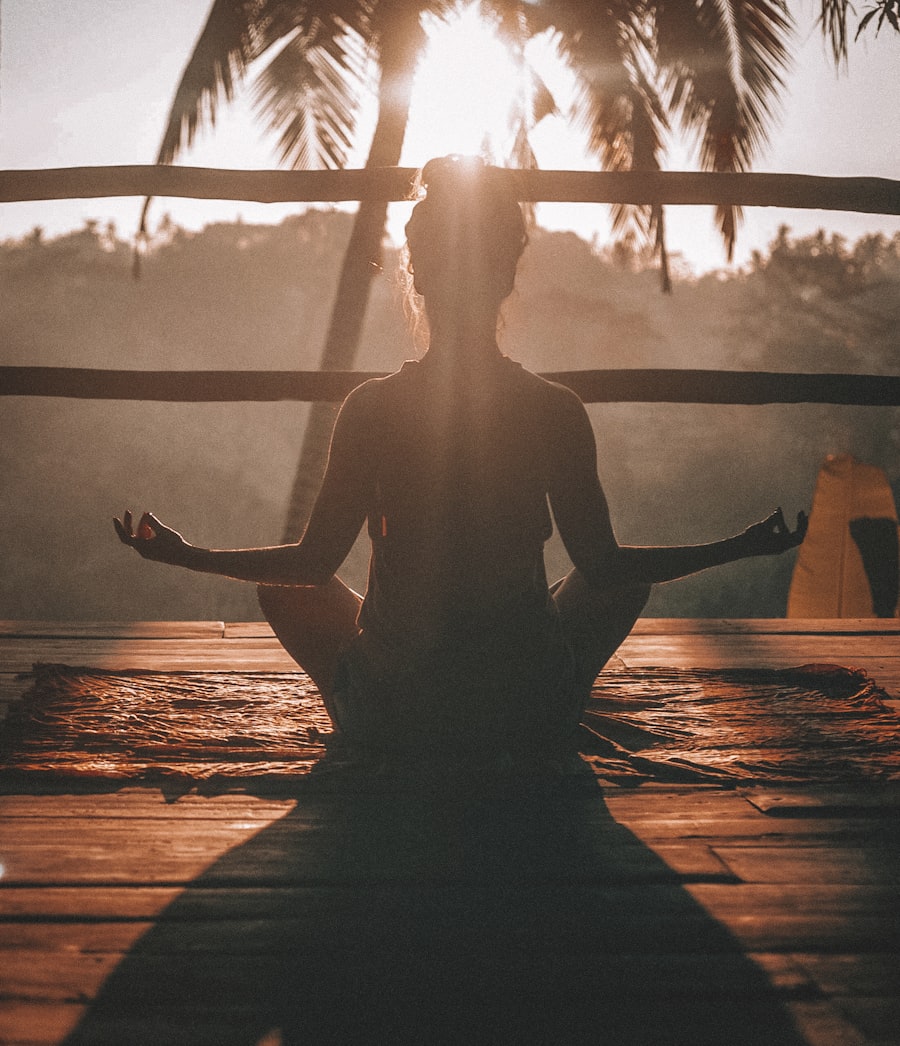
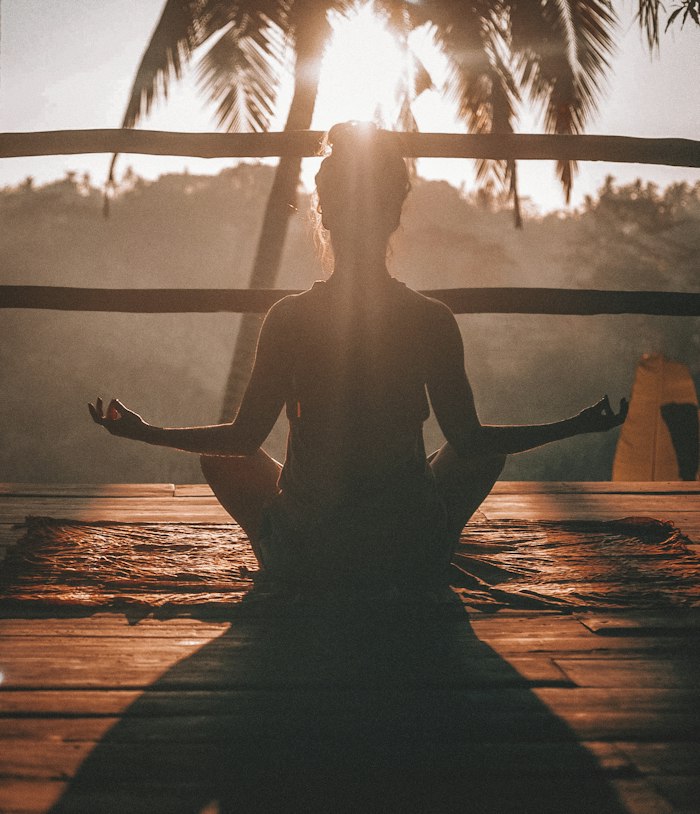
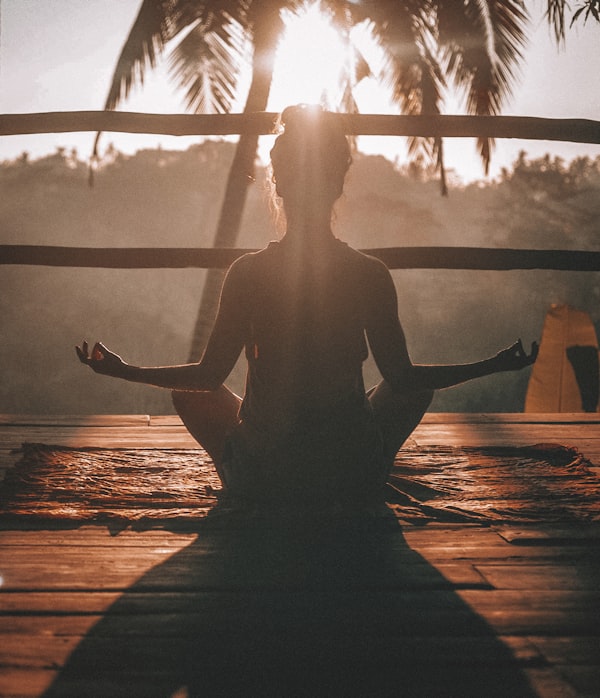
Dawn yoga — the golden standard opening of any Australian wellness retreat day
Premium spa sanctuaries at Byron Bay and Margaret River combine native botanicals with contemporary therapies
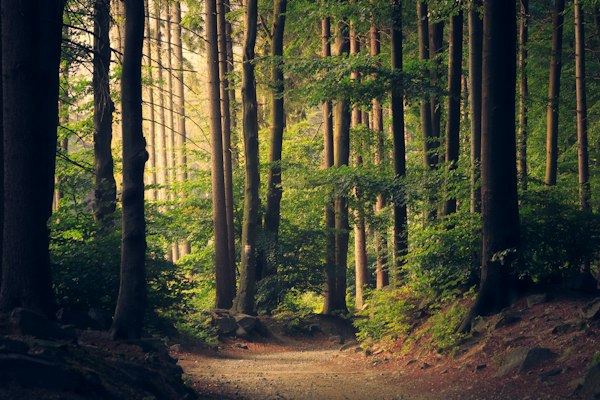
Forest bathing in eucalyptus groves — the Blue Mountains and Daintree offer some of the world's most restorative settings
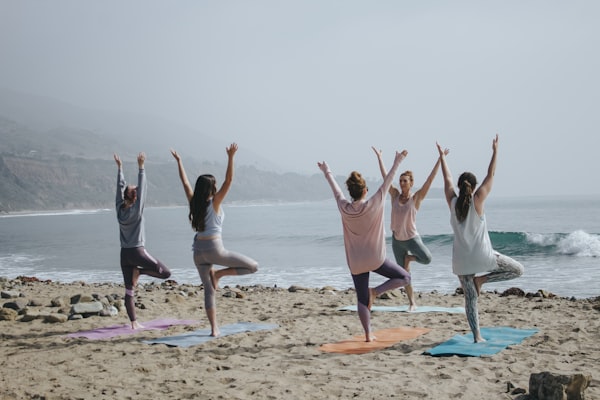
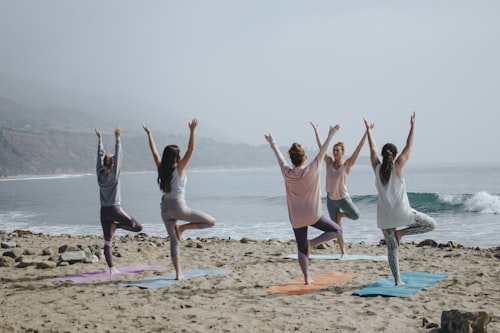
Outdoor group yoga — sea breezes, birdsong, and natural light make Australia's open-air classes extraordinary
Farm-to-table nourishment — wholefood, organic meals are an integral part of the wellness retreat experience
Wellness tourism has become one of the fastest-growing travel segments globally — and Australia is exceptionally well-positioned to benefit. The country combines world-class retreat infrastructure (particularly in Byron Bay and the Gold Coast Hinterland), extraordinary natural environments, a strong culture of outdoor living and mindful eating, and a growing number of internationally trained practitioners across yoga, Ayurveda, breathwork, and somatic therapies. Whether you're seeking a restorative weekend near a capital city or a life-changing week-long program deep in the hinterland, Australia delivers.
$8.5bn
Australian wellness tourism market
200+
Dedicated wellness retreats
48%
Report improved sleep post-retreat
3–7
Typical retreat duration (nights)
Know Your Options
🌱
1. Six Retreat Styles — Which Is Right for You?
Australia's wellness retreat landscape spans an extraordinary range of styles, intensities, and philosophies. Understanding what each type offers — and honestly assessing what you need right now — is the most important step in choosing a retreat that will genuinely transform your wellbeing rather than simply providing a pleasant holiday.
🧘
Yoga & Meditation
Daily classes from beginner to advanced, pranayama breathwork, mindfulness workshops and silent meditation periods. The most accessible entry point for first-time retreat participants.
Ideal for: Stress reduction, building a daily practice, beginners and experienced practitioners
Duration: Weekend to 21 days
Byron BaySunshine CoastDaylesford
🥗
Detox & Nutrition
Juice cleanses, plant-based meal plans, nutritionist consultations, and cooking workshops. Often combines with gentle movement and spa treatments for a complete bodily reset.
Hiking, kayaking, stand-up paddleboarding and climbing paired with yoga, breathwork, and active recovery sessions. For those who restore through movement rather than stillness.
Ideal for: Active individuals, team-building, combining fitness with mindfulness
Duration: 3–7 days
Blue MountainsTasmaniaMargaret River
💆
Spa & Thermal
Hydrotherapy, massage, facials, hot springs and sauna rituals. These retreats prioritise passive restoration — you receive treatment rather than practice — and are ideal when exhaustion is profound.
Extended periods of noble silence, guided reflection, journalling, and solo nature walks. Vipassana-style programs are among the most transformative experiences available to a modern traveller willing to commit.
Ideal for: Deep personal work, experienced practitioners, creative reset
Duration: 3–10 days
Blue MountainsSouthern Highlands
🪃
Indigenous & Cultural
Some retreats integrate Aboriginal cultural elements — bush tucker walks, smoking ceremonies, and traditional healing practices — alongside contemporary wellness programs. Always verify proper cultural protocols and Indigenous-led delivery.
Ideal for: Cultural immersion, unique Australian experience, holistic healing
Duration: 2–7 days
KakaduDaintreeRed Centre
Where to Go
📍
2. Four Premier Australian Wellness Regions
Each of Australia's premier wellness destinations has a distinct character — a different energy, landscape, and dominant practice. Choosing the right region is as important as choosing the right retreat style. The following four regions consistently produce the highest-quality wellness experiences and the broadest range of retreat options.
🌊 NSW North Coast
Best: Sept–Nov
Byron Bay & Hinterland
Australia's undisputed wellness capital. Byron's combination of warm subtropical climate, surf beaches, creative community, and concentration of international-quality retreat centres has made it the entry point for most Australians' first retreat experience. The hinterland village of Bangalow and the rainforest around Mullumbimby extend the retreat landscape further inland with quieter, more immersive options.
YogaBreathworkDay SpaSound HealingSurf Wellness
Elements of Byron: Beachfront luxury resort with daily wellness activities and premium day spa
The Farm Byron Bay: Working organic farm with wellness retreats, cooking classes, farm-to-table dining
Booking tip: Spring (September–November) offers the best balance of weather, availability, and events
🌿 NSW Mountains
Best: Mar–May
Blue Mountains & Southern Highlands
Two hours west of Sydney, the World Heritage-listed Blue Mountains offer a dramatically different wellness experience — cool mountain air, ancient eucalyptus forests, deep sandstone gorges, and an atmosphere of contemplative quiet that makes this ideal for meditation, silent retreats, and forest-bathing programs. The Southern Highlands, slightly south, adds vineyard settings and boutique wellness properties to the mix.
Booking tip: Autumn (March–May) for cool walking temperatures; spring for wildflowers and clearer trails
🍇 Western Australia
Best: Apr–Jun
Margaret River Wine Region
Western Australia's premier wine region has evolved into a sophisticated wellness destination where vineyard lunches, coastal walks, and day spa treatments coexist beautifully. The karri and marri forests around Margaret River provide exceptional forest-bathing environments, while the rugged surf beaches bookend days of restorative activity with ocean energy. The combination of excellent food, wine, spa culture, and natural scenery is unmatched in Australia for a premium wellness escape.
Aqua Resort: Margaret River town; pool, yoga and day packages for overnight guests
Booking tip: Autumn (April–June) provides ideal temperature for walking, uncrowded beaches, and harvest-season food culture
🌊 Victoria
Best: Jun–Aug
Great Ocean Road & Mornington Peninsula
Victoria's wellness destinations are underrated on the national stage but genuinely world-class. Peninsula Hot Springs at Mornington is one of Australia's finest thermal bathing experiences — geothermal pools of varying temperatures set in hillside gardens above Port Phillip Bay. The Great Ocean Road pairs dramatic coastal scenery with cliff-top yoga studios, boutique wellness lodges, and an emerging local treatment culture rooted in sea bathing and forest immersion.
Hot SpringsCliff-Top YogaOcean BathingThermal SpaWinter Wellness
Booking tip: Winter (June–August) is peak season — the combination of cold air and hot springs is spectacular
🌿 Emerging Destination: The Sunshine Coast Hinterland (QLD) — particularly the Mapleton, Montville, and Maleny areas — is rapidly developing as a world-class wellness destination with rainforest retreat centres, wellness resorts, and a strong community of yoga teachers and holistic practitioners. Watch this region over the next 2–3 years.
A Day in the Life
🌅
3. What a Wellness Retreat Day Actually Looks Like
First-time retreat participants often arrive with uncertainty about what a typical retreat day involves. The structure below reflects what most mid-to-premium Australian wellness retreats provide — a rhythm of movement, nourishment, therapy, and genuine free time that is genuinely different from ordinary daily life.
🌤️ Sample Retreat Day — Byron Bay Hinterland (5-Night Program)
06:00
Rise & silent practice — Gentle waking, optional guided nature walk or solo journalling before the day begins formally
06:30
Sunrise yoga or meditation — 60-minute guided session on open-air platform; all levels welcome; practitioners adapt class to group energy
08:00
Nourishing breakfast — Farm-to-table spread; organic, mostly plant-based; native ingredients often featured (wattleseed granola, finger lime, Davidson plum)
09:30
Morning workshop or guided walk — Breathwork, nutrition talk, mindful bushwalk with guided forest-bathing practice, or philosophy discussion
12:30
Mindful lunch — Eaten in silence or light conversation; restorative rest recommended afterward
14:00
Spa treatment or free time — Scheduled 60–90-minute treatment (massage, facial, body wrap) or unstructured time for reading, swimming, napping, journalling
17:00
Afternoon yoga, Pilates or sound healing — Gentler second movement session; yin yoga, restorative Pilates, or group sound bath with singing bowls
18:30
Evening meal & community time — Shared dinner, optional group sharing circle; the social and emotional heart of retreat life
20:00
Optional evening activity — Stargazing, bonfire, drumming circle, night meditation walk; lights-out encouraged by 22:00
💡 First-Timer Tip: The rest periods in a retreat schedule are not passive time to fill — they are an intentional part of the program. Resist the urge to catch up on phone messages or plan your next activity. The free-time periods are where much of the integration and insight actually happens.
Sample Program
📋
4. Sample 5-Day Wellness Itinerary — Byron Bay & Hinterland
This five-day program balances restorative practices with light adventure, cultural experiences, and genuine free time — a template that can be adapted with any good Byron Bay wellness operator or used as inspiration for a self-directed retreat experience. It assumes accommodation at or near a retreat centre in the Byron Bay hinterland with access to the beach via a 20-minute drive.
🌿 5 Days in Byron Bay & Hinterland — Mind, Body & Landscape
Day 01
Arrival & Grounding
Arrive by early afternoon; check in and unpack mindfully
Short barefoot walk through hinterland garden or nearby beach
Welcome restorative yoga and centre orientation
Group intention-setting circle over herbal tea at sunset
Light seasonal dinner; early rest
Day 02
Movement & Nature
Sunrise yoga on open-air platform (6:30am)
Organic breakfast with retreat community
Guided hinterland bushwalk with forest-bathing practices (3 hours)
Wholefood lunch and afternoon spa treatment
Yin yoga and closing breathwork session
Day 03
Cultural & Culinary
Morning meditation and pranayama practice
Mindful cooking workshop using local and native produce
Afternoon: free time in Byron Bay — beach, markets, cafes
Aboriginal cultural talk or bush tucker walk with local guide
Community dinner and sound healing evening
Day 04
Adventure & Reflection
Sunrise swim or paddleboarding at Pass Beach
Holotropic breathwork or Wim Hof method session
Free afternoon for journalling, nap, or optional surf lesson
Restorative yoga and body-scan meditation
Night bonfire drumming circle and reflection sharing
Day 05
Integration & Departure
Slow morning — personal practice, final sunrise yoga
Closing ceremony and group intention re-reading
Integration workshop: building your home practice plan
Farewell lunch and personal departure consultations
Depart carrying your personalised daily practices
After You Return
Integration at Home
Protect 1 week of reduced commitments post-retreat
Continue at least one daily practice (even 10 minutes)
Book a follow-up wellness session within 2–3 weeks
Stay connected with retreat community online
Journal for at least 5 days post-departure to consolidate insights
Where to Stay
🏡
5. Australia's Standout Wellness Retreats
The following retreats represent the most consistently excellent wellness experiences available in Australia across a range of price points, styles, and locations. All have been selected for the quality of their practitioners, the integrity of their programs, and the genuine transformative outcomes reported by guests. Prices and availability change — always verify directly with the property before booking.
From AUD $2,500 / 5 nights
Gold Coast Hinterland · QLD
Gwinganna Lifestyle Retreat
Australia's most award-winning wellness sanctuary, set on 200 hectares of Hinterland. Gwinganna's programs combine organic nutrition, movement therapies, spa treatments, and mindfulness in an extraordinary natural setting. Exceptional practitioner quality and a deeply committed wellness philosophy set it apart from every other Australian retreat.
Set in the Byron Bay hinterland rainforest, Gaia offers personalised wellness programs, exceptional spa therapies, yoga, meditation, and nutritionally exceptional cuisine in a tranquil intimate setting. Beautifully designed accommodation, a genuine community feel, and a strong commitment to personalised program design make it a standout at any price point.
One of Australia's longest-established premium health retreats, the Golden Door combines comprehensive health assessments, personalised fitness programs, spa therapies, healthy gourmet cuisine, and evidence-based wellness programming. Ideal for guests seeking measurable health outcomes alongside a luxury retreat experience, particularly popular for executive burnout recovery.
An intimate, deeply authentic wellness retreat near Victoria's famous mineral springs and spa country. Samadhi focuses on yoga, meditation, Ayurvedic treatments, and wholefood nutrition in a small-group setting that prioritises genuine personal connection and practitioner accessibility. Excellent for first-timers seeking a genuine experience without luxury pricing.
Wellness retreat costs vary enormously — and the correlation between price and transformative value is not linear. An intimate, well-facilitated retreat at $800 will frequently deliver more genuine benefit than an over-priced luxury program at $4,000 where the quality of facilitation doesn't justify the accommodation premium. Use the guide below as a framework, then focus your assessment on practitioner quality and program design.
💚 Budget
$300–600
2–3 NIGHTS
Shared accommodation
Basic wholefood meals
Core yoga/meditation
Regional eco-lodges
Community vibe strong
💜 Mid-Range
$800–1,500
3–5 NIGHTS
Private or twin rooms
All organic meals
Multiple daily classes
Some spa included
Practitioner sessions
🧡 Premium
$2,000–4,000
5–7 NIGHTS
Luxury accommodation
Gourmet organic meals
Full spa menu
Specialist practitioners
Health assessments
🌿 Ultra-Luxury
$5,000+
7+ NIGHTS
Five-star resort
Private sessions only
Bespoke programs
Concierge wellness
Gwinganna / Golden Door
💡 Money-saving tip: Most reputable Australian wellness retreats offer early-bird discounts of 15–25% for bookings made 3–4 months ahead. Last-minute deals are less common (good retreats fill up), but shoulder season (late May–July) brings meaningful rate reductions at most properties. Always confirm precisely what is included — spa treatments, airport transfers, and specialist workshops are frequently charged separately from the headline room rate.
Beyond the Mat
🌿
7. Wellness Practices Beyond Yoga
Modern Australian wellness retreats integrate a remarkably diverse range of practices alongside traditional yoga and meditation. The following six practices represent what's most commonly offered — and most valued by returning retreat participants — at quality programs across the country.
🌲 Forest Bathing (Shinrin-Yoku)
Slow, mindful immersion in native forest environments — particularly powerful in Australian eucalyptus groves, Daintree rainforest, and Blue Mountains woodland. Evidence shows measurable reductions in cortisol and blood pressure within 20 minutes. Sessions are guided, typically 2–3 hours, and involve multi-sensory engagement with the environment rather than exercise.
Tibetan singing bowls, crystal bowls, gongs, and didgeridoo (at culturally appropriate programs) create vibrational frequencies that facilitate deep states of relaxation and nervous system regulation. Sound baths are a staple evening activity at Byron Bay retreats in particular, and are increasingly offered as standalone sessions at day spas across Australia.
Duration: 60–90 mins | Benefits: Deep relaxation, nervous system reset
💨 Breathwork Sessions
Techniques including holotropic breathwork, Wim Hof method, rebirthing breathwork, and classical pranayama practices offer different entry points to the same fundamental truth: conscious breath regulation is one of the most powerful tools available for shifting emotional and physiological states. Some breathwork styles can be quite intense — always disclose health conditions.
Duration: 45–90 mins | Benefits: Energy, emotional release, clarity
🌿 Ecotherapy & Grounding
Direct, barefoot contact with earth, grass, sand, or ocean floors allows measurable electron exchange between the body and the Earth's surface charge. Grounding practices combined with guided nature observation and permaculture garden experiences offer a different dimension of restoration than active exercise or still meditation — particularly valuable for urban dwellers arriving depleted.
Art therapy, movement dance (5Rhythms, ecstatic dance), journalling workshops, and drumming circles provide an embodied pathway to emotional processing and self-discovery that complements the cognitive work of meditation and the physical work of yoga. Creative modalities are particularly valued by participants who find stillness-based practices difficult during early retreat days.
Ocean plunges, cold river immersion, and contrast bathing (hot spring / cold pool alternation at Peninsula Hot Springs) are increasingly integrated into Australian wellness programs following international evidence for their benefits to inflammation, mood, and metabolic function. Byron Bay's early-morning ocean dips before yoga have become a beloved daily ritual at most retreat programs in the region.
Duration: 5–20 mins | Benefits: Inflammation, mood, metabolic activation
Making the Right Choice
🎯
8. How to Choose the Right Retreat
The right retreat for someone else may be entirely wrong for you — and an honest assessment of what you actually need, rather than what sounds most appealing, is essential. The following framework helps move from aspiration to the right booking.
First Question
🎯
What Do You Actually Need?
Be honest. Are you physically exhausted (need rest and spa), emotionally depleted (need community and expression), mentally overloaded (need silence and nature), or seeking transformation (need challenge and depth)? Each need points toward a different retreat style. The mismatch between needs and program is the most common cause of a disappointing retreat experience.
Critical Factor
👩🏫
Practitioner Quality Matters Most
The accommodation is the container; the practitioners are the program. Research the facilitators' qualifications, training lineages, and years of experience — not the property's Instagram aesthetic. A mediocre teacher in a beautiful location produces a mediocre retreat. An exceptional teacher in a modest setting can produce a genuinely life-changing experience.
Practical
📏
Match Duration to Commitment
First-time retreat participants frequently overestimate how much time they can comfortably take. A weekend retreat (2–3 nights) is the ideal starting point — it builds confidence and reveals what a longer commitment might feel like. Week-long programs require genuine psychological readiness; booking a 7-day silent retreat as your first experience is rarely the optimal approach.
Community
👥
Group Size and Vibe
Small groups (6–12 participants) allow deeper individual practitioner attention, stronger community bonds, and more personalised program adaptation. Larger retreats (20–40+) offer greater anonymity (sometimes welcome for private people), more workshop variety, and often a wider social range. Check typical group sizes when enquiring — most operators will tell you honestly.
Due Diligence
⭐
Reviews and Verification
Read recent reviews (within 12 months) on Google, TripAdvisor, and retreat-specific platforms. Look for consistent themes about practitioner quality, food quality, and whether guests felt genuinely cared for — not just well-fed and housed. For therapeutic programs (Ayurvedic, trauma-informed, clinical nutrition), verify practitioner credentials and ask about professional registration.
Health
🏥
Disclose Medical Conditions
Always disclose relevant medical conditions, mental health history, allergies, pregnancy, and recent injuries when booking. Reputable retreats request health information pre-arrival and some require medical clearance for high-intensity programs. This protects you and allows practitioners to adapt the program appropriately. Never conceal conditions to avoid restrictions.
A wellness retreat is not a holiday. It is a structured invitation to change — and change requires honesty, not just a beautiful location and good food.
— Cooee Tours Wellness Travel Guide · Expert-curated for 2026
Before, During & After
📝
9. How to Prepare — and Integrate — Your Retreat
📅 Preparation Timeline
3 months before: Book early for premium retreats — popular programs at Gwinganna and Gaia sell out 3–6 months ahead. Travel insurance with cancellation cover is strongly recommended.
2 weeks before: Gradually reduce caffeine, alcohol, and ultra-processed foods to ease the transition and reduce detox symptoms during the program itself. Begin a simple daily meditation practice of even 5–10 minutes.
1 week before: Set clear written intentions. What do you most need to release? What quality do you most need to develop? What do you hope to carry home? Writing these down anchors your experience in purpose.
3 days before: Organise work handovers and email auto-responses. Inform family of your digital detox plans. Begin reducing screen time in evenings to prepare your nervous system for a quieter pace.
What to pack: Comfortable layers for early mornings and cooler evenings. Yoga mat (confirm whether provided). Reusable water bottle. Sunscreen and insect repellent. Quality journal and pen. Leave perfectionistic expectations — and alcohol — at home.
🌱 After Your Retreat — Integration
Protect re-entry: Schedule at least 1–2 days of lighter activity after returning before resuming full workload. The transition from retreat pace to ordinary life can be jarring if not managed.
Continue one practice: Choose one practice from the retreat and commit to it daily for 28 days — the threshold at which habits begin to consolidate. Even 10 minutes of morning meditation is enough.
Book a follow-up: A yoga class, massage, or nutritionist consultation within 2–3 weeks post-retreat maintains momentum and prevents the complete reversion to pre-retreat patterns that most participants experience without it.
Community connection: Stay connected with the retreat community online. Many programs have private Facebook groups or WhatsApp communities where participants support each other's ongoing practice.
Journal for 5 days: Continue journalling daily for at least the first week after departure. The insights that emerge in the days following a retreat are often more significant than those during it.
Travelling Responsibly
🌍
10. Eco-Conscious Wellness Travel
Many of Australia's finest wellness retreats have sustainability genuinely embedded in their operations — not as marketing language but as physical infrastructure and daily practice. When choosing a retreat, sustainability credentials are a reasonable proxy for the depth of commitment to authentic values across the program overall.
Credentials
🏆
What to Look For
Look for retreats with Ecotourism Australia certification or Green Travel Leader accreditation. Ask specifically about energy sources, waste practices, and food sourcing. A retreat that genuinely values sustainability will answer these questions enthusiastically and in detail.
Operations
☀️
Common Eco Practices
Solar power and battery storage, rainwater harvesting, composting toilets and greywater systems, organic and locally-sourced food, plastic-free operations, natural cleaning products, and wildlife habitat conservation programs on the retreat property. The best retreats treat their land as a participant in the wellness program, not just a setting.
Your Role
🌱
Travel More Responsibly
Offset your flights through accredited programs. Choose retreats accessible by train or bus when practical (Blue Mountains from Sydney by train is excellent; Byron Bay from Brisbane/Sydney by rail is possible). Support retreats that source locally and engage Indigenous communities with proper protocols and genuine economic benefit — not tokenistic cultural display.
Tailored Experiences
🎨
11. Retreats for Specific Needs
Australian wellness retreats have evolved well beyond the generic "yoga holiday" to offer genuinely targeted programs for specific populations and needs. The following categories represent areas where you'll find excellent options specifically designed for your situation.
First Timer
🌱
Beginners & First Retreats
Look for programs explicitly described as "all-levels", "gentle", or "foundational" with experienced teachers skilled in meeting participants where they are. Weekend retreats (2–3 nights) are less daunting than week-long commitments and allow you to assess whether a longer program suits you. Byron Bay and Blue Mountains both have excellent beginner-friendly operators who make first-timers feel immediately welcome.
Solo Travel
🧳
Solo Travellers
Wellness retreats are one of the finest solo travel experiences available — communal dining, shared activities, and the vulnerability of shared intention create genuine connections remarkably quickly. Many retreats offer twin-share options that significantly reduce costs without sacrificing quality. Single-room supplements at premium properties can be steep; ask about single-share availability with other solo participants.
Couples
💑
Couples Retreats
Partner yoga, couples massage workshops, relationship communication circles and private villa options help deepen connection while maintaining individual practice time. Byron Bay, Margaret River, and Mornington Peninsula all have excellent couples wellness options. Schedule at least one individual session per day — shared transformation is more powerful when it includes personal space.
Corporate
💼
Corporate & Team Retreats
Team-building retreats combining wellness with leadership training, communication workshops, and strategic planning are a growing category. The best operators integrate genuine wellness practices with evidence-based facilitation rather than token "wellness activities" before a normal work offsite. Gwinganna and Golden Door both have dedicated corporate programs; smaller retreats can often create custom group programs with sufficient lead time.
Therapeutic
🏥
Health & Recovery Retreats
Some Australian retreats specialise in specific conditions — burnout recovery, grief and loss support, chronic pain management, addiction recovery support, and post-cancer care. For therapeutic programs, verify the specific qualifications of the practitioners delivering treatment, confirm that health information screening is thorough at booking, and consult your GP before attending if in active medical management.
Digital Apps
📱
Extending Your Practice at Home
Quality digital tools support ongoing practice between retreats. Meditation:Headspace, Calm, Insight Timer. Yoga: Down Dog, Glo. Sleep: Sleep Cycle, Pzizz. Journalling: Day One. Breathwork: Wim Hof Method app, Othership. Choose one tool and use it consistently rather than downloading five and using none.
Common Questions
❓
Frequently Asked Questions
Most wellness retreats in Australia include accommodation, daily yoga and meditation classes, nourishing meals (usually organic and predominantly plant-based), workshops, and nature-based activities. Premium and luxury retreats also include spa treatments, personalised practitioner consultations, and transfers. Spa treatments, specialist workshops, and airport transfers are frequently charged separately from the headline price — always confirm inclusions in writing before booking.
Autumn (March–May) and spring (September–November) offer the most comfortable temperatures for outdoor wellness activities across most regions. Winter (June–August) is peak season for Great Ocean Road thermal spas and Victorian retreats. Summer works best for early-morning beach yoga and ocean-based activity in Byron Bay and the Sunshine Coast — but avoid extended midday outdoor activity. Tasmania and the Blue Mountains are best visited in spring or autumn for hiking-focused programs.
Budget-friendly retreats (2–3 nights, shared accommodation) start from around AUD $300–600. Mid-range retreats (3–5 nights, private room, all meals included) typically cost AUD $800–1,500. Premium boutique retreats range from AUD $2,000–4,000 for 5–7 nights. Luxury all-inclusive programs at destinations like Gwinganna or Golden Door start from AUD $2,500–5,000+ for 5 nights. Early-bird bookings typically save 15–25%.
No experience is required for the vast majority of Australian wellness retreats. Most programs are explicitly designed for all levels, and experienced practitioners typically teach multiple class levels or adapt sessions to group composition. If you have zero experience and feel concerned, look for retreats specifically marketed as "beginners welcome", "all levels", or "foundational" — these are designed with newcomers in mind and generally produce the most dramatic positive outcomes for participants with no prior practice.
The Blue Mountains (1.5–2 hours from Sydney by car or train) offers excellent meditation, bushwalking, and forest-bathing retreats year-round. The Southern Highlands (Bowral area, ~2 hours) has boutique wellness properties with a quieter, garden setting. The Hunter Valley (2.5 hours) hosts the Golden Door Health Retreat for premium programs. Byron Bay (2-hour flight) is worth the travel for a longer stay. For day retreats, the Northern Beaches and Royal National Park area have emerging wellness operators accessible from Sydney without overnight travel.
Yes, and the demographic is shifting quickly. Men now represent 30–40% of participants at most premium Australian wellness retreats, and several programs specifically target male participants through adventure wellness formats, men's circles, or health-focused (rather than spirituality-focused) programming. Corporate wellness retreats often have majority male participation. The stigma around men attending wellness programs is diminishing rapidly, particularly in Australia's corporate sector and among the over-40 demographic facing burnout.
Yes. Cooee Tours can help match you to wellness retreats and day experiences across Australia that suit your goals, timing, and budget. Our team has visited and evaluated many of the programs listed on this page, and we can provide honest recommendations based on your specific needs. We also offer custom wellness travel itineraries that combine retreat time with broader Australian travel. Contact our team via the link below to discuss your options.
🌿 Let Us Help You Find Your Perfect Retreat
Australia's wellness retreat landscape is rich, varied, and growing every year. Choosing the right program for your specific needs and timing is something our team genuinely enjoys helping with — we know these retreats personally, and we can make the difference between a good escape and a genuinely life-changing experience.
The same stunning coastlines and beaches that frame Australia's best wellness retreats, explored as active touring destinations. Great Ocean Road, Byron Bay, and more.
For wellness travellers who restore through movement — kayaking, canyoning, hiking, and wilderness expeditions across Australia's most extraordinary landscapes.
Complete budget planning guide for Australian travel — accommodation, transport, food, and activity costs across all regions. Essential context for planning your wellness retreat budget.