Most international visitors default to the Australian summer. They're missing out. June to August brings mild weather, fewer crowds, lower prices, whale migration, and the best reef visibility of the year. Here's the case for travelling counter-season.
Cooee Tours Travel TeamQueensland Travel Specialists · 12 min read · Updated March 2026
"Winter in Australia" sounds like a contradiction to visitors from the Northern Hemisphere. It isn't. Australia's winter is nothing like a European or North American winter — especially in Queensland, where June to August means clear blue skies, 20–25°C days, low humidity, and none of the oppressive heat and wet-season storms that characterise summer. Here is the full case for travelling counter-season.
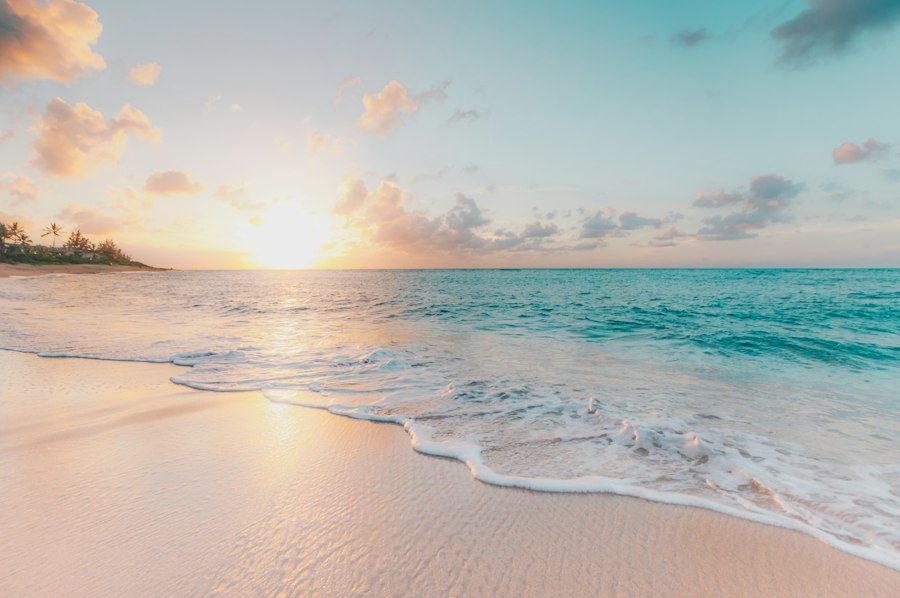
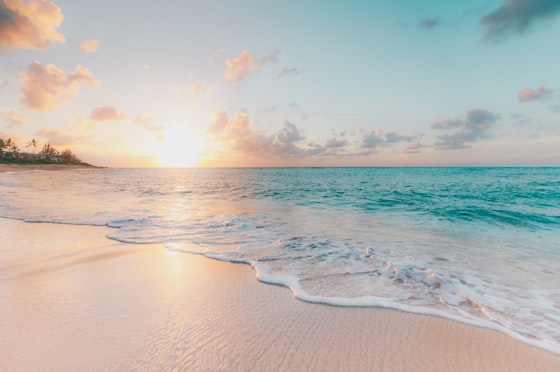
Queensland winter — clearer skies than most European summers
Humpback migration — June to November along the east coast
Great Barrier Reef — peak visibility and calmest seas in winter
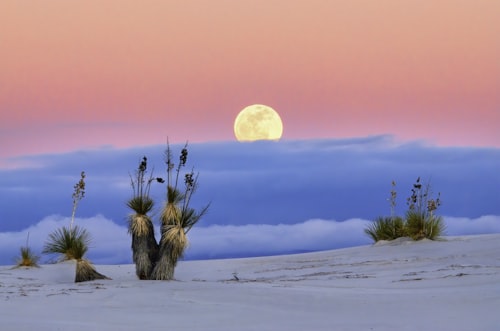
Uluru — winter is the only sensible time to visit the Red Centre
Gold Coast Hinterland — cool, clear, perfect for walking
The Reality Check
What Winter Actually Looks Like
Australia spans multiple distinct climate zones. "Winter" means something profoundly different depending on which region you're visiting — and understanding this is the first step to planning a genuinely excellent trip.
Region
Winter Temps (°C)
Rainfall
Conditions
Verdict
Gold Coast / Brisbane
12–21°C
Very Low
Mild, dry, clear skies
Outstanding
Cairns / Tropical North
17–26°C
Very Low
Warm, dry — peak season
Peak Season
Uluru / Red Centre
5–20°C
Very Low
Warm days, cold nights
Best Season
Sydney
8–17°C
Low–Moderate
Crisp, clear, cool
Good
Melbourne
6–14°C
Moderate
Cold and occasionally grey
Pack Warm
Tasmania
3–12°C
Moderate
Genuine winter — snow possible
Cold
The key insight for Northern Hemisphere visitors: Queensland in winter has better weather than most of Europe in summer. Gold Coast winter averages (12–21°C, very low humidity, minimal rain) are comparable to the south of France in May. If you're travelling from the UK, Germany, Canada, or Scandinavia, Queensland "winter" will feel like a genuinely warm holiday. The misconception exists because Australia is associated with summer heat — but the smart visitors know to come when the heat is gone.
The Case
6 Reasons Winter Wins
🌤️
Perfect WeatherClear skies, low humidity, no afternoon thunderstorms. Queensland winter days are consistently mild and sunny — textbook conditions for outdoor activities, walking tours, and day trips of any kind.
👥
Fewer CrowdsOutside of school holiday periods, winter is Australia's quiet season. Popular trails, national park lookouts, and beaches operate at a fraction of summer capacity — and guides have more time for you.
💲
Lower PricesAccommodation, domestic flights, and many tour operators are cheaper outside peak season. International flights from the Northern Hemisphere may also be cheaper — you're flying counter-season while everyone else heads to Europe.
🐋
Whale SeasonHumpback migration runs June to November along the east coast — one of the world's great natural spectacles. Hervey Bay, the Gold Coast, and Byron Bay offer world-class whale watching during this window.
🤿
Best Reef VisibilityWinter brings calmer seas, dramatically reduced runoff from land, and the clearest water on the Great Barrier Reef. Stinger risk also drops significantly — you can snorkel without a stinger suit in most reef areas.
🥾
Ideal BushwalkingCooler temperatures and lower humidity make winter the definitive bushwalking season. No heat exhaustion, fewer insects, and waterfalls in the hinterland still running on wet-season reserves. Trails are at their most enjoyable.
Our guides have a saying: the tourists who love Australia most are the ones who came in winter. The ones who came in summer are still recovering.
Dry, mild, clear, and exactly as good as it sounds
Winter is Queensland's prime season, and locals will tell you without hesitation. The wet season storms are gone, humidity drops to comfortable levels, and every day feels like the kind of weather tourism boards photograph. The Gold Coast hinterland is at its absolute best in winter — clear panoramic views you don't get in hazy summer, comfortable walking temperatures, and waterfalls still flowing on wet-season reserves.
Cairns and the tropical north are warm and dry, with the reef at peak visibility. The Whitsundays offer sailing without cyclone-season anxiety. From the Gold Coast to Cape Tribulation, Queensland winter is where the whole state comes into its own.
Many attractions only open in winter — this is not hyperbole
The Top End (Darwin, Kakadu, Litchfield) is genuinely only fully accessible during the dry season. Many roads, waterfall walk trails, and remote attraction access points are physically closed or dangerous during the wet season monsoon. Kakadu's iconic Yellow Water Billabong reaches peak wildlife density in the dry season as water recedes and animals concentrate around remaining waterholes — the wildlife viewing is extraordinary.
Uluru and the Red Centre have warm, clear days (around 18–22°C) and cold nights (sometimes near freezing) in winter. The clear skies mean extraordinary stars, and the red rock against blue sky is the most photogenic the landscape ever looks. Winter is the only sensible time to visit the Northern Territory.
Kakadu WildlifeUluru SunriseStar GazingCultural Tours4WD Tracks Open
Dry Season
Urban & Culture
Cold But Rewarding · Jun–Aug
Southern Cities — Expect Real Winter
Cold, yes — but the cultural calendar and food scenes are exceptional
Melbourne, Hobart, and Adelaide experience genuine cold in winter — pack layers, proper jackets, and expect overcast days. But this isn't necessarily a reason to avoid them. Melbourne's food, coffee, art, and cultural scenes operate at full intensity year-round, and winter brings some of its best events: MIFF (Melbourne International Film Festival) and the Melbourne Food & Wine Festival both run in winter.
Hobart's Dark Mofo — a winter festival of art, music, and fire — has become one of Australia's most compelling and unusual cultural events, running in June. Sydney's Vivid Festival in May–June is the largest light and music festival in the Southern Hemisphere, transforming the harbour into something spectacular. If warmth is your priority, head north. If culture and value are, southern cities are excellent winter destinations.
Packing for an Australian winter depends entirely on which regions you're visiting. The approach differs significantly between Queensland (where summer clothes work during the day) and Melbourne or Tasmania (where genuine cold-weather layers are non-negotiable). See our full Australia packing list for complete guidance — the following covers the winter-specific considerations.
Light layers are the strategy. Mornings and evenings are cool (12–16°C) but days warm comfortably to 20–25°C. A light fleece or merino mid-layer, one good jacket for evenings, and your normal warm-weather clothes for daytime. Long trousers are useful for evenings and air-conditioned restaurants. Sunscreen remains essential — UV is lower than summer but still significant, especially on reef trips. Swimwear for ocean and pool is appropriate in Cairns year-round and on warmer Gold Coast days.
🧣 Southern Australia (Sydney, Melbourne, Tasmania)
Proper cold-weather clothing is required. A warm waterproof jacket is non-negotiable for Melbourne and Hobart. Layers — thermal base, mid fleece, outer shell — work better than single heavy coats for variable conditions. Scarf, beanie, and closed-toe waterproof shoes. If you're visiting both Queensland and the south on one trip (which many visitors do), pack layers you can strip off for warmer days up north. Merino wool is your best friend — lightweight, packable, and temperature-regulating.
🏜️ Northern Territory / Outback Winter
The Red Centre and Top End are deceiving in winter — days can be genuinely warm (18–22°C) but nights drop sharply, sometimes to near freezing around Uluru. Pack both warm and cool layers. Outback sun is intense even in winter, so full sun protection is essential. Dust gets into everything — protect electronics accordingly. A windproof layer helps in the desert where wind chill is significant even when temperatures seem manageable.
⛷️ Alpine Regions (Victorian / NSW Alps)
Full ski or snowboard gear if you're hitting the slopes — rentals are available at all major resorts but quality varies. Thermal base layers, waterproof snow pants and jacket, gloves, and goggles are the essentials. If you're in the area but not skiing (mountain biking, hiking), heavy fleece and waterproof outer layer should cover most situations. Check specific resort requirements before arrival.
Pro packing tip: If you're travelling both Queensland and southern states in one trip — which is common on east coast itineraries — resist the temptation to pack two complete wardrobes. A merino base layer, one proper jacket, and a versatile mid-layer will cover everything from a cool Brisbane evening to a Melbourne winter day, without excess luggage.
Only in Winter
Winter-Only Highlights
Some of Australia's most extraordinary experiences are calendar-specific — and most of them land in winter. These are the highlights you simply cannot replicate in summer, and they form a compelling itinerary in their own right.
🐋
Whale Watching (Jun–Nov)
Humpback migration is one of the world's great natural spectacles, and Queensland's east coast is among the best places to witness it. Around 35,000 humpbacks make the annual journey from Antarctic feeding grounds north to warmer waters to breed and calf. Hervey Bay is considered the world's premier whale watching destination — the bay's sheltered waters provide a naturally calm environment where whales rest and interact closely with watching vessels. Gold Coast headlands (notably Burleigh Heads and Point Danger) offer free land-based whale watching from June onwards. Byron Bay and Pacific whale watching cruises extend the experience further south.
🤿
Great Barrier Reef at Peak (Jun–Oct)
Reef conditions are demonstrably better in winter than summer. Calmer seas reduce wave action and turbidity. Reduced agricultural runoff from winter's minimal rainfall means dramatically improved water clarity — visibility on good days can reach 20–30 metres on the outer reef. Box jellyfish season has ended, so snorkelling without a stinger suit is safe in most locations. Water temperatures of 23–25°C are comfortable for most swimmers. Many regular reef visitors specifically schedule winter trips because the visual quality of the dive or snorkel experience is significantly higher than the summer equivalent.
🎆
Vivid Sydney (May–Jun)
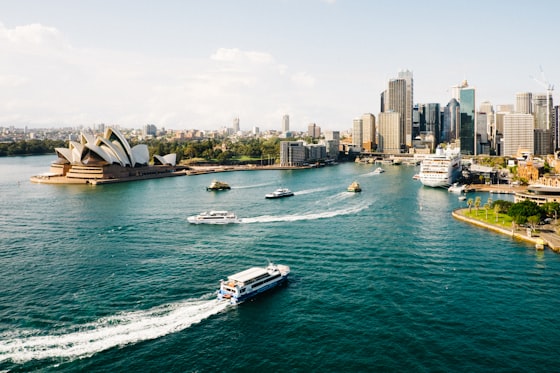
Australia's largest annual event transforms Sydney Harbour with extraordinary light projections, art installations, and live music across three weeks in late May and June. The Opera House becomes a canvas; Circular Quay glows with immersive installations; the harbour itself reflects a completely transformed city. Vivid regularly draws over three million visits across its run, making early accommodation booking essential — popular hotels within walking distance of the harbour sell out months in advance. It's a compelling reason to visit Sydney at a time when the city is at its most vibrant.
🔥
Dark Mofo, Hobart (Jun)
Dark Mofo is unlike any other Australian cultural event. Hobart's MONA museum presents a winter festival of art, music, ritual, food, and fire that deliberately engages with darkness, winter solstice, and provocative cultural ideas. Past years have included enormous bonfires on the waterfront, immersive art installations in disused industrial spaces, and music programming ranging from avant-garde to folk. The festival has drawn international recognition as genuinely boundary-pushing — not simply a winter festival but a serious cultural event that happens to take place in winter. Tasmania in June is cold; arrive prepared, and it's one of the most memorable Australian experiences available.
⛷️
Ski Season (Jun–Sep)
Australia has a surprisingly decent ski industry, concentrated in the alpine areas of New South Wales and Victoria. Perisher and Thredbo (NSW) are the largest resorts, with Falls Creek and Mount Hotham (Victoria) offering excellent alternatives. By international Alpine standards, Australian ski terrain is compact — but it's genuinely fun, accessible within a day's drive of Sydney and Melbourne, and surrounded by remarkable landscapes. The experience of skiing in Australia has a certain surreal quality that makes it memorable beyond just the skiing itself. Cross-country skiing, snowshoeing, and mountain biking on snow trails add variety beyond downhill.
🌿
Hinterland at Its Best (Jun–Aug)
The Gold Coast and Sunshine Coast hinterlands hit peak condition in winter. Lamington National Park's ancient Antarctic beech forest is at its most magical with morning mist and clear afternoon light. Natural Bridge's glow-worm cave and waterfall are at full flow on wet-season reserves. Springbrook Plateau's rim walks offer panoramic views to the coast that haze obscures in summer. Every waterfall — and there are dozens worth visiting — is running hard from wet-season reserves while the trail conditions are dry and comfortable. Winter is definitively the best time for hinterland day tours from the Gold Coast and Brisbane.
With Cooee Tours
Cooee Winter Tours
Cooee Tours operates year-round across Queensland — and our guides genuinely love winter season. The trails are better, the conditions are more consistent, and groups have more time to stop, breathe, and absorb the places we visit. Here are the tours that are best in the June–August window.
Day Tour
All Levels · Gold Coast & Brisbane Pickup
Gold Coast Hinterland Day Tours
Ancient Antarctic beech forest, glow-worm caves, and panoramic views — all within 90 minutes of the coast
Our hinterland day tours include Lamington National Park (ancient beech forest, lyrebird habitat), Natural Bridge (glow-worm cave with resident waterfall), and Springbrook Plateau rim walks with views to the coast and beyond. Winter condition: trails are dry and clear, morning light is spectacular, and waterfalls are at peak flow.
Suitable for all fitness levels. Full-day and morning options available. Transport included from Gold Coast and Brisbane hotel pickup points. Small groups maximum 16.
From Brisbane & Gold CoastAll Fitness LevelsSmall Groups
Whale Season · Jun–Nov
Whale Watching & Wildlife Tours
Humpback season is when the ocean comes alive — and Queensland's east coast is the best place to watch it
Seasonal whale watching tours from the Gold Coast combine dedicated marine wildlife cruising with the broader Queensland coast experience. Our naturalist guides explain humpback behaviour, migration routes, and the extraordinary biology of these mammals making a 5,000km journey from Antarctic feeding grounds.
Also available: wildlife spotting in Lamington's subtropical rainforest, where winter makes nocturnal species more active and visible during early morning tours. Platypus, gliders, pademelons, and lyrebirds are all more likely to be encountered in winter's cooler conditions.
Jun–NovMarine Wildlife FocusNaturalist Guides
Seasonal
Far North QLD
Best Season · May–Oct · From Cairns
Daintree & Cape Tribulation
The world's oldest rainforest in its best conditions — dry season is when the Daintree shines
Winter is the Daintree's prime season. Wet-season road closures are finished, all walks and tracks are fully accessible, and the tropical climate without humidity makes full-day exploration genuinely comfortable. Kuku Yalanji cultural guides share knowledge of this 180-million-year-old ecosystem in conditions where you can actually absorb it without wilting in 35°C heat and 90% humidity.
Cape Tribulation beach — the famous point where rainforest meets reef — is at its most accessible and photogenic in winter's clear light. Crocodile river cruises, zip-line canopy experiences, and optional reef snorkelling complete a genuinely extraordinary day.
From CairnsCultural GuideAll Activities Open
Booking Note for Winter Season: June through September is Queensland's peak domestic tourist season, particularly during the two Australian school holiday windows (late June/early July, and a shorter September break). Popular Gold Coast hinterland day tours book 4–6 weeks ahead during these periods. If you're travelling in July, book as early as possible. May, early June, August, and September offer the same outstanding conditions with better availability and often lower accommodation prices.
Common Questions
Frequently Asked Questions
Is it actually worth visiting Australia in winter?+
Absolutely — and for Queensland and the tropical north, winter is arguably the best possible time to visit. The weather is mild, clear, and dry. Crowds are thinner outside school holidays. Prices are often lower. The Great Barrier Reef has its best visibility and calmest conditions. Whale watching season peaks. And the hinterland trails are in perfect condition. The main exception is if you specifically want hot beach weather, in which case you'd want Cairns (which is warm year-round) rather than the southern Queensland coast (which has genuinely cool evenings in winter). For the vast majority of activities and experiences, Queensland winter is outstanding.
How cold does it actually get in Queensland in winter?+
Milder than most people expect. Gold Coast and Brisbane winter temperatures: minimum around 12–14°C on coldest nights, maximum around 20–22°C on typical days. There are some days with maxima below 18°C, particularly in July and in years with more southerly airflow — these feel genuinely cool. Cairns stays warmer: minimums around 17°C, maximums around 26°C. The Sunshine Coast and Noosa sit between these two poles. None of this is comparable to European winter — there is no frost in coastal Queensland, no snow, and no genuinely cold days by Northern Hemisphere standards. Pack a light fleece and a jacket, and you'll be comfortable. Visitors from the UK routinely describe Queensland winter as "like a good English summer."
Can you swim in the ocean in Queensland in winter?+
Yes, and more safely than in summer. Ocean temperatures on the Gold Coast run around 20–21°C in winter — cool but comfortable for most people, particularly those used to Northern Hemisphere sea temperatures. Cairns ocean temperatures are 23–25°C in winter — genuinely warm swimming water. Beyond temperature, winter has a significant safety advantage: box jellyfish (the species that pose serious danger) are primarily a wet season (October–May) risk. In winter you can swim at most Queensland beaches without a stinger suit, which is not recommended in tropical areas from November through April. If you're snorkelling on the reef, water visibility in winter is also substantially better than summer.
Is winter cheaper than summer in Australia?+
Generally yes, with one important caveat. Australian accommodation and domestic flights are clearly cheaper outside the peak December–January summer school holiday season. International flights from Northern Hemisphere countries are often cheaper for the same reason — while their local summer travel demand pushes up Europe routes, Australia becomes comparatively good value. The caveat: Australian school holidays create temporary price spikes that can rival or exceed summer pricing. The main winter school holiday period in Queensland is approximately June 28 to July 18. Avoid this two-week window if price is a priority, or book as far ahead as possible if your dates are fixed. Outside these windows, winter represents the best value of the year.
What is the best region to visit in Australia in winter?+
For warmth, outdoor activities, and overall value: Queensland is the answer, particularly the Gold Coast and Cairns corridor. For those who want genuinely comfortable temperature rather than just warmth, the Gold Coast and Brisbane deliver perfect walking weather. For those who want warm water and beach activities: Cairns and the Whitsundays. For the single most dramatic landscape experience: the Northern Territory (Uluru, Kakadu) — only practically accessible during the dry season. For ski season: NSW Alps (Perisher, Thredbo) and Victorian Alps (Falls Creek, Mount Hotham). For culture and events: Melbourne (MIFF, Food & Wine Festival) and Hobart (Dark Mofo). For whale watching specifically: Hervey Bay is the global benchmark.
Winter Is Our Favourite Season to Guide
Clear trails, comfortable temperatures, whale season on the coast, and the hinterland at its absolute best. Cooee Tours runs year-round across Queensland — and our guides will tell you winter is when it all comes together.