Australia's Most Famous Wine Terroir
Coonawarra is one of the New World's great wine myths made real: a 15km strip of vivid red earth over free-draining limestone in the far southeast of South Australia, producing Cabernet Sauvignons that aged wine lovers rank alongside Bordeaux. The word "coonawarra" comes from the Bindjali language, meaning wild honeysuckle — and the region's name is now printed on some of Australia's most prized bottles. The cellar doors are packed along a single stretch of road. The wines age for decades. The landscape is flat, the sky enormous, and the soil — bright red against the grey limestone — is one of the most immediately recognisable terroirs on Earth. Getting here requires commitment: it's 380km southeast of Adelaide. But for Cabernet Sauvignon lovers, it is worth every kilometre.
📍 Location
380km SE of Adelaide, ~4.5–5hr drive. Near Penola, Limestone Coast zone.
🌋 Terroir
Terra rossa soil over limestone, 15km × 2km strip — Australia's most celebrated vineyard terroir
🍷 Famous For
Cabernet Sauvignon of extraordinary depth, structure, and ageing potential (20–30+ years)
🏆 Key Event
Coonawarra Cabernet Celebrations: October (4 weekends, 50+ events)
🌋 The Terra Rossa — What Makes Coonawarra Unique
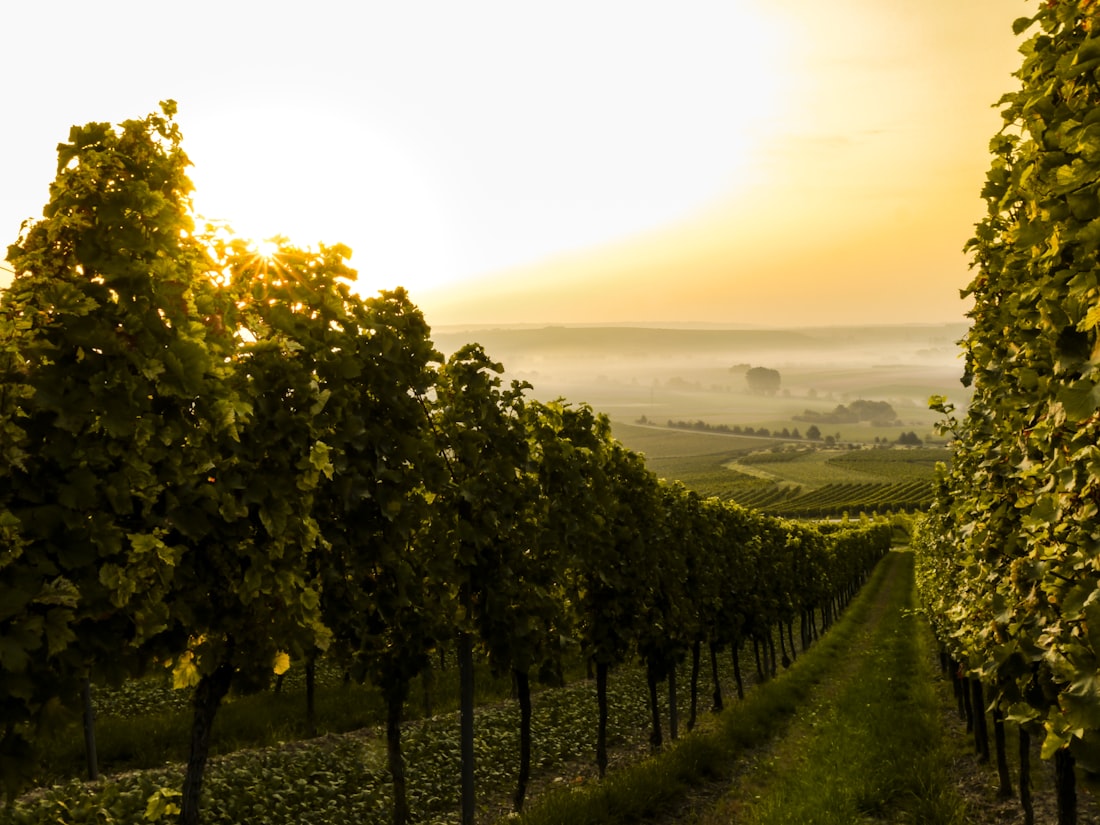
The terra rossa — "red earth" in Italian — is Coonawarra's defining geological accident. A shallow layer of bright red iron-rich clay sits atop free-draining limestone across a strip approximately 15km long and only 2km wide. The contrast is dramatic: the terra rossa is vivid paprika-red, clearly visible at the surface. Either side of the strip, the soil turns to black rendzina — poorly drained, far less suitable for vines. The limestone beneath the terra rossa is critical: it forces vine roots deep, provides excellent drainage, and creates a slightly alkaline pH that gives Coonawarra Cabernet its distinctive fruit character and structural elegance.
🌋 The Soil
Bright red iron-rich clay over free-draining limestone. The limestone forces vine roots deep, prevents waterlogging, and provides the chemical environment for Cabernet to express complex blackcurrant, cassis, and mint flavours with fine, persistent tannins.
🌊 The Climate
Maritime-influenced by the Southern Ocean (60km away). Cool sea breezes moderate summer heat, extending the ripening season significantly. Cold winters retain acidity. The long slow ripening is critical to the wines' depth and complexity.
Coonawarra received its Geographical Indication (GI) status — officially protecting the "terra rossa" boundary — in 2003 after an eight-year legal dispute. The boundaries were contested because the terra rossa soil is so clearly valuable that multiple landholders wanted their properties included. Some vineyard boundaries pass through the very middle of a property. The GI boundary now follows the soil precisely.
📜 A Brief History
John Riddoch was a Scottish entrepreneur who had made his money in gold mining. In 1890 he planted the first vines at his Penola Fruit Colony on the terra rossa, recognising its potential. The colony became known as Coonawarra in 1897 — the Bindjali word for wild honeysuckle. For decades, the region made wine without much recognition. The Redman family survived the hard years of the World Wars and the Great Depression as the only family to continue producing table wine; other producers simply closed. In 1951, Samuel Wynn purchased Riddoch's original winery — and with Wynns leading the revival of Australia's table wine industry, Coonawarra's potential for Cabernet Sauvignon was suddenly and unmistakably realised. By the 1970s it was established as one of the world's great Cabernet regions. Today, the triple-gabled winery building that John Riddoch completed in 1896 still stands at the entrance to Coonawarra — one of the most recognisable landmarks in Australian wine.
🏆 Must-Visit Wineries & Cellar Doors
The Landmark Estates
Wynns Coonawarra Estate
The essential Coonawarra visit. The iconic triple-gabled winery built by John Riddoch in 1896 is a regional landmark. Winemakers Sue Hodder and Sarah Pidgeon craft the benchmark "Black Label" Cabernet Sauvignon — produced since 1954 and one of Australia's greatest wines. The John Riddoch Cabernet and Michael Shiraz are legendary collectibles. Tastings of current releases and back vintages, cheese platters, and a "Make Your Own Blend" experience unique in the region.
Est. 1896Black Label CabRedman Wines
The oldest family-owned winery in Coonawarra — now in its fourth generation after more than a century of continuous production. The Redman family were the only producers who kept making table wine through the difficult decades of world wars and the Depression. Traditional, full-bodied Cabernet Sauvignon with classical structure. A living piece of Coonawarra history.
Est. 19084th GenerationParker Estate
John Parker gained international attention with a single Cabernet Sauvignon that rivalled Bordeaux and won multiple awards. Now run by a new generation, the estate has expanded to include excellent beers, gin, and a pie menu (Estate Cabernet beef pie and Chardonnay chicken pie) — an approachable entry point alongside the serious premium wines.
Bordeaux RivalPie MenuZema Estate
Italian heritage and Calabrian warmth in the heart of Coonawarra. The Zema family made their first Shiraz in 1982 in a tin shed, using a second-hand milk tanker as a fermenter. Now producing wines known across Australia for rich flavour and consistent quality. Famous for events that bring people together — gala dinners, rare tastings, festivals. Don't be surprised if you feel like dancing.
Italian HeritageEst. 1982More Excellent Cellar Doors
Ottelia
Named after a waterlily found on the property. The Innes family (now in second generation) have renovated their restaurant and added a new tasting room among natural wetlands and tall red gums. Among the most atmospheric cellar door settings in Coonawarra. Excellent Cabernet and Chardonnay. The restaurant uses produce from their kitchen garden and local suppliers.
RestaurantNatural WetlandsBalnaves of Coonawarra
Family-owned estate producing outstanding Cabernet Sauvignon from terra rossa vineyards. The Tally Reserve Cabernet has won international awards. Knowledgeable, welcoming cellar door with excellent vertical tasting options for those who want to explore how Coonawarra Cabernet ages.
Award-WinningFamily EstateRymill Coonawarra
Beautiful winery with lush grounds perfect for a relaxed afternoon — bring the family and the dog. Excellent GSM, Cabernet, and Merlot with great value across all price points. A lovely stop particularly on warm days when the lawn garden is open.
Family FriendlyGarden LawnsPenley Estate
Kym Tolley brought experience from two great wine families (Penfolds and Tolleys) when establishing Penley in 1988. Outstanding Cabernet Sauvignon from an estate entirely within the terra rossa boundary. The Phoenix Cabernet is an excellent introduction to the Coonawarra style.
Est. 1988Premium Cabernet🍷 Coonawarra Wine Profile
- Cabernet Sauvignon — The CrownThe region's defining variety and undisputed star. Rich flavours of blackcurrant, dark cherry, cassis, plum, with classic mint and eucalyptus notes and firm, refined tannins. The best examples are structured for long ageing — 10, 20, even 30+ years in the cellar. Young Coonawarra Cabernets can be tight and austere; medium-term aged bottles (8–15 years) are typically at their most expressive.
- ShirazHistorically the most widely planted variety before Cabernet took over. Coonawarra Shiraz is lighter and more savoury than its Barossa counterpart — cool-climate spice, black pepper, and medium body. Wynns Michael Shiraz is the region's benchmark expression. Food-friendly and elegant.
- MerlotA relative newcomer but producing full-flavoured, interesting, and age-worthy reds. Often blended with Cabernet as a softening element, but standalone Merlot from the terra rossa is increasingly recognised for its own merit.
- Chardonnay, Riesling & WhitesThe limestone geology suits white varieties well — producing elegant, cool-climate Chardonnay with restrained fruit and good natural acidity. Some producers also make excellent Riesling and Pinot Gris.
🗺️ The Limestone Coast Road Trip
Coonawarra is most rewarding as part of a Limestone Coast road trip — a journey from Adelaide through some of South Australia's most varied landscape: lakes, coastal towns, heritage heritage buildings, and some of the country's finest wine. Distances are comfortable for a 3–5 day drive.
🏘️ Penola, Mount Gambier & Beyond
Penola
The service town for Coonawarra, 10 minutes south of the wine strip — and the birthplace of Australia's first saint. Mary MacKillop (canonised 2010) was born in Melbourne but did her most significant work here, establishing the Sisters of St Joseph and Australia's first free Catholic school for rural children in 1866. The Mary MacKillop Interpretive Centre in Penola tells her remarkable story. The heritage main street of Penola has good cafes and restaurants.
Mount Gambier
South Australia's second-largest regional city (45 minutes south of Coonawarra) and worth at least a half-day. The Blue Lake — a volcanic crater lake that turns a vivid, almost unreal cobalt blue between November and March — is one of the most extraordinary natural spectacles in SA. The Umpherston Sinkhole is a sunken garden in a collapsed cave, illuminated at dusk when possums come out to feed. The city has excellent restaurants and serves as a base for exploring the broader Limestone Coast.
📅 Itineraries
Depart Adelaide early (7–8am). Arrive Coonawarra ~noon. Check into accommodation. Lunch at Ottelia restaurant or Parker Estate (pie menu + wine).
Start with Wynns — the triple-gabled winery, the Black Label Cabernet tasting, the Make Your Own Blend experience. Continue to Redman Wines for a taste of Coonawarra history.
Penola for dinner — the Mary MacKillop heritage main street. Return to accommodation.
Zema Estate — Italian warmth and consistently excellent Cabernet and Shiraz. Balnaves for a vertical tasting of how the wines age.
Parker Estate, Penley Estate, Rymill for the family-friendly lawn garden lunch. The strip is compact — you can cover 5–6 cellar doors in a day without rushing.
Optional: Mount Gambier Blue Lake (45 min south) before the drive back toward Adelaide, or stay another night and continue to Robe coastal town (1hr west).
Adelaide → Coonawarra (380km). Stop at McLaren Vale for lunch on the way out (see our McLaren Vale guide). Arrive Coonawarra late afternoon.
Coonawarra cellar doors — cover the full strip across two days. Wynns, Redman, Parker, Zema, Ottelia, Balnaves, Penley, Rymill, Brand's Laira, and more. Penola evening dinner.
Mount Gambier — Blue Lake, Umpherston Sinkhole. Good restaurants in the evening. Or continue west to the coastal town of Robe (heritage buildings, beach, seafood).
Robe or Beachport coastal walk and breakfast. Drive back to Adelaide via the scenic inland route or coastal highway. ~3.5–4.5hrs.
🎉 Coonawarra Cabernet Celebrations — October
The Coonawarra Cabernet Celebrations is an annual October festival spanning four themed weekends across the month. With over 50 free and ticketed events, it's the best possible time to visit the region: vertical tastings of back vintages, winemaker masterclasses, blending sessions, barrel tastings, long lunches, live music, the Cabernet Celebrations Golf Day, and the Woof & Wine Walk. On selected weekends, a hop-on, hop-off shuttle bus makes it easy to cover multiple cellar doors without driving. Whether you're a serious Cabernet collector or simply curious about what Australia's most famous terroir tastes like, October in Coonawarra is the ideal entry point.
Coonawarra is not a day trip from Adelaide — budget 2–3 nights minimum to do it justice. Book accommodation well ahead for the Cabernet Celebrations (October) as the region fills up. The Riddoch Highway through the wine strip is sealed and good quality. Designated driver or tour is essential — police actively patrol wine regions. Many cellar doors operate from around 10am–5pm, with some requiring bookings for premium experiences or tours.
Experience Australia's Most Famous Terroir
The terra rossa. The Black Label Cabernet. A single stretch of road with 25+ cellar doors. Coonawarra rewards the visitors who make the journey south.
Plan with Cooee Tours Clare Valley Guide →Frequently Asked Questions
Coonawarra is Australia's most famous wine terroir — synonymous with Cabernet Sauvignon grown on the unique terra rossa soil over limestone. This 15km strip of vivid red earth produces Cabernets of extraordinary depth, structure, and longevity, with flavours of blackcurrant, cassis, mint, and fine tannins. The best examples age gracefully for 20 to 30 years or more.
Terra rossa means "red earth" in Italian. In Coonawarra, it's a bright red iron-rich clay layer sitting atop free-draining limestone. The limestone forces vine roots deep, provides excellent drainage, and creates the ideal pH environment for Cabernet Sauvignon to express its character. The soil is vividly visible at ground level — paprika-red against the grey limestone surrounds.
Coonawarra is approximately 380km southeast of Adelaide — about 4.5 to 5 hours by car via the South Eastern Freeway and Dukes Highway. It is not a day trip from Adelaide. Budget 2–3 nights, or ideally combine with a Limestone Coast road trip taking in Penola, Mount Gambier, Robe, and Beachport over 4–5 days.
Wynns Coonawarra Estate is the essential first stop — the iconic triple-gabled 1896 winery and benchmark Black Label Cabernet. Redman Wines (1908, fourth generation) is the oldest family estate. Parker Estate gained international acclaim with a Cabernet that rivalled Bordeaux. Zema Estate brings Italian warmth. Ottelia has excellent food and natural wetland surroundings. Balnaves, Penley, Rymill, and Brand's Laira are all worth visiting.
The Coonawarra Cabernet Celebrations is an annual October festival across four themed weekends. Over 50 events including vertical tastings, winemaker masterclasses, blending sessions, long lunches, live music, and the Woof & Wine Walk. A hop-on, hop-off shuttle bus operates on selected weekends. It is the ideal time to visit the region.
Penola (10 min south) is the birthplace of Mary MacKillop, Australia's first saint — her story is told at the Interpretive Centre on the heritage main street. Mount Gambier (45 min south) has the extraordinary Blue Lake (vivid cobalt in summer) and the Umpherston Sinkhole sunken garden. The coastal towns of Robe and Beachport (1–1.5hrs west) offer heritage buildings, beach walks, and excellent seafood. The whole region forms part of South Australia's Southern Ocean Drive road trip.