The route at a glance
This suggested itinerary uses 14 travel days and 13 nights: Christchurch 2, Tekapo 2, Aoraki/Mount Cook area 1, Wānaka 2, Te Anau 3 and Queenstown 3. Depart Queenstown on day 14. It focuses on the central and southern highlights rather than claiming to cover the entire island. The West Coast, Nelson, Marlborough and Dunedin deserve a separate route or extra days. Arrange an open-jaw flight and check any one-way vehicle fee before booking.
Days 1–2: settle into Christchurch
Use arrival day for a short walk, a meal and rest. Keep the second day for the Botanic Gardens, the river and city-centre sights, with a café or market lunch. If you want a longer Banks Peninsula outing, add a night rather than sacrificing recovery time. You may not need a rental car until leaving the city. Stay centrally for an easy start on foot, or choose an airport stay only when your flight timing makes it worthwhile.
Days 3–4: Lake Tekapo and the Mackenzie
Travel to Tekapo on day 3 with a proper lunch break and time to settle in. Leave the evening flexible: a stargazing booking depends on the experience and conditions, and a late session can make the next morning slow. Spend day 4 around the lake and nearby viewpoints. Avoid filling both days with prepaid outdoor activities. Two nights allow you to enjoy the area without immediately repacking.
Day 5: Aoraki/Mount Cook
Move towards the national park and choose a walk suited to current conditions and your party. Check DOC alerts before deciding on the track; do not rely on older photographs or an assumed bridge opening. A shorter valley or village walk can be a better choice than an exposed route in poor weather. Stay in the Aoraki area where available, or adjust the route around a confirmed alternative base. Book this limited overnight stop early.
Days 6–7: Wānaka
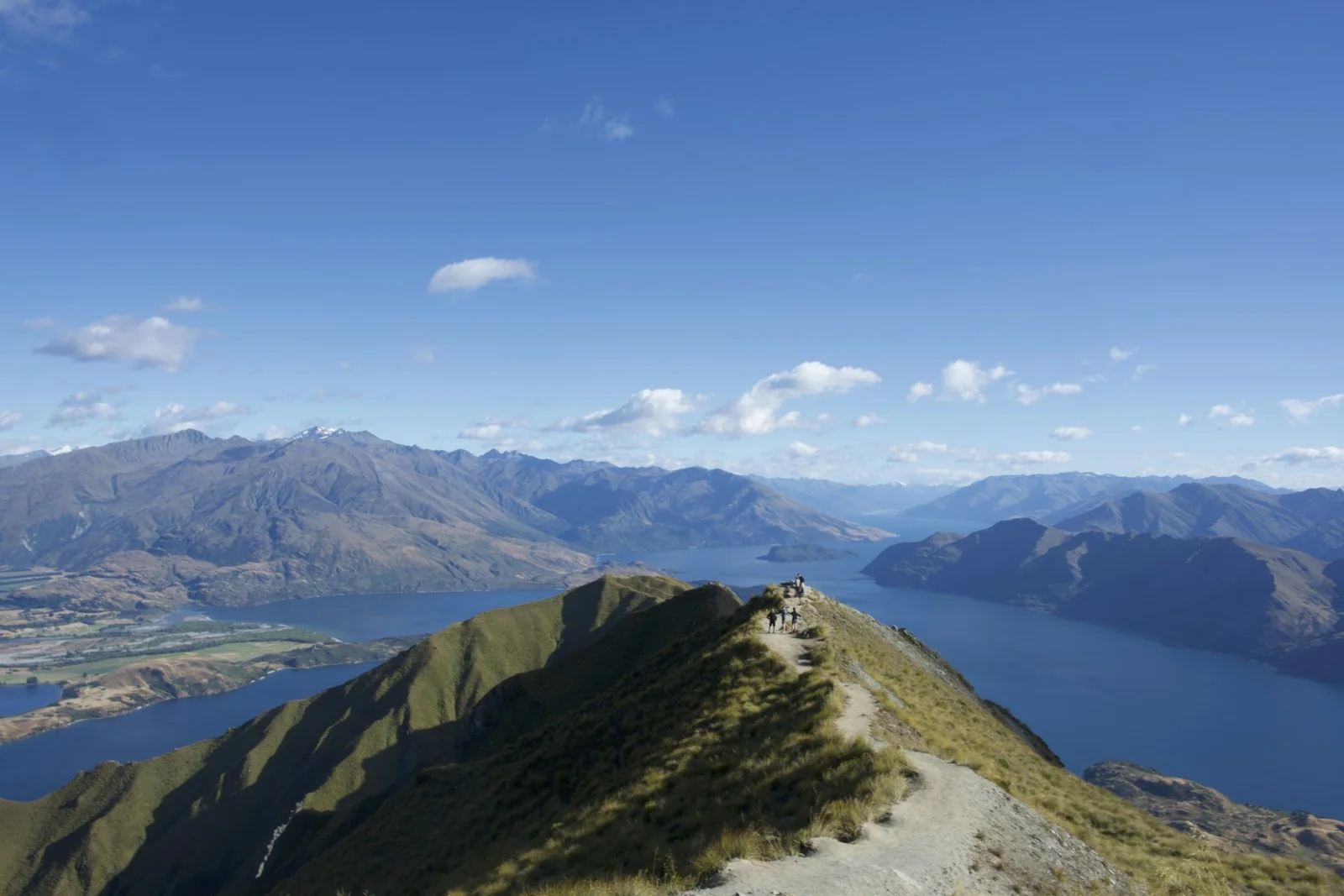
Travel to Wānaka on day 6, treating the drive and viewpoints as the main activity. Spend day 7 by the lake, on an appropriate walk or enjoying a local attraction. Roys Peak is a substantial mountain walk, not an obligatory photo stop; check seasonal closures and conditions before planning it. Families or travellers wanting a gentler day can stay near the waterfront. A late lunch and an unhurried afternoon can be as memorable as another big excursion.
Days 8–10: Te Anau and Fiordland
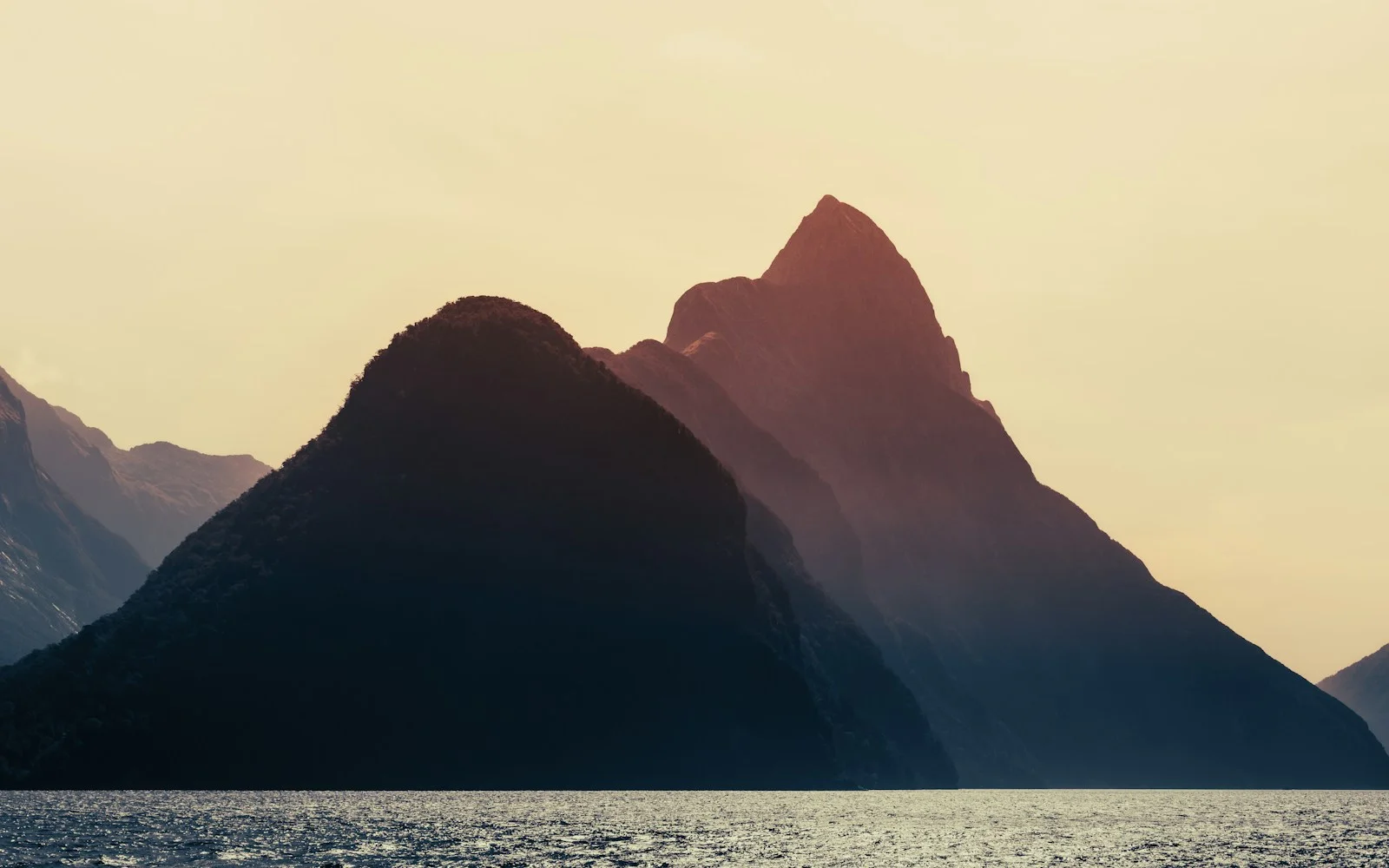
Move to Te Anau on day 8 and organise supplies and your excursion details. Use day 9 for Milford Sound, ideally with a transport plan that lets you enjoy the road scenery. Keep day 10 for a local walk, a lake activity or a separately booked Doubtful Sound day. Three nights create flexibility, but a weather cancellation does not guarantee a replacement space. Avoid arranging an onward flight immediately after a weather-sensitive excursion.
Days 11–13: Queenstown
Drive to Queenstown on day 11 and settle in. Use one full day for a chosen activity and another for Arrowtown, a wine outing or a slower lake day. Pick experiences by interest and comfort rather than trying every adrenaline activity. Book transport for wine touring. Keep the last afternoon relatively free for packing, weather changes and a relaxed final dinner. Central accommodation can make these days easier without using the car.
Day 14: departure and useful variations
Return the vehicle with the required fuel level and allow time for airport procedures. If your flight leaves Christchurch, this itinerary needs additional travel time; do not simply attach a long drive to departure day. For ten days, reduce the number of bases and choose either Wānaka or an extra Mackenzie stop. For three weeks, add a coherent West Coast or northern section instead of making every existing day busier. This is an independent planning suggestion, not an advertised tour departure.