Choose by ability and conditions
A famous photograph is not a track assessment. Consider distance, elevation gain, surface, exposure and the slowest walker in your group. A lakefront walk can be a better shared experience than a summit that leaves someone struggling. Read the current DOC description and alerts before deciding. Weather can change the difficulty considerably, especially above the bushline. Keep a shorter alternative in the same region.
Short walks make a strong itinerary
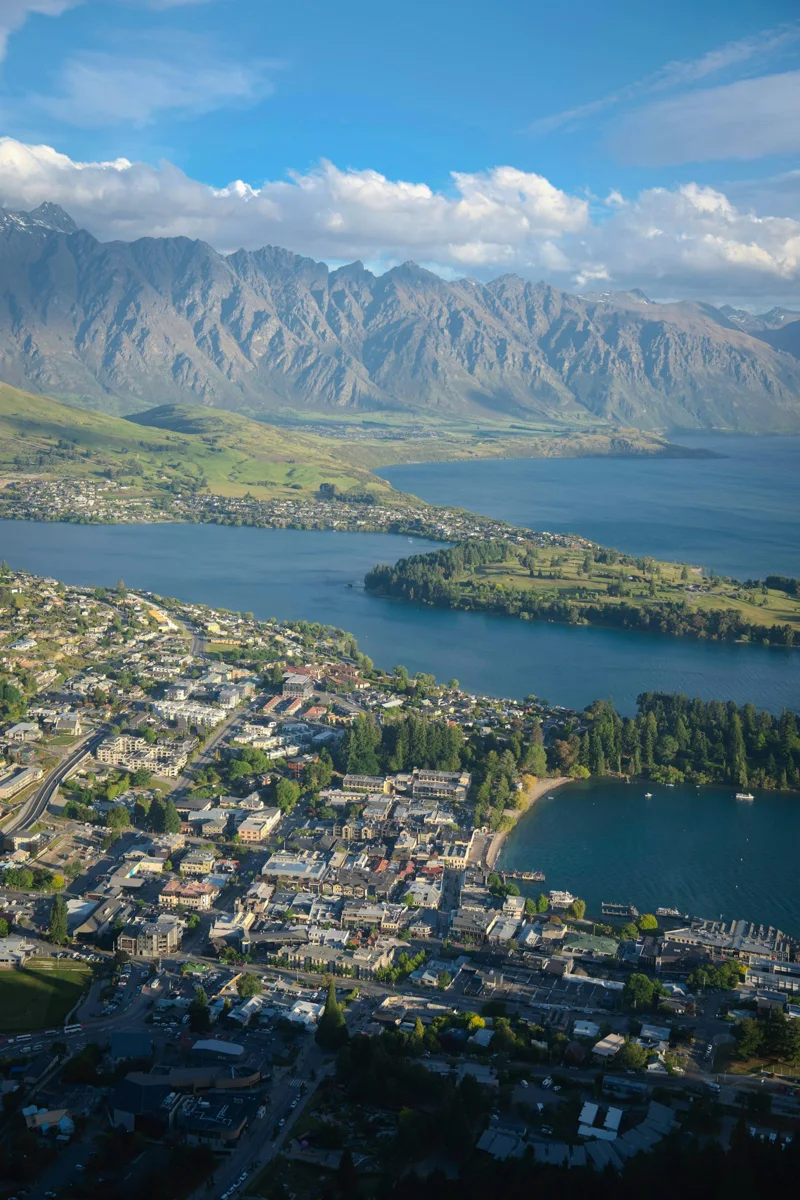
Combine an easy forest or lakeside outing with time for lunch and a scenic drive. In Fiordland, look at lower-level sections near Te Anau; around the Mackenzie, select a walk using the national park’s current advice. Christchurch and Queenstown also offer walks that fit a city or lake day. Avoid assuming that all short tracks are step-free. Check surfaces, stairs and facilities where access matters.
Roys Peak requires a proper plan
Roys Peak is a substantial climb with exposed terrain, not a quick stop for a photograph. DOC lists a seasonal lambing closure from 1 October to 10 November; check the current notice before travelling. Summer heat, wind and winter conditions affect the experience. Start with enough daylight, carry water and turn around if the conditions or your group’s fitness do not suit the climb. The famous viewpoint does not make the route suitable for everyone.
Kepler, Routeburn and Milford
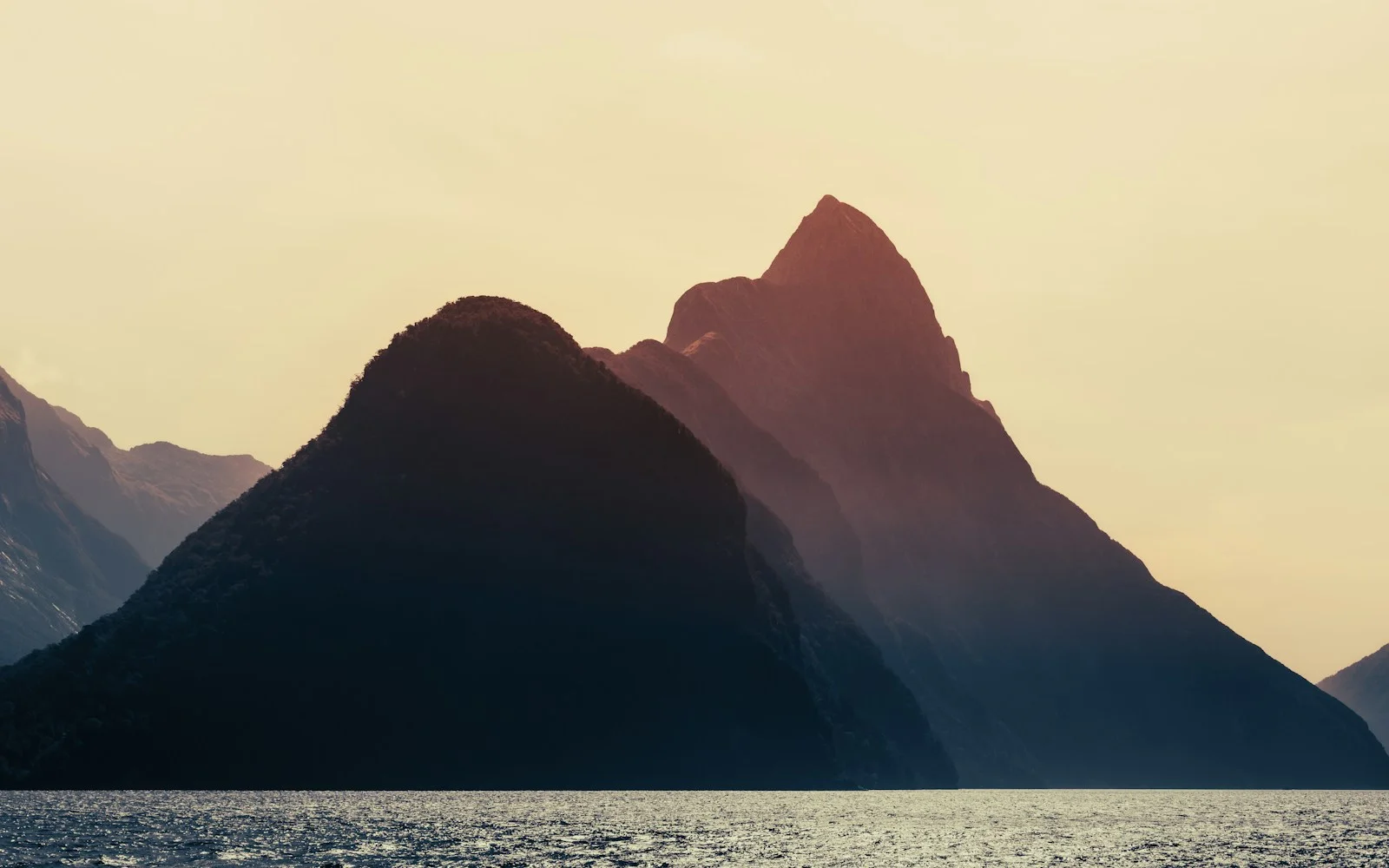
A Great Walk requires planning beyond choosing dates. Check hut or campsite availability, transport at both ends, equipment, food and the season-specific track information. The Routeburn is not a loop returning you to the same car park. Milford logistics include transport arrangements that must fit the walking itinerary. Kepler has day-walk options as well as the multi-day route. Book the entire sequence before committing to non-refundable travel.
Day sections versus the full route
You can sample parts of some Great Walks without completing the whole track. Select an out-and-back route with a firm turnaround time and check whether transport is needed. Do not assume an alpine hut is an easy day destination. The difference between a gentle forest section and an exposed ridge is substantial. A guided outing may suit visitors wanting interpretation and help with planning, but ask about the required fitness and equipment.
Before leaving the trailhead
Check the forecast, tell someone your route and expected return, carry appropriate layers and have a communication plan for areas without mobile reception. Follow closures and protect wildlife and vegetation. Avoid creating side tracks for photographs. Use DOC’s live track pages for final decisions rather than treating any travel article as a real-time conditions report. Your best walk is the one that fits the day safely and leaves you keen to explore again.