

Nusa Penida is the most photographed coast in Indonesia and most visitors see it in a nine-hour day trip that includes three hours on rough roads and a boat home in the dark. This route gives it two nights — Kelingking and Crystal Bay on the first day, the mantas at seven on the second — then crosses to Lembongan and Ceningan, the soft islands where the roads are paths and the villas sit on the cliffs, for three nights of reef, mangroves and the sunset from the Devil’s Tear.
The three Nusa islands sit in the Badung Strait 40 minutes from Sanur and are three different places. Penida is big, dry, rough-roaded and dramatic — the Kelingking cliff, the Broken Beach arch, the manta cleaning station off the south coast, Crystal Bay’s reef — and it is where the day-trip boats go, in a rush, and come back from exhausted. Lembongan is small, soft and slow, with seaweed farms, a mangrove forest, surf breaks off the front and villas on the cliffs; Ceningan, joined to it by a yellow bridge, is smaller still, with a blue lagoon and a cliff-jump. This route gives Penida two nights so that the coast is seen at seven and the mantas at seven, and then crosses to the soft islands for three nights of nothing much. It is the add-on that improves any Bali trip and, on its own, the island week for people who have done the main island twice. The things to do in Bali page has the rest of the island.
Why this route
Because the day trip to Nusa Penida is the most tiring day on the island and the two-night version is one of the best. Kelingking at seven with nobody on the cliff, the mantas at seven with nobody at the station, Crystal Bay in the afternoon when the day boats have gone, and a dinner on the north coast with Bali’s volcanoes across the strait: that is Penida given its due, and it takes two nights. Then Lembongan, which is the island Bali was before the airport, for three nights of paths, reef, mangroves and the Devil’s Tear at sunset. The route is the add-on that improves any Bali trip and, alone, the island week for people who have seen the main island twice and want the strait crossed properly.
At a glance
| Duration | 8 days / 7 nights as a trip; 4–5 nights as an add-on to any Bali route |
|---|---|
| Route | Sanur (1) → fast boat → Nusa Penida (2) → boat → Nusa Lembongan and Ceningan (3) → fast boat → Bali coast (1) |
| Fly | Direct to Denpasar; the islands are 40 minutes by fast boat from Sanur |
| Best months | May to October for the dry season and the calm crossings; April to November for the mantas; July to October for the mola mola |
| Pace | Moderate: rough roads on Penida, an early manta boat, then three slow island days |
| Style | Private itinerary; a car and driver on Penida; boats and the manta trip booked; villas and guesthouses on the islands |
| Suits | Couples, confident swimmers and snorkellers, divers, photographers, second and third Bali trips |
| Accommodation | A north-coast guesthouse or villa on Penida (simple, and we say so); a cliff villa or beachfront hotel on Lembongan |
| Price | Quoted per departure in AUD |
Day by day
Day 1: Arrive, and Sanur
The direct flight lands at Denpasar; a private car, the e-VOA and levy done on our instructions, and thirty minutes to a beachfront hotel or a villa at Sanur, the calm east-coast town where the fast boats leave. The afternoon on the reef-protected beach, dinner on the beach path, and an early night for the morning boat, which leaves at eight and does not wait.
Day 2: Fast boat to Nusa Penida, and the west
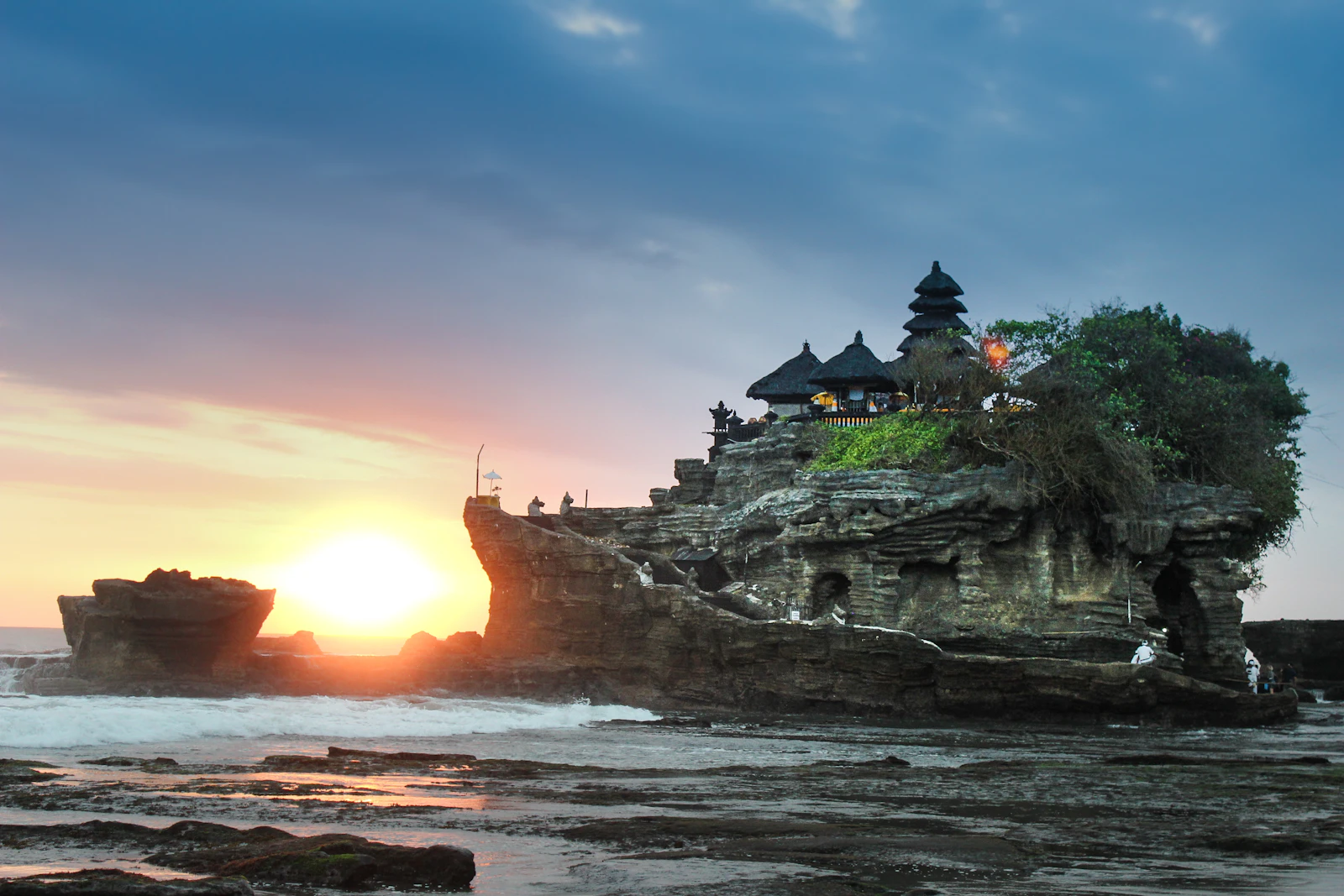
The 8 am fast boat from Sanur, 40 minutes across the Badung Strait to Penida’s harbour, where the driver meets you with the car (Penida’s roads are rough and a car is the only sensible way). The west coast first: Kelingking, the T-rex headland above a beach 200 metres below — a viewpoint, not a swim, the descent for the sure-footed and the beach with rips; Broken Beach’s natural arch and Angel’s Billabong’s tide pool, from the rocks and not in the water; lunch at a warung above Crystal Bay; and the afternoon at Crystal Bay itself, the island’s best swimming and snorkelling beach, with the reef fish in the shallows. The guesthouse or villa on the north coast at Ped or Toyapakeh; dinner at a beach warung with the lights of Bali across the strait and the fish grilled over coconut husks. Penida’s beds are simpler than Bali’s and the two nights are for the coast; the second morning, at seven, is the reason for the first.

Day 3: The mantas and the east
A boat from Toyapakeh at seven to Manta Point off the south coast, where reef mantas with a four-metre span feed and clean at a station in the swell — seen most reliably from April to November and never guaranteed — and on to Manta Bay and the reef at Gamat Bay for the coral and the turtles. Back by midday, with the mantas on every camera and the turtles on the ones that were looking down. The afternoon on the east coast: Atuh Beach and the Diamond Beach stairs cut into the cliff, the Tree House, the Thousand Islands viewpoint at Rumah Pohon, and Tembeling’s forest pools if the legs allow. A last Penida dinner.
Day 4: Boat to Nusa Lembongan
A morning at Crystal Bay or the north-coast reef, then the fifteen-minute public boat from Toyapakeh to Nusa Lembongan, the small, soft island where the roads are paths, the traffic is golf buggies and scooters, and the villas sit on the cliffs above Mushroom Bay and Dream Beach. A cliff villa or a beachfront hotel; the afternoon at Dream Beach or the pool; the sunset from the Devil’s Tear blowhole.

Day 5: Lembongan and Ceningan
The yellow bridge to Nusa Ceningan on foot, the Blue Lagoon, the cliff-jump point (to watch), Secret Beach and a lunch above the channel; back across the bridge for the mangrove forest by boat at the island’s north, a snorkel at the Mangrove Point reef, and the seaweed farms at low tide. The afternoon at the pool; dinner on the sand at Jungut Batu with the surfers coming in off Shipwrecks and the fishing boats going out with their lamps. The seaweed farms are the island’s old economy and the low-tide walk through them with the farmers at work is the quiet hour of the day.
Day 6: The loose island day
A surf lesson at Playgrounds for the beginners, a dive at Crystal Bay for the mola mola from July to October, a stand-up paddle in the bay, a spa at the villa, or nothing at all. The last island dinner and the sunset from the cliff at the Devil’s Tear, with the blowhole throwing spray into the light and Agung and Batur across the strait going pink and then grey.
Day 7: Back to Bali
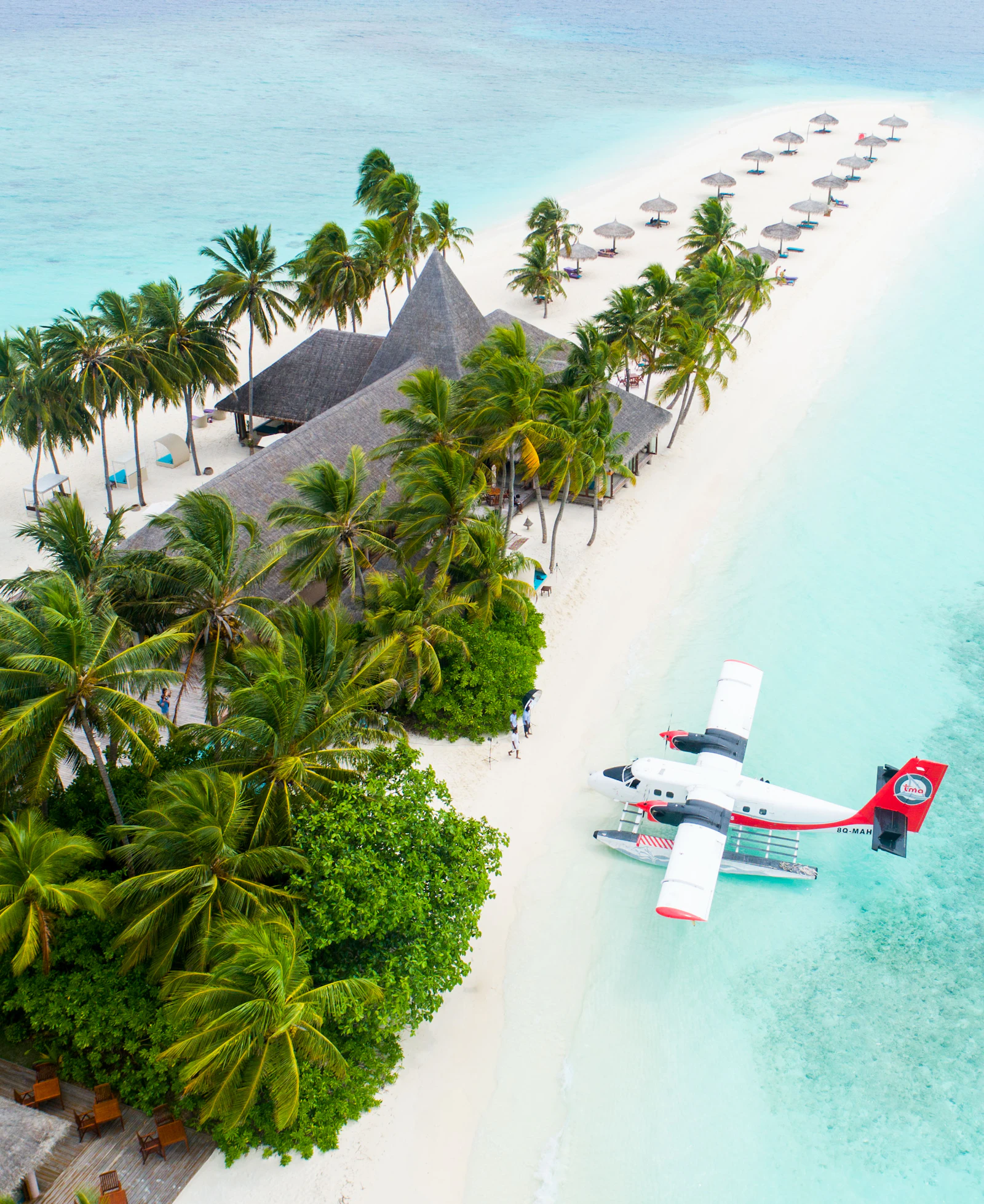
The fast boat from Lembongan to Sanur, 30 minutes, and the driver to the coast for the last nights — or, on the ten-day version, to Ubud for three nights on the Ubud and the coast shape. The afternoon in the pool.
Day 8: Depart, or continue
A late checkout, the last swim, and the private car to Denpasar for the evening flight; or the Ubud days. Eight days, three islands, and the strait crossed four times, which is three more than the day-trippers manage and the difference between having seen Penida and having been there.
Variations and extensions
As an add-on, four nights: Penida two and Lembongan two between the Ubud and coast legs of the Ubud and the coast route, which is how most parties take it. Ten days with Ubud: the island week then three Ubud nights, or the reverse. Lembongan only: four nights on the soft island with Penida as a single long day by boat from Toyapakeh, for families with younger children and for the party that wants the island without the roads. The dive version: Manta Point, Crystal Bay, Blue Corner and the Ceningan wall over three or four dive days from a Lembongan school, with the mola mola season in July–October. The Gilis instead: for the party that wants car-free islands with reef from the beach and does not need Kelingking, the three Gili Islands off Lombok by fast boat from Padang Bai on the Bali and beyond route. Penida only, two nights: the west coast and the mantas, back to Sanur, for the party with a fortnight on the main island and two nights to spare. Photographers: a private boat along Penida’s west coast at dawn for Kelingking and Broken Beach from the water, which is the angle the drones get and the visitors on the cliff do not.
What a day looks like. On Penida the driver is at the guesthouse at seven and the coast is done by two, with a warung lunch and a swim at Crystal Bay; the evening is the north coast and the strait. The manta boat is at seven and back by midday, salt-crusted, and the afternoon is the east coast at a slower pace. On Lembongan the days start whenever; one outing — the bridge, the mangroves, a surf — and the pool; the sunset from the cliff is the fixed point. The crossings are morning sailings. Reef shoes and a rash vest on every boat, a dry bag for the camera, and cash from Sanur for everything the islands sell.
Eating on this route
Island eating is simple and the seafood is the point. Penida: the beach warungs at Toyapakeh and Ped with the day’s fish grilled over coconut husks, the guesthouses’ Indonesian kitchens, a warung above Crystal Bay for lunch with the reef below, and Penida Colada’s bar on the sand for the sunset with Bali across the water. Lembongan: Jungut Batu’s beachfront restaurants with the surfers coming in, the cliff restaurants above Mushroom Bay for the sunset, the Deck and Sandy Bay for the Western version, the warungs in the village for nasi campur and a satay at a third of the price, and the seaweed-farm town’s market in the morning. Ceningan: a lunch above the Blue Lagoon and a warung by the bridge. The islands eat Balinese and Indonesian — grilled fish, nasi goreng, gado-gado, sambal on the side — and the villas have cooks or kitchens; Sanur’s beach path and Ubud’s restaurants wait on either side. Cash for all of it; the islands have few ATMs. Bottled water, and the warning about counterfeit spirits in the practical notes applies with force to the island bars.
What is included
- Return economy airfare from Sydney, Melbourne, Brisbane or Perth to Denpasar direct; premium economy and business on request
- Private airport transfers with a name board, and a car and English-speaking driver for every touring day
- Accommodation as described with breakfast; villas with a cook and daily housekeeping where named
- The fast boats, entries and experiences named in the itinerary, booked before departure
- e-VOA and Bali levy guidance and entry checks for every traveller
- A day-by-day document with the driver’s plan, timings and warung recommendations
- Australian consumer-law protection and a Cooee contact in Brisbane throughout
- The Sanur–Penida, Penida–Lembongan and Lembongan–Sanur boats with pier transfers
- A car and driver on Nusa Penida for both days
- The Manta Point and Gamat Bay snorkelling boat on day three with masks and fins
- The Lembongan mangrove boat and the Mangrove Point snorkel
- Two nights on Penida and three on Lembongan as described, with a Sanur night either side
Not included
- Lunches and most dinners (breakfast is cooked in at villas)
- Travel insurance (required)
- The Indonesian e-VOA fee (about AUD 50) and the Bali tourist levy (IDR 150,000), paid on arrival or online
- Personal spending, optional experiences not named, and tips (modest and appreciated: 10 per cent at restaurants without a service charge, a daily amount for the driver at the end)
- Diving (Crystal Bay, Manta Point, the mola mola season), booked on request with a school we know
- The surf lesson and the stand-up paddle on Lembongan
Where you stay
Sanur: a beachfront hotel (the Tandjung Sari, the Andaz, the Hyatt Regency) or a villa in the lanes for the nights either side of the crossing, because the boats leave from here. Penida: the accommodation is simpler than Bali’s and we say so: the north-coast guesthouses and small villas at Ped and Toyapakeh (the Adiwana Warnakali, the Semabu Hills, the Penida Colada tier) with a pool and the strait view, or the cliff villas above Crystal Bay at the top; nothing on the island is luxury and the two nights are for the coast, not the bed. Lembongan: a cliff villa above Mushroom Bay or Dream Beach (the Batu Karang, the Tamarind, the Lembongan Cliff Villas) or a beachfront hotel at Jungut Batu; the island has a good mid-range and a small top, and the villas with a pool and the strait view are the reason to stay three nights. Ceningan: a bridge away and not a base. The bed configuration is confirmed in writing and the boat times are checked against the swell before the deposit.
What it costs
Eight days for two with the Sanur nights, a Penida guesthouse, a Lembongan cliff villa, the car, the manta boat and the crossings, in May or June, is the version most people book; the islands are cheaper than the main island for accommodation and dearer for boats; the July and September holidays add a third on flights and the Lembongan villas. We do not publish a from-price because two factors move it by thousands: the season (the July and September school holidays and Christmas–New Year cost 30–50 per cent more than May, June or October on flights and villas combined) and the accommodation tier (a good three-bedroom villa against a cliff resort or a rice-field hotel at the top). We quote every departure individually in Australian dollars with everything above included. The Indonesia guide and the South-East Asia guide set out the daily numbers. As a four-night add-on to another Bali route the cost is the boats, the car and the island nights.
Practical notes
Entry: Australians use the Indonesian e-Visa on Arrival (online before departure or at the airport, about AUD 50 for 30 days) plus the Bali tourist levy and the All Indonesia arrival card; rules have changed several times since 2022 and we confirm the current requirement on every itinerary. Passports need six months’ validity. Health: dengue is present year-round and repellent morning and dusk is the defence; tap water is not for drinking or tooth-brushing; the rule of bottled water and busy warungs covers most of the rest; hepatitis A and typhoid vaccinations are recommended; BIMC and Siloam hospitals are good and insurance is required. Swimming: the west coast (Kuta, Seminyak, Canggu) has rips and drownings every year; the east and south (Sanur, Nusa Dua, Jimbaran) are reef-protected and calm; we place the accommodation for who is in the water. Money: rupiah; divide by 10,000 for a rough AUD; cards at hotels and larger restaurants, cash at warungs, temples, markets and for the driver; ATMs everywhere on the main island. Temples: sarong and sash, lent at the gate; shoulders covered; menstruating women are asked not to enter. Motorbikes: the leading cause of Australian injuries in Bali and not hired on our itineraries. Spirits: methanol poisoning from counterfeit arak is real; drink beer, wine or spirits from a reputable bar and never a cheap cocktail from a beach shack. Nyepi: the day of silence in March or April closes the island, including the airport, for 24 hours; the itinerary checks the date. Apps: Gojek and Grab for rides, Google Maps, WhatsApp for the driver. The crossings: fast boats from Sanur are 30–40 minutes and can be rough, especially in the afternoon and in the shoulder months; we book the morning sailings on the operators we know, check life jackets, and carry seasickness tablets for those who need them. Penida’s roads: rough, steep and slow; a car and driver is the only sensible way and scooters are the cause of most island injuries; the west-coast and east-coast days are each a full day with the driver. Kelingking: the viewpoint is the visit; the descent to the beach is steep, unfenced and for the sure-footed, and the beach has rips that have drowned visitors. We say so. Angel’s Billabong and Broken Beach: from the rocks; the tide pool has swept people off at high swell. Mantas: seen most reliably from April to November at Manta Point and never guaranteed; the boat leaves at seven for the calm water and the empty station; touching is not done. Mola mola: the ocean sunfish at Crystal Bay from July to October, for divers; cold water and a current; a school we know. Swimming: Crystal Bay, Atuh, Dream Beach and the Lembongan bays are the swims; the west-coast beaches of Penida and the Devil’s Tear are not. Cash: the islands have few ATMs and the warungs and boats are cash; bring it from Sanur. Families: the route suits children over about eight who swim well and can manage the roads; the Lembongan half suits younger ones and Penida can be a single long day from there instead. Older travellers: the Kelingking and Diamond Beach stairs are optional and the viewpoints are from the top; the manta boat is a swell boat; Lembongan is level and gentle.
How to book
Send us your preferred dates, your departure city and the names and ages of the party through the enquiry form or on 0409 661 342. We check the season against the route, confirm availability at the hotels and inns that matter, and send an itinerary and a quote in Australian dollars within two working days. A deposit holds the booking; the balance is due before departure under our booking conditions. Travel insurance is required and we can recommend a policy.
Frequently asked questions
How many days is the Nusa Islands itinerary?
Eight days and seven nights as a trip, or four to five nights as an add-on. It can be shortened or extended; the day-by-day above is the shape we start from.
When is the best time for the Nusa Islands itinerary?
May to October for the dry season and calm crossings; the mantas are seen most reliably from April to November; the mola mola from July to October; the July and September holidays fill the Lembongan villas. The wet season brings rough seas and cancelled boats and we do not route the islands then.
Is this a group tour or a private itinerary?
A private itinerary built for your party and your dates, not a fixed-departure group. A car and driver is with you on the touring days; the rest is independent with everything pre-booked.
Are flights included?
Yes: return economy from Sydney, Melbourne, Brisbane or Perth to Denpasar direct, plus any fast boats or internal flights named. Premium economy and business on request.
Do Australians need a visa for Bali?
An e-Visa on Arrival (about AUD 50 for 30 days, extendable once), plus the Bali tourist levy of IDR 150,000 and the All Indonesia arrival card online. We send the links and confirm the current rules before departure.
Who is this itinerary for?
Couples and small groups on a second or third Bali trip; confident swimmers, snorkellers and divers, for whom the mantas and the mola mola are the reason; photographers, for whom Kelingking at seven is; and anyone doing another Bali route who wants the islands as a four-night add-on rather than a nine-hour day trip.
Is Bali safe for swimming?
It depends on the coast. The west-coast surf beaches have strong rips; the reef-protected east and south (Sanur, Nusa Dua, Jimbaran) are calm. We place the accommodation for who is in the water and say which beach is which.
How much does it cost?
Quoted per departure in Australian dollars with flights, transfers, a driver, accommodation and named experiences included. Season and accommodation tier move the total; the Indonesia guide shows the underlying numbers.
Related
Tours convert; things to do informs. If you are still choosing, the things-to-do page is the step before this one.