

Asia has a beach for every month and a wrong month for every beach. This guide goes coast by coast through the islands Australians actually book, with the season that rules each, what it does best, and how to put a beach week at the end of a trip.
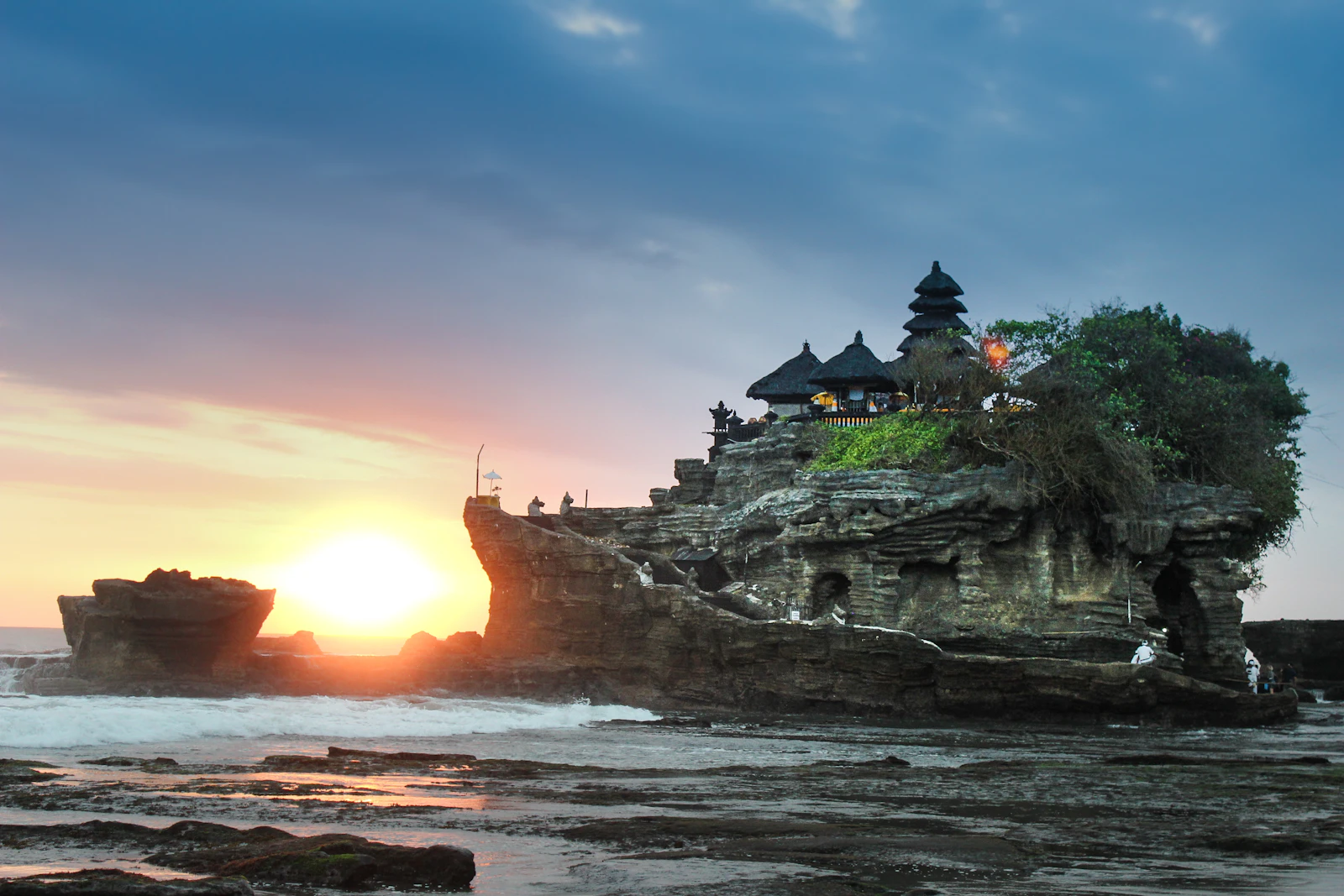
Asia has more coastline than any continent and a beach for every month of the year, which is both the promise and the problem. The islands in the photograph — the limestone bays of Krabi, the lagoons of El Nido, the sand of the Gilis — are each perfect for about five months and unreachable, rough or rained on for the rest. This guide goes coast by coast through the beaches and islands Australians actually book, tells you which month each one works, what each is for (snorkelling, surf, family, nightlife, silence) and how to combine a beach week with the city or the culture that usually comes first. The best time to visit Asia page has the full calendar; this one is about the sand.
The coasts at a glance
| Region | Dry season | Best for | From Australia |
|---|---|---|---|
| Bali and Lombok | May–Sep | Surf, villas, families, beach clubs, the Gilis | 6 h direct |
| Thailand, Andaman (Phuket, Krabi, Phi Phi, Lanta, Khao Lak) | Nov–Apr | Limestone scenery, diving, resorts, families | 9 h + 1 h |
| Thailand, Gulf (Samui, Phangan, Tao) | Jan–Apr, Jun–Sep | The winter-holiday alternative, dive courses, wellness | 9 h + 1 h |
| Vietnam (Da Nang, Hoi An, Nha Trang, Phu Quoc, Con Dao) | Feb–Aug centre; Nov–Apr south | A beach at the end of a culture trip | 8–9 h + 1 h |
| Philippines (Palawan, Cebu, Bohol, Boracay, Siargao) | Dec–May | The best beaches in Asia, diving, English spoken | 8 h + 1–2 h |
| Malaysia (Langkawi, Perhentians, Tioman, Redang) | Dec–Feb west; Mar–Sep east | Value, snorkelling, quiet | 8 h + 1 h |
| Cambodia (Koh Rong, Kep, Kampot) | Nov–Mar | A cheap, undeveloped add-on to Angkor | via Bangkok or Saigon |
| Sri Lanka (south and east) | Dec–Apr south; May–Sep east | Surf, whales, colonial forts, a loop with culture | 12–14 h one-stop |
| Maldives | Nov–Apr | Overwater villas, reefs, honeymoons | 12–14 h one-stop |
| Okinawa and Japan | Apr–Oct | A Japanese beach; reefs, Ryukyu culture | 9 h + 3 h |
| Borneo (Sipadan, Kota Kinabalu islands) | Mar–Oct | Diving with turtles and wildlife inland | 8 h + 2–3 h |
| Taiwan (Kenting, Penghu, Green Island) | Apr–Oct | Surf and snorkelling with a city trip | 9 h + 2 h |
Bali, Lombok and the Gilis
Bali is the Australian beach and the one to understand first. Its coasts are not equal: Kuta, Legian and Seminyak are the long west-facing surf beach with grey-gold sand, big swell and the beach clubs; Canggu is the surf-and-cafe suburb north of them; Uluwatu and the Bukit peninsula in the south hold the white-sand coves (Padang Padang, Bingin, Balangan) below limestone cliffs and the island’s best surf; Nusa Dua is the calm, reef-protected resort bay; Sanur on the east is the gentle family beach with the boats to Nusa Penida; Amed and Tulamben in the north-east are for snorkelling and diving (the Liberty wreck); and the north coast is black sand and dolphins. Swimming conditions vary sharply — the west coast has rips and drownings every year, the south-east reefs are calm — and the choice of coast should follow who is in the water. Nusa Penida, 40 minutes by fast boat from Sanur, is the day trip to Kelingking Beach and the manta rays; Nusa Lembongan is the quieter overnight. Lombok, 30 minutes by air or two hours by boat, has Kuta Lombok’s surf beaches and Mount Rinjani; the three Gili Islands off its coast — Trawangan for nightlife, Air for couples, Meno for silence — are car-free, reef-ringed and the best snorkelling within easy reach of Bali. Dry season May to September; the July and September Australian school holidays fill everything. The things to do in Bali page covers the island beyond the beach.
Thailand’s Andaman coast
The Thailand of the pictures: limestone towers rising from green-blue water between Phuket and the Malaysian border. Phuket is the largest island and the hub — Patong for nightlife, Kata and Karon for families, Surin and Bang Tao for resorts, Nai Harn and the northern beaches for quiet, the Sino-Portuguese old town for a day off the sand. Krabi’s mainland beaches (Ao Nang, and Railay, reachable only by longtail) face the most dramatic scenery in the region and are the base for the Four Islands and Hong Islands boat trips. Koh Phi Phi is the beautiful, busy party island and Maya Bay is its day trip, now capped and closed for part of the year; Koh Lanta is the family island with long quiet beaches; Koh Lipe, near the border, is the far-flung one with the best water. Khao Lak, north of Phuket, is the calm resort coast and the port for the Similan Islands, whose diving is among the best in Asia, and for Khao Sok’s rainforest lake inland. The season is absolute: November to April, with December–January and Easter the peaks. From May the south-west monsoon closes the national parks (Similans mid-May to mid-October), raises red flags on the beaches and halves the prices. The things to do in Thailand page goes region by region.
Thailand’s Gulf coast
The other coast, with the other season. Koh Samui has the airport, the Chaweng and Lamai strips, the resorts, the Fisherman’s Village and the Big Buddha; Koh Phangan has the Full Moon Party at Haad Rin and, everywhere else, yoga retreats and empty beaches on the north coast; Koh Tao is the dive-training island where more Open Water certificates are issued than anywhere on earth; Ang Thong is the marine park between them. Down the mainland, Hua Hin is the royal resort town three hours from Bangkok with the family beach, the golf and the night market, and the beach you add without a flight. The Gulf is dry from January to April and again from June to September, wet from October to December with November the worst; its water is calmer and shallower than the Andaman’s and its scenery gentler. For the Australian winter school holidays it is the Thai answer.

Vietnam’s coast
Vietnam has 3,000 kilometres of coast and Australians treat it as the beach at the end of a culture trip, which is the right way. Da Nang’s My Khe beach is long, clean and lined with resorts, 30 minutes from Hoi An’s lantern streets and An Bang beach; Nha Trang is the busy bay city with the islands and the Russian tourists; Quy Nhon is the quiet one between them; Mui Ne has the dunes and the kitesurfing; Phu Quoc, off the Cambodian coast, is the resort island with the airport, the night market and the long west-coast beach; Con Dao, off the south, is the remote archipelago with the turtles and the prison history. The seasons split by region: the centre (Da Nang, Hoi An, Nha Trang) is dry from February to August and floods in October–November; the south (Phu Quoc, Mui Ne, Con Dao) is dry from November to April. Two or three beach nights after Hanoi–Hue–Hoi An–Saigon is the standard; the Vietnam travel guide has the route.
The Philippines
The best beaches in Asia, by most reckonings, in a country with 7,000 islands and English as an official language. Palawan is the headline: El Nido’s Bacuit Bay with its lagoons and karst, Coron’s wreck diving and Kayangan Lake, Port Barton for quiet, and the underground river at Puerto Princesa. Boracay’s White Beach is the resort strip, reopened and regulated after its 2018 closure. Cebu and Bohol give whale sharks at Oslob (contested on welfare grounds; Donsol is the ethical alternative), the sardine run at Moalboal, the Chocolate Hills, tarsiers and Panglao’s beaches. Siargao is the surf island with Cloud 9 and a laid-back scene. Siquijor is the quiet one. Season is December to May; the typhoon months of July to October are real and are the reason the Philippines is a northern-winter destination for Australians. Flights are eight hours to Manila and then a domestic hop; Cebu has direct flights from some Asian hubs and is the better arrival for the Visayas.
Malaysia’s islands
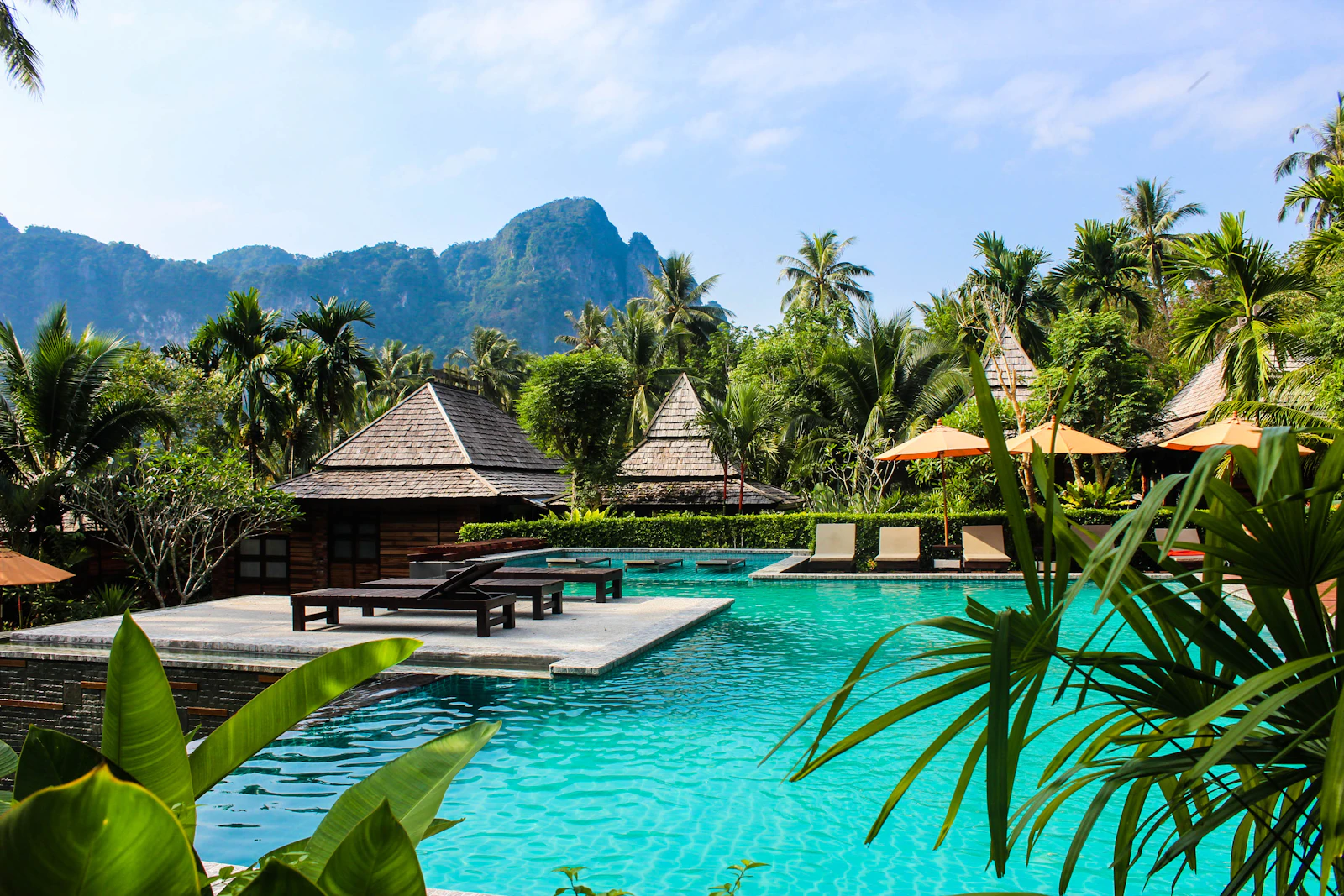
Undervalued and cheap. Langkawi, off the west coast near Thailand, is the duty-free resort island with the cable car, the mangroves and the Datai and Four Seasons at the top end — best December to February. The east-coast islands — the Perhentians for snorkelling from the beach, Redang for resorts, Tioman for jungle and reefs — are best from March to September and closed by the north-east monsoon from November to February. Sipadan, off Sabah in Borneo, is one of the world’s five great dive sites (permits capped at 178 a day; stay on Mabul or Kapalai) and the Tunku Abdul Rahman islands off Kota Kinabalu are the easy day trip. Malaysia’s beaches lack Thailand’s scenery and the Philippines’ sand, and compensate with value and quiet.
Sri Lanka and the Maldives
Sri Lanka’s south coast — Unawatuna, Mirissa (whale-watching from November to April), Tangalle, Hiriketiya for surf — is the beach week at the end of the cultural loop, best December to April with the colonial fort of Galle as the base. The east coast — Trincomalee, Nilaveli, Arugam Bay for surf — is the other half of the year. The Maldives, 90 minutes from Colombo, is a different proposition: one resort, one island, the water outside the villa, and nothing else to do, which is the point. November to April is dry; May to October is cheaper, wetter and still fine for a week. Prices run from AUD 400 a night on a local island with a guesthouse to AUD 5,000 at the famous names, and the reef quality of the resort matters more than its star rating. The India and South Asia guide covers both.
Japan and Taiwan
Neither is a beach country in the Australian sense and both have beaches worth knowing. Okinawa and its outer islands — the Keramas for the clearest water within reach of Naha, Ishigaki and Taketomi for a proper island week, Miyako for the sand — have coral reefs, manta rays and a Ryukyu culture unlike the rest of Japan, from April to October with typhoon risk from July. Taiwan’s Kenting at the southern tip has surf and snorkelling from April to October; the Penghu islands and Green Island are the quiet alternatives. Both work as the beach at the end of a city trip rather than as the reason for the flight.
Cambodia’s coast
Koh Rong and Koh Rong Samloem, an hour by ferry from Sihanoukville, are the undeveloped islands with bioluminescent plankton and the best beaches in the country; Kep is the crab town with the colonial ruins; Kampot the river town with the pepper farms. Best November to March, cheap, basic, and a good four days after Angkor for people who want a beach without a resort. Sihanoukville itself has been transformed by casino development and is a port, not a destination.
Indonesia beyond Bali
Bali is one island of 17,000 and the beaches get better as you go east. Komodo National Park, reached from Labuan Bajo on Flores by a direct flight from Bali, has Pink Beach, the Padar Island viewpoint, manta rays at Manta Point and some of the richest reefs in Asia, seen best from a two- to four-night liveaboard. Raja Ampat, off West Papua, is the most biodiverse marine environment on earth and a serious trip: a week, a liveaboard or an eco-resort, and a budget to match. Sumba has the surf resorts and the empty beaches; the Togean Islands in Sulawesi and the Banda Islands in Maluku are for people who have done everything else. Java’s south coast has surf at Pacitan and Batu Karas. All follow Bali’s dry season, May to September, with Raja Ampat best from October to April. The Indonesia travel guide covers the islands beyond the one everyone knows.
The beach by month
January–March: the Andaman, the Philippines, Vietnam’s south, Sri Lanka’s south, the Maldives, Langkawi, Cambodia. April: all of those plus Vietnam’s centre and the Gulf; the transition month when almost everything is open. May: Bali begins, the Gulf, Vietnam’s centre, Malaysia’s east, Okinawa, the Andaman’s last days. June–August: Bali and the Gilis, Samui, Malaysia’s east, Vietnam’s centre, Sri Lanka’s east, Okinawa, Borneo. September: Bali (quieter), the Gulf, Borneo. October: Bali’s last dry weeks, Okinawa, the transition back; Vietnam’s centre floods. November: the Andaman reopens, the Philippines begins, Sri Lanka’s south, the Maldives; the Gulf is at its wettest. December: the Andaman, the Philippines, Vietnam’s south, Cambodia, Sri Lanka, the Maldives, Langkawi — and Christmas prices on all of them.
By what you want from the water
Snorkelling and diving
The Similans and Koh Tao (Thailand), Sipadan (Borneo), Komodo and Raja Ampat (Indonesia), Tubbataha and Coron (Philippines), the Keramas (Okinawa), the Maldives’ house reefs, the Gilis and Amed (Bali), the Perhentians (Malaysia). Komodo and Raja Ampat are liveaboard trips of a week; the rest work from a beach.
Surf
Bali’s Bukit (Uluwatu, Padang Padang, Bingin) and Canggu, Kuta Lombok, Siargao’s Cloud 9, Sri Lanka’s Arugam Bay (east, May–September) and Hiriketiya (south, November–April), Taiwan’s Kenting, Japan’s Shonan and Chiba coasts. Bali’s dry season is its best surf season, which is convenient.
Families
Nusa Dua and Sanur (Bali), Kata and Karon (Phuket), Khao Lak, Koh Lanta, Koh Samui, Hua Hin, Langkawi, Da Nang, Bohol’s Panglao, Sri Lanka’s south. Calm water, resort infrastructure, kids’ clubs, a hospital within an hour.
Couples
Gili Air or Meno, Koh Yao Noi, Koh Kood, Koh Lipe, Con Dao, El Nido’s island resorts, the Maldives, Tangalle, Taketomi. Small, quiet, and a boat between you and the mainland.
Nightlife
Seminyak and Canggu, Patong, Phi Phi, Haad Rin on a full moon, Boracay, Gili Trawangan. Everywhere else is early to bed.
Silence
Koh Kood, Koh Rong Samloem, Gili Meno, Con Dao, Siquijor, Port Barton, Tioman, the Maldives’ local islands, Kep. No airport, no strip, not much Wi-Fi.

Practical notes for the water
Safety
Rips kill more Australians in Asia than anything but roads. Bali’s west coast, Phuket’s west coast in monsoon, and any beach with a red flag are the specific dangers; most beaches have no lifeguards and the ones that do are patrolling a fraction of the sand. Swim between flags where they exist, near others where they do not, never at night and never after drinking. Sea urchins, stonefish and jellyfish are real and reef shoes and a rash vest solve most of it; box jellyfish occur in Thai and Malaysian waters in the wet season. Sun is fiercer than at home for the latitude; Australians know this and still burn on day one.
Boats
Fast-boat and longtail safety is uneven across the region. Use the operators your hotel recommends, check for life jackets before boarding, and in rough season ask whether the crossing is actually running before you commit the day. The Bali–Gili and Krabi–Phi Phi crossings are the ones where this matters most.
Reef care
Reef-safe sunscreen (mineral, oxybenzone-free) is required by law in Palau and Hawaii and by decency everywhere; do not stand on or touch coral; do not feed fish; do not chase turtles; choose operators who anchor on buoys. Maya Bay, Boracay and Koh Tachai have all been closed for recovery in the past decade, and the beaches that stay open are the ones visitors treat well.
What to pack
Reef shoes, a rash vest, a hat that survives a boat, mineral sunscreen (harder to buy locally than you expect), a dry bag for the longtail, a sarong for temples and boat decks, and motion-sickness tablets for the fast boats. Snorkelling gear is rentable everywhere but a mask that fits is worth carrying. Leave the drone at home unless you have checked the rules; most of the region’s marine parks prohibit them. Cash for island guesthouses and boat operators, who rarely take cards; an ATM on an island is not guaranteed.
Insurance
Standard policies cover snorkelling; diving needs to be named, and some insurers cap the depth; surfing and jet-skis are excluded on many policies unless added. Motorbikes, which are how people get around every island in the region, require a motorcycle licence at home and a helmet for the policy to pay. Medical evacuation from an outer island to Bangkok, Singapore or Denpasar is the scenario the policy exists for; check it is included, and that the policy’s emergency line answers at three in the morning Australian time, because that is when the boat will be needed.
Tides and timing
The Andaman and the Gulf both have tidal ranges of two metres or more, and a beach that is white sand at ten in the morning can be a mudflat at four. Railay’s Phra Nang, the Krabi Four Islands sandbar and half of Bali’s east coast are tide-dependent; ask the hotel for the tide table on arrival and plan the boat day around the high water. Sunrise is the best hour on every east-facing beach in the region and the only cool one.
Costs
Beach resorts in Thailand, Bali, Vietnam and Malaysia run AUD 150–350 a night mid-range and AUD 400–800 at the top, with the Australian and Christmas holidays adding 30–50 per cent. The Philippines is similar with fewer luxury options outside Palawan and Boracay. The Maldives starts at AUD 400 and has no ceiling. Boat trips are AUD 30–90 a person for a day, dive courses AUD 400–550, private charters AUD 300–800. A villa with a pool and staff in Bali or Phuket for a family is often cheaper than two hotel rooms. The where to stay in Asia page covers the accommodation types.
Combining the beach with the trip
Most Asian beach weeks are the second half of something: Bangkok and Chiang Mai then Krabi; Hanoi to Saigon then Phu Quoc; Angkor then Koh Rong; Ubud then the Bukit; Colombo and the tea country then Mirissa; Tokyo and Kyoto then Okinawa. The rule is culture first and beach last, so the trip winds down rather than up, and the flights home leave from the coast’s airport. The Asia itineraries page has the routes; the things to do in Asia page has the rest.
Frequently asked questions
What is the best beach destination in Asia?
For scenery, Thailand’s Andaman coast and the Philippines’ Palawan; for sand and water, the Philippines and the Maldives; for ease from Australia, Bali. The right answer depends on the month: each is perfect for about five months a year.
Which Asian beaches are good in June, July and August?
Bali and the Gilis, Thailand’s Gulf islands (Koh Samui, Phangan, Tao), Malaysia’s east coast (Perhentians, Redang, Tioman), Vietnam’s centre (Da Nang, Hoi An), Sri Lanka’s east coast, Okinawa and Borneo. Not the Andaman coast, Cambodia or the Philippines.
Which Asian beaches are good in December and January?
Thailand’s Andaman (Phuket, Krabi, Phi Phi, Khao Lak), the Philippines, Vietnam’s south (Phu Quoc), Cambodia’s coast, Malaysia’s west (Langkawi), Sri Lanka’s south and the Maldives. Bali and Thailand’s Gulf are wet.
Is Bali safe for swimming?
It depends on the coast. The west-coast surf beaches (Kuta, Seminyak, Canggu) have strong rips and drownings every year; the reef-protected east and south (Sanur, Nusa Dua, Jimbaran) are calm. Swim between flags where they exist and choose the coast for who is in the water.
Phuket or Krabi?
Phuket for the airport, the choice of beaches, the nightlife and the family resorts; Krabi for the scenery, Railay and a quieter coast. They are two hours apart by road and the same season (November–April); many trips do both.
Where is the best snorkelling in Asia?
From a beach: the Gilis and Amed (Bali), the Perhentians (Malaysia), the Keramas (Okinawa), the Maldives’ house reefs, Koh Tao. By boat: the Similans, Sipadan, Coron. By liveaboard: Komodo and Raja Ampat.
Is the Philippines worth the extra flight?
Yes, for beaches specifically: Palawan and the Visayas have the best sand and water in Asia, English is spoken everywhere, and prices are moderate. Go December to May and avoid the July–October typhoon season.
How much does a beach week in Asia cost?
Mid-range resorts run AUD 150–350 a night in Thailand, Bali, Vietnam and Malaysia, more in the Australian and Christmas school holidays. A week for two including flights from the east coast is roughly AUD 3,500–6,000; the Maldives is at least double.
Where this leads
Travel guide informs; things to do helps you choose; tours convert.