 Travel guide
Where to Eat in Japan: A Practical Dining Guide
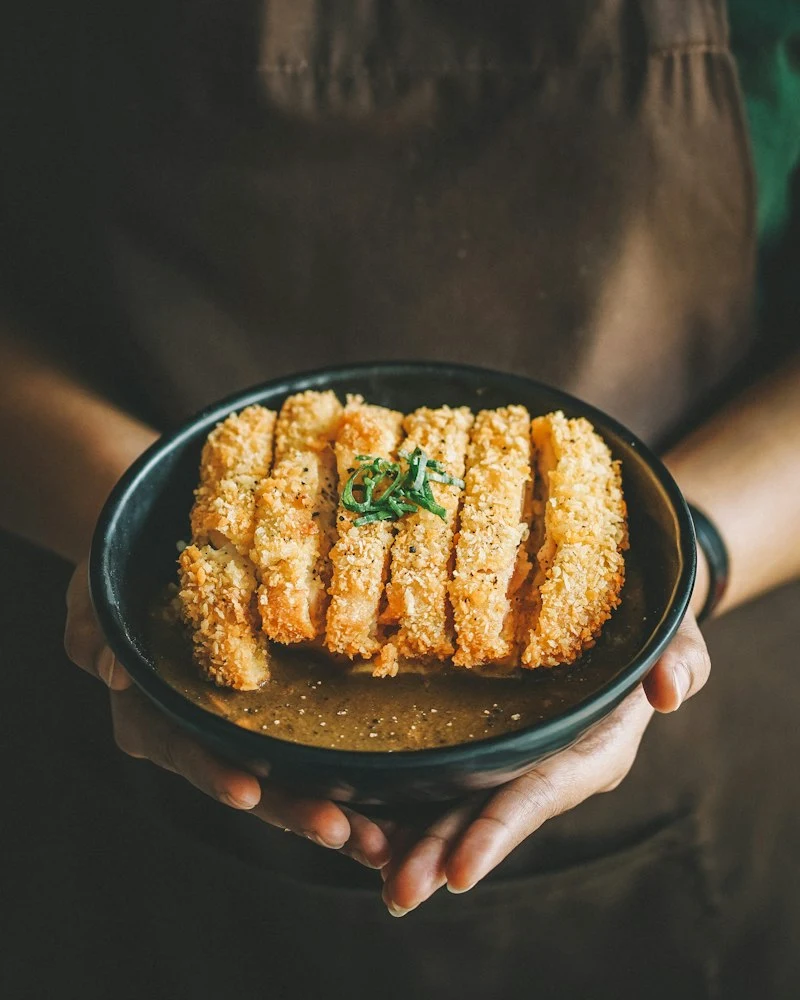
Choose neighbourhoods, markets and meal styles, manage reservations and dietary needs, and enjoy Japan beyond the famous restaurant lists.
Explore Where to Eat in Japan →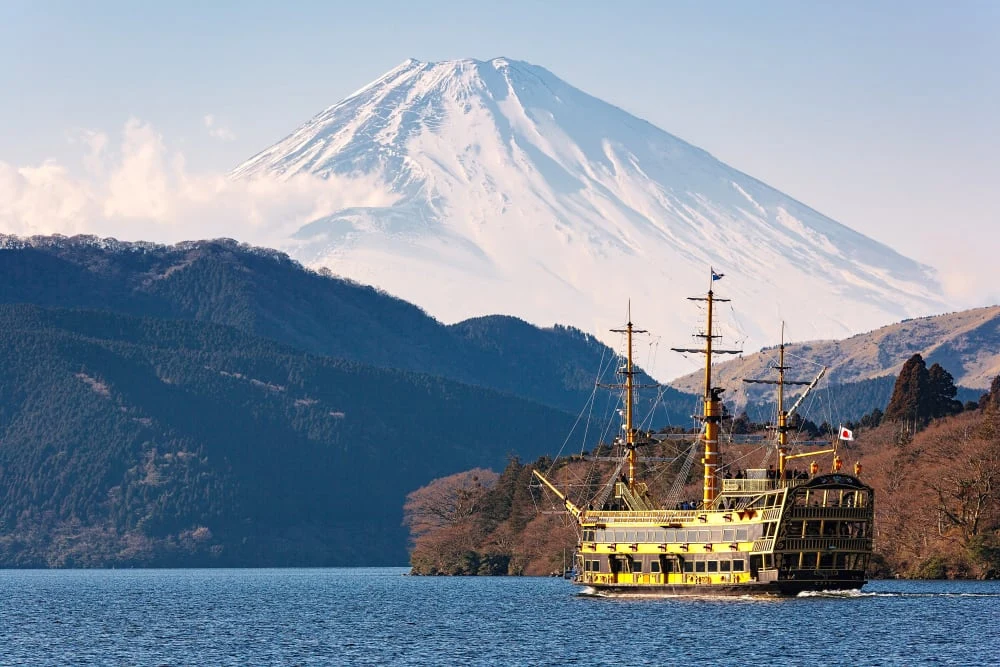
Choose a ryokan, build a realistic sightseeing day and understand why Hakone is rewarding even when Mount Fuji stays behind cloud.
Lake Ashi sightseeing boat with Mount Fuji beyond · Photography source
Hakone can be an art-and-scenery day trip, a hot-spring overnight or a slower two-night break. These are different holidays. If the ryokan and dinner are the priority, protect the arrival time instead of trying to complete every train, cable car, ropeway, boat and bus segment first. For a first visit between Tokyo and Kyoto, one night is possible but two nights give more breathing room.
Hakone is not a single compact town. Hakone-Yumoto, Gora, Sengokuhara and the Lake Ashi area have different transport patterns. Pick accommodation using its exact location, meal times and access needs. A low room rate can lose its appeal if it adds a difficult bus transfer with large luggage.
From Tokyo, compare the route via Odawara with the route towards Hakone-Yumoto. The best option depends on your starting neighbourhood, ticket and intended first stop. Limited-express services can require an additional reservation or fare beyond a basic ticket. Check current transport information before buying a sightseeing pass.
If continuing to Kyoto, Odawara is a common connection point for the Shinkansen, but not every service stops there. Build the connection around the train you can actually use. Forwarding the main suitcase past Hakone may help, provided the receiving hotel agrees and delivery timing is confirmed. Keep an overnight bag with essentials.
Hakone’s familiar circuit can involve mountain rail, a cable car, a ropeway, a Lake Ashi boat and a bus. Weather, queues and maintenance can interrupt individual sections. A pass may offer useful coverage, but verify exactly what is included and whether the planned services are operating.
Treat the circuit as a menu. You might visit the Open-Air Museum and continue towards Gora, or spend time around Lake Ashi and the shrine. Trying to add several museums and a complete circuit before an early dinner is often unrealistic. If a segment closes, choose a worthwhile local alternative instead of spending the day chasing replacement transport.
Owakudani’s volcanic setting is striking, but access depends on current conditions and official restrictions. Follow notices and any health-related guidance from the operator. The area is not simply an unrestricted walking landscape; keep to permitted routes and do not interpret an old itinerary as confirmation of access.
Lake Ashi offers boat journeys and lakeside views. A Mount Fuji sighting depends on cloud, light and your position; no tour date can guarantee it. If the mountain is hidden, the lake, forest and museums can still justify the visit. Check the final boat or bus departure before lingering late in the afternoon.
The Hakone Open-Air Museum is a strong choice for visitors who enjoy sculpture and landscape, although much of the experience is outdoors. Other museums in the wider area can suit different interests. Check the current exhibitions, closure days and transport from your accommodation before choosing.
A wet day does not need to become a disappointing attempt at every viewpoint. Allow a museum visit, a relaxed lunch and more time at the inn. In severe weather, transport disruption is the greater issue: monitor official updates and leave space in the onward plan, especially if an international flight follows soon afterwards.
Confirm whether dinner and breakfast are included, the required check-in time, the sleeping arrangement and the bath type. A room with a bath is not necessarily a room with a private hot spring. Traditional futons, floor seating and bathroom thresholds may matter for travellers with knee, back or mobility needs.
Ask about tattoo rules and private-bath options in advance. Wash before entering a communal bath and follow the property’s instructions. Do not assume children can use every facility or that dietary changes can be arranged on arrival. A clear written response before booking is more useful than a general promise that the inn is accommodating.
For one night, leave Tokyo in the morning, choose one main museum or scenic area, then reach the ryokan comfortably before dinner. The next morning, enjoy breakfast and one nearby stop if time allows before continuing west. This gives the overnight stay room to be an experience rather than a bed between transfers.
For two nights, keep the full middle day for a weather-dependent circuit or selected sights. You can swap indoor and outdoor plans more easily and avoid packing immediately after breakfast. Travellers seeking the classic close-up Mount Fuji lake scenery should also compare the Fuji Five Lakes area: it is a different destination, not another stop to casually add to a Hakone day.
Travel guideChoose neighbourhoods, markets and meal styles, manage reservations and dietary needs, and enjoy Japan beyond the famous restaurant lists.
Explore Where to Eat in Japan →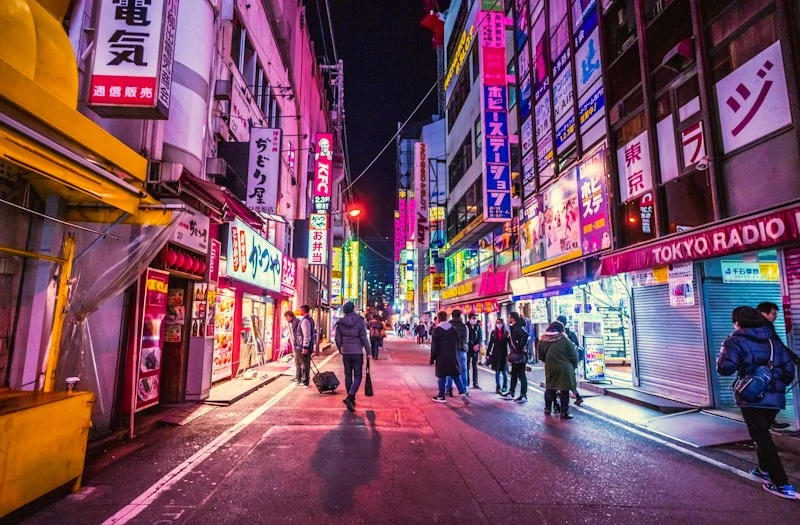 Travel guide
Plan airport transfers, Shinkansen journeys, city transport and luggage without buying a pass before you know your route.
Explore Getting Around Japan →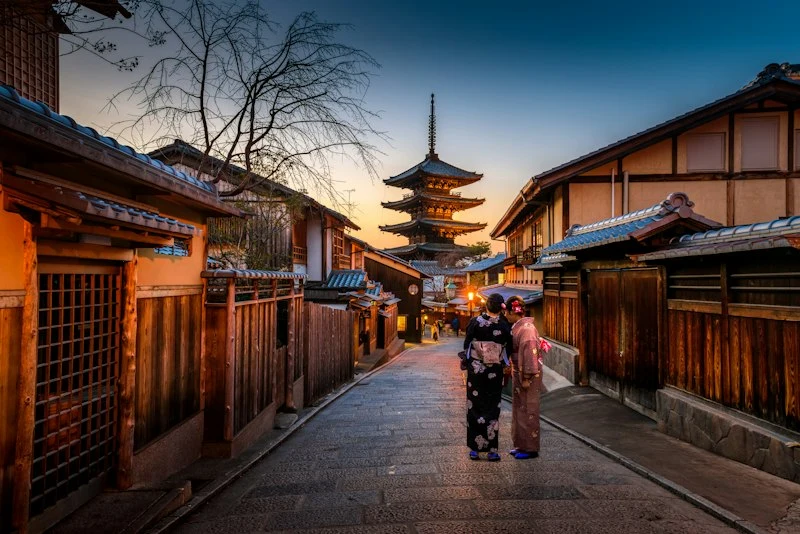 Travel guide
Match your hotels to the journey: Tokyo neighbourhoods, Kyoto or Osaka, mountain towns and a route with fewer changes.
Explore Where to Stay in Japan → Tours & itineraries
Compare classic, slower-paced, seasonal, family, Alps, hot-spring, Kyushu and golf travel ideas before shaping your own trip.
Explore Japan Tours & Itineraries for Australians →Reviewed 12 November 2026. Check current fares, entry conditions, opening arrangements and booking terms for your actual dates. Any older indicative budget figures retained in the detailed guides are planning examples, not live quotes.
Your Japan, thoughtfully planned
Tell us your dates, group size, preferred pace and interests. Include dietary, bedding and access needs so we can discuss suitable options and confirm what can be arranged.
Keep exploring
Build your next journey with practical destination guides across Australia, New Zealand and the world.
Explore Tokyo · Explore Kyoto · Explore Osaka · Explore Taiwan