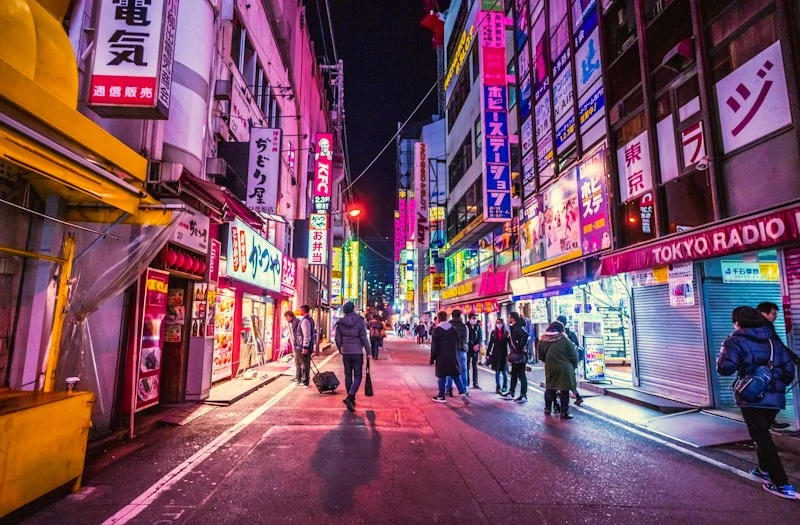
 Travel guide
Getting Around Japan: Rail, Airports & Local Travel
Plan airport transfers, Shinkansen journeys, city transport and luggage without buying a pass before you know your route.
Explore Getting Around Japan →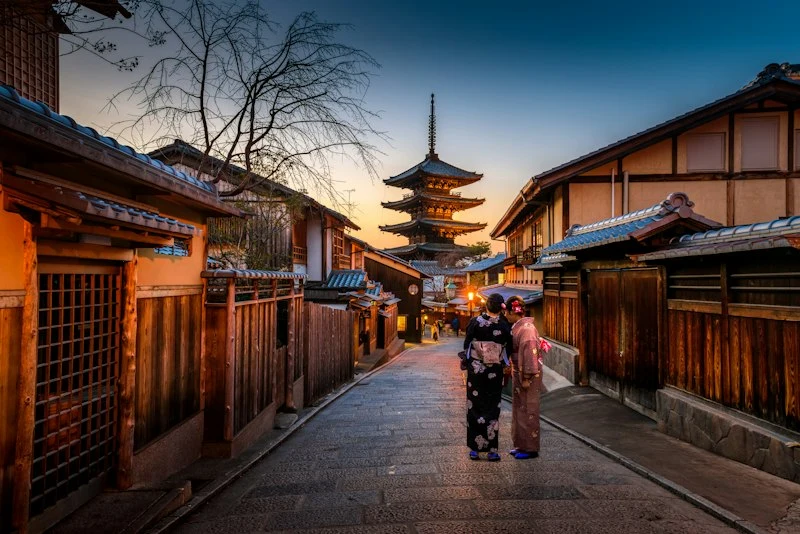
Understand room types, meal plans, traditional inns, family accommodation and the questions to ask before booking.
Traditional Kyoto street with Yasaka Pagoda · Photography source
Japan accommodation ranges from compact city hotels to spacious apartments and traditional inns where dinner is central to the stay. A sensible first trip might combine a practical city room with one ryokan night. Use the where-to-stay guide to choose the district, then compare the actual room and meal plan. A star rating alone does not tell you how comfortably your party will sleep.
Read the room description for your booked category. Photographs may show a larger suite, a renovated floor or a public bath that is not attached to the room. Room area, bed configuration and bathroom arrangements are more useful than a hotel’s most attractive image. If a bath is important, establish whether it is hot-spring water, an ordinary bath, shared or private.
Business hotels can be convenient and good value, especially near stations. Expect efficient use of space rather than a large Australian-style room. Check whether two suitcases can open, where luggage can be stored and whether the bed is accessible from both sides. A semi-double is not equivalent to a spacious twin room.
Full-service hotels may offer larger rooms, concierge help and more dining choices, but those benefits vary. A lounge, pool or breakfast restaurant can have separate charges, age restrictions or operating hours. When arriving after an overnight flight, reserve early check-in only if confirmed; otherwise plan luggage storage and a gentle first afternoon.
A ryokan stay often revolves around arrival, bathing, a scheduled dinner and breakfast. Some rooms have futons laid on tatami; others have Western beds. Public bathing facilities may be separated by gender and have rules on clothing, tattoos and children. Ask the individual property rather than relying on a general description of Japanese inns.
Book the meal plan you want. Room-only, breakfast-only and dinner-and-breakfast rates can differ substantially. In a remote location, arriving without a dinner booking may leave few alternatives. Tell the inn about dietary requirements before payment and obtain a clear response; a complex seasonal menu may not be adaptable at short notice.
Arrive with time to settle in. Combining a full Tokyo morning, the entire Hakone transport circuit and an early ryokan dinner creates avoidable pressure. Check the latest permitted arrival time and contact procedure if delayed. Shoes are removed where requested; do not roll outdoor luggage across tatami without asking how the inn wants it handled.
A reservable family bath or a room with a private bath may suit travellers who prefer privacy. Establish whether the booking guarantees a time slot, whether extra payment applies, and whether the bath is indoors or exposed to cold weather. A private bath is not automatically accessible: steps, low seating and high tub edges can still be obstacles.
Ask about tattoo rules directly. Policies differ between properties and between communal and private facilities. A tattoo-friendly statement from an old review may no longer describe the current rule. For mobility needs, request measurements or photographs of the entrance, bathroom threshold and shower. Traditional buildings may have no lift or handrails, and a room described as barrier-free can still require a difficult approach from the street.
Apartment hotels can make a family trip easier through extra floor space, laundry and simple meal preparation. Confirm that the kitchen has the equipment you need; a microwave and kettle do not mean a full kitchen. Check housekeeping frequency, rubbish arrangements and reception hours. A reception desk is particularly useful when arranging luggage delivery.
Children’s policies vary by age, bedding and meal plan. A child sharing a bed may be free in one rate and charged in another, while a ryokan may distinguish a child’s meal from an adult menu. Enter every traveller’s age when booking. Do not reserve a room for two and assume a third person can join on arrival.
A minshuku can offer a small-scale stay with local hospitality, sometimes with shared bathrooms and set meal times. A restored machiya townhouse can suit a group wanting space, but steep stairs, sound transmission and limited heating in some areas may affect comfort. Check whether it is a staffed inn or a self-check-in rental.
Capsule hotels suit particular short stays, not every couple or family holiday. Shared facilities, separate sleeping areas, locker size and checkout rules need attention. For a first trip with substantial luggage, compare the practical compromises against a small private hotel room rather than choosing on price alone.
Look for breakfast, service charges, accommodation tax, bathing tax where applicable, parking and extra-person fees. Check whether the displayed price is per room or per person; ryokan plans frequently price by occupancy and meal arrangement. Exchange rates and card fees can change the final Australian-dollar cost.
Read cancellation conditions for each night, especially blossom season, autumn weekends and public holidays. Keep written confirmation of accessibility arrangements, meal requests and bed setup. Before departure, save the property name and address in Japanese, a contact number and directions from the correct station exit. These small preparations make arrival much easier when tired or offline.
Travel guidePlan airport transfers, Shinkansen journeys, city transport and luggage without buying a pass before you know your route.
Explore Getting Around Japan →Travel guideMatch your hotels to the journey: Tokyo neighbourhoods, Kyoto or Osaka, mountain towns and a route with fewer changes.
Explore Where to Stay in Japan →Travel journalHow much a Japan trip costs from Australia in 2026 — flights, hotels, ryokan, Shinkansen and the JR Pass question, food, sightseeing and three sample ten-day budgets in AUD.
Explore Japan Travel Costs →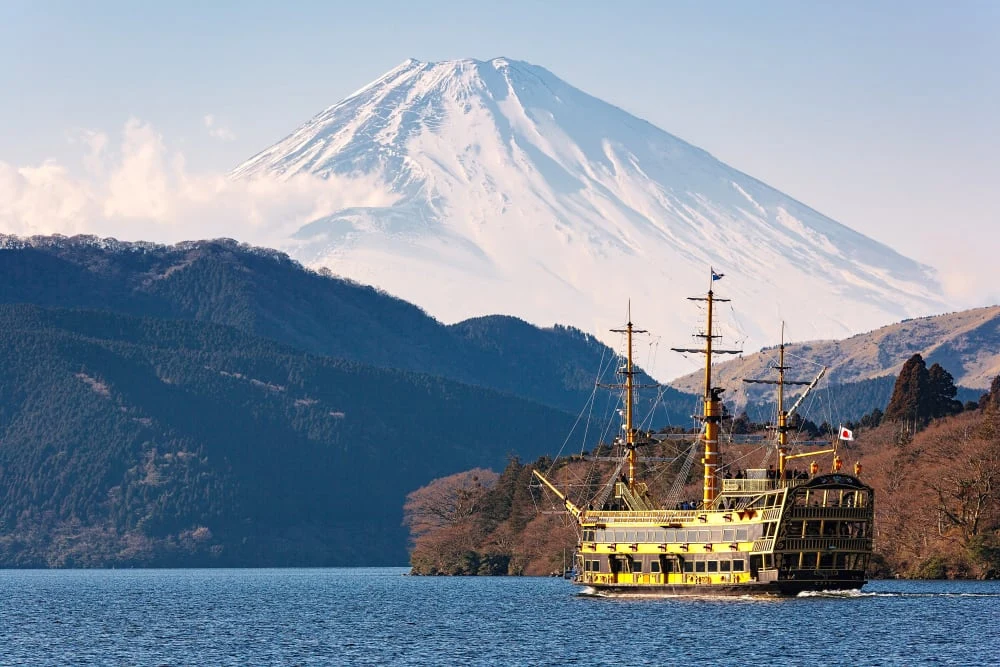 Tours & itineraries
Four nights in Tokyo, one in Hakone, four in Kyoto and one in Osaka: a proposed first-visit route with room to tailor the details.
Explore Classic Japan →Reviewed 12 November 2026. Check current fares, entry conditions, opening arrangements and booking terms for your actual dates. Any older indicative budget figures retained in the detailed guides are planning examples, not live quotes.
Your Japan, thoughtfully planned
Tell us your dates, group size, preferred pace and interests. Include dietary, bedding and access needs so we can discuss suitable options and confirm what can be arranged.
Keep exploring
Build your next journey with practical destination guides across Australia, New Zealand and the world.
Explore Tokyo · Explore Kyoto · Explore Osaka · Explore Taiwan