 Travel guide
Where to Stay in Japan: Choose Your Bases
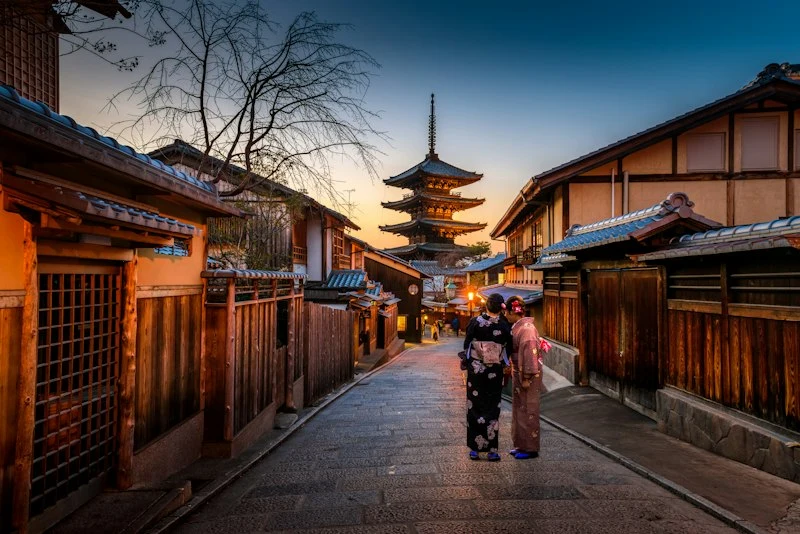
Match your hotels to the journey: Tokyo neighbourhoods, Kyoto or Osaka, mountain towns and a route with fewer changes.
Explore Where to Stay in Japan →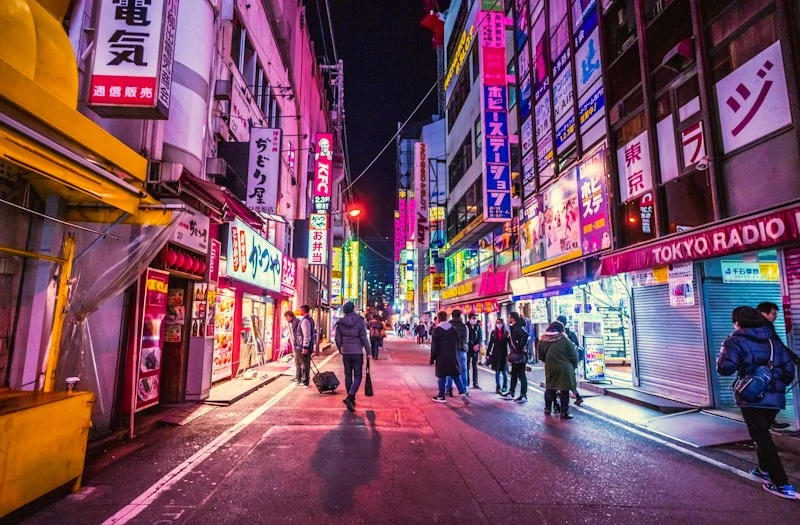
Plan airport transfers, Shinkansen journeys, city transport and luggage without buying a pass before you know your route.
Neon-lit shopping street in Japan · Photography source
Write down your overnight bases, then list the journeys between them. Separate intercity trains from urban transport, airport transfers and excursions. A national rail pass covers only eligible services; it does not replace every ticket you will need. Compare the exact route against individual tickets and regional passes, including any required supplements.
Keep the first day simple. Immigration, baggage collection, finding the transport counter and reaching a hotel take time beyond the flight schedule. Avoid a non-refundable long-distance connection shortly after an international arrival. If travelling onwards the same day, allow a generous buffer and understand what happens if your flight is late.
Choose the airport service using your hotel’s station and the amount of luggage. Haneda has rail, monorail and bus options; Narita has several rail and bus routes with different city terminals. A transfer that looks fast on a map may involve a long station walk or another crowded train. Compare the whole door-to-door journey.
For a late arrival, check the final service for your exact date and terminal. A taxi may be practical for a group from some airports but expensive over a long distance. Do not assume your arrival airport and departure airport are the same. Save the airport name, terminal and airline in the final-day plan.
Tokyo, Shinagawa, Kyoto and Shin-Osaka serve the main Tokyo–Kansai corridor. Osaka Station and Shin-Osaka are different stations. Allow time to reach the correct platform, buy food if wanted and find your carriage. Reserved seats are useful for families, groups and travellers with particular luggage needs.
A Shinkansen journey normally involves the appropriate basic fare and express entitlement, whether combined in one product or handled through an online system. Follow the instructions for the booking method you actually use. A city IC card is not automatically a valid Shinkansen booking. Screenshot or save collection instructions before arriving at the station.
The national JR Pass does not include unrestricted Nozomi or Mizuho use: a special additional ticket is required for those services. Check the official conditions when comparing faster journeys against other eligible trains. Do not schedule a connection around the fastest train on a journey planner if your ticket does not cover it.
As reviewed in November 2026, adult ordinary national passes bought through the official online service cost ¥50,000, ¥80,000 and ¥100,000 for 7, 14 and 21 days. Overseas agency exchange-order prices are ¥53,000, ¥84,000 and ¥105,000. This distinction matters: the October agency change was not a universal online price rise.
A one-way Tokyo–Kyoto–Osaka holiday should not automatically include a national pass. More long-distance journeys within the pass window may change the result. Regional products can suit a concentrated itinerary, but eligibility, route limits and train coverage differ. Our JR Pass article explains a comparison method rather than promising that one pass always wins.
Suica, PASMO and ICOCA are examples of transport IC cards used for many local journeys and purchases. Interoperability does not mean every rural bus, railway or interregional journey is covered. Check whether a physical card or supported mobile version works with your device and payment setup, and keep some cash as a backup.
Tap in and out where required and watch the remaining balance. Each person generally needs their own transport entitlement; child products have separate procedures. If a gate rejects the card, ask station staff instead of repeatedly tapping. Do not assume a phone wallet can be set up with every overseas card at the last minute.
In Kyoto, combine rail, subway, walking and occasional taxis to avoid spending the day on congested buses. Group attractions geographically: eastern Kyoto, Arashiyama and the north-west are separate outings. In Osaka, identify the correct railway company and station for Nara, Kyoto or Kansai Airport; similarly named stations may be connected by a walk rather than sharing a platform.
For Kanazawa to Kyoto or Osaka, travel by Hokuriku Shinkansen to Tsuruga and change to the Thunderbird limited express. The old direct Kanazawa–Kyoto Thunderbird description is out of date. Takayama can connect towards Nagoya by the Hida limited express; Shirakawa-go usually needs a bus leg. Reserve popular mountain buses rather than assuming a rail pass secures a seat.
On the Tokaido, Sanyo and Kyushu Shinkansen, luggage with combined height, width and depth over 160 cm and up to 250 cm requires the relevant oversized-baggage seat reservation. Check the operator’s rules for unusual equipment and other lines. Keep aisles and doors clear; overhead storage is not a good solution if you cannot lift the bag safely.
Luggage forwarding can reduce difficult station changes, but delivery takes time and hotel acceptance must be confirmed. Keep medicines, documents, valuables and enough clothing with you. For step-free travel, ask about the whole route: station lift exits, platform assistance, hotel approaches and the final local bus. A technically accessible station does not guarantee a short or effortless transfer.
City holidays rarely need a hire car. Rural Hokkaido, parts of Kyushu and remote mountain areas may benefit from one, but compare parking, tolls, winter conditions and one-way fees. Confirm licence and permit requirements with the official authorities and rental provider before booking. Do not treat a scenic summer driving time as a winter guarantee.
Allow flexibility around snow, typhoons and heavy rain. Keep your final international departure accessible from the preceding night’s accommodation and monitor the operator’s service notices. A less crowded itinerary with one sensible buffer often works better than a chain of tightly timed connections.
Travel guideMatch your hotels to the journey: Tokyo neighbourhoods, Kyoto or Osaka, mountain towns and a route with fewer changes.
Explore Where to Stay in Japan →Travel journalHow much a Japan trip costs from Australia in 2026 — flights, hotels, ryokan, Shinkansen and the JR Pass question, food, sightseeing and three sample ten-day budgets in AUD.
Explore Japan Travel Costs →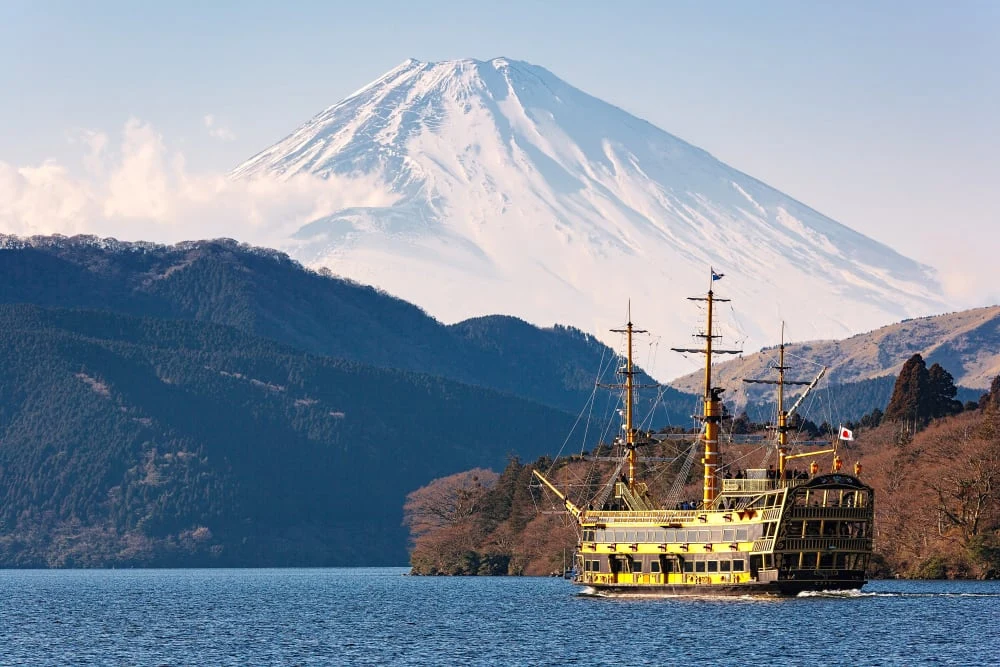 Tours & itineraries
Four nights in Tokyo, one in Hakone, four in Kyoto and one in Osaka: a proposed first-visit route with room to tailor the details.
Explore Classic Japan →Reviewed 12 November 2026. Check current fares, entry conditions, opening arrangements and booking terms for your actual dates. Any older indicative budget figures retained in the detailed guides are planning examples, not live quotes.
Your Japan, thoughtfully planned
Tell us your dates, group size, preferred pace and interests. Include dietary, bedding and access needs so we can discuss suitable options and confirm what can be arranged.
Keep exploring
Build your next journey with practical destination guides across Australia, New Zealand and the world.
Explore Tokyo · Explore Kyoto · Explore Osaka · Explore Taiwan