 Travel guide
Getting Around Japan: Rail, Airports & Local Travel
Plan airport transfers, Shinkansen journeys, city transport and luggage without buying a pass before you know your route.
Explore Getting Around Japan →Compare the real cost of your route, the purchase channel, regional passes and train supplements before choosing a Japan Rail Pass.
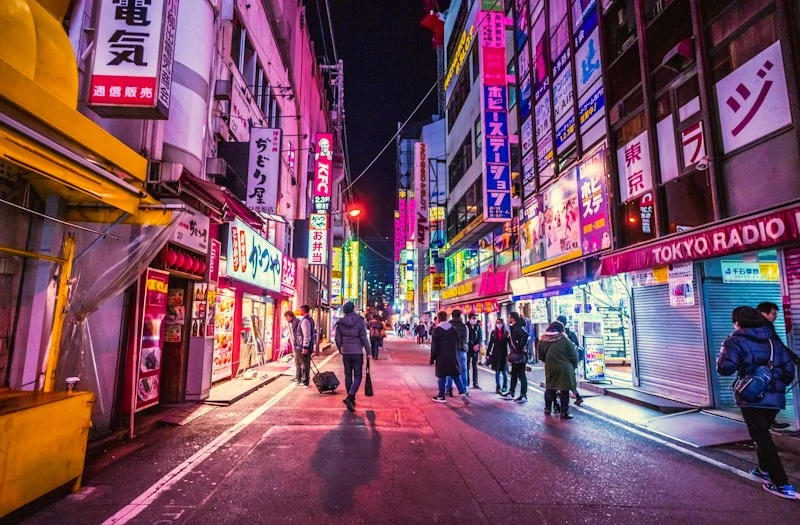
Neon-lit shopping street in Japan · Photography source
The national Japan Rail Pass can be useful for a concentrated series of eligible long-distance journeys, but it should not be added automatically to every Japan holiday. A one-way Tokyo–Kyoto–Osaka route has a different calculation from a return trip with Hiroshima and additional long journeys. Start with the places you actually want to visit, then compare tickets. Do not add travel simply to make a pass appear worthwhile.
The comparison needs the same dates, class, routes and reservation assumptions on both sides. Include airport and local services only when they are genuinely covered and you intend to use them. A theoretical maximum saving is not the same as the saving on your holiday.
Reviewed in November 2026, the official online purchase service lists adult ordinary passes at ¥50,000 for 7 days, ¥80,000 for 14 days and ¥100,000 for 21 days. Overseas JR-designated agency exchange orders are ¥53,000, ¥84,000 and ¥105,000 respectively. The agency prices changed from 1 October 2026; the official online prices were unchanged in that revision.
Check the official price page before purchase. Overseas prices in Australian dollars depend on conversion and selling arrangements, so compare the final amount charged rather than applying a convenient old exchange rate. Green Car products have their own prices and should be compared with the class you would otherwise buy. Children’s eligibility and prices also need to be checked for the purchase and travel dates.
List each intercity leg with the date, departure station, destination, preferred train and seating class. Obtain current individual-ticket prices through official railway booking information. Add the eligible journeys falling inside each possible pass period, then add any supplements and uncovered transport to the pass side of the calculation.
Separate necessary journeys from optional day trips. If a saving depends on taking three excursions you may not want, the pass is buying an obligation as much as flexibility. Leave ordinary food and attraction spending out of the rail comparison, and do not count a hotel saving unless the pass genuinely changes the accommodation plan.
For an open-jaw holiday with one main Tokyo-to-Kansai rail journey, compare an individual Shinkansen ticket plus the local and airport transport actually needed. There is no return Tokyo journey to help offset the national pass price. An IC card can handle many everyday local trips, but it is a separate payment tool rather than a national rail pass.
The answer may change if you add long-distance excursions, yet a day in Nara or a short Kyoto–Osaka journey should not be treated as equivalent to another major Shinkansen leg. Obtain the actual fares before deciding. This route often makes individual tickets the first option worth pricing.
A return route with Hiroshima creates a stronger case for comparison because more long-distance travel may fit within a seven-day window. The dates matter: nights spent sightseeing can push the final journey outside the period. A longer pass costs more, and buying it solely to cover a last short transfer may be poor value.
Check the trains you want to use. Nozomi and Mizuho require a special additional ticket for national-pass holders; unrestricted access is not included in the pass itself. Compare eligible alternatives and the extra ticket cost against simply buying the preferred individual services.
A route through Kanazawa, Shirakawa-go and Takayama includes transport that is not all covered by the national pass. The mountain bus legs, local arrangements and chosen route back towards Kyoto need separate attention. Kanazawa to Kyoto now changes at Tsuruga between the Hokuriku Shinkansen and Thunderbird.
A regional pass may suit some versions of this journey, while individual tickets may suit others. Compare the complete route and eligibility rules rather than selecting a product because its name mentions the region. Confirm bus reservations independently where required; ticket coverage does not necessarily secure a seat.
Pass validity is measured in the consecutive calendar-day period specified by the product, not a bank of separate travel days. Read the activation rules and set the start date around the expensive covered journeys. Using the first day for a modest airport transfer can be poor value if it excludes a major journey at the end.
Purchase and exchange procedures differ by channel. Check the documentation, collection location and opening hours that apply to your booking. Make seat reservations for important services as soon as permitted, especially when the party needs seats together or an oversized-baggage arrangement. A pass is not a promise that your first-choice train has availability.
Green Car can offer a different seating environment, but it does not make the train arrive sooner or remove station transfers. Compare the upgrade against spending on a larger room, a useful taxi or an extra night. Some services and premium classes require separate conditions, so do not assume the word Green covers every train product.
On relevant Tokaido, Sanyo and Kyushu Shinkansen services, bags over 160 cm and up to 250 cm in combined dimensions need the appropriate oversized-baggage seat reservation. A rail pass does not remove this requirement. Regional passes have their own coverage and reservation rules; read the product conditions for the exact itinerary.
Buy the national pass when the eligible journeys you genuinely plan to take justify its total cost and the validity window fits. Choose individual tickets when the route is simple or flexibility in train choice is more valuable. Compare a regional product when travel is concentrated in one area, and retain an IC card or local tickets for uncovered city journeys.
Before paying, record the purchase channel, price, pass dates, uncovered journeys, supplements and cancellation conditions. Keep the comparison with your booking notes. The best result is a comfortable route at a sensible total cost, not a pass that looks impressive in isolation.
Travel guidePlan airport transfers, Shinkansen journeys, city transport and luggage without buying a pass before you know your route.
Explore Getting Around Japan →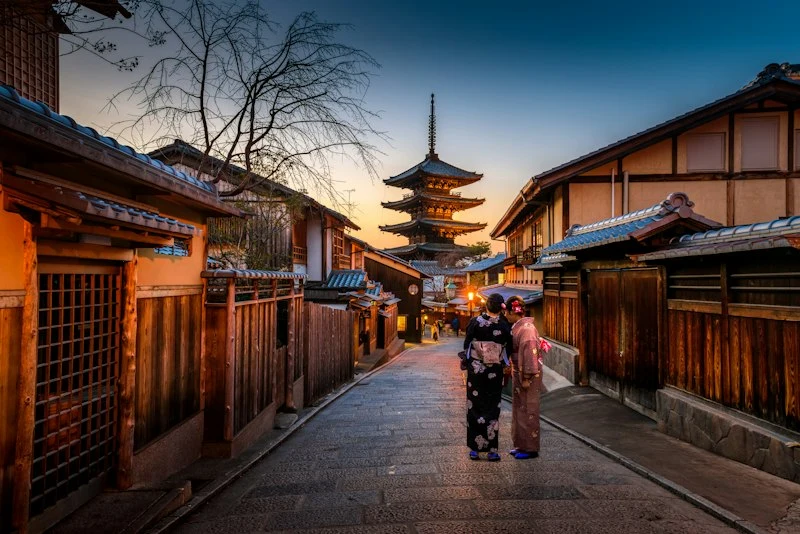 Travel guide
Match your hotels to the journey: Tokyo neighbourhoods, Kyoto or Osaka, mountain towns and a route with fewer changes.
Explore Where to Stay in Japan →Travel journalHow much a Japan trip costs from Australia in 2026 — flights, hotels, ryokan, Shinkansen and the JR Pass question, food, sightseeing and three sample ten-day budgets in AUD.
Explore Japan Travel Costs →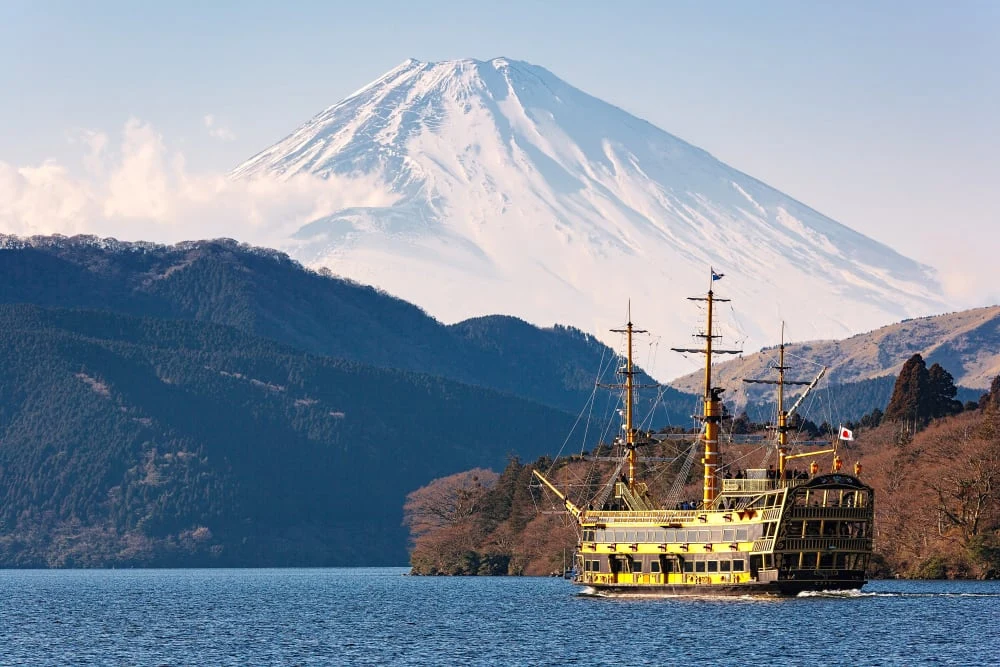 Tours & itineraries
Four nights in Tokyo, one in Hakone, four in Kyoto and one in Osaka: a proposed first-visit route with room to tailor the details.
Explore Classic Japan →Reviewed 12 November 2026. Check current fares, entry conditions, opening arrangements and booking terms for your actual dates. Any older indicative budget figures retained in the detailed guides are planning examples, not live quotes.
Your Japan, thoughtfully planned
Tell us your dates, group size, preferred pace and interests. Include dietary, bedding and access needs so we can discuss suitable options and confirm what can be arranged.
Keep exploring
Build your next journey with practical destination guides across Australia, New Zealand and the world.
Explore Tokyo · Explore Kyoto · Explore Osaka · Explore Taiwan