 Travel guide
Getting Around Japan: Rail, Airports & Local Travel
Plan airport transfers, Shinkansen journeys, city transport and luggage without buying a pass before you know your route.
Explore Getting Around Japan →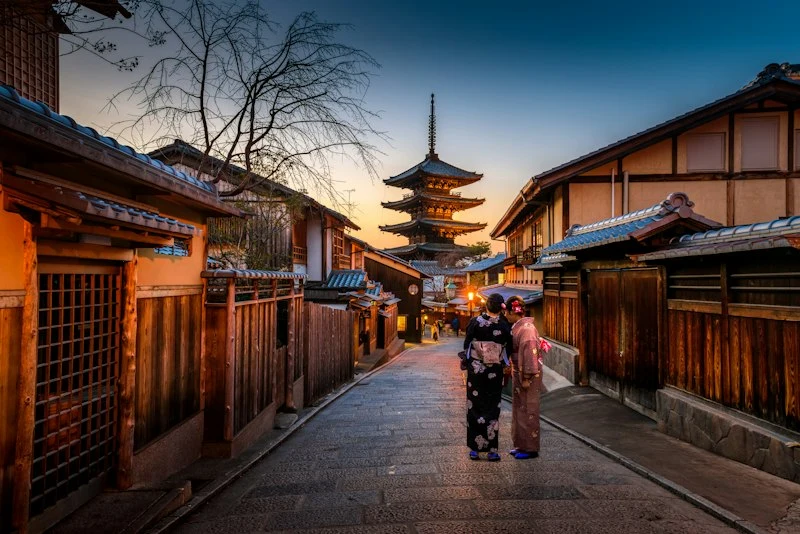
Match your hotels to the journey: Tokyo neighbourhoods, Kyoto or Osaka, mountain towns and a route with fewer changes.
Traditional Kyoto street with Yasaka Pagoda · Photography source
For a first visit, choose two substantial city stays before adding a rural night. Four nights in Tokyo and four in Kyoto leave enough room to recover from the flight, explore distinct neighbourhoods and keep a spare afternoon. Hakone can sit between them, while Osaka can be a final base if your departure airport makes that useful. A hotel change takes time even when the train journey is short: packing, checkout, station navigation and storing bags all belong in the day’s plan.
Decide what you want to do after dinner. Being near the restaurants you enjoy can matter more than saving a few minutes on an occasional intercity train. Measure the walk from the correct station exit, rather than the centre of the station symbol. Large stations have long internal passages, and the nearest exit may have stairs.
Tokyo Station and Marunouchi suit travellers making onward Shinkansen journeys. The area has excellent transport and polished shopping streets, but a room described as near Tokyo Station can still involve a substantial walk. Check which side of the station you need and whether the hotel route is straightforward with luggage.
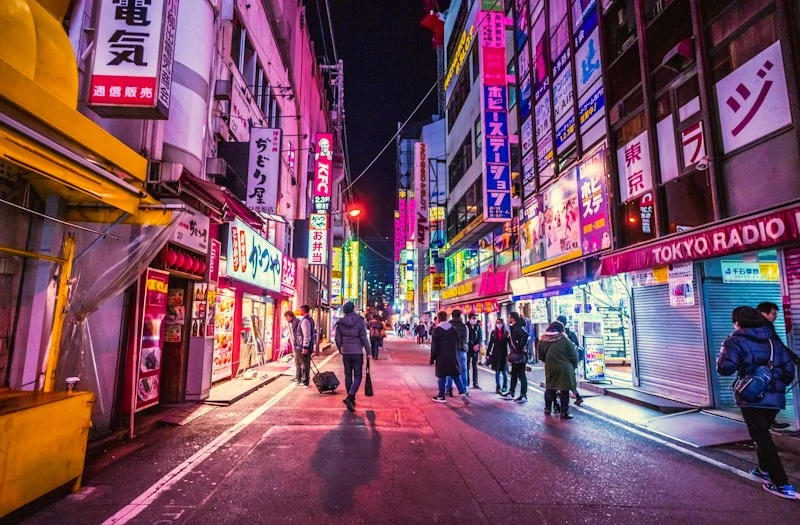
Shinjuku suits visitors who want restaurants, evening activity and connections towards Hakone. It is a complex station area; a quiet street and a simple entrance can be worth paying for. Shibuya is a useful alternative for shopping and western Tokyo, though its busiest streets are energetic late into the evening.
Ueno works well for museums, older neighbourhoods and some Narita airport services. Asakusa offers a more traditional street setting and convenient access to Senso-ji, but it is not on the JR Yamanote loop. Ginza can suit dining and shopping priorities; Shinagawa can be practical for certain airport and onward rail journeys. Choose using your actual airport, train and sightseeing plans.
Kyoto Station is practical with luggage and for excursions. It is less atmospheric than the old eastern streets, but you can spend the day in Higashiyama without sleeping there. Downtown around Shijo and Kawaramachi offers restaurants, shopping and useful connections. Check evening noise if the room faces a busy street.
Higashiyama and Gion reward travellers who value early walks and historic surroundings. Some traditional properties involve steps, small bathrooms or a longer taxi ride from the station. Arashiyama is a different choice: attractive for a slower local stay, less convenient as a base for sightseeing across the whole city. Do not assume all Kyoto attractions are close to one another.
Namba is a strong choice for food-focused evenings and exploring southern Osaka. Umeda is useful for shopping and regional journeys, though the station complex takes orientation. Shin-Osaka is convenient for Shinkansen departures but does not offer the same immediate sightseeing atmosphere. Check the specific airport service before choosing a hotel solely for the last night.
You can visit Kyoto from Osaka, but repeated commuting adds both time and local transfers. If temples and early Kyoto starts dominate your plans, staying in Kyoto usually makes the days easier. If evenings in Osaka and several Kansai excursions matter more, Osaka may be the better single base. Compare the total trip cost, including transport, rather than only the nightly room rate.
Hakone-Yumoto is convenient for arrival connections; Gora suits some museum and mountain transport plans; the Lake Ashi area offers a different setting but can add bus travel. Choose the ryokan first if the bath and dinner are the reason for coming. Confirm its arrival deadline before committing to an ambitious sightseeing circuit.
Kanazawa works as a city base for gardens, old districts and food. Takayama gives access to a compact historic town and mountain excursions. Shirakawa-go is not simply another station on the Shinkansen: bus reservations and seasonal conditions matter. Staying overnight in a village can be rewarding, but small inns may have shared facilities and limited meal flexibility. Keep an overnight bag if forwarding your main suitcase.
Two nights in Hiroshima allow a thoughtful city visit and a separate Miyajima outing. An island night gives a quieter evening but needs ferry and dinner planning. For Hokkaido, Sapporo is a good urban base, not a practical launch point for every distant national park. Choose a second regional base when the landscape is the main attraction.
In Kyushu, Fukuoka suits food and city connections, Nagasaki rewards an overnight stay, and an onsen town such as Beppu or Yufuin gives a different pace. Avoid changing towns every night. A longer regional stay often delivers more than adding another distant destination to a Tokyo–Kyoto holiday.
Confirm the number and width of beds, room size, non-smoking status, private bathroom, lift access and whether breakfast is included. A room sold as a double may be uncomfortable for two adults with large suitcases; a family may need a larger apartment or two rooms. Ask for confirmed connecting rooms if separation is not suitable.
Check cancellation deadlines in the property’s local time, payment currency and local taxes. Kyoto’s accommodation tax changed on 1 March 2026 and varies with the accommodation charge; use the official table rather than assuming every hotel collects the same amount. Keep your first and last nights convenient for your flight times, and leave enough flexibility for weather-sensitive mountain plans.
Travel guidePlan airport transfers, Shinkansen journeys, city transport and luggage without buying a pass before you know your route.
Explore Getting Around Japan →Travel journalHow much a Japan trip costs from Australia in 2026 — flights, hotels, ryokan, Shinkansen and the JR Pass question, food, sightseeing and three sample ten-day budgets in AUD.
Explore Japan Travel Costs →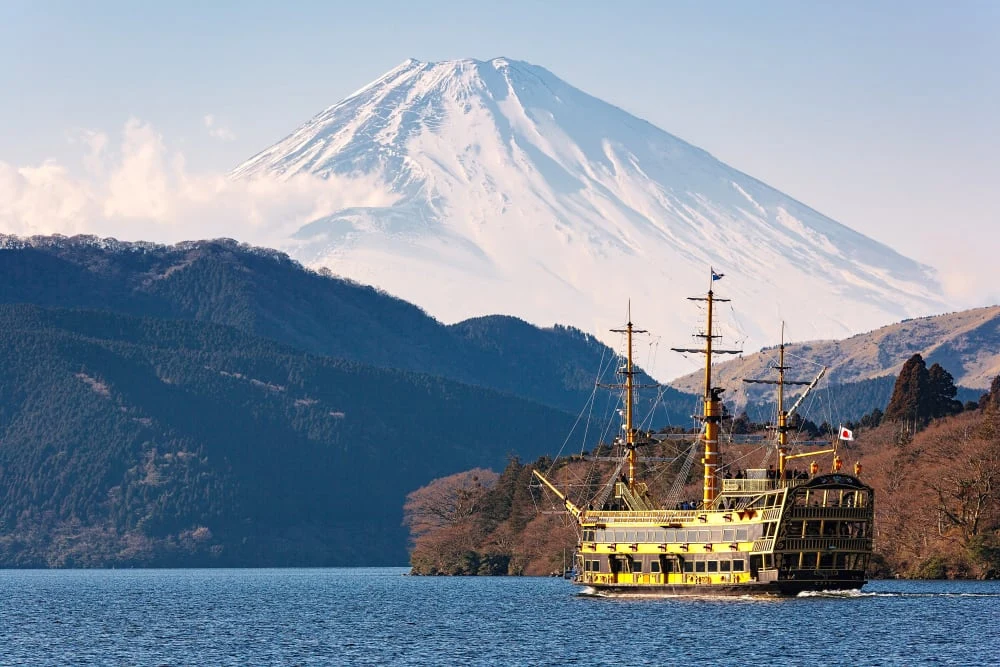 Tours & itineraries
Four nights in Tokyo, one in Hakone, four in Kyoto and one in Osaka: a proposed first-visit route with room to tailor the details.
Explore Classic Japan →Reviewed 12 November 2026. Check current fares, entry conditions, opening arrangements and booking terms for your actual dates. Any older indicative budget figures retained in the detailed guides are planning examples, not live quotes.
Your Japan, thoughtfully planned
Tell us your dates, group size, preferred pace and interests. Include dietary, bedding and access needs so we can discuss suitable options and confirm what can be arranged.
Keep exploring
Build your next journey with practical destination guides across Australia, New Zealand and the world.
Explore Tokyo · Explore Kyoto · Explore Osaka · Explore Taiwan