 Travel guide
Getting Around Japan: Rail, Airports & Local Travel
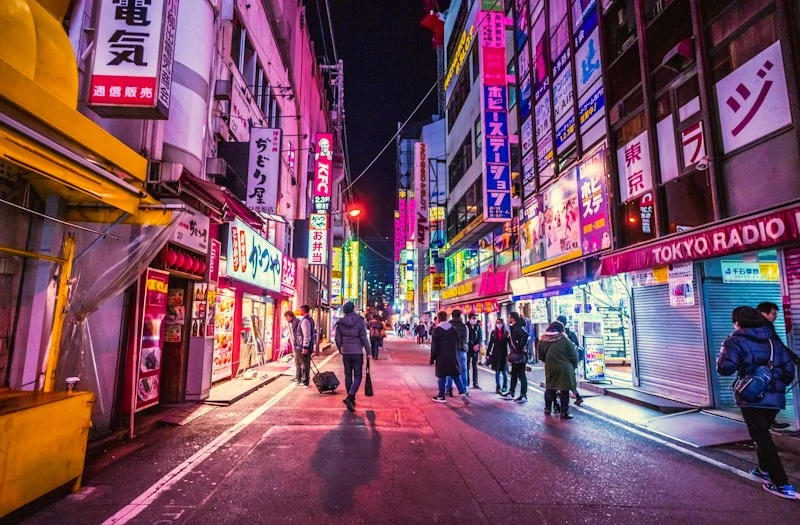
Plan airport transfers, Shinkansen journeys, city transport and luggage without buying a pass before you know your route.
Explore Getting Around Japan →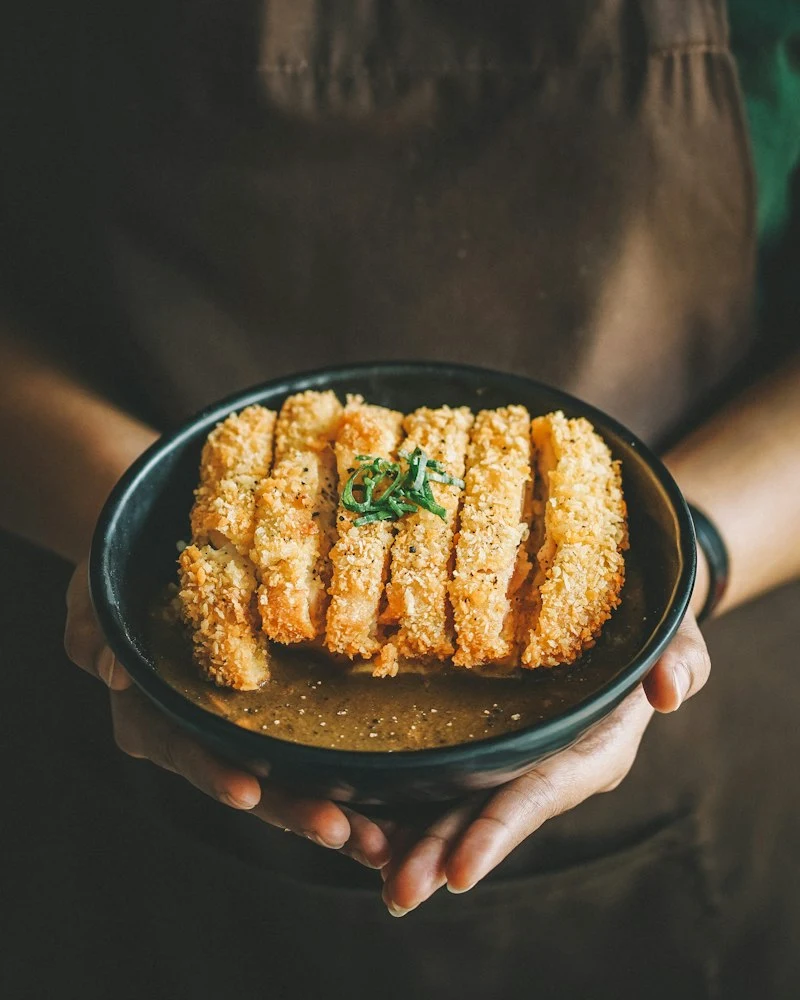
Choose neighbourhoods, markets and meal styles, manage reservations and dietary needs, and enjoy Japan beyond the famous restaurant lists.
Breaded cutlet served with curry and rice · Photography source
A satisfying food trip does not need a famous booking at every meal. Choose a district for the morning’s sightseeing, identify two nearby lunch options and leave room for something you discover. Crossing Tokyo for a single bowl of ramen can consume the time you hoped to spend exploring. In Kyoto, lunch near your temple route often makes more sense than returning downtown halfway through the day.
Build contrast into the trip: a station bento on a train day, a small local restaurant, a department-store food hall, a market snack and one carefully chosen special dinner. Check whether a restaurant is open for your intended service; lunch and dinner hours can be separate, with an afternoon closure and an earlier last order than expected.
Asakusa suits a meal alongside Senso-ji and the surrounding streets. Ueno and nearby market lanes offer a different, busier atmosphere. Shinjuku has enormous choice, but narrow drinking alleys and smoky venues may not suit children or travellers wanting a quiet meal. Shibuya and Omotesando work well when exploring western Tokyo.
Ginza, Tokyo Station and department-store basement food halls are useful for browsing prepared food and gifts. These are not all places to sit and eat: ask where consumption is permitted. At Tsukiji Outer Market, visit for the food businesses and street setting rather than expecting the wholesale tuna auction, which moved to Toyosu. Toyosu and Tsukiji are separate outings.
Nishiki Market is best treated as one part of a central Kyoto visit. Buy from individual shops and follow their requests about where to eat; do not block the narrow passage with a group. Downtown around Shijo and Kawaramachi offers broader choice than a market-only lunch plan. In Higashiyama, popular streets can become crowded, so an earlier meal helps.
A kaiseki dinner is a structured seasonal experience, not simply a large à la carte order. Reserve well ahead for a particular restaurant and disclose allergies before accepting the booking. Obanzai-style dishes and tofu-focused restaurants offer other ways to explore Kyoto’s food. Ask whether the menu includes fish-based stock if you are vegetarian.
Dotonbori is enjoyable for an evening walk and a first taste of Osaka’s lively food culture. Takoyaki and okonomiyaki are obvious starting points, but compare queues and menus instead of assuming the most photographed sign marks the best meal. A few streets away, you may find a quieter table and a more relaxed pace.
Kuromon Market can be combined with a Namba morning, while Umeda’s station and department-store complexes are practical in wet weather. Restaurant floors above shops are easy to overlook and can be useful for groups who want several options in one place. Decide on a meeting point before splitting up in a large complex.
In Hiroshima, try the local layered style of okonomiyaki and compare it with Osaka’s mixed-batter version. Miyajima has oysters and maple-shaped sweets, but check restaurant closing times if staying after the main day-trip period. Kanazawa’s markets and restaurants introduce seafood from the Sea of Japan; Takayama offers Hida beef and local mountain dishes.
Hokkaido rewards seafood, dairy and warming dishes, though a distant restaurant should not drive an already long road itinerary. Fukuoka is known for tonkotsu ramen and yatai food stalls. Yatai have limited seats and individual rules; they work better for a small, flexible party than a large group expecting a reserved banquet.
For a special meal, check the booking channel, cancellation terms, deposit and whether the entire party must order the same menu. Some restaurants use reservation platforms with their own fees. If your hotel helps with a booking, follow through or cancel correctly: the property may be responsible for guaranteeing your attendance.
Small restaurants may use a ticket machine, a handwritten waiting list or a queue outside. Keep the group together when asked and do not hold a place for a large party without checking. Cash remains useful. At some venues you pay at the counter after eating; at others you buy a ticket first. Follow the staff’s direction rather than expecting an Australian table-service routine.
Explain the ingredient and the seriousness of the restriction, ideally using a carefully prepared Japanese translation. Vegetarian-looking food can contain fish stock, and soy sauce commonly contains wheat. Shared equipment and cross-contact may matter as much as the named ingredients. A restaurant’s willingness to help is not a guarantee it can meet a severe allergy requirement.
Research suitable restaurants before travelling and carry a backup meal or snack appropriate to your needs. Traditional inns need advance notice, and some cannot alter their set menus. For a group, identify suitable options near the accommodation so dinner does not become a long search at the end of a tiring day.
Food halls, family restaurants and department-store dining floors can offer straightforward choices and seating. Check whether a traditional restaurant uses floor seating and whether chairs are available. A small counter restaurant may have age limits or little space for a pram; ask before booking an expensive tasting menu.
Keep meals flexible on travel days. Buy something before boarding if a long connection could leave you hungry, carry water in hot weather, and avoid scheduling a prepaid dinner immediately after an uncertain flight or mountain transfer. Use the deeper Japan food-lovers article for regional dishes and the travel-costs guide to build your budget.
Travel guidePlan airport transfers, Shinkansen journeys, city transport and luggage without buying a pass before you know your route.
Explore Getting Around Japan →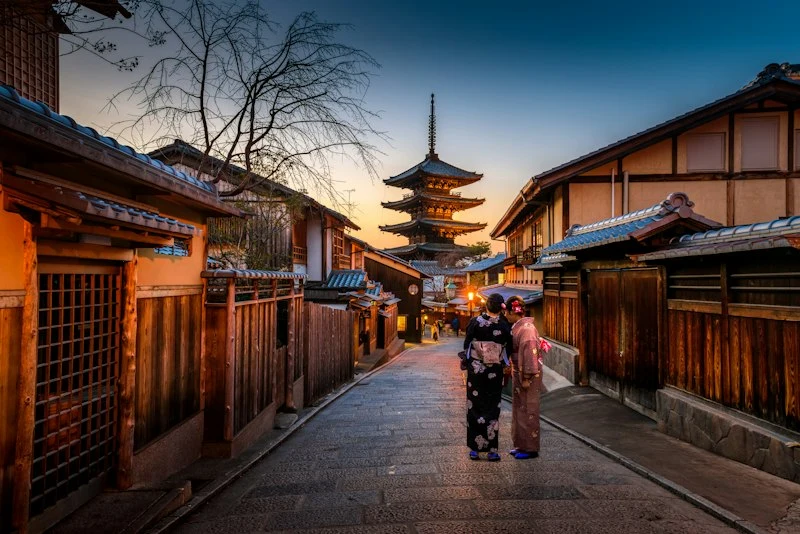 Travel guide
Match your hotels to the journey: Tokyo neighbourhoods, Kyoto or Osaka, mountain towns and a route with fewer changes.
Explore Where to Stay in Japan →Travel journalHow much a Japan trip costs from Australia in 2026 — flights, hotels, ryokan, Shinkansen and the JR Pass question, food, sightseeing and three sample ten-day budgets in AUD.
Explore Japan Travel Costs →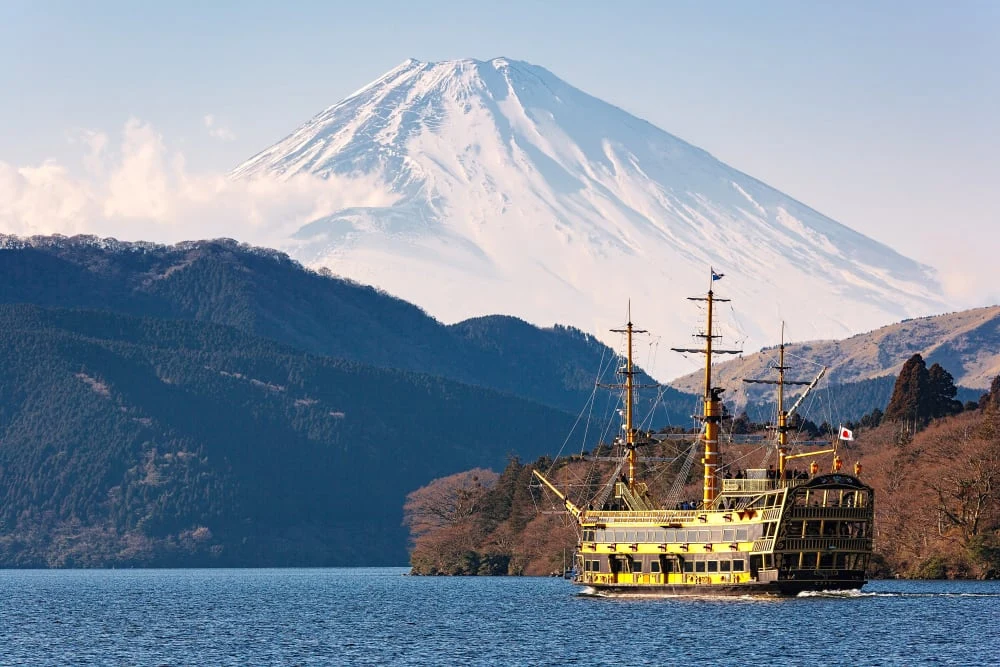 Tours & itineraries
Four nights in Tokyo, one in Hakone, four in Kyoto and one in Osaka: a proposed first-visit route with room to tailor the details.
Explore Classic Japan →Reviewed 12 November 2026. Check current fares, entry conditions, opening arrangements and booking terms for your actual dates. Any older indicative budget figures retained in the detailed guides are planning examples, not live quotes.
Your Japan, thoughtfully planned
Tell us your dates, group size, preferred pace and interests. Include dietary, bedding and access needs so we can discuss suitable options and confirm what can be arranged.
Keep exploring
Build your next journey with practical destination guides across Australia, New Zealand and the world.
Explore Tokyo · Explore Kyoto · Explore Osaka · Explore Taiwan