 Travel guide
Where to Eat in Japan: A Practical Dining Guide
Choose neighbourhoods, markets and meal styles, manage reservations and dietary needs, and enjoy Japan beyond the famous restaurant lists.
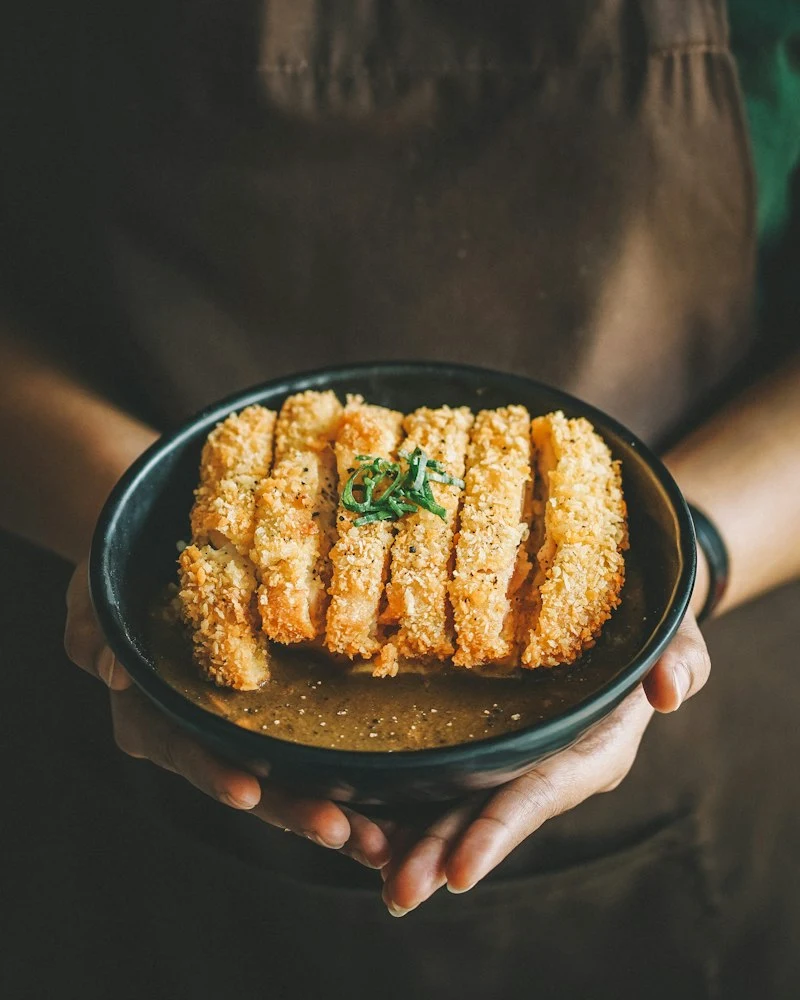
Explore Where to Eat in Japan →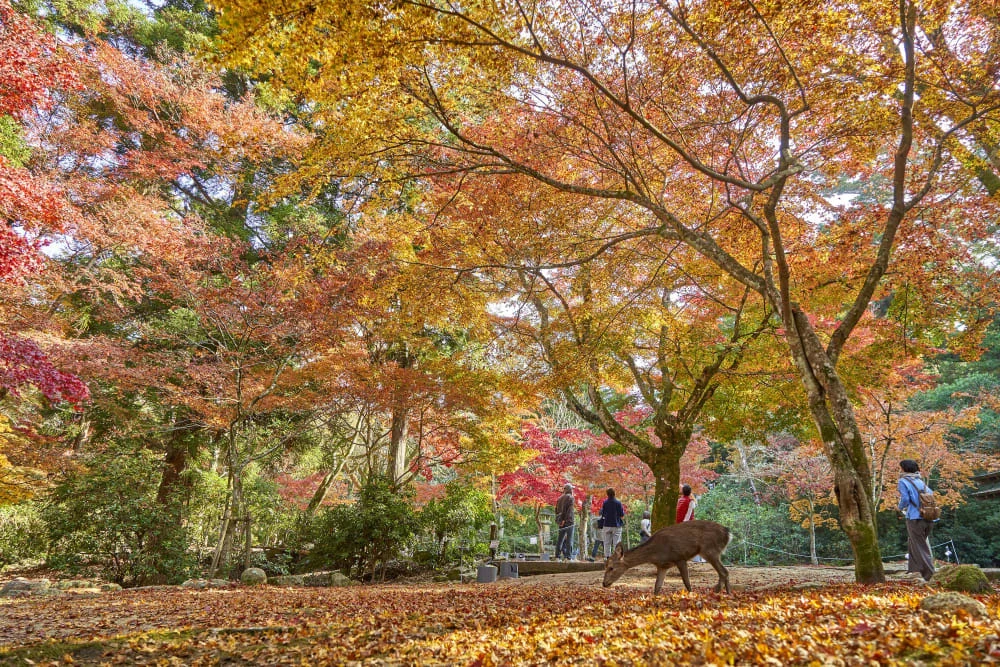
Allow time for remembrance in Hiroshima and a separate island day on Miyajima, with practical advice on ferries, pacing and overnight stays.
Autumn foliage at Momijidani Park on Miyajima · Photography source
Two nights in Hiroshima work well for a city day and a Miyajima outing. A single overnight can still be worthwhile, but combining the Peace Memorial Museum, several city attractions and a mountain climb on Miyajima creates a demanding schedule. Travellers who want a quieter island evening can stay on Miyajima, provided they organise luggage, dinner and ferry connections.
Hiroshima is an effective stop between Kansai and western Japan. Check the specific train service and ticket coverage rather than assuming every national-pass holder can board the fastest departure without an additional ticket. Allow time between station arrival and any timed museum reservation.
Approach the Peace Memorial Park as a place of remembrance. The Atomic Bomb Dome, cenotaph and Children’s Peace Monument are part of a wider setting that benefits from slow attention. Keep voices low at memorials and respect people who are there for personal reasons. Photography rules and the dignity of the place should shape how you record the visit.
The museum can be emotionally demanding. Read the official visitor information, check admission arrangements and leave a quiet interval afterwards. Families should consider the individual child’s age and sensitivity rather than treating the museum as an ordinary attraction. Splitting the group or spending more time in the park can be a reasonable choice.
Shukkeien Garden offers a contrasting, contemplative walk. The castle grounds and city museums can add historical context, subject to current access and exhibition arrangements. Choose one additional visit rather than filling every remaining hour. Hiroshima’s riverfront and central streets also allow a relaxed afternoon without another ticketed attraction.
Try Hiroshima-style okonomiyaki, usually built in layers with noodles. A busy restaurant cluster can be enjoyable, but a quieter local place may suit a tired group better. Confirm seating if stairs or high counters are a problem. Do not schedule a substantial lunch so tightly that it interrupts the time you wanted at the museum.
The common approach uses rail or local transport to Miyajimaguchi and then a ferry. Other boat routes may be available, but they differ in frequency, price, ticket coverage and weather exposure. Confirm the route you intend to use, its last service and any separate visitor charges. A JR-branded service is not a reason to assume all associated charges disappear with a pass.
If staying on the island, ask your accommodation about baggage storage, pickup arrangements and dinner time. If returning to Hiroshima, keep a comfortable buffer for the ferry and onward train. A delayed mountain excursion should not put an international flight or expensive long-distance connection at risk.
The shrine and its torii look different as the tide changes. Check a tide table if you have a particular view in mind, while recognising that weather and light are part of the experience. Respect barriers and designated paths rather than treating low water as permission to walk anywhere.
Daisho-in provides another rewarding visit, with steps and hillside paths that need appropriate footwear. Deer roam the island; keep food, paper and small belongings secure and follow local guidance. Do not assume that rules for feeding deer elsewhere apply here. Browse the main streets for oysters and momiji manju, and check opening hours if staying after day visitors leave.
The ropeway can reduce some climbing, but it does not deliver everyone directly to an effortless summit viewpoint. Walking beyond the upper station still involves terrain and time. Check operating conditions, return deadlines and the suitability of the route for your fitness and footwear.
In heat, rain or poor visibility, spending more time around the shrine, temples and waterfront may be the better day. Hiking routes require their own preparation, not just an extra hour inserted into a general sightseeing plan. Carry water, monitor conditions and return before transport closes.
Arrival day: settle into Hiroshima, take a short local walk and enjoy an uncomplicated dinner. Full day one: Peace Memorial Park and the museum, followed by a quiet lunch and either Shukkeien or a relaxed riverside afternoon. Full day two can be Miyajima if your departure is later or you add a third night; otherwise visit the island on the middle day and keep the city visit on arrival and departure days.
For the clearest pace, three nights allow two complete sightseeing days without moving luggage during either. If you only have two nights, match the order to train times and museum availability. The aim is sufficient time at each place, not an impressive list of completed stops.
Travel guideChoose neighbourhoods, markets and meal styles, manage reservations and dietary needs, and enjoy Japan beyond the famous restaurant lists.
Explore Where to Eat in Japan →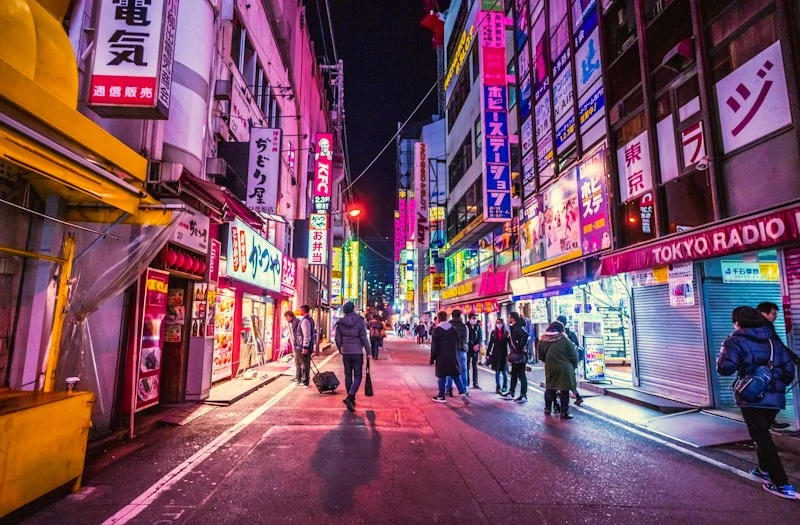 Travel guide
Plan airport transfers, Shinkansen journeys, city transport and luggage without buying a pass before you know your route.
Explore Getting Around Japan →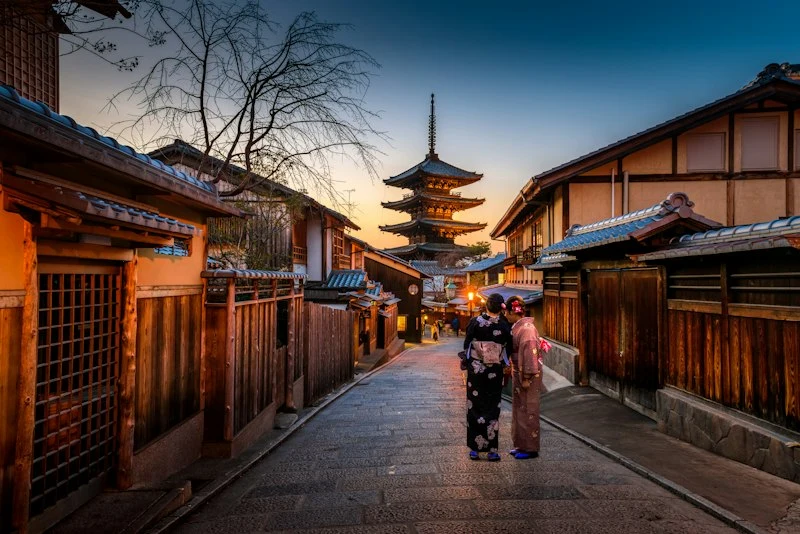 Travel guide
Match your hotels to the journey: Tokyo neighbourhoods, Kyoto or Osaka, mountain towns and a route with fewer changes.
Explore Where to Stay in Japan → Tours & itineraries
Compare classic, slower-paced, seasonal, family, Alps, hot-spring, Kyushu and golf travel ideas before shaping your own trip.
Explore Japan Tours & Itineraries for Australians →Reviewed 12 November 2026. Check current fares, entry conditions, opening arrangements and booking terms for your actual dates. Any older indicative budget figures retained in the detailed guides are planning examples, not live quotes.
Your Japan, thoughtfully planned
Tell us your dates, group size, preferred pace and interests. Include dietary, bedding and access needs so we can discuss suitable options and confirm what can be arranged.
Keep exploring
Build your next journey with practical destination guides across Australia, New Zealand and the world.
Explore Tokyo · Explore Kyoto · Explore Osaka · Explore Taiwan