 Travel guide
Where to Eat in Japan: A Practical Dining Guide
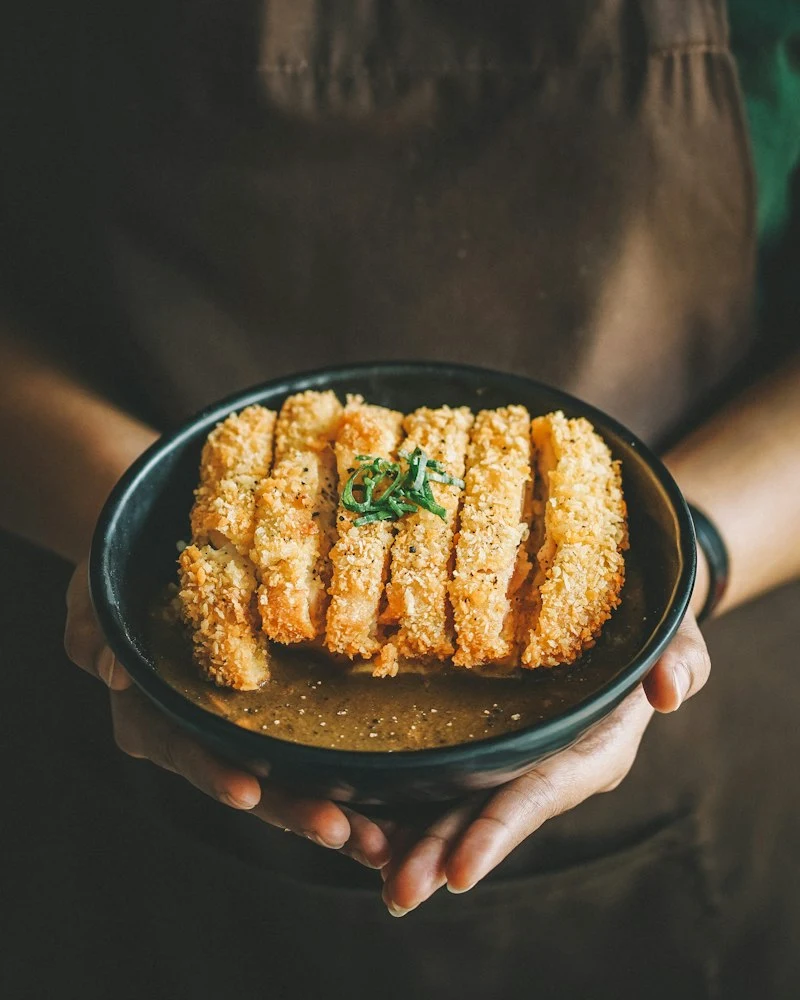
Choose neighbourhoods, markets and meal styles, manage reservations and dietary needs, and enjoy Japan beyond the famous restaurant lists.
Explore Where to Eat in Japan →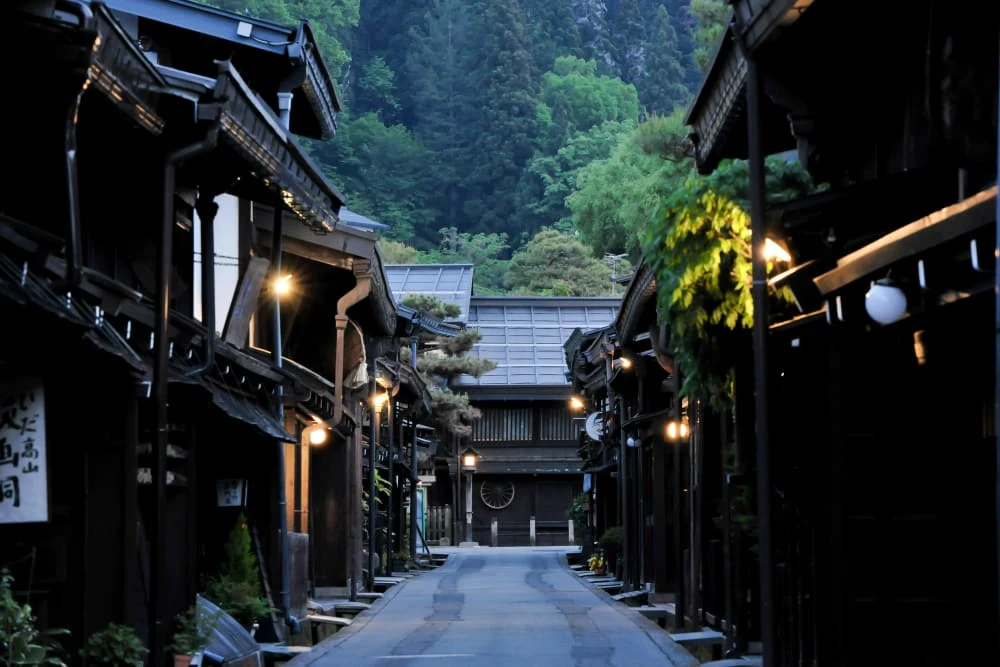
Link Kanazawa, Shirakawa-go and Takayama sensibly, then decide whether Matsumoto or Kamikochi belongs in the same holiday.
Traditional streets in the Takayama area · Photography source
The Japanese Alps are not one attraction or one rail line. Kanazawa is a coastal city often paired with the mountain route; Takayama and Shirakawa-go need different connections; Matsumoto and Kamikochi sit on another side of the mountains. Choose a coherent sequence rather than drawing a line between famous names and assuming direct trains join them.
A useful introduction allows two nights in Kanazawa and two in Takayama, with Shirakawa-go on a transfer day if bus times work. Add nights if you want walking, another valley or a slower pace. Winter weather and seasonal transport can change what is practical, so decide the season before finalising the route.
Kenrokuen and the castle park form a natural pair, while Higashi Chaya and Nagamachi introduce different historic streetscapes. Choose two main clusters in a day, then leave time for a market meal or museum. Kanazawa is popular in its own right; it should not be sold as an empty version of Kyoto.
Omicho Market can be enjoyable for seafood and browsing, but confirm opening days and avoid expecting every stall to remain open into the evening. The 21st Century Museum of Contemporary Art and other museums need separate checks for exhibitions and ticketed areas. Reserve any small guided site that requires advance arrangements.
The thatched gassho-zukuri farmhouses are the reason many travellers add Shirakawa-go. Residents live and work here, so stay on permitted paths and respect private entrances. Choose a farmhouse open to visitors if you want to understand the buildings rather than only photograph their roofs.
Bus services connect the village with cities including Kanazawa and Takayama, but seats can fill. Confirm whether your service requires a reservation, its baggage rules and the onward departure. Winter illumination events have special arrangements; do not assume an ordinary bus ticket permits attendance or that a room can be found on arrival.
Sanmachi’s older streets, morning markets and Takayama Jinya are useful starting points. Add a brewery visit, a museum or the Higashiyama temple walk according to your interests. Hida Folk Village is a separate excursion from the centre and can be a practical alternative for travellers who want traditional buildings without another long transfer.
Try regional dishes such as hoba miso and Hida beef where suitable, and leave space for an unplanned café or shop. Festival periods bring particular demand for rooms and transport. A town that feels calm in an early morning photograph can be busy later, so build your day around what you want to experience rather than a promise of no crowds.
Matsumoto’s castle and compact centre make a rewarding base on their own. The historic castle interior can involve steep stairs and is not suitable for every visitor. Check access information and decide whether viewing the exterior and grounds meets your needs.
Kamikochi is a mountain valley with a seasonal visitor-access period. Verify current opening dates, buses, walking conditions and accommodation arrangements. The riverside paths and longer mountain hikes are very different commitments. Even a gentle walk needs suitable clothing and weather awareness; an ambitious alpine route requires proper mountain preparation.
Tokyo to Kanazawa uses the Hokuriku Shinkansen. Kanazawa to Kyoto or Osaka now involves a change at Tsuruga between the Hokuriku Shinkansen and Thunderbird. Do not plan around an old direct Thunderbird timetable. Takayama can connect towards Nagoya on the Hida limited express, followed by an onward Shinkansen journey.
Cross-mountain travel often involves buses, and winter or seasonal schedules may reduce options. Price the actual journeys before selecting a national or regional pass. A pass that covers the rail sections may exclude important bus legs, while a reserved bus seat is not guaranteed merely because a pass is valid for a route.
Forward a large suitcase around the mountain section only after confirming the service and receiving hotel. Carry warm layers, medicines and sufficient clothing for the delivery interval. Small buses and traditional inns are easier with modest luggage, but do not send away something you need for changing weather.
A four-night plan could place nights one and two in Kanazawa, day three through Shirakawa-go to Takayama, and nights three and four in Takayama. Continue via Nagoya towards Kyoto, or redesign the route for Matsumoto and Kamikochi with extra nights. Snow scenery, spring greenery and autumn colour each require different expectations; no single month offers every regional highlight at its best.
Travel guideChoose neighbourhoods, markets and meal styles, manage reservations and dietary needs, and enjoy Japan beyond the famous restaurant lists.
Explore Where to Eat in Japan →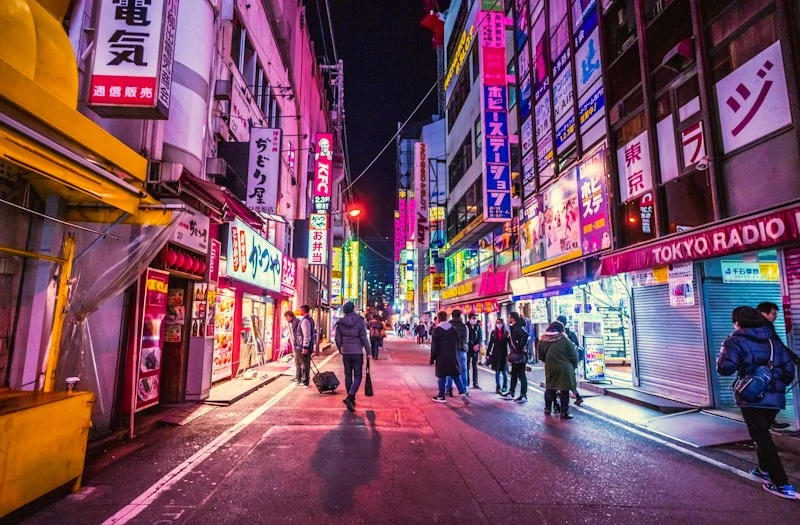 Travel guide
Plan airport transfers, Shinkansen journeys, city transport and luggage without buying a pass before you know your route.
Explore Getting Around Japan →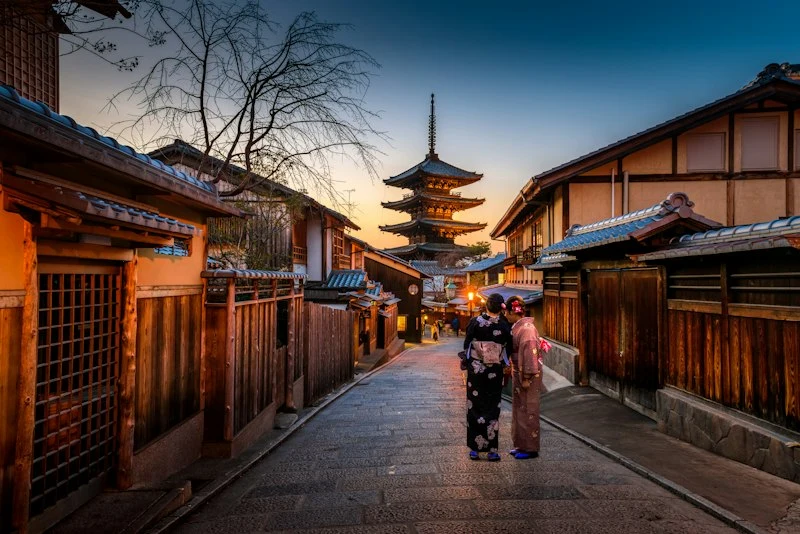 Travel guide
Match your hotels to the journey: Tokyo neighbourhoods, Kyoto or Osaka, mountain towns and a route with fewer changes.
Explore Where to Stay in Japan →Tours & itinerariesCompare classic, slower-paced, seasonal, family, Alps, hot-spring, Kyushu and golf travel ideas before shaping your own trip.
Explore Japan Tours & Itineraries for Australians →Reviewed 12 November 2026. Check current fares, entry conditions, opening arrangements and booking terms for your actual dates. Any older indicative budget figures retained in the detailed guides are planning examples, not live quotes.
Your Japan, thoughtfully planned
Tell us your dates, group size, preferred pace and interests. Include dietary, bedding and access needs so we can discuss suitable options and confirm what can be arranged.
Keep exploring
Build your next journey with practical destination guides across Australia, New Zealand and the world.
Explore Tokyo · Explore Kyoto · Explore Osaka · Explore Taiwan