 Travel guide
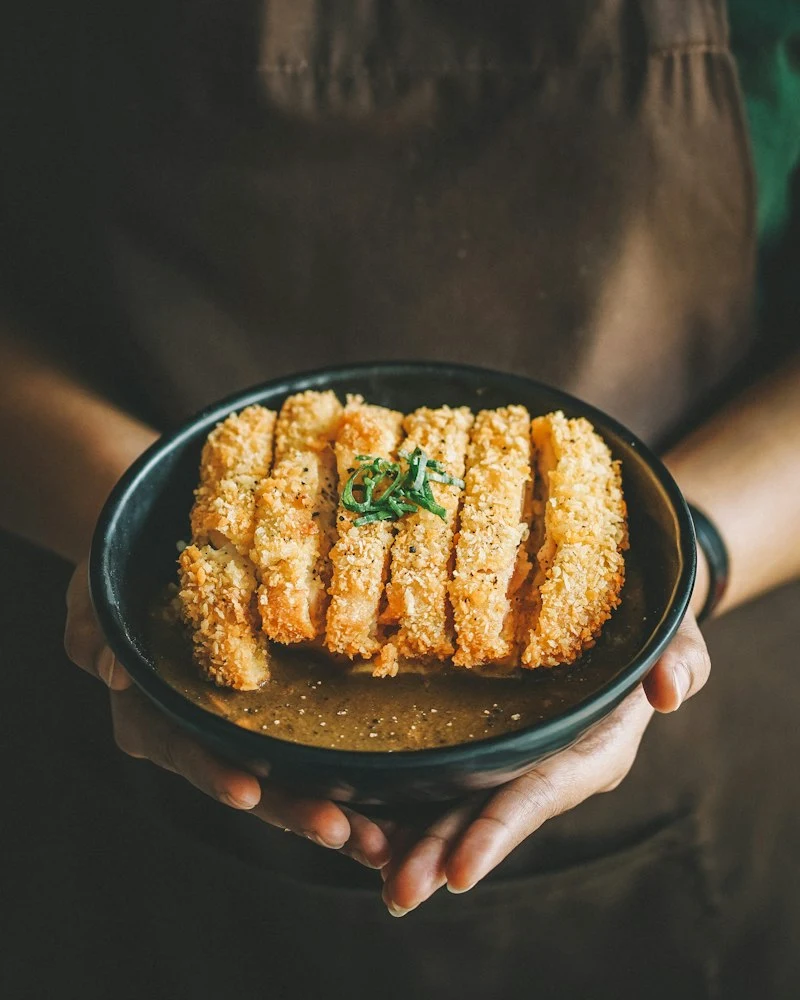
Where to Eat in Japan: A Practical Dining Guide
Choose neighbourhoods, markets and meal styles, manage reservations and dietary needs, and enjoy Japan beyond the famous restaurant lists.
Explore Where to Eat in Japan →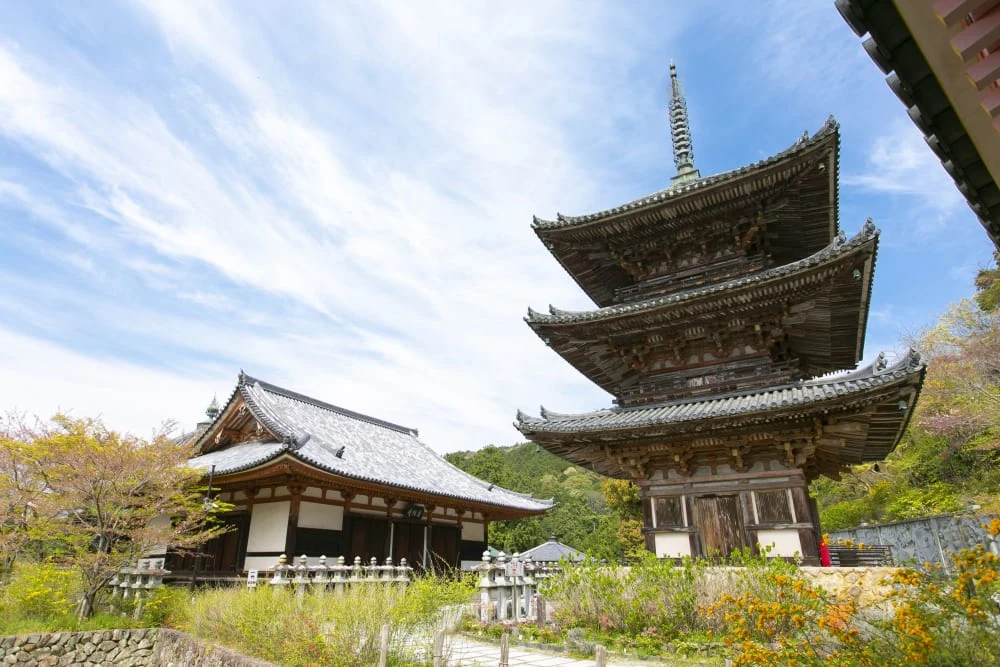
Plan a manageable Nara visit from Kyoto or Osaka, with time for Todai-ji, the park, shrines and a quieter old-town walk.
Historic pagoda in Nara Prefecture · Photography source
Nara works as a day trip from Kyoto or Osaka, but it rewards more than a quick photograph with a deer. A full day allows a major temple, a park walk, lunch and an old-town district without rushing. An overnight stay is useful if you enjoy early or late walks after the busiest excursion hours.
JR Nara and Kintetsu-Nara are different stations. Compare the station closest to your hotel at the other end and the approach to your first attraction. A rail pass may cover one option but not make it the most convenient choice. Include the walking distance from the arrival station in your plan.
Todai-ji is a major reason to come. The Great Buddha Hall is an imposing reconstruction within a large temple precinct; it should not be described as the world’s largest wooden building without qualification. Allow time to appreciate the scale and religious setting rather than moving straight from entrance to exit.
Check current admission and access information before arrival. The approach includes open areas where heat or rain can affect comfort. If you want to continue towards Nigatsu-do, assess the steps and slopes as part of the day’s walking load. The view and quieter atmosphere can be rewarding, but this is an optional extension for those who have the energy.
The deer are free-roaming animals, not trained performers. Follow current local guidance and use only approved deer crackers where feeding is permitted. Keep other food, maps and bags secure. Children should be supervised closely, and anyone uncomfortable around animals can enjoy the park without feeding them.
Avoid chasing, teasing or crowding deer for a photograph. Give animals space, particularly if they appear agitated. The park is spread out: choose a route between your main stops rather than wandering until everyone is tired. In warm weather, carry water and plan a shaded break before the longest open section.
Kasuga Taisha offers a different setting from Todai-ji, with lanterns and wooded approaches. It can combine well with the park if the group is comfortable walking. Check which areas require admission and whether special events affect access. Respect worshippers and the distinction between public paths and restricted shrine spaces.
The full approach adds distance to the day. For a slower itinerary, choose Kasuga Taisha or an extended Todai-ji precinct visit rather than forcing both alongside every other stop. A local bus or taxi can help, but establish pickup points and service information before relying on it for a tired return.
Kofuku-ji is convenient for many routes through the city and offers further context on Nara’s historic importance. Construction or restoration can affect what is visible, so check official visitor notices rather than expecting every familiar photograph to match the current scene.
Naramachi’s older streets, small shops and cafés make a pleasant change after major religious sites. Choose a modest loop and allow time to browse. Some small premises close on particular weekdays, and lunch may finish earlier than expected. Have a backup food option instead of building the entire afternoon around one café found in an old article.
The classic version begins with Todai-ji, continues through a selected part of the park, pauses for lunch, then chooses Kasuga Taisha or Naramachi. Return via the station that best suits the route home. Kofuku-ji can fit naturally if your arrival or departure passes it, but it need not become another lengthy visit.
The slower version starts at Kofuku-ji and the old town, includes a relaxed lunch, then visits Todai-ji as the main afternoon stop. Limit the deer encounter to a comfortable area of the park. Families often enjoy this more than a long walk that accumulates temples without enough breaks.
Spring and autumn can be busy; arrive with enough time for queues and avoid assuming that famous seasonal views will peak on your chosen day. Summer requires heat planning, while winter can be cold even when the sky is clear. Comfortable footwear matters in every season.
Try local food where it suits your tastes, but do not make a child’s meal depend on an unfamiliar speciality. A centrally located overnight stay allows a calmer schedule and removes the pressure of returning to Kyoto or Osaka after dinner. Check luggage storage and station access, then use the extra time to walk a smaller area more slowly rather than adding another distant excursion.
Travel guideChoose neighbourhoods, markets and meal styles, manage reservations and dietary needs, and enjoy Japan beyond the famous restaurant lists.
Explore Where to Eat in Japan →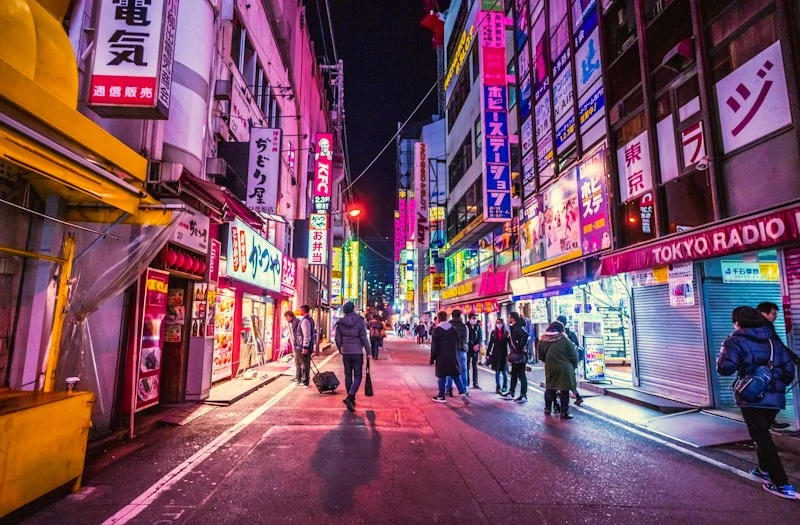 Travel guide
Plan airport transfers, Shinkansen journeys, city transport and luggage without buying a pass before you know your route.
Explore Getting Around Japan →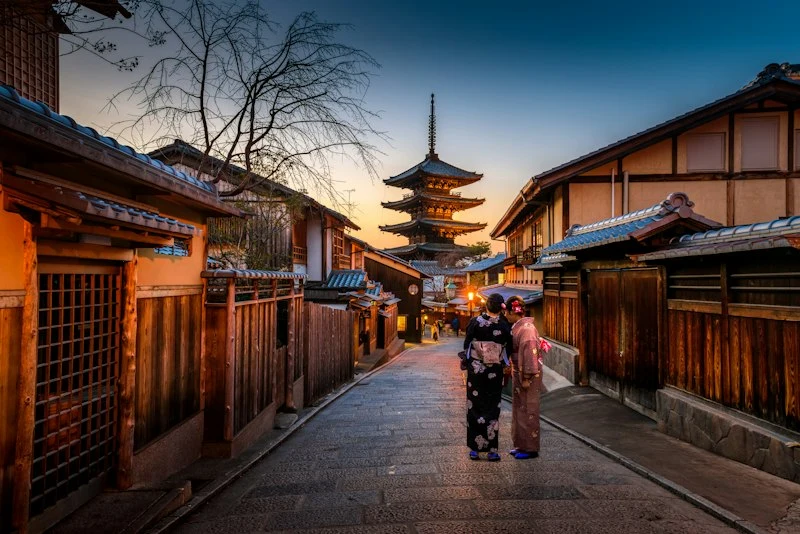 Travel guide
Match your hotels to the journey: Tokyo neighbourhoods, Kyoto or Osaka, mountain towns and a route with fewer changes.
Explore Where to Stay in Japan → Tours & itineraries
Compare classic, slower-paced, seasonal, family, Alps, hot-spring, Kyushu and golf travel ideas before shaping your own trip.
Explore Japan Tours & Itineraries for Australians →Reviewed 12 November 2026. Check current fares, entry conditions, opening arrangements and booking terms for your actual dates. Any older indicative budget figures retained in the detailed guides are planning examples, not live quotes.
Your Japan, thoughtfully planned
Tell us your dates, group size, preferred pace and interests. Include dietary, bedding and access needs so we can discuss suitable options and confirm what can be arranged.
Keep exploring
Build your next journey with practical destination guides across Australia, New Zealand and the world.
Explore Tokyo · Explore Kyoto · Explore Osaka · Explore Taiwan